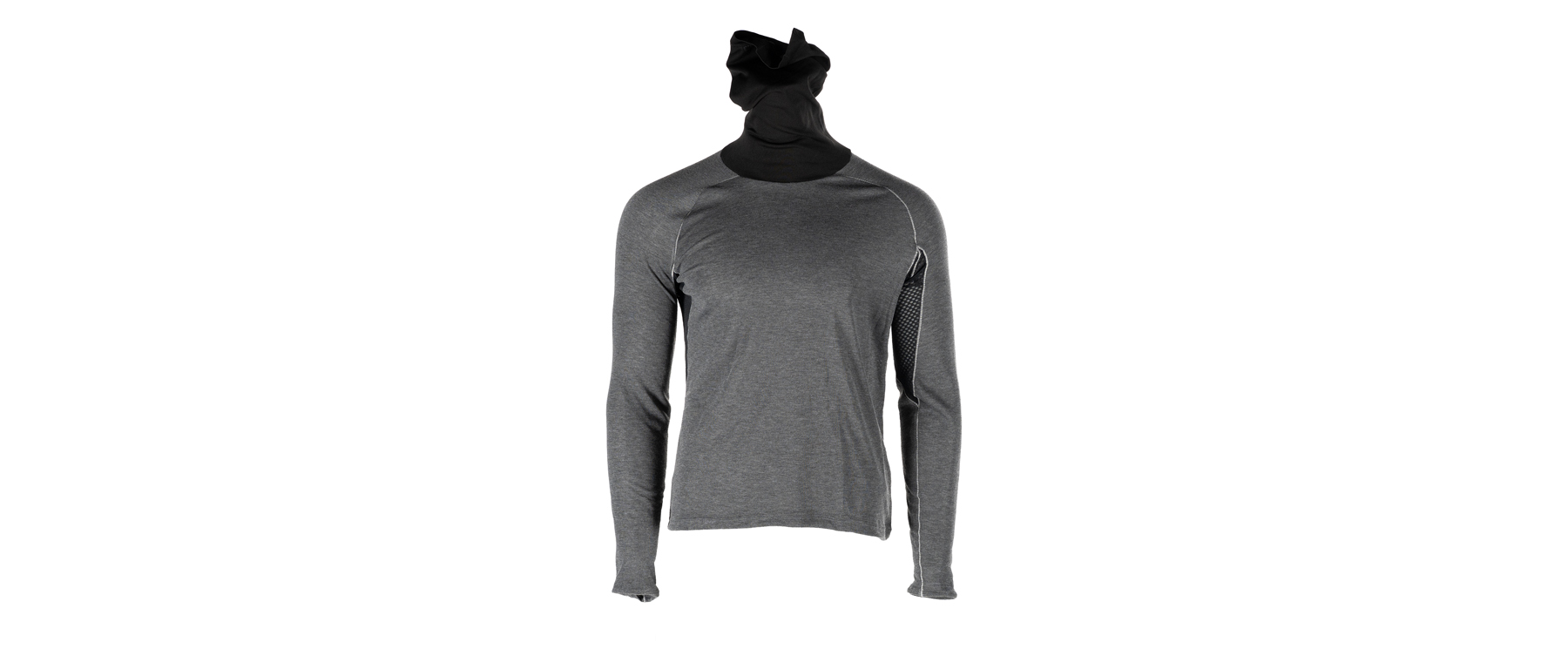
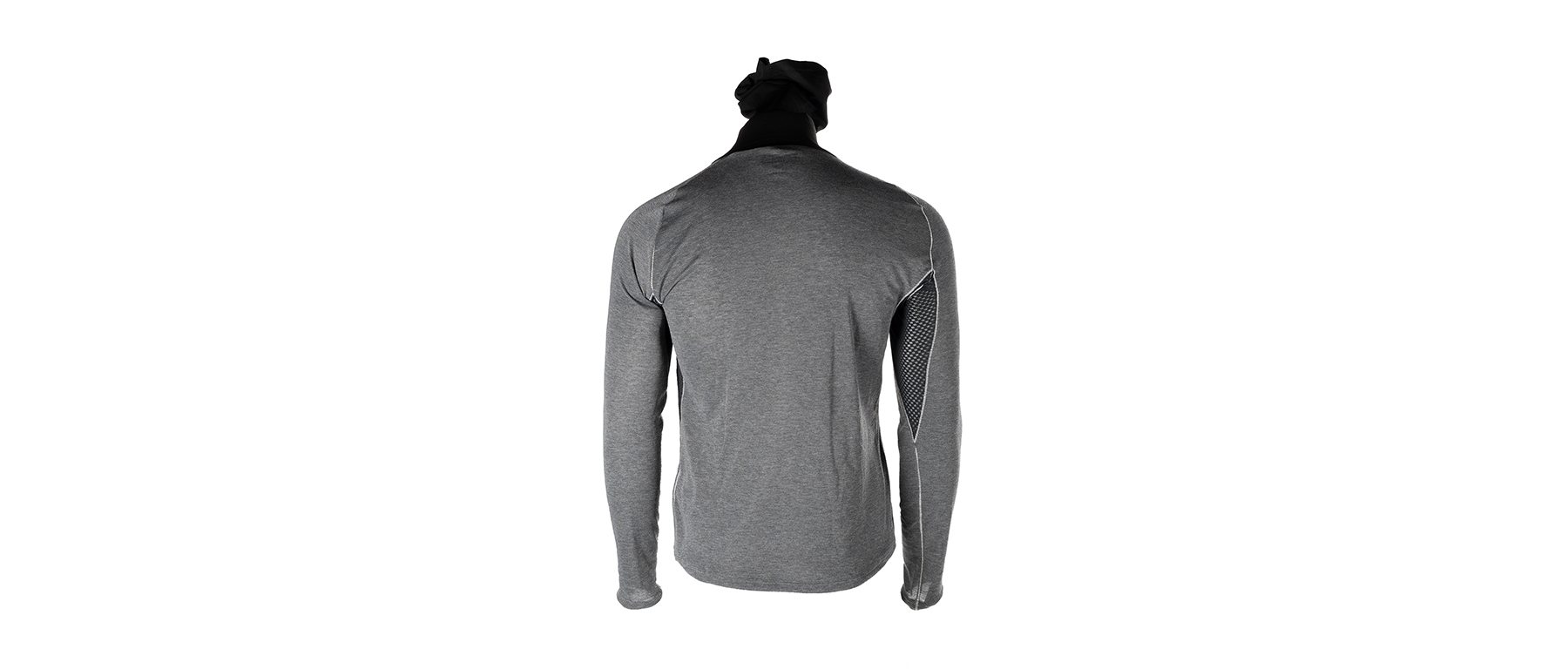
High-neck baselayers solve a specific layering problem: that gap between jersey collar and jacket zipper where cold air finds its way in on every descent. The Flanders 2 High Neck Warmer from Castelli addresses this with a collar that extends up the neck, creating a seal that works with your outer layers instead of leaving exposed skin to the elements. It's the kind of detail that seems minor until you're forty minutes into a cold descent and realize you're not constantly adjusting your jacket zipper.
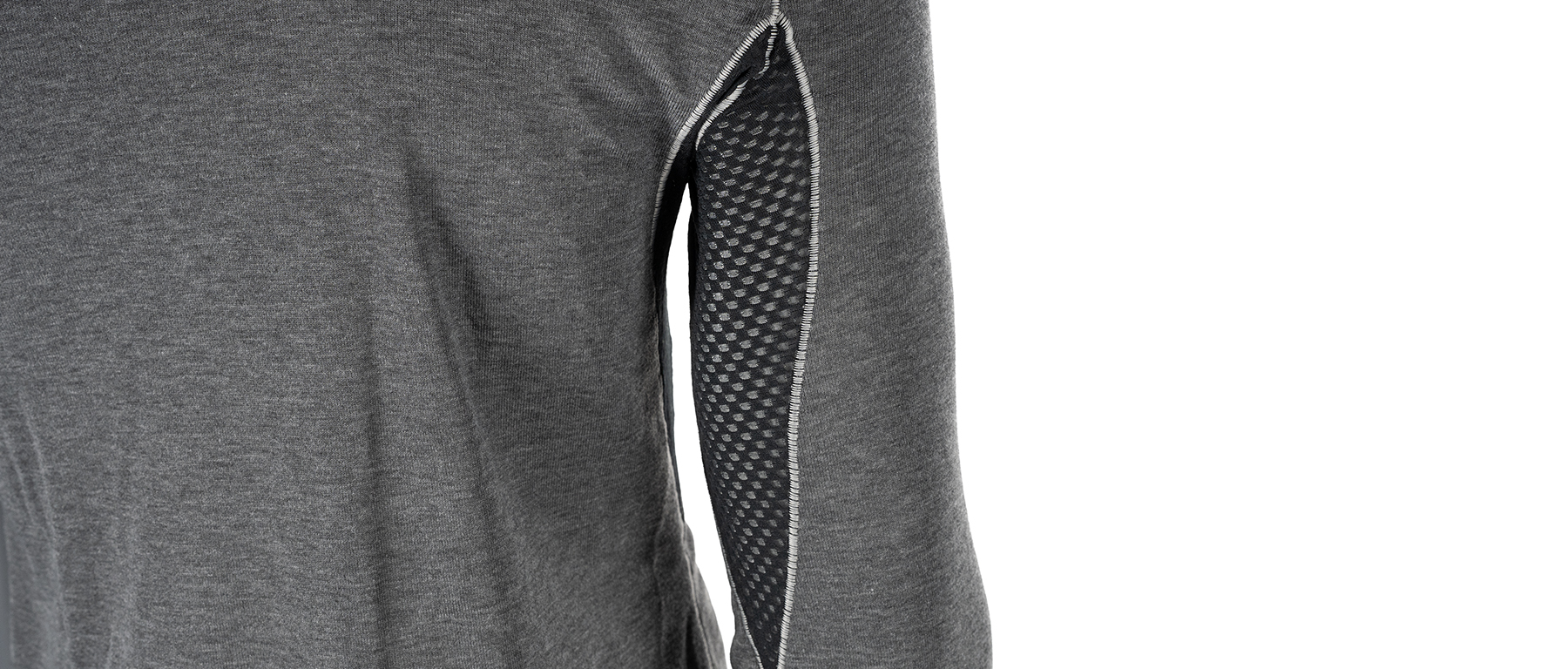
Castelli builds the Flanders 2 around their Warmer fabric—a brushed polyester construction that traps warmth against your skin while moving moisture outward. The brushed interior feels soft against skin rather than clammy, which matters when you're wearing it for four-hour rides in temperatures that hover around freezing. The fabric weight sits in the sweet spot for true winter use: substantial enough to provide real insulation, thin enough to layer under a jersey and jacket without feeling bulky or restricting movement in the shoulders.
The fit follows Castelli's typically trim approach, which means the baselayer stays put during efforts rather than bunching at the waist or riding up under your jersey. That close fit also eliminates dead air space between your skin and the fabric, keeping the thermal layer functioning as intended rather than creating pockets where sweat can accumulate and turn cold. Long sleeves extend to the wrist with a simple finished edge—no bulky cuffs to bunch under jacket sleeves.... Read More
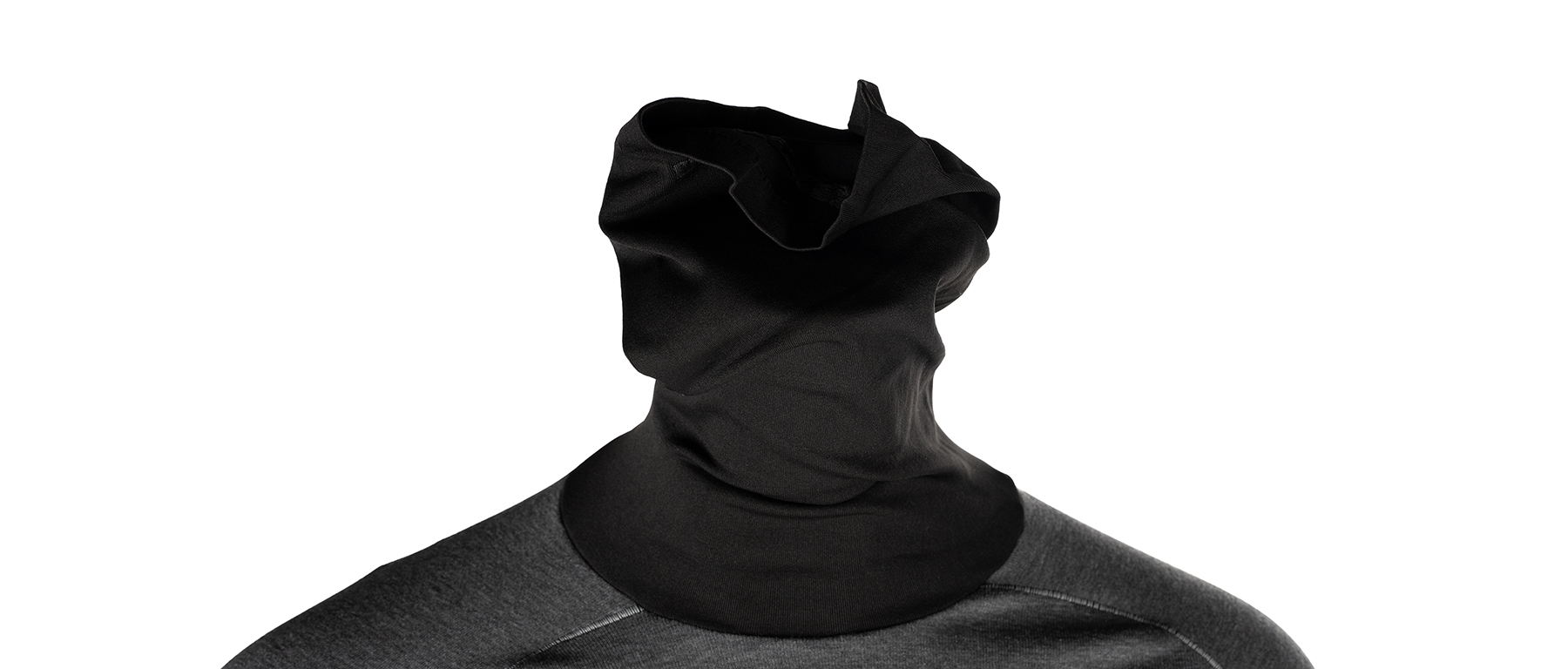
The high neck design represents the real differentiator from standard crew-neck baselayers. The collar height provides coverage without creating a turtleneck situation where you feel like you're being slowly strangled on hard efforts. It sits comfortably against the throat and layers naturally under jacket collars, filling that gap that single-layer solutions always seem to miss. For riders who've experimented with neck gaiters worn over baselayers, this integrated approach eliminates one more piece to manage and one more potential point where cold air sneaks through.
Temperature range sits firmly in the cold-weather category—Castelli suggests 14°F to 46°F as the working range, which translates to those rides where you're starting in darkness with frost on the ground and finishing with the sun barely warming things up. Below that range you're looking at doubling up baselayers; above it you'll likely overheat unless you're facing significant wind chill. Available in black and gray, both of which disappear under your other layers without showing through lighter jerseys.