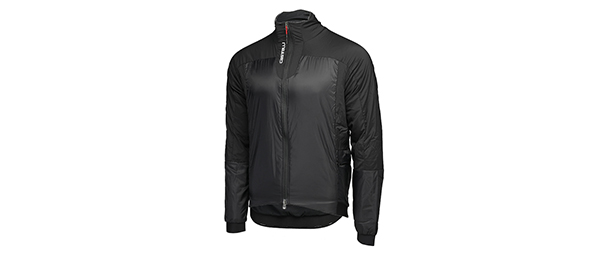
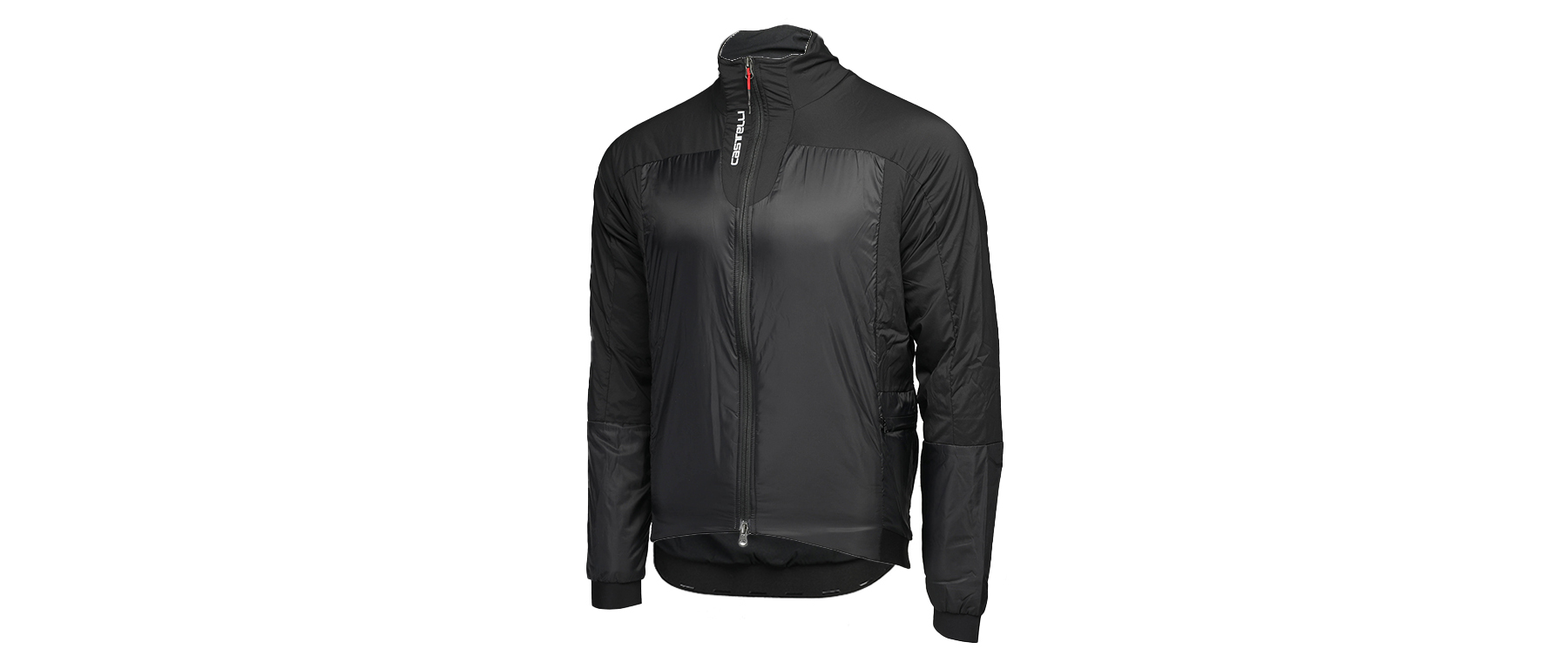
Thermal jackets tend to fall into two camps: either they're warm enough for genuine cold but turn into a sauna the moment you start climbing, or they breathe well enough for efforts but leave you shivering on descents. The Castelli Fly Thermal Jacket tries to split that difference with a construction philosophy that prioritizes breathability over insulation density, betting that most riders generate enough heat on the bike to stay warm if the jacket just manages moisture properly and blocks wind where it counts.
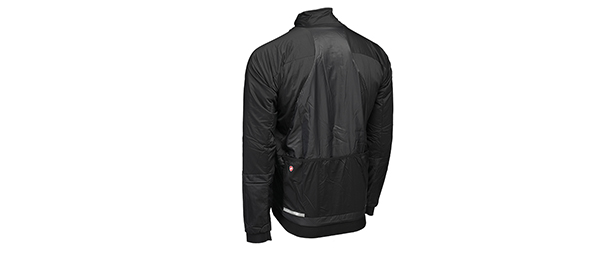
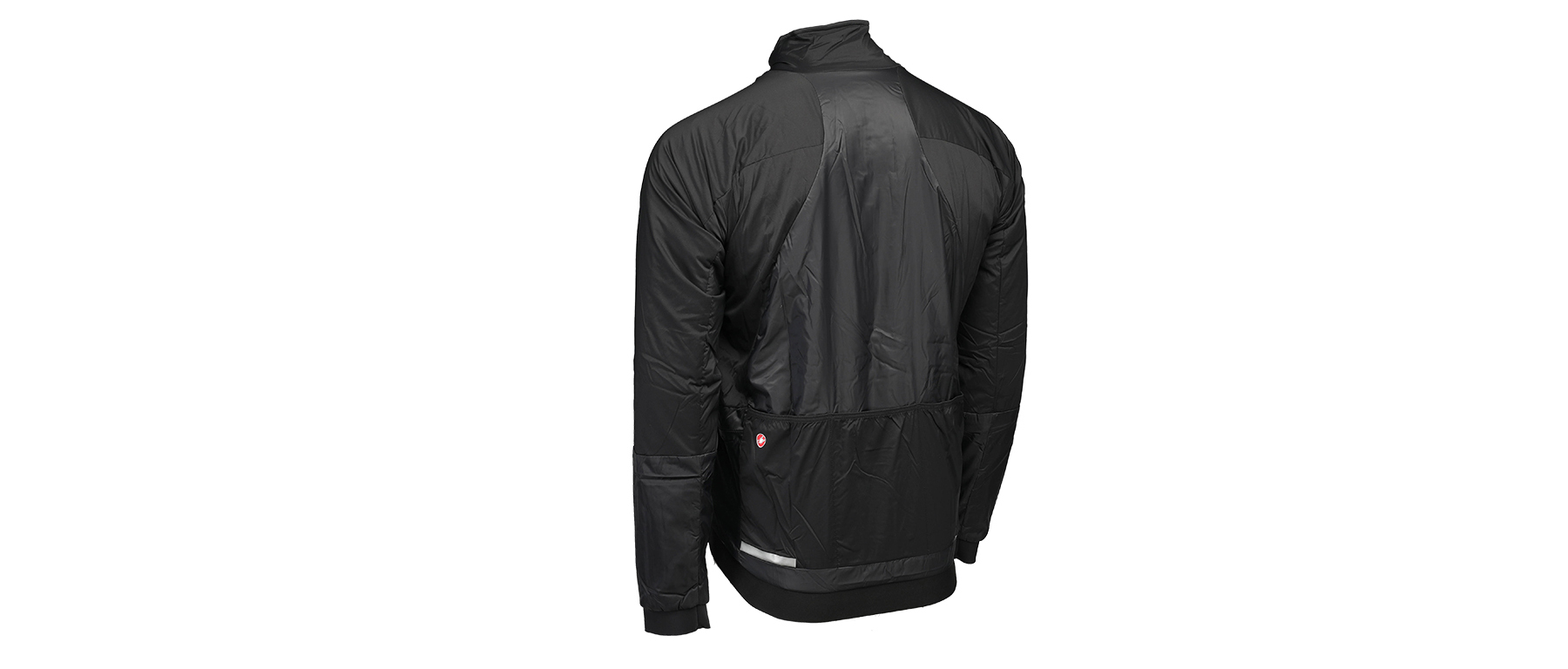
The Fly Thermal builds around Castelli's Warmer fabric on the front panels and arms—a brushed thermal material that provides insulation without the thickness that creates overheating problems. The back panel switches to Nano Flex Xtra Dry, which adds water resistance in the zone where road spray actually hits while maintaining enough stretch to move with your shoulders. This isn't a rain jacket by any stretch, but the rear panel sheds light moisture and keeps the clammy sensation at bay when conditions turn damp.
Castelli rates the Fly Thermal for their "Chilly" temperature range, which translates to roughly 46-57°F depending on your personal thermostat and effort level. That's the awkward shoulder season window where a standard long-sleeve jersey leaves you cold at the start and a heavy winter jacket has you overheating within twenty minutes. The Fly Thermal's lighter insulation approach assumes you'll be working hard enough to generate heat—it's not the jacket for coffee-pace recovery rides in December.... Read More
Fit follows Castelli's race cut philosophy, which means it's designed to work in an aggressive riding position rather than standing upright at the coffee shop. The sleeves hit longer to maintain coverage when your arms are extended to the bars, and the back hem drops to protect your lower back from draft and spray. A full-length YKK Vislon zipper runs the front with a draft flap behind it, and the collar sits high enough to seal against your neck without requiring a separate neck gaiter for most conditions.
Storage follows the standard three-pocket rear configuration, with the fabric maintaining enough structure to hold contents in place even when you're out of the saddle. Reflective accents appear on the back for low-light visibility, though this isn't a jacket you'd choose specifically for night riding—it's more about not being invisible during early morning starts or late afternoon finishes when the light gets flat.