Equipment > Components > Saddles > Road
Vento Antares R1 Adaptive Saddle
Description
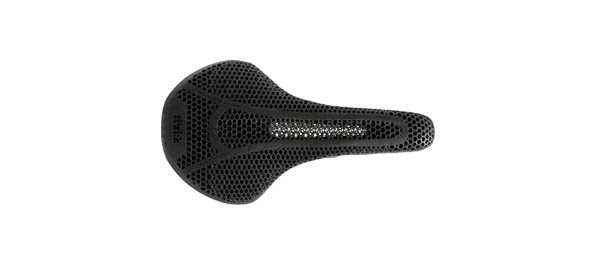
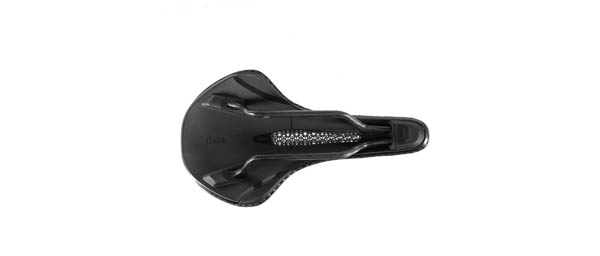
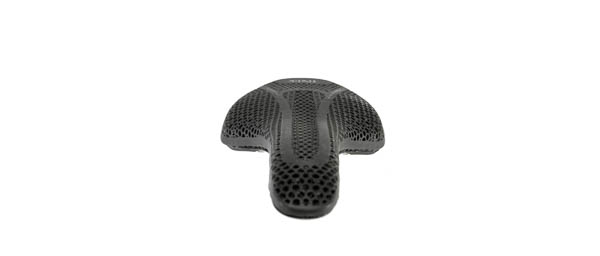
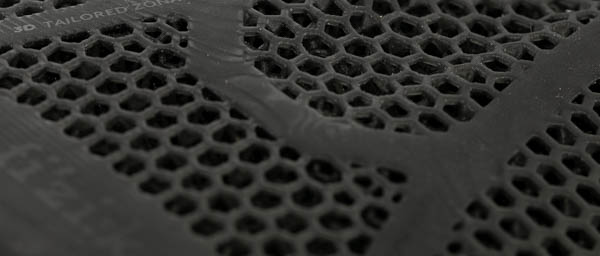
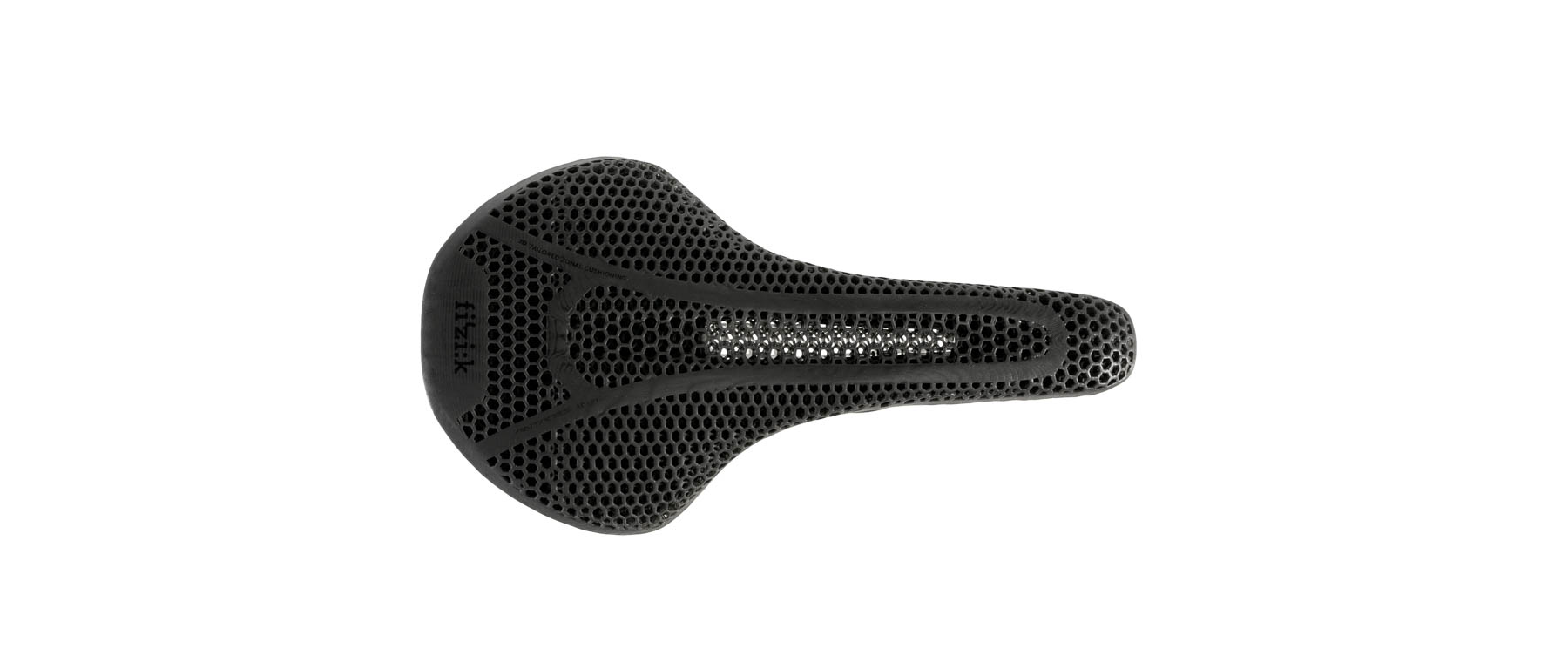
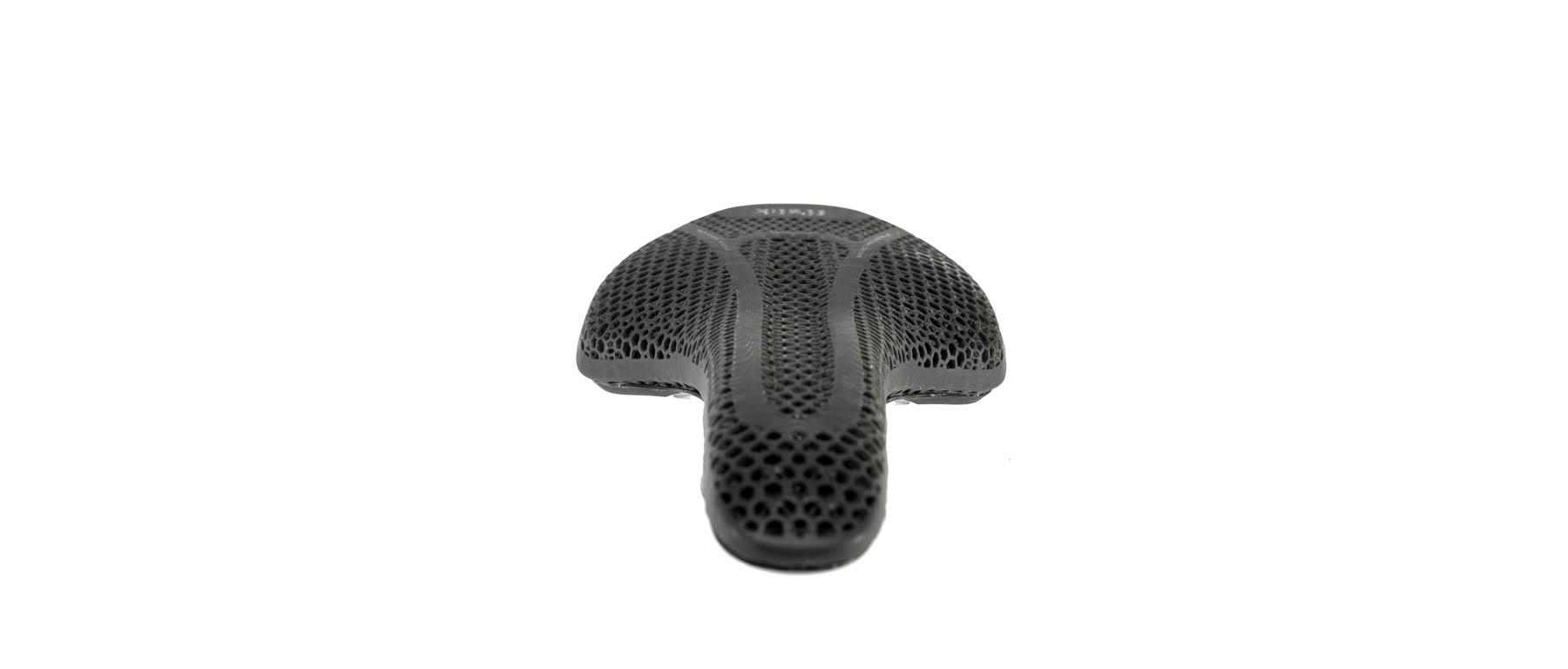
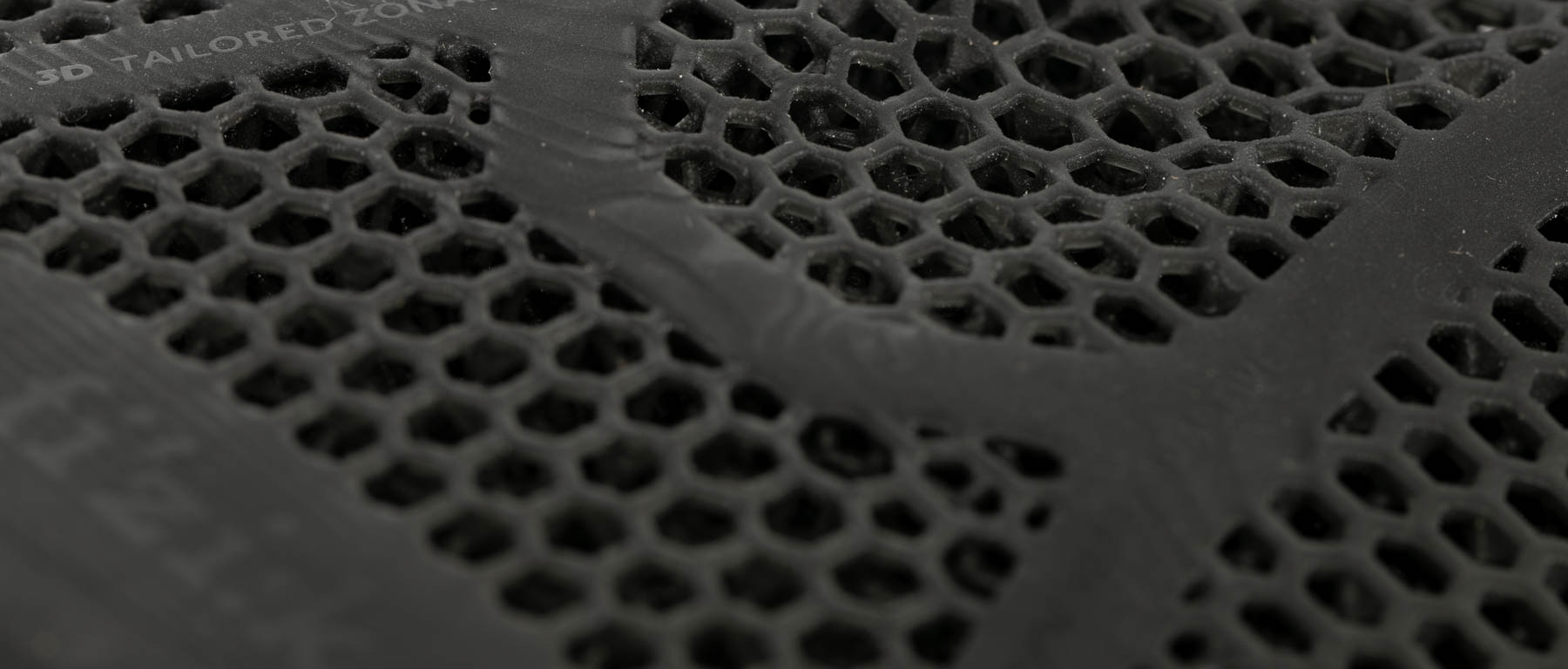
Carbon Digital Light Synthesis technology applies 3D printing to saddle padding with precision that traditional foam manufacturing can't match. The Vento Antares R1 Adaptive from Fizik uses this process to create distinct functional zones within the padding, each tuned for specific cushioning properties. The result is a 60% reduction in peak pressure through improved weight distribution across the saddle surface. Instead of a traditional cut-out, the Adaptive padding incorporates a softer central zone that provides pressure relief without the discontinuity of an opening in the shell. This maintains structural integrity while addressing comfort where you need it most.
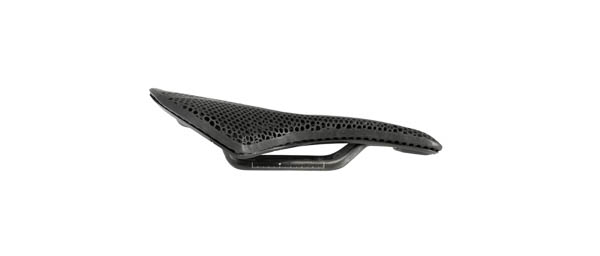
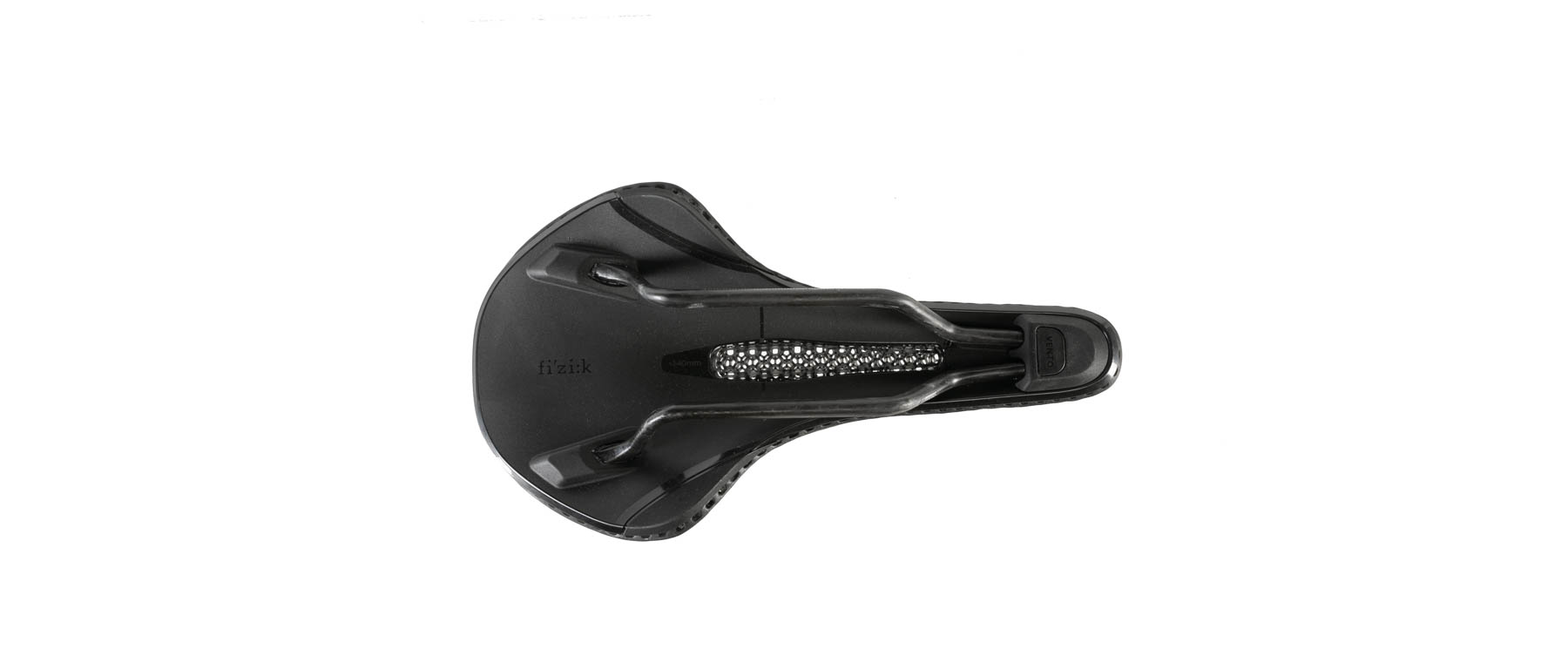
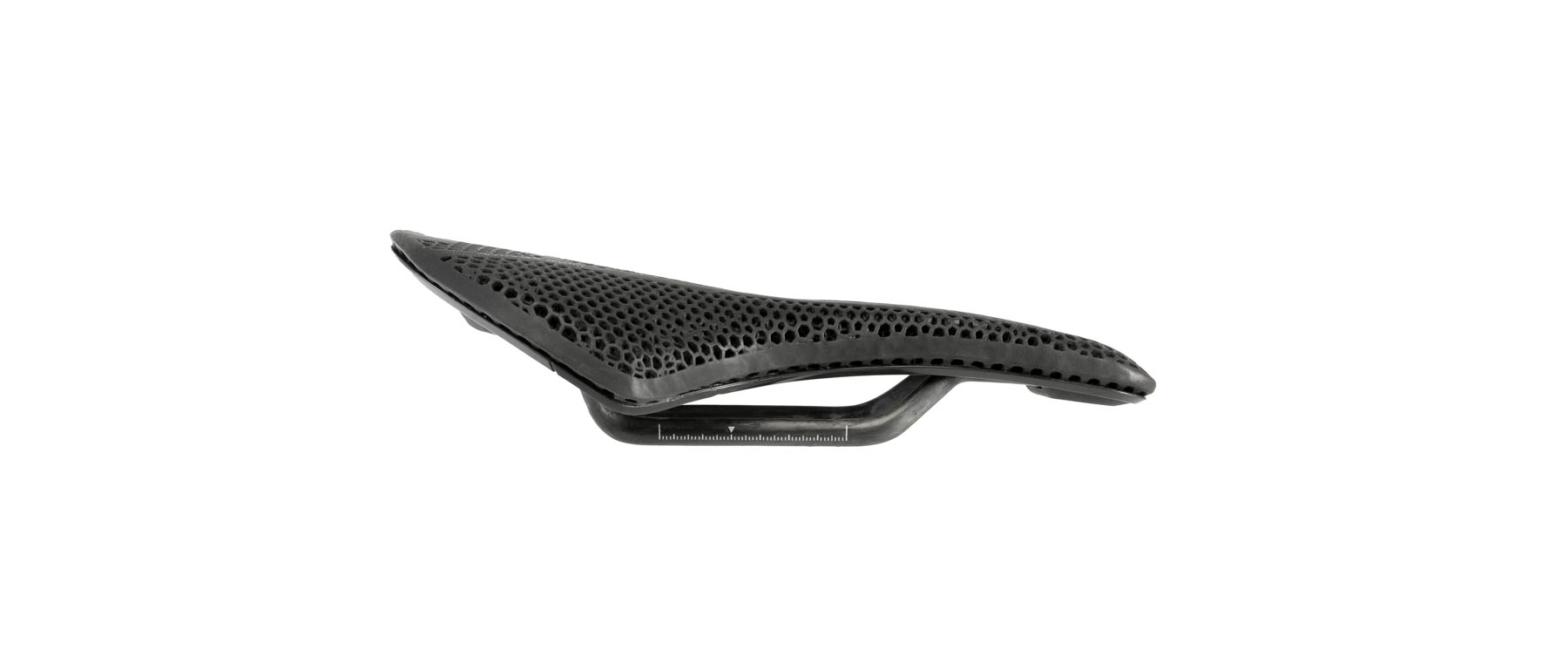
The Antares platform has appeared in Grand Tours for over twenty years, with a low-profile shape and tapered nose-to-wing transition that supports efficient pedaling across riding positions. The R1 version uses a carbon-reinforced nylon shell paired with 7x9mm carbon rails. The 3D-printed lattice structure provides a grippy interface that locks you into position, reducing unwanted movement that can lead to saddle sores. The padding conforms to sit bones with gradual transitions between zones, so you don't encounter abrupt edges or stiff boundaries. When you shift from the saddle nose during climbs to the wings on flat terrain, the padding responds differently in each area to support the changing contact patterns.
The Adaptive padding process uses digital ultraviolet light projection, oxygen-permeable optics, and programmable liquid resins to produce parts with precise mechanical properties. This additive manufacturing approach eliminates the constraints of traditional foam molding, allowing engineers to tune each zone independently and join them progressively within the same padding structure. The 3D lattice is slightly heavier than conventional foam padding but delivers measurably improved comfort through its ability to distribute pressure across multiple contact points. The lattice also maintains its cushioning properties over time better than foam, which compresses permanently with use.... Read More
Features
- Carbon Digital Light Synthesis 3D-printed Adaptive padding
- Carbon-reinforced nylon shell with 7x9mm carbon rails
- Low-profile design with tapered nose-to-wing transition
- Zonal cushioning with softer central area instead of cut-out
- 60% reduction in peak pressure through improved weight distribution
- 268mm length, 50mm height at 75mm, 147mm length from nose at 75mm
- Available in 140mm width (180 grams) and 150mm width (185 grams)
- Road, cyclocross, and cross-country compatible
- Grippy lattice surface for position stability
- 180 grams (140mm)