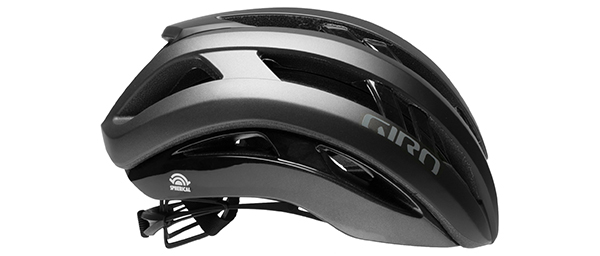
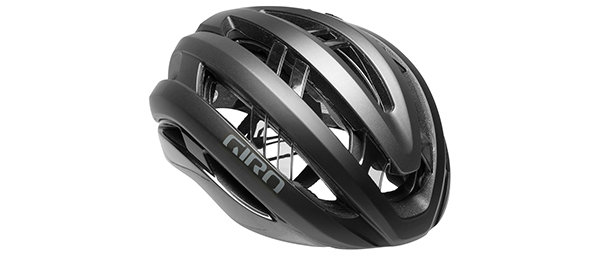
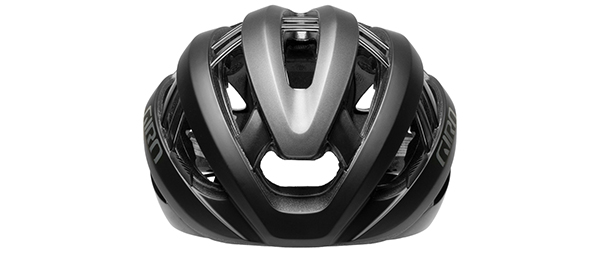
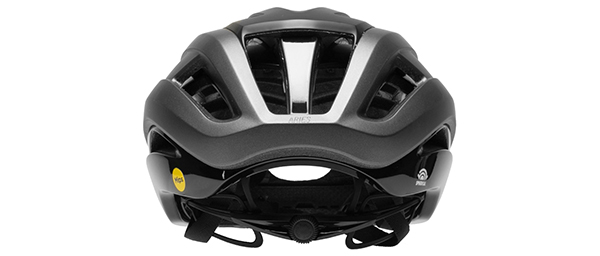
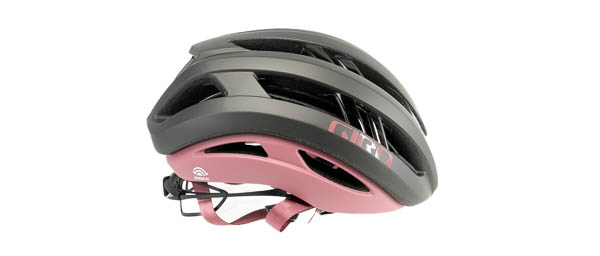
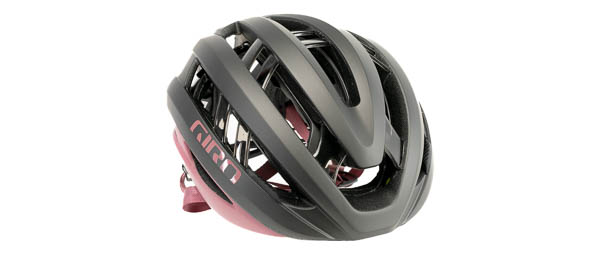
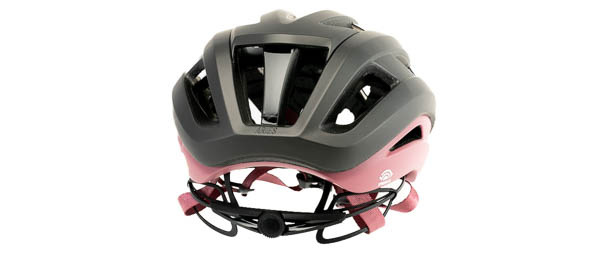
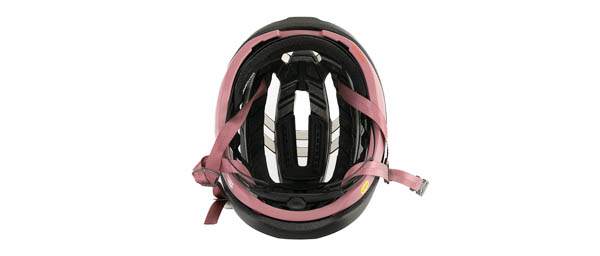
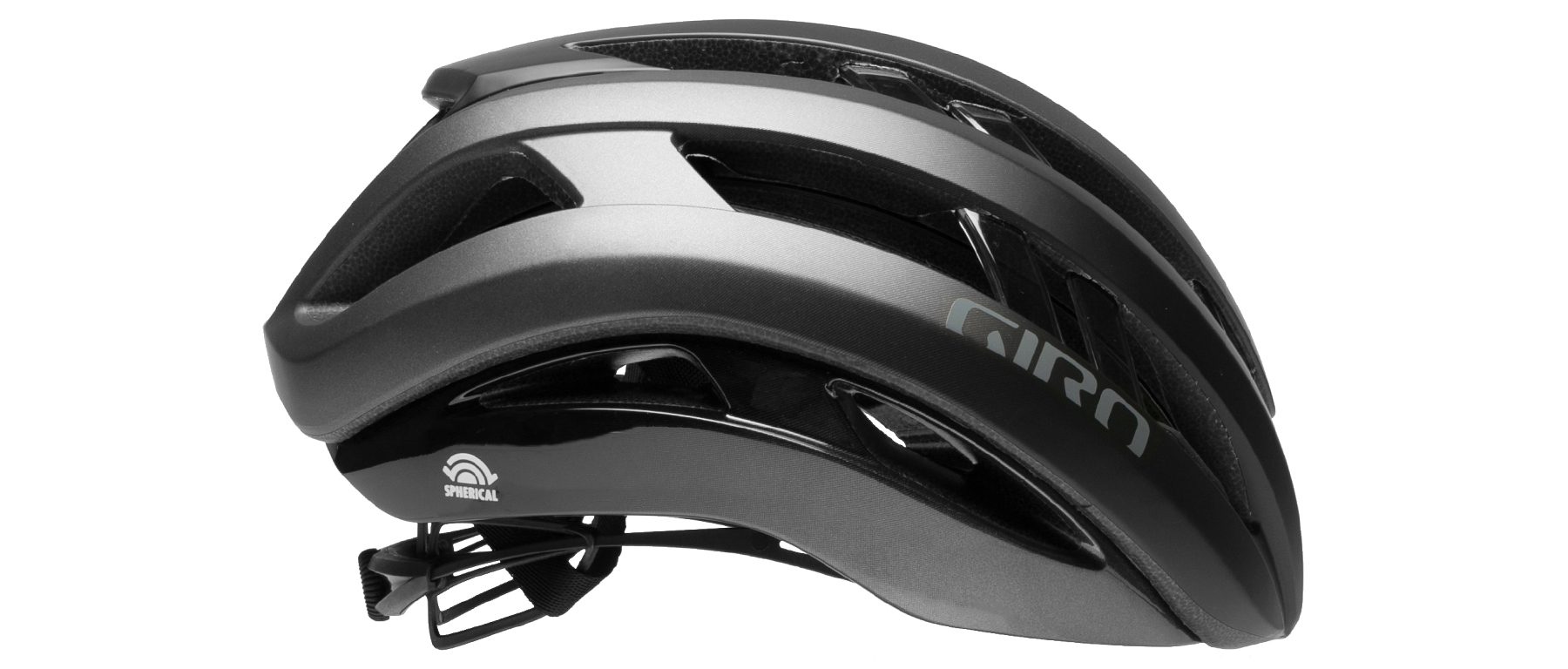
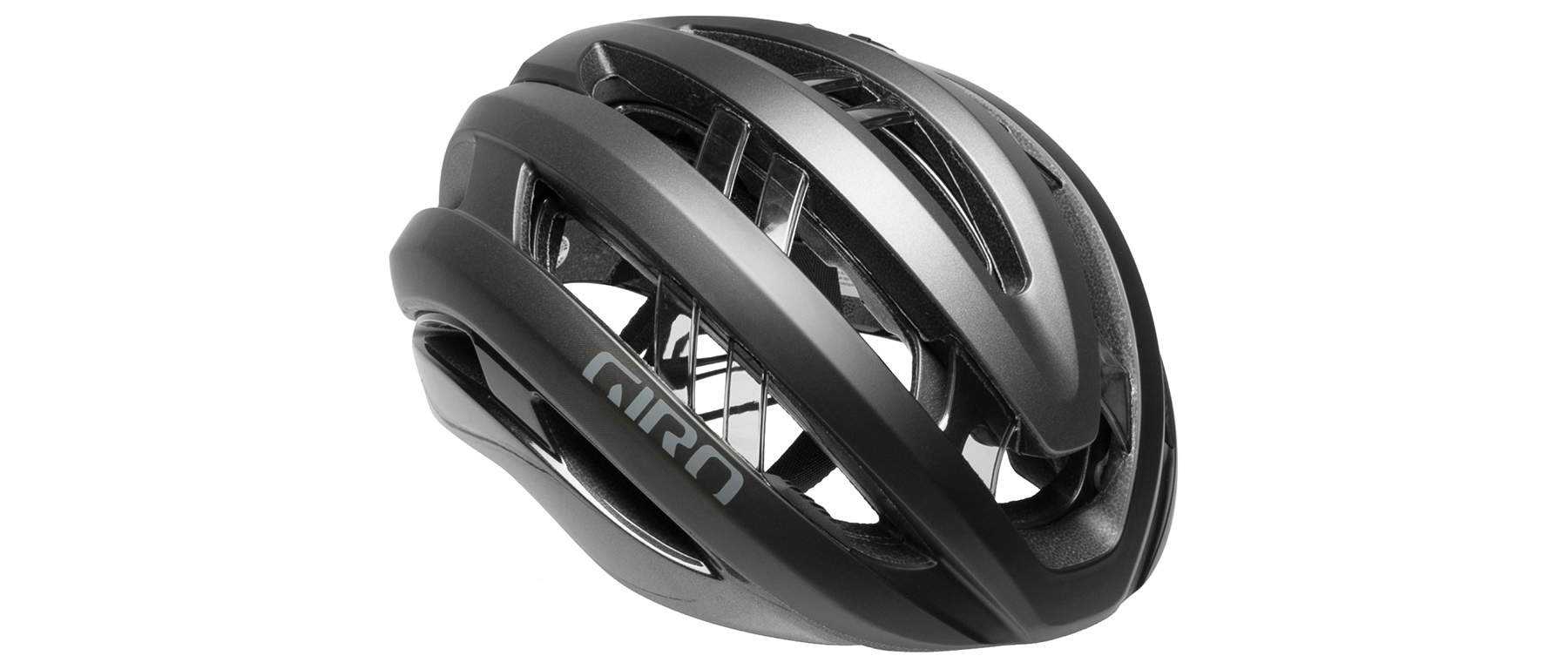
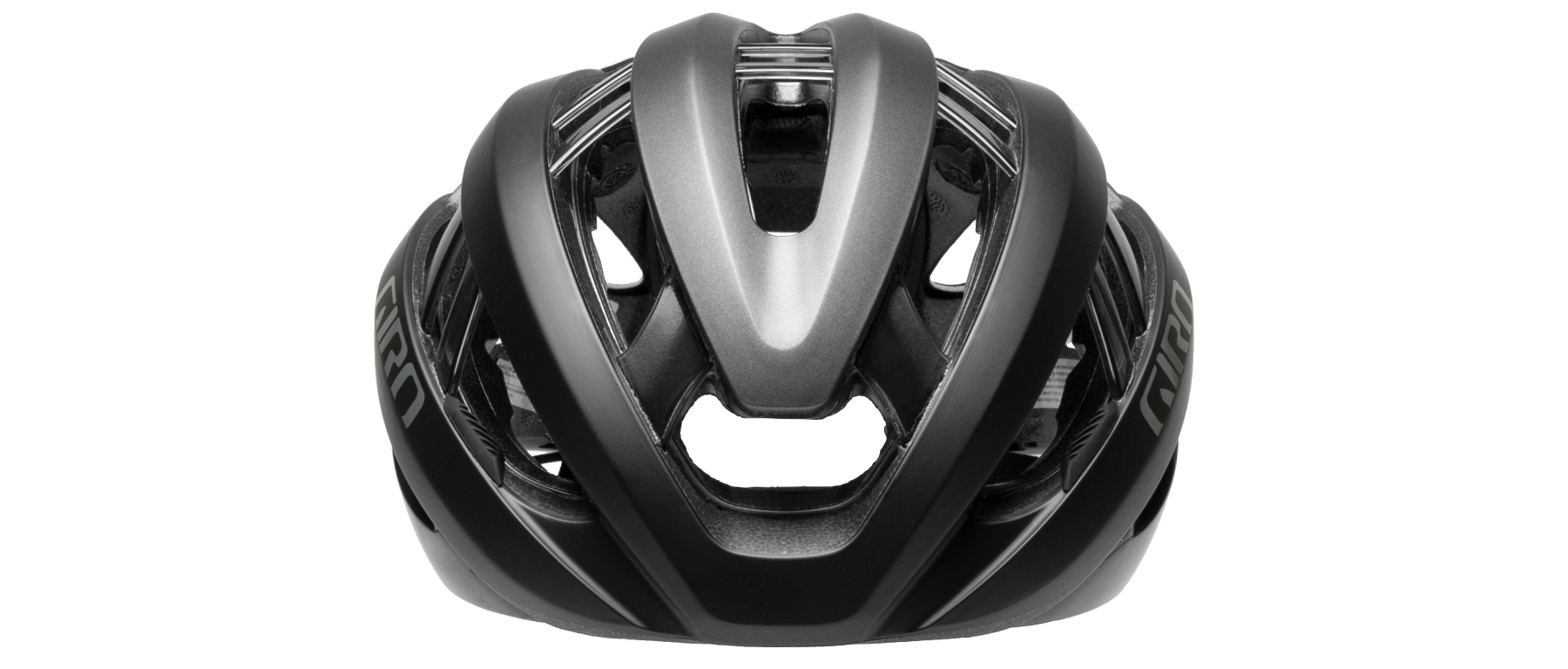
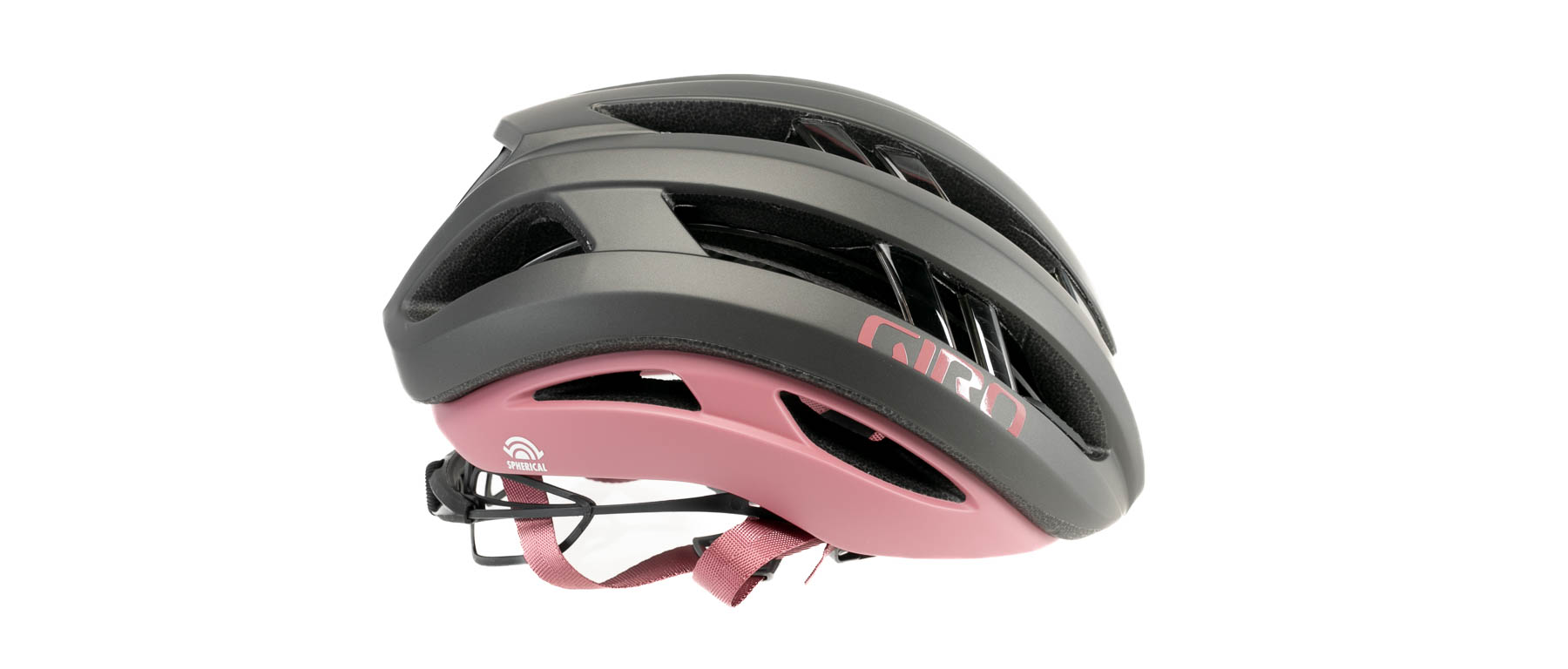
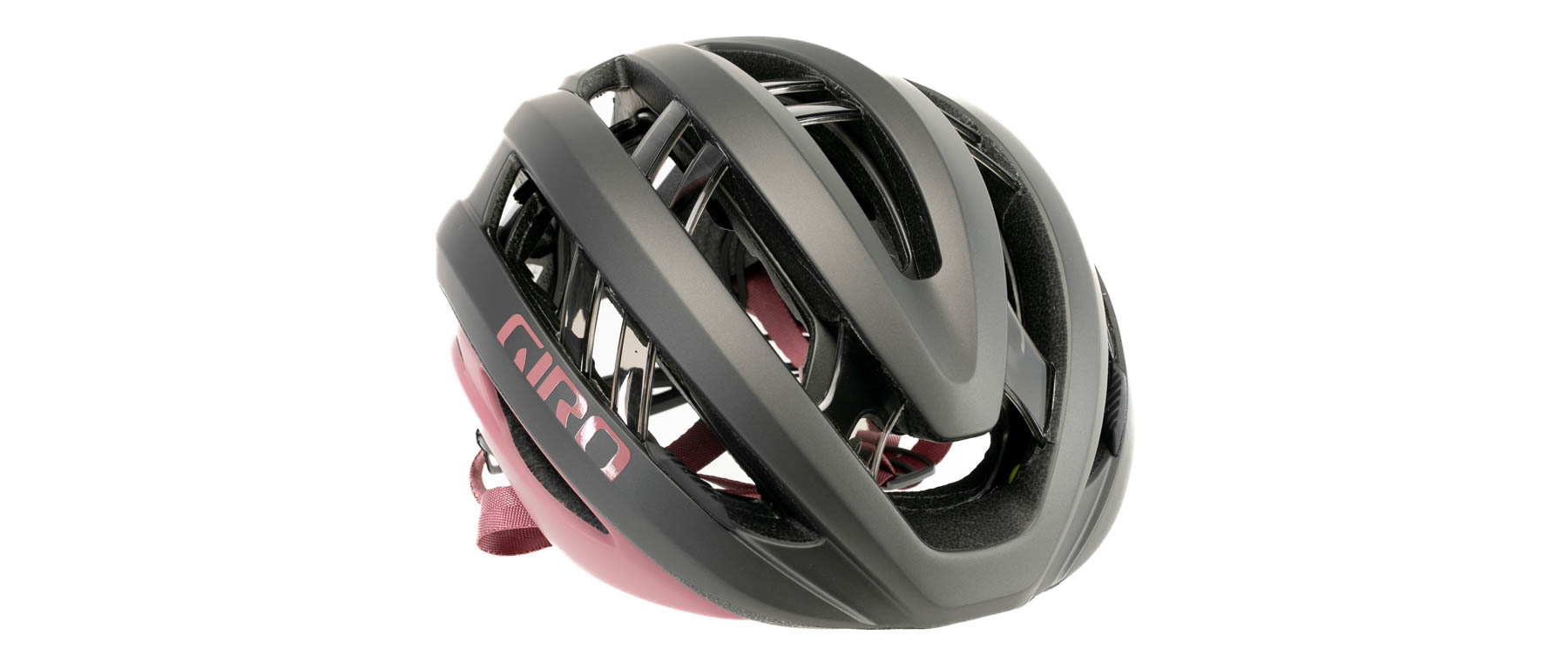
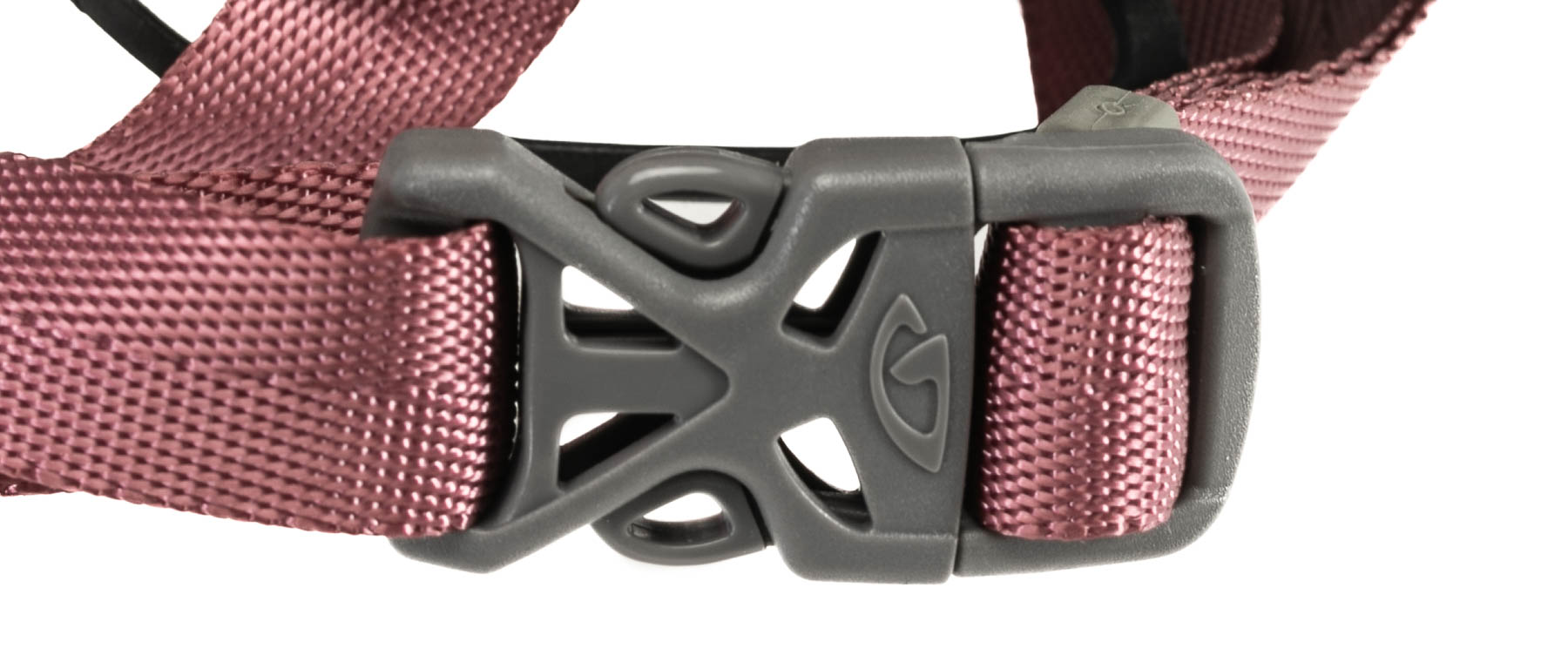
These helmets feature the previous Giro logo design, with all other specifications and construction remaining identical to the current version. They're available at a reduced price while supplies last—same protection, same ventilation, same fit system, just an earlier cosmetic iteration. If branding aesthetics aren't your priority and you've been waiting for an entry point into Giro's top-tier helmet technology, this is the opportunity.
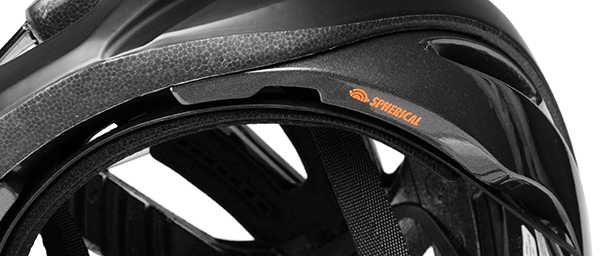
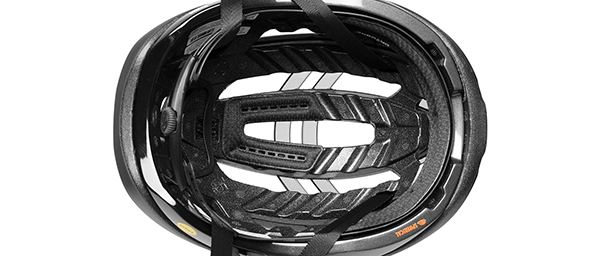
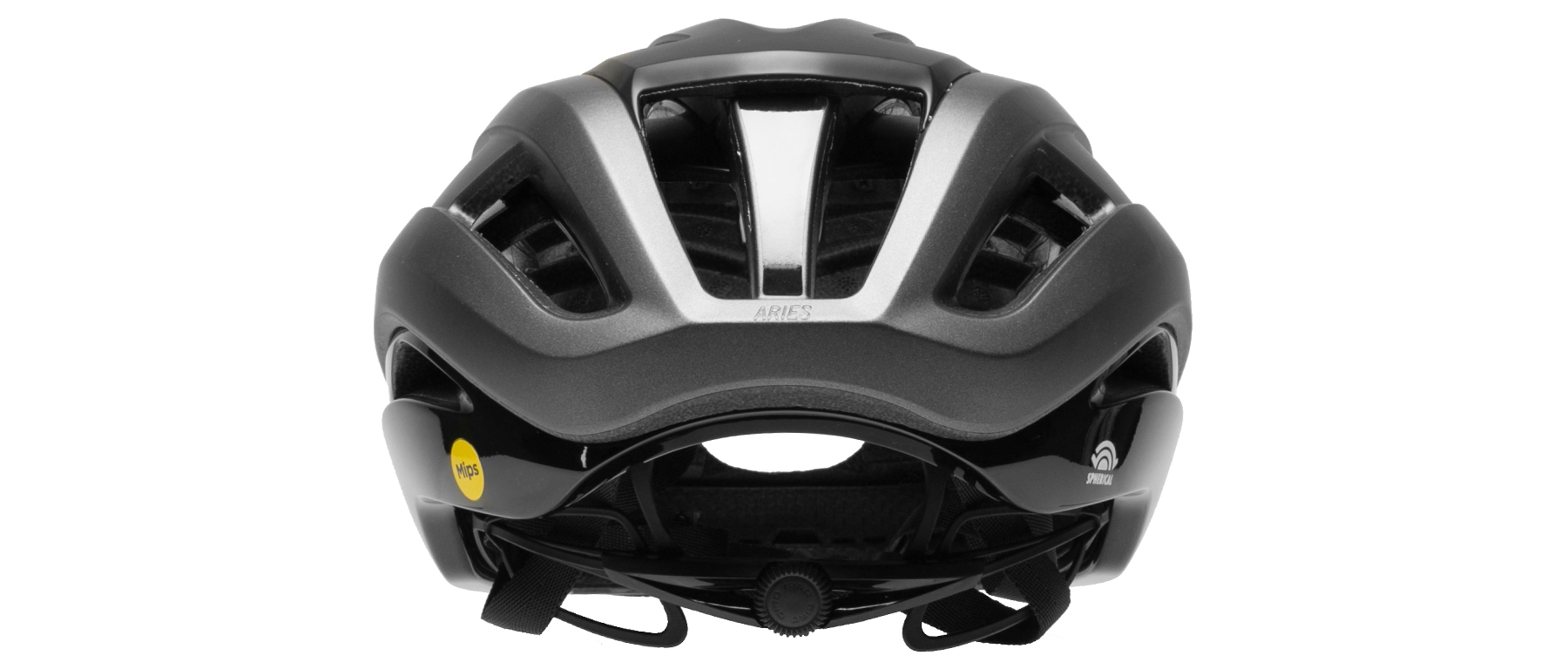
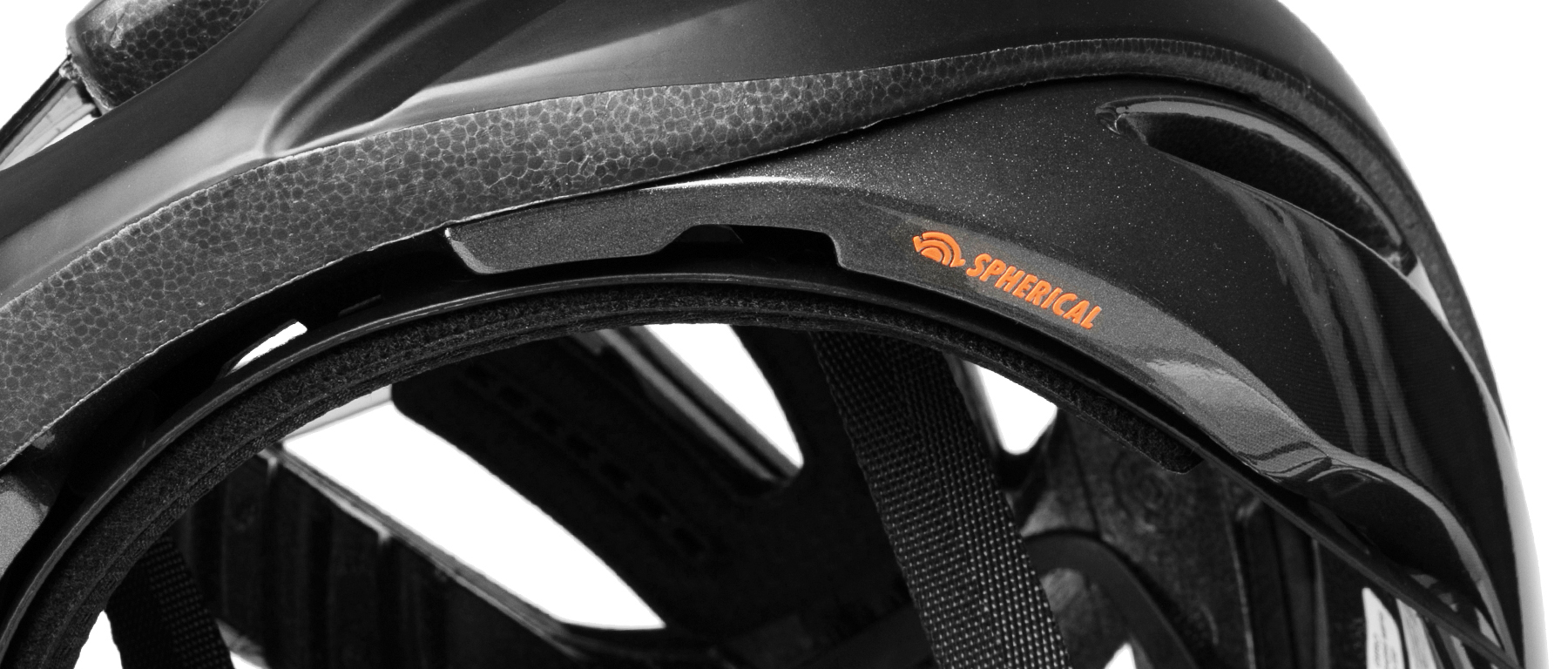
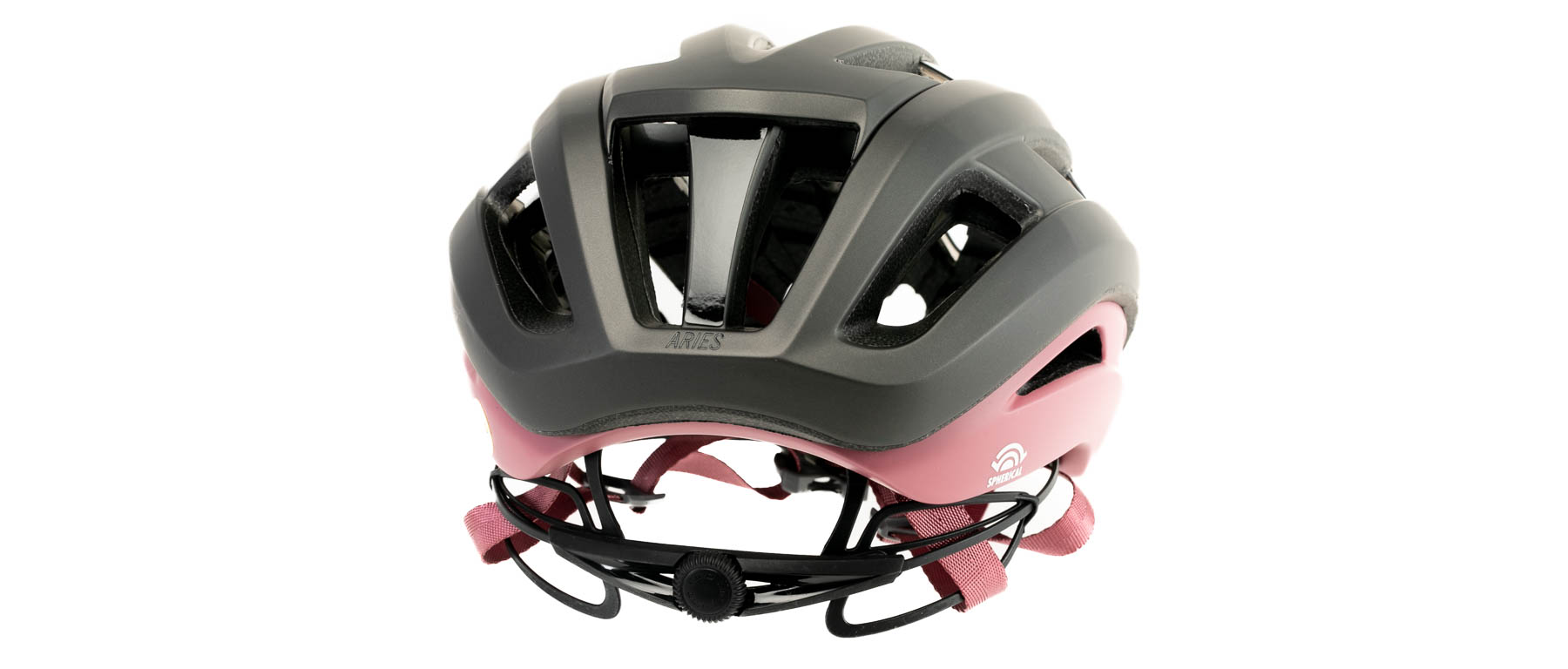
Giro's Aries Spherical sits at the top of their road helmet lineup, and the technology inside justifies that position. The Spherical MIPS system uses two separate shell layers that move independently during an impact, redirecting rotational energy away from your brain in a way that traditional single-shell MIPS designs can't match. It's the same approach Giro uses across their premium helmets, but the Aries pairs it with their most aggressive ventilation architecture—21 vents that pull air through the helmet and exhaust it out the back, keeping your head cooler during hard efforts when you need it most.
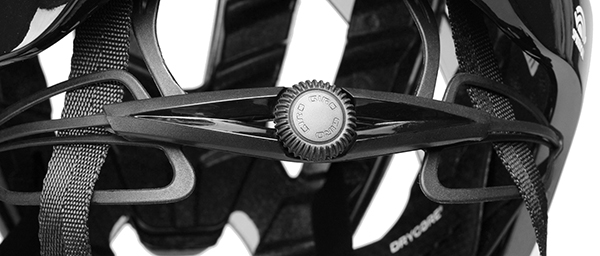
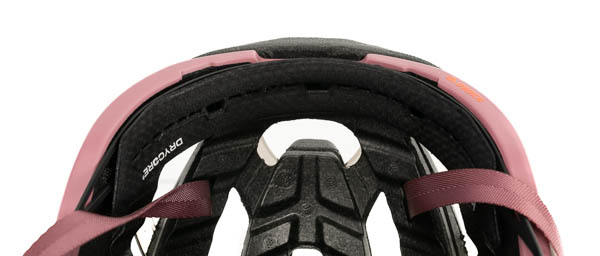
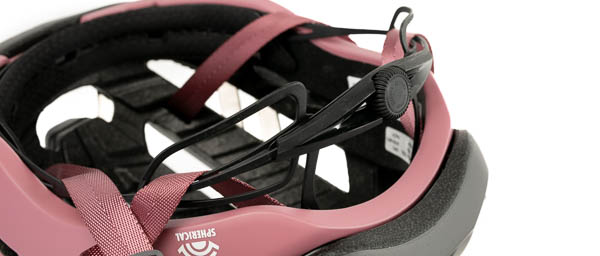
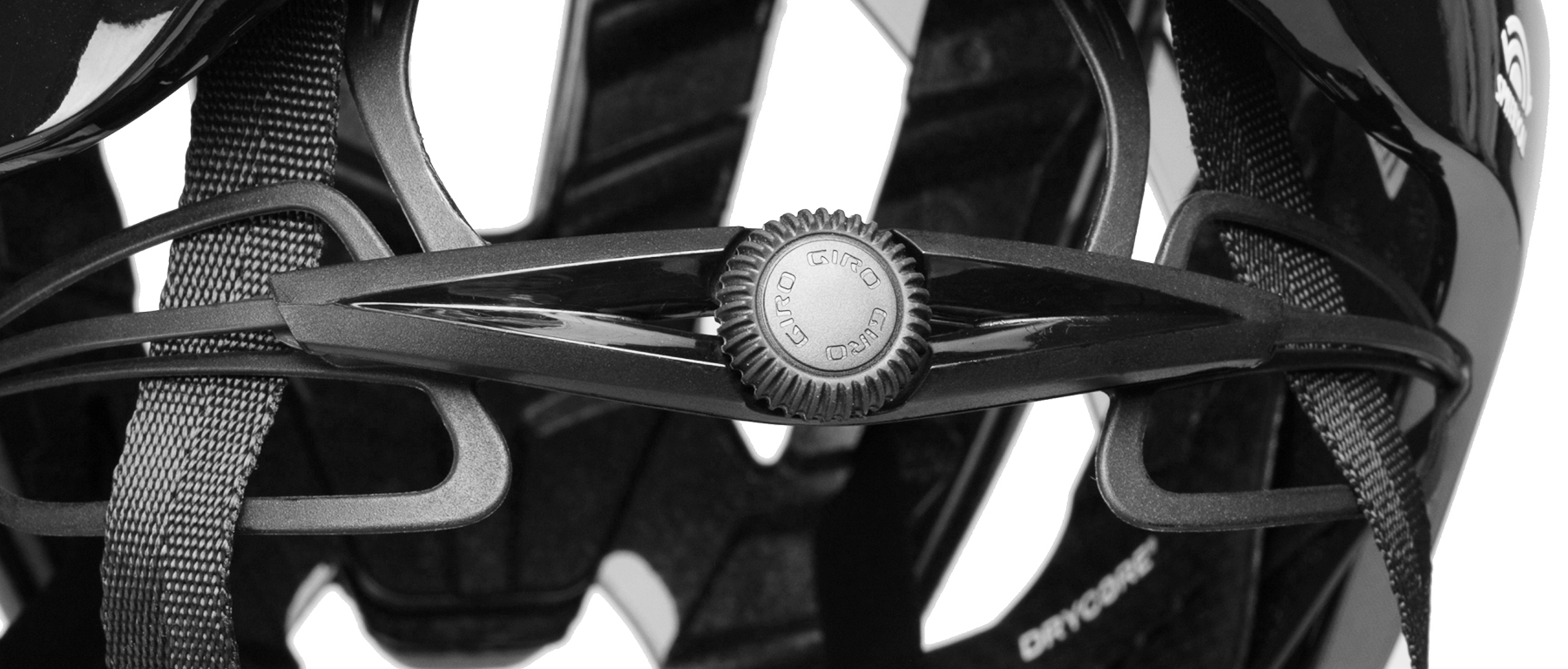
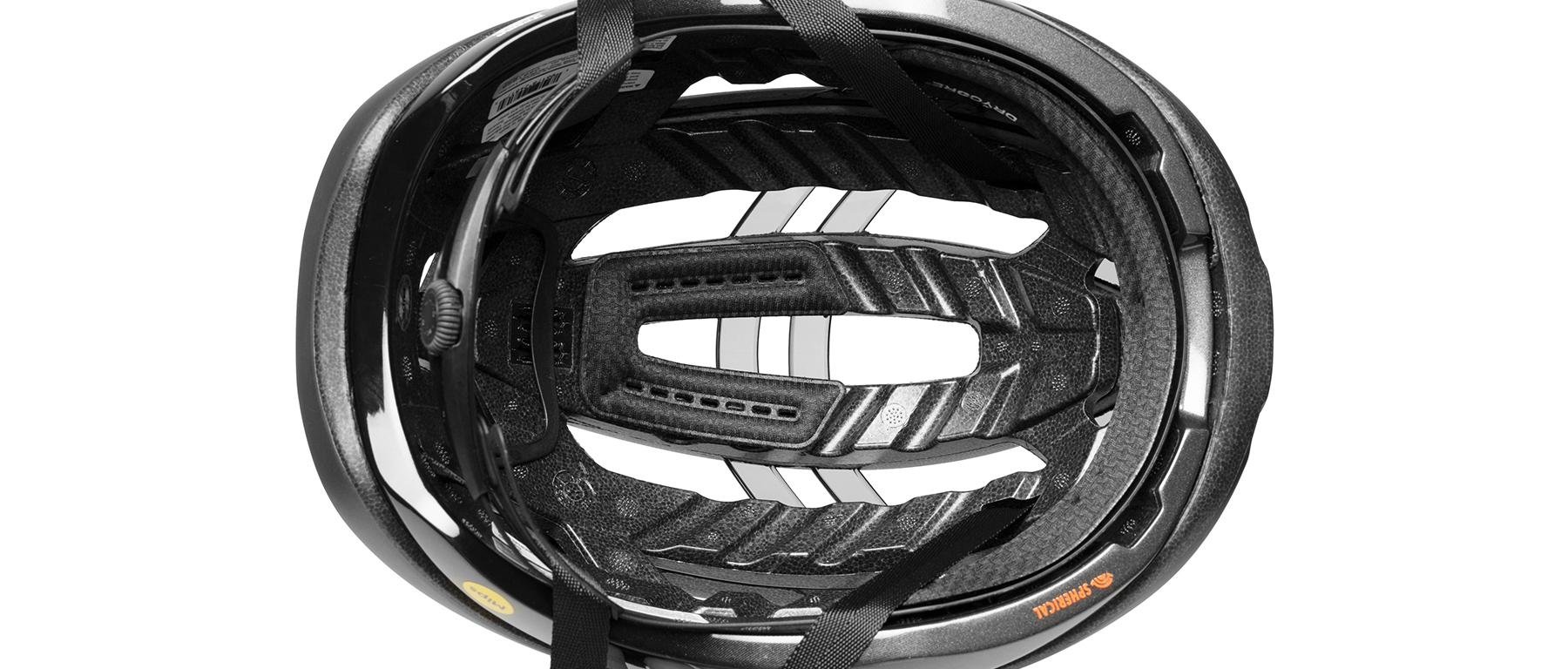
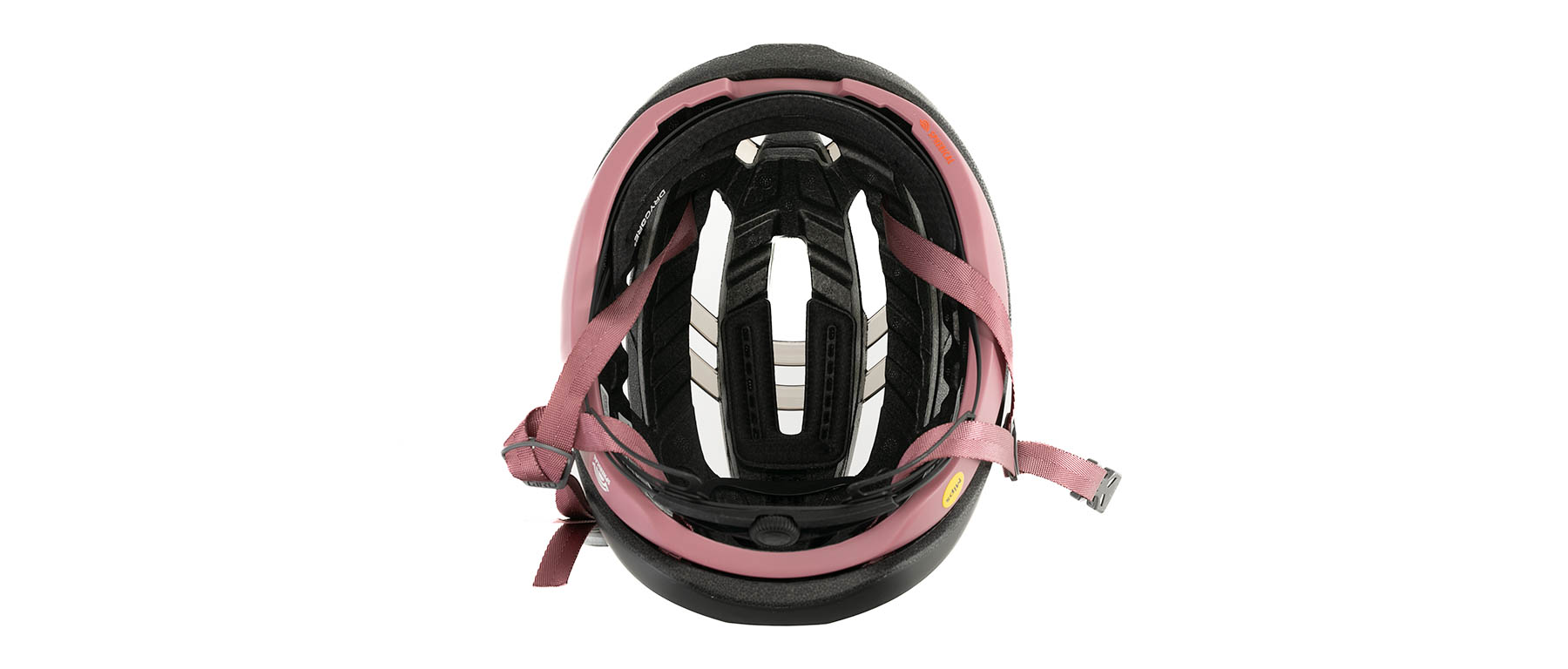
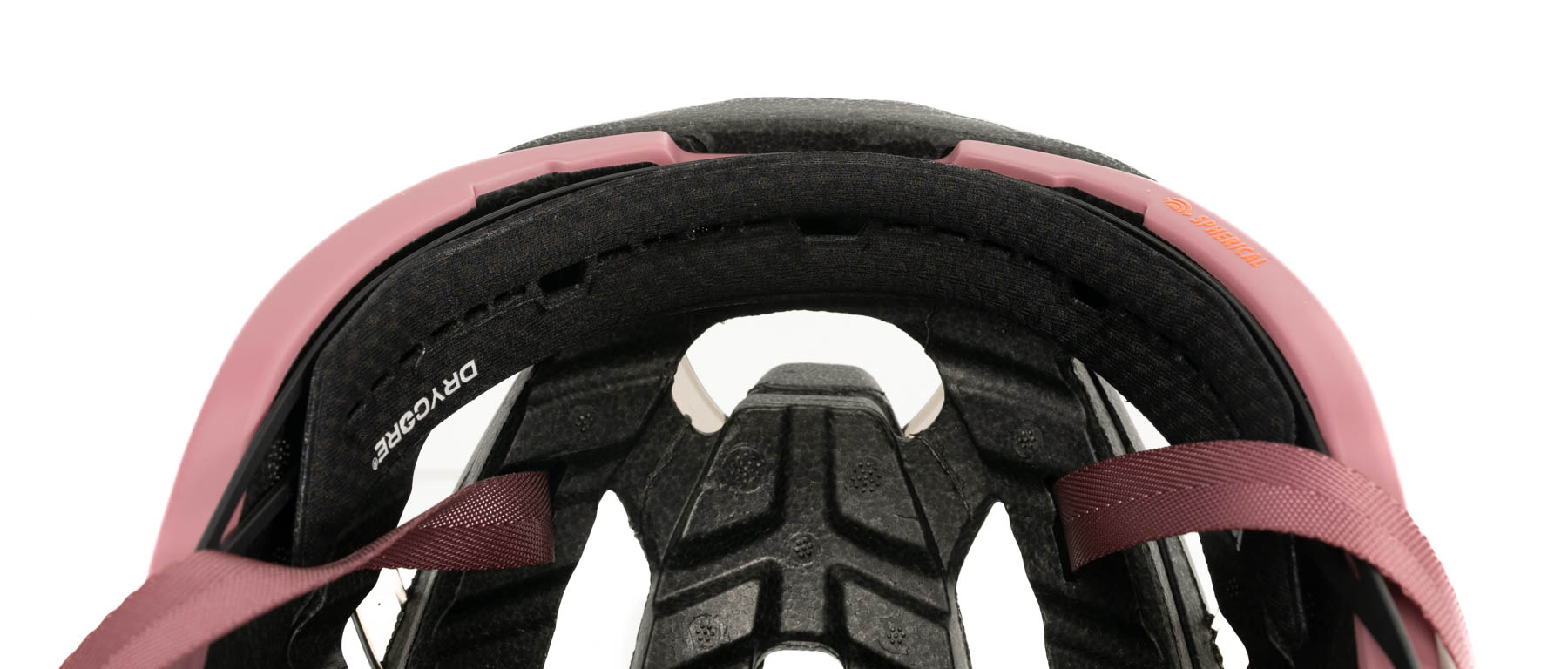
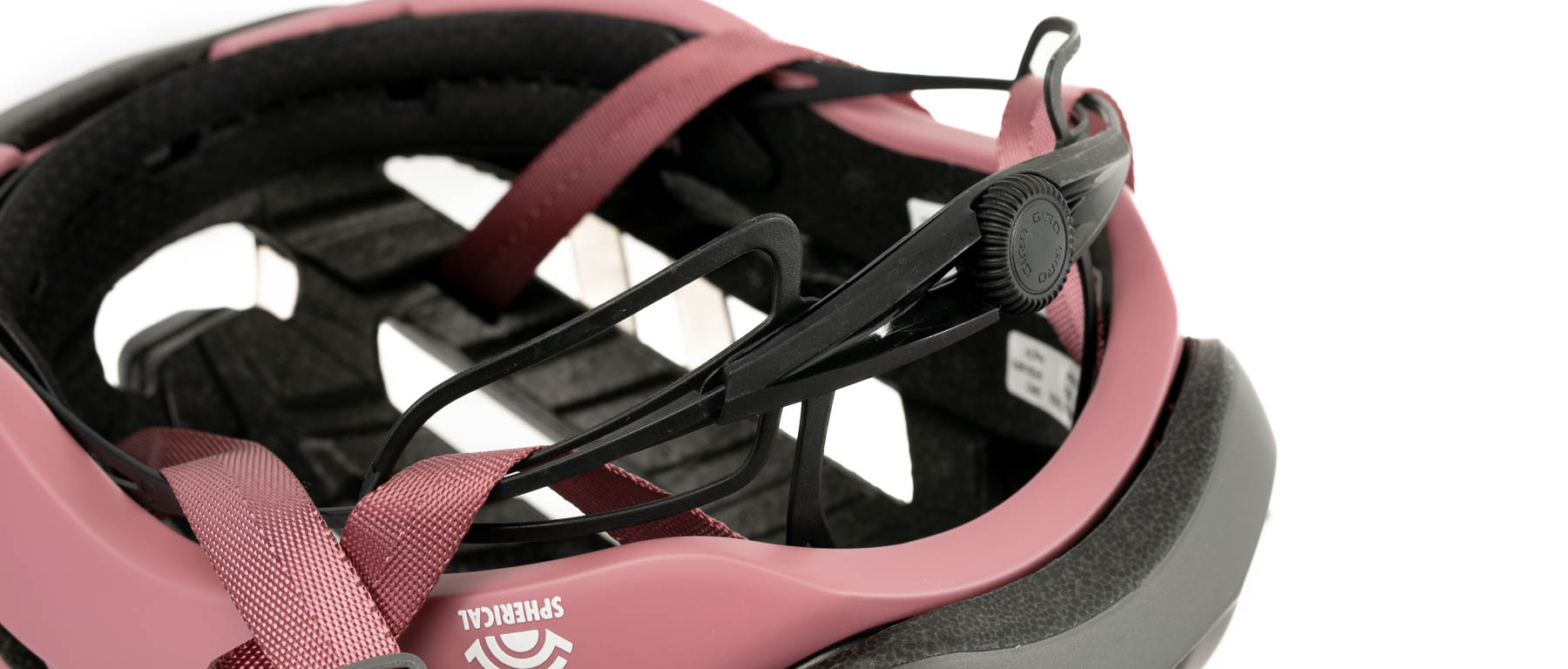
The fit system here is Giro's Roc Loc 5+ Air, which adds adjustable temple and occipital pads to the standard dial-adjust cradle. That means you can fine-tune not just the circumference but how the helmet sits against your head at multiple contact points. For riders who've struggled with pressure points or helmets that feel secure at the base but loose at the temples, this level of adjustability solves problems that simpler retention systems can't address. The MIPS Air Node padding integrates directly into the comfort liner, so you're not adding a separate slip plane that changes the fit or feel.... Read More
Weight matters when you're climbing for hours, and the Aries delivers at 260 grams for a medium—competitive with anything in the premium road helmet category. The shell construction uses in-mold polycarbonate bonded to EPS foam, with a reinforced roll cage that adds structural integrity without meaningful weight penalty. Aura II reinforcement technology provides additional protection at critical zones while maintaining the helmet's light, balanced feel on your head.
The eyewear integration uses Giro's Eye Garage system with ports that let you stash your sunglasses securely in the front vents when you need them off your face but don't want them bouncing around in a jersey pocket. Small detail, but it's the kind of thoughtful design touch that separates purpose-built cycling helmets from generic options.