Cold-weather riding separates cyclists into two camps: those who've solved the hand warmth problem and those who cut rides short when their fingers stop cooperating. The AmFIB Lobster Gel Gloves from Pearl Izumi take the split-finger approach that's proven itself in Nordic skiing and mountaineering, grouping fingers together to share body heat while maintaining enough dexterity to work shifters and brakes without the fumbling that comes with full mittens.
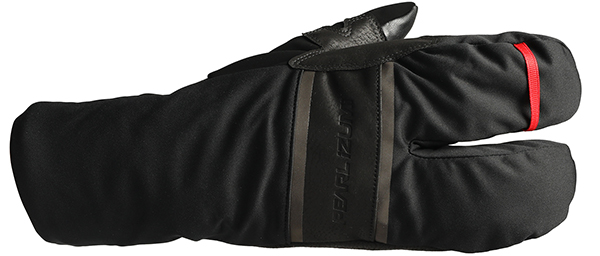
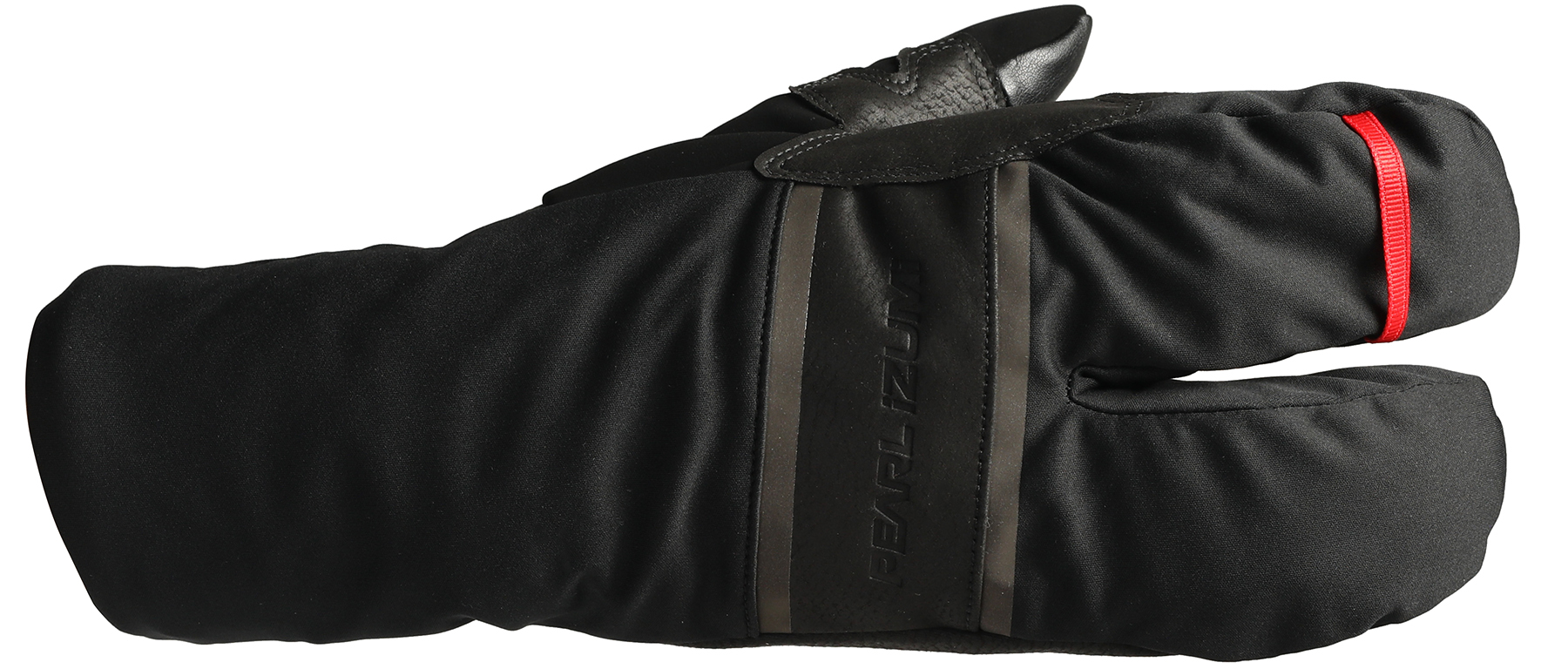
The lobster design pairs your index and middle fingers together, then groups your ring and pinky fingers in a second compartment. This arrangement keeps more warm air circulating around each finger than a traditional glove allows, while the separation between the two compartments preserves the grip articulation you need for brake lever modulation. Pearl Izumi rates these for temperatures down to 25°F, which puts them in serious winter territory—the kind of cold where standard insulated gloves start failing around the 45-minute mark.
AmFIB Softshell fabric handles the exterior, blocking wind while managing the moisture that builds up during harder efforts. Wind protection matters more than insulation weight once you're moving at cycling speeds, and the softshell construction addresses that physics reality without adding bulk that would interfere with bar grip. The interior uses a fleece lining that wicks moisture away from skin contact, reducing the clammy feeling that accelerates heat loss in traditional insulated gloves.... Read More
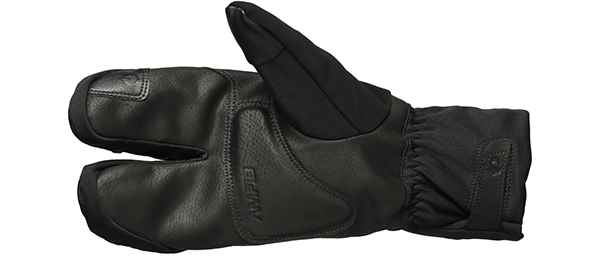
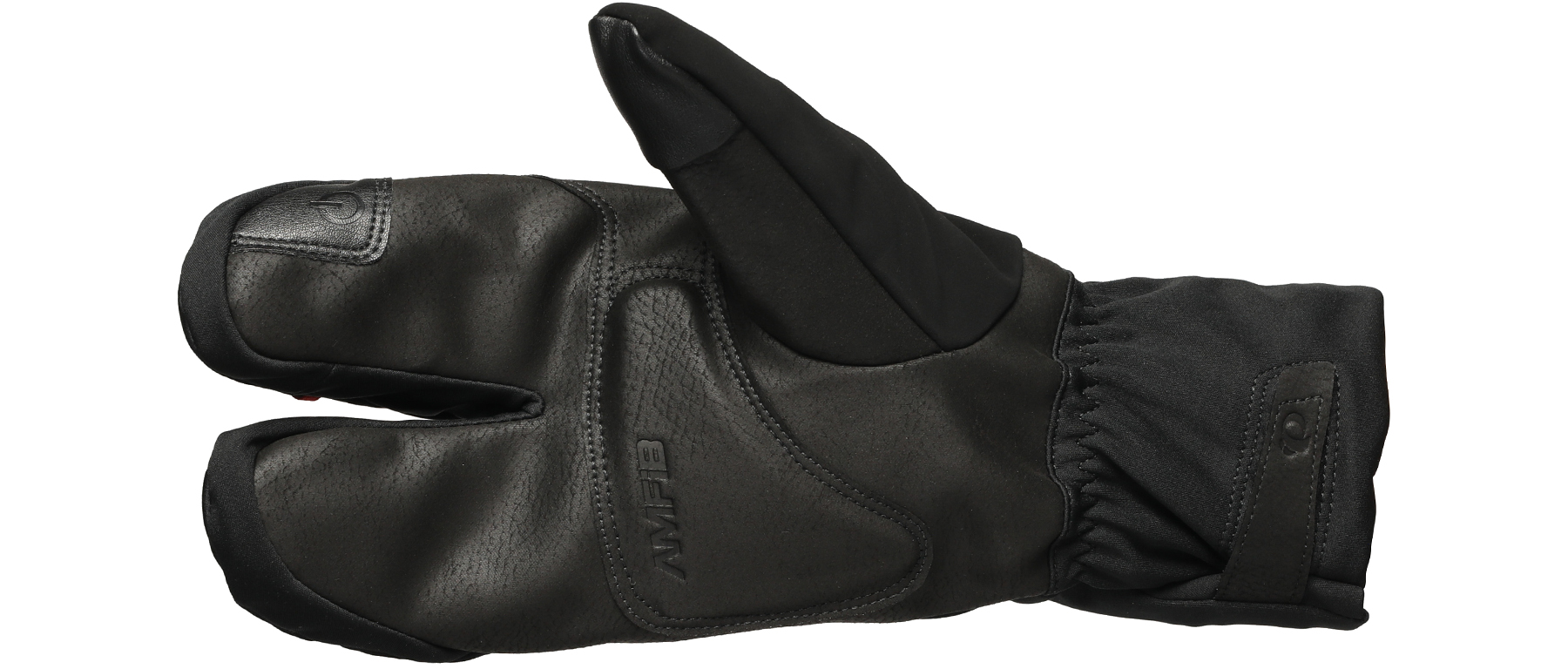
Palm construction includes gel padding at the pressure points where hands meet handlebars during long winter base miles. The padding placement targets the ulnar nerve region—the spot responsible for the numbness and tingling that plagues cyclists on extended rides. A synthetic leather palm surface maintains grip on wet bars and brake hoods, which matters when winter road spray coats everything within reach.
Screen-touch compatibility on the thumb and index finger lets you operate cycling computers and phones without exposing skin to cold air. The reflective elements positioned on the back of the hand add visibility during the low-light conditions that define winter riding schedules—early morning departures and late afternoon returns when the sun sits low or has already dropped below the horizon.