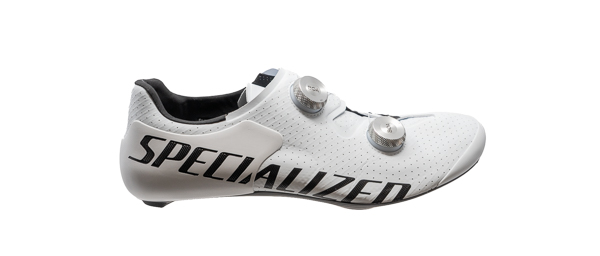
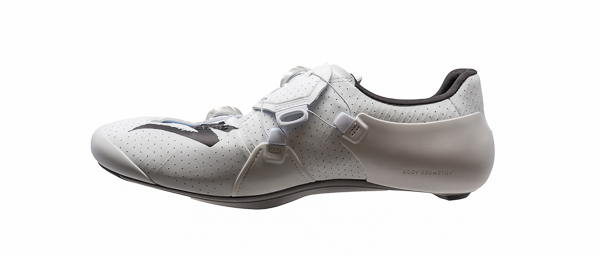
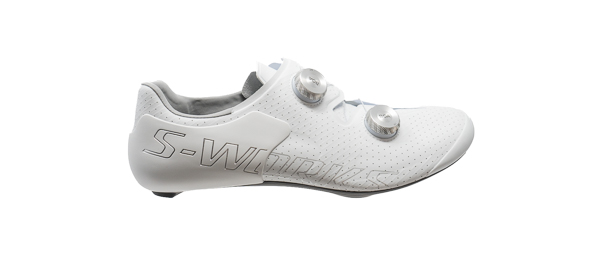
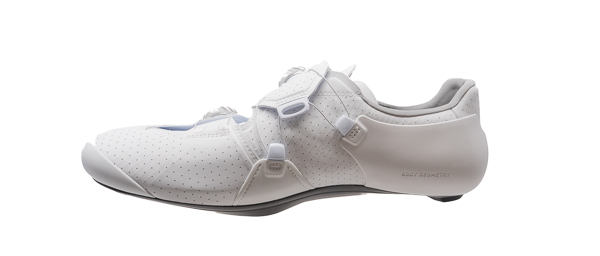
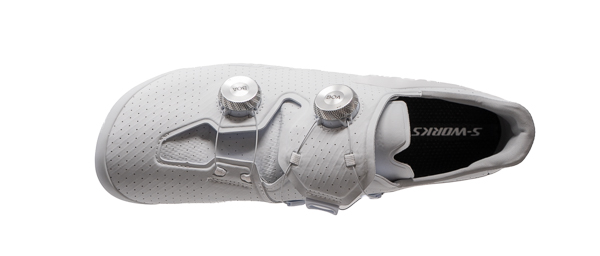
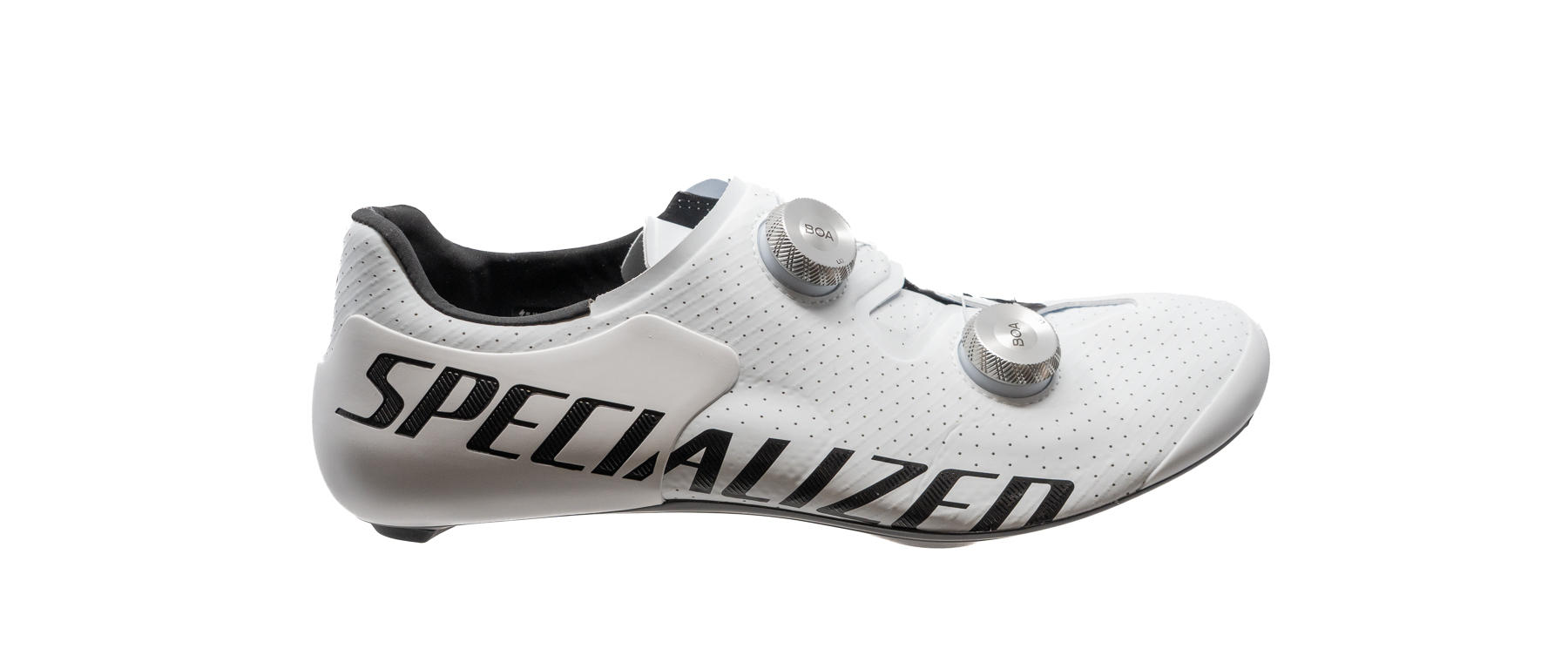
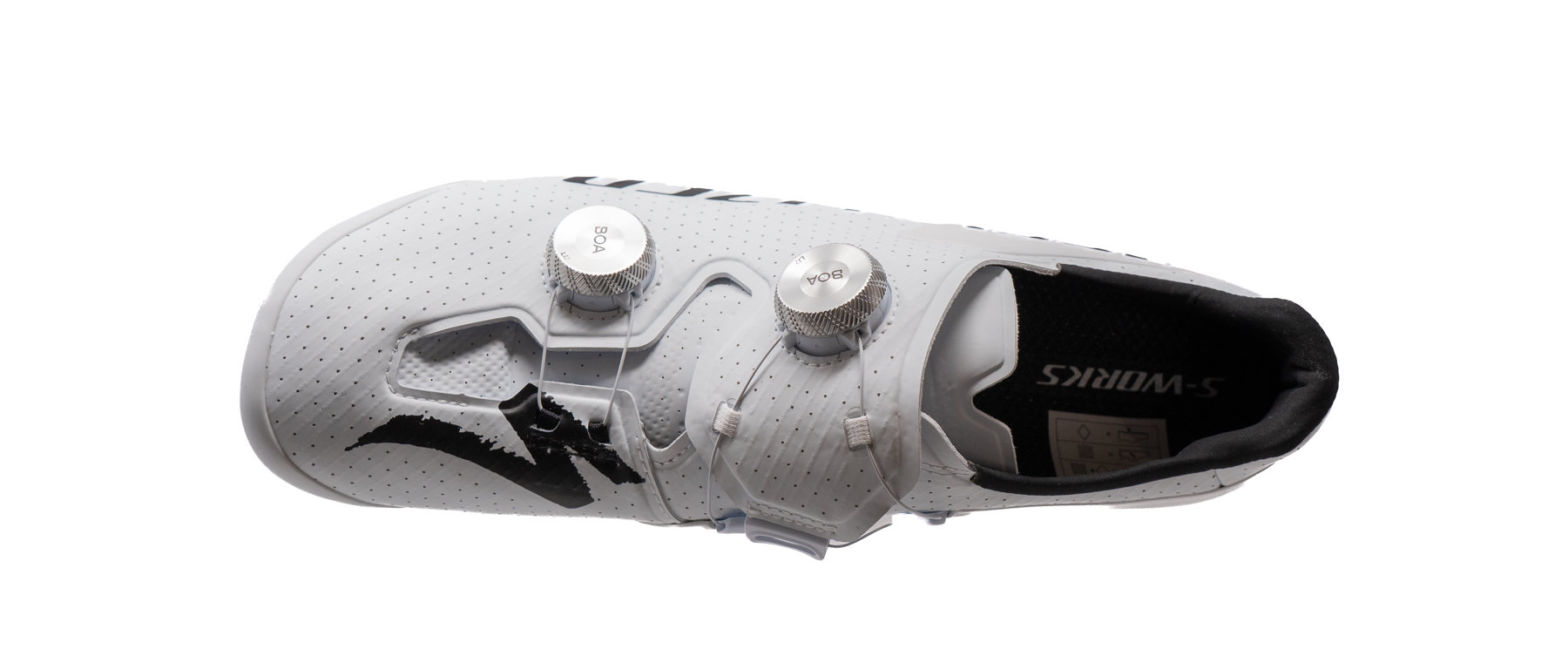
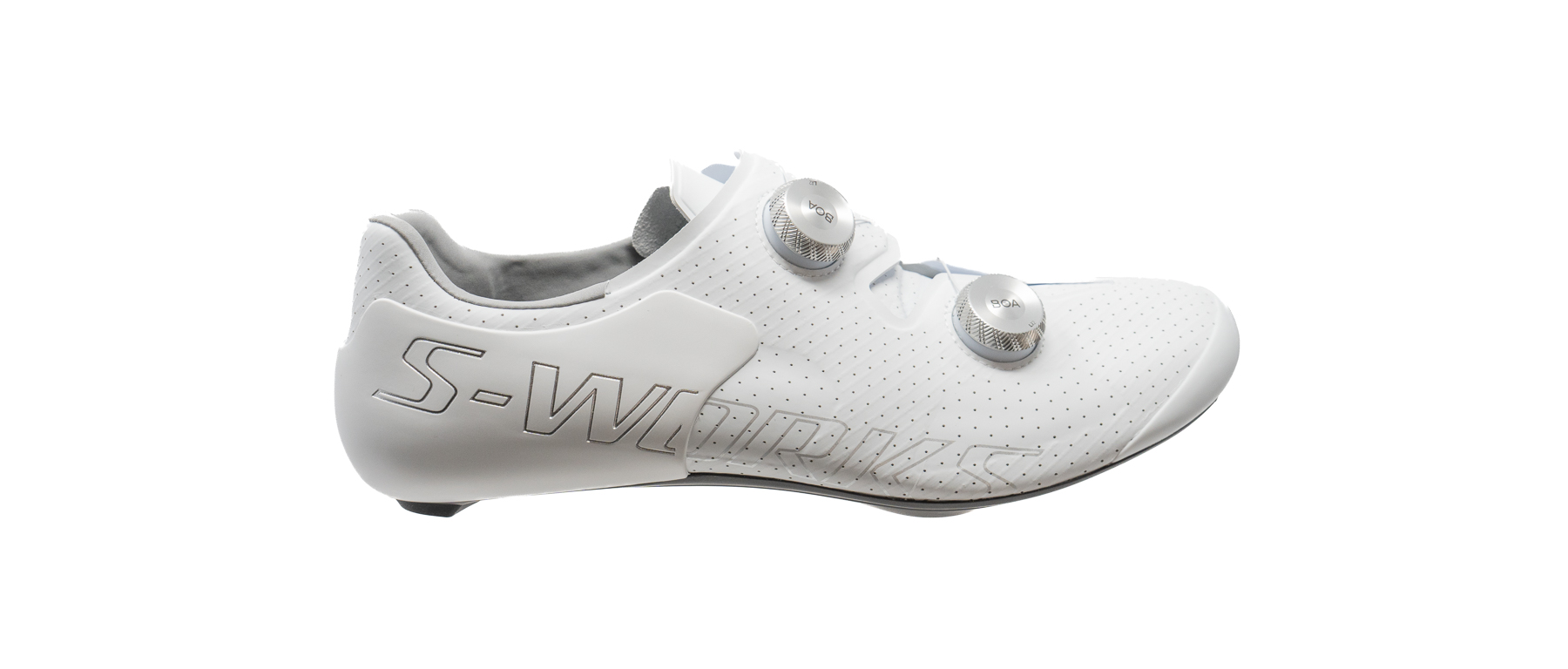
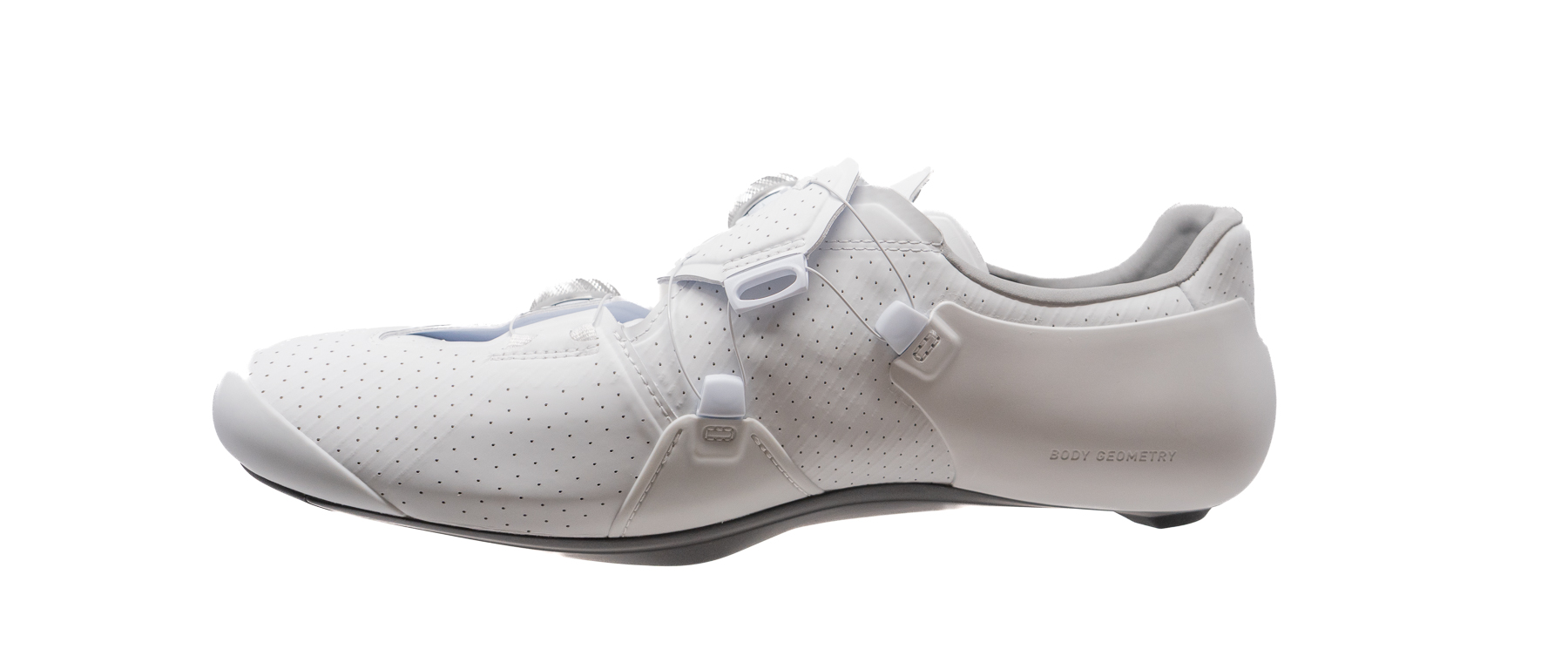
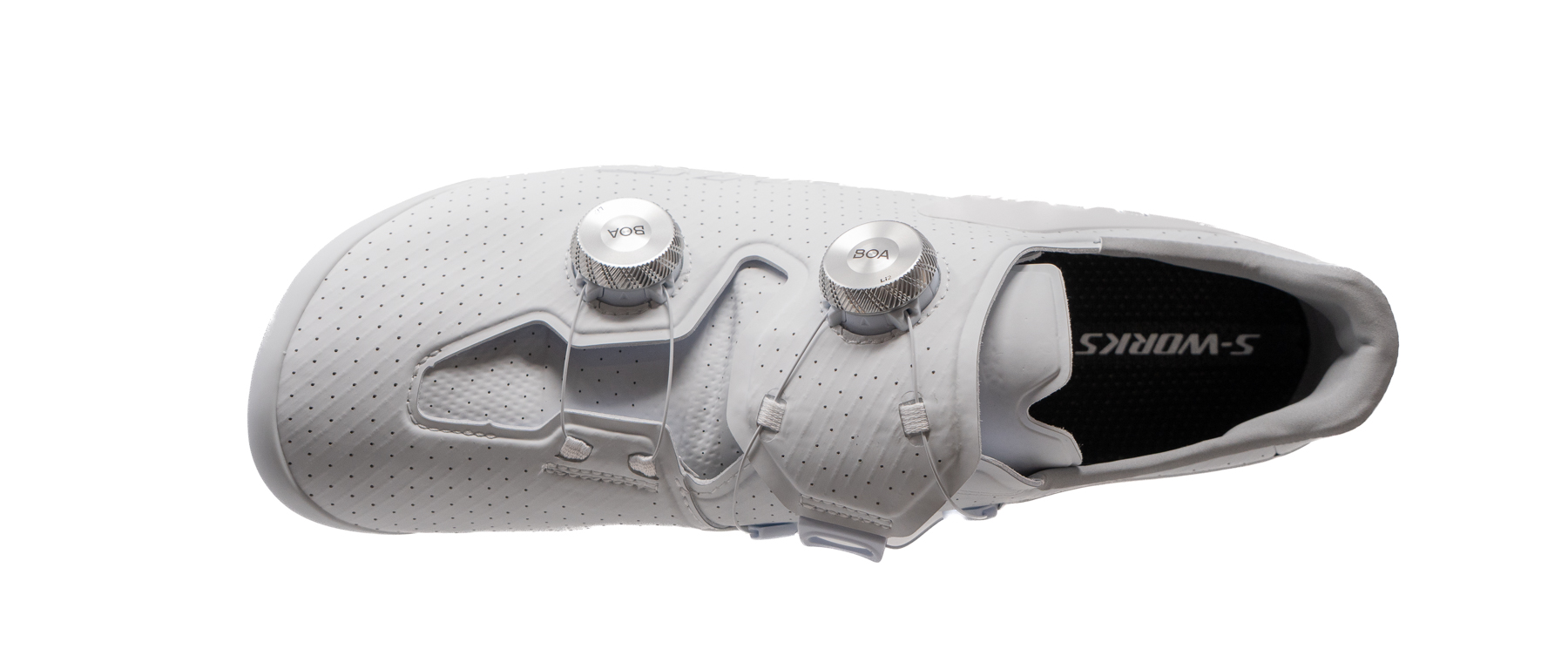
Cycling shoes at this level become genuinely personal—the difference between a shoe that works and a shoe that disappears beneath you comes down to fit details that vary from foot to foot. The S-Works Ares 2 Road Shoe represents Specialized's current thinking on what a race-focused road shoe should deliver, building on the original Ares platform with refinements to the closure system, upper construction, and overall fit that address feedback from the first generation.
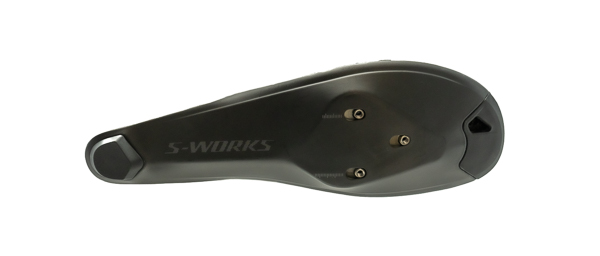
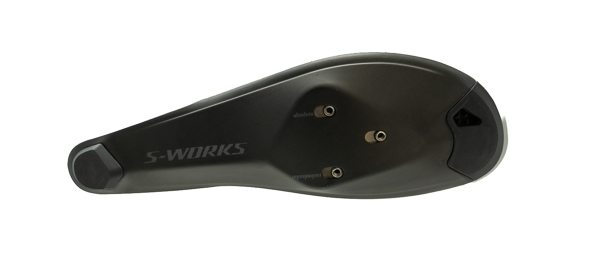
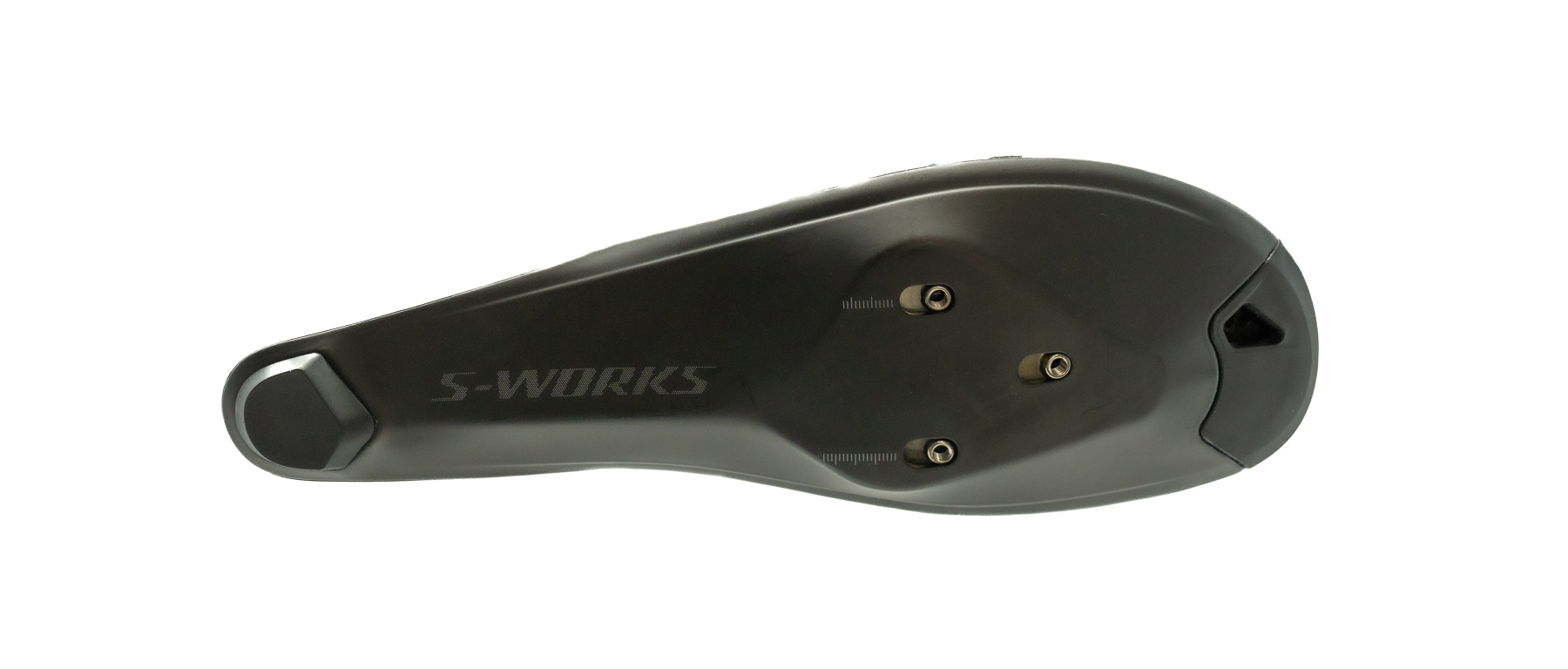
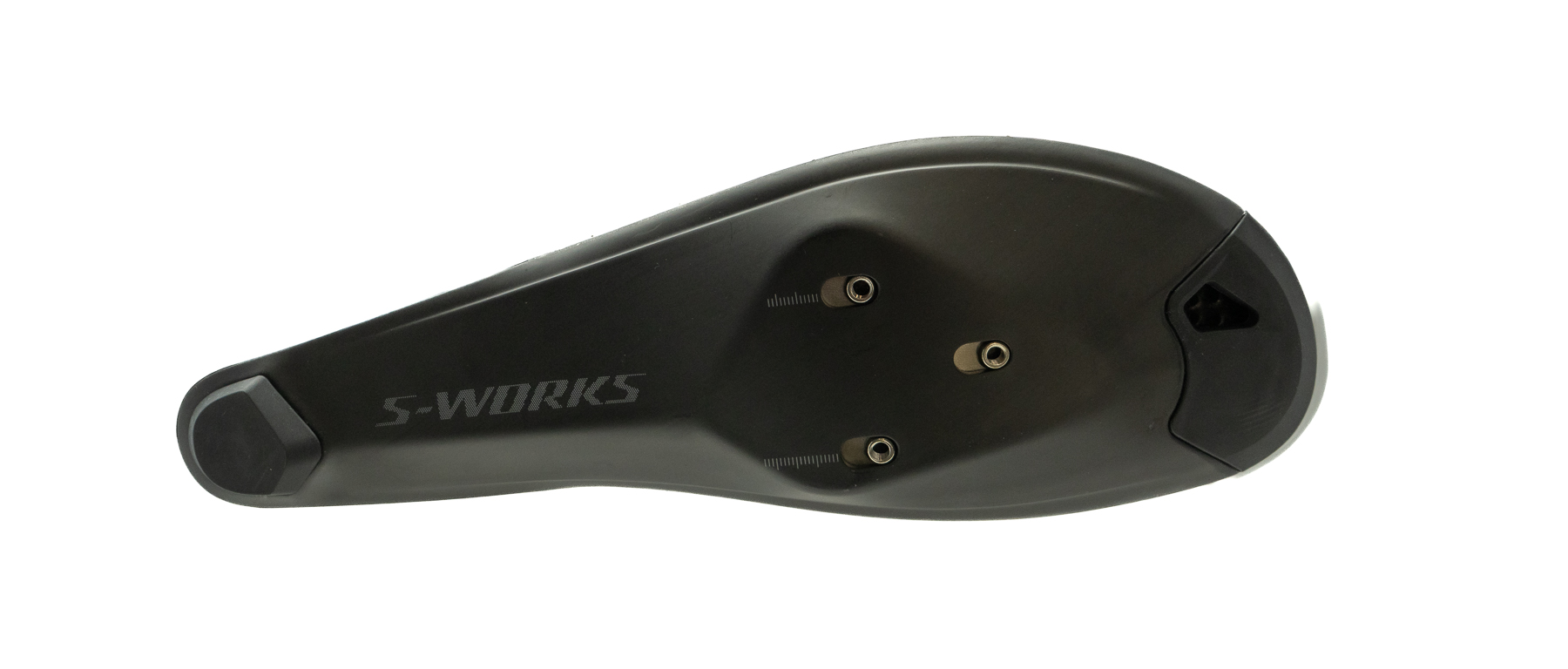
The FACT Powerline carbon sole carries a stiffness index of 15.0—Specialized's maximum rating—which translates to a platform that transfers power without flex or energy loss through the pedal stroke. That rigidity comes with a tradeoff in walkability, but riders shopping at this level generally aren't planning extended hikes between café stops. The sole profile positions the cleat interface to optimize power transfer while the Padlock heel construction locks the rear of the foot in place, eliminating the slip that undermines efficient pedaling in less refined designs.
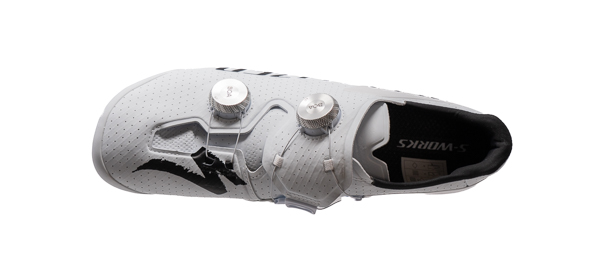
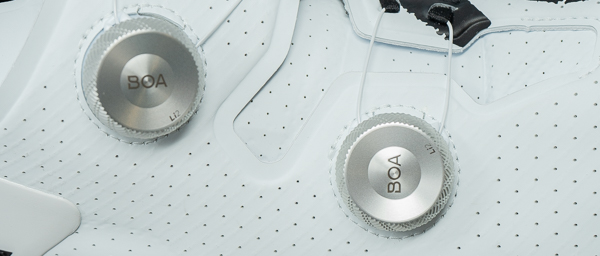
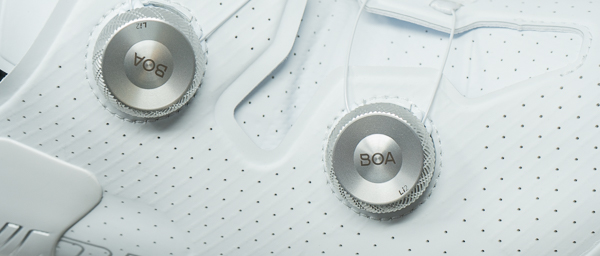
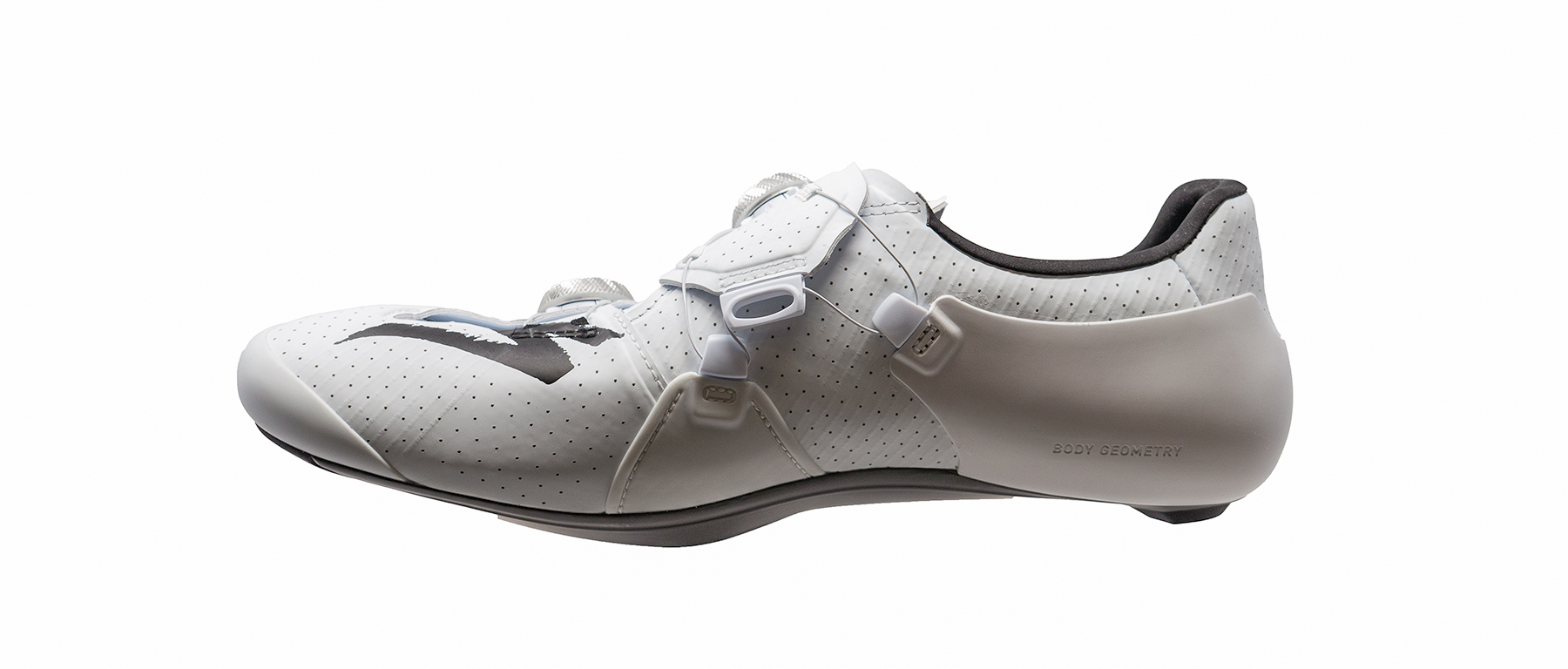
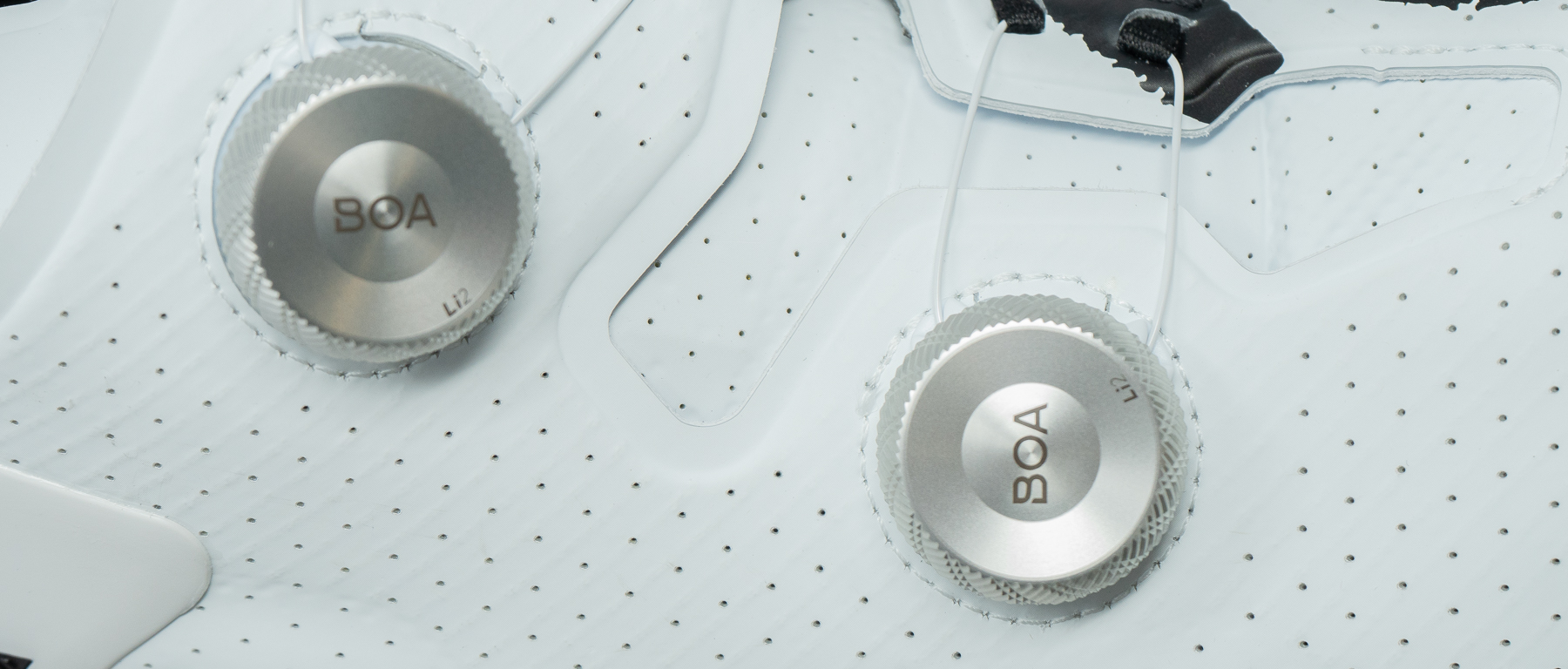
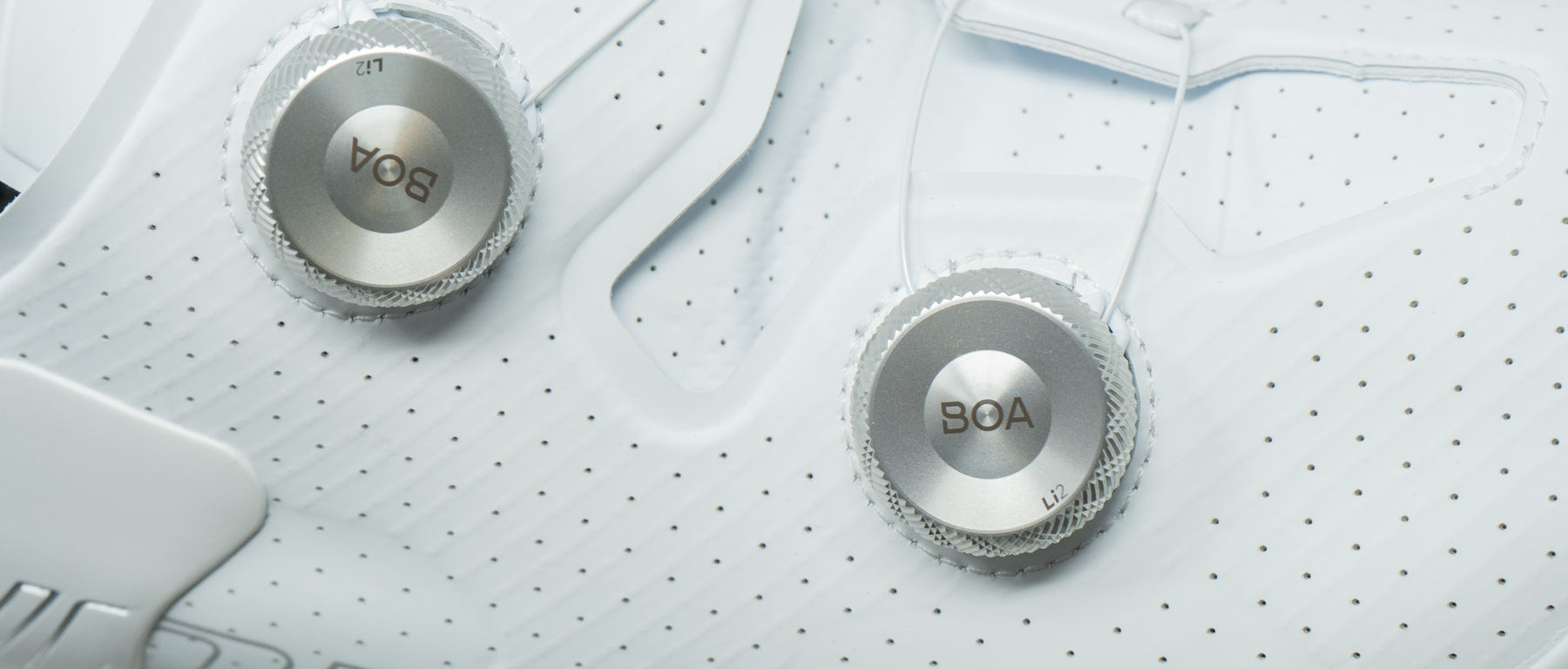
Specialized reworked the Boa system for this generation, moving to the Li2 dials with Dyneema lacing that distributes tension across a wider area of the upper. The dual-dial configuration lets you tune forefoot and midfoot tension independently—useful for riders whose feet swell differently across zones during long efforts or who need to accommodate asymmetries between left and right. The Body Geometry design philosophy shapes the footbed and sole interface to support natural foot alignment, reducing hot spots and pressure points that accumulate over hours in the saddle.... Read More
The upper uses a combination of Dyneema mesh and synthetic panels that balance ventilation against structure. Dyneema's strength-to-weight ratio allows the upper to remain supportive without adding material bulk, while the mesh sections promote airflow during warm-weather riding. The internal fit sleeve wraps the foot smoothly, eliminating seams and pressure points where the Boa lacing contacts the upper.
Weight savings appear throughout the construction—the Li2 dials are lighter than previous Boa versions, the Dyneema upper sheds grams compared to traditional synthetics, and the sole construction optimizes material placement. For riders where every gram matters, these details accumulate into measurable differences at the end of a long climb or time trial effort.