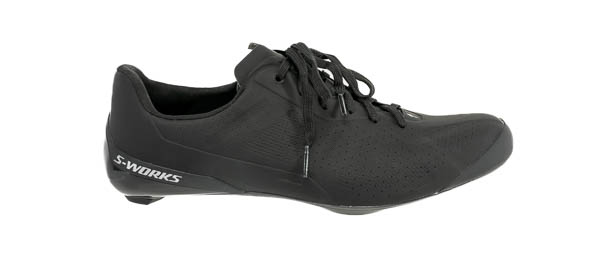
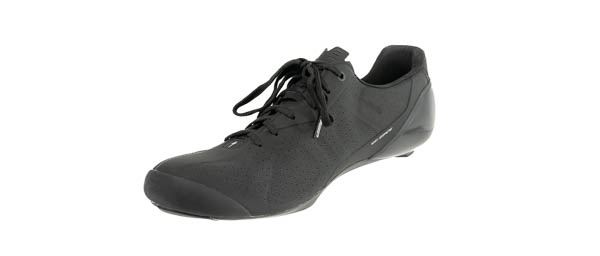
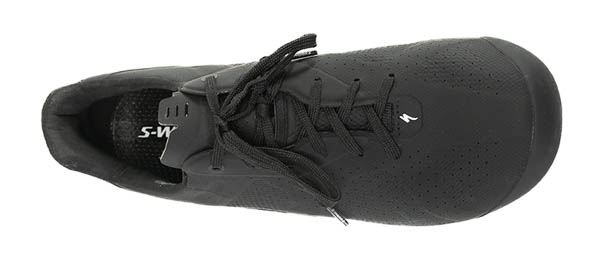
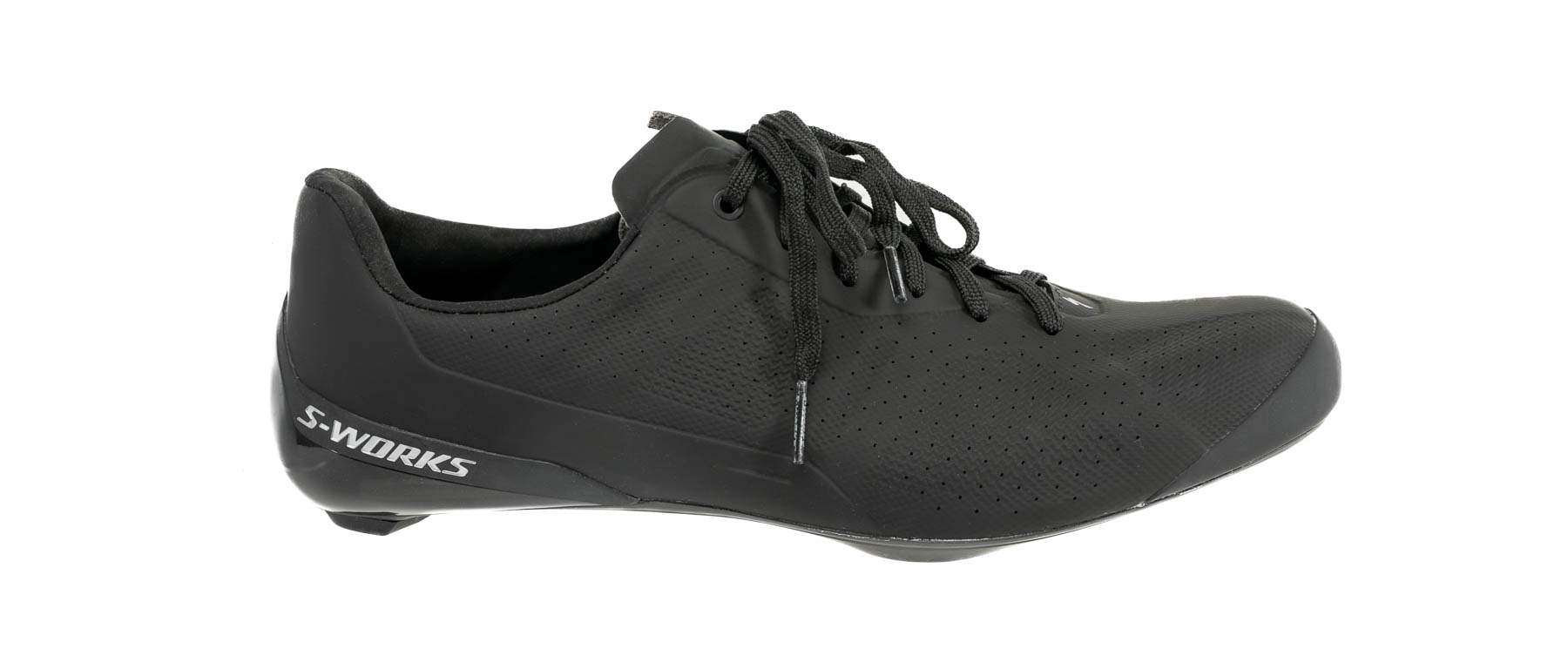
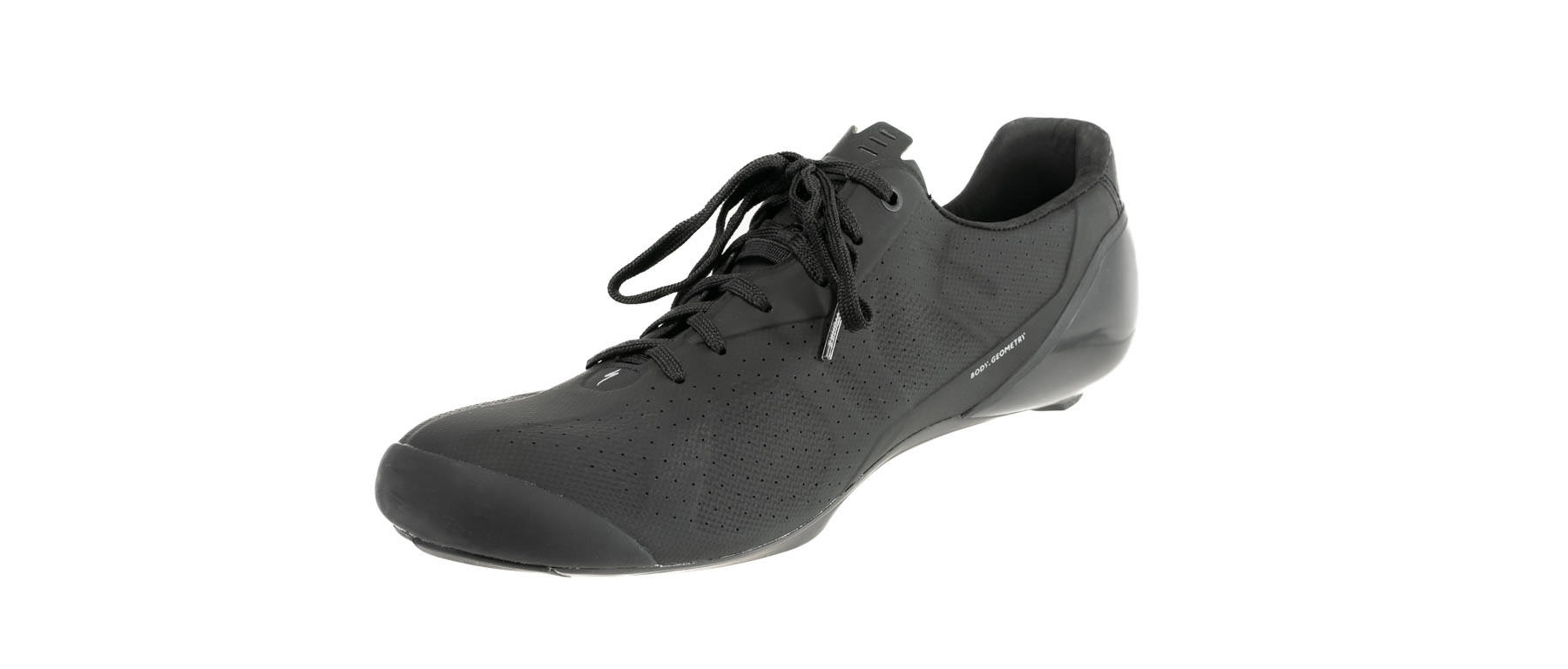
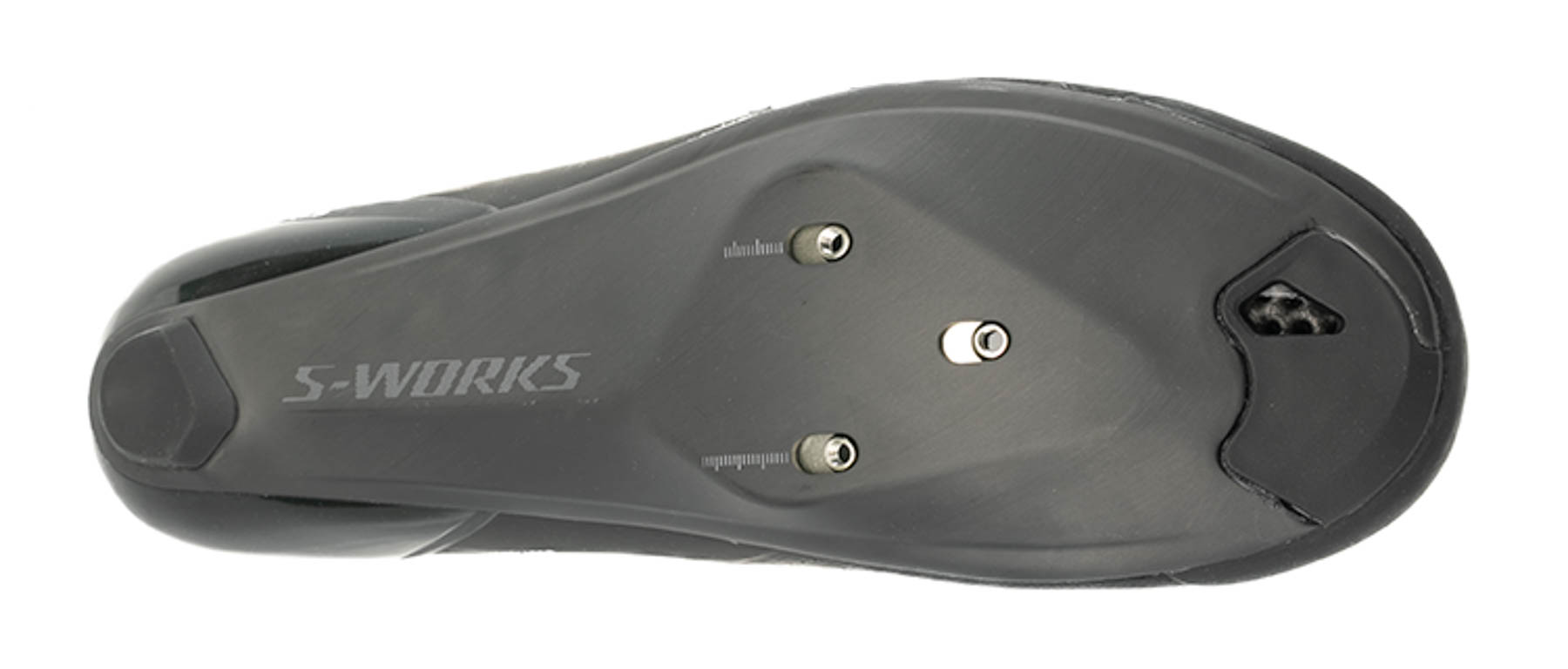
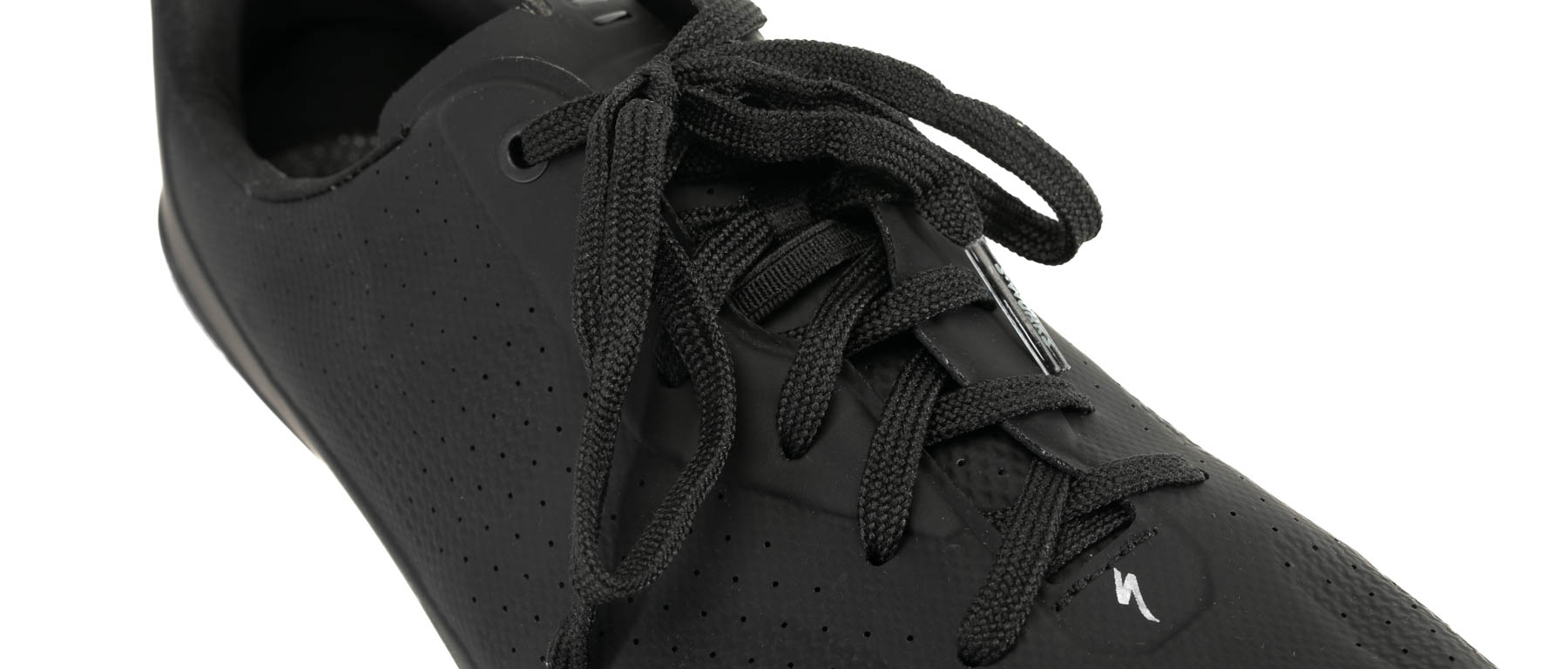
Road shoe fit conversations tend to revolve around closure systems—Boa dials, ratchet straps, the occasional throwback buckle—but laces remain the original precision fit tool. The S-Works Torch Lace from Specialized applies their top-tier shoe construction to a traditional lace closure, giving riders who prefer the micro-adjustability of laces access to the same Dyneema-wrapped carbon plate and Body Geometry footbed found in the dial-equipped S-Works Torch. The result is a shoe that fits exactly how you tie it, with no pressure points from dial housings and no concerns about mechanism reliability on long rides.
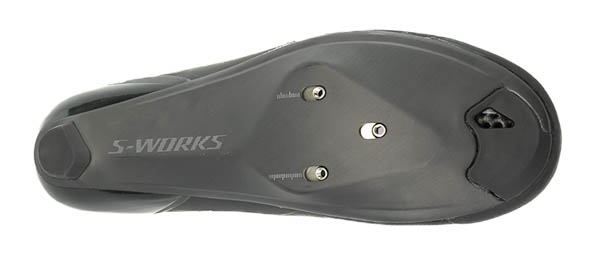
The FACT Powerline carbon sole carries a 15.0 stiffness rating—Specialized's highest—which translates to direct power transmission without the dead spots that come from flex under load. Dyneema fiber wraps the carbon plate and extends into the upper, creating a structure that resists stretch while remaining remarkably light. The combination means the shoe holds its shape ride after ride, maintaining the fit you dialed in during your first lacing session.
Body Geometry design underpins the footbed and sole shape, with features like longitudinal arch support and metatarsal buttons positioned to encourage proper foot alignment during the pedal stroke. The varus wedge built into the footbed addresses the natural angle most feet sit at relative to the pedal spindle. These aren't aftermarket insole features—they're integrated into the shoe's structure from the start.... Read More
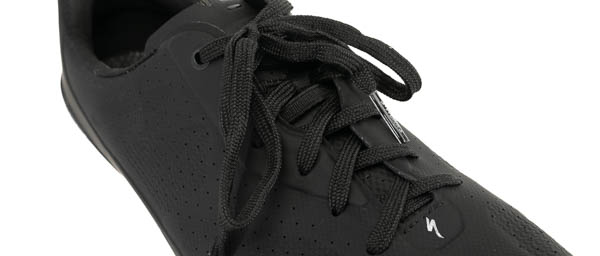
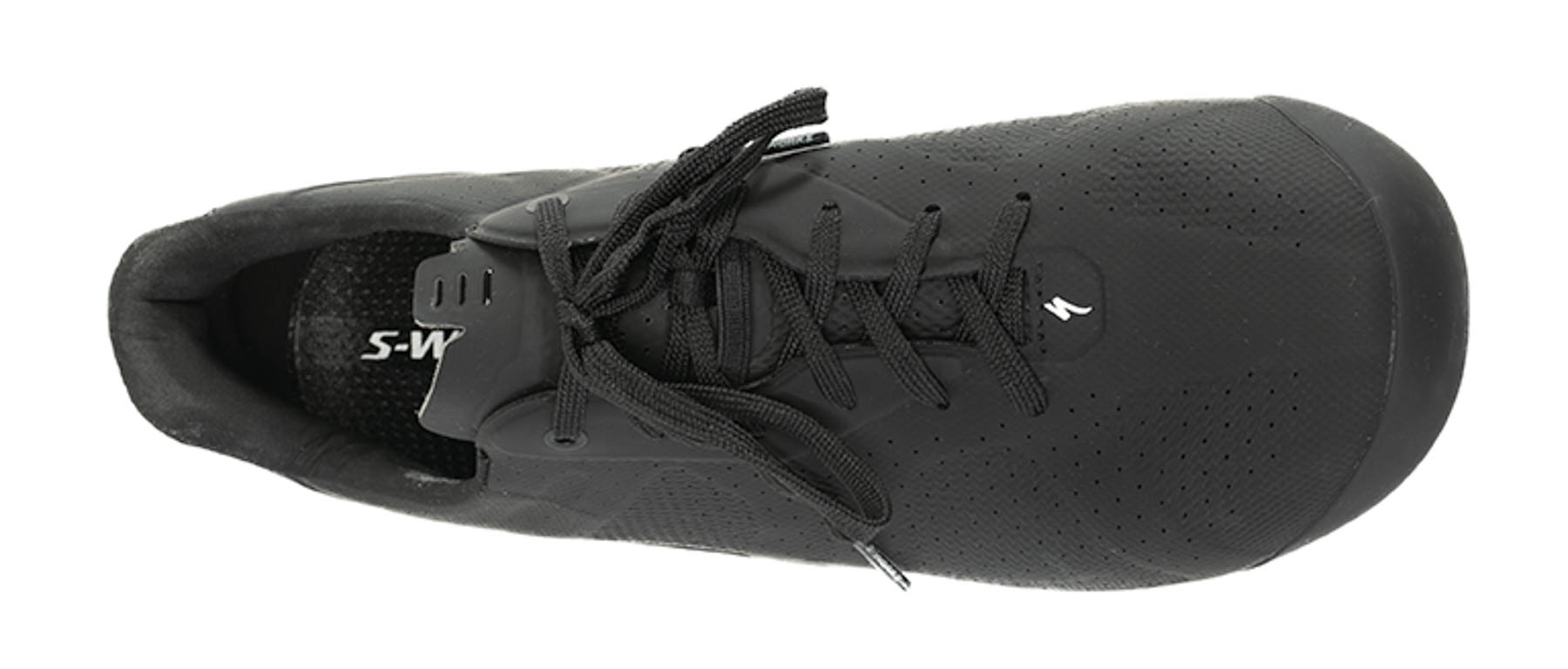
The upper uses minimal layers to reduce weight while maintaining structure where it matters. Padded zones around the collar and tongue sit against the foot without creating hot spots, while the perforated sections promote airflow across the forefoot. The laces themselves run through low-profile eyelets that sit nearly flush with the upper, eliminating the bulk that sometimes makes lace-up shoes feel dated compared to their dial-closure siblings.
Heel construction deserves specific mention—the external heel cup locks the foot in place without relying on excessive tightening at the forefoot to prevent slip. This separation of heel retention from forefoot fit allows riders to lace for comfort rather than compensation, keeping blood flow unrestricted during long efforts while maintaining the connection to the pedal that high-stiffness soles demand.