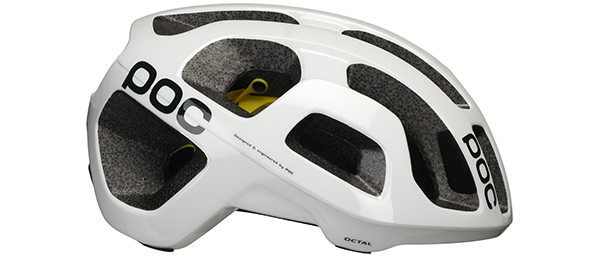
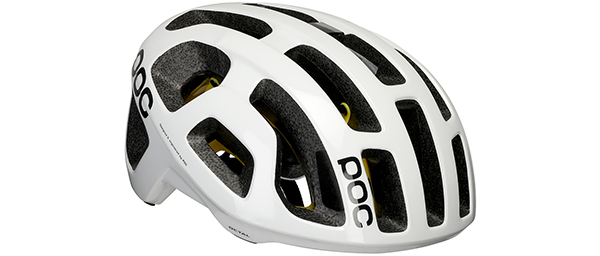
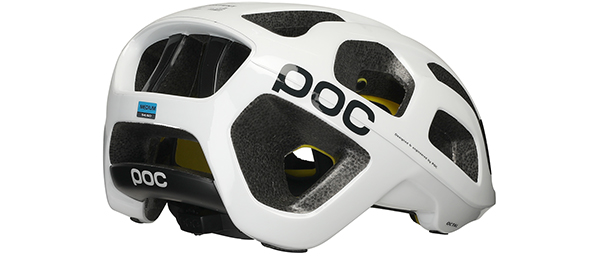
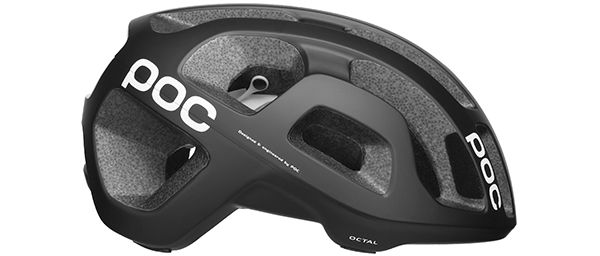
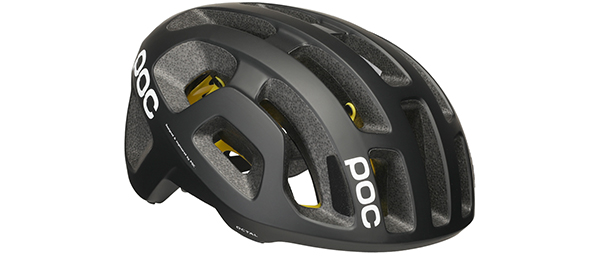
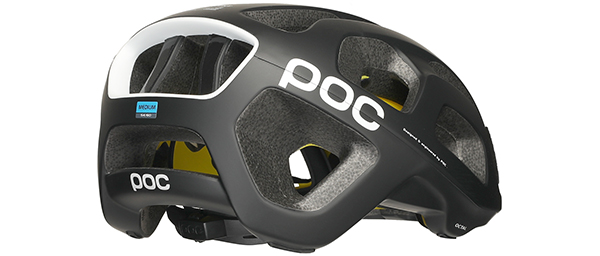
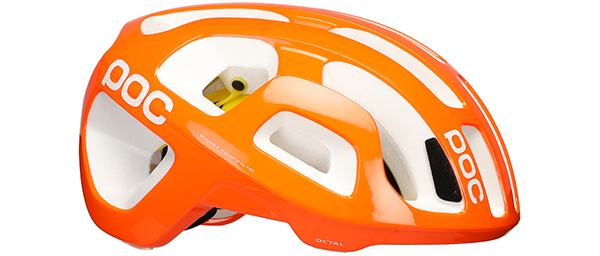
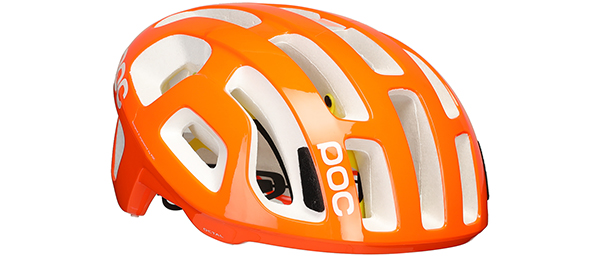
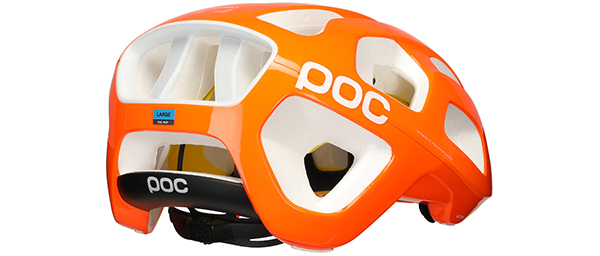
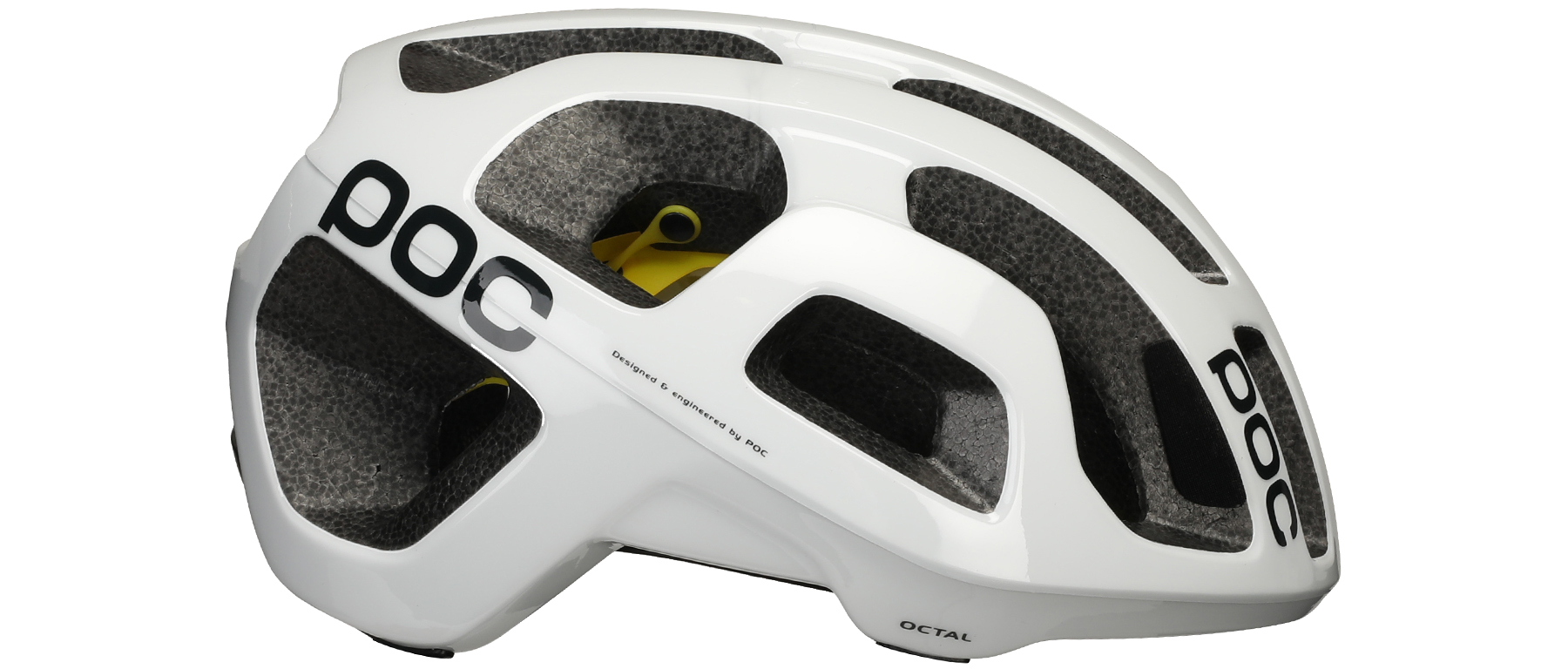
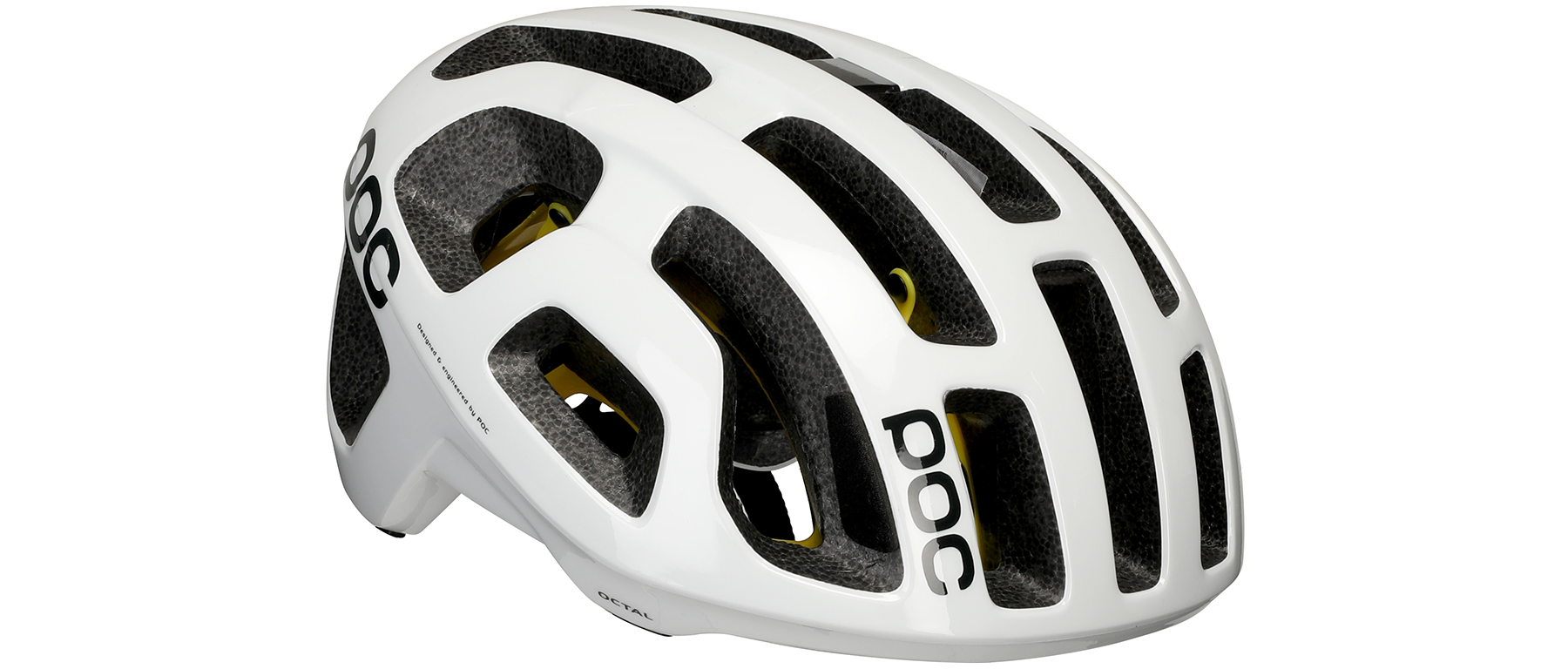
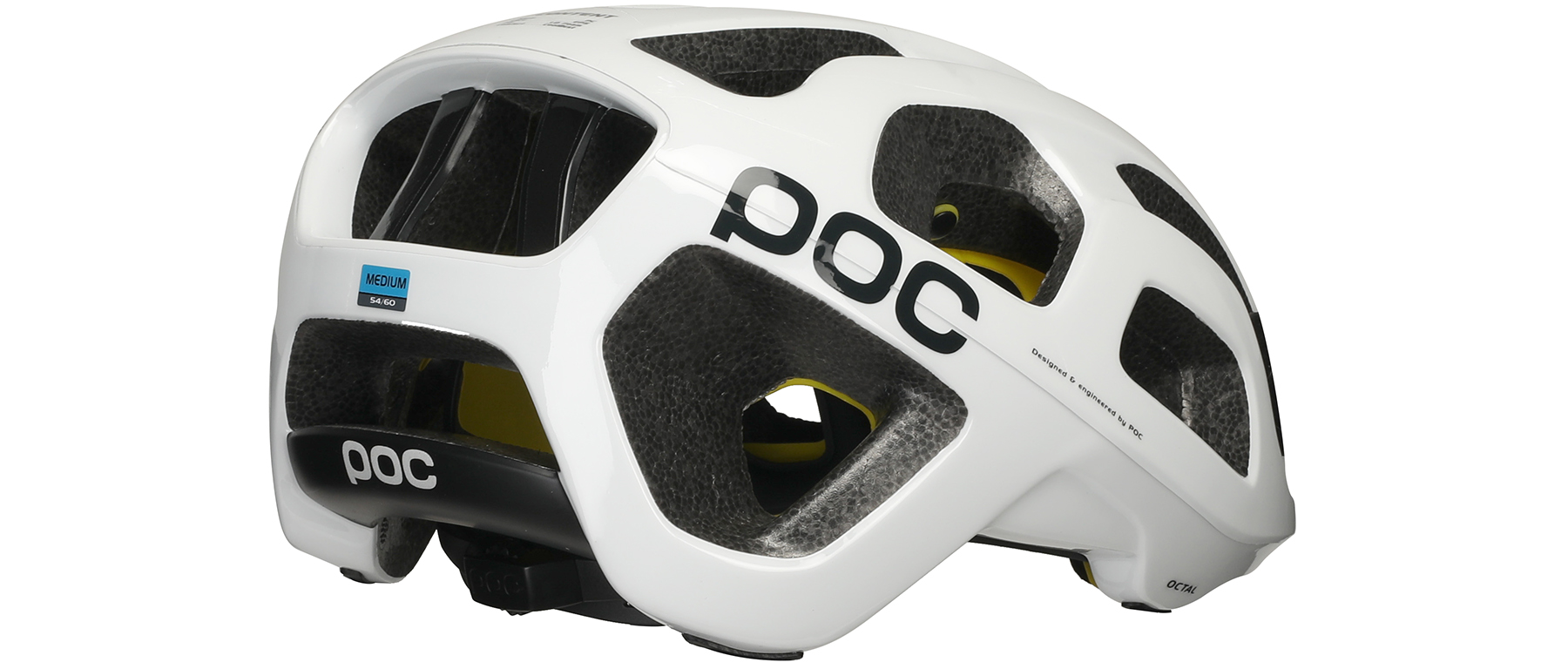
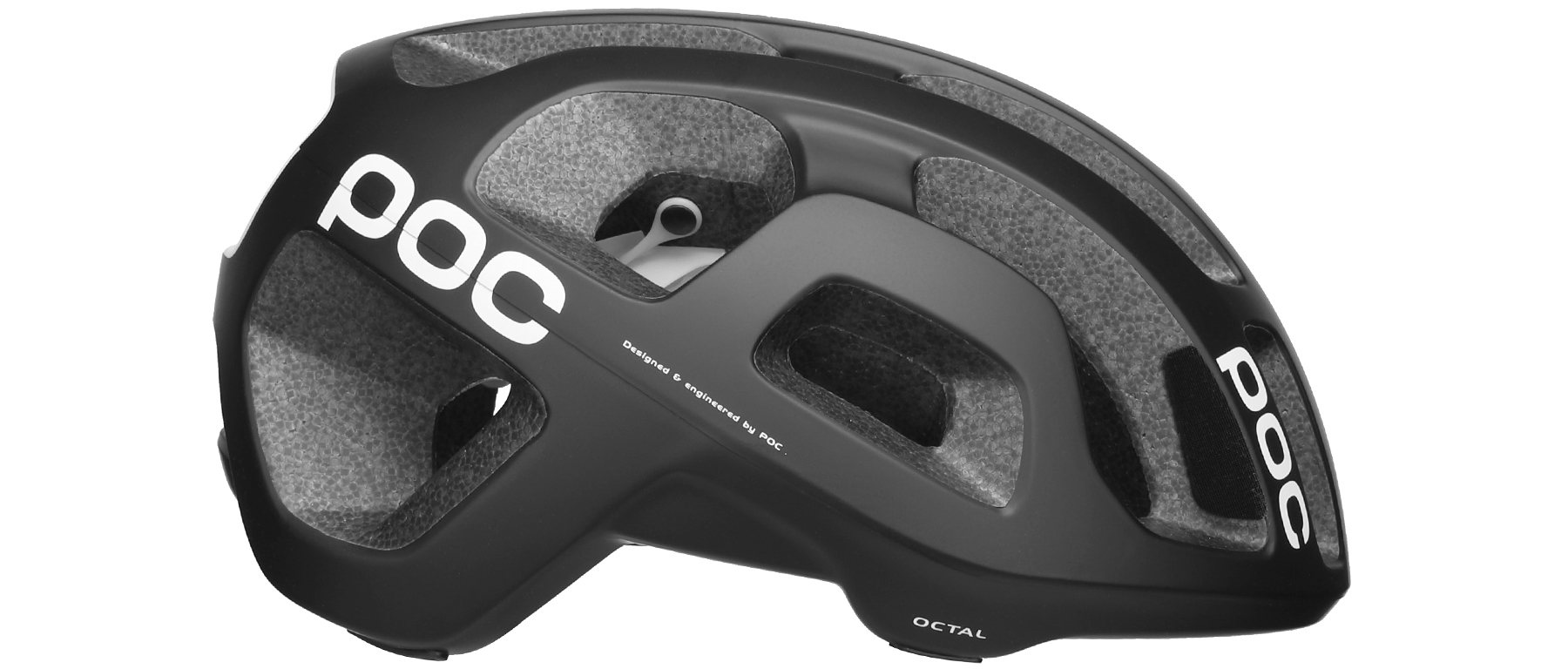
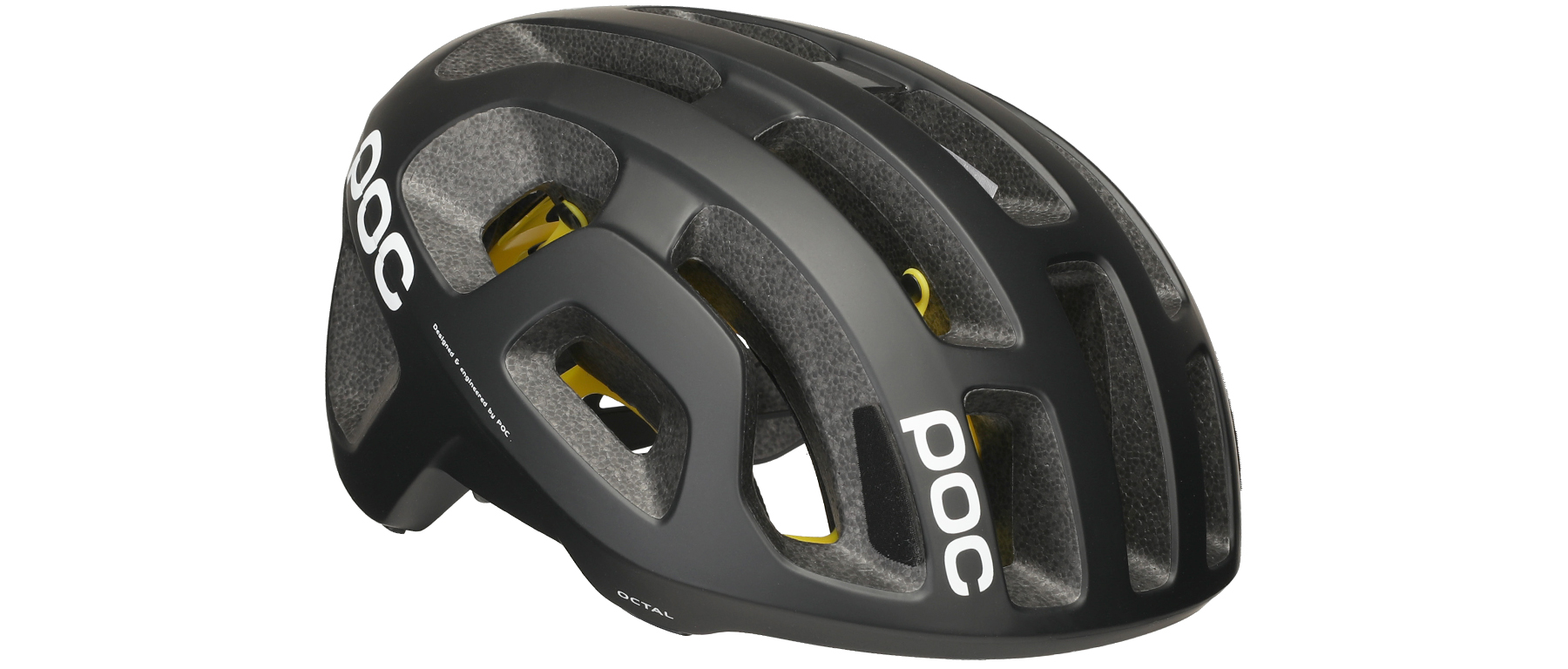
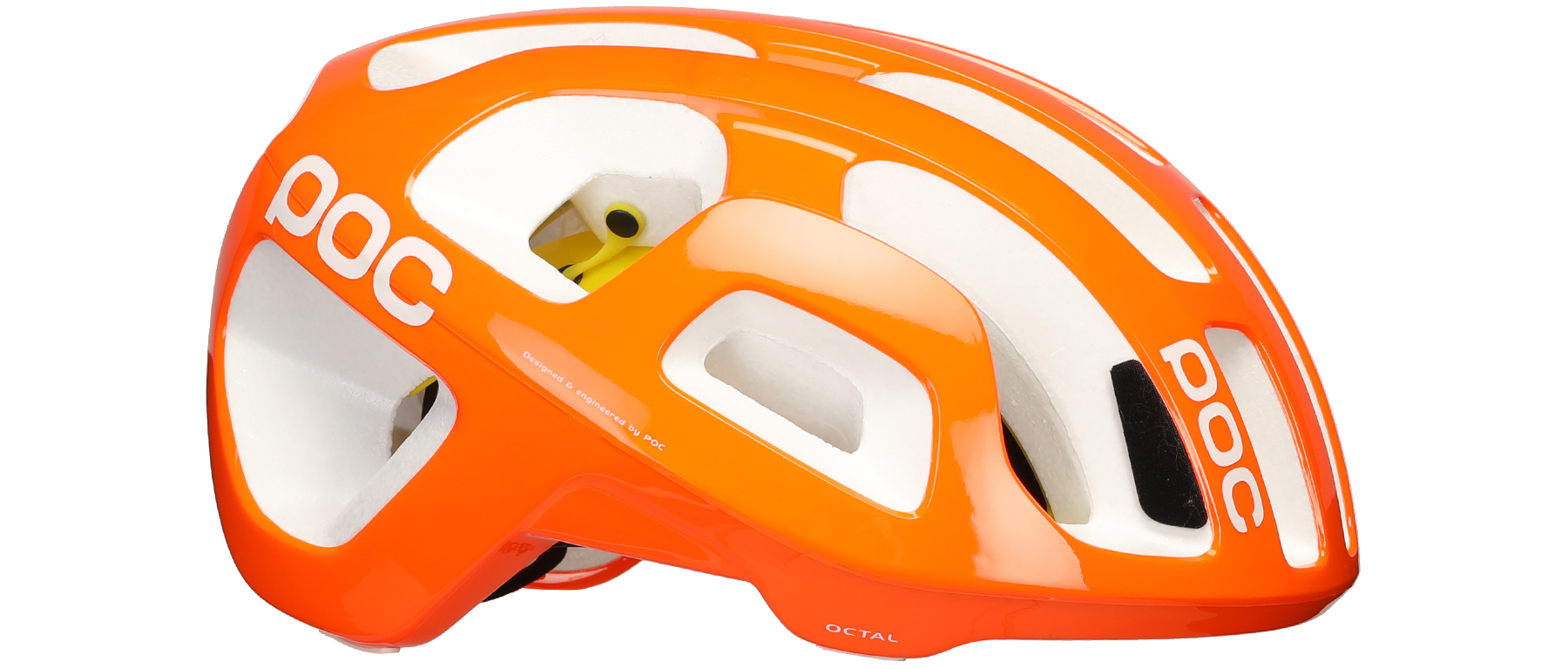
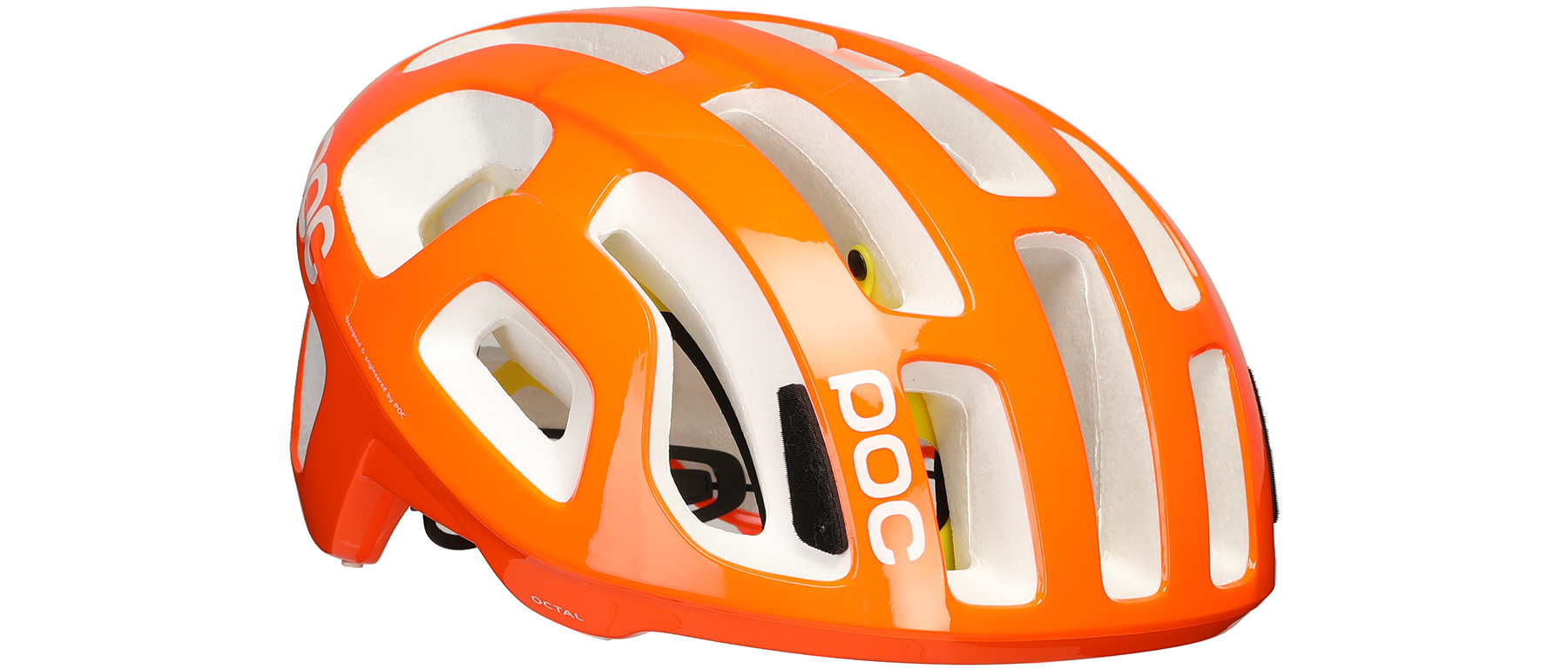
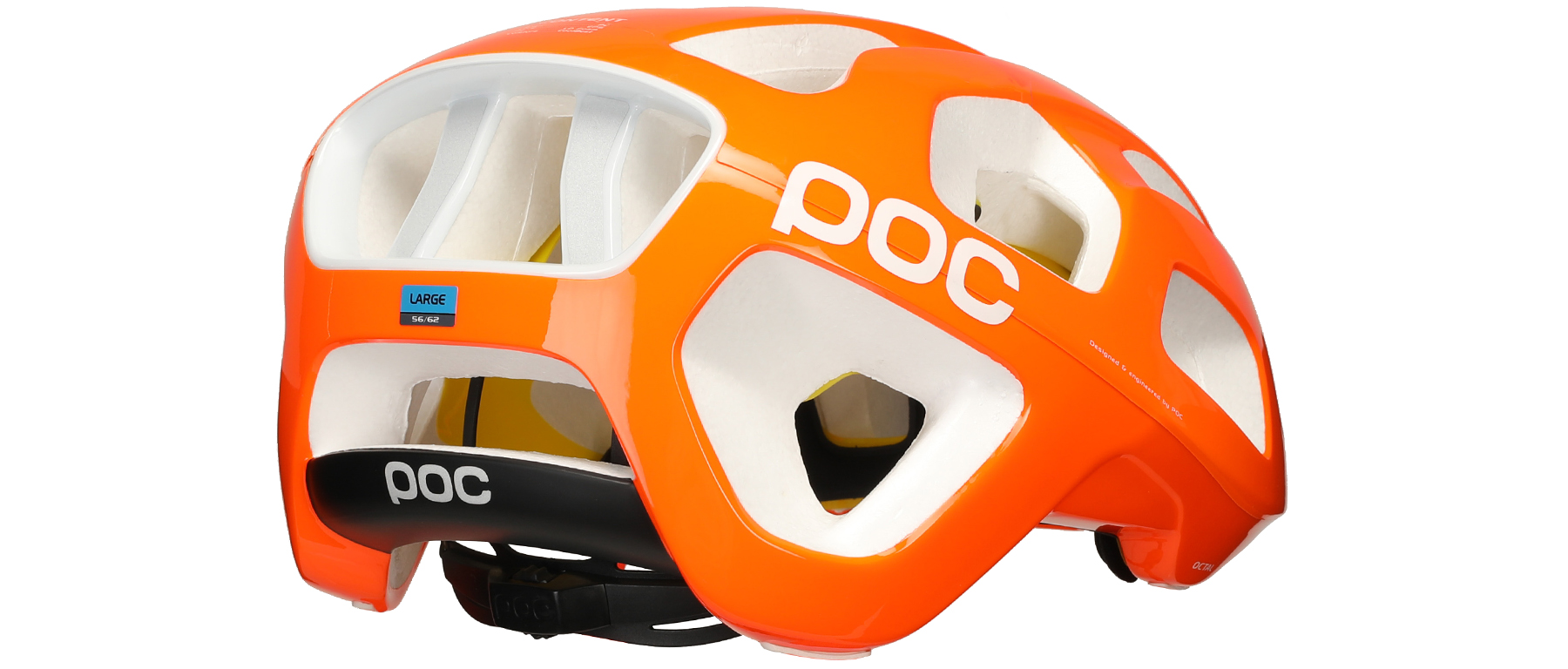
21 oversized vents define the visual signature of POC's Octal MIPS, but those gaping openings aren't just for show. The Swedish brand approached helmet ventilation differently than competitors, using fewer but substantially larger ports rather than the typical array of small holes. Air flows through the helmet with less restriction, which matters on long summer rides when heat management becomes as important as protection. The distinctive silhouette stands out in the peloton, but the design rationale is pure function over form.
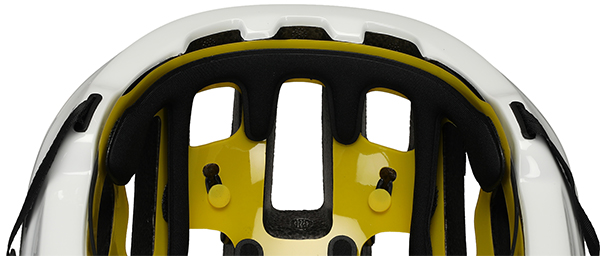
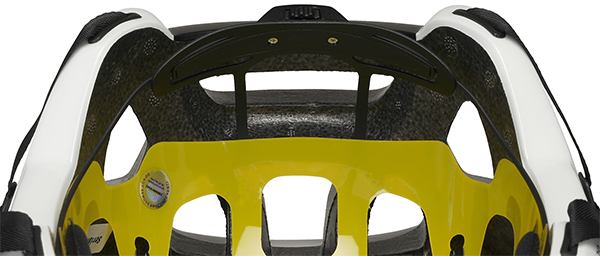
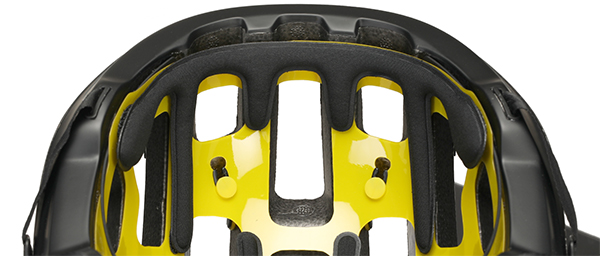
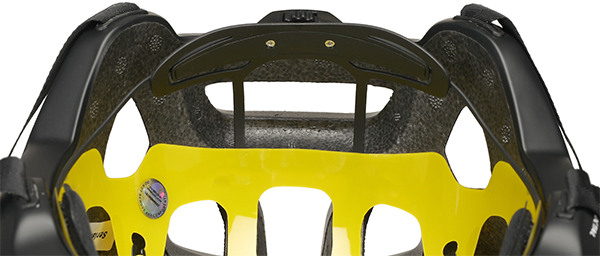
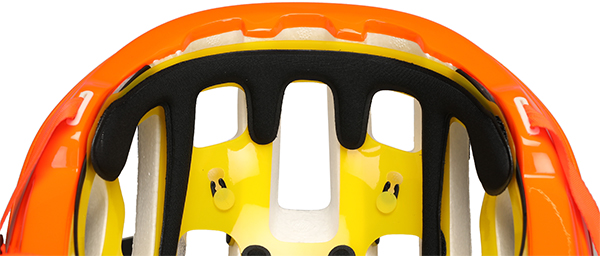
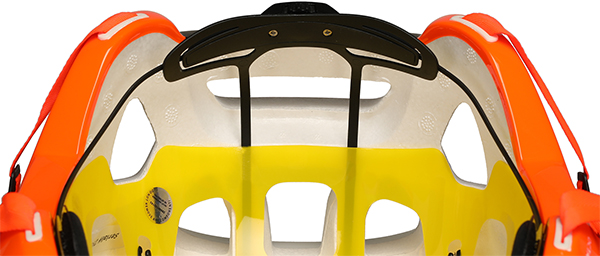
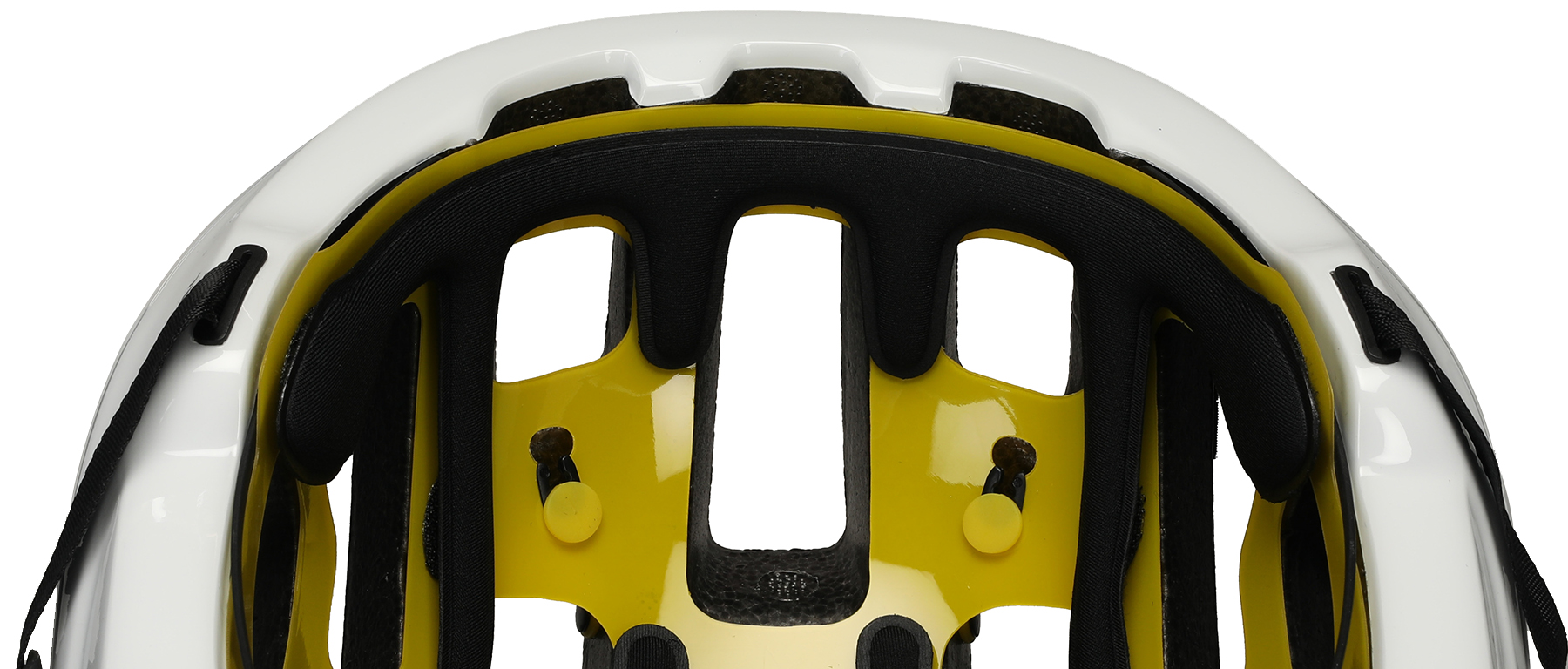
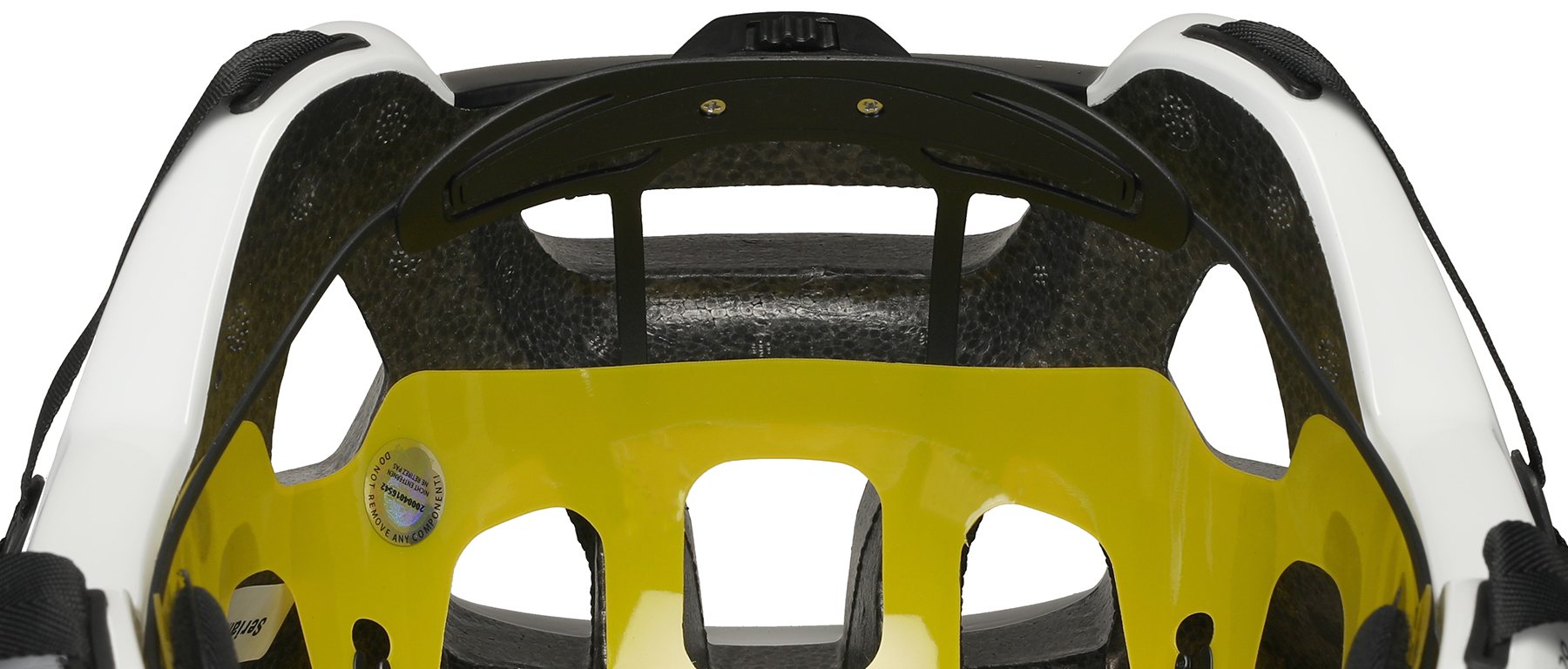
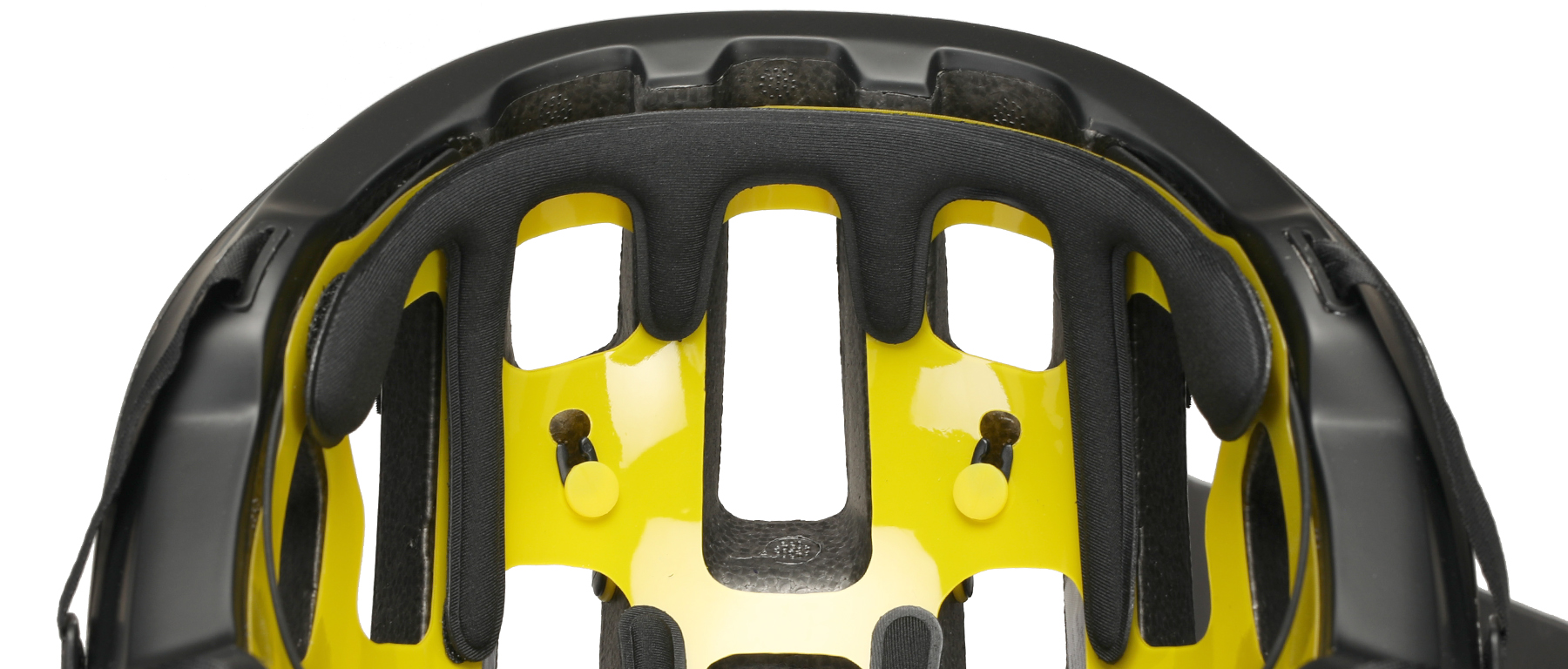
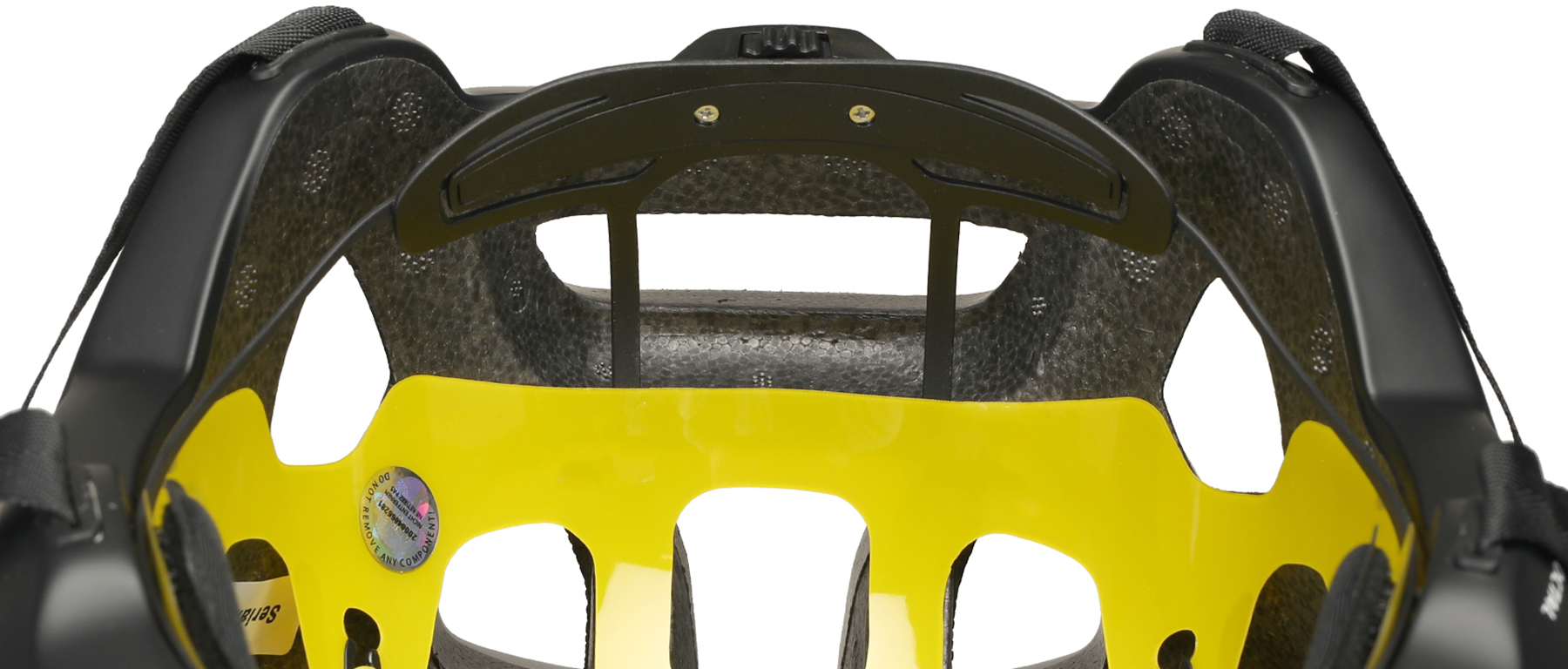
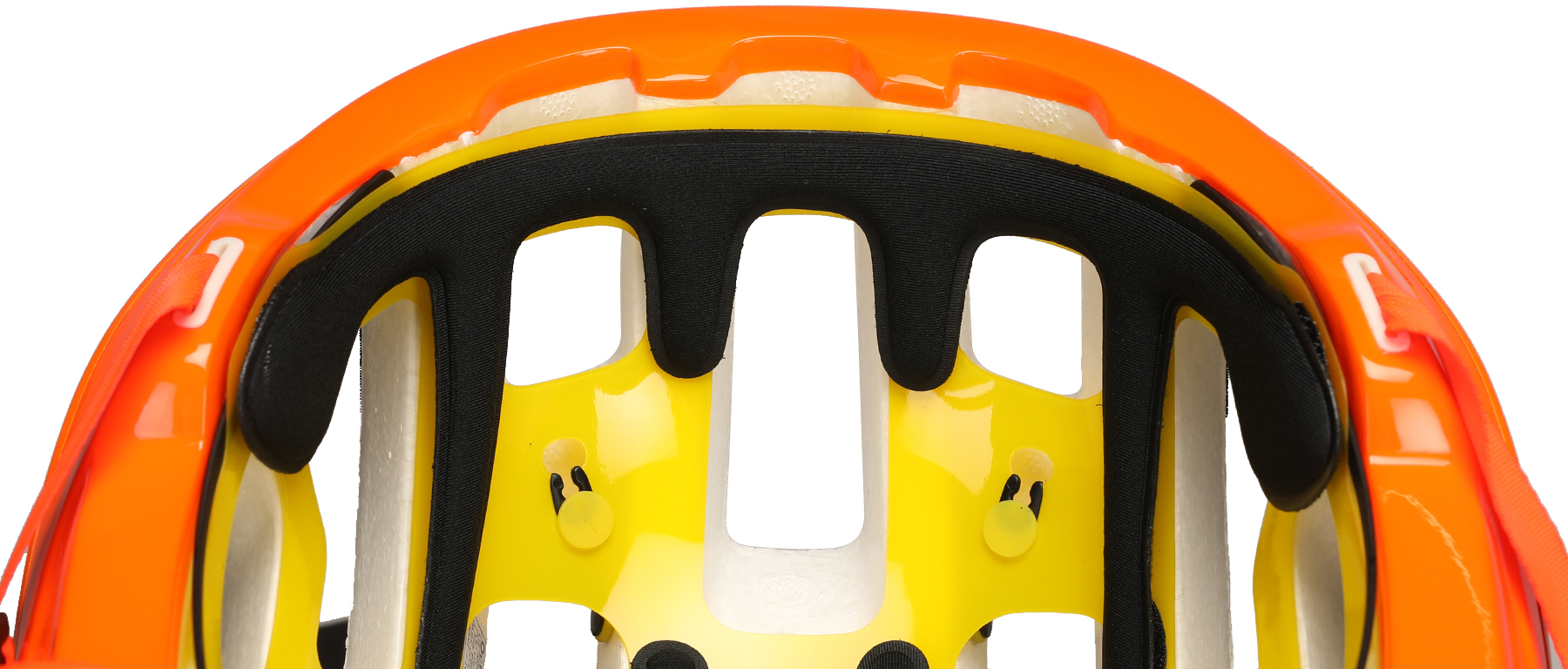
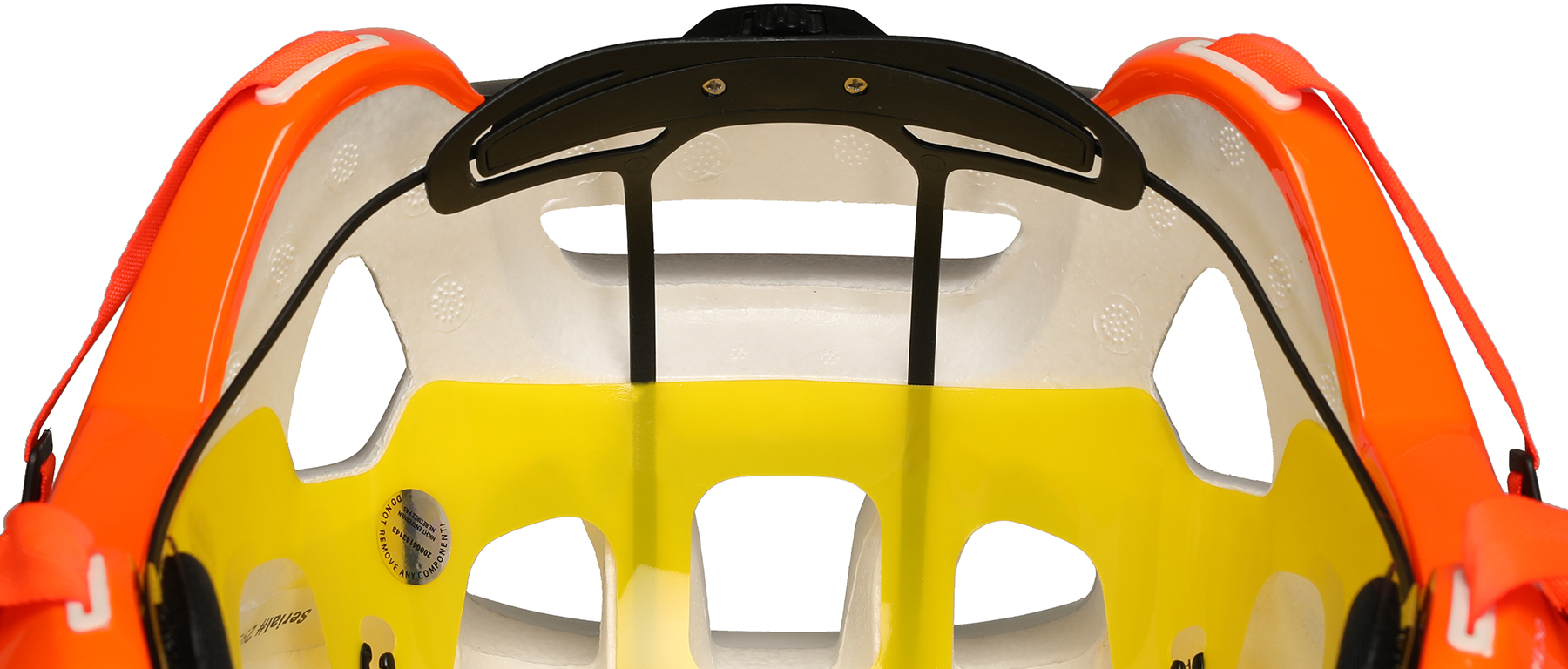
The Octal earned its reputation as one of the lightest road helmets available, and the MIPS update maintains that character while adding rotational impact protection. MIPS technology uses a low-friction liner that allows the helmet shell to rotate 10 to 15mm relative to your head during an angled impact, reducing the rotational forces that can cause brain injury. POC integrated the MIPS system without compromising the Octal's ventilation performance or adding significant weight penalty. The yellow MIPS liner is visible through some of the vent openings but doesn't obstruct airflow through the helmet.
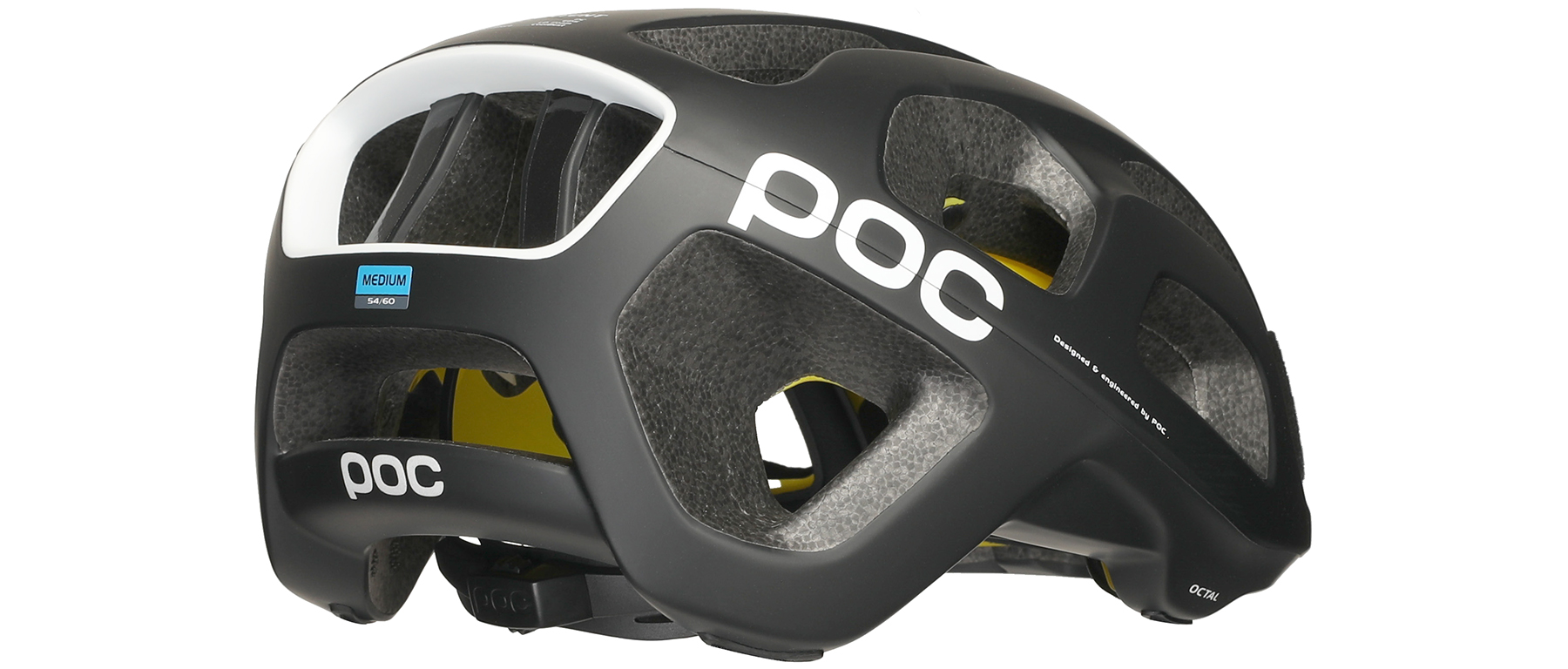
Construction centers on a fully wrapped unibody polycarbonate shell that encases the EPS foam liner almost completely, leaving minimal exposed foam around the edges. This monocoque approach creates structural rigidity while keeping weight low. The EPS liner itself varies in thickness, with additional material concentrated in the zones where impacts most commonly occur. POC extended coverage at the temples and rear of the head compared to traditional road helmet designs, addressing areas where conventional lids often leave gaps in protection.... Read More
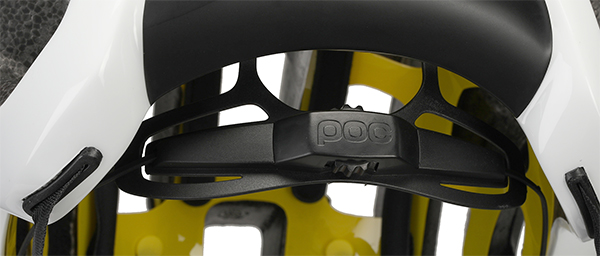
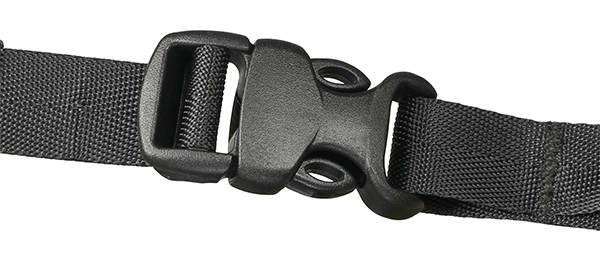
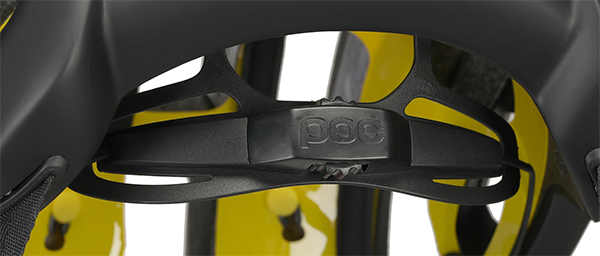
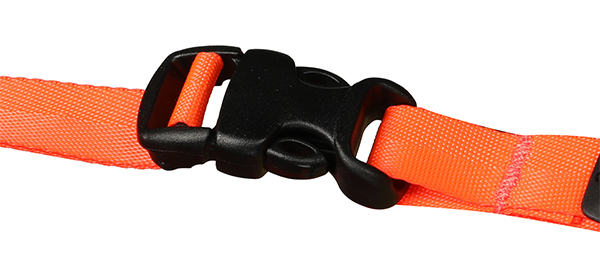
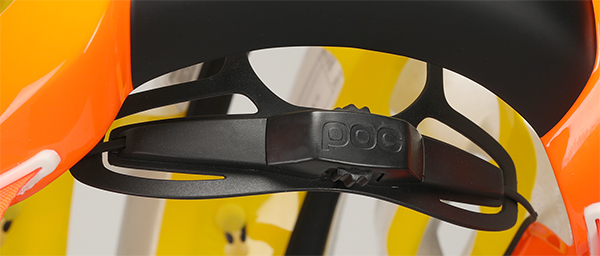
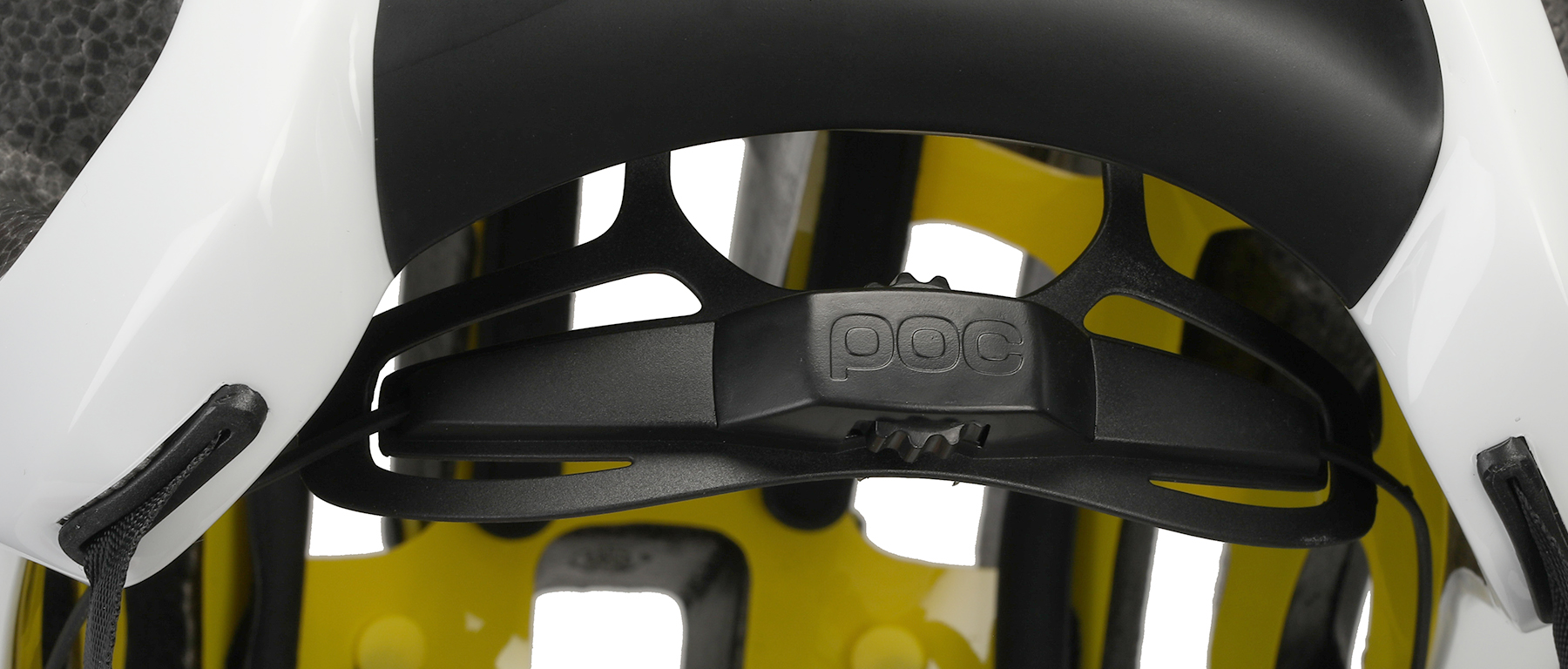
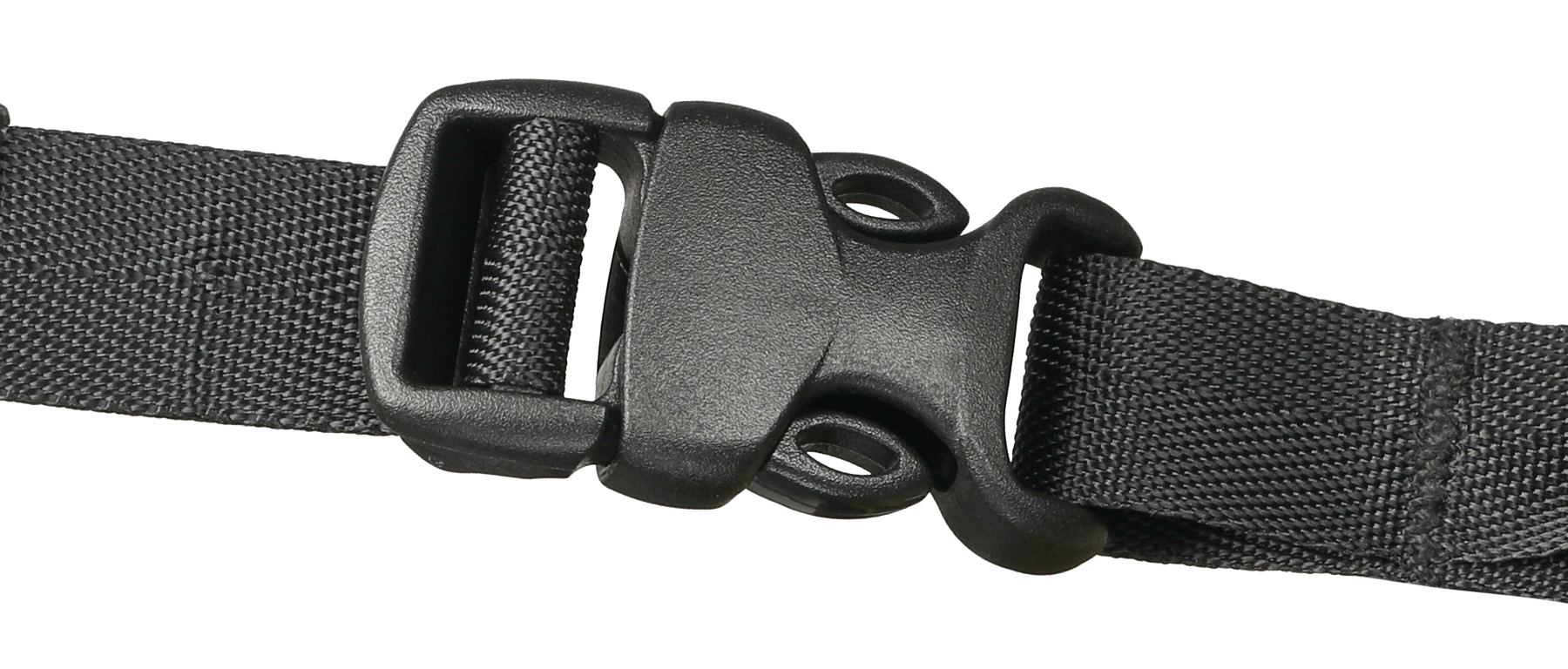
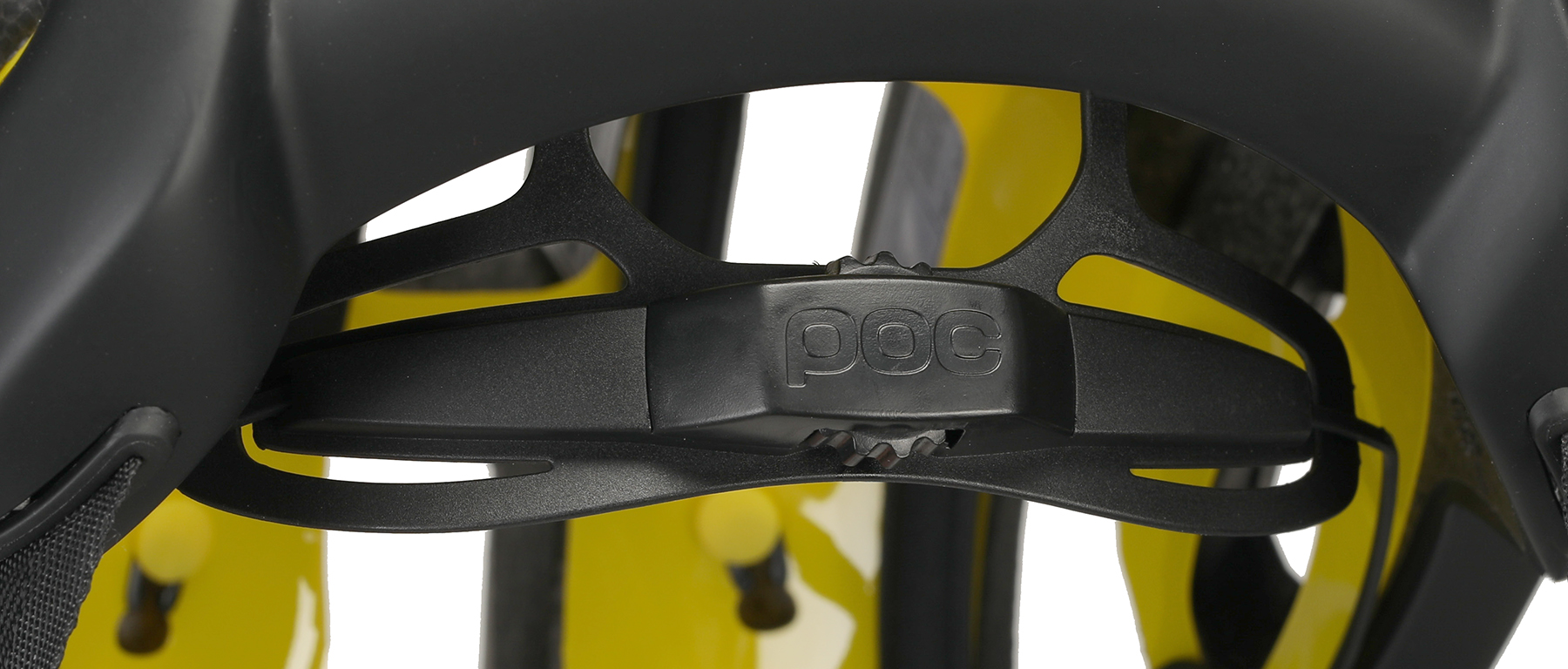
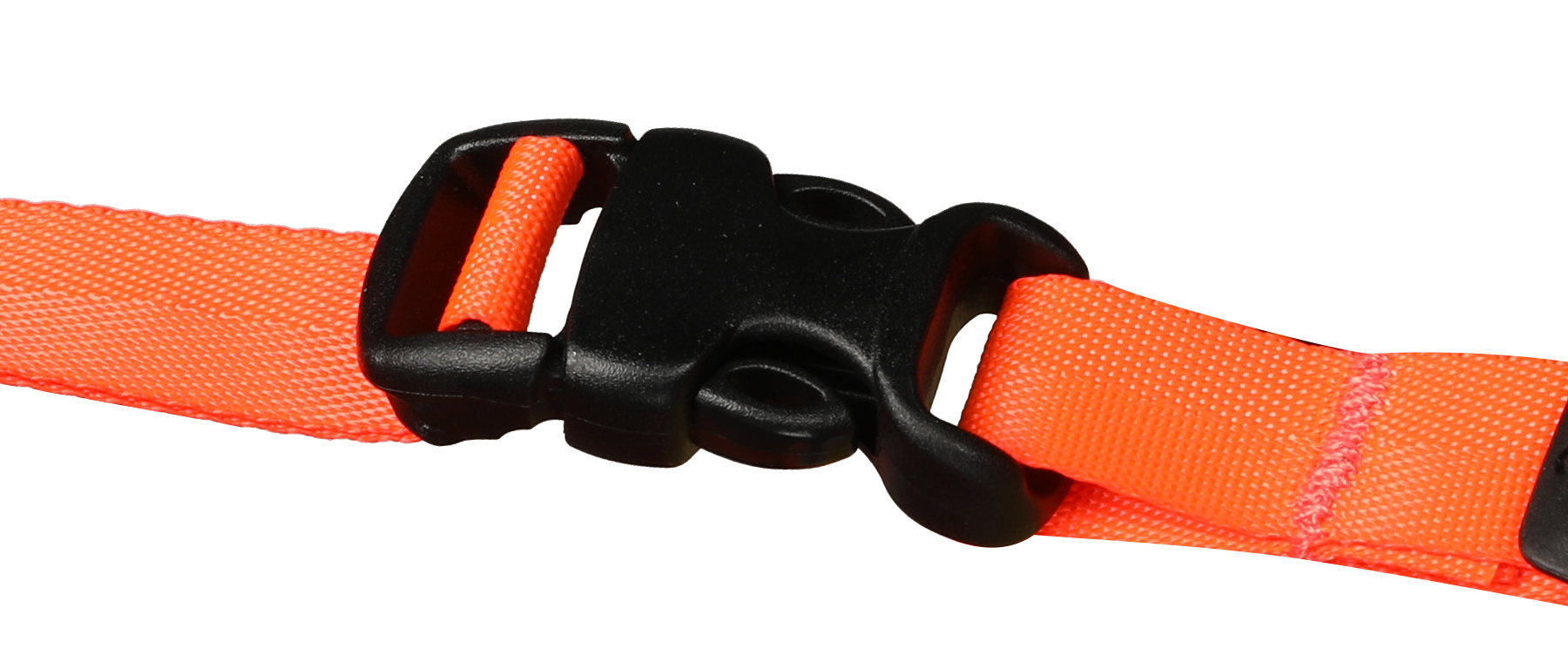
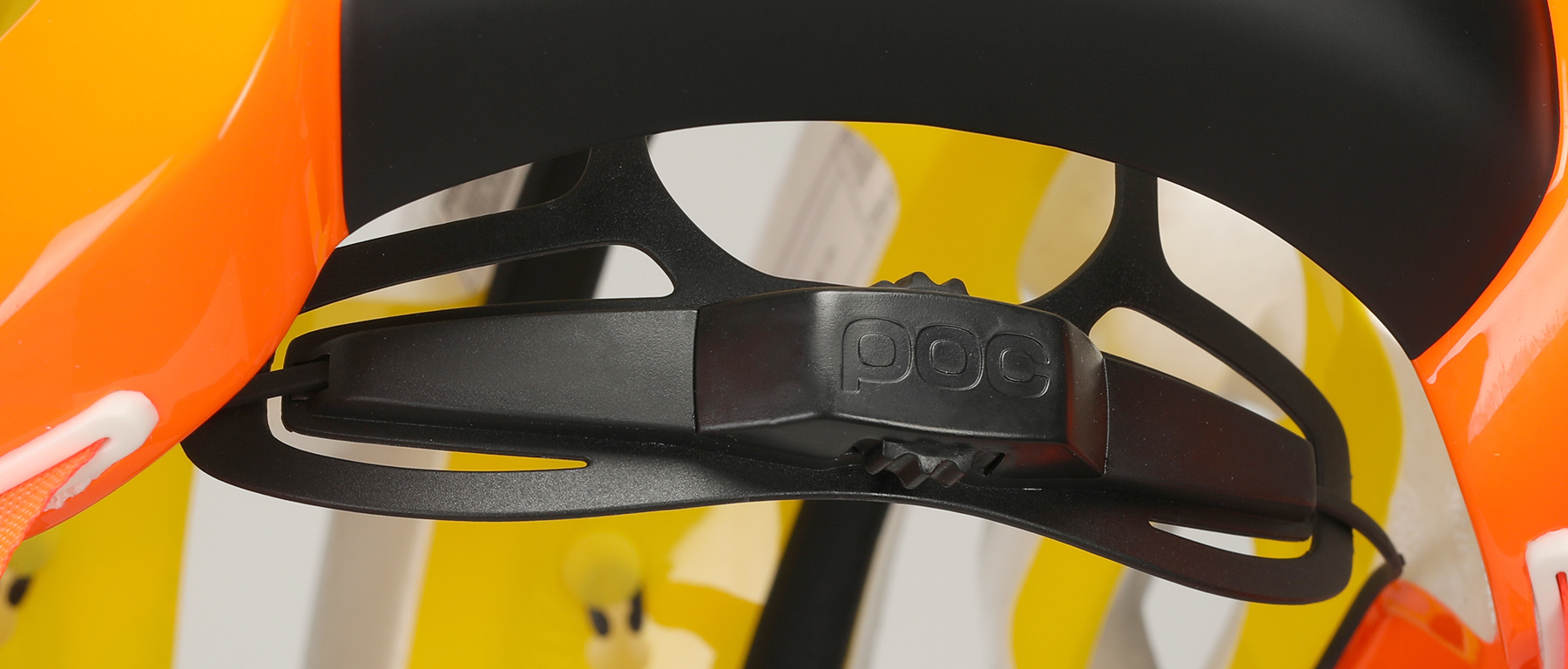
Fit adjustments happen through a lightweight retention system that spans the circumference of your head, controlled by a rear dial. The system sits low on the occipital bone for stability without pressure points. The straps are molded directly into the EPS liner rather than threaded through separate attachment points, which adds strength at the connection and eliminates potential failure points. An eye garage built into the front vents provides secure storage for sunglasses when you're climbing or when conditions change, keeping your eyewear accessible without fumbling with jersey pockets mid-ride.
The Fluo Orange AVIP option follows POC's visibility philosophy, where AVIP stands for Attention, Visibility, Interaction, and Protection. The high-visibility colorway maximizes your presence to other road users in daylight conditions without relying solely on reflective materials that only work at night. Hydrogen White and Uranium Black Matte round out the color options for riders who prefer a more understated aesthetic. All versions carry certifications for multiple markets including CPSC 1203 for the United States, EN 1078 for Europe, AS/NZS 2063 for Australia and New Zealand, and JCF approval for Japan.