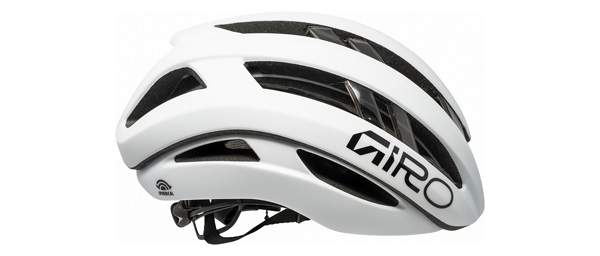
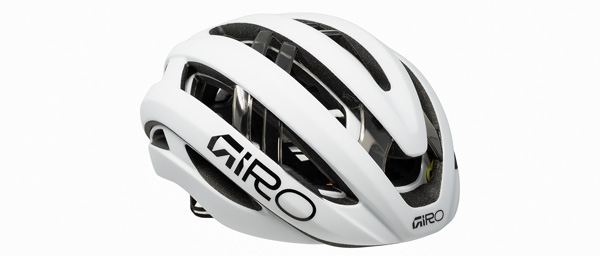
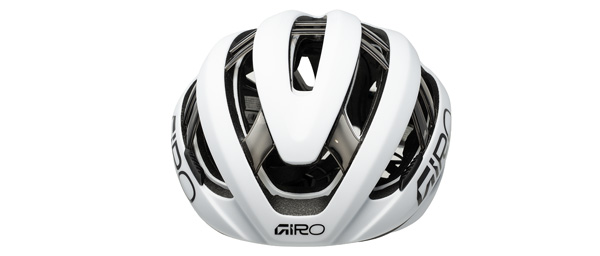
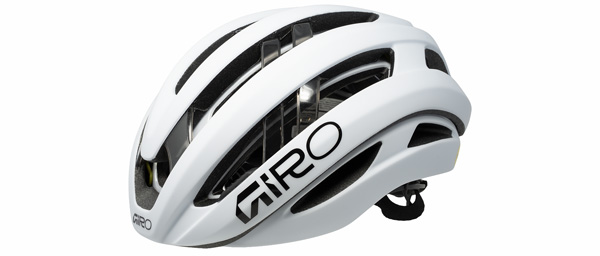
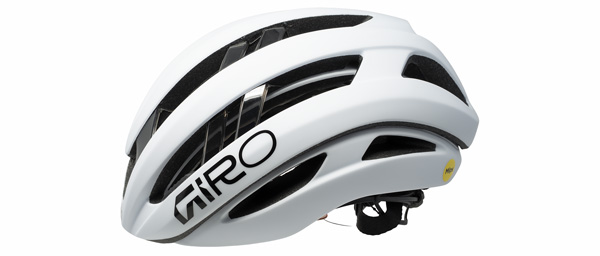
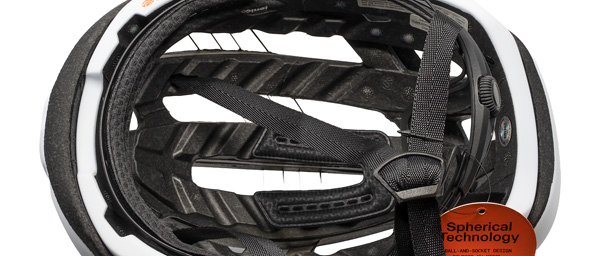
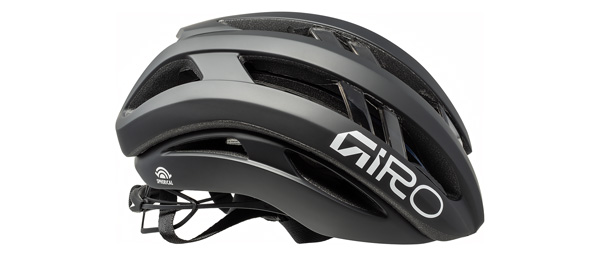
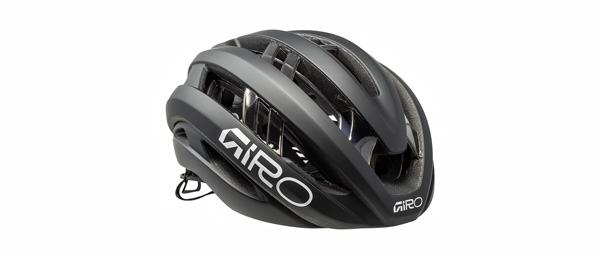
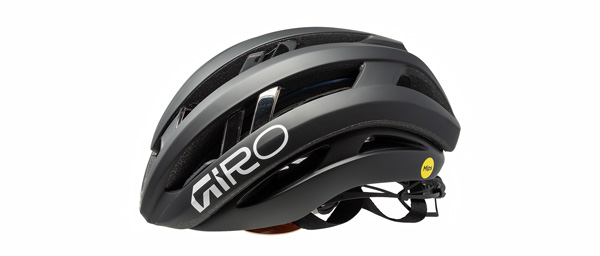
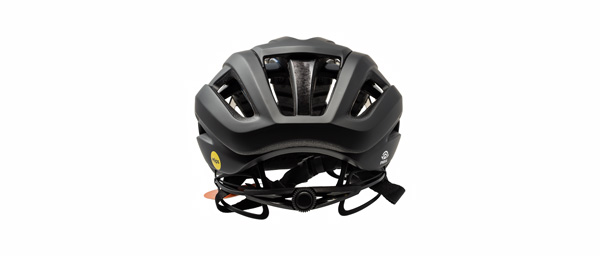
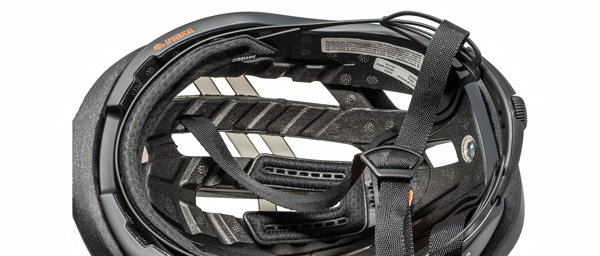
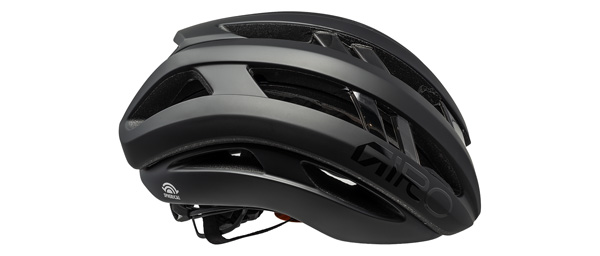
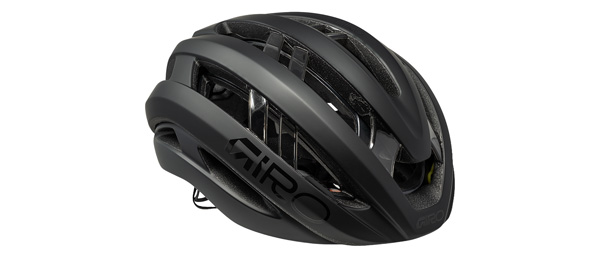
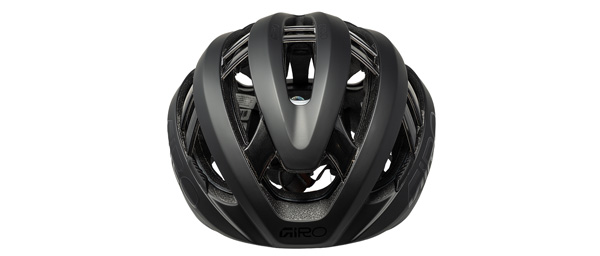
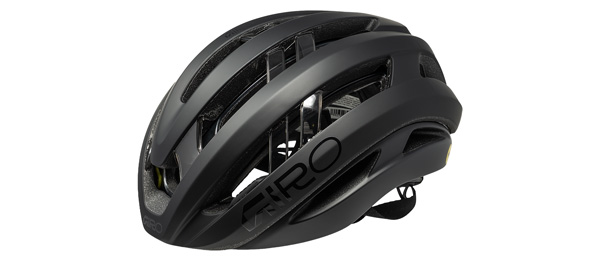
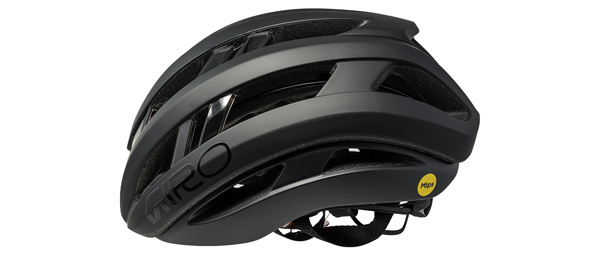
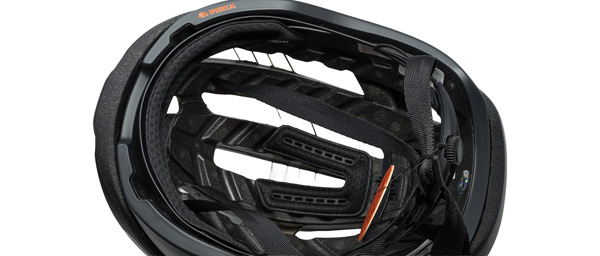
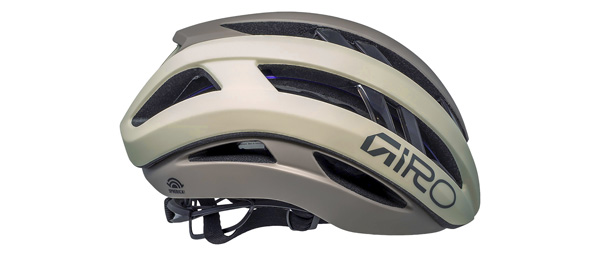
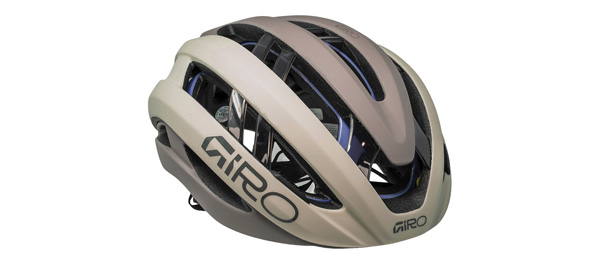
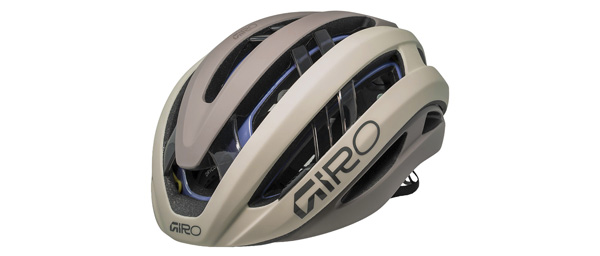
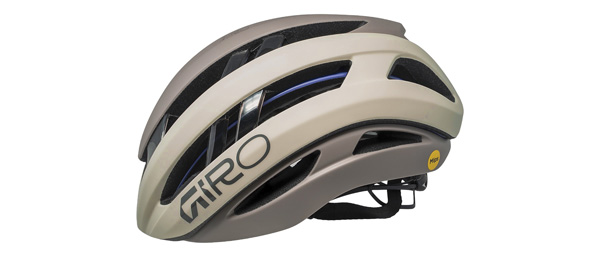
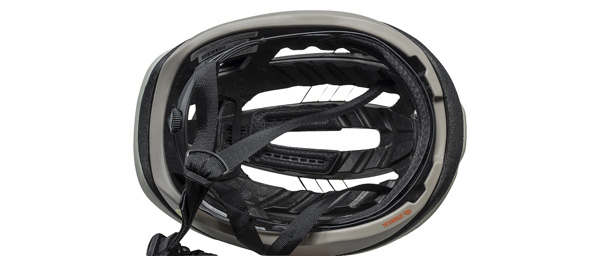
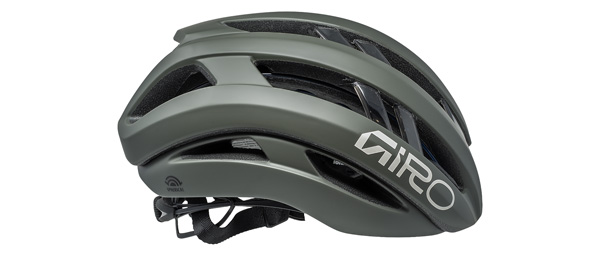
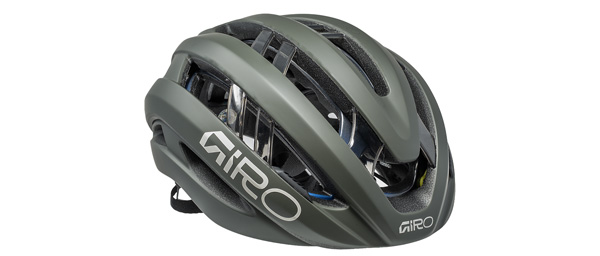
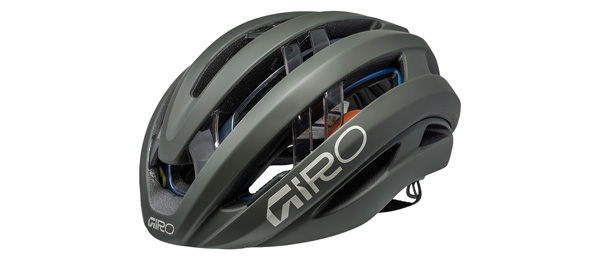
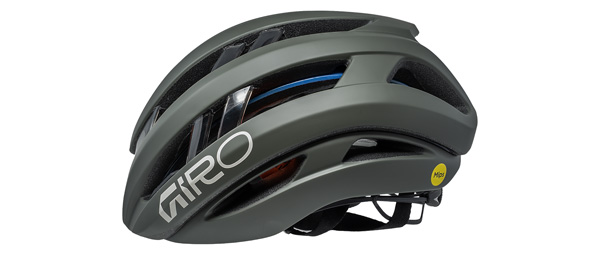
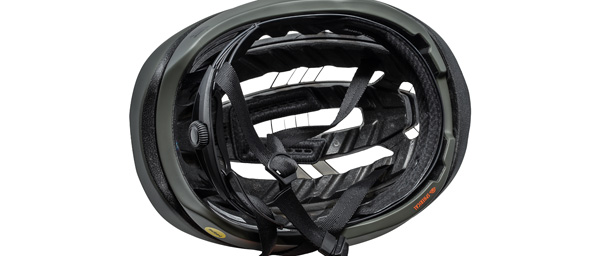
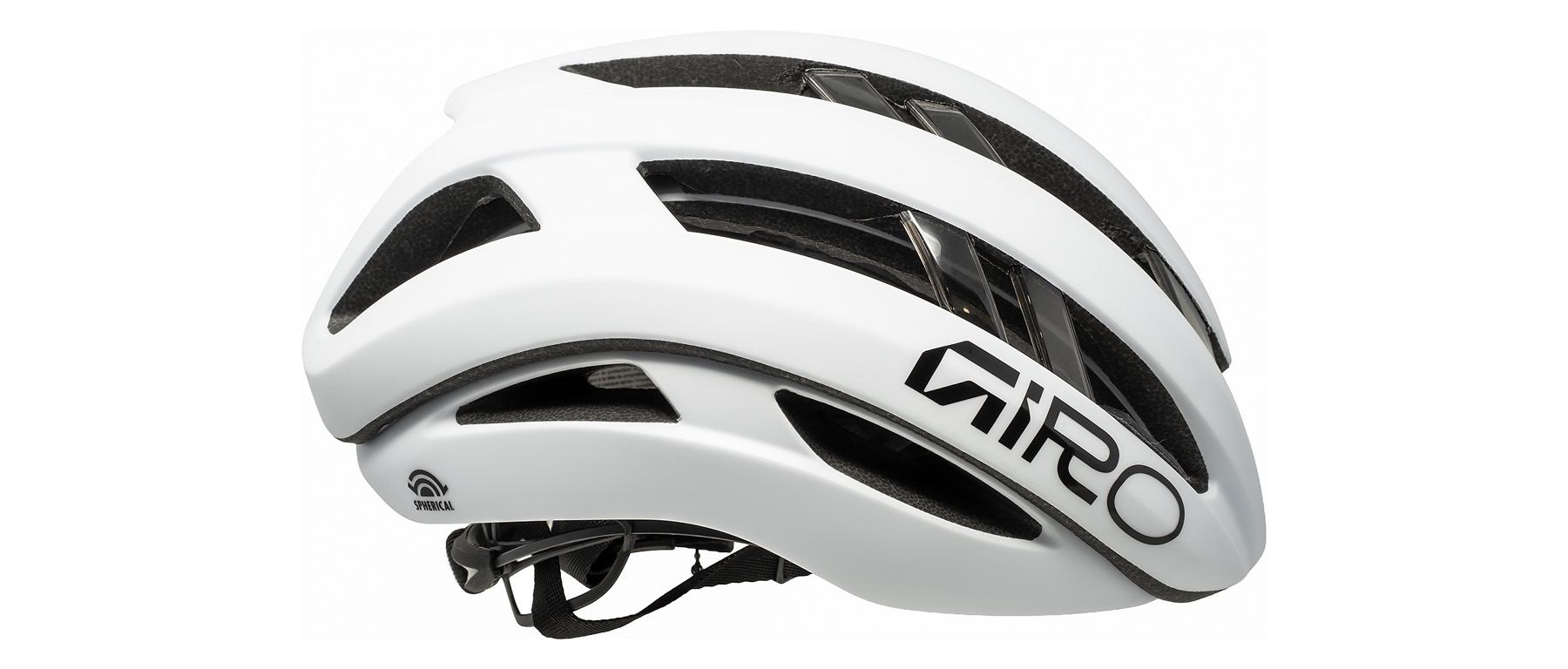
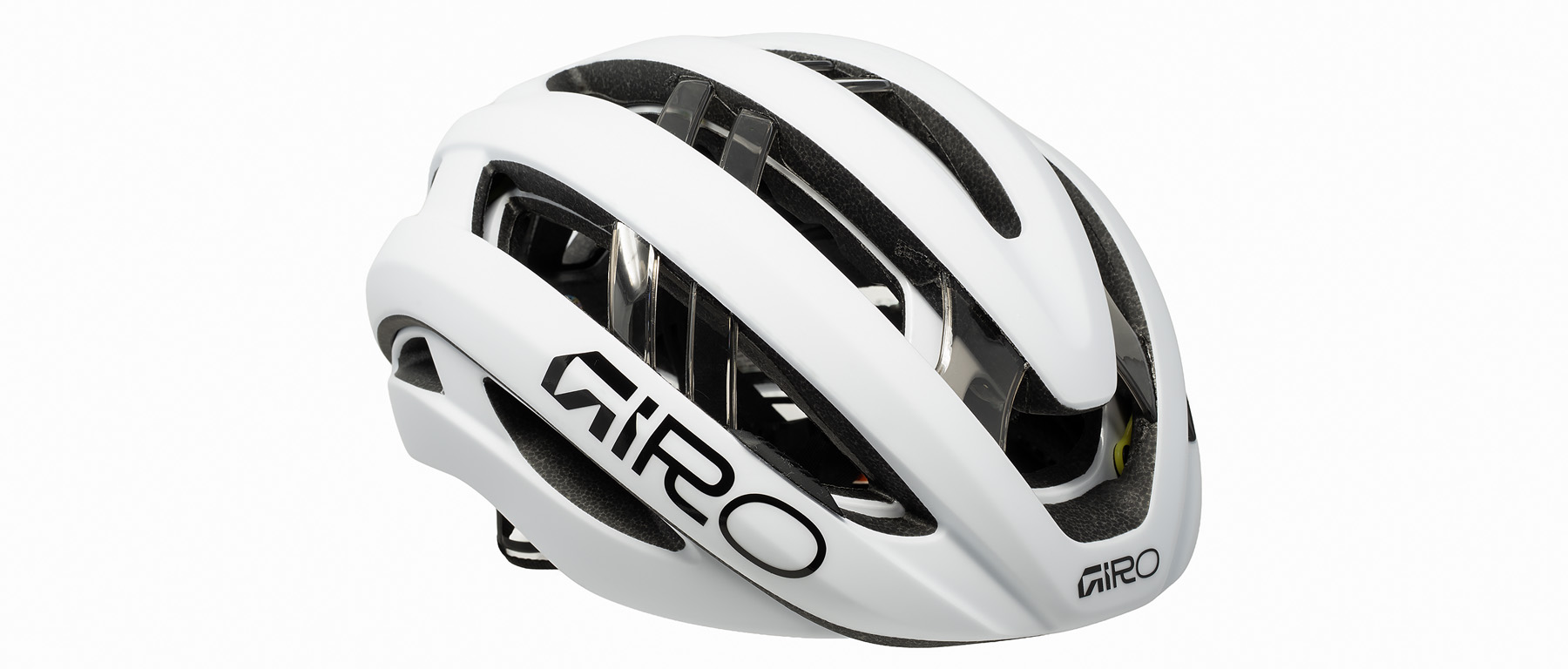
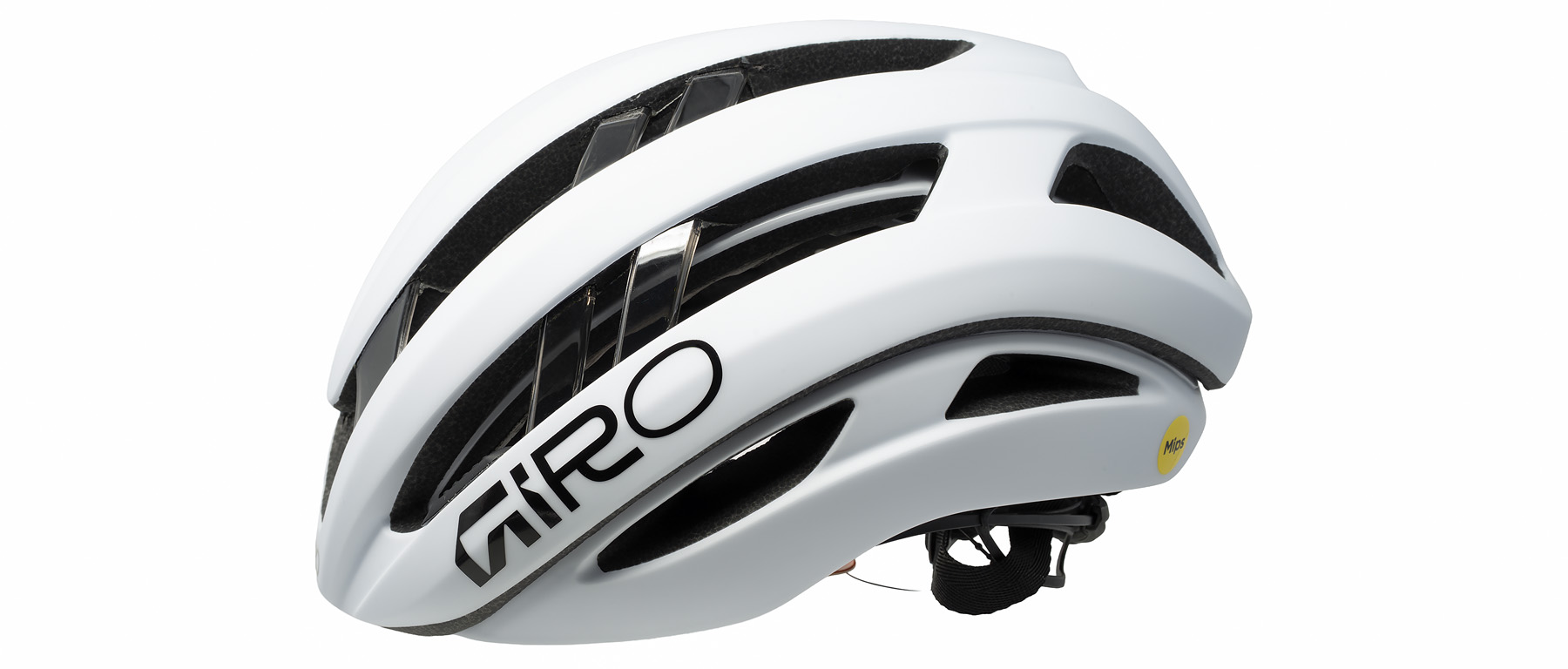
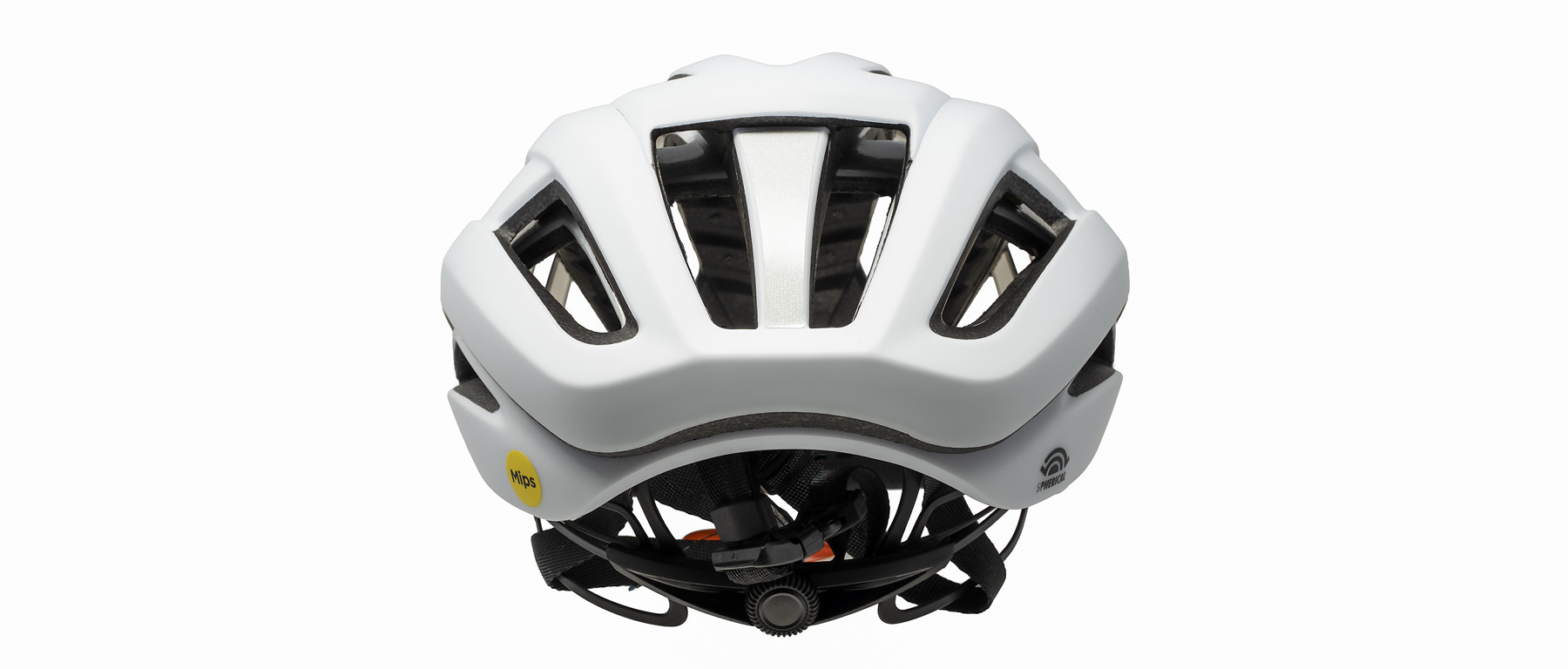
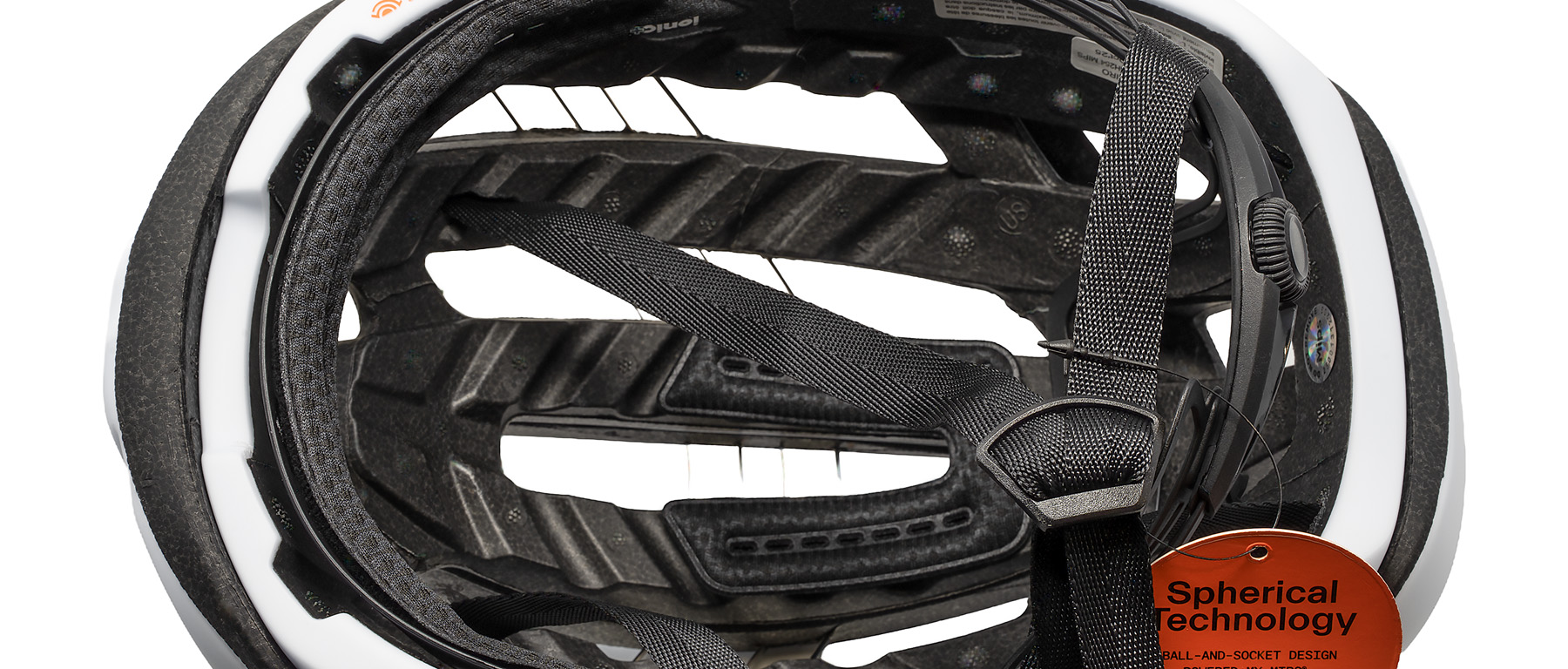
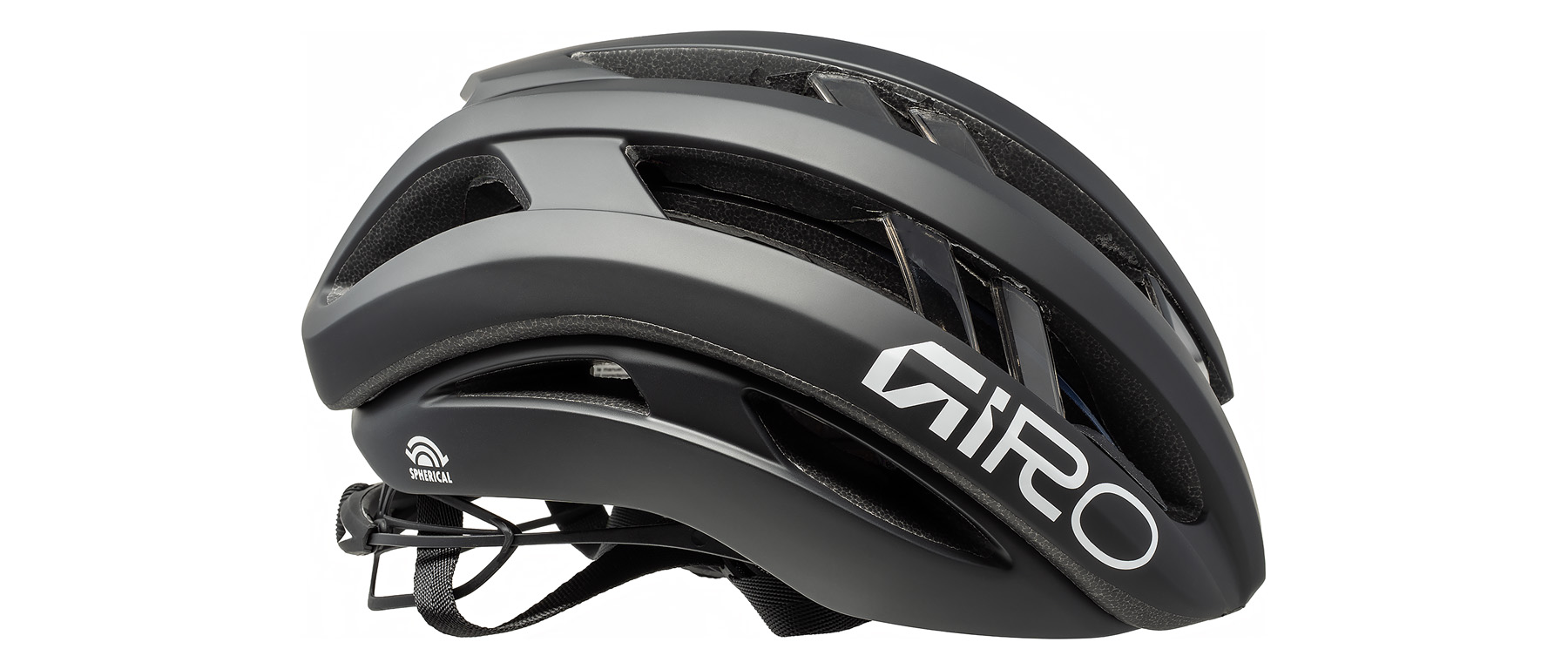
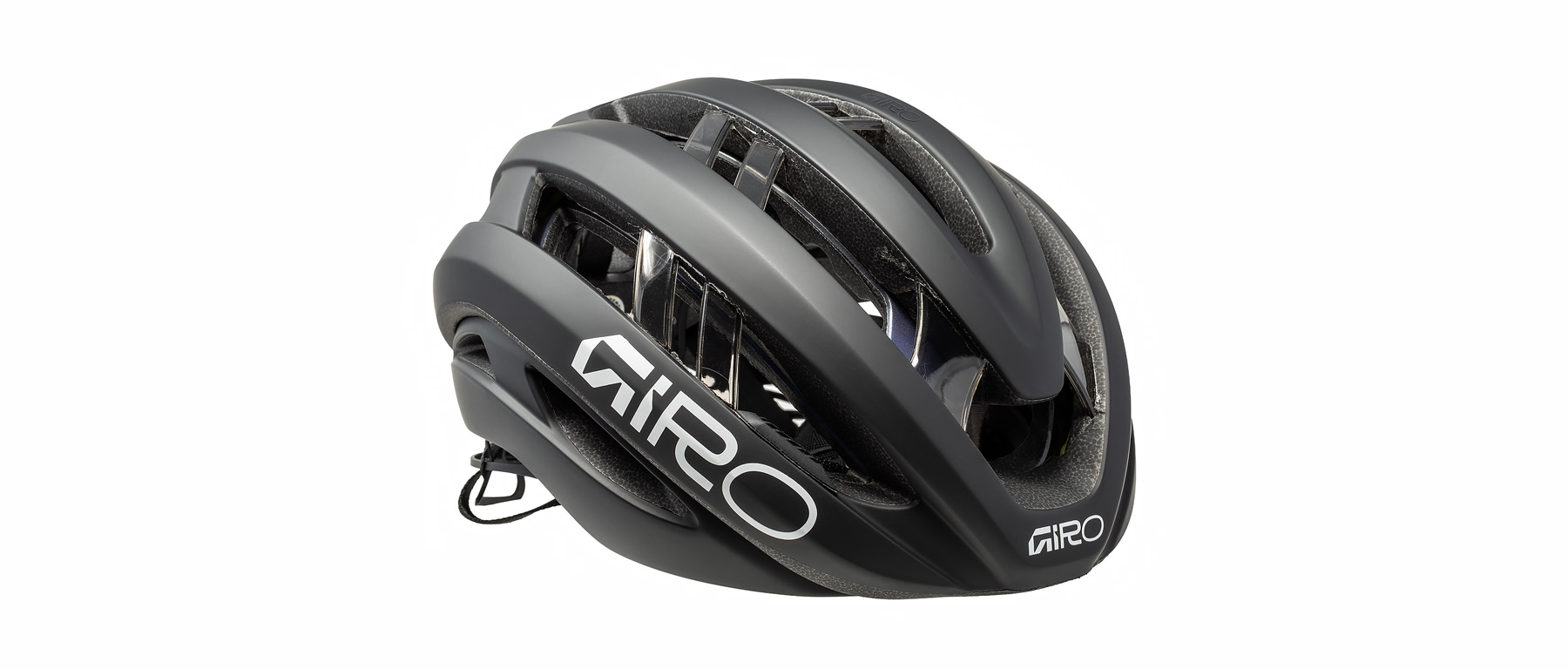
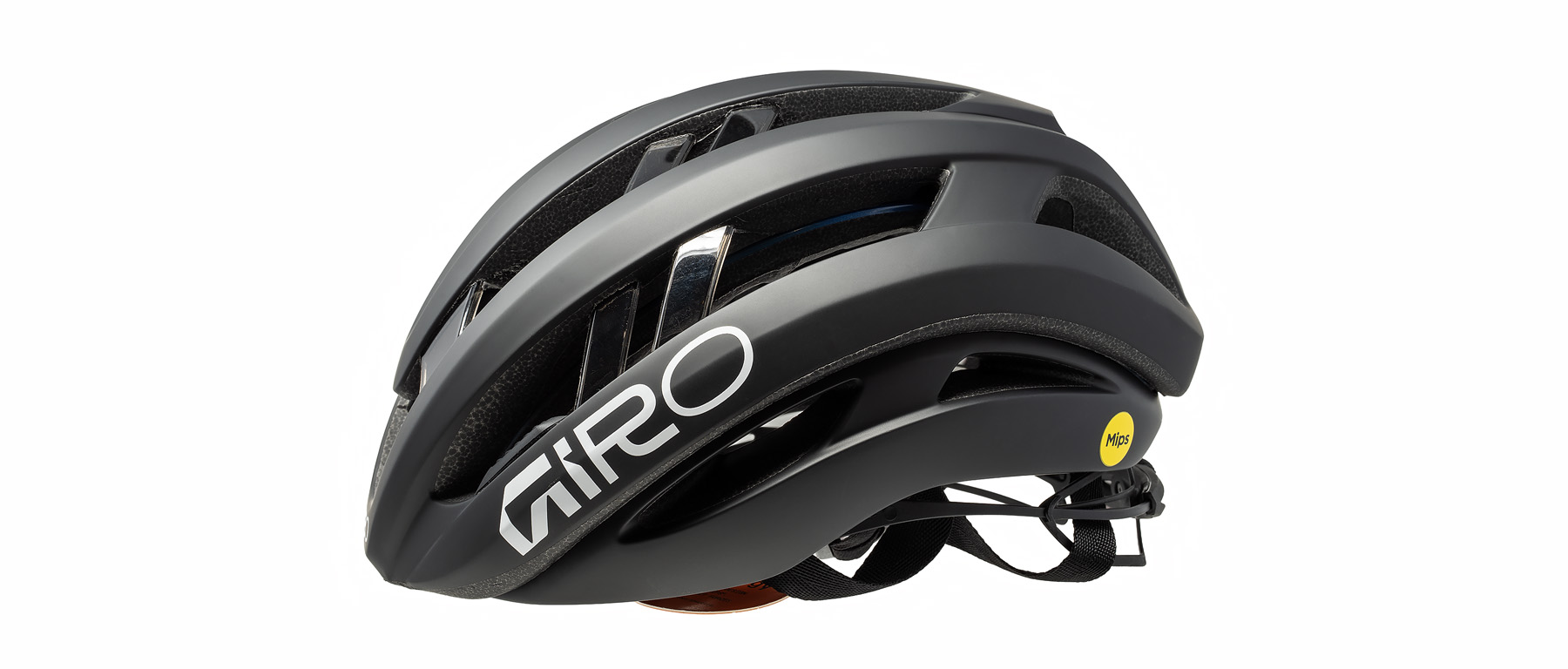
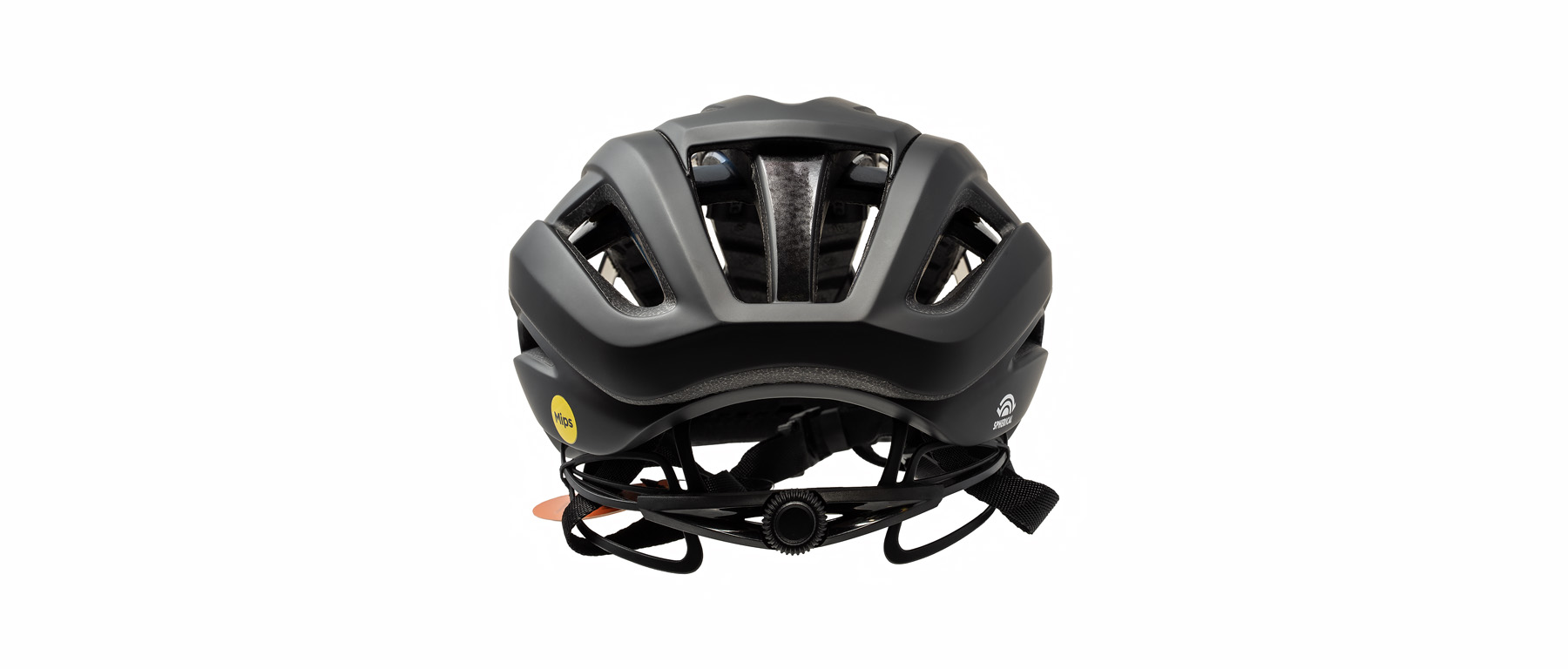
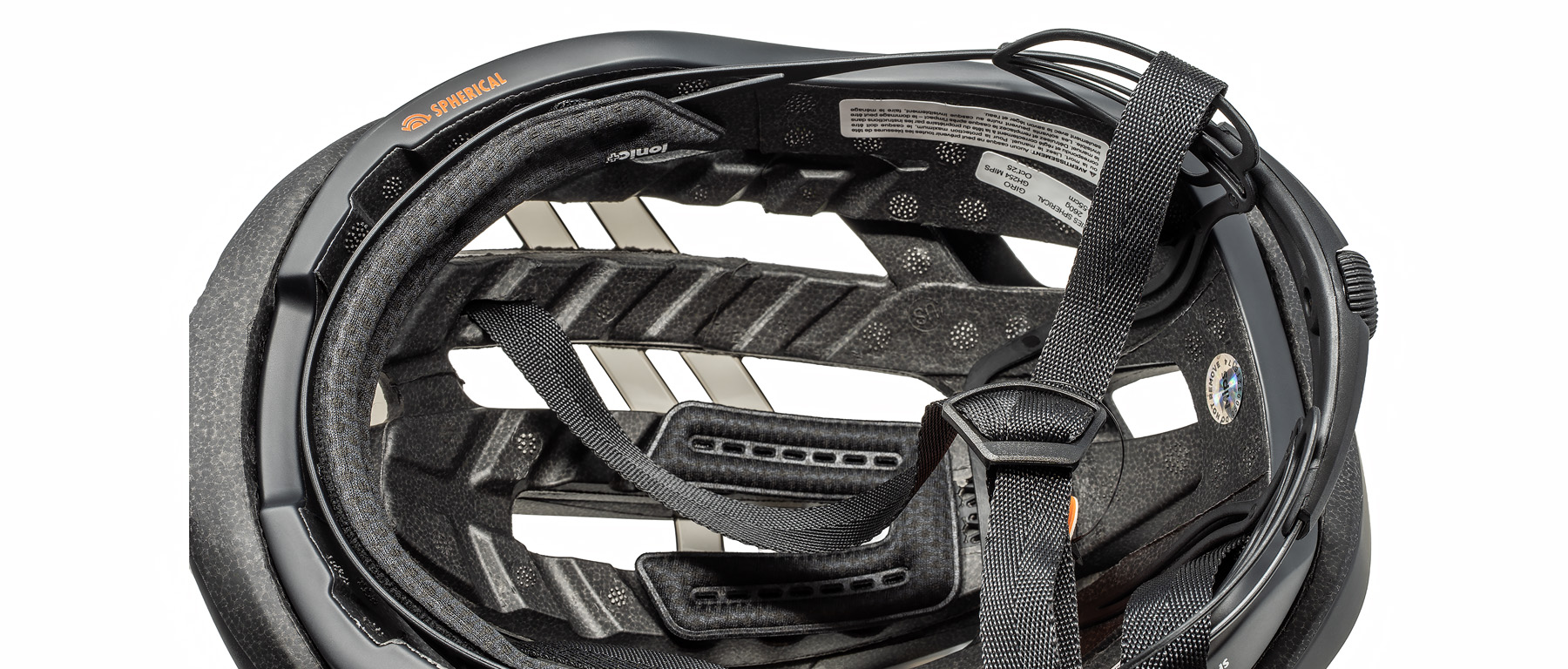
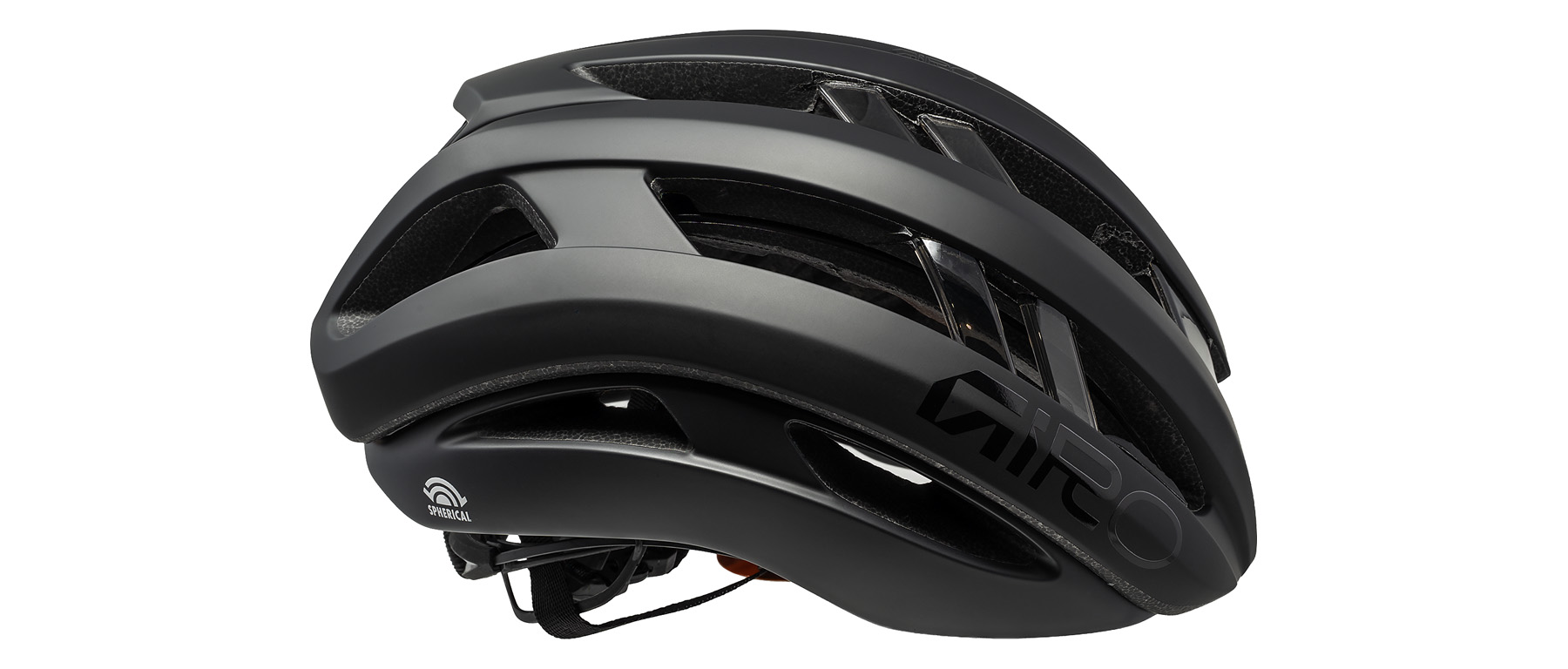
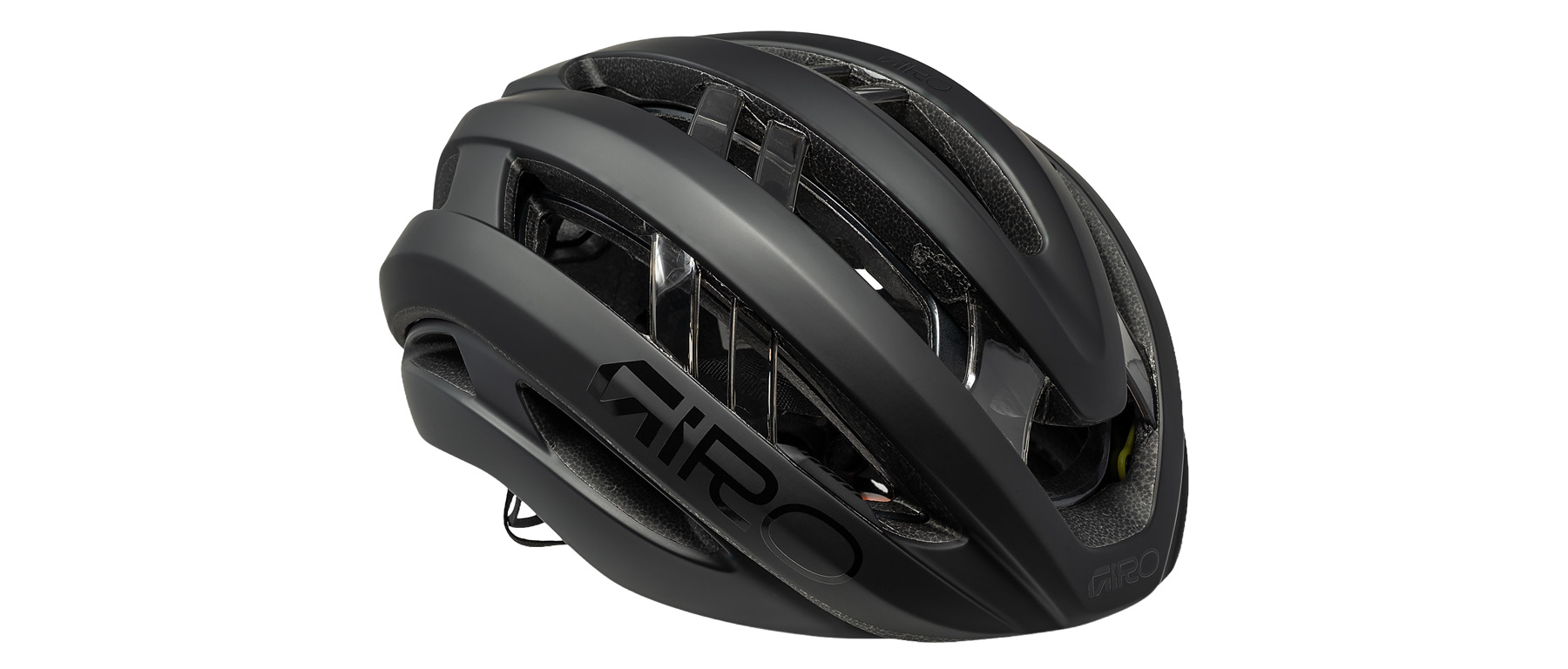
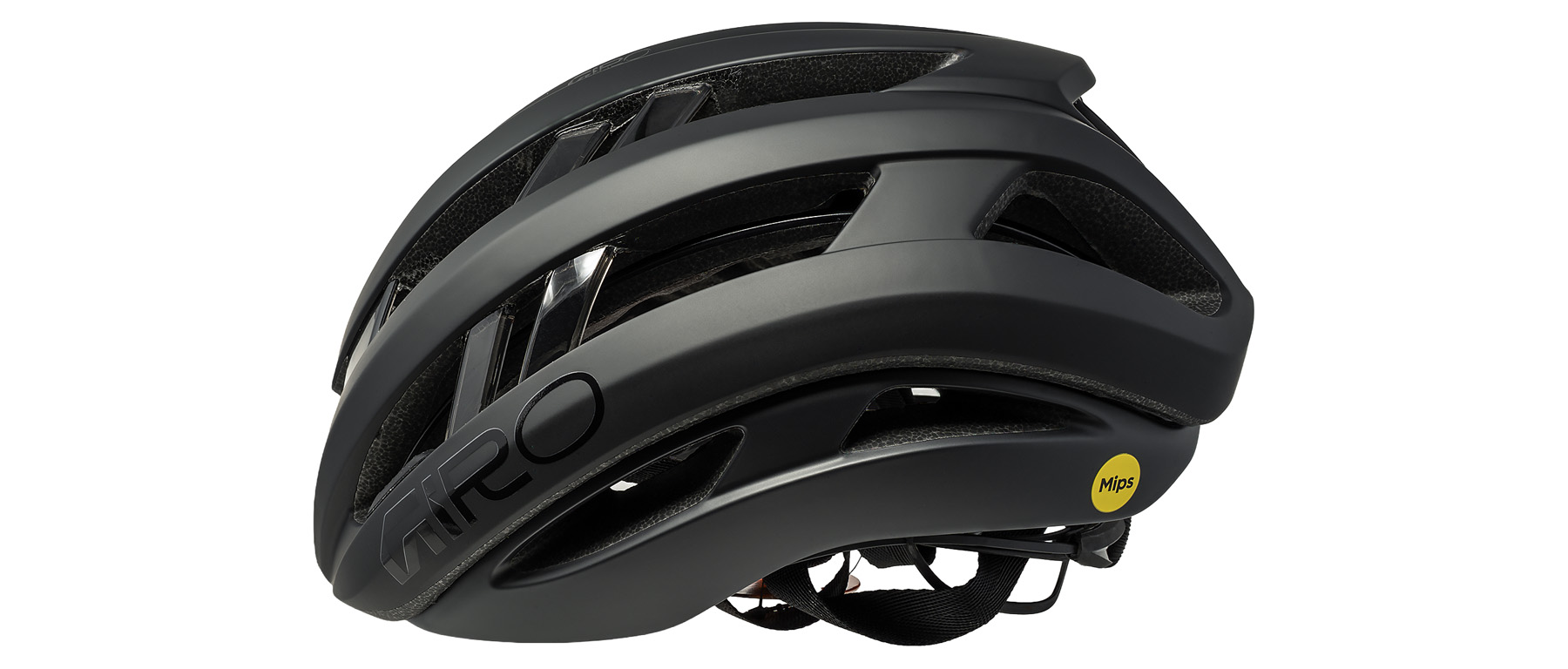
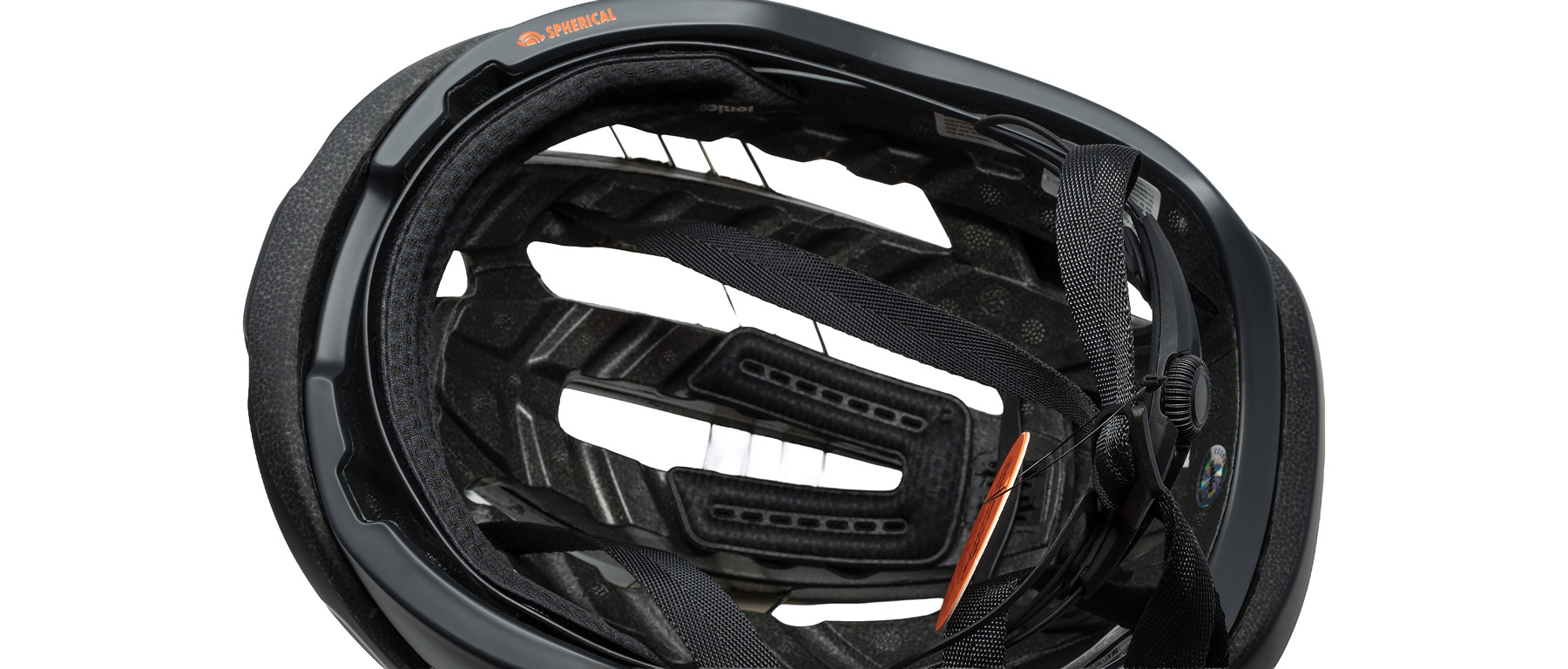
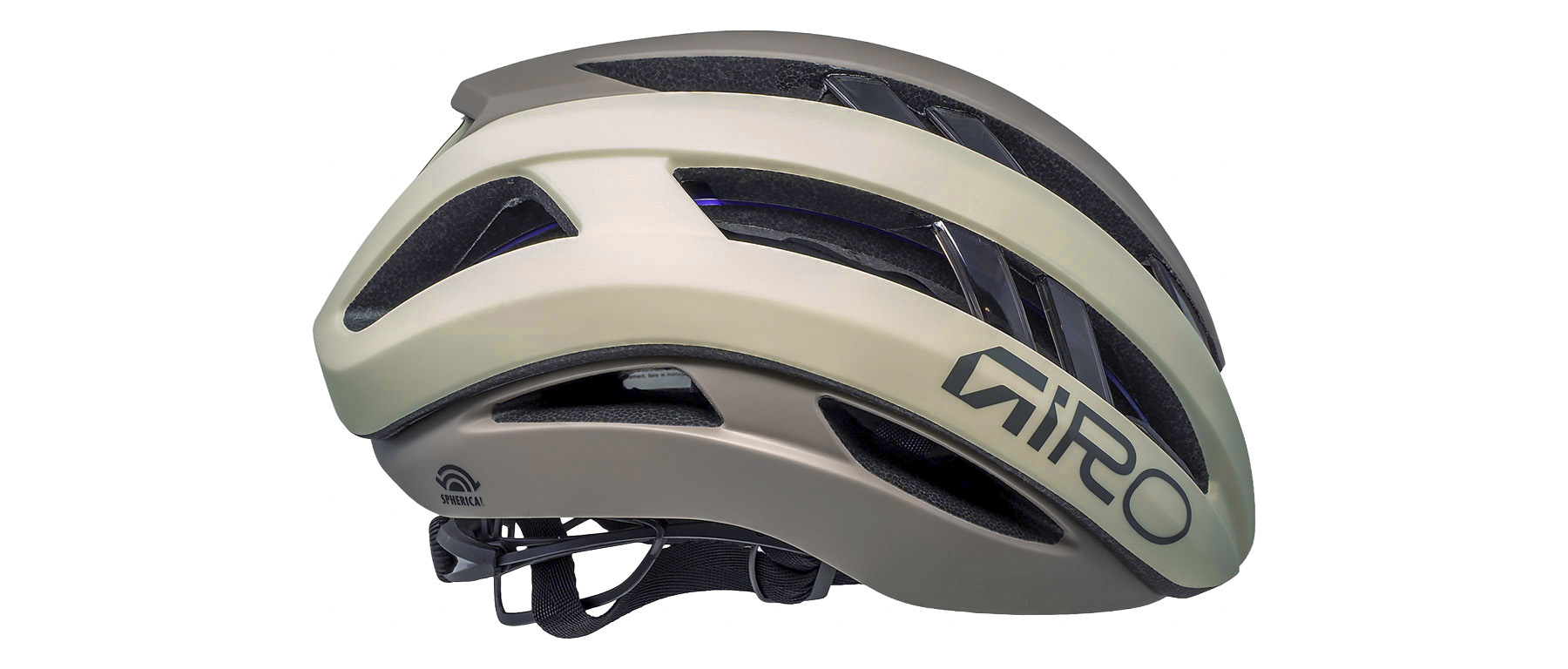
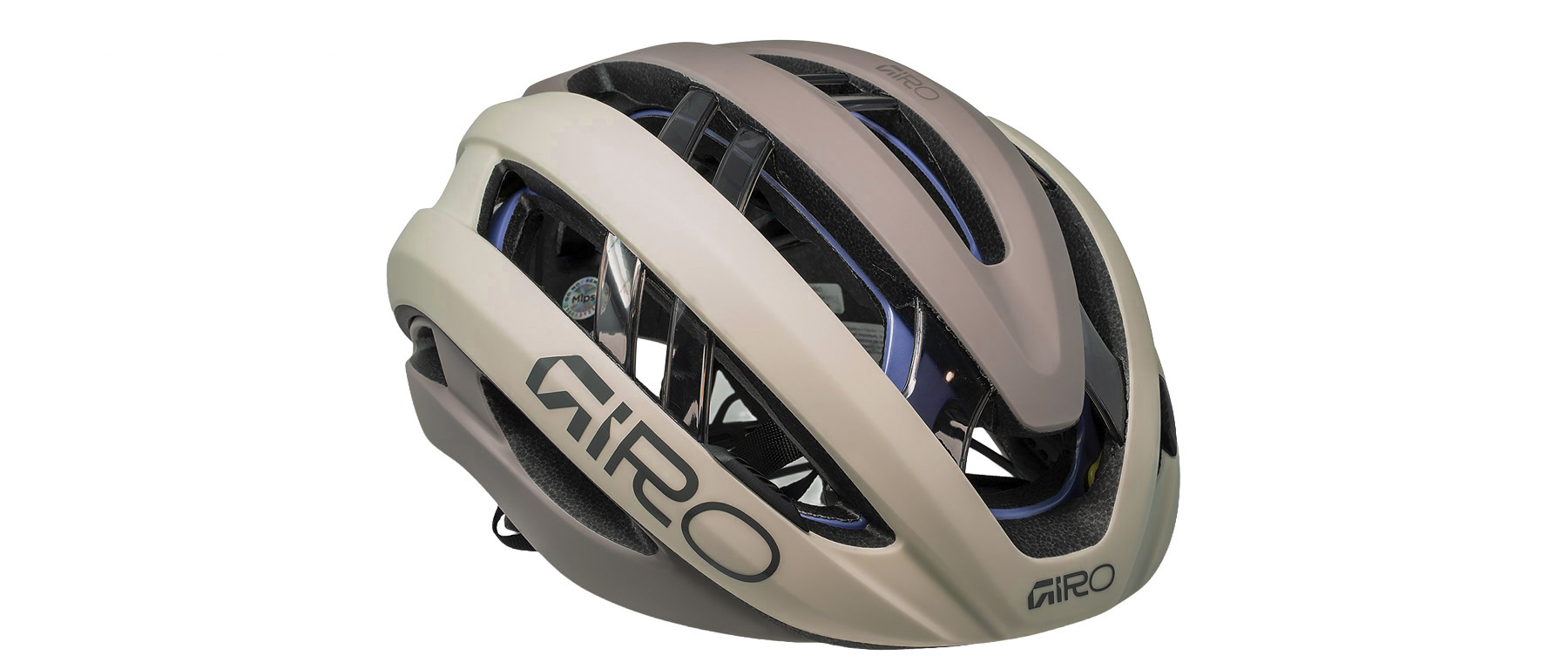
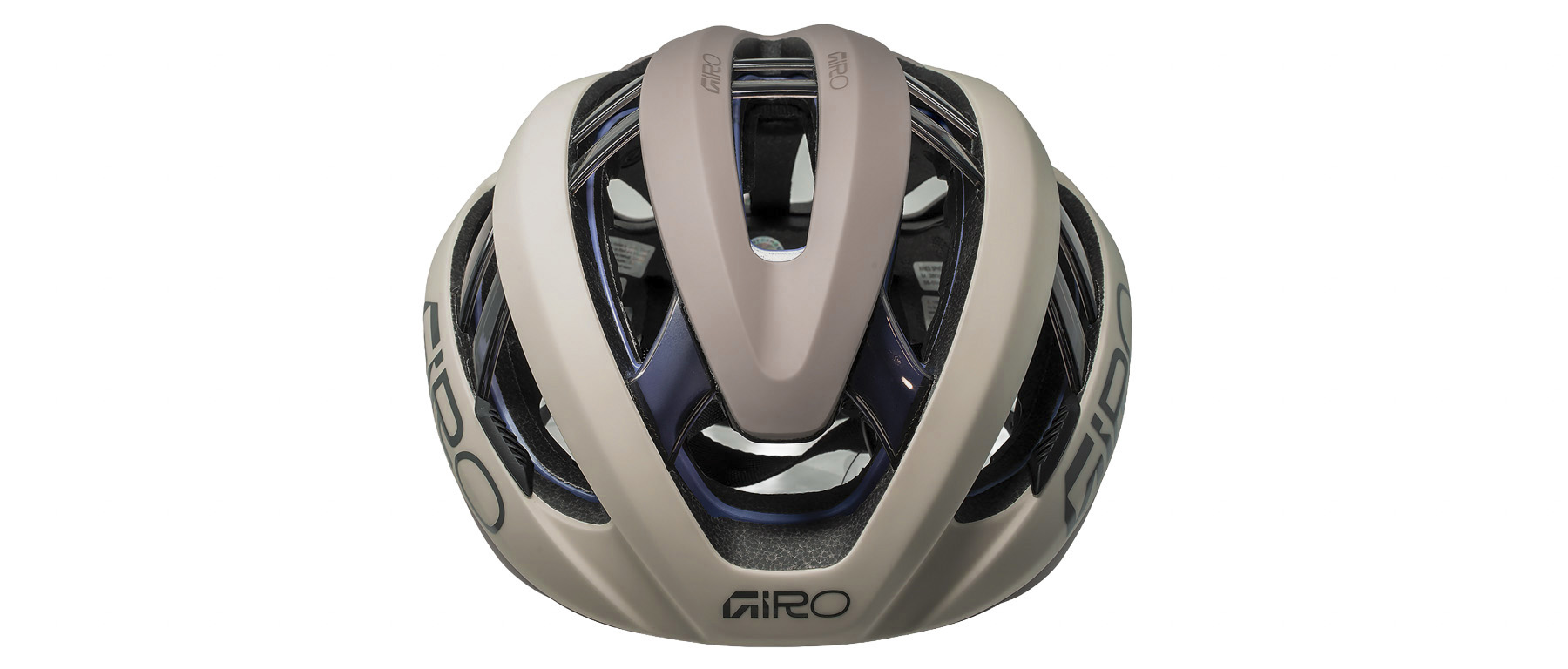
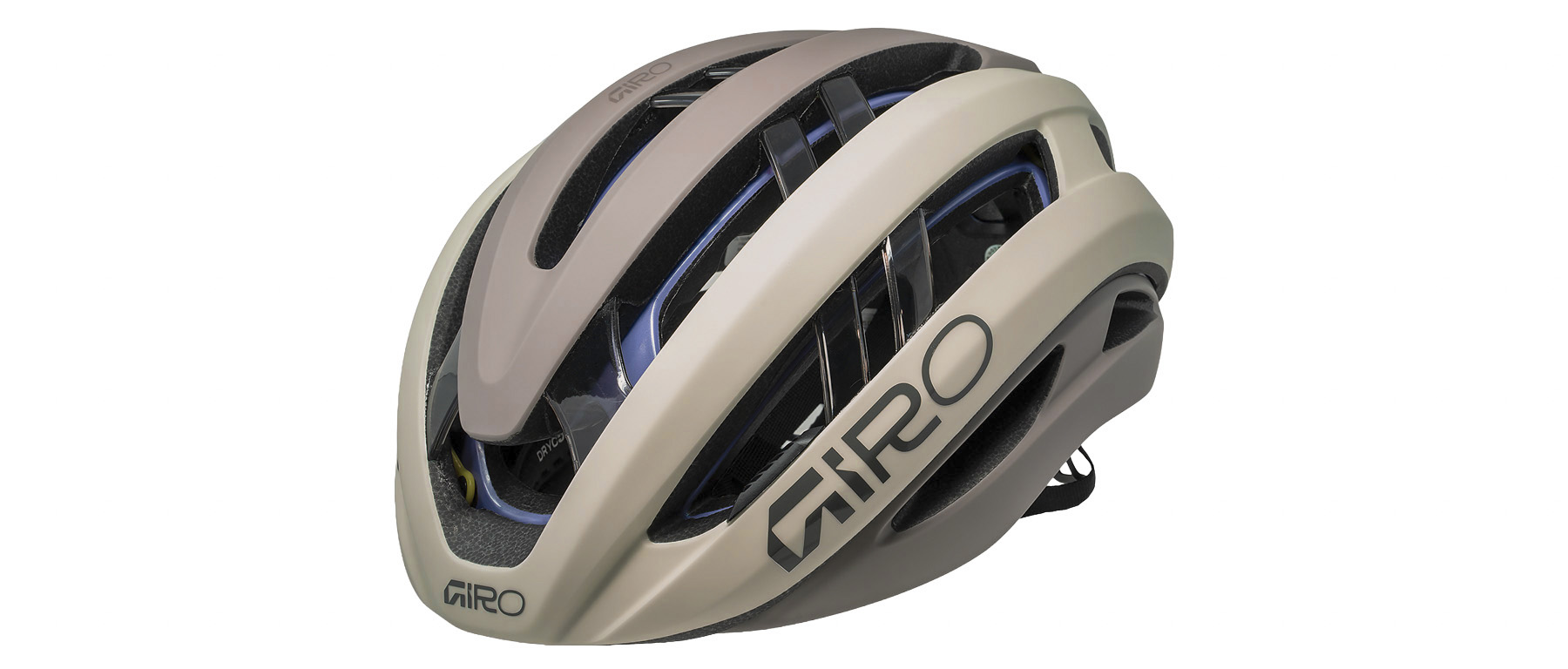
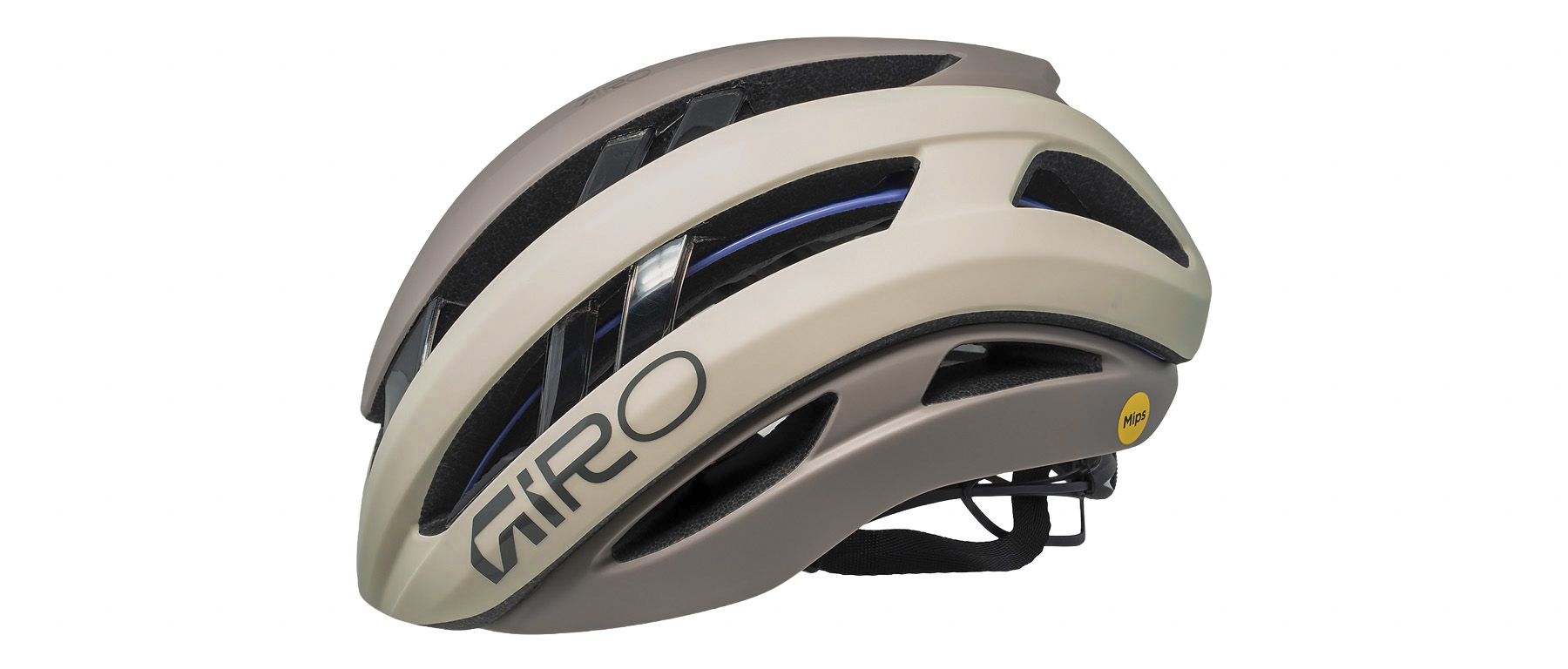
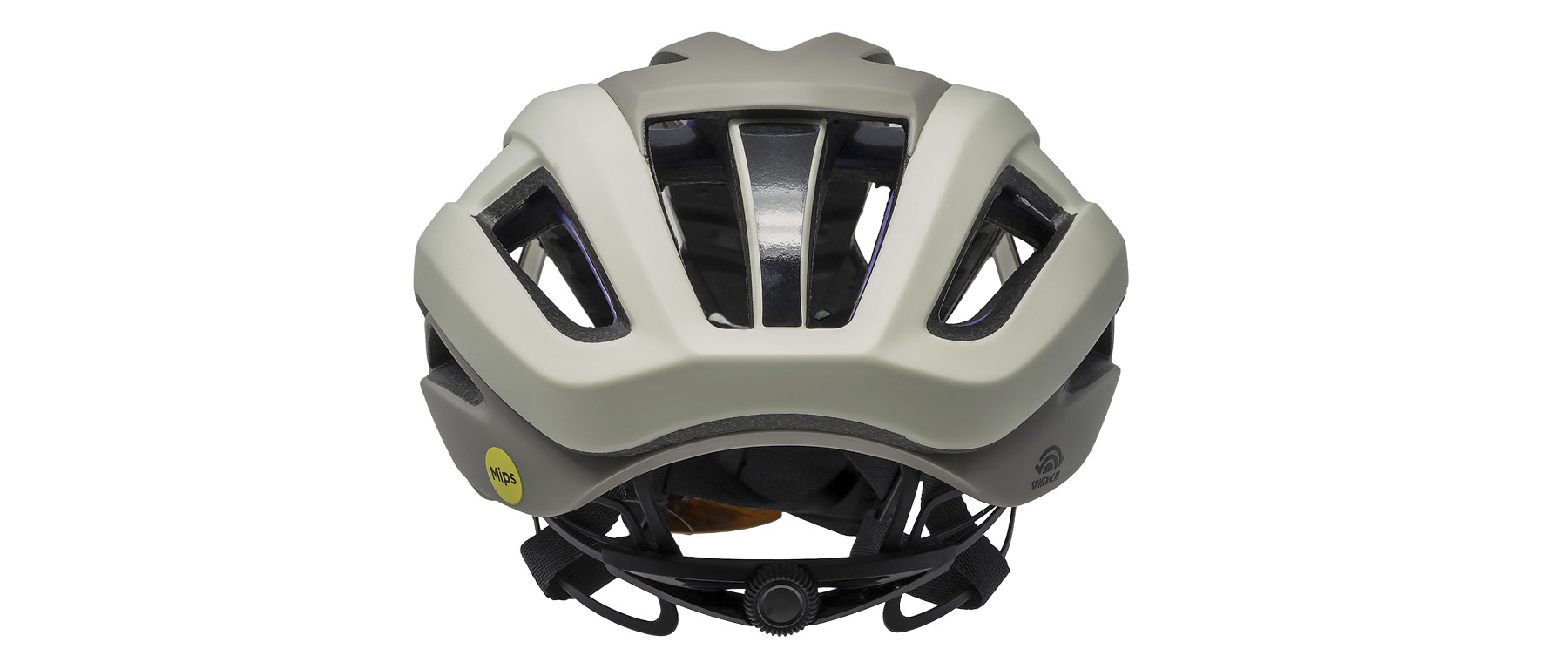
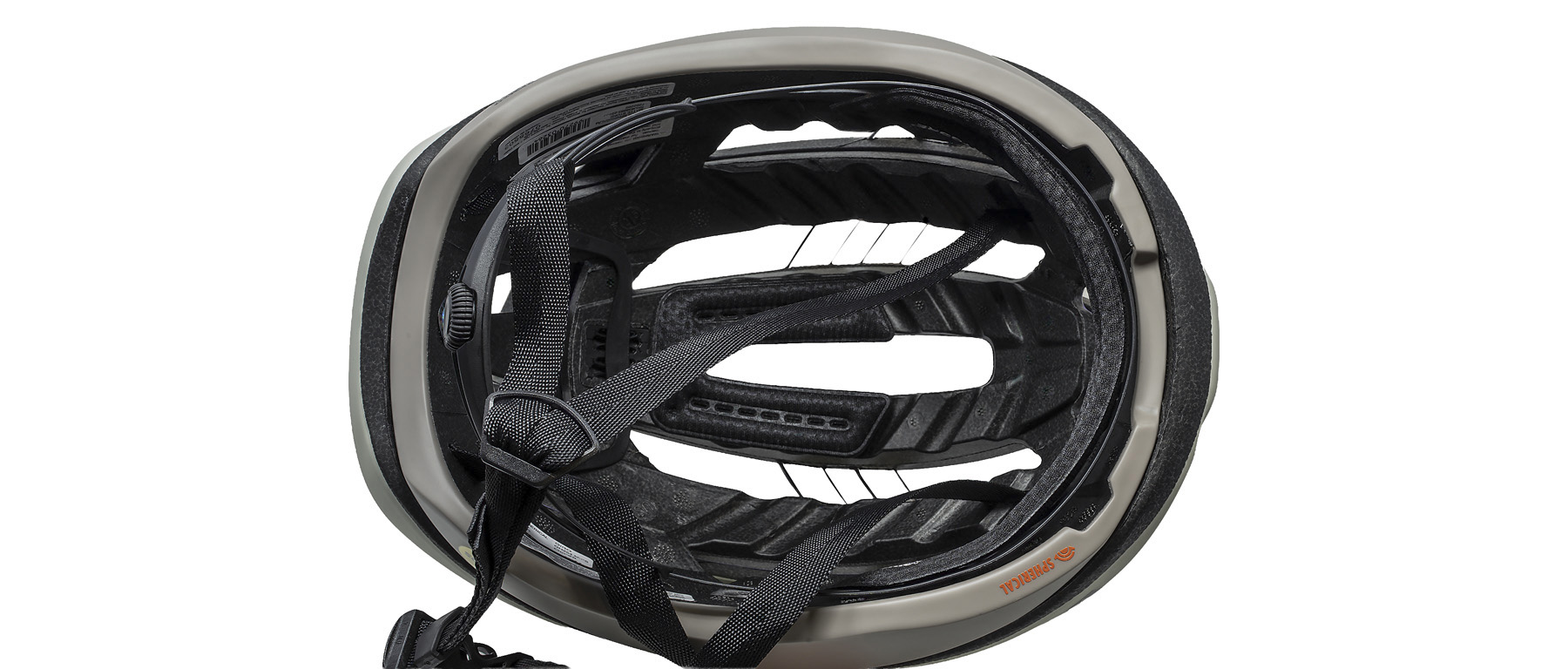
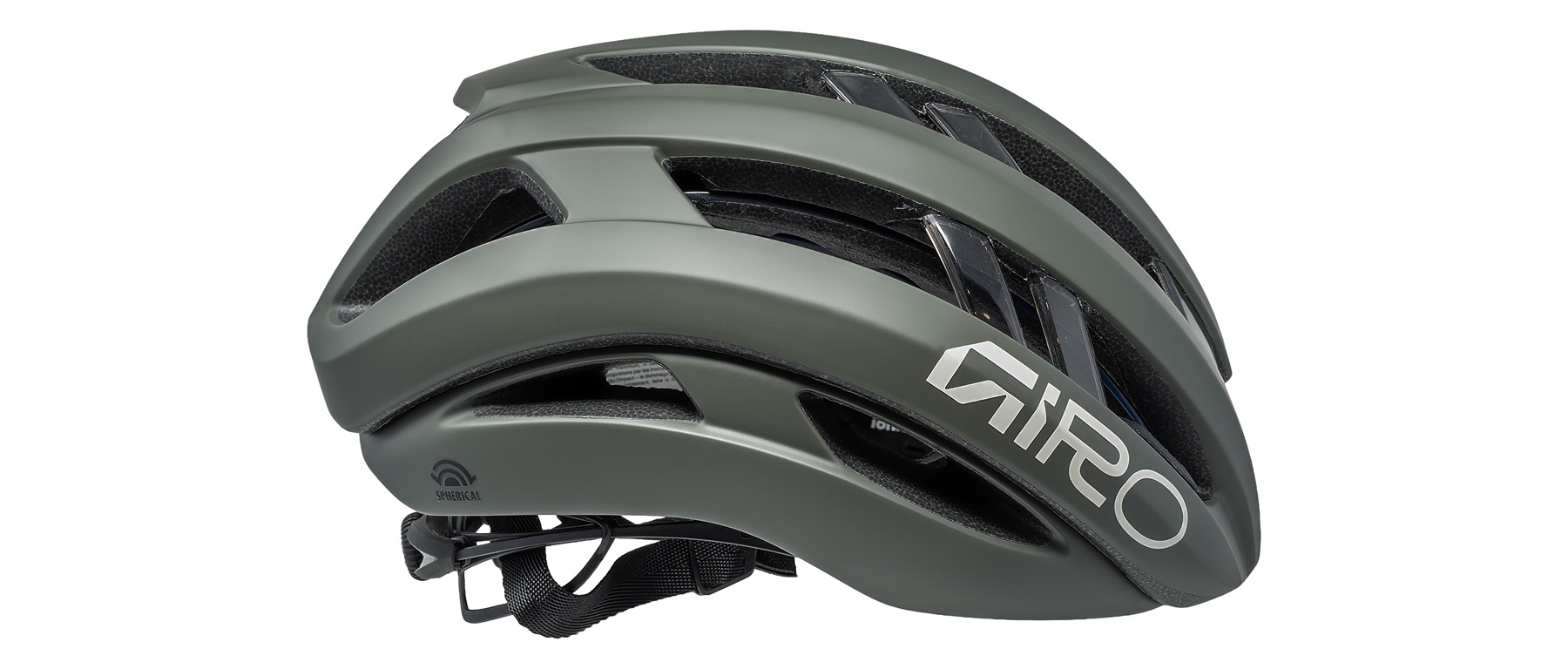
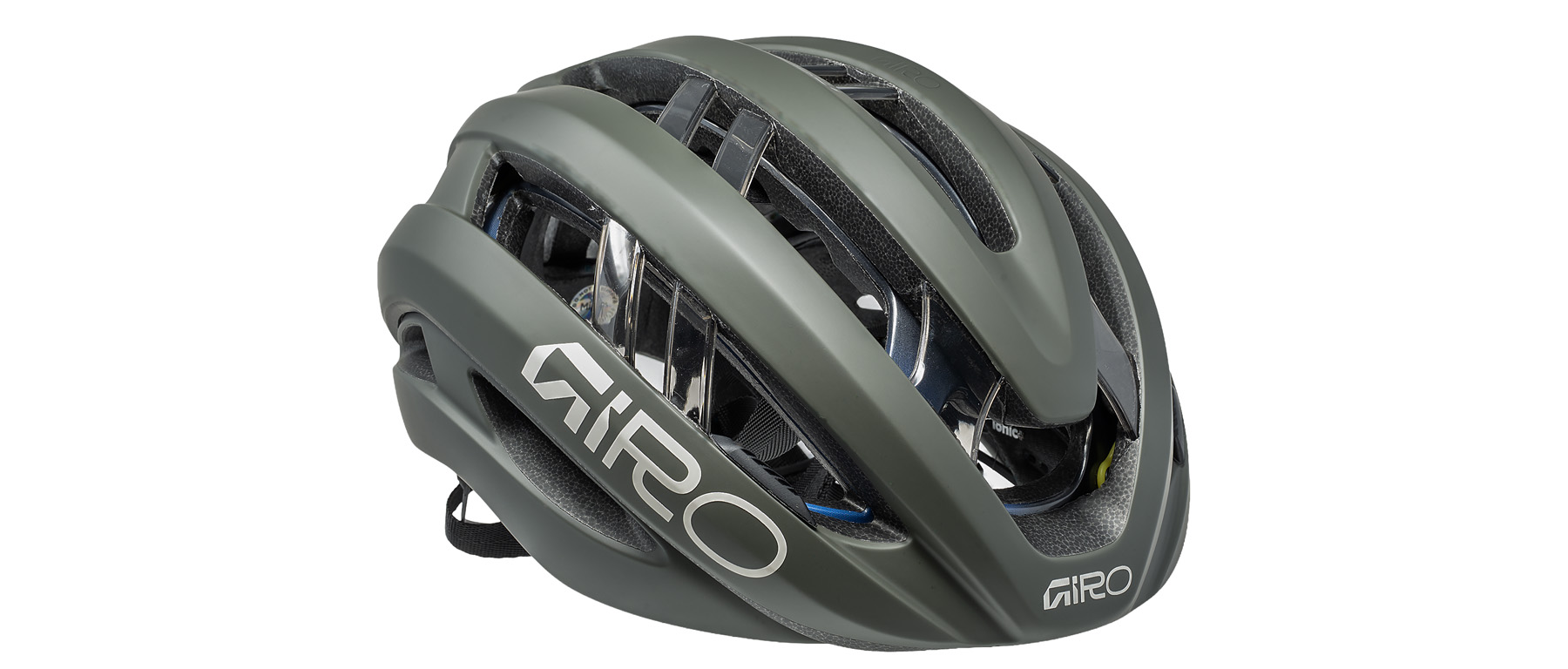
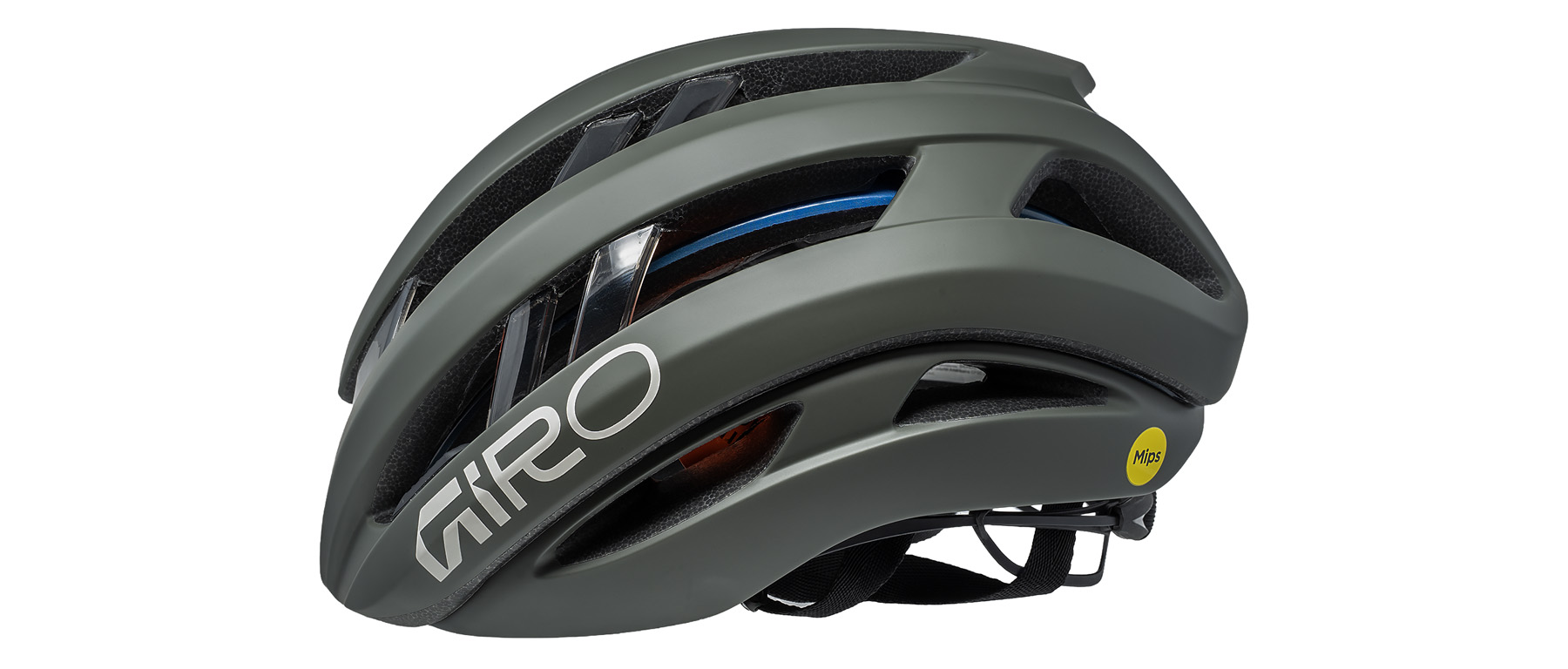
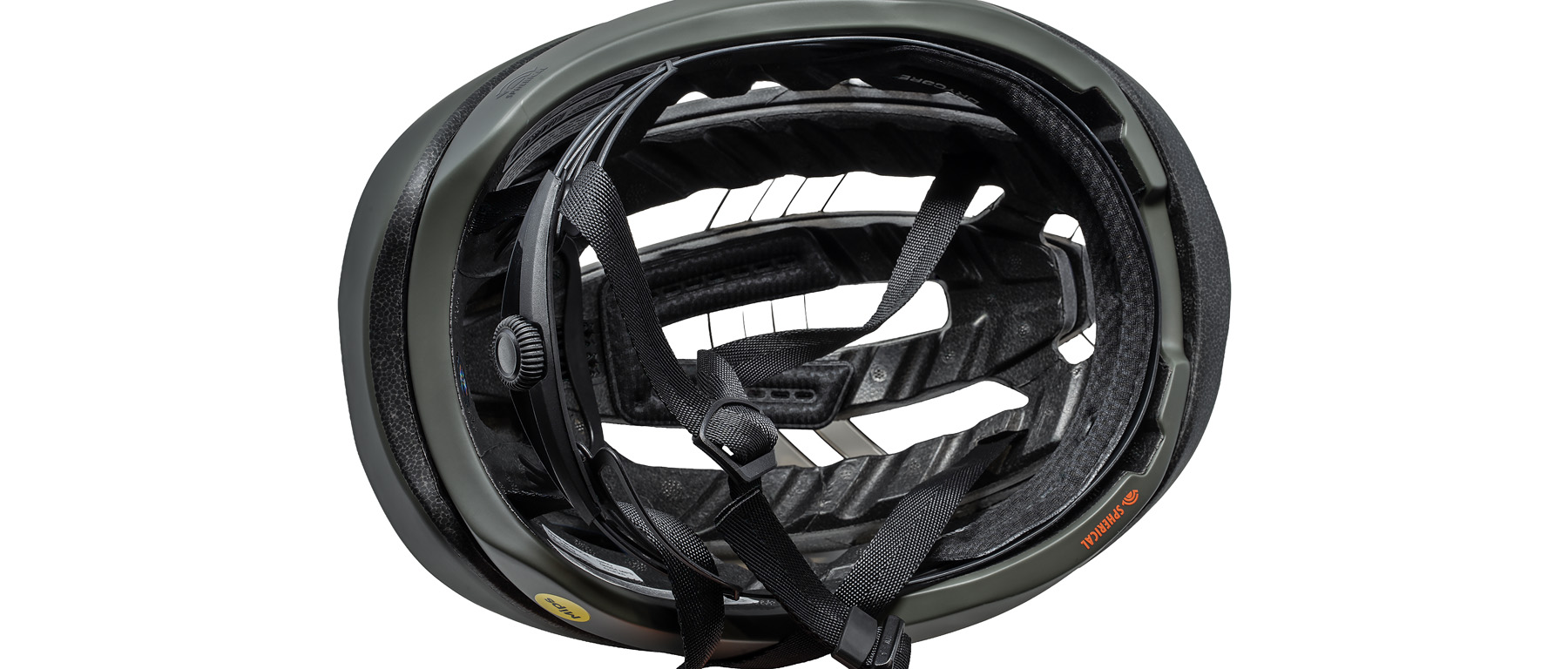
Spherical Technology is Giro's approach to rotational impact protection, and it works differently from the yellow slip liner most riders picture when they hear MIPS. Rather than adding a plastic layer between your head and the foam, the Aries Spherical nests two separate EPS liners inside one another on a ball-and-socket interface. During an angled impact the outer liner rotates a few millimeters against the inner one, redirecting rotational energy before it reaches your head. Because the slip plane sits between the two foam layers instead of against your scalp, nothing drags on your hair or shifts the fit pads, and the ventilation channels stay open through both shells instead of being blocked by a liner.
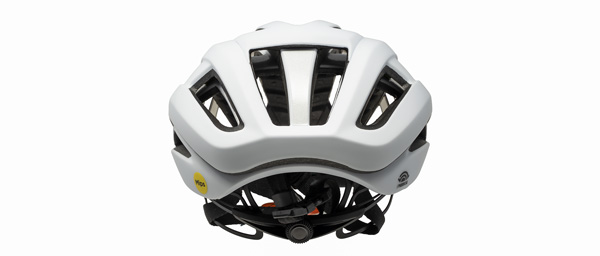
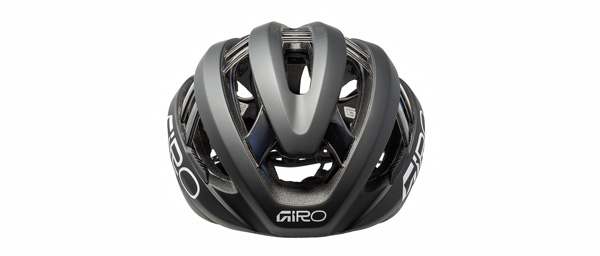
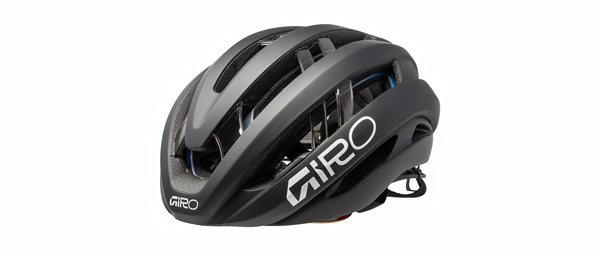
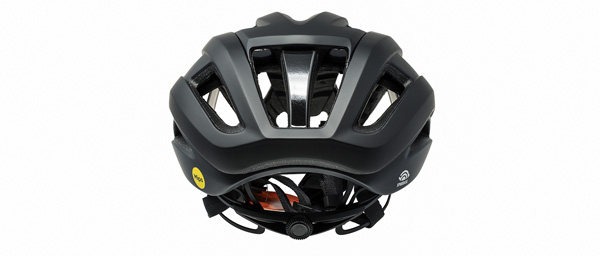
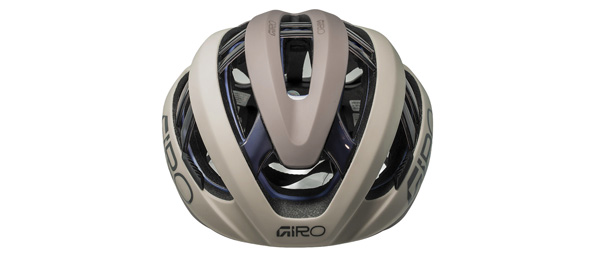
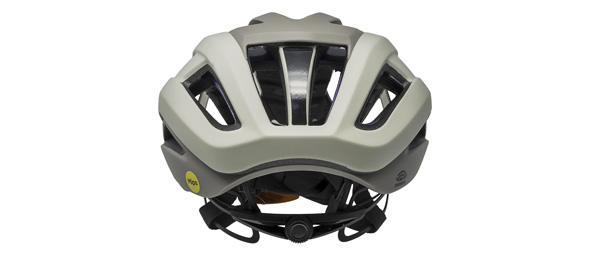
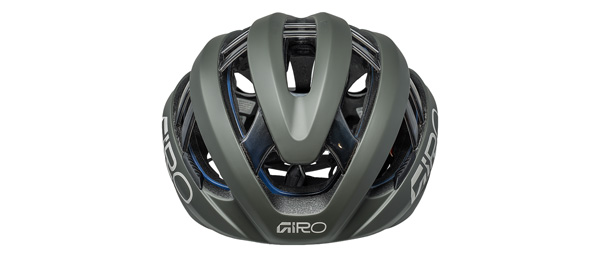
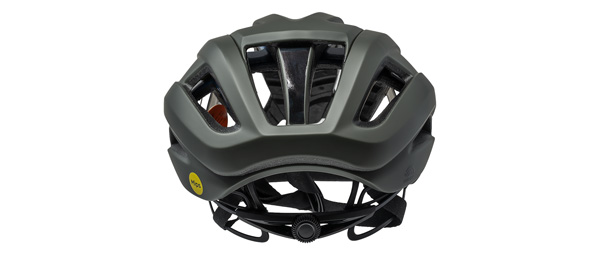
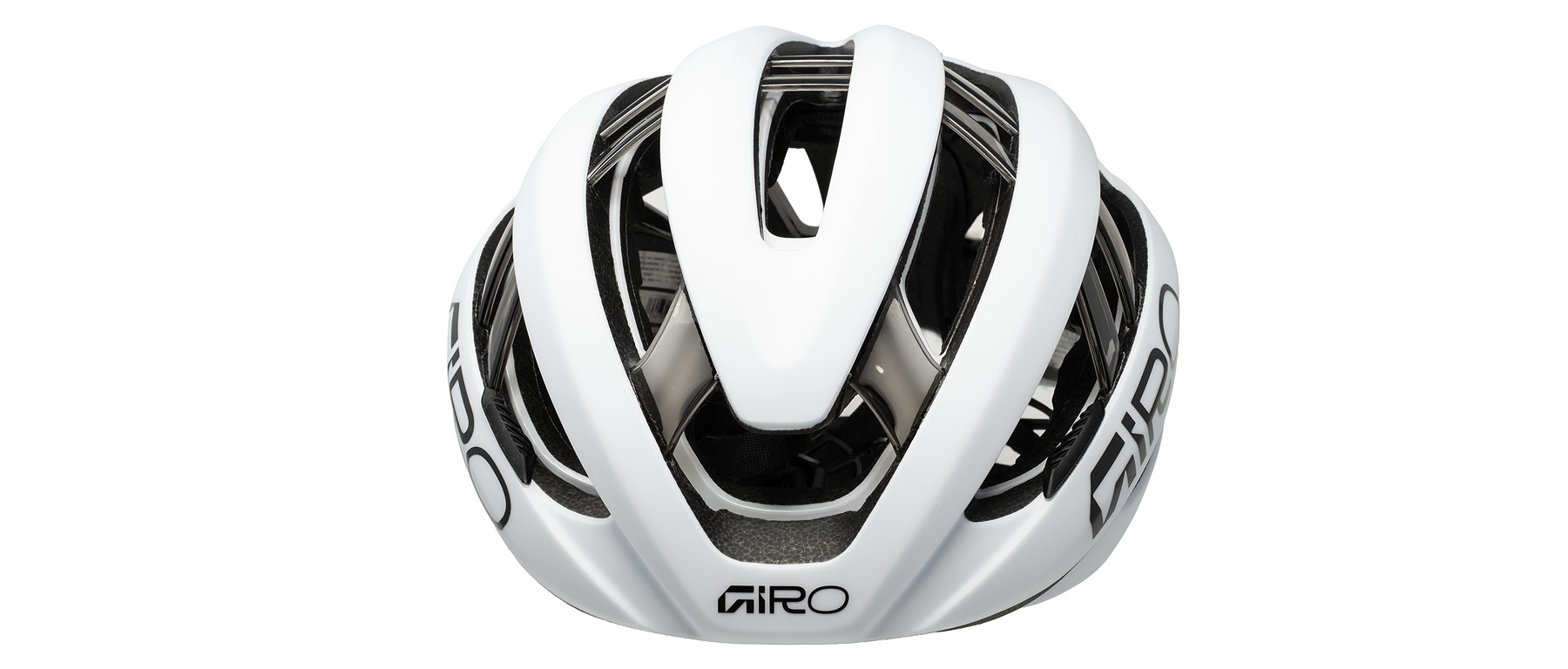
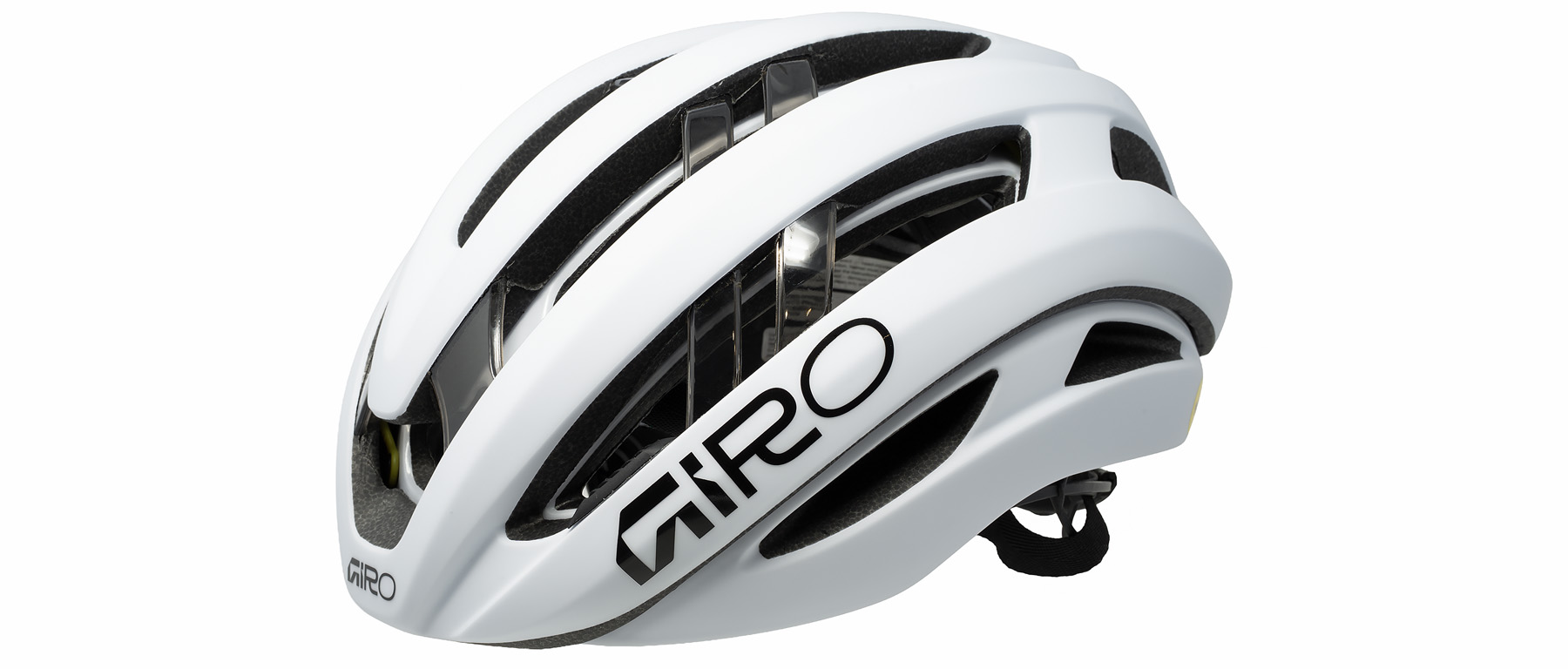
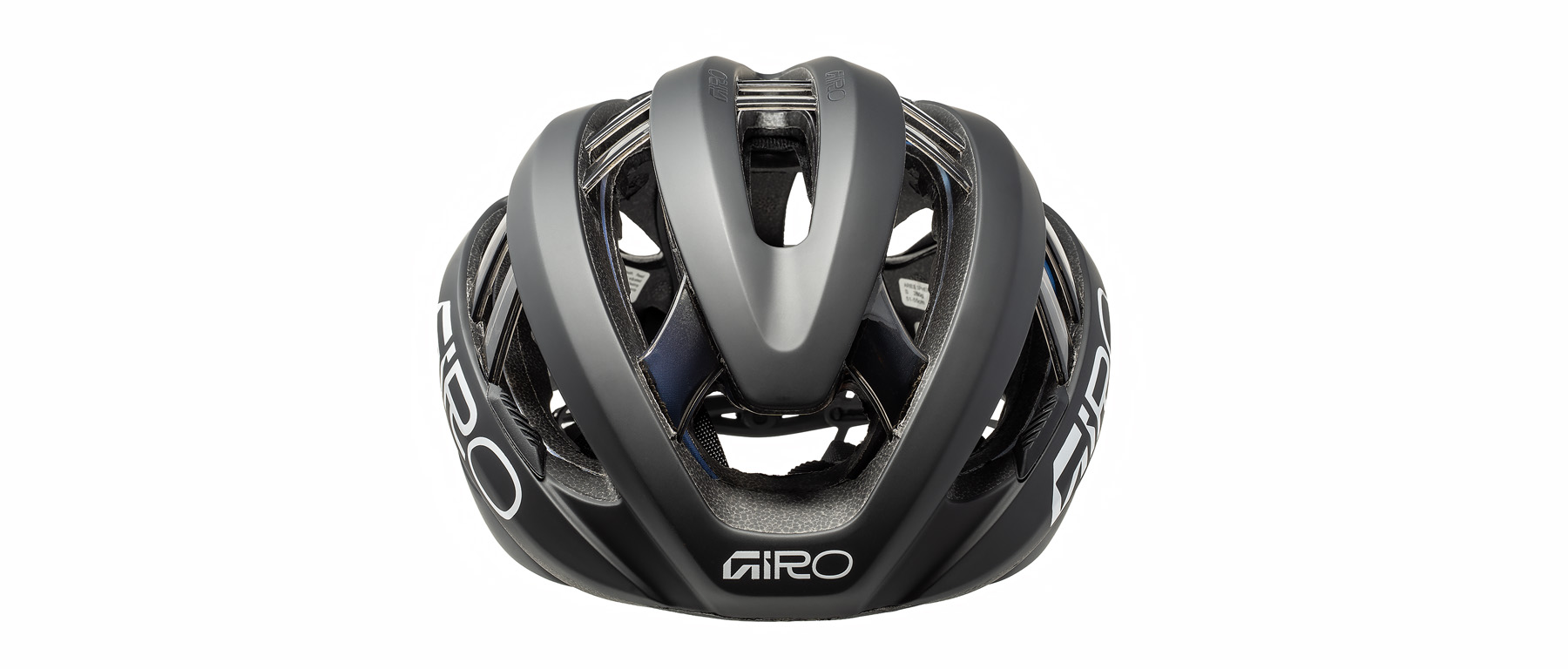
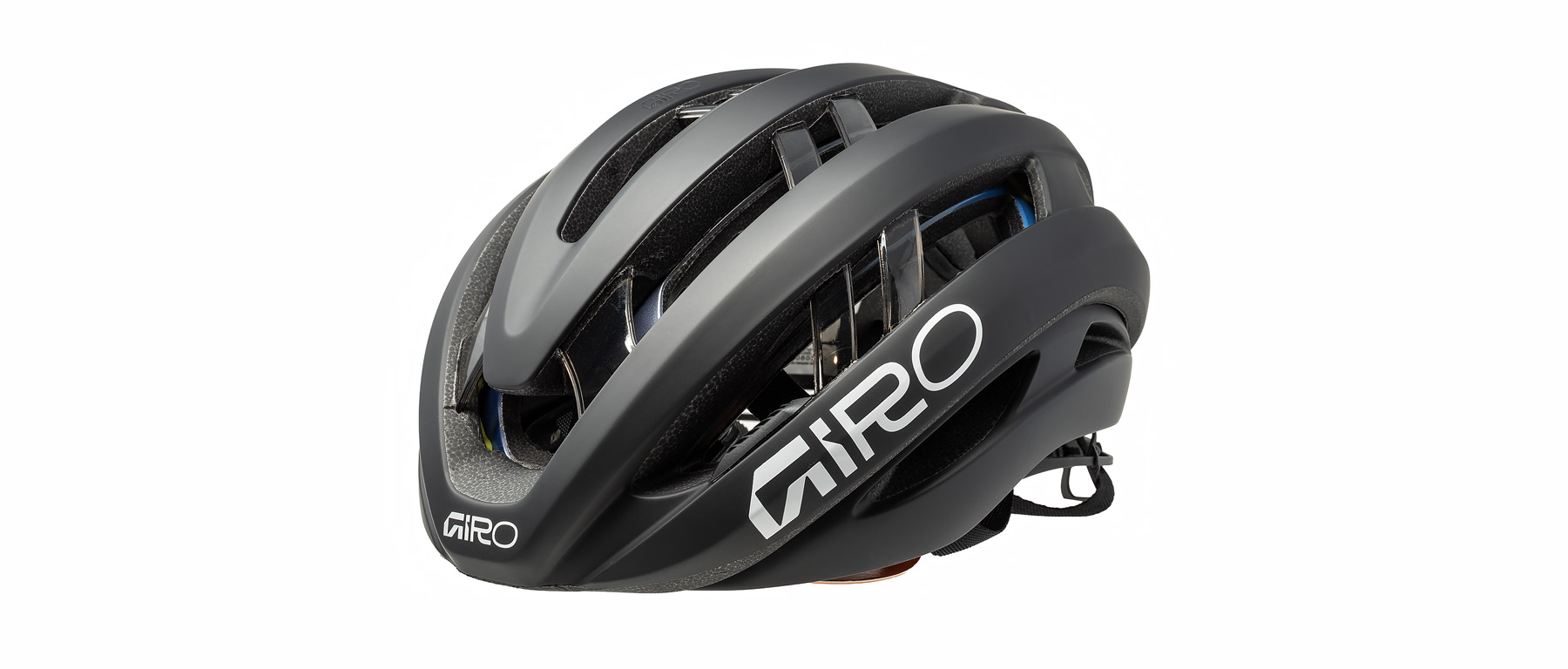
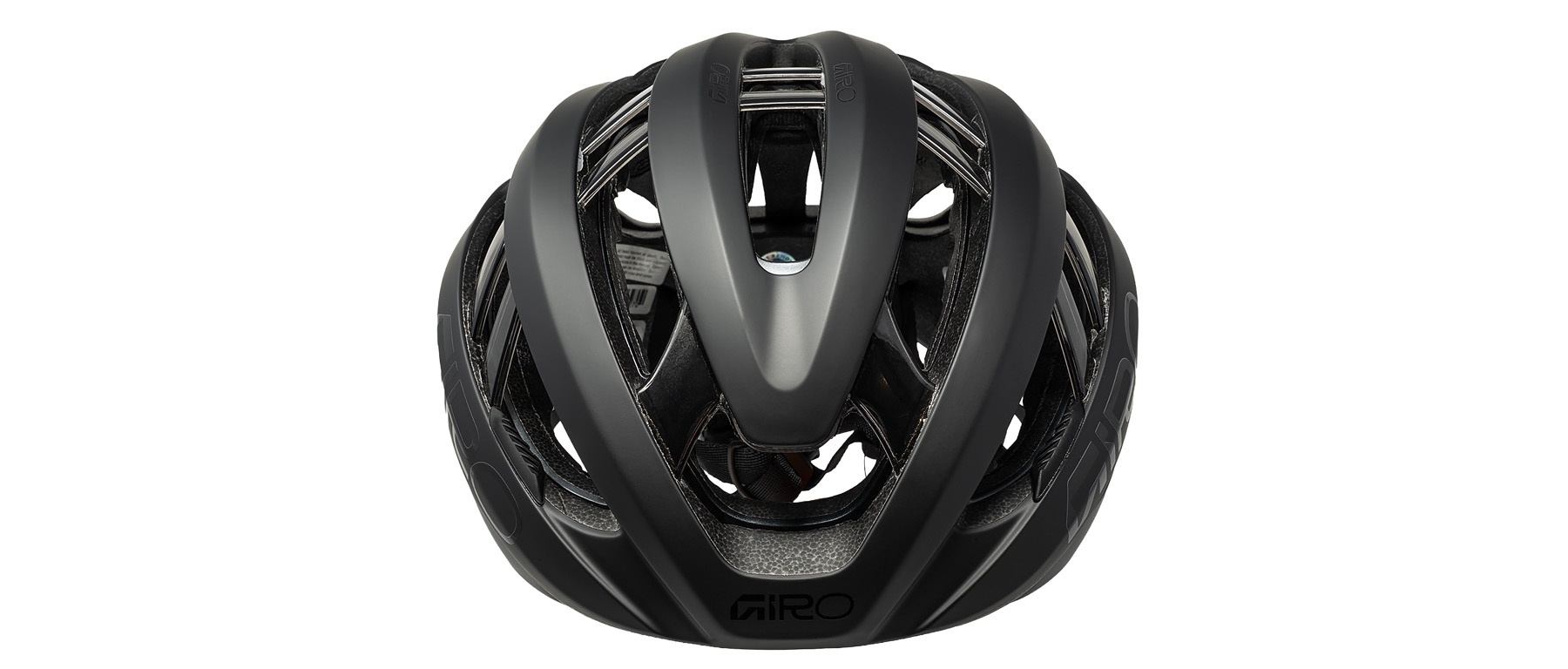
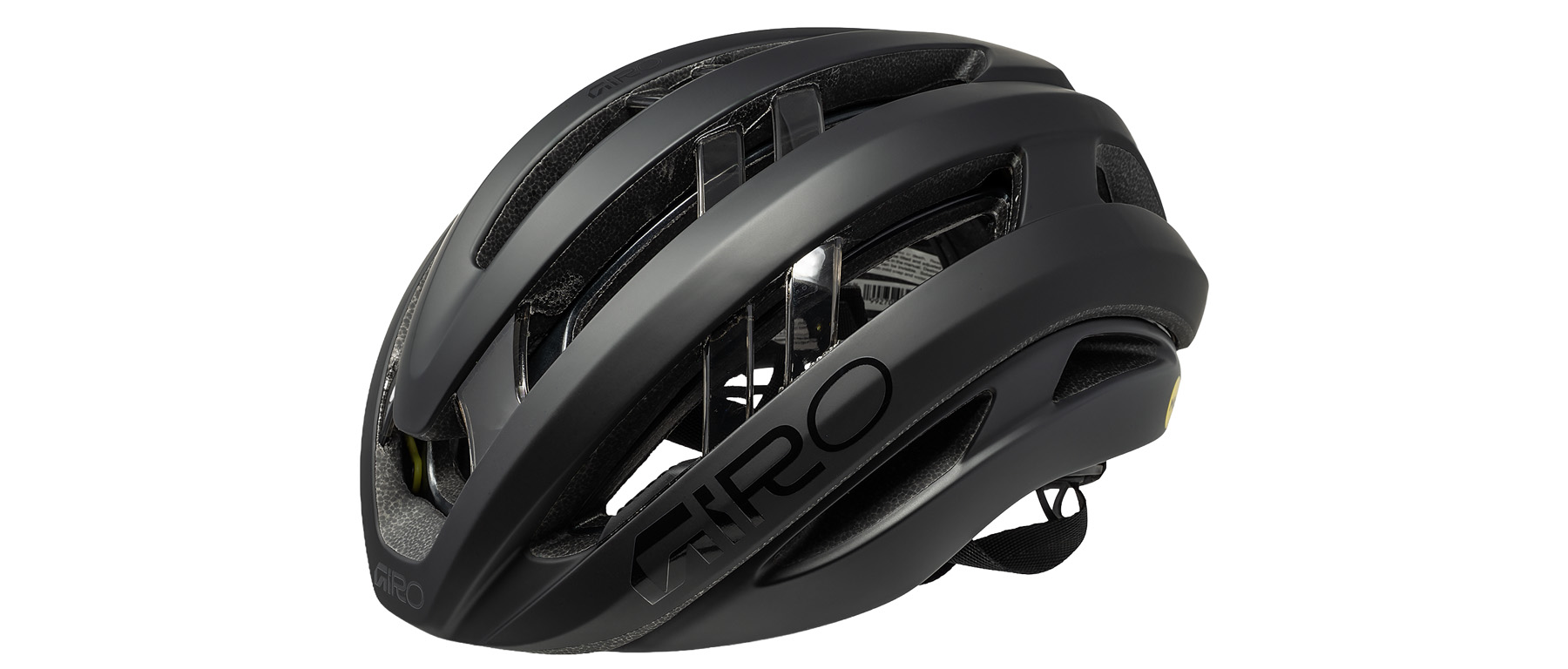
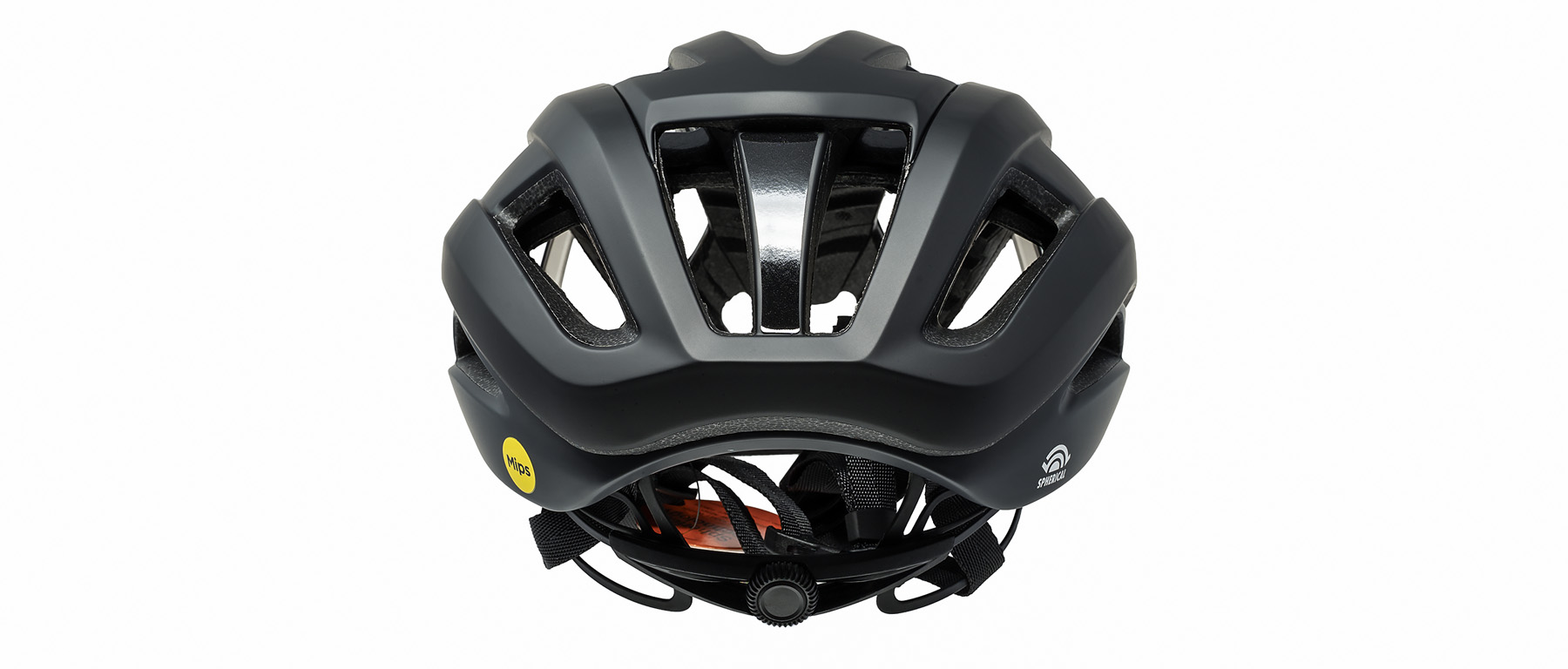
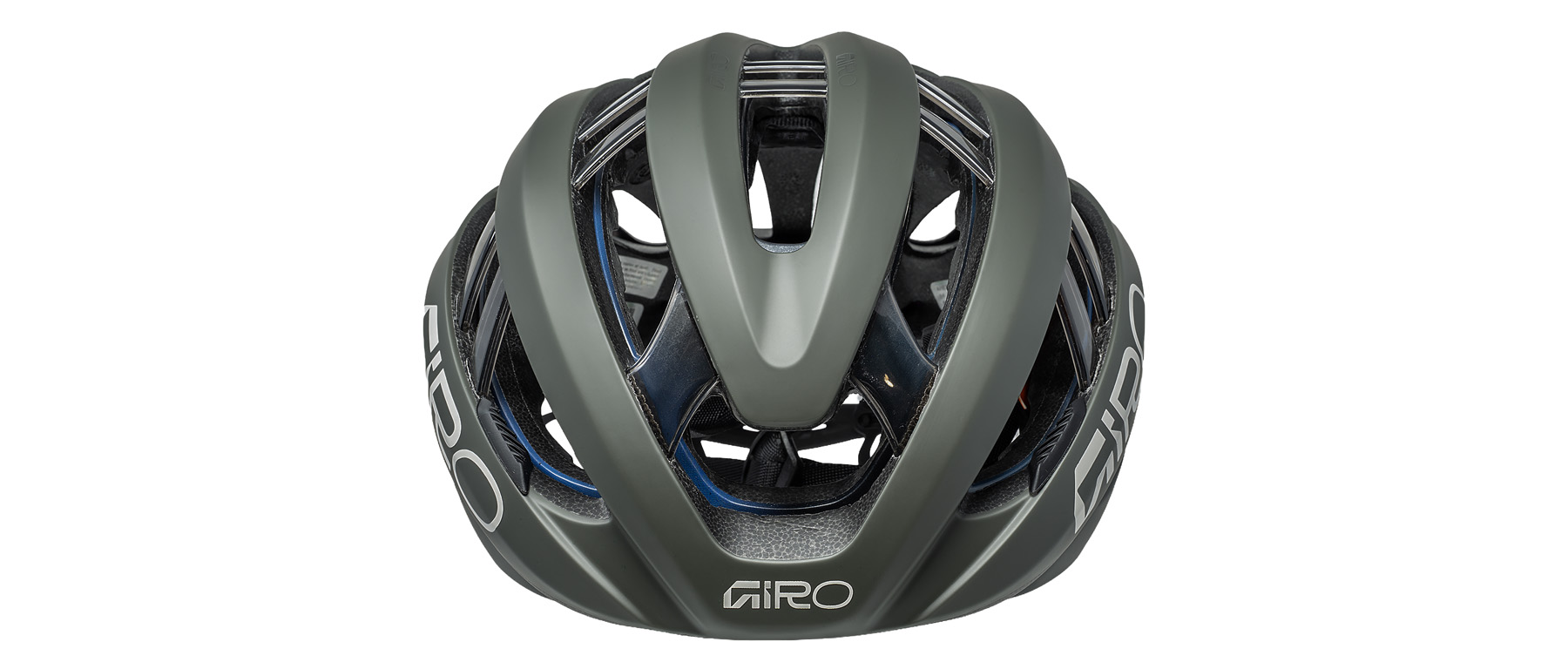
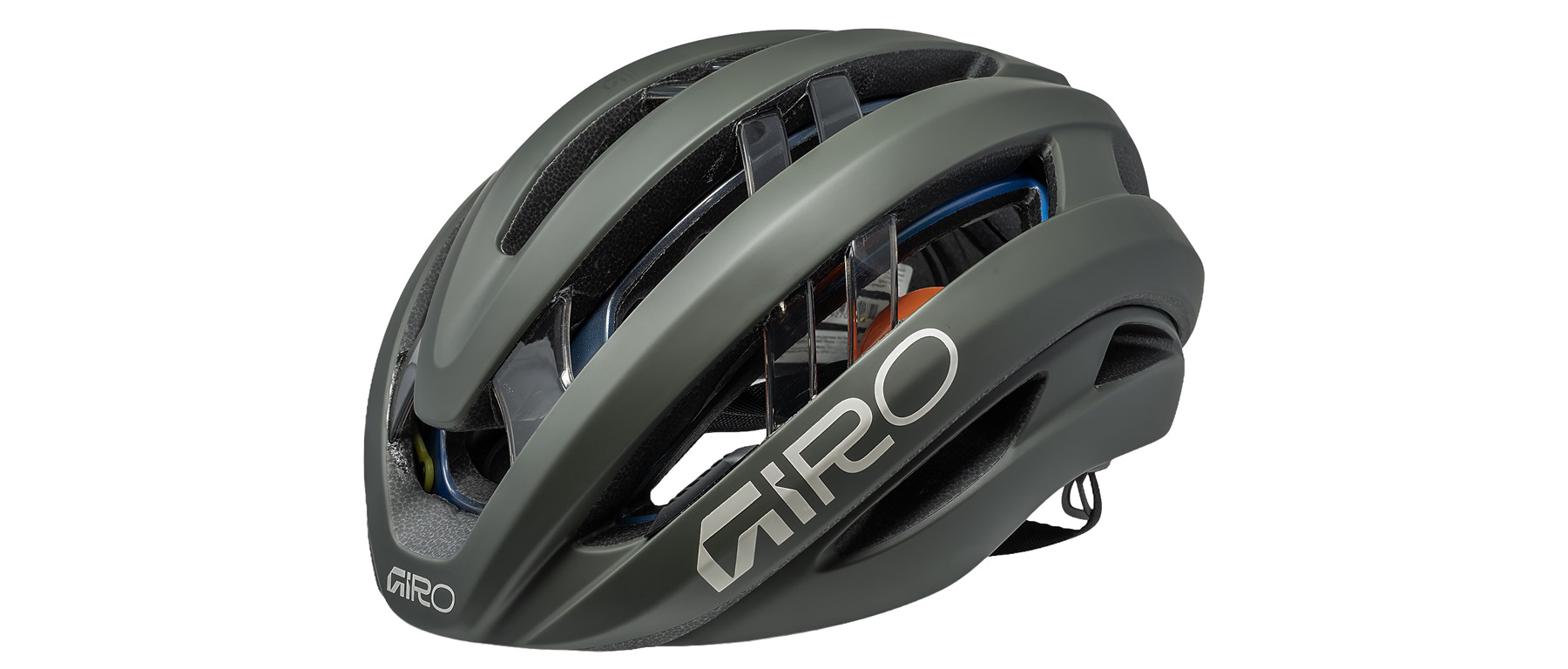
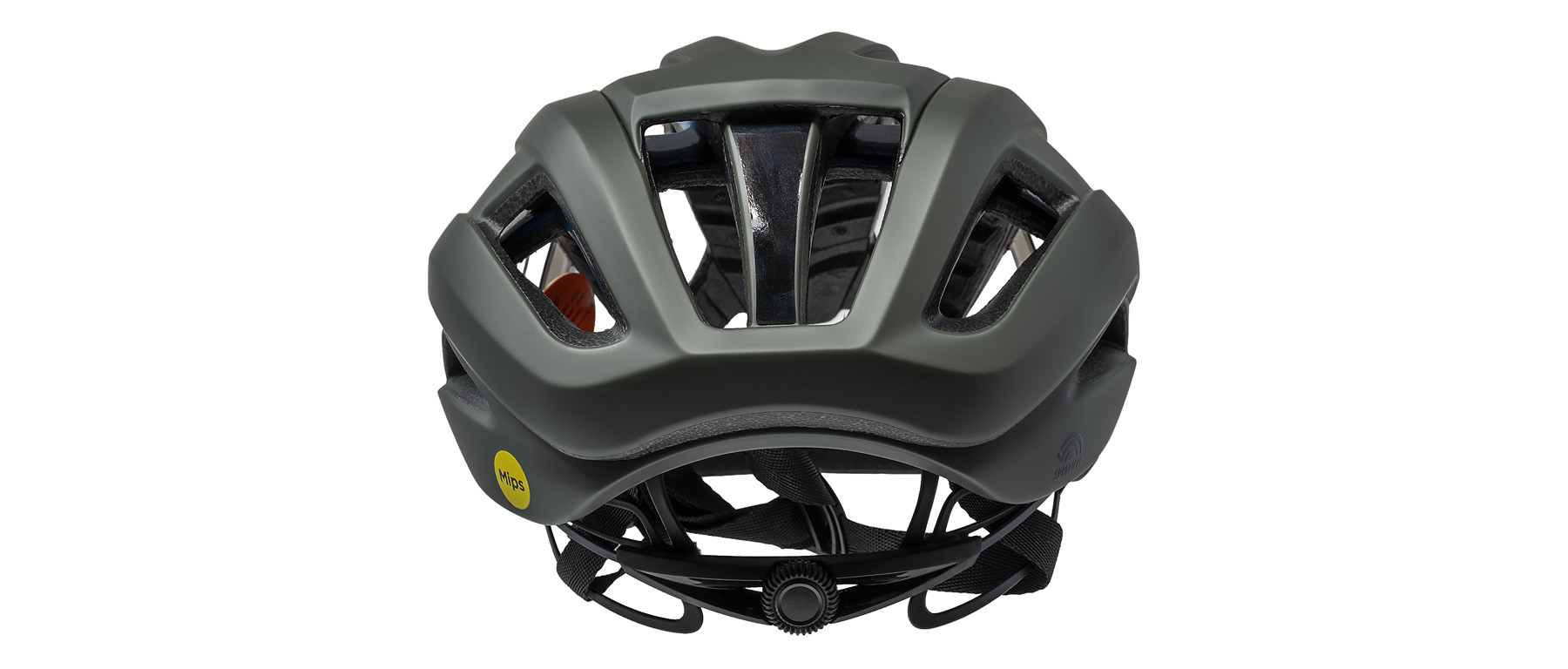
Ventilation is where the Aries separates itself from the rest of the Spherical range. There are 24 vents, but the more useful part is the internal channeling: deep grooves molded through both EPS layers line up so air entering the brow ports keeps moving toward the rear exhausts instead of stalling between the shells. That matters most at climbing speeds, when there isn't enough road speed to force air through a helmet. Riders coming off a low-vent aero lid tend to notice it on long sustained efforts in heat rather than on fast flat roads, which is the trade being made here — this is the ventilation-first helmet in the road lineup.
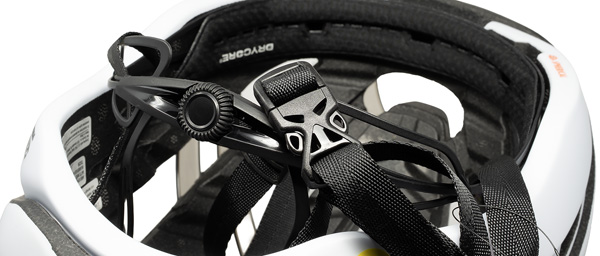
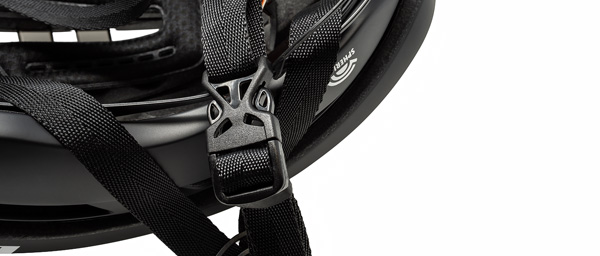
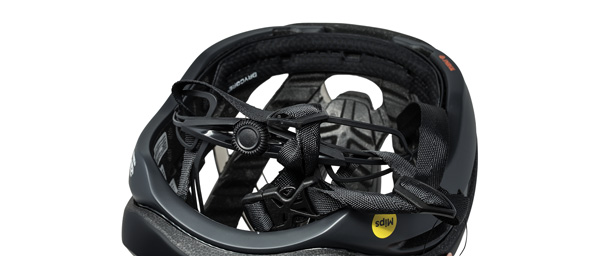
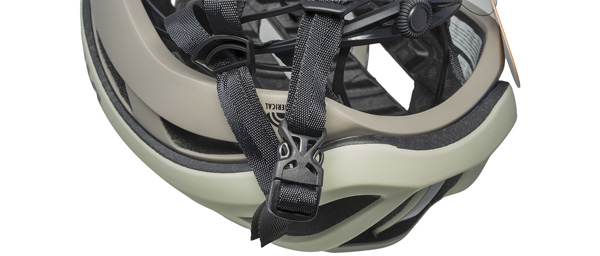
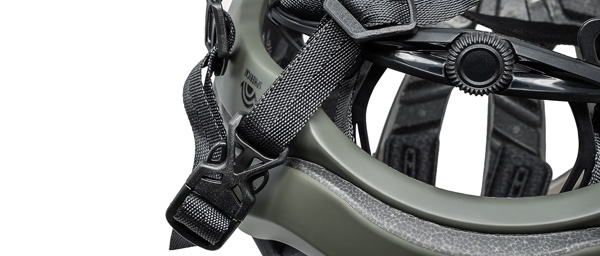
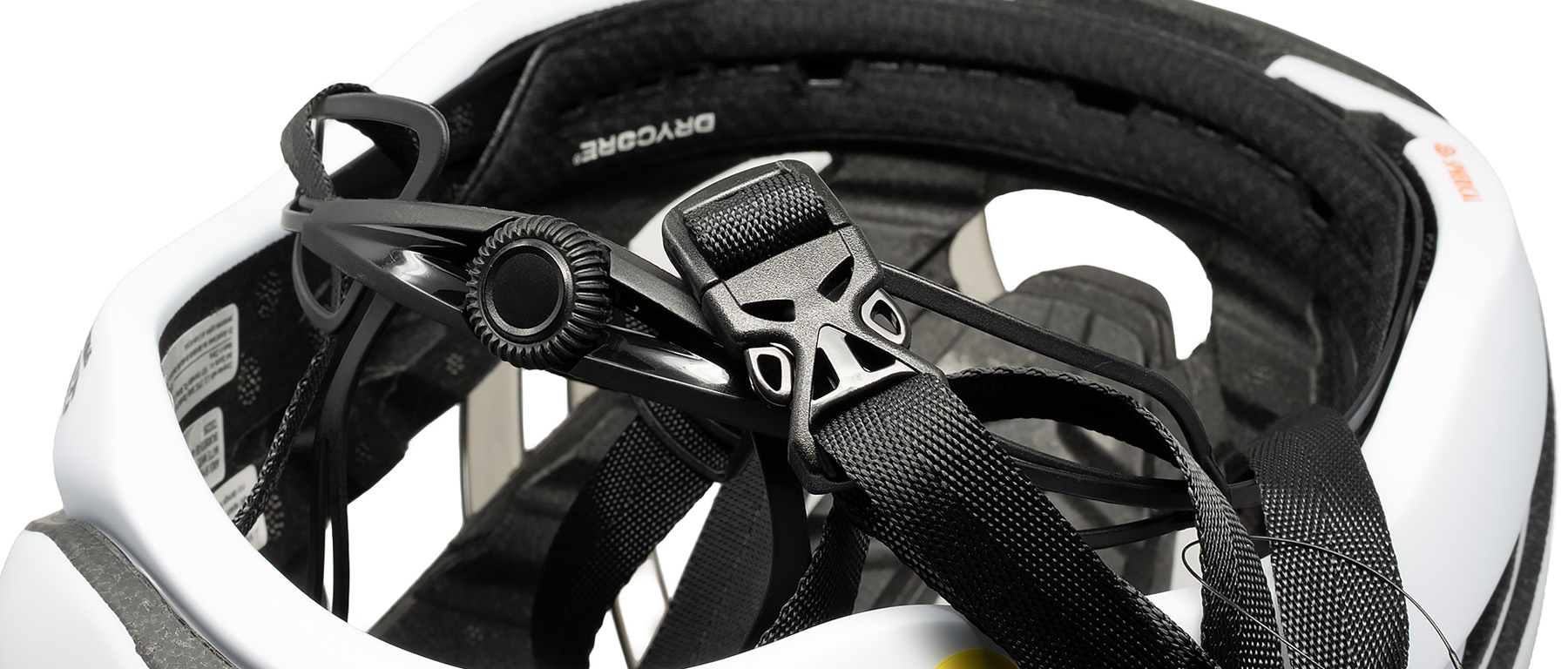
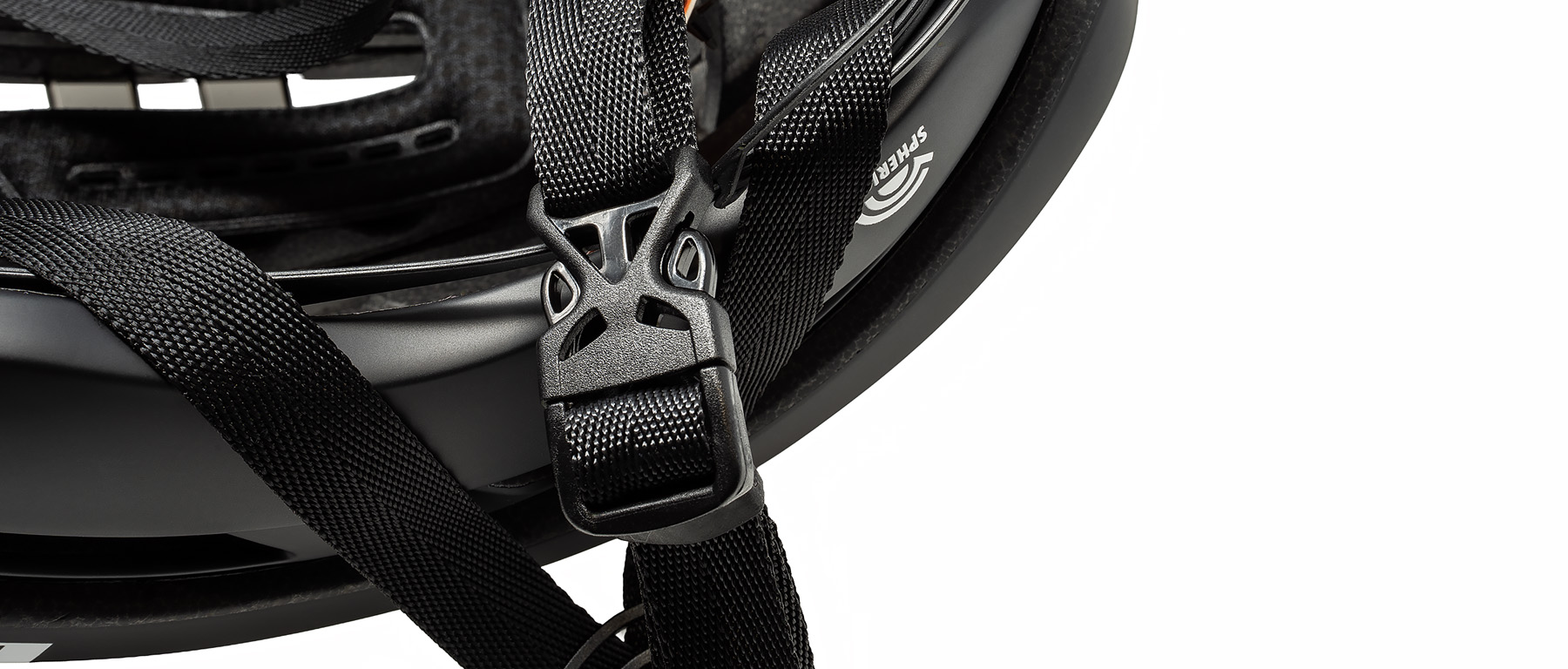
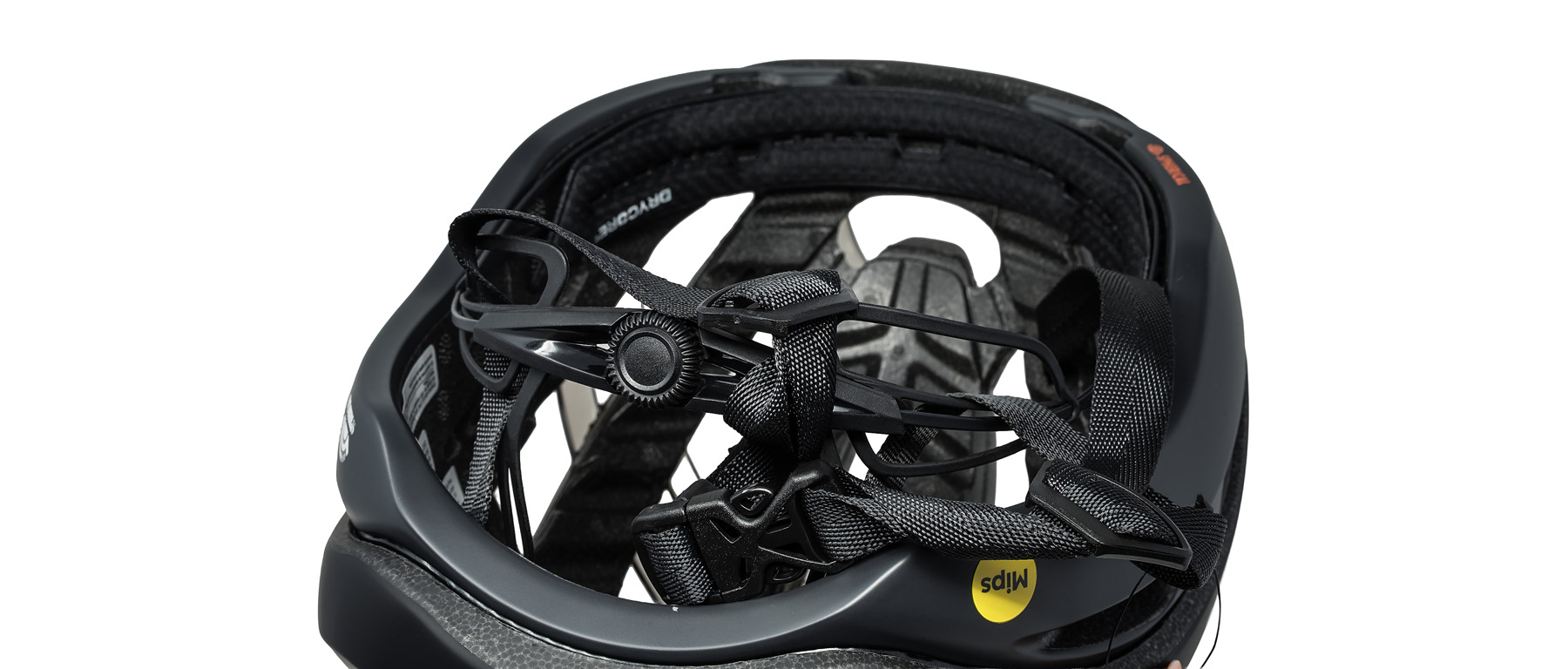
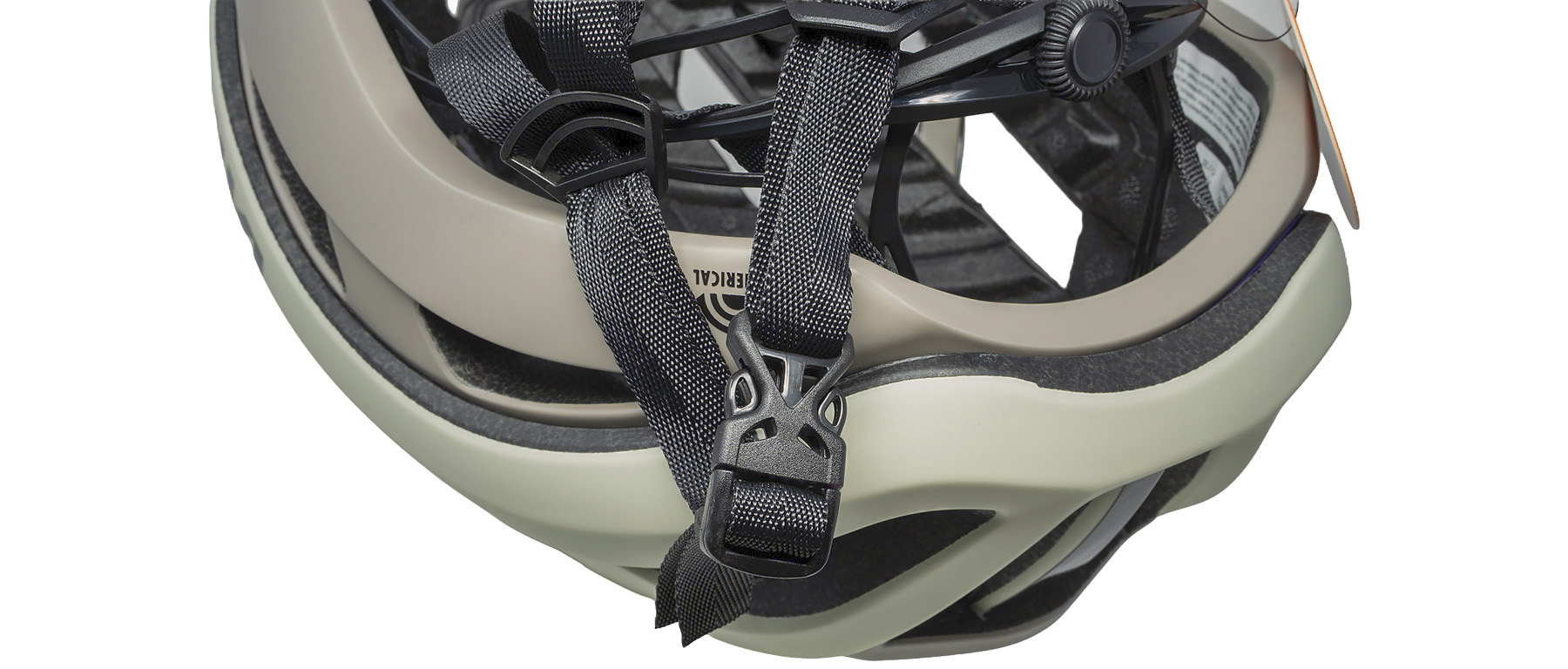
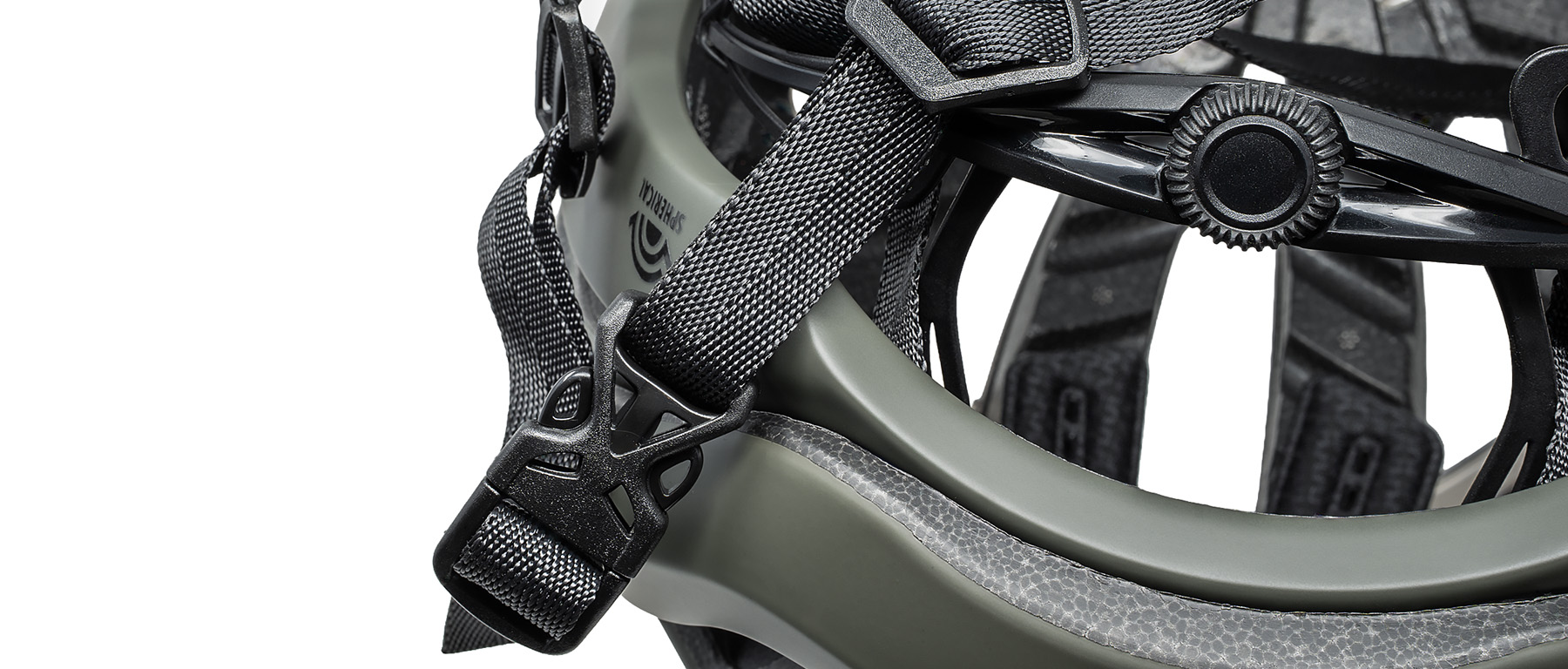
Retention comes from the Roc Loc 5+ Air fit system, with a micro-adjust dial at the occipital cradle and vertical adjustment that changes how high or low that cradle sits against the back of your skull. The strap dividers under the ear are fixed, so once you set the strap length you aren't re-threading webbing every time the helmet comes off. Antimicrobial-treated pads keep the interior from going sour across a season and pull out for washing. Weight is 280 grams in a medium, which puts the Aries in the same bracket as everything else at this level — light enough that fit and airflow end up mattering more than the number on the scale.... Read More
Construction is in-mold polycarbonate bonded to the EPS foam, with the AURA II reinforcing arch running through the liner. That arch is what allows the large vent openings: it adds structure back into the areas where foam was removed, so the bridges between vents aren't the weak point in the shell. The helmet meets CPSC 1203 and EN 1078 certification, and the exterior finish wraps down over the bottom edge of the foam rather than leaving raw EPS exposed at the rim, which is the part of a helmet that usually takes the first scuff in a bag or a car trunk.
Sizing is worth checking against a tape measure before you commit, since the shells overlap at the edges — the medium covers 55 to 59cm, and riders sitting at the top of one size often end up happier in the next shell up once the cradle is dialed in. Eyewear storage is handled by docking ports at the front of the helmet, sized so the arms of most cycling sunglasses slide in and stay put on a climb, which holds them more securely than a jersey collar and keeps them within reach. The colors run matte finishes throughout, so road grit and dried sweat stay less visible between washes. If you're choosing between this and a deeper aero shape, the honest read is that the Aries is the pick for hot-weather road riding, long climbing days, and anyone who has ever finished a summer ride with a soaked helmet pad.