Equipment > Accessories > Tools / Maintenance > Tools > Torque Wrenches / Sockets
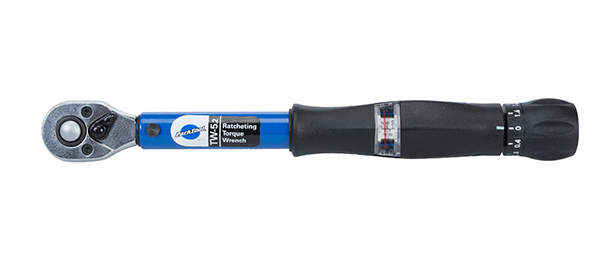
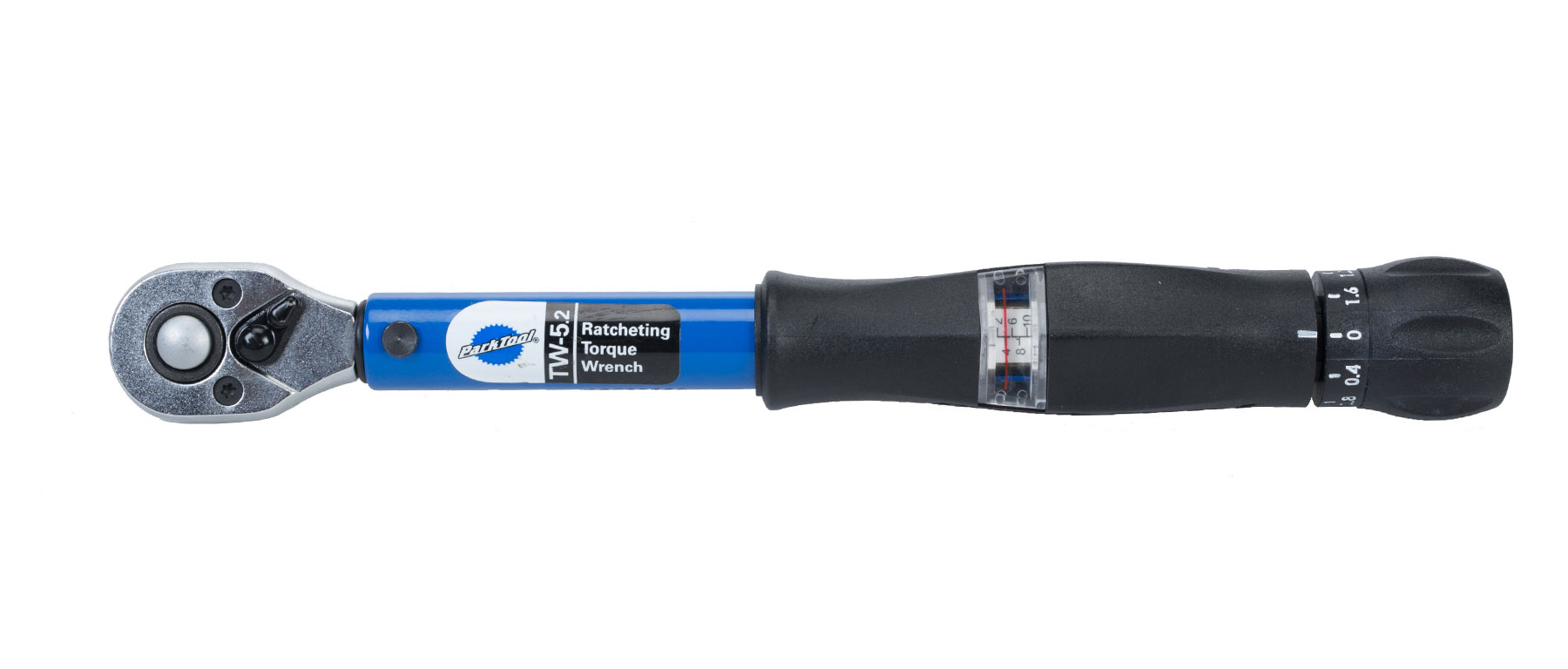
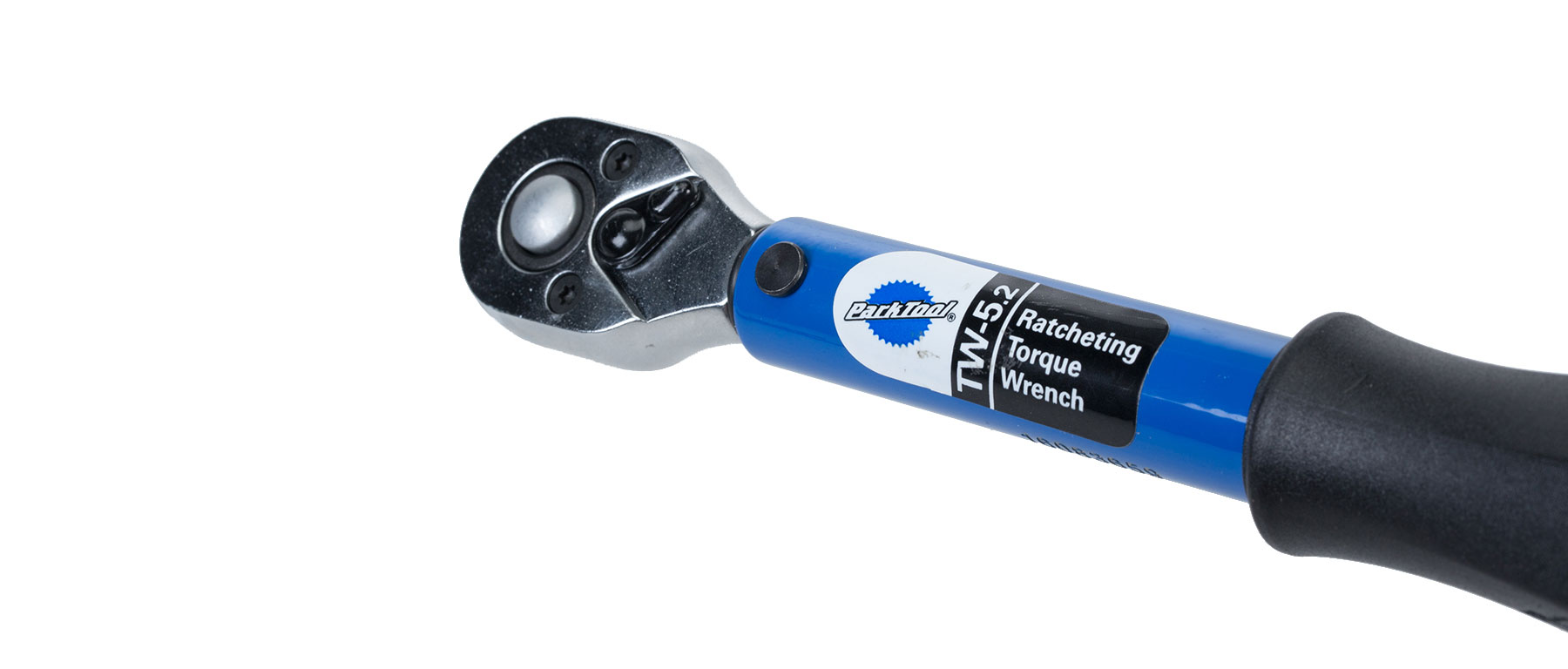
TW-5.2 Ratcheting Click-Type Torque Wrench
Description
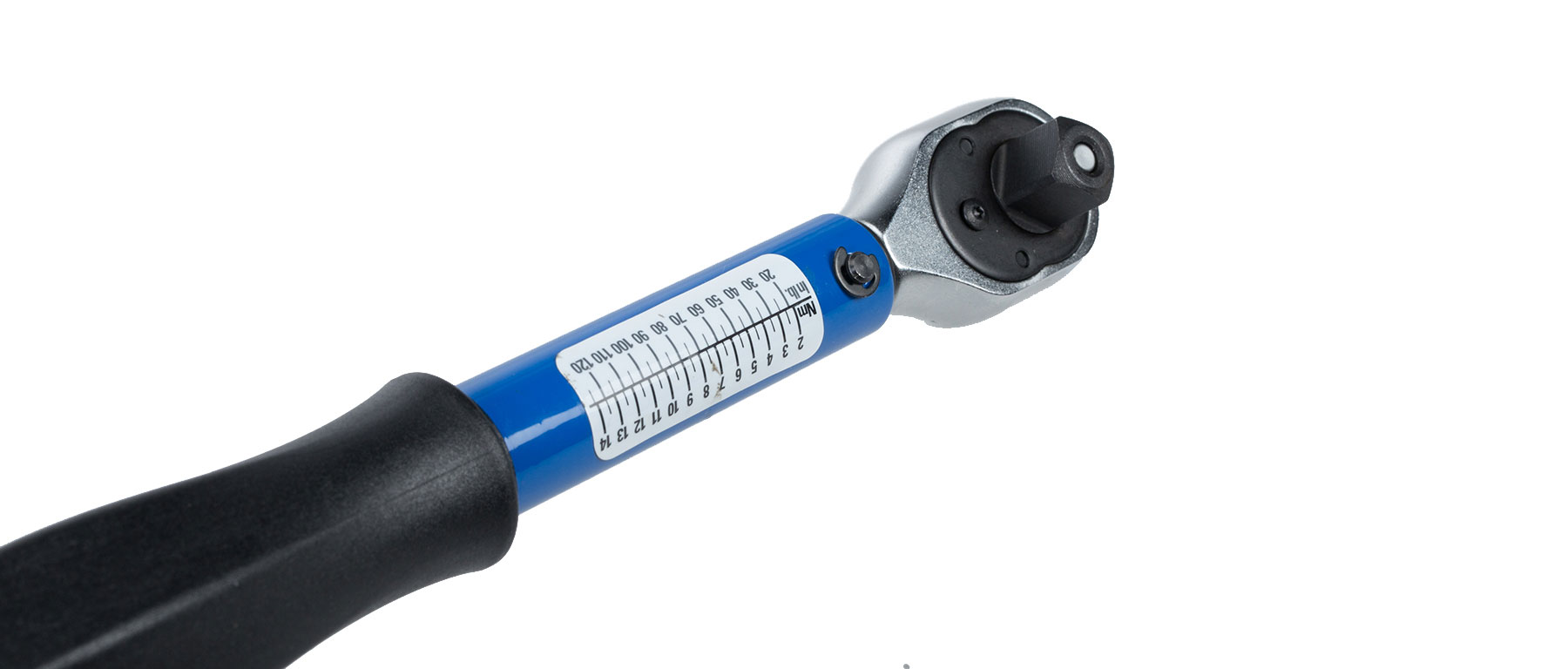
Torque wrenches remove the guesswork from tightening fasteners, and on modern bikes with carbon fiber components and lightweight aluminum parts, guessing gets expensive fast. The Park Tool TW-5.2 covers the range where most critical fasteners live—stem bolts, handlebar clamps, seatpost binders, brake caliper mounts, and rotor bolts all fall within its 2 to 14 Nm range. The ratcheting click-type mechanism lets you feel and hear when you've hit your target torque, so you can stop before you crush a carbon steerer tube or strip threads out of a derailleur hanger.
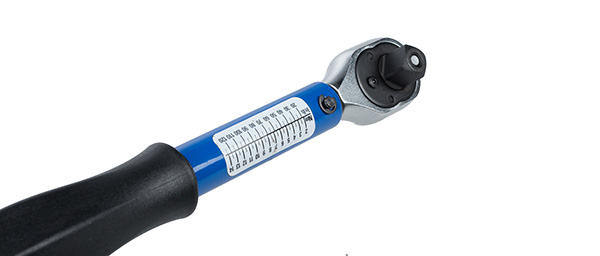
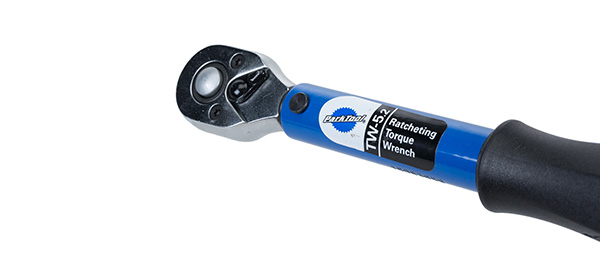
The 3/8" drive accepts standard sockets and bits, which means you're not locked into proprietary hardware. This is the wrench only—no hex or Torx bits are included in the box—so you'll pair it with the bit sockets you already run or add the sizes your builds call for. That open drive system is part of the appeal: you spec the bits around your own fastener mix rather than settling for a fixed set. The reversible ratcheting head works in both directions, so you can position the wrench however the frame or component dictates without fighting awkward angles.
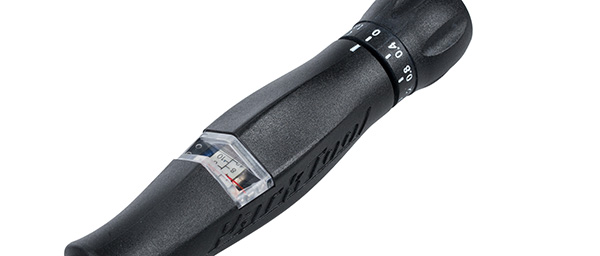
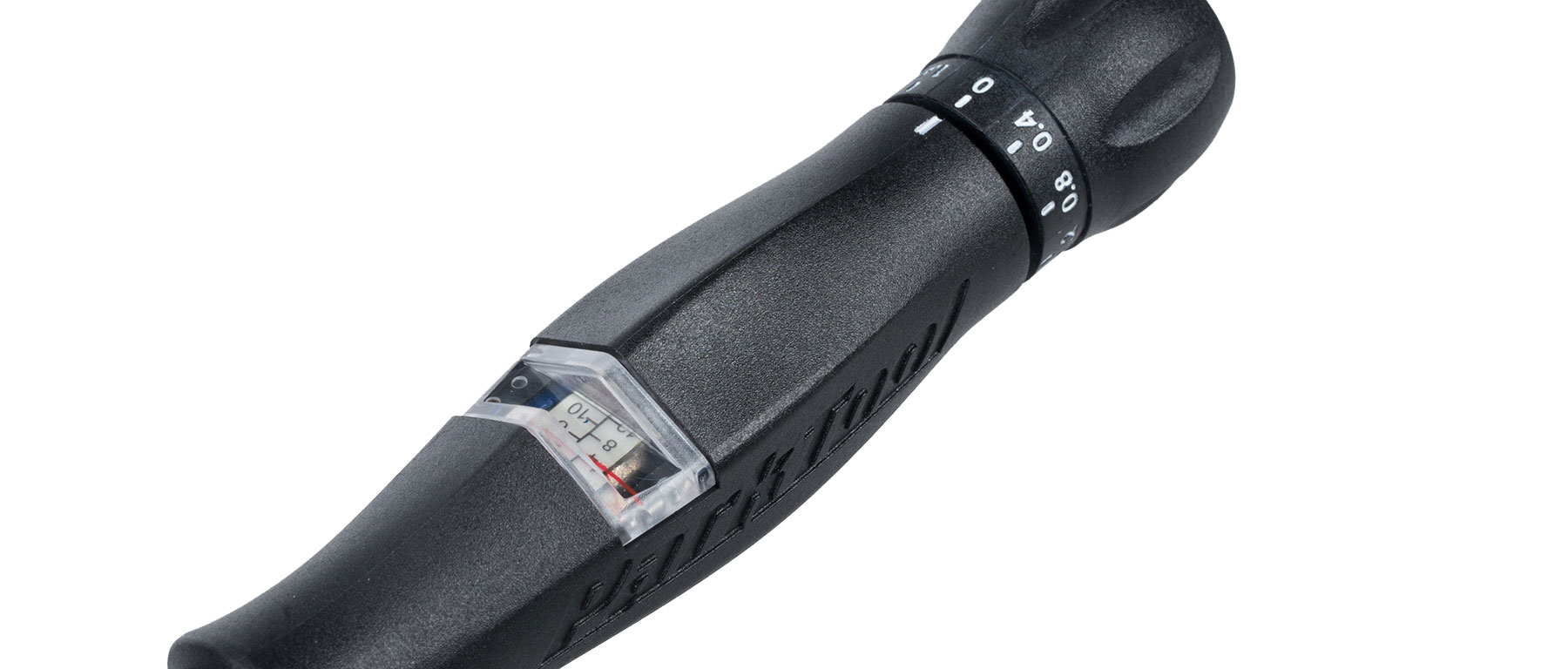
Calibration matters with torque tools, and the TW-5.2 ships calibrated to within plus or minus 4 percent accuracy. The adjustment dial at the base of the handle lets you set your target value, and the wrench stores with the tension backed off to preserve the internal spring mechanism. This is the kind of tool that lives permanently in your workbench drawer and gets pulled out every time you touch a stem faceplate or swap a seatpost.... Read More
Features
- 2 to 14 Nm torque range with 3/8" drive
- Ratcheting click-type mechanism with reversible head
- Calibrated to plus or minus 4 percent accuracy
- Wrench only—no hex or Torx bits included
- Accepts standard 3/8" drive sockets and bit sockets
- Adjustment dial with reference scale at base of handle
- Stores with tension backed off to preserve the spring mechanism