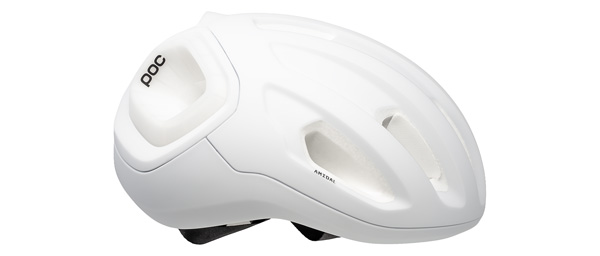
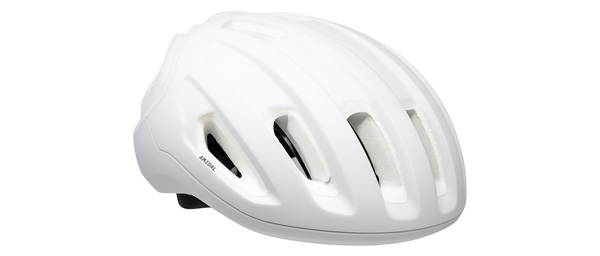
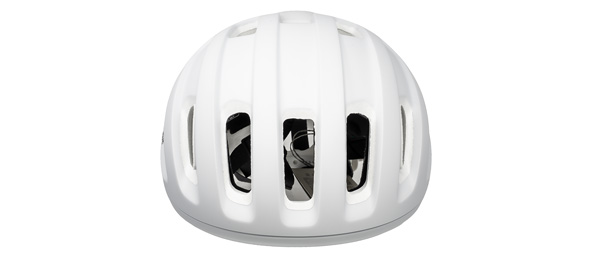
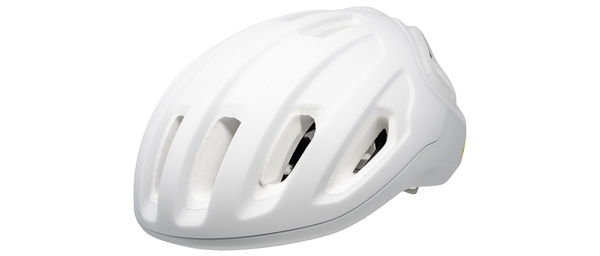
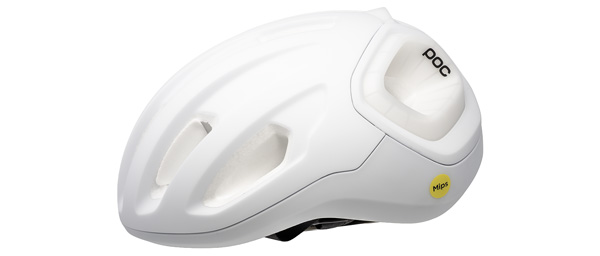
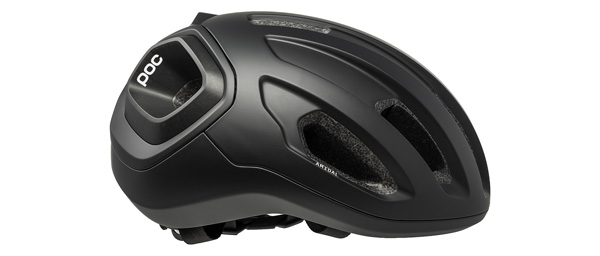
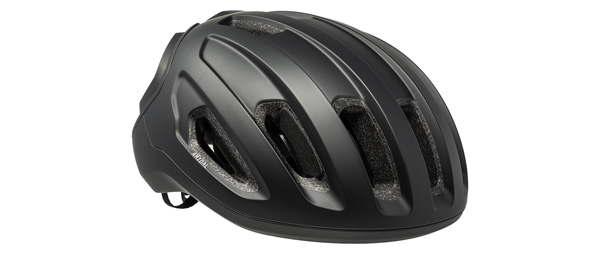
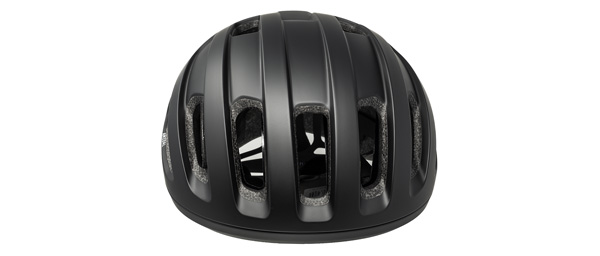
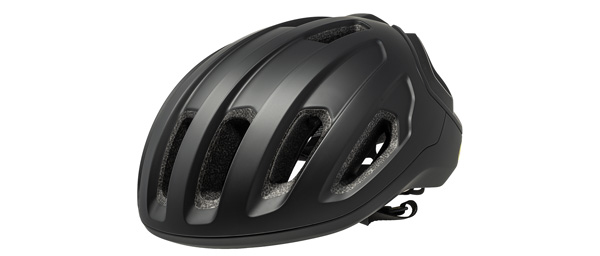
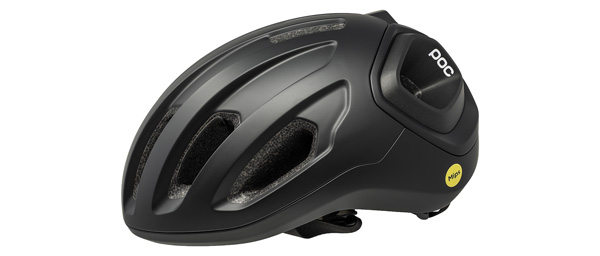
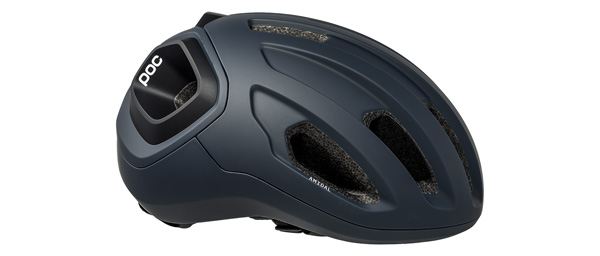
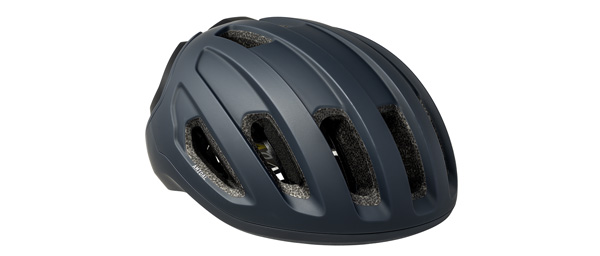
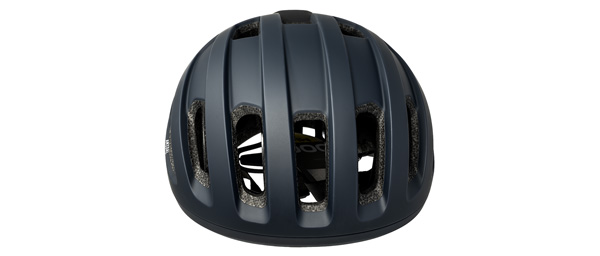
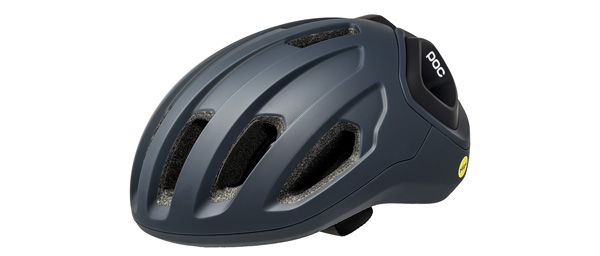
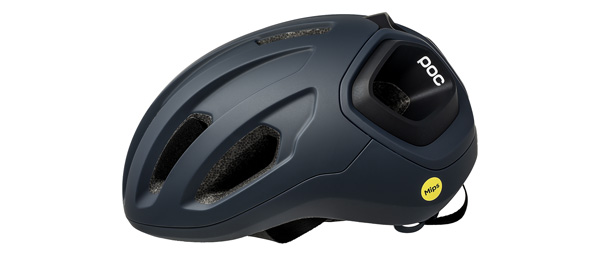
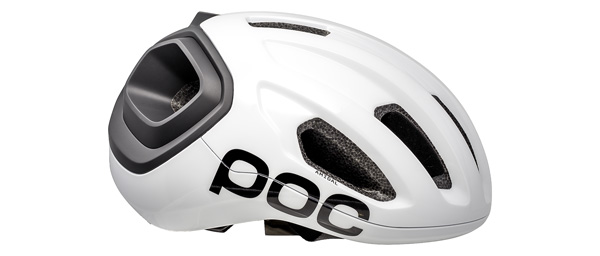
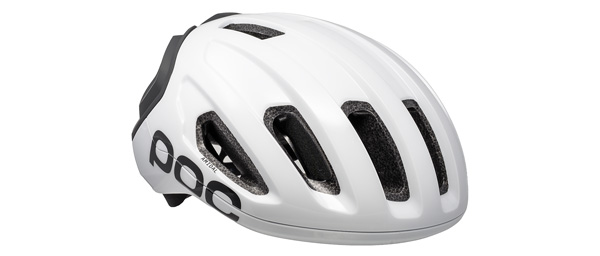
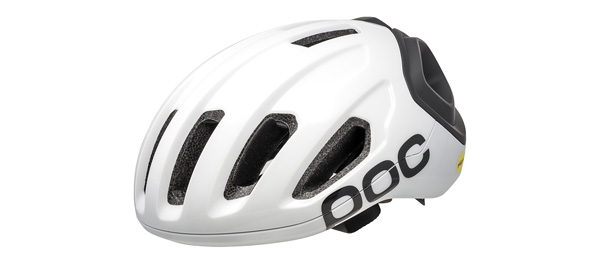
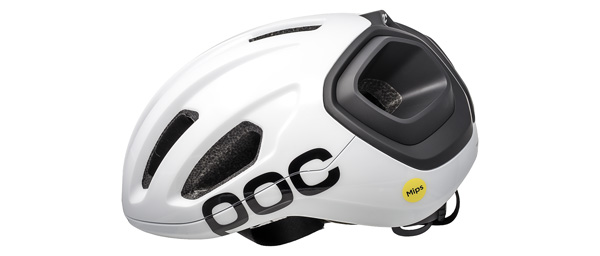
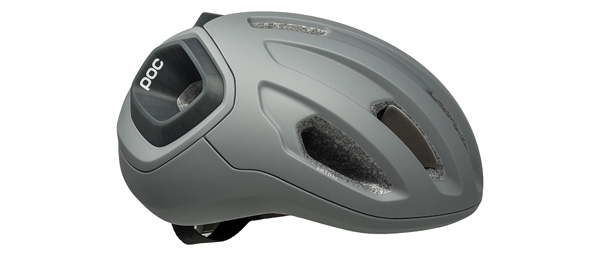
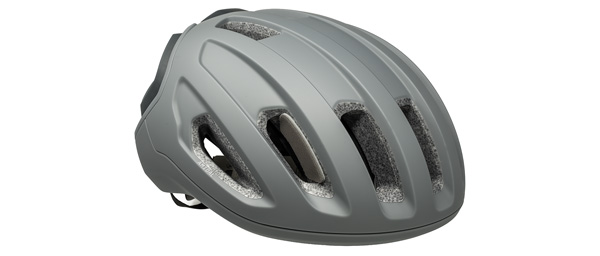
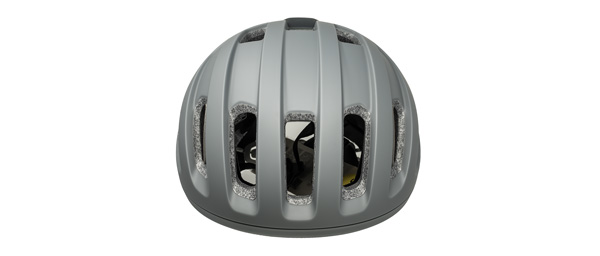
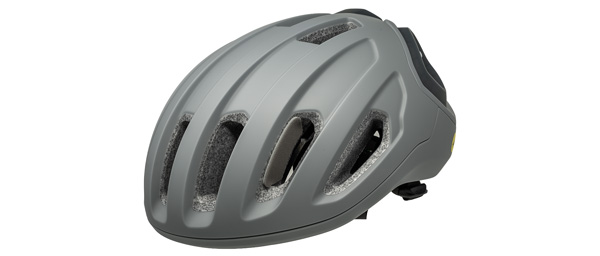
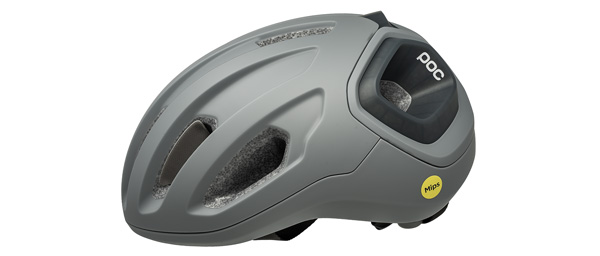
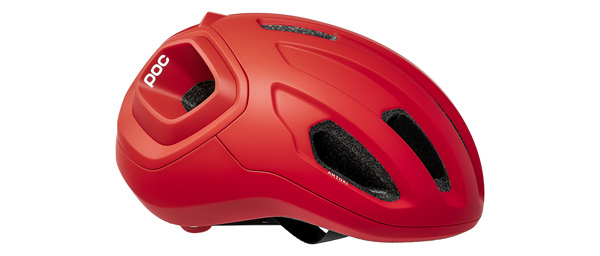
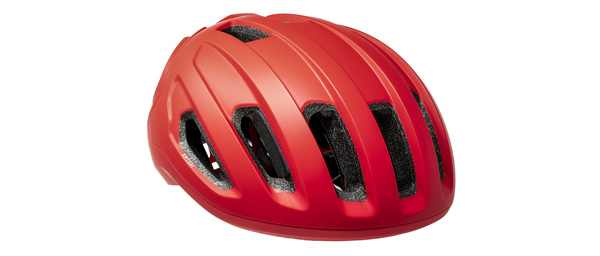
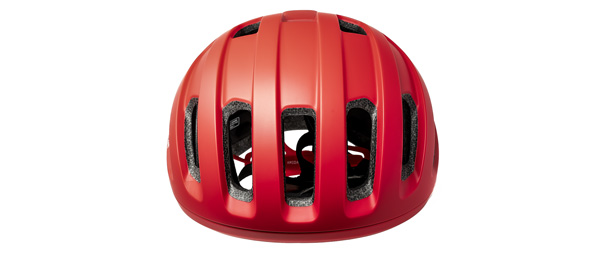
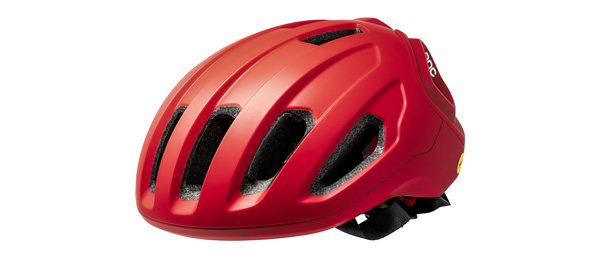
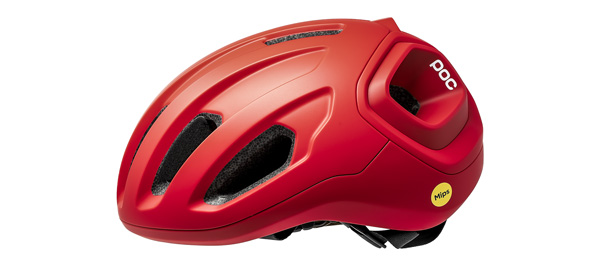
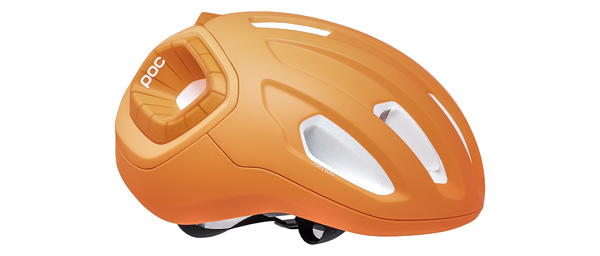
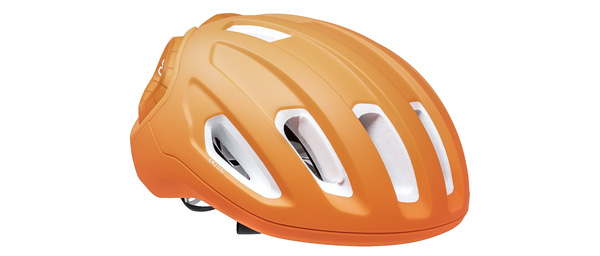
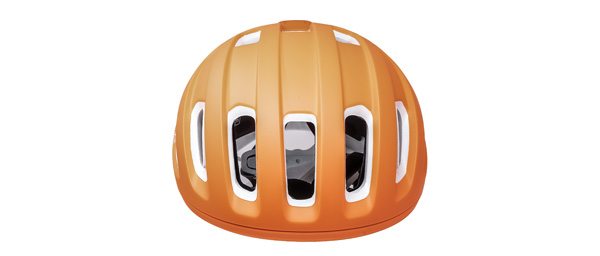
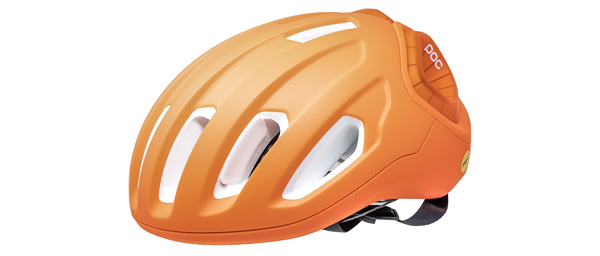
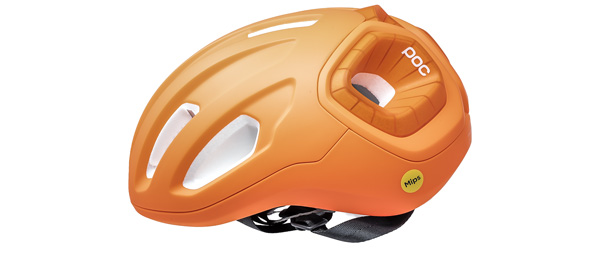
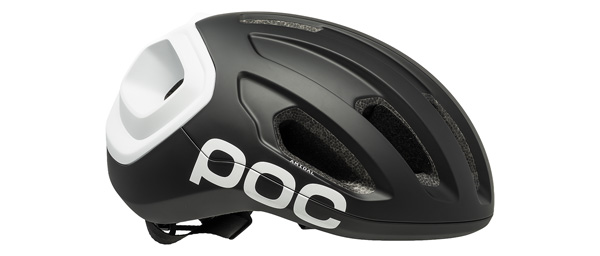
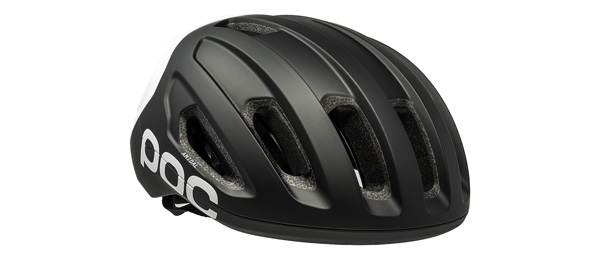
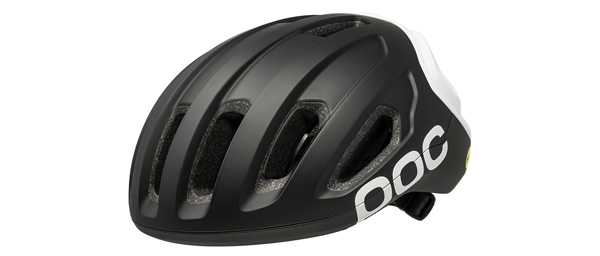
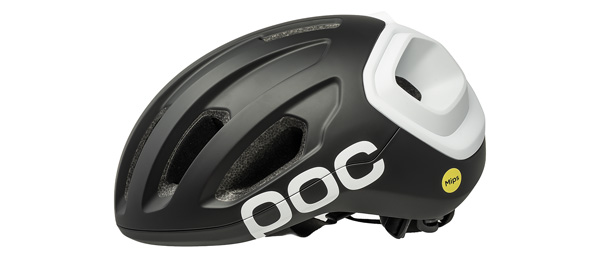
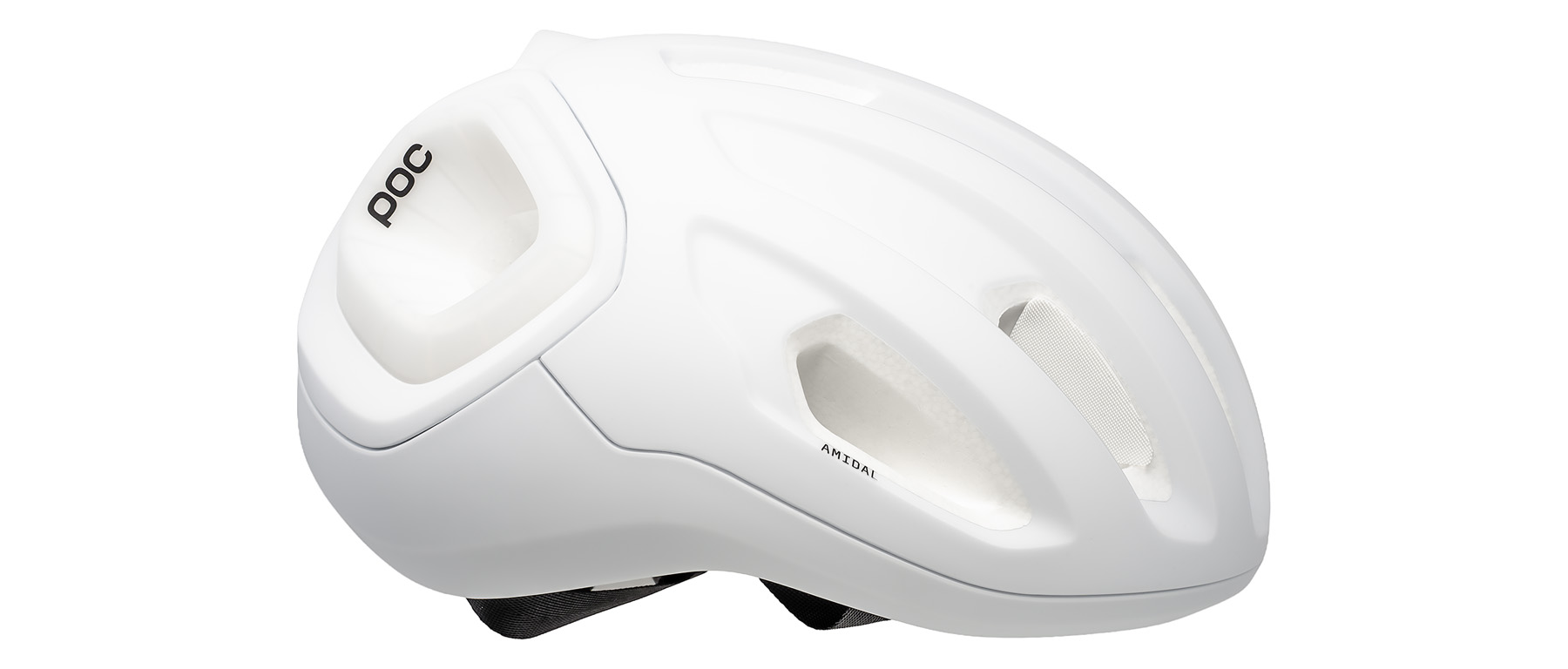
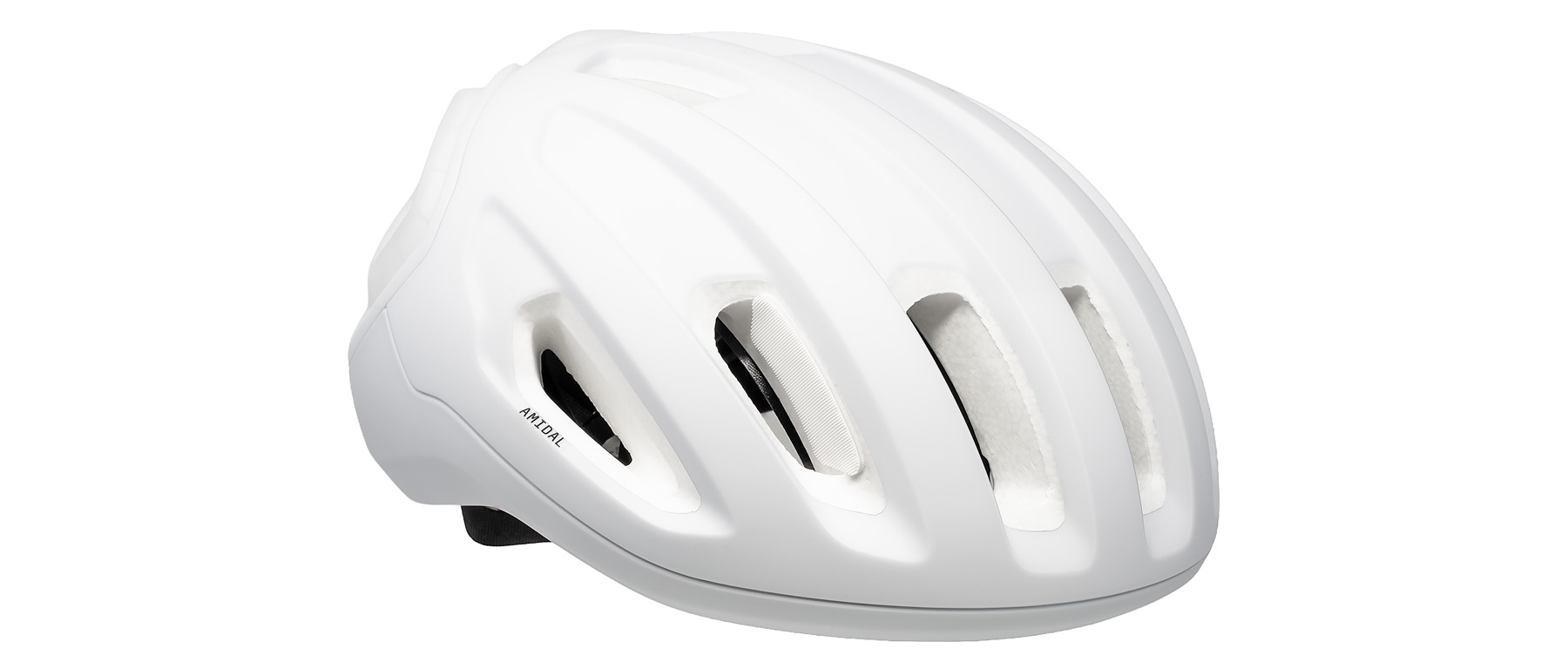
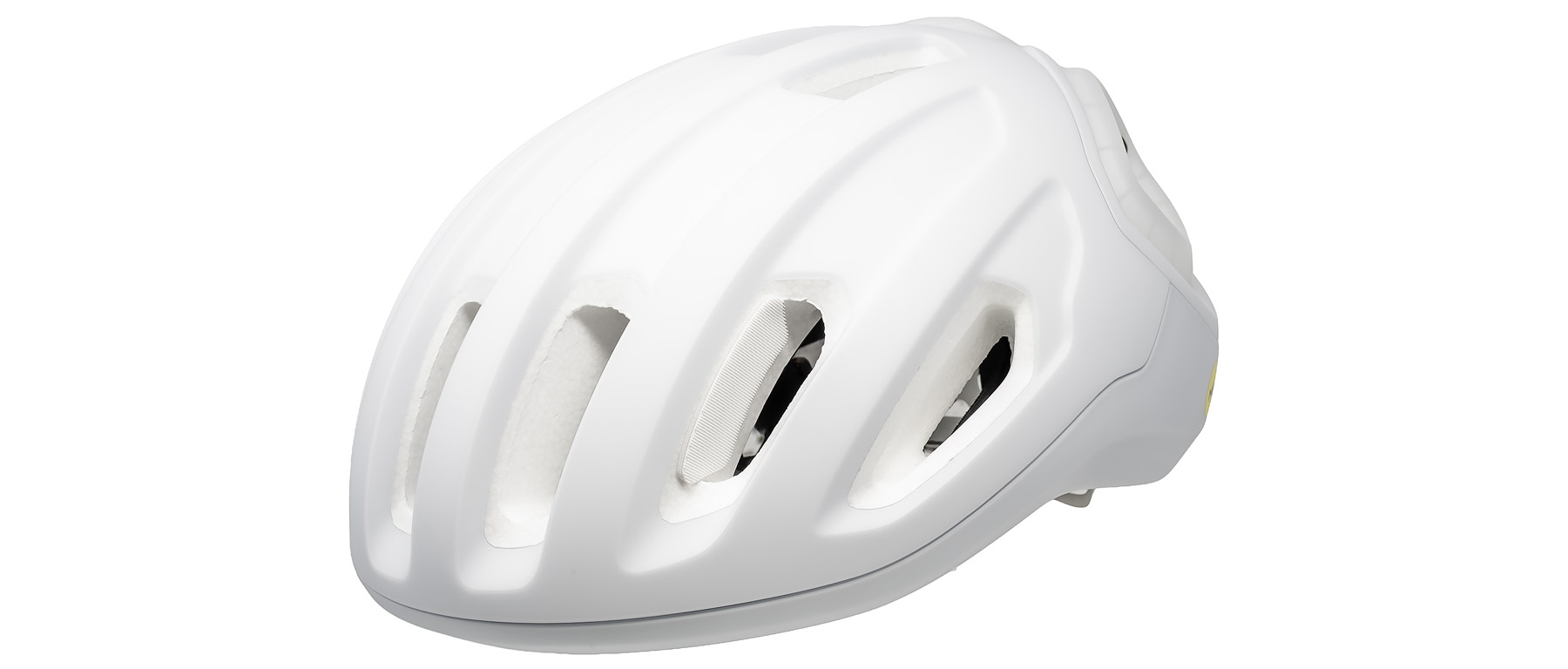
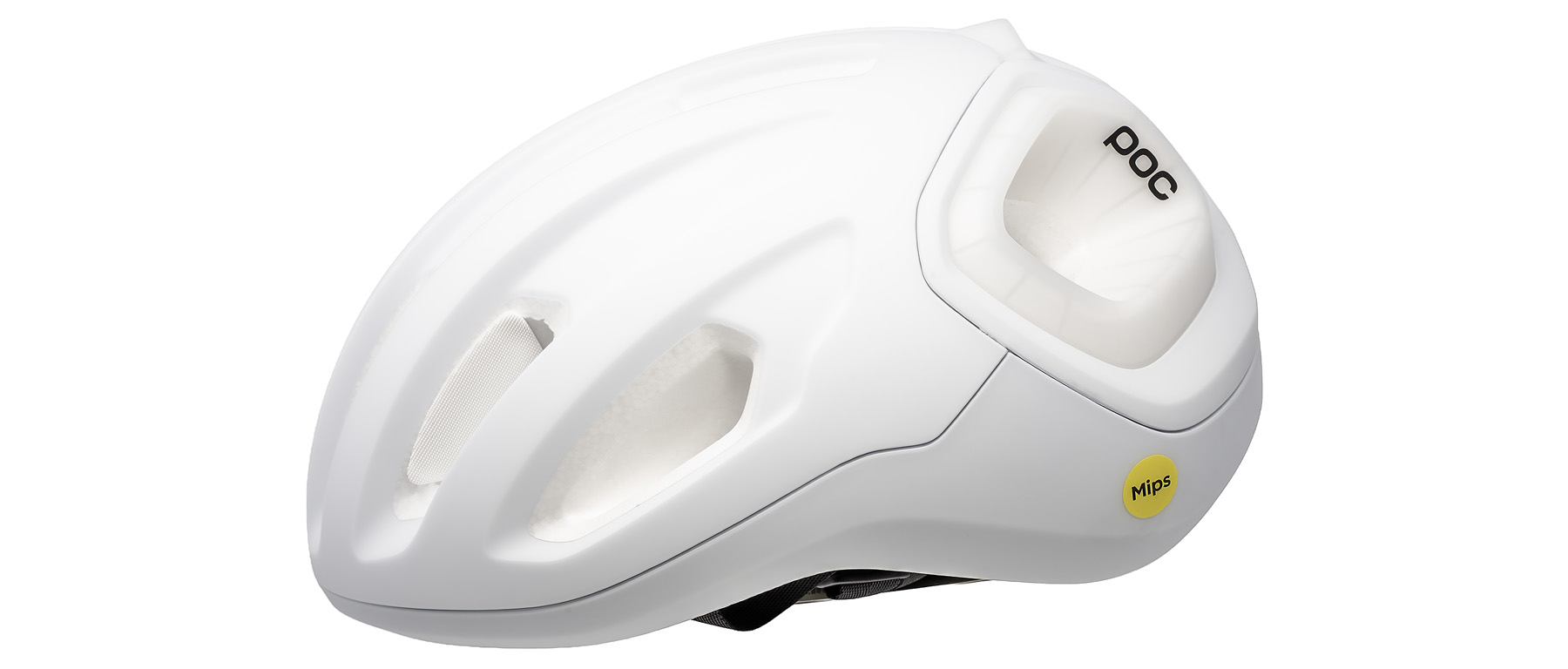
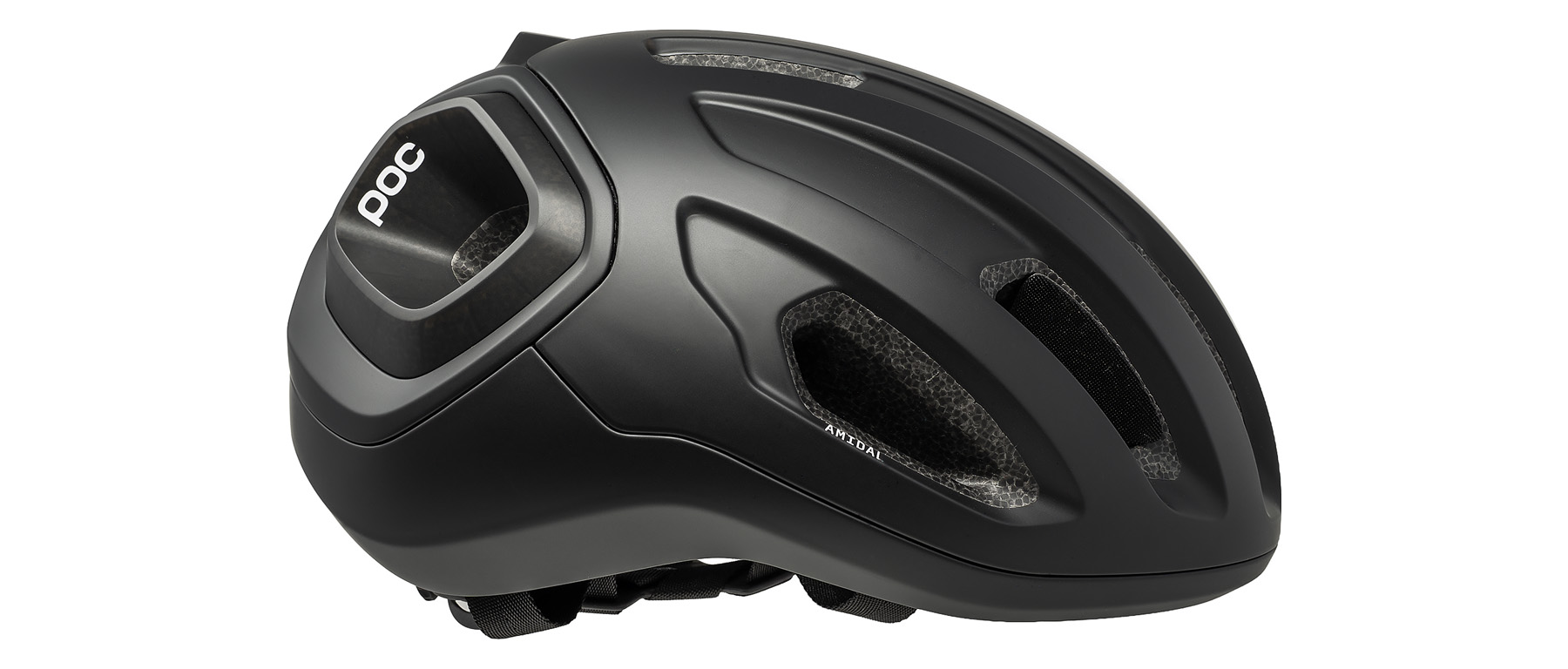
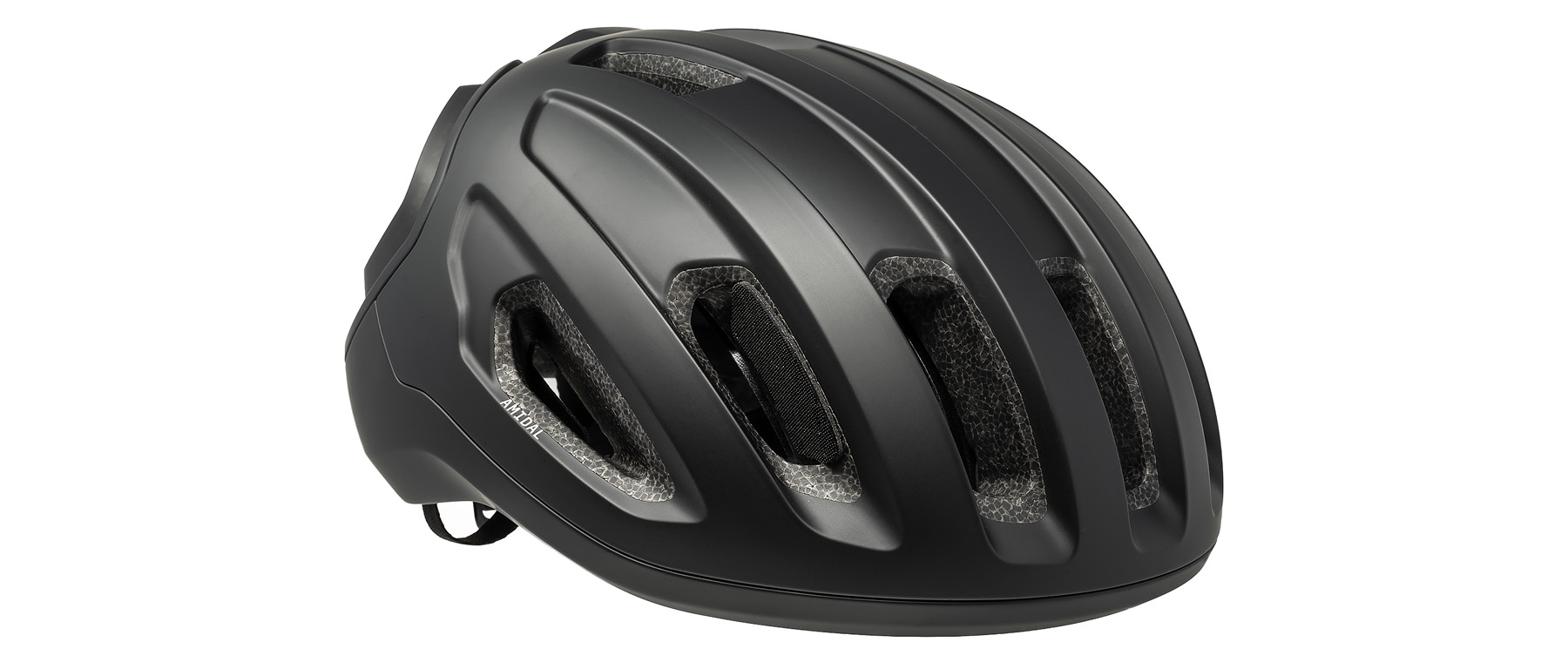
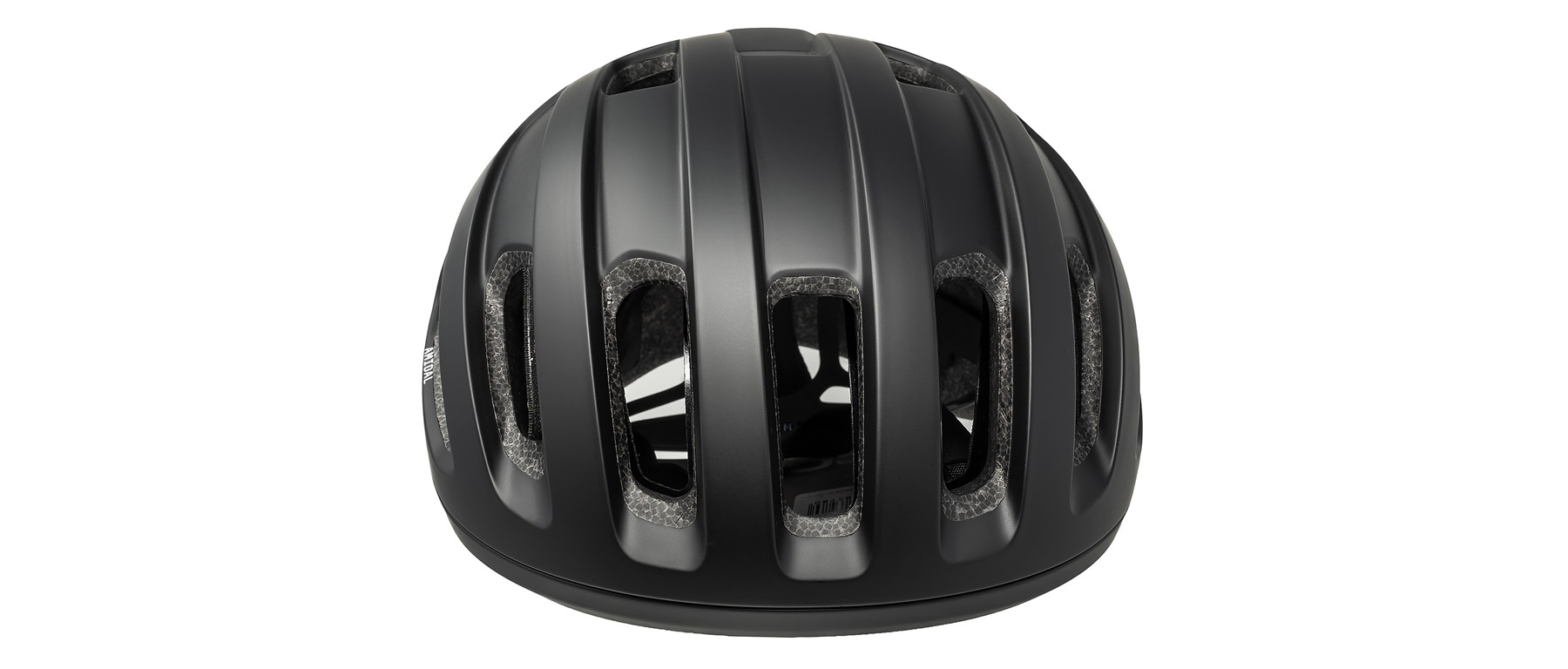
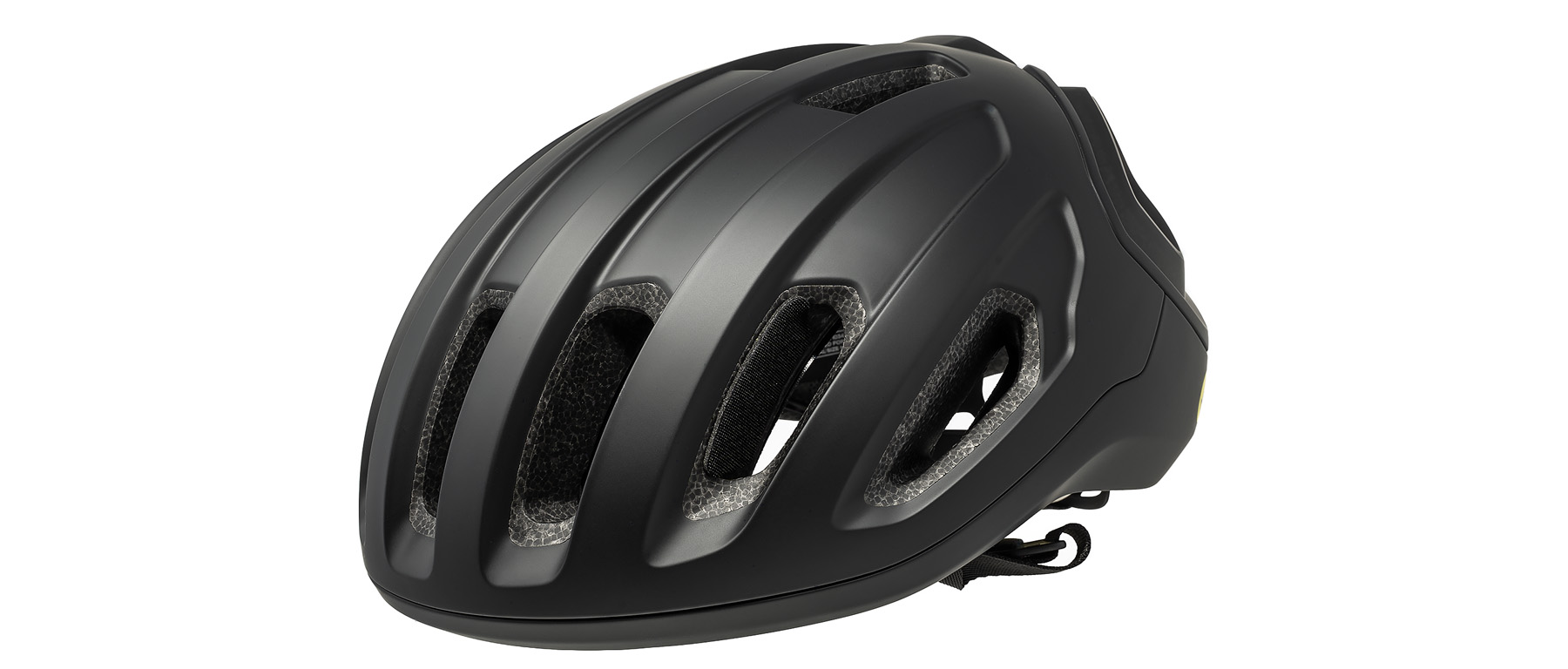
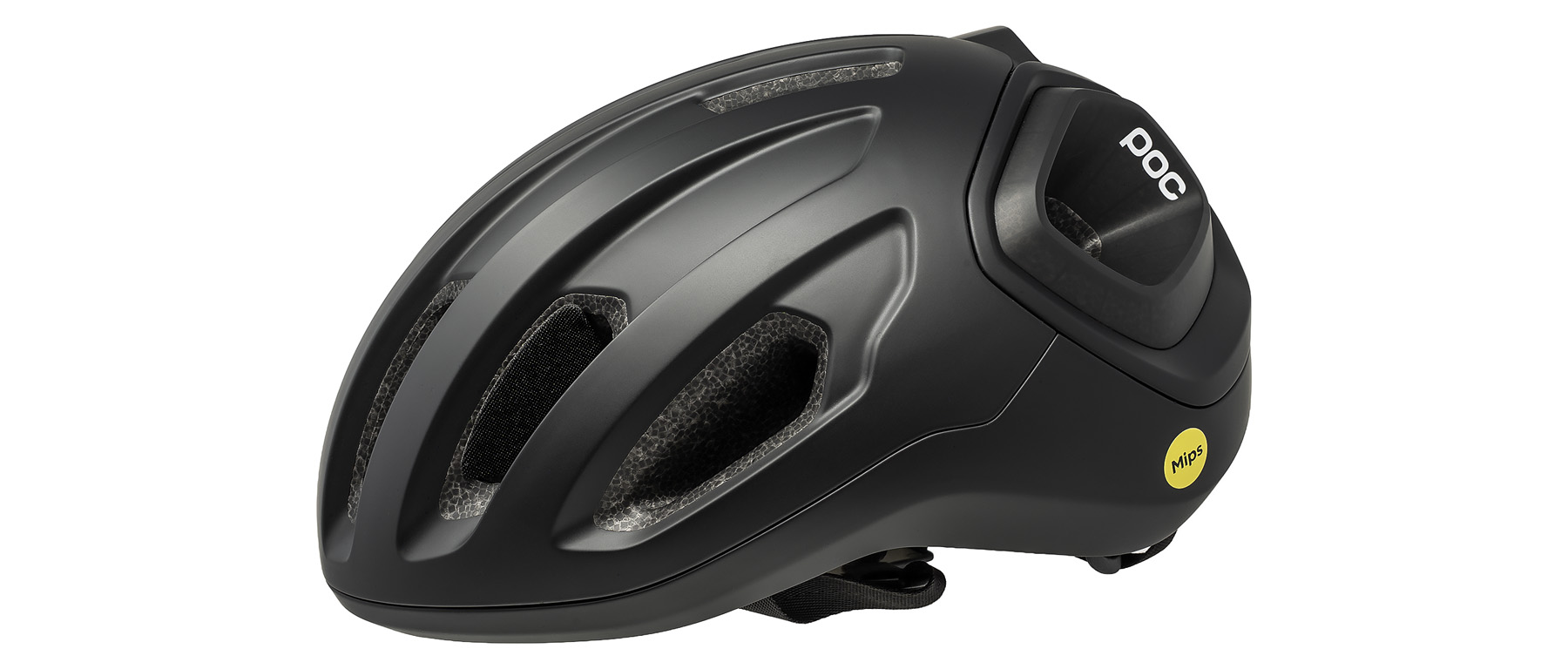
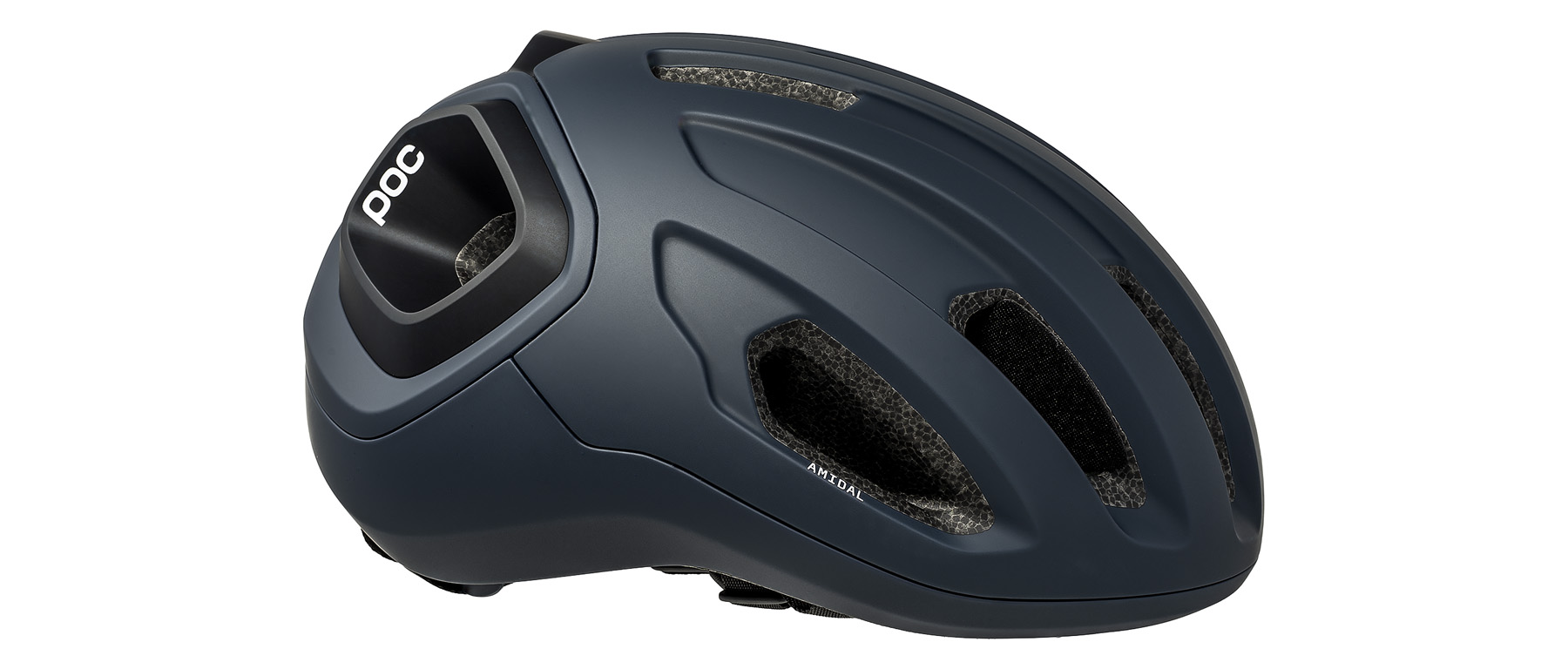
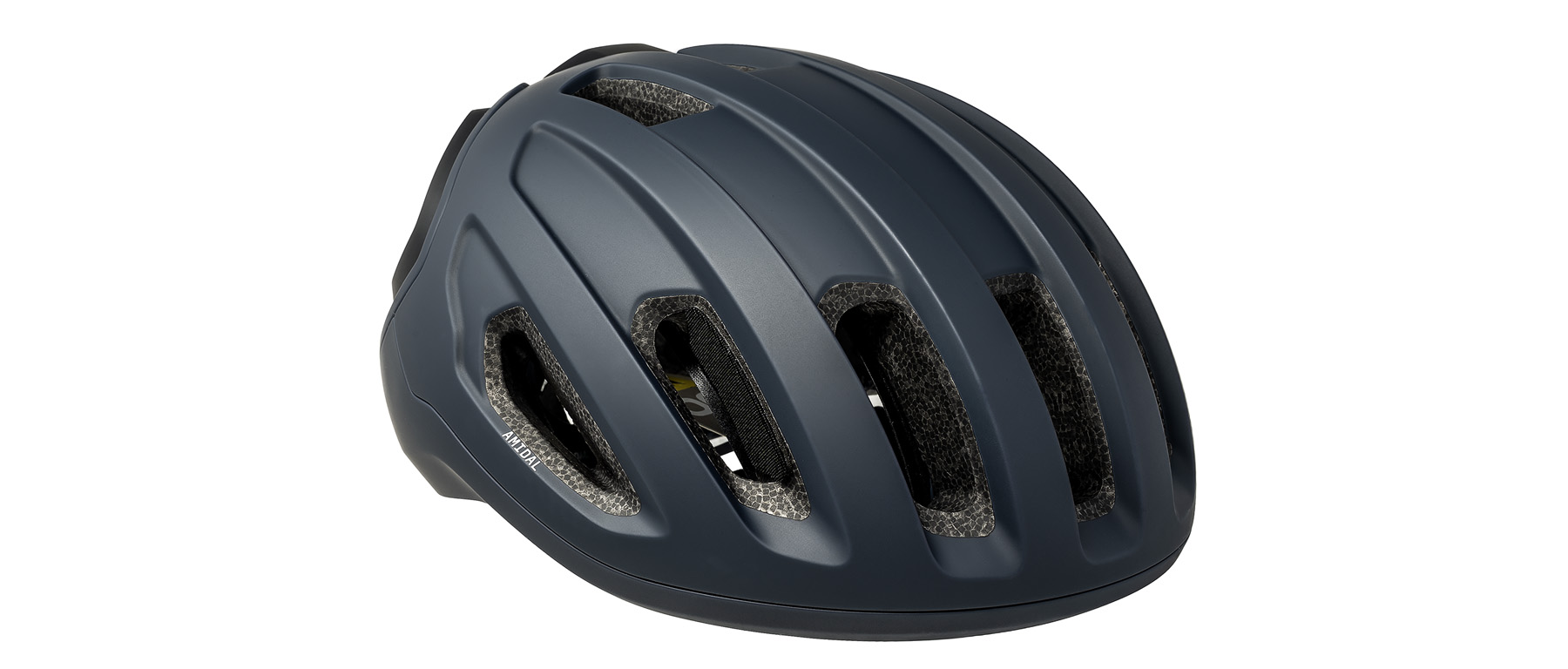
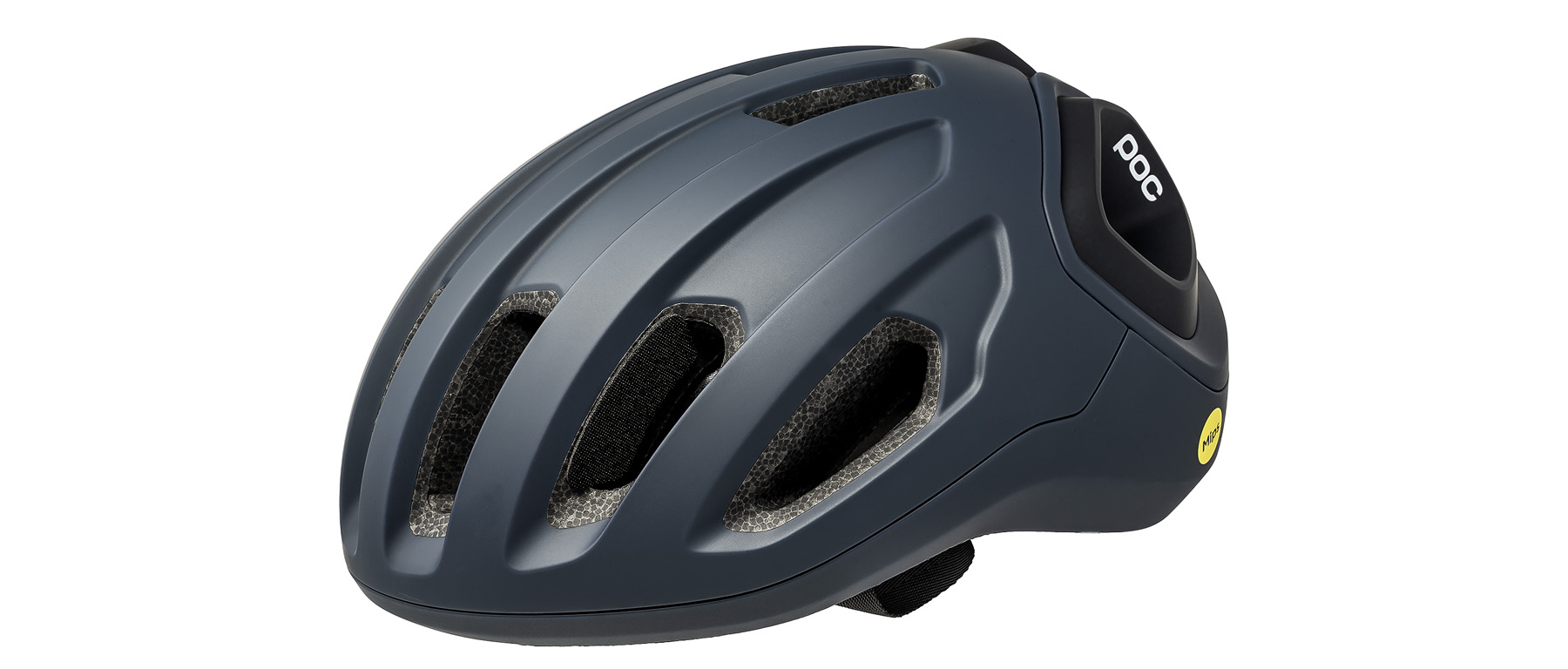
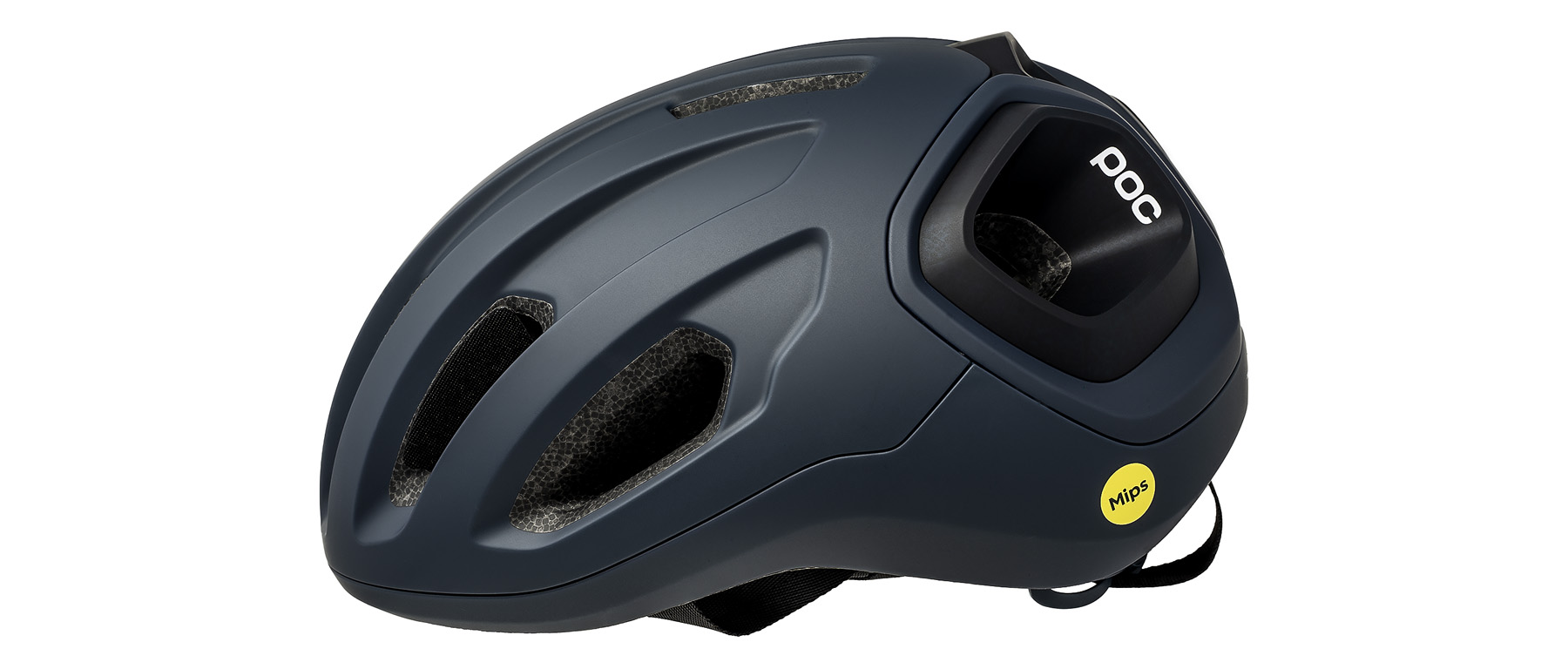
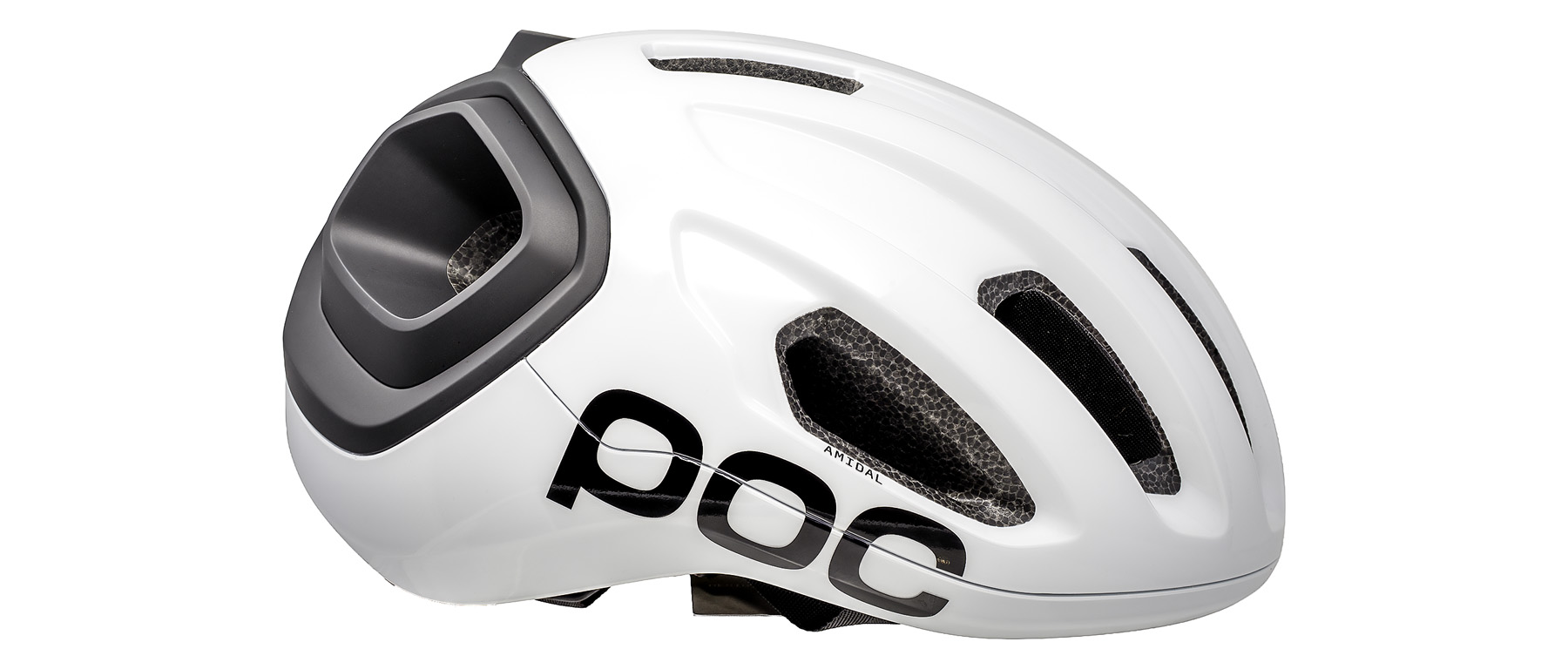
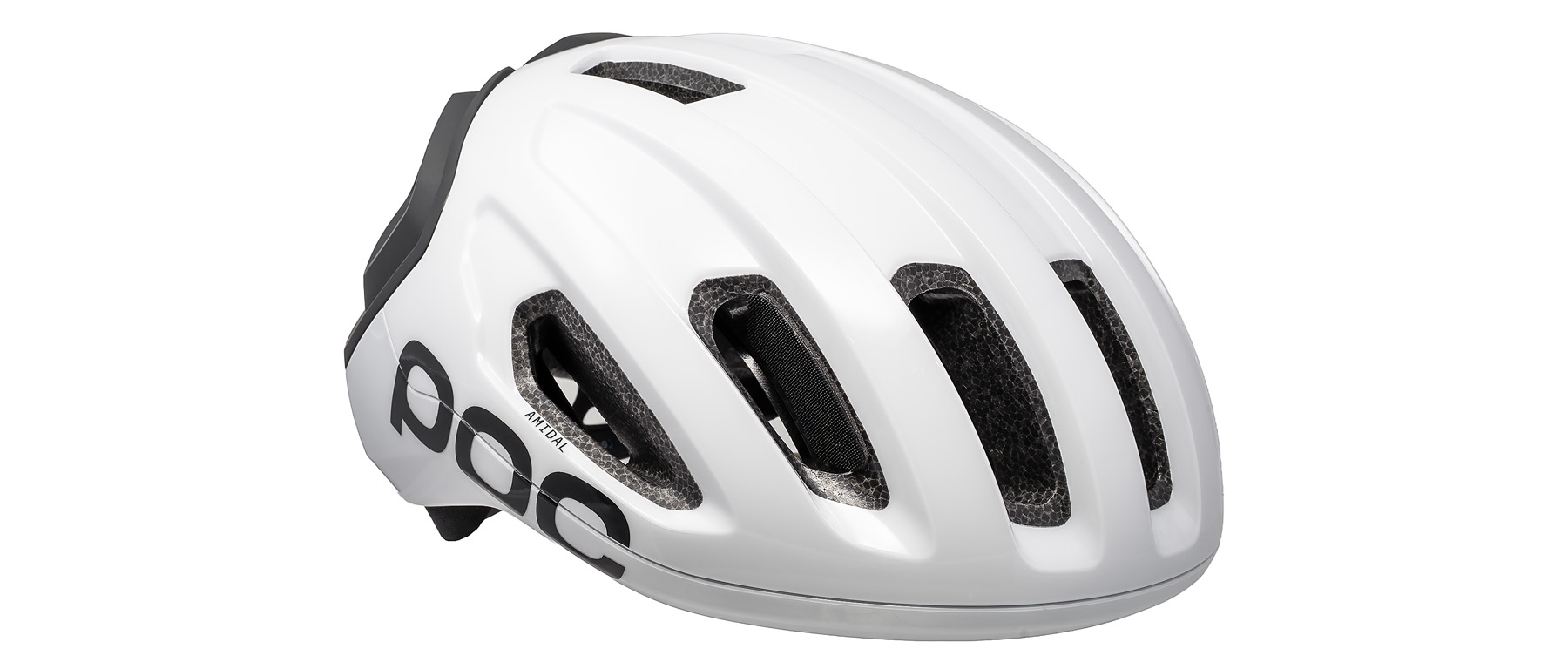
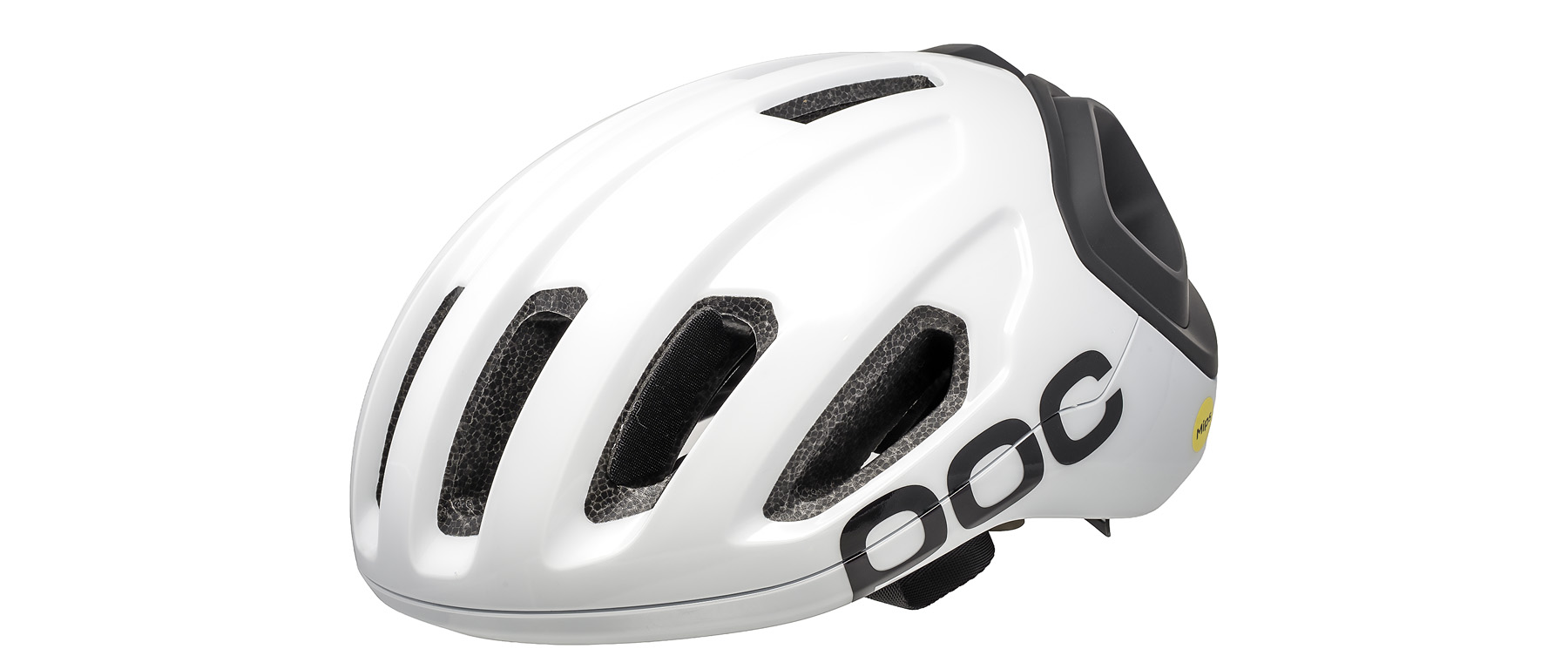
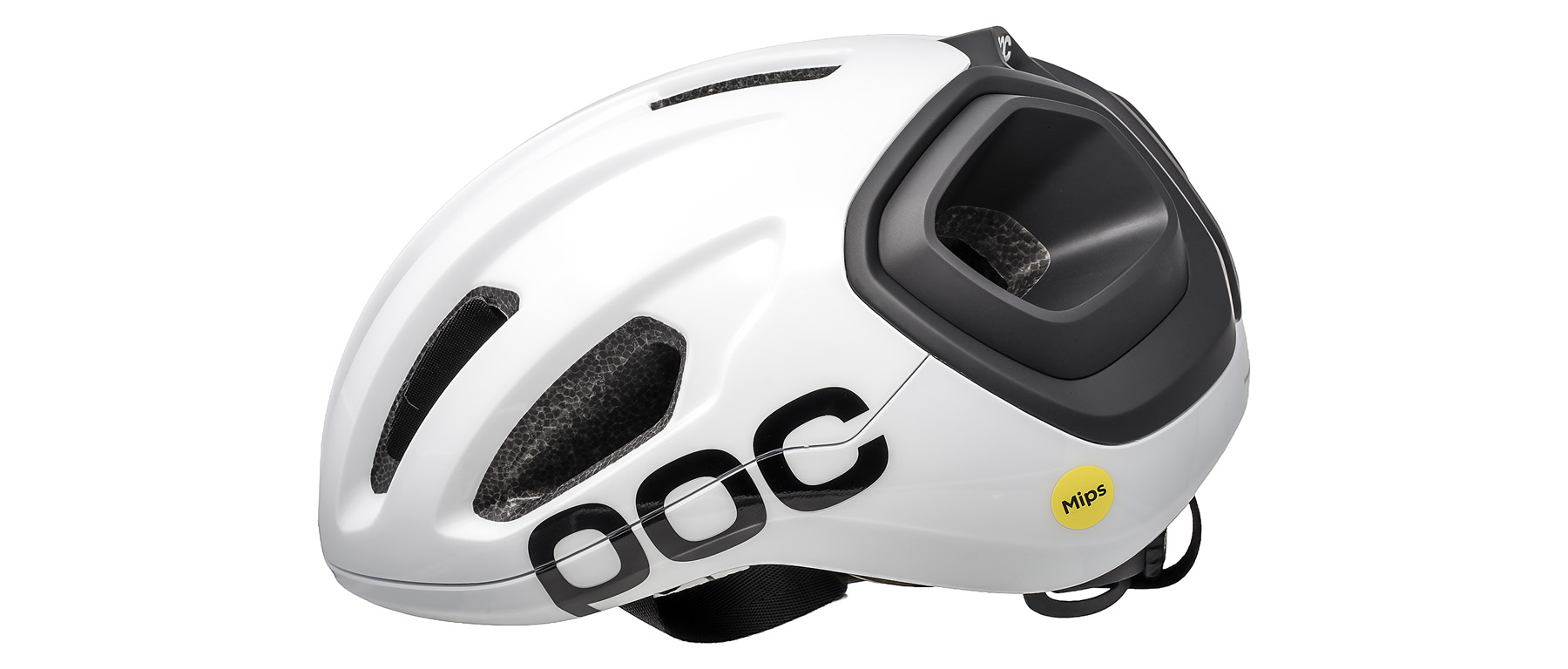
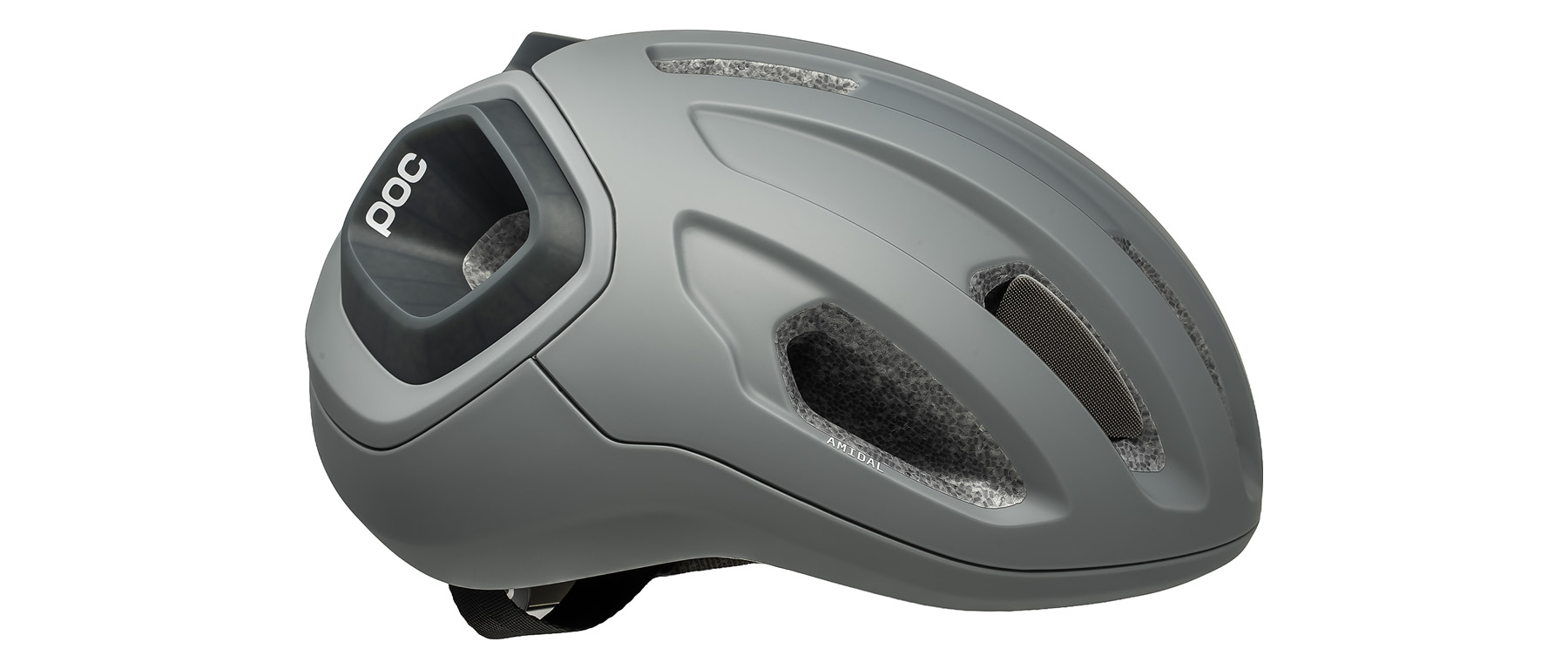
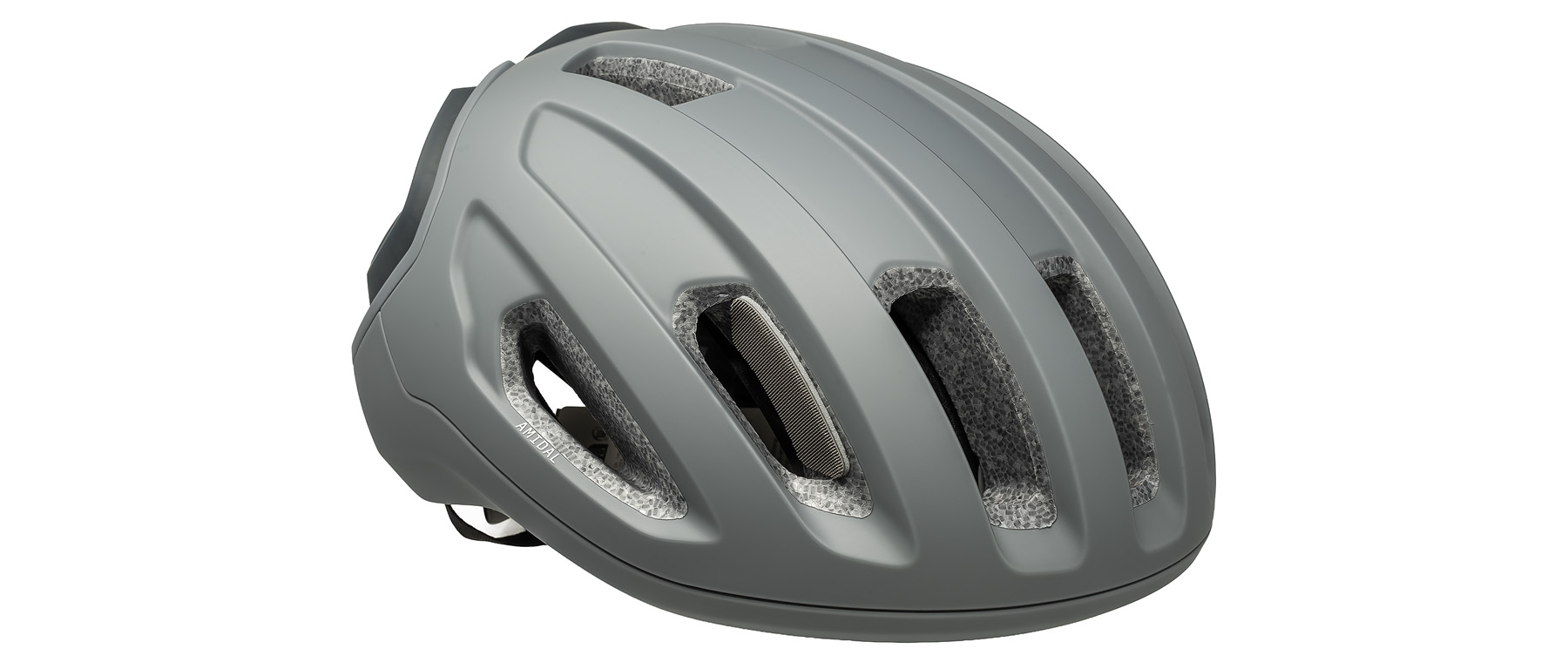
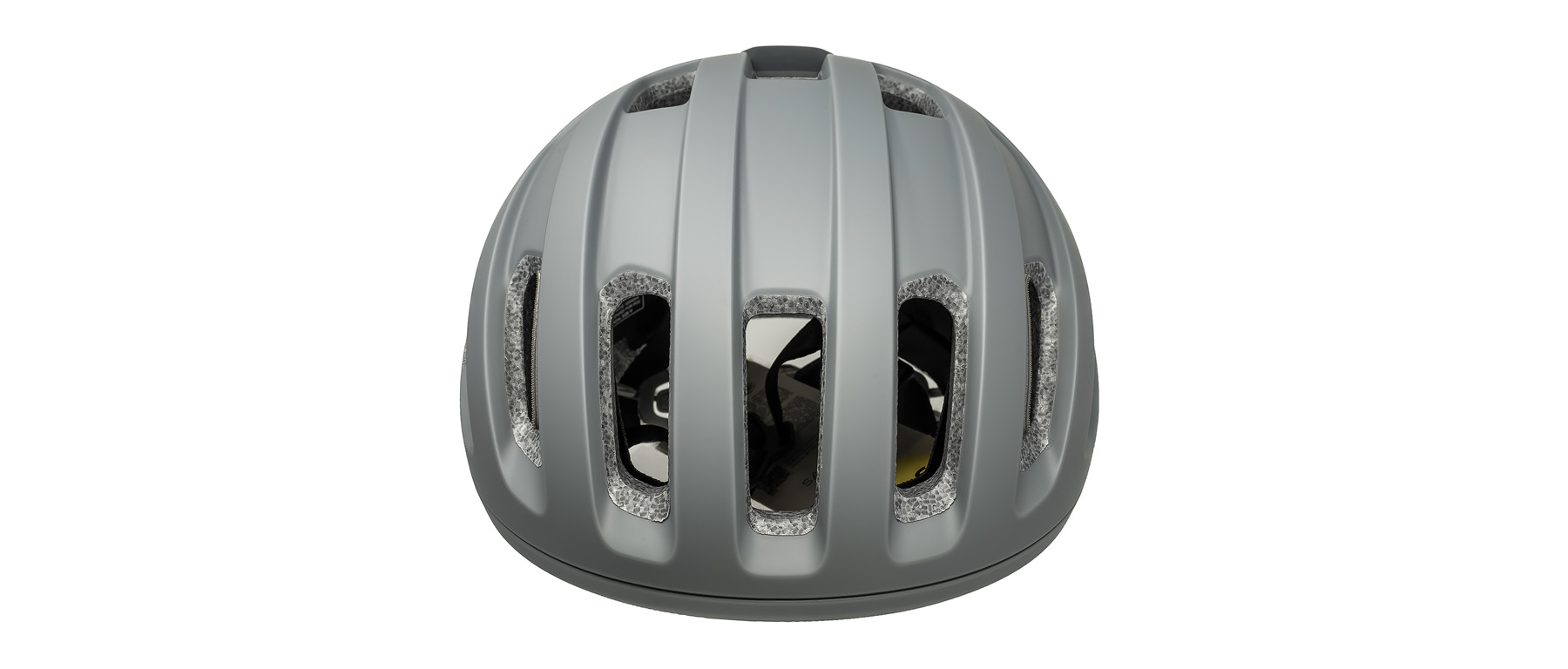
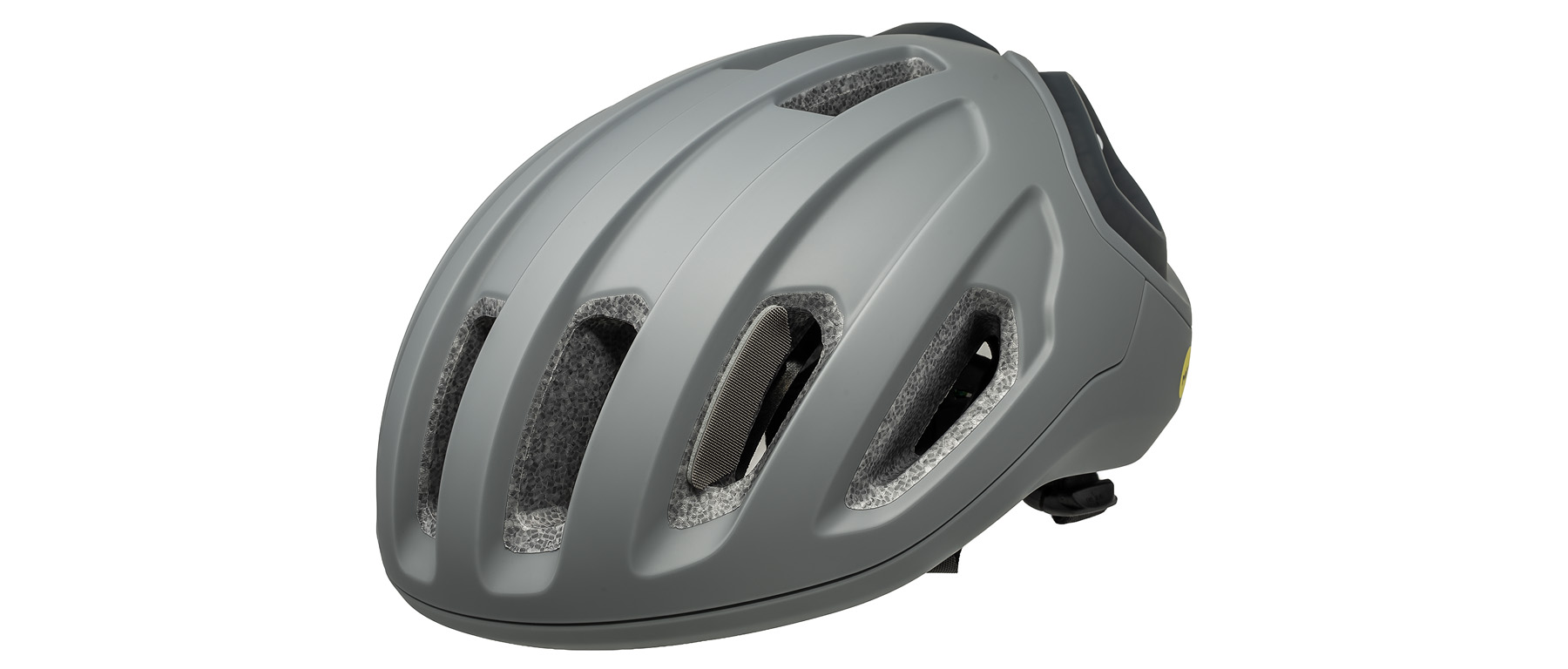
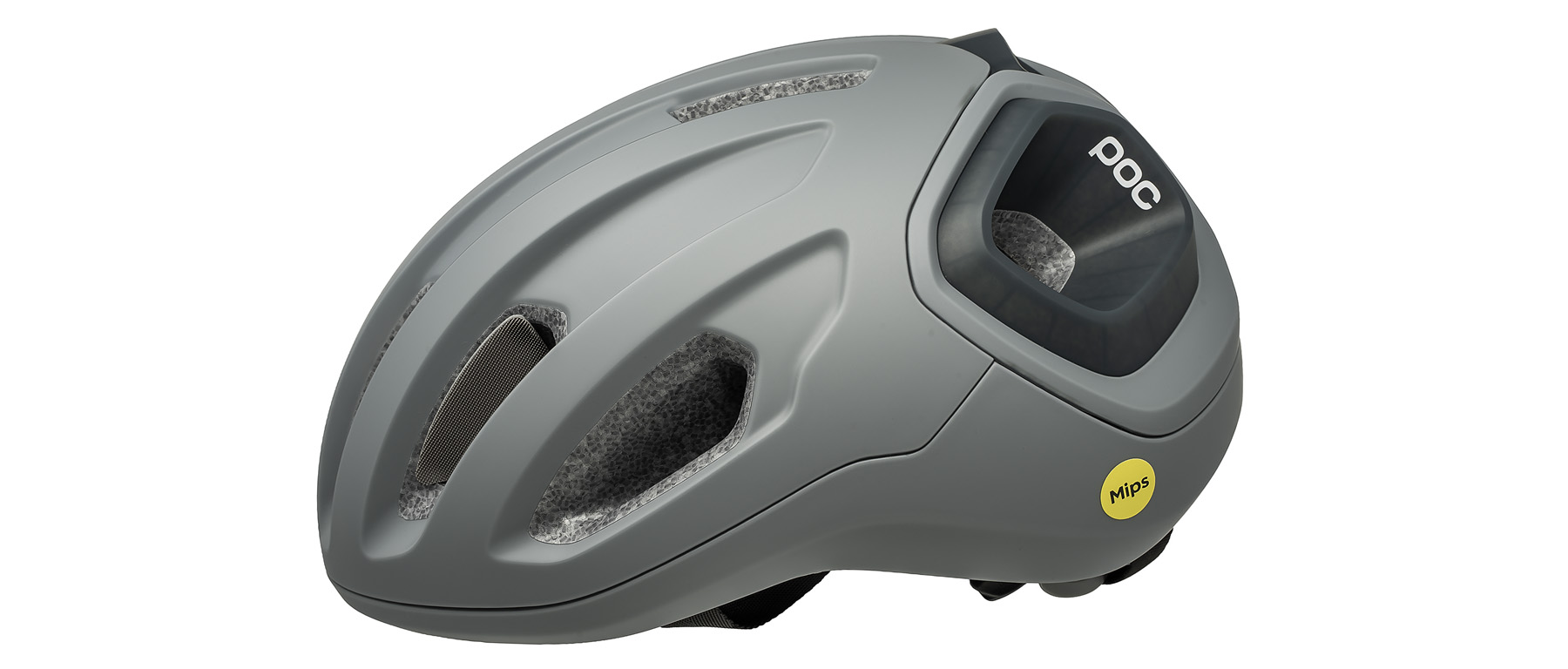
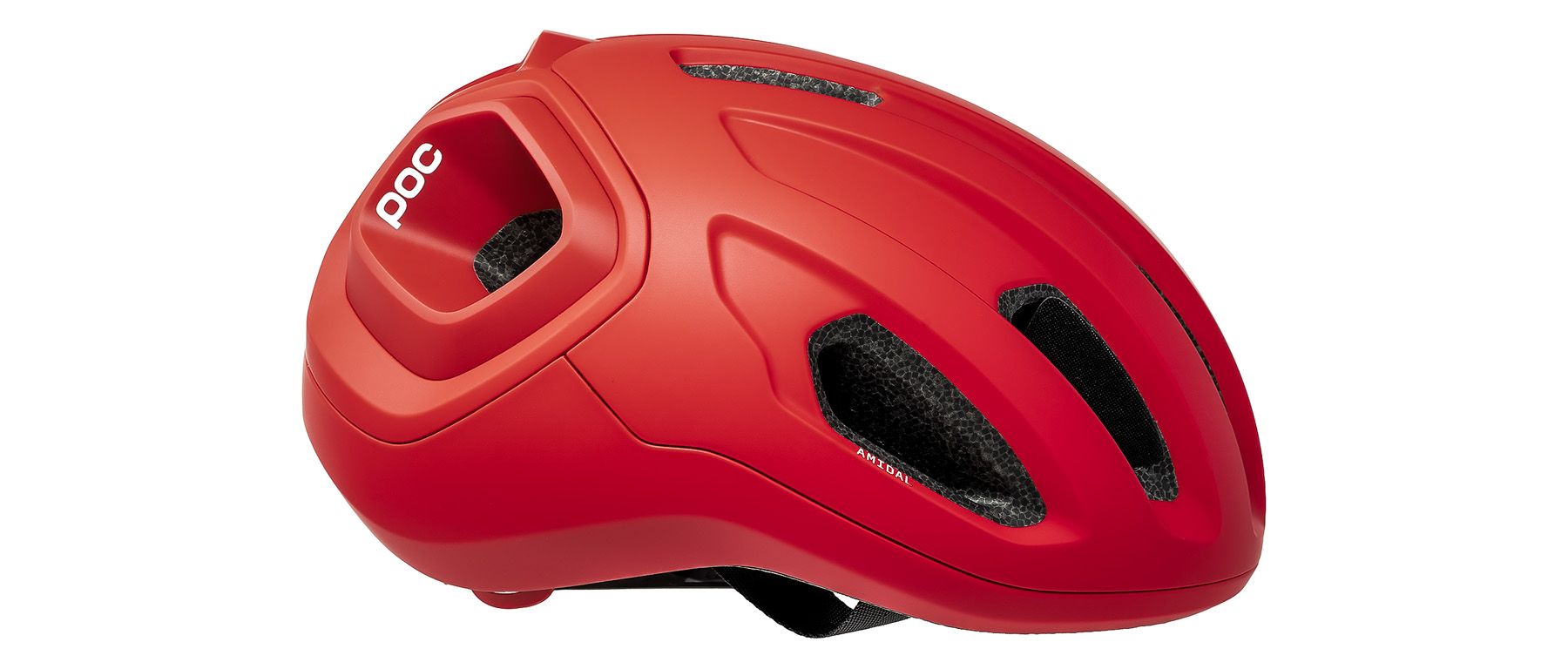
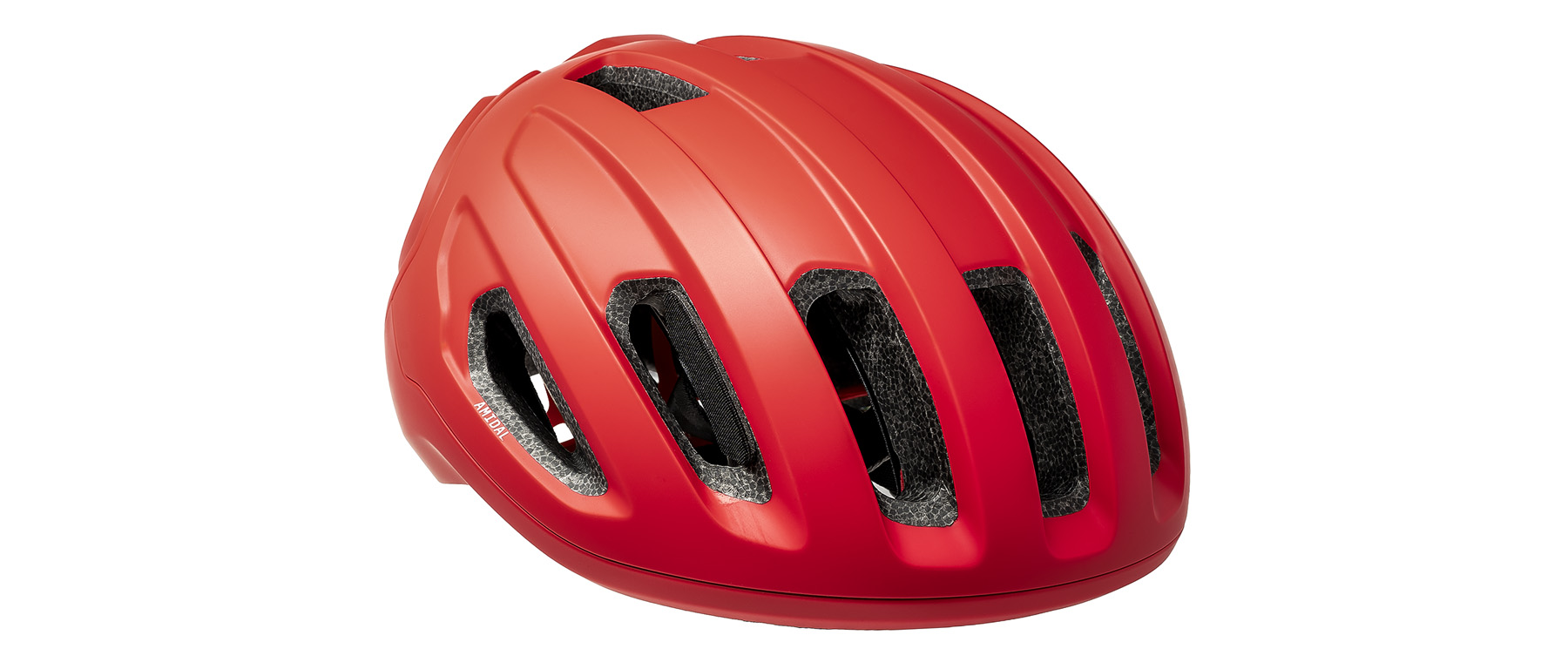
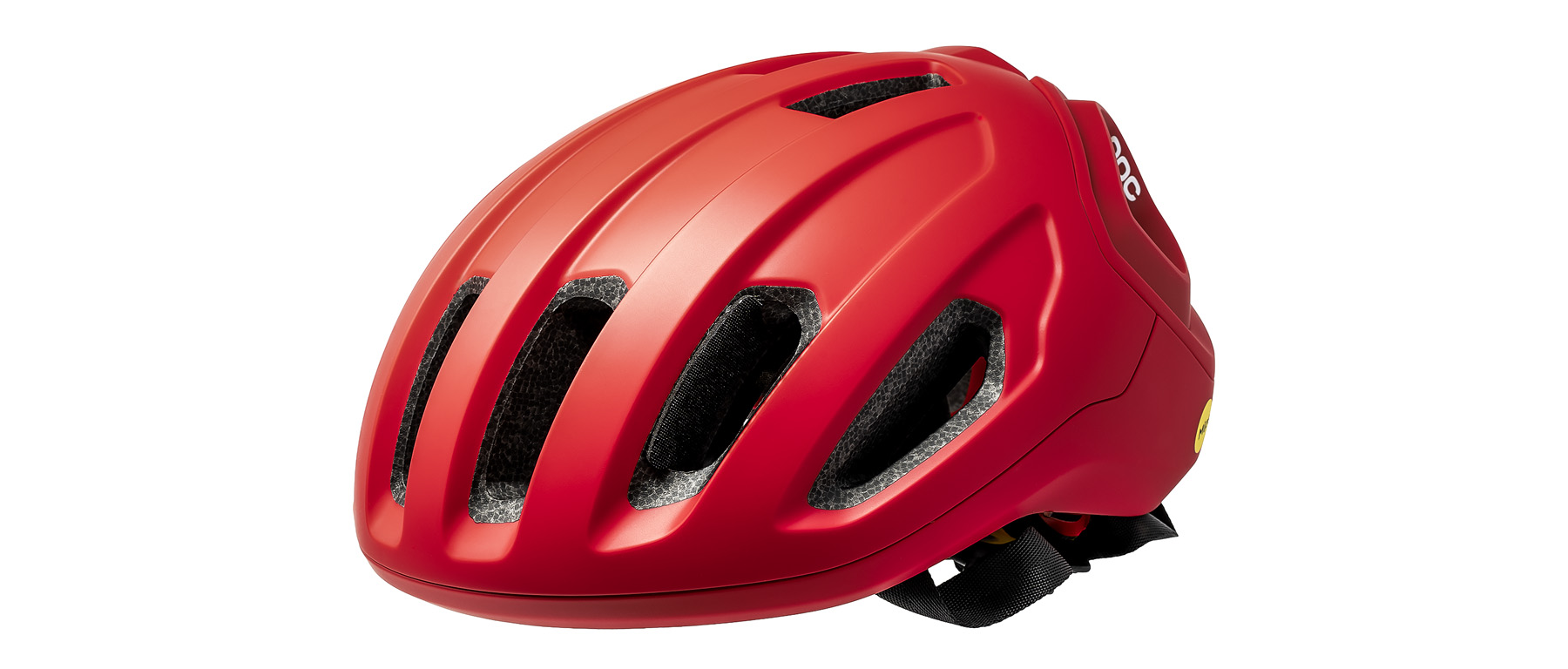
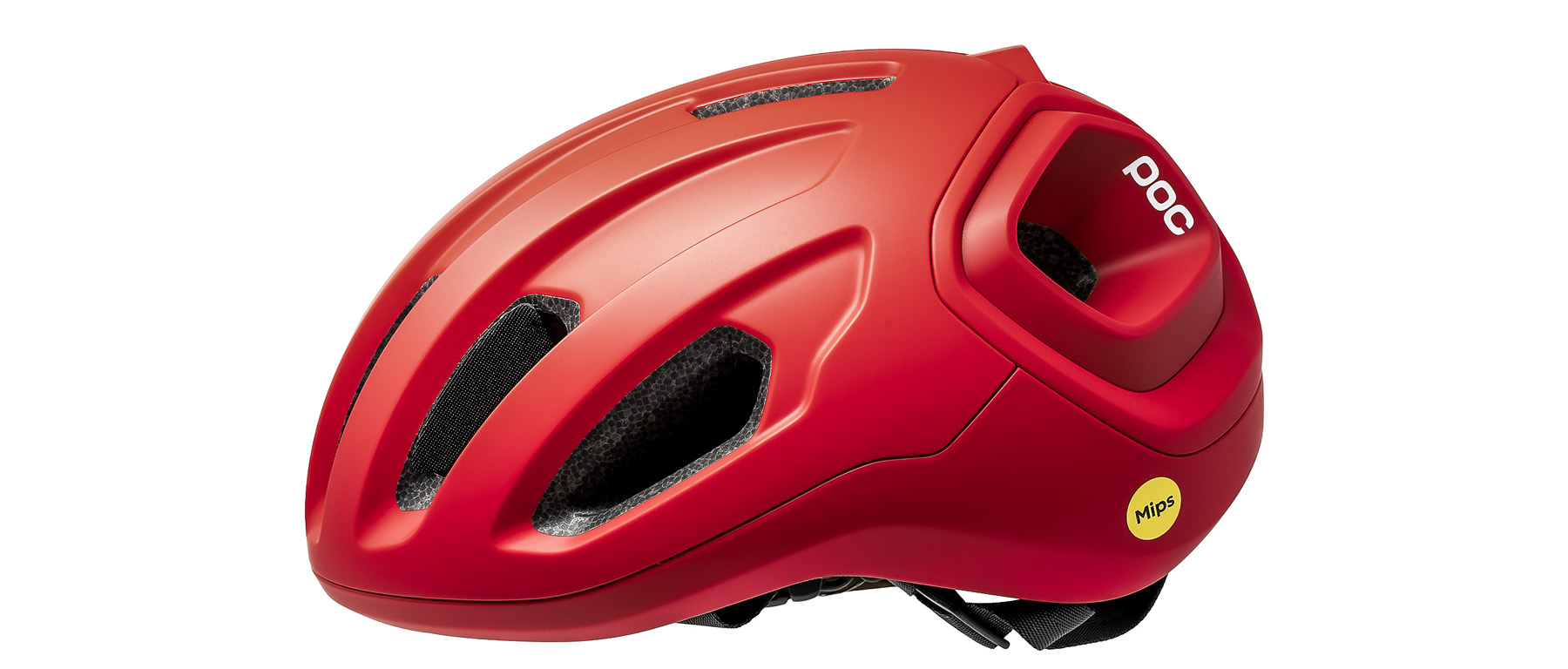
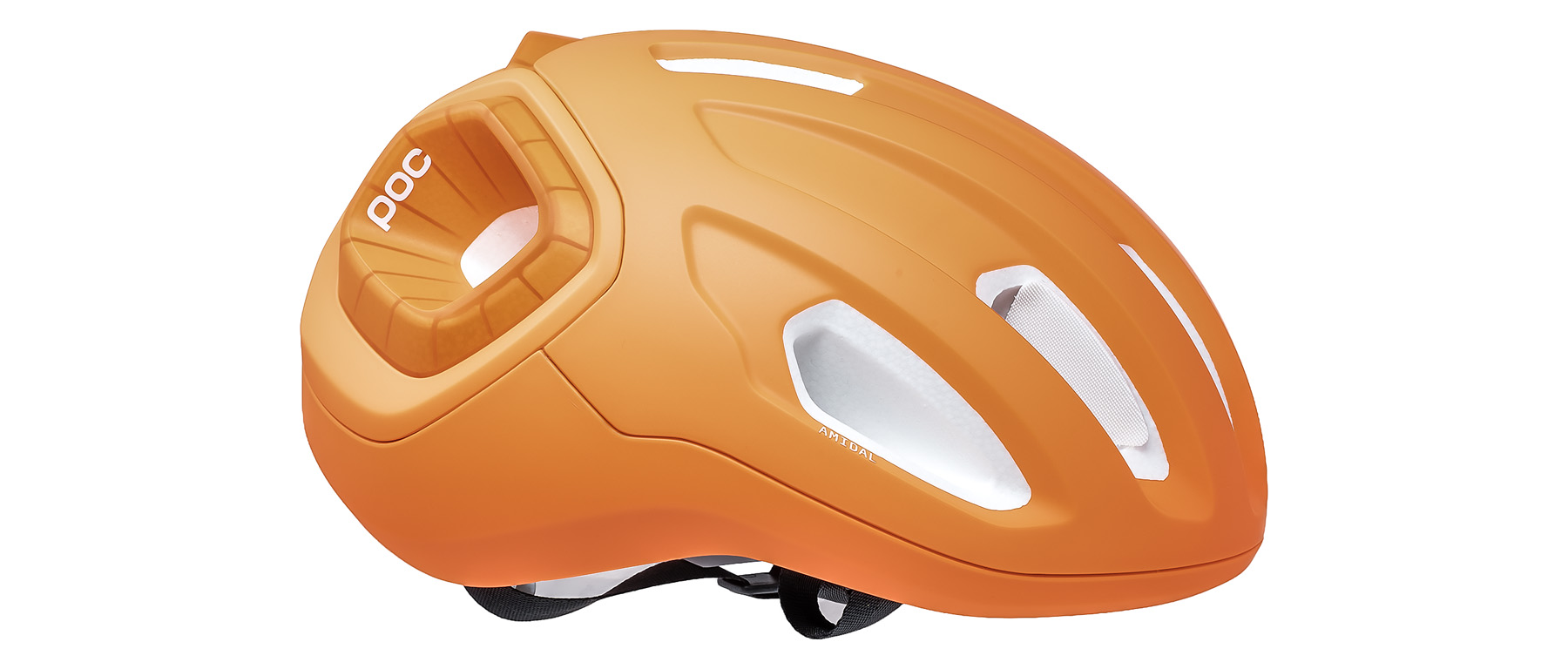
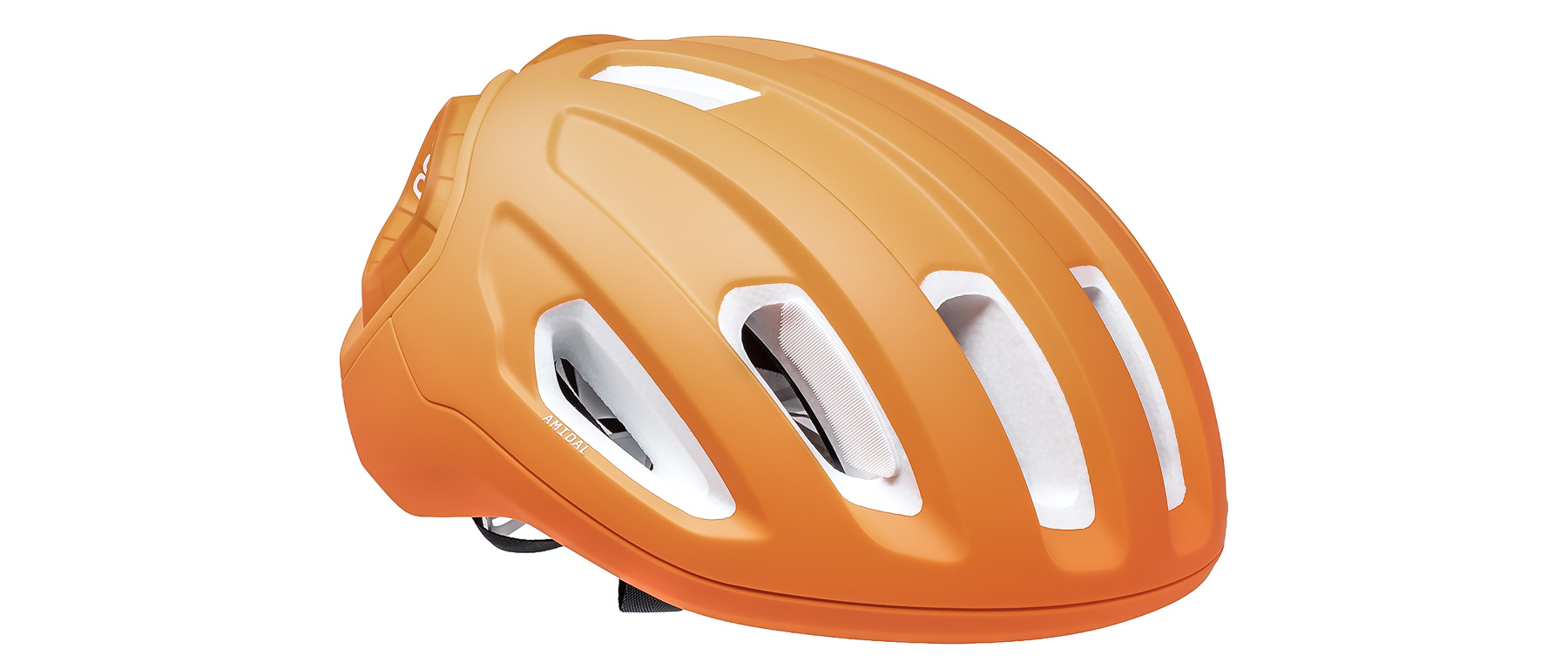
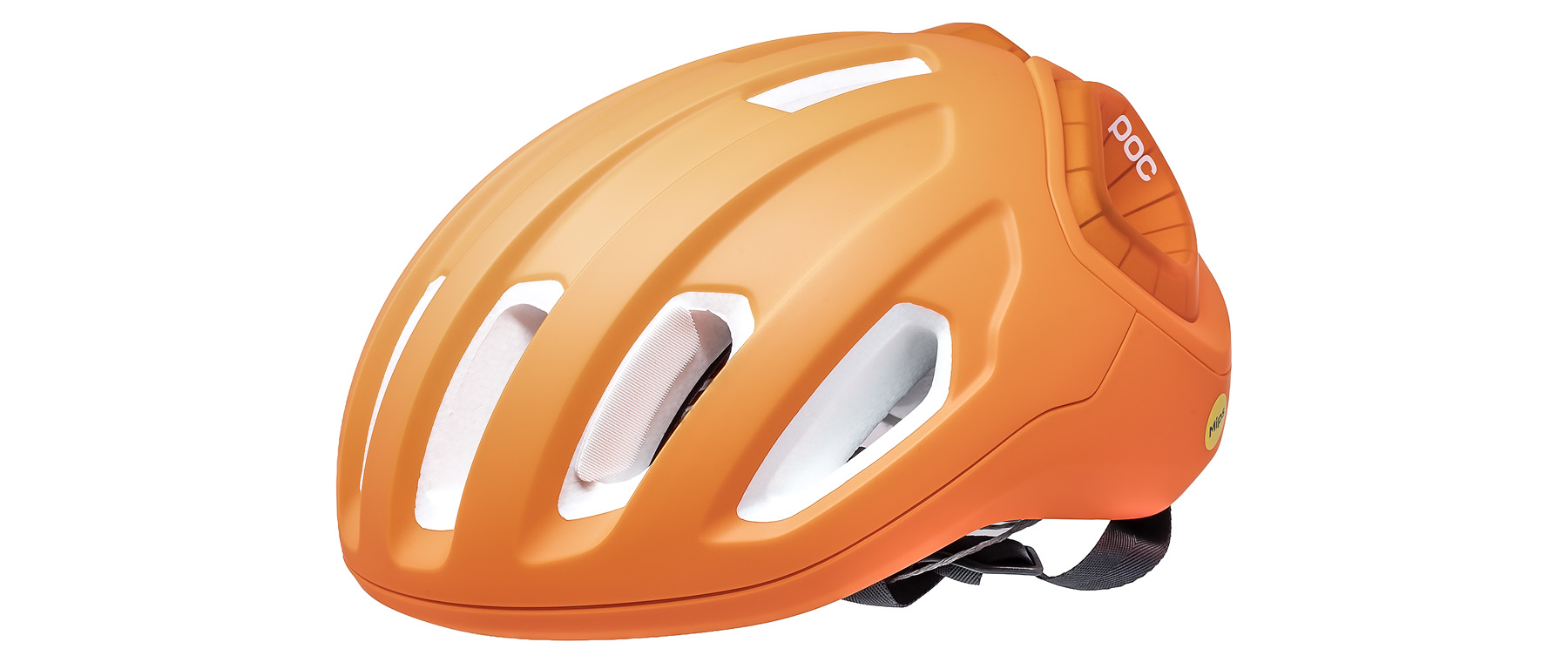
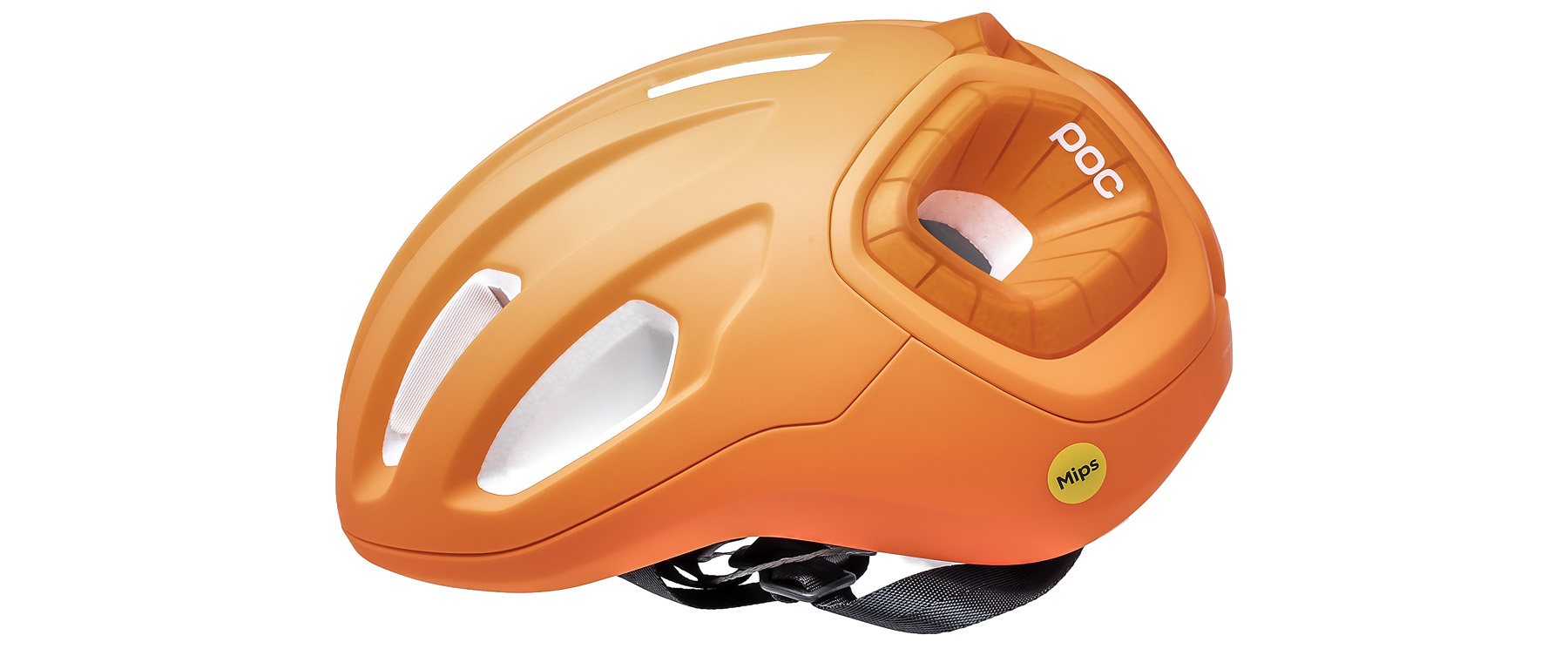
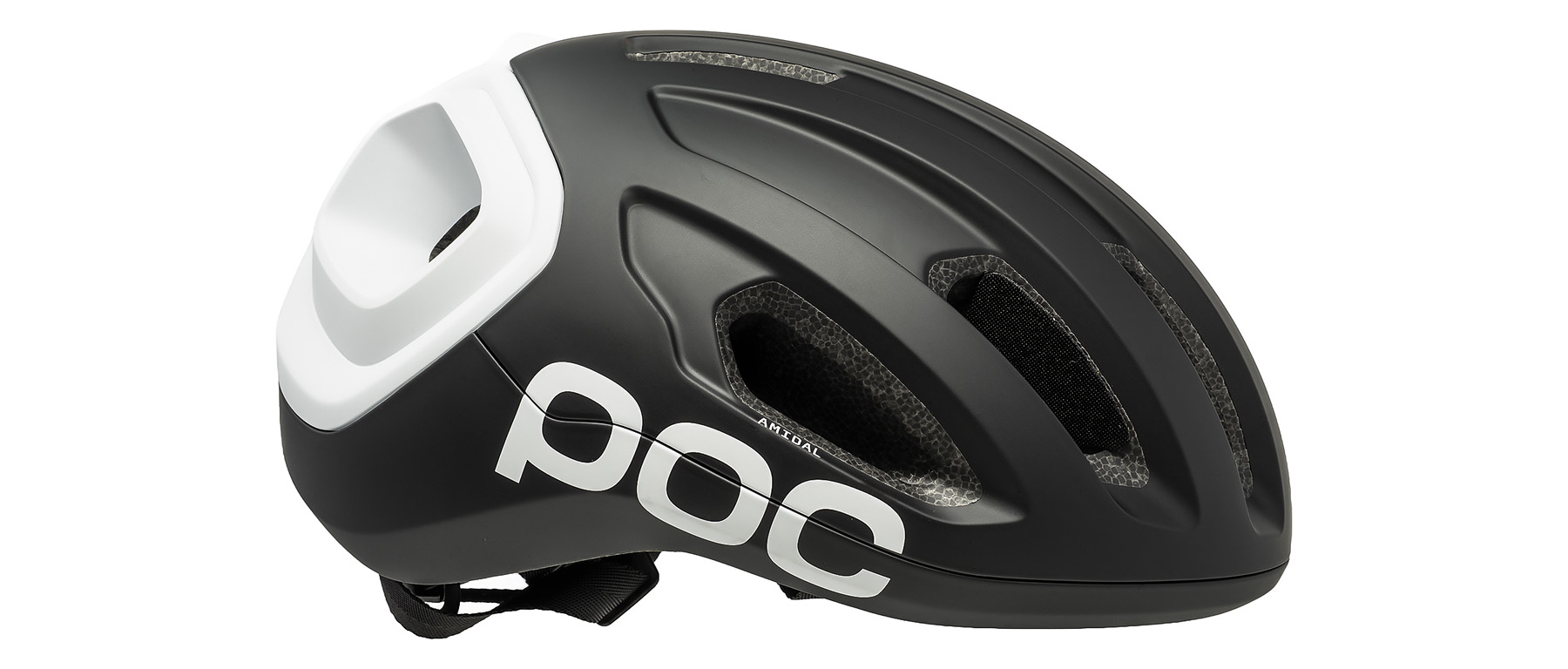
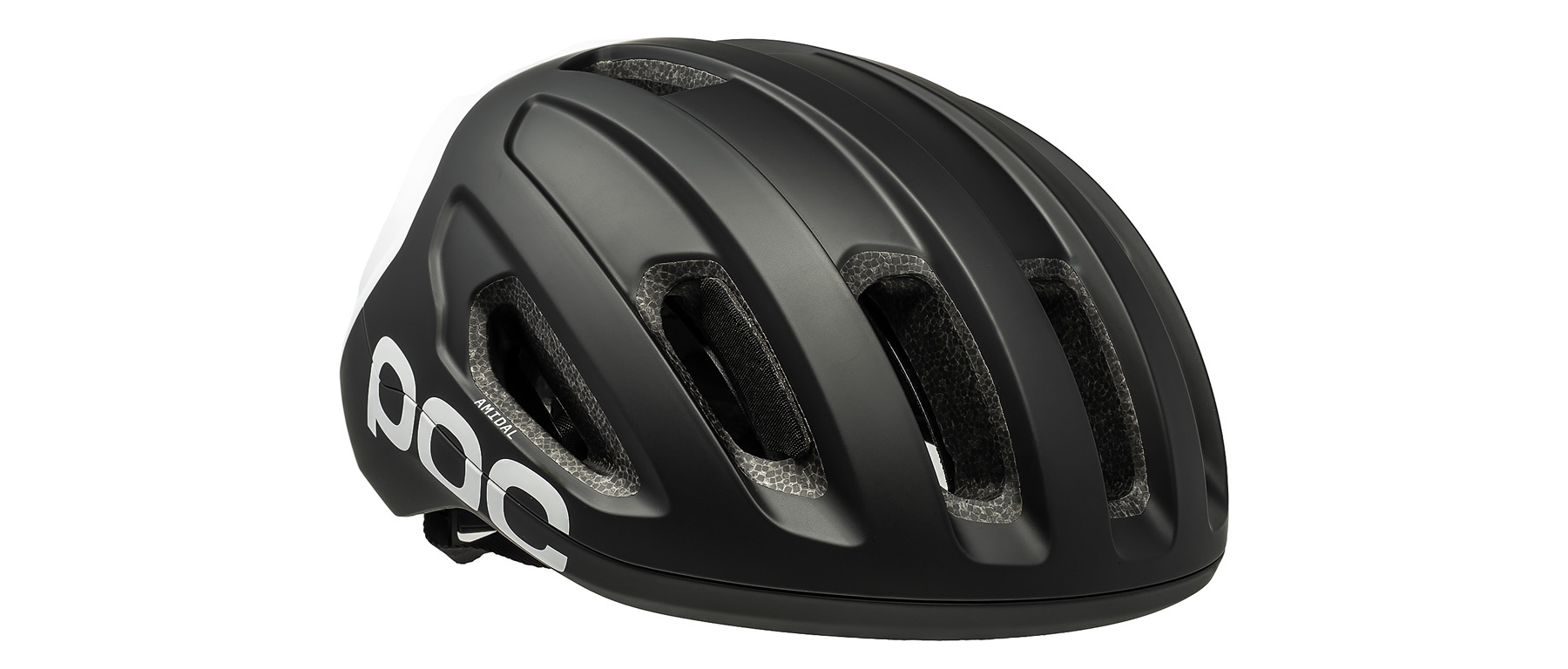
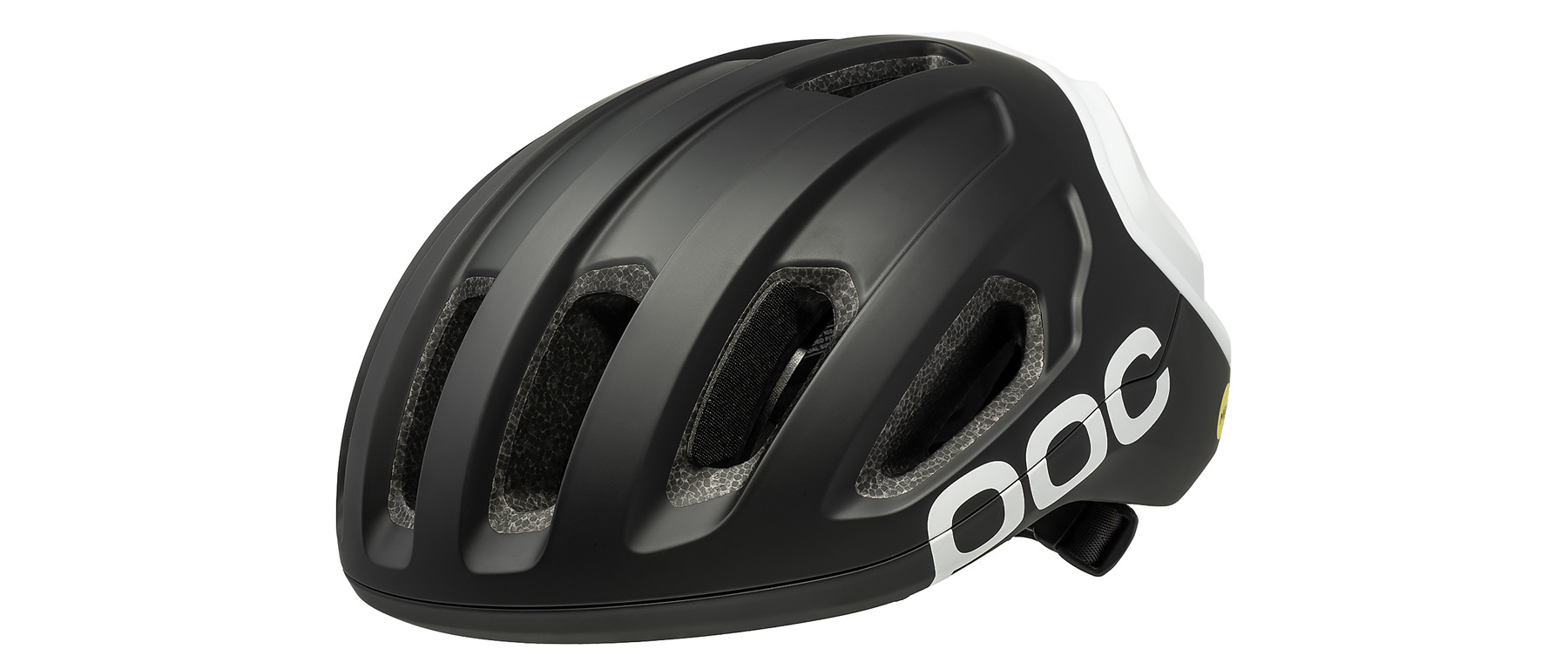
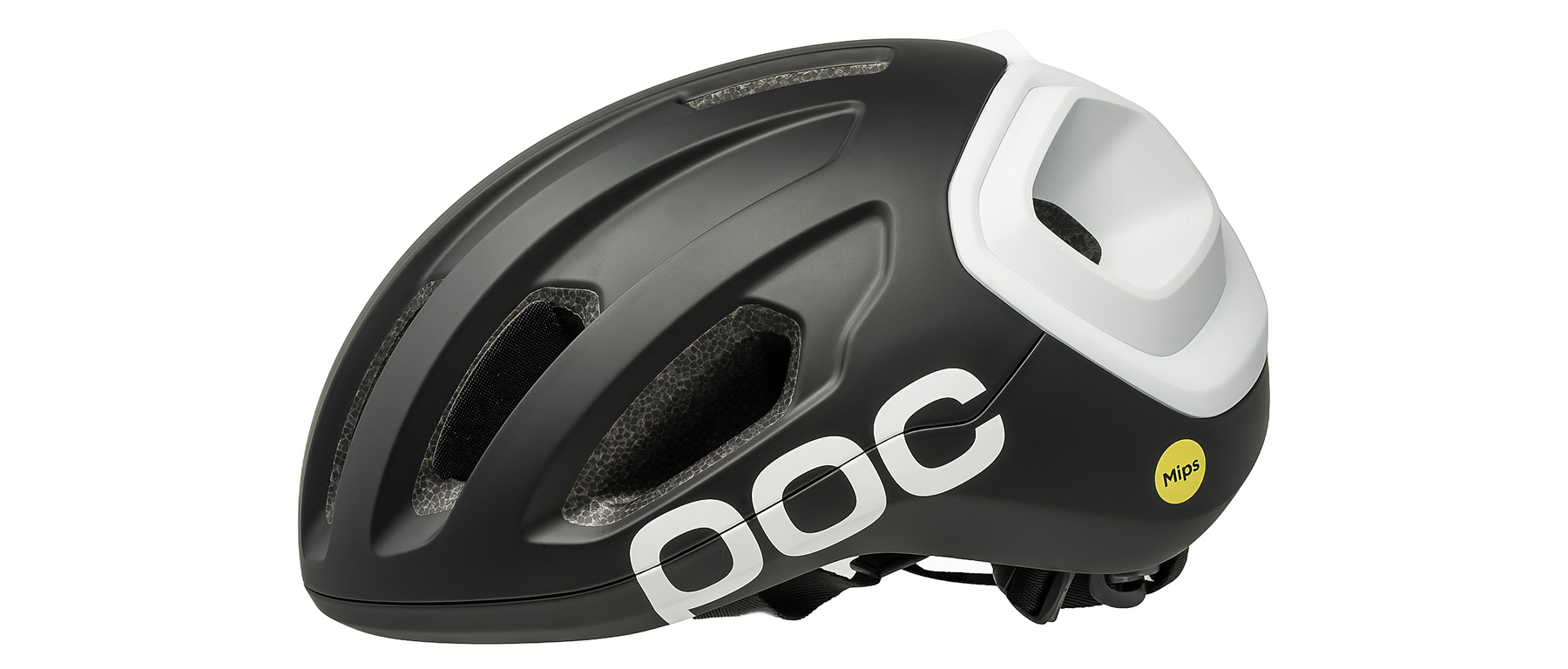
Scaled-down helmet silhouettes are a direct response to a common complaint about road lids: that pronounced, bulky shell shape that makes your head look two sizes bigger than it is. POC's Amidal tackles this with a compact, close-to-head profile that sits noticeably tighter than their flagship Cytal and Procen models. The aerodynamic shaping went through CFD testing to refine airflow through the vents, so the trimmed-down form factor still moves air where it counts rather than just looking sleek at the expense of cooling.
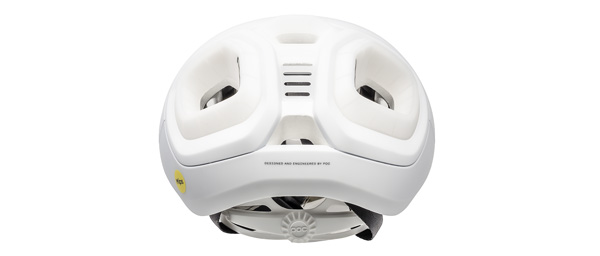
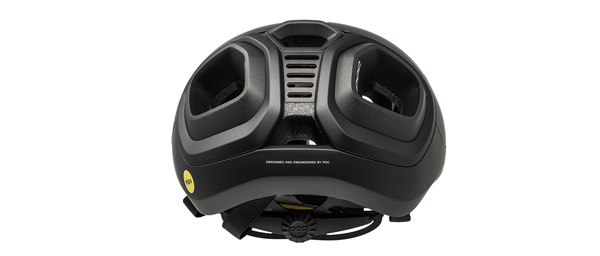
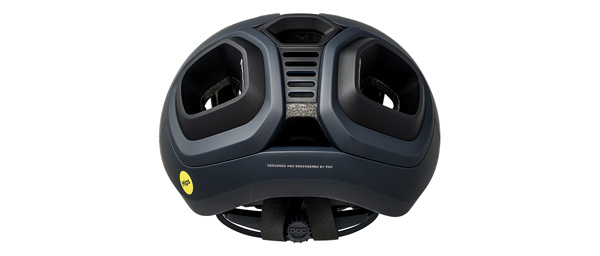
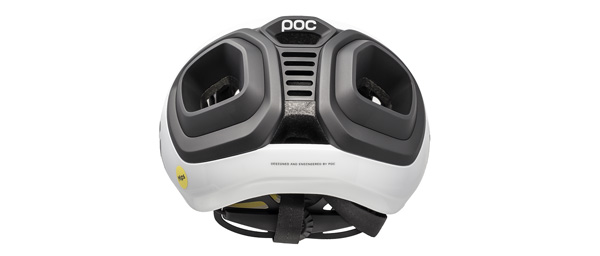
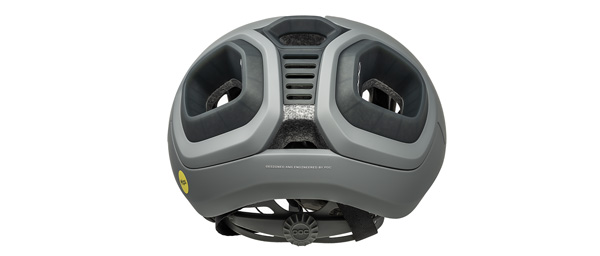
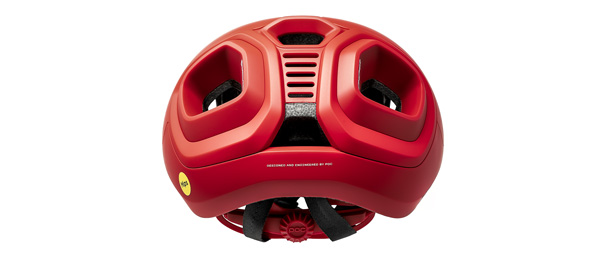
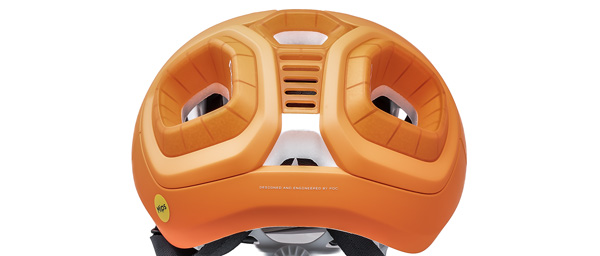
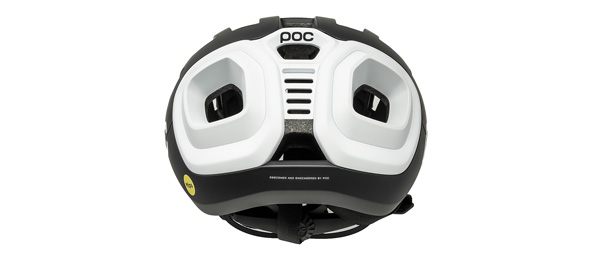
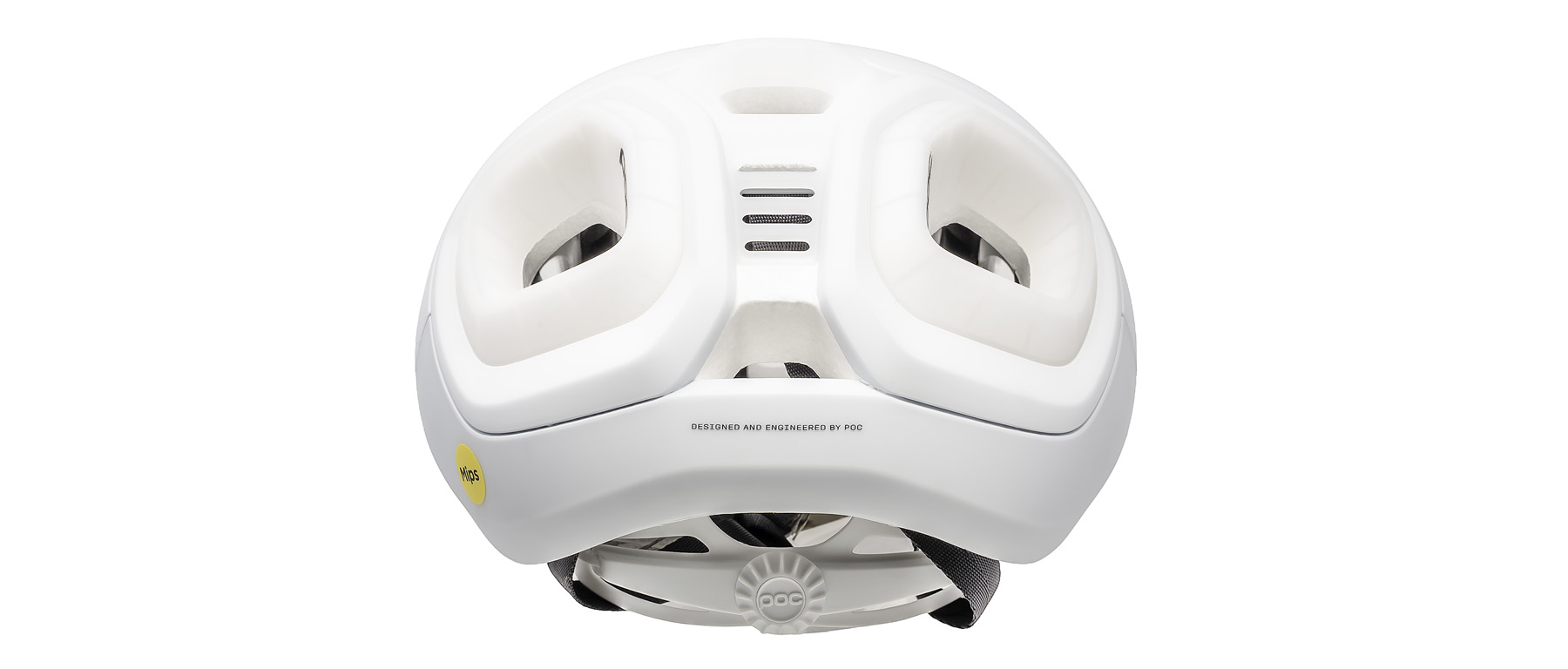
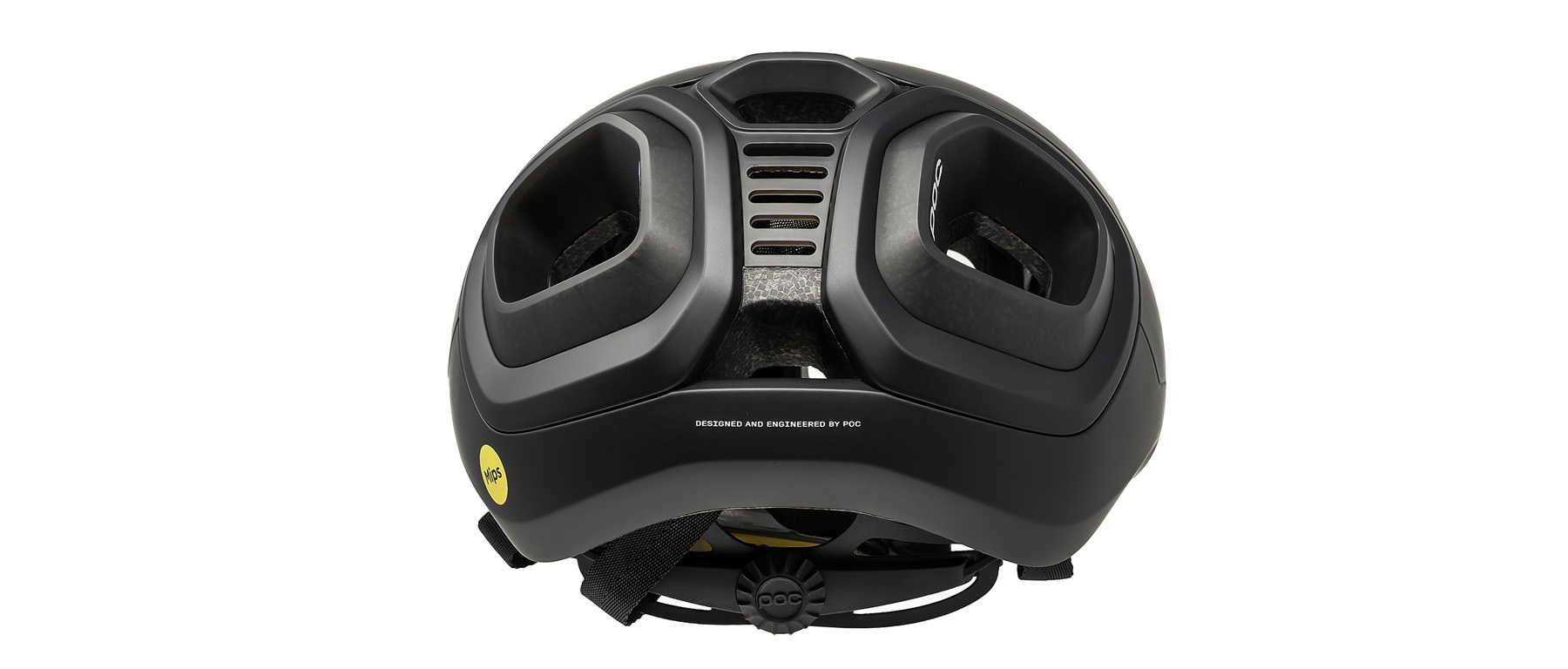
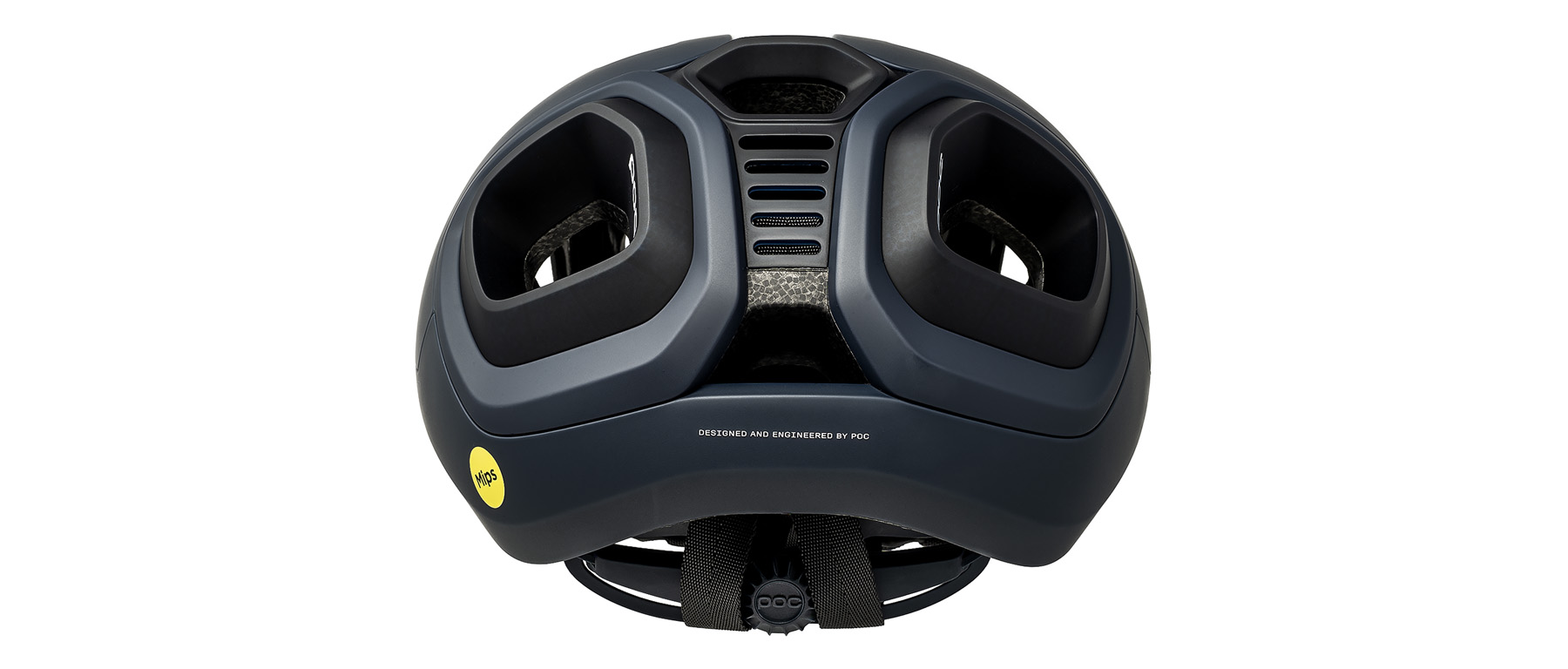
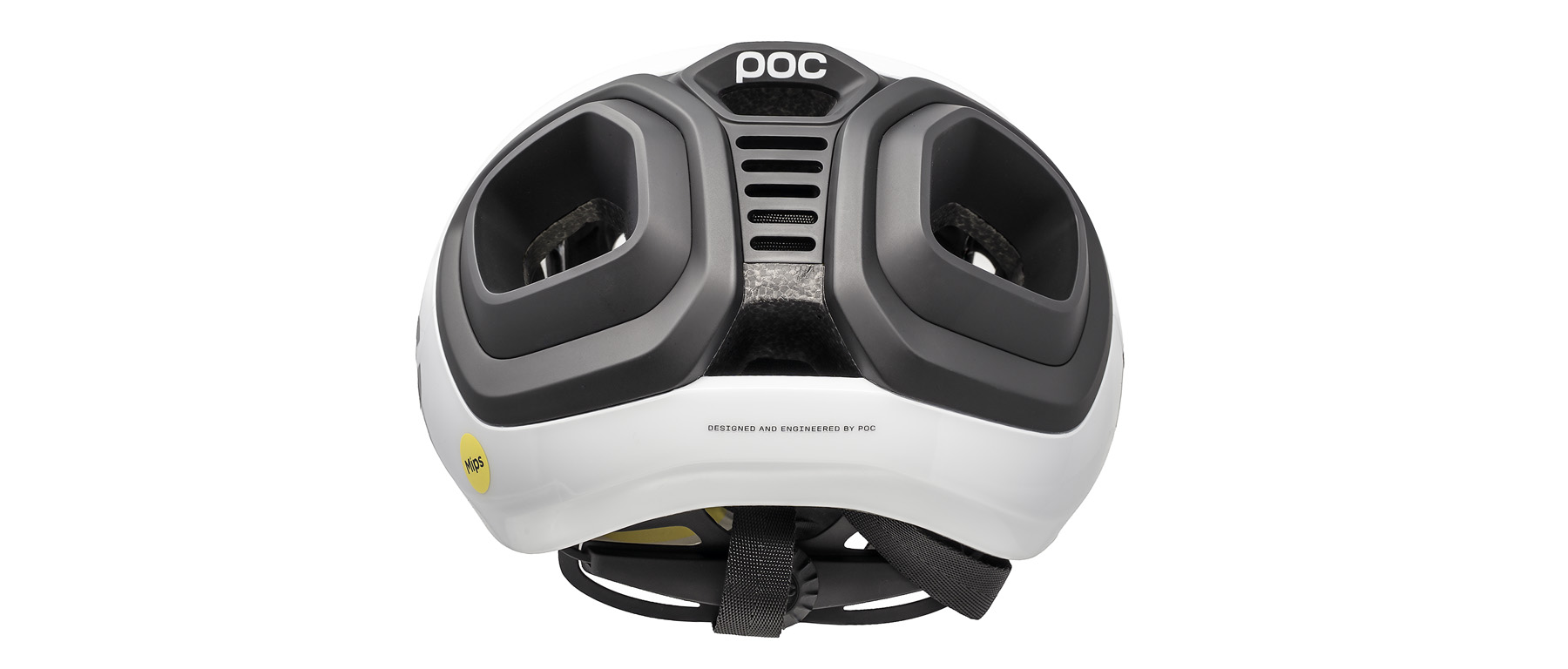
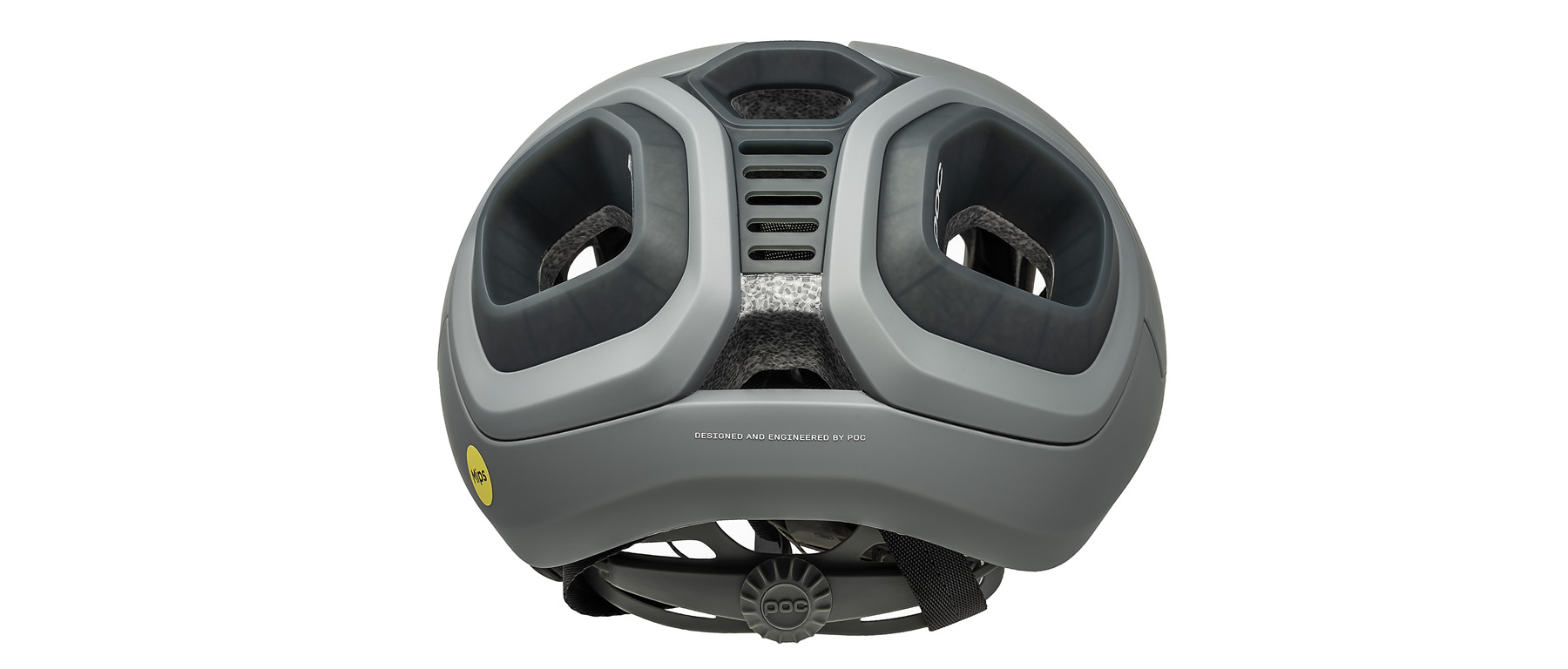
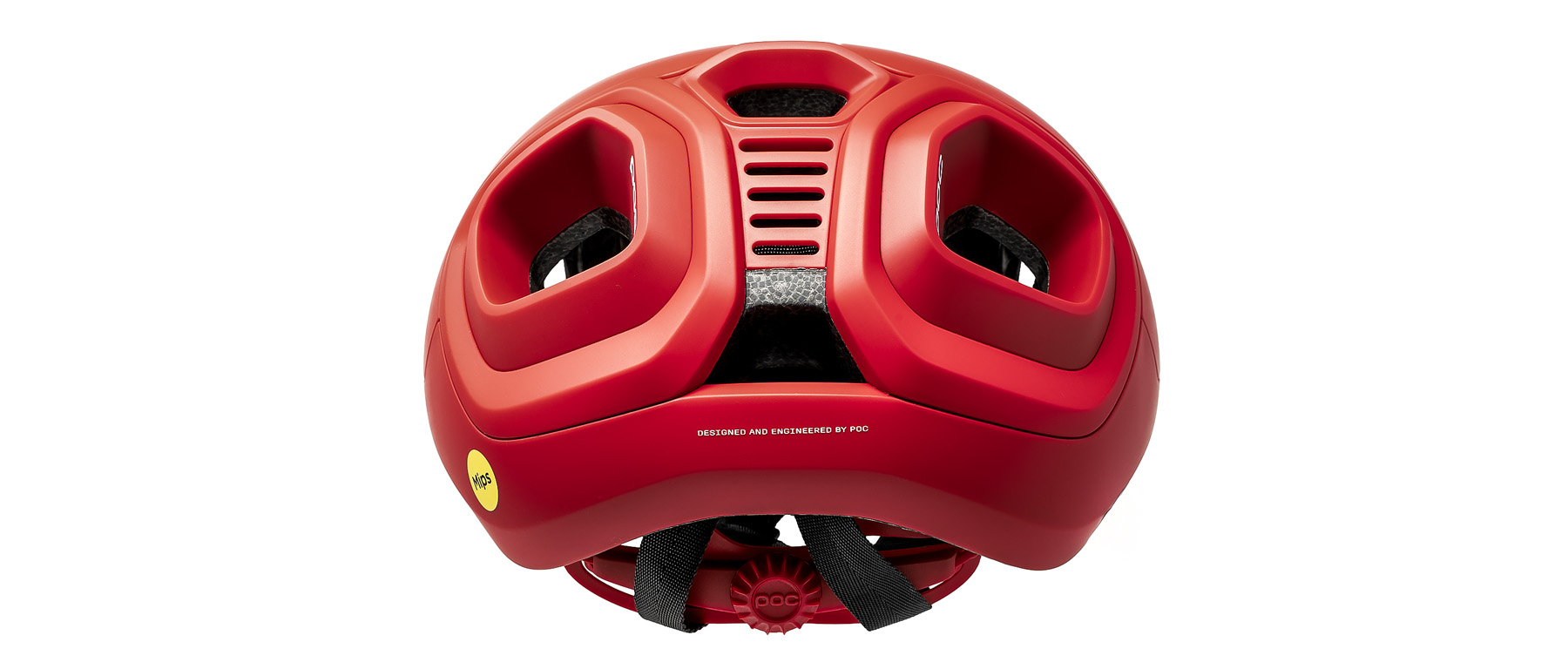
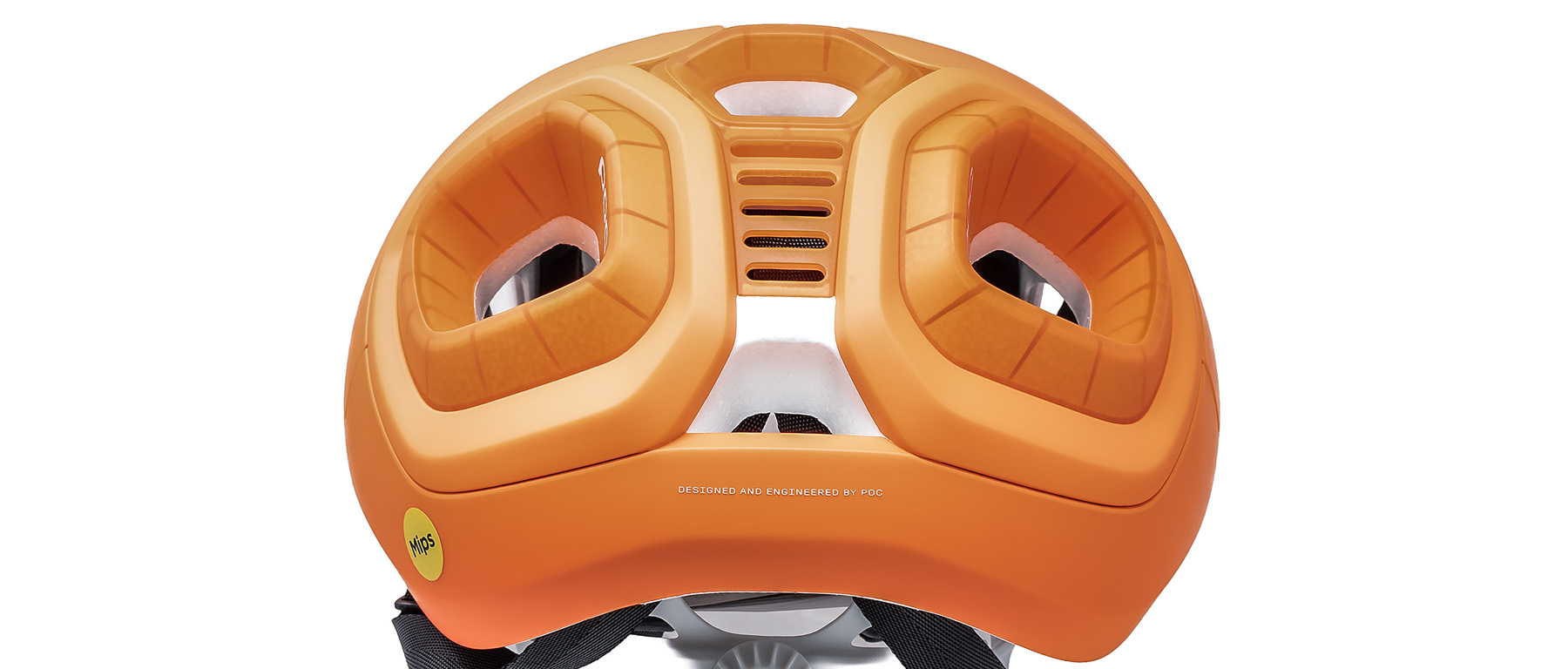
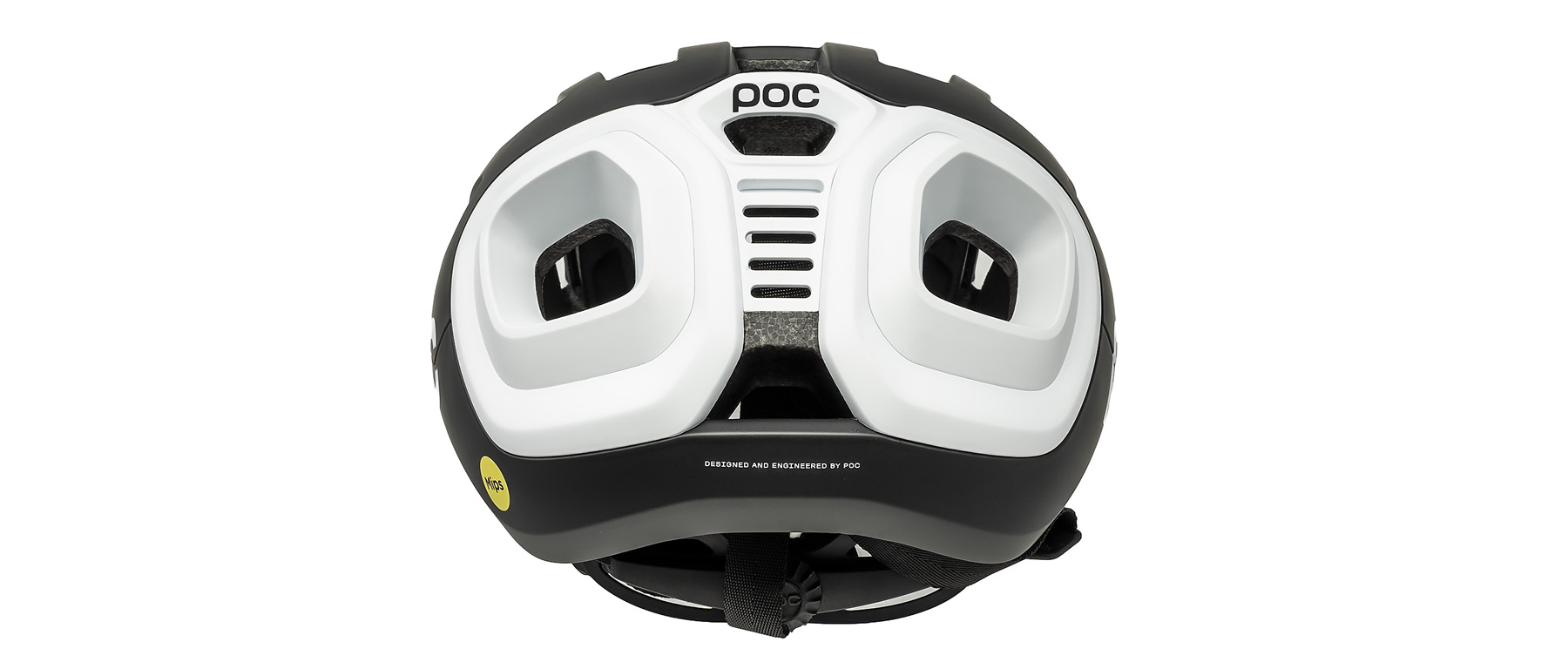
Reinforced zones at the rear of the helmet concentrate structural material where crash data says impacts happen most frequently. Rather than bulking up the entire shell uniformly, POC added material in targeted areas — which also gives the Amidal a distinct visual identity from the back. The polycarbonate outer shell pairs with an EPS liner that balances protection and weight, producing a naturally balanced feel without the front-heavy sensation some road helmets create.
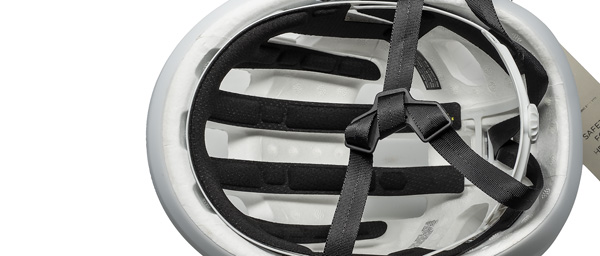
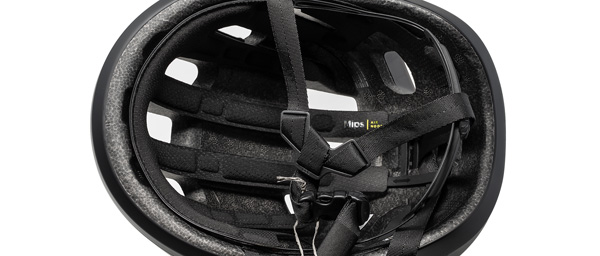
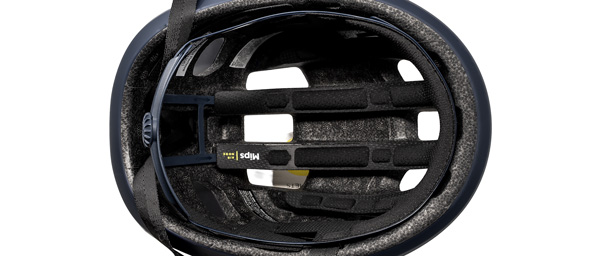
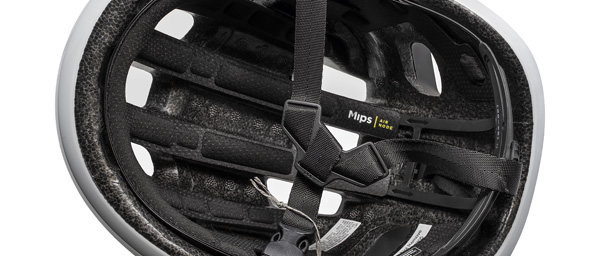
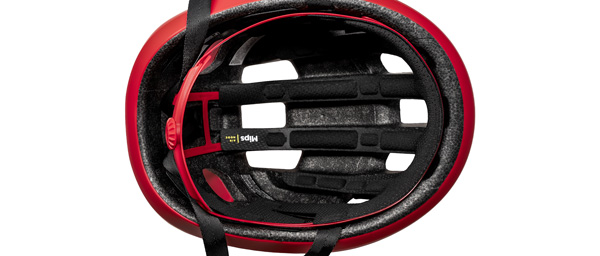
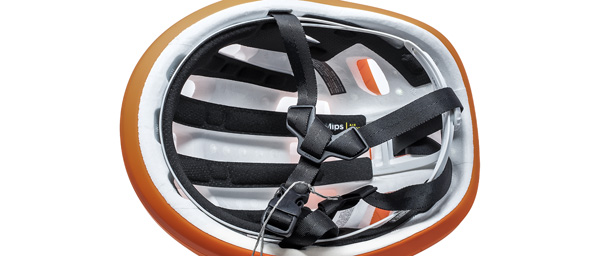
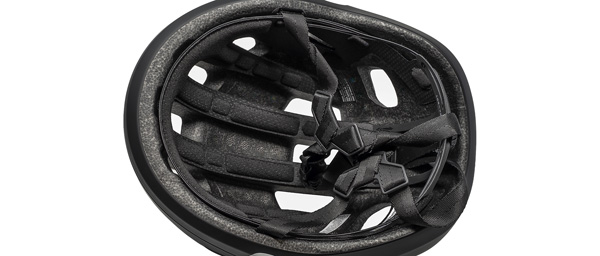
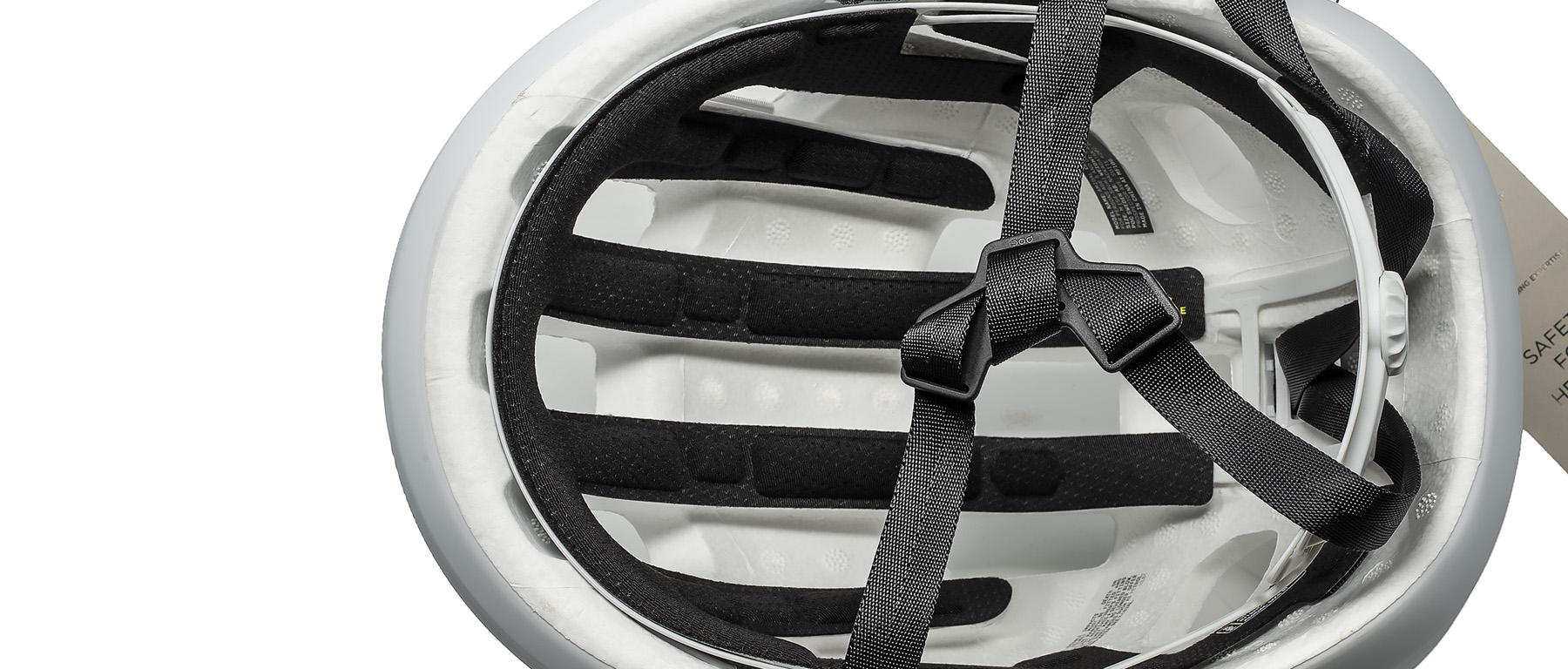
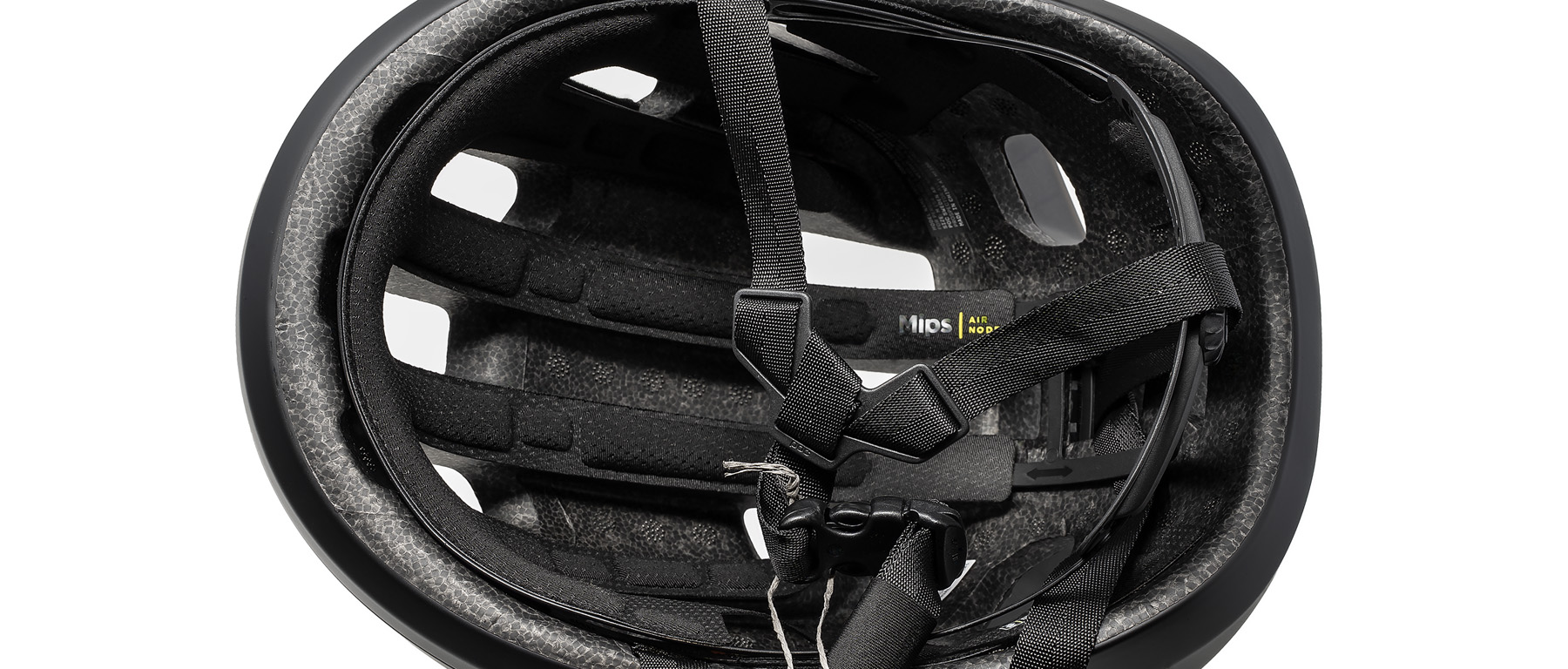
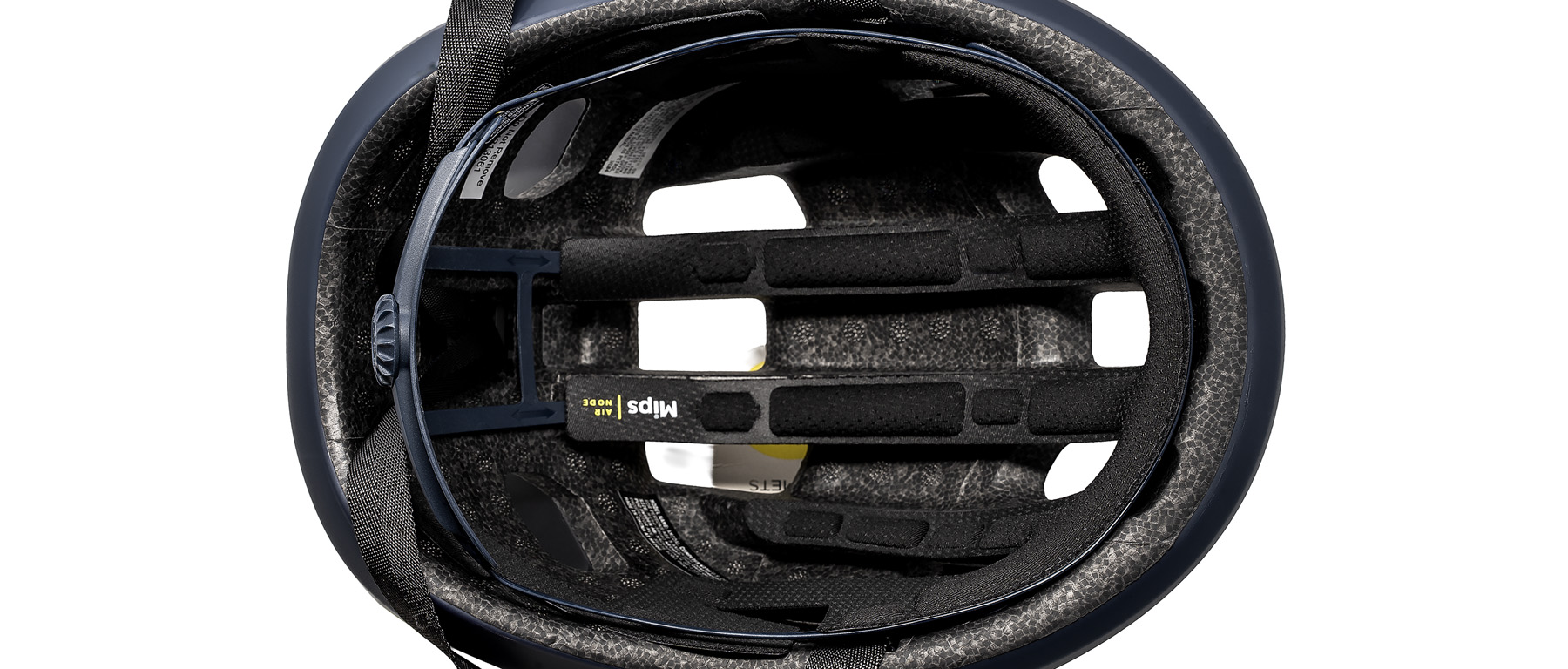
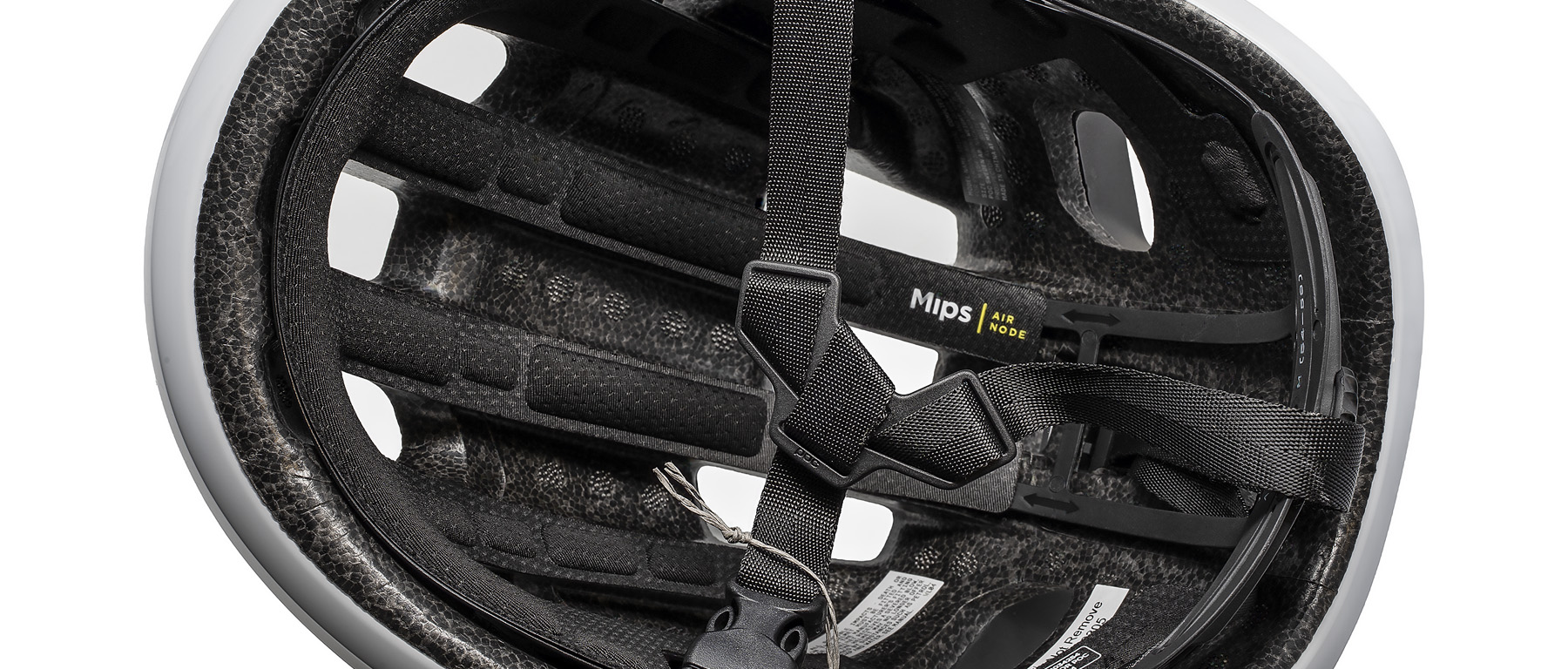
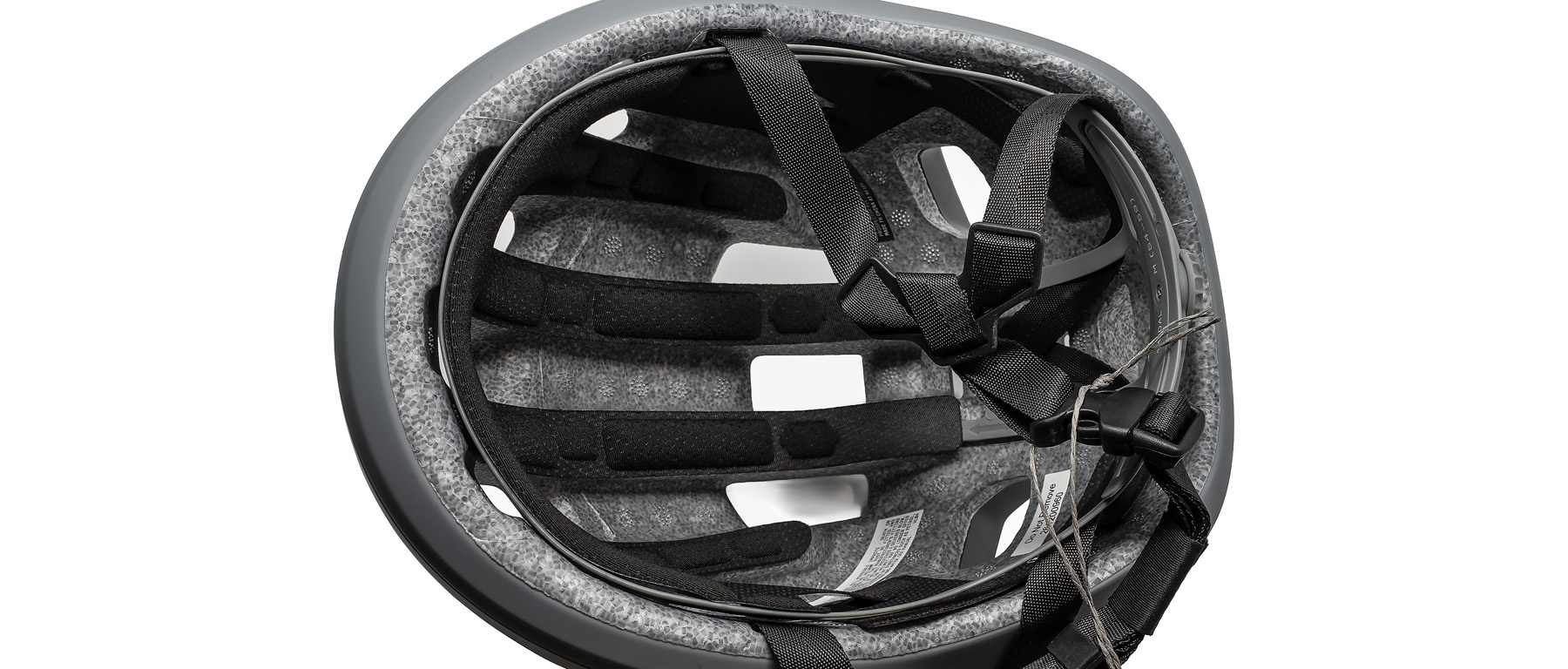
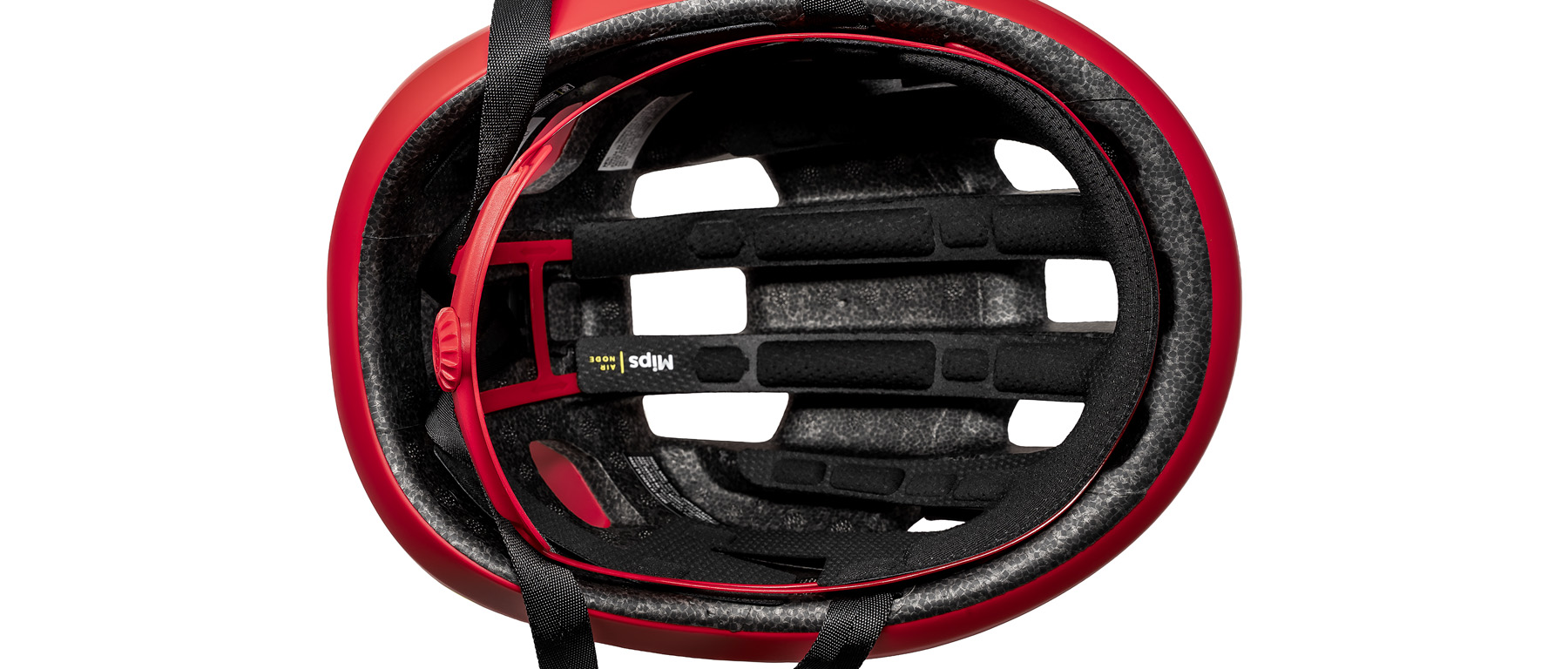
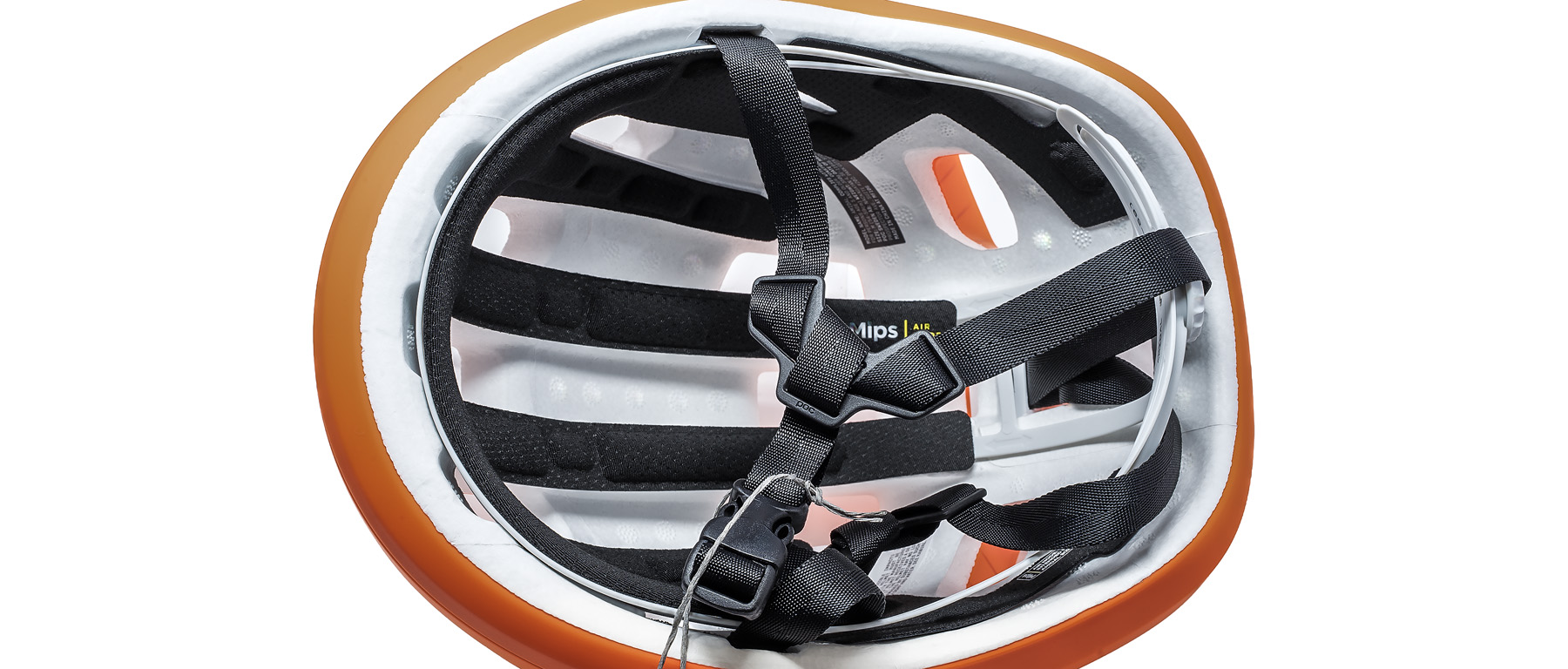
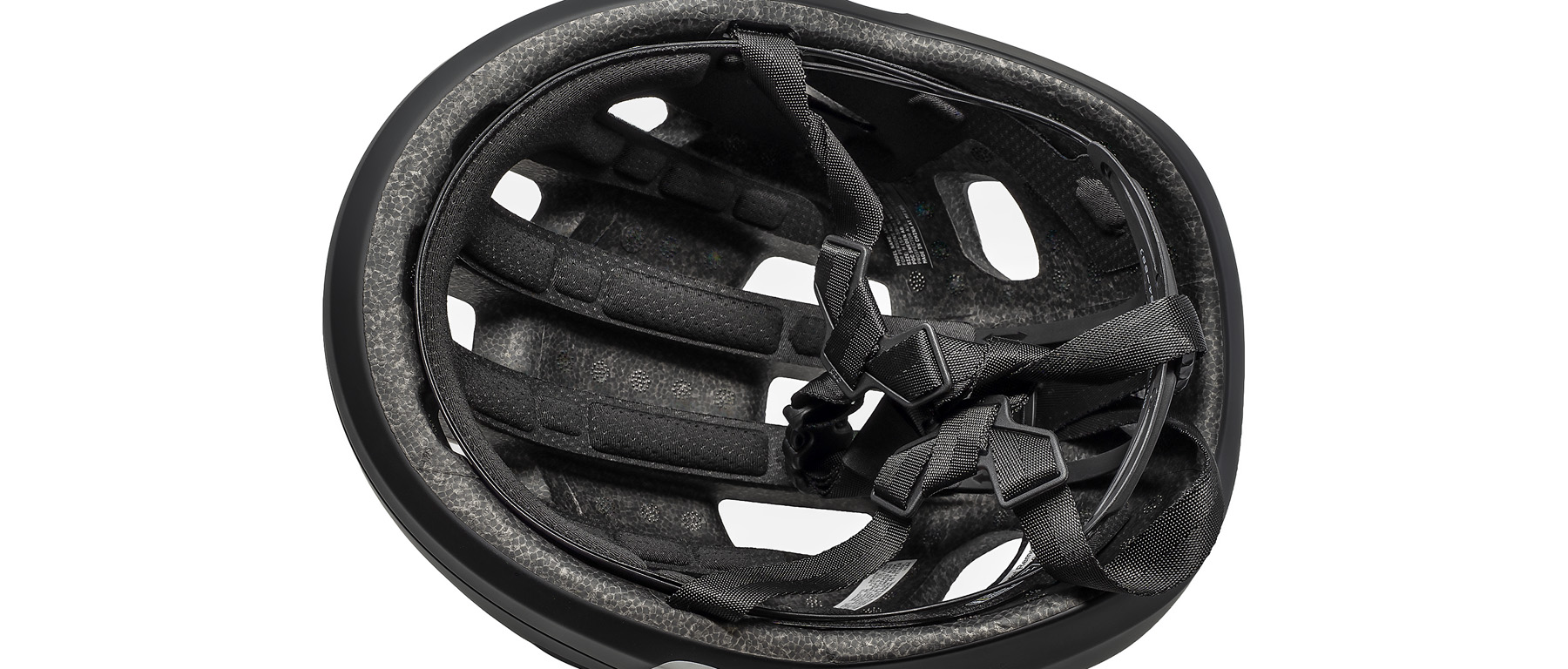
MIPS Air Node handles rotational impact protection through strategically placed low-friction pads instead of a full plastic liner. The Air Node configuration allows the shell to move independently from your head during angled impacts while saving weight and improving ventilation compared to traditional full-coverage MIPS setups. POC has used this same implementation across their upper-tier road helmets, and it works here without adding noticeable bulk inside the shell.... Read More
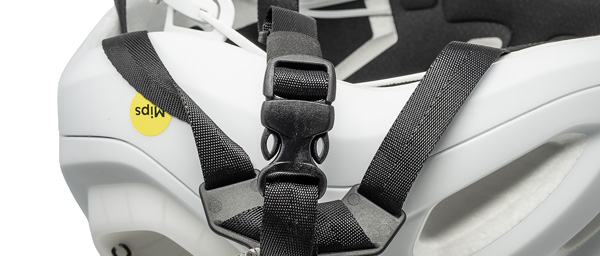
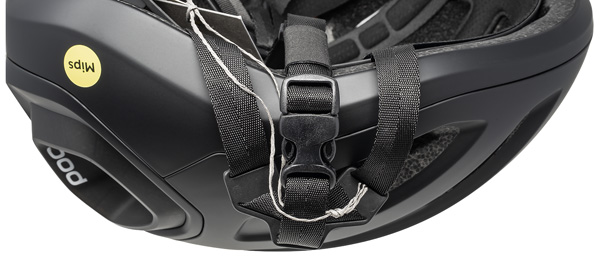
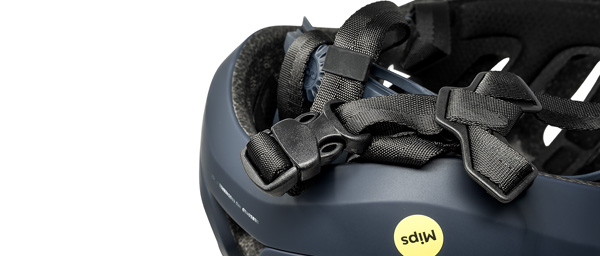
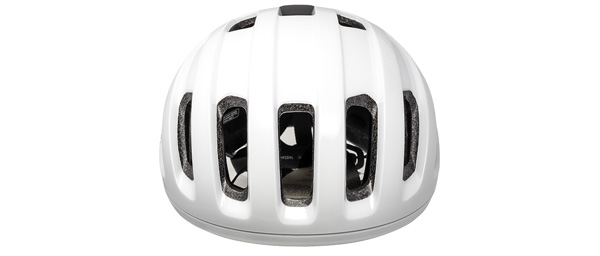
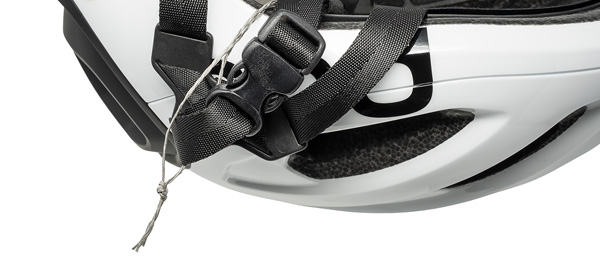
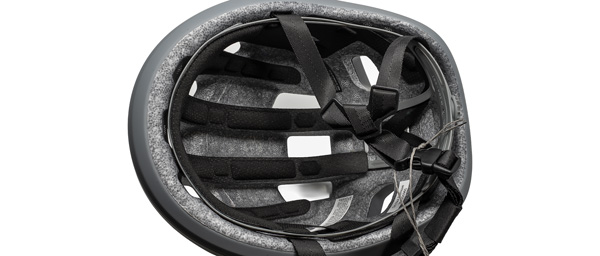
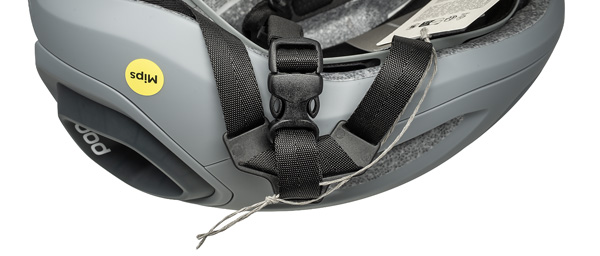
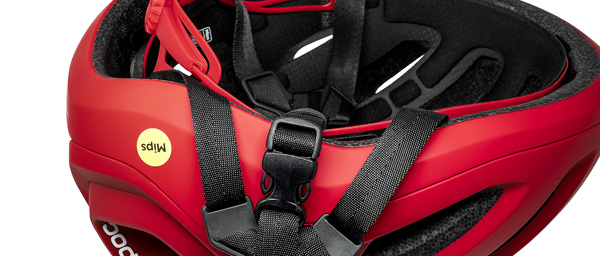
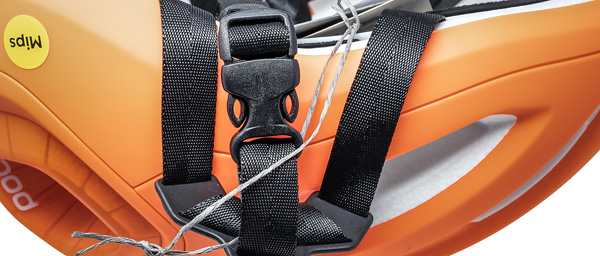
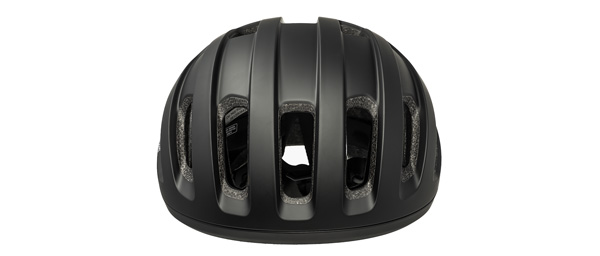
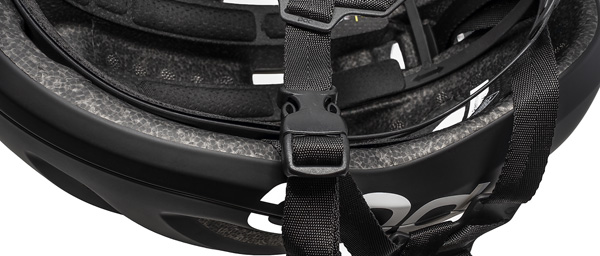
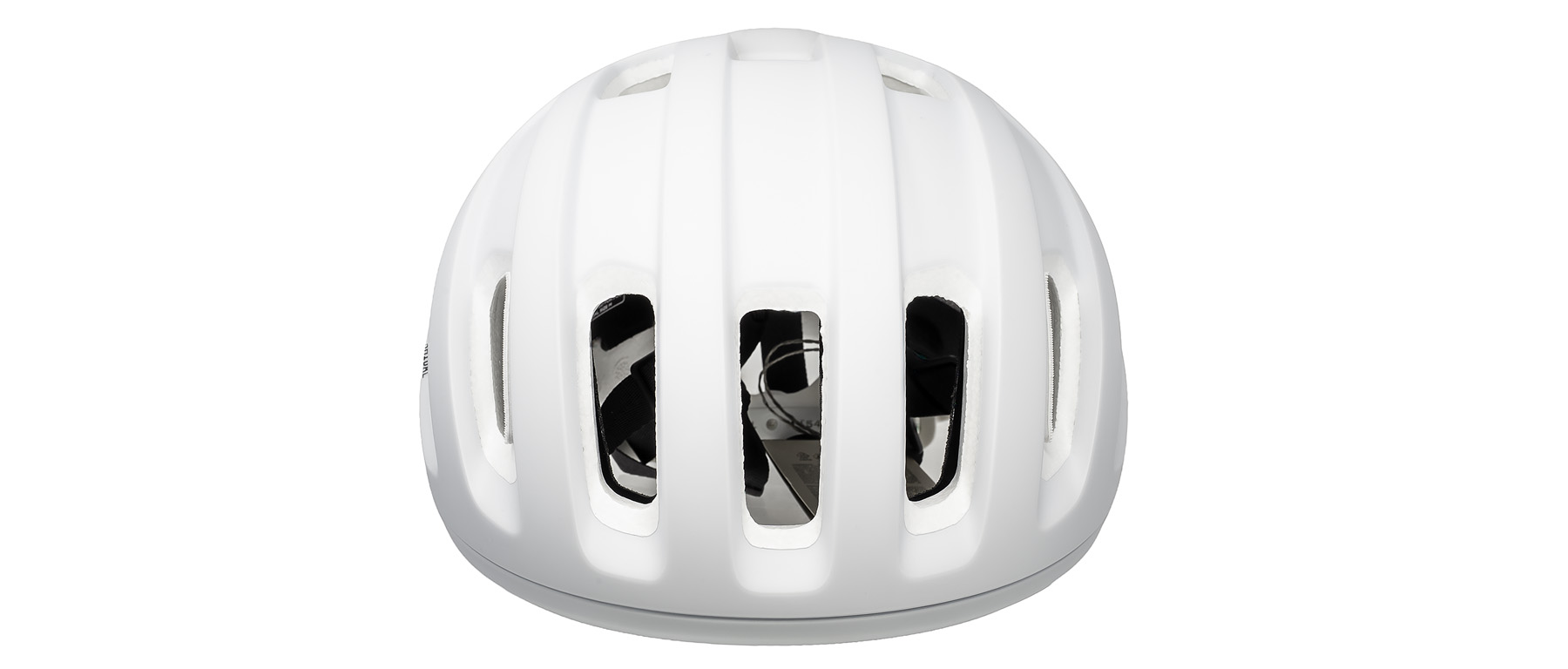
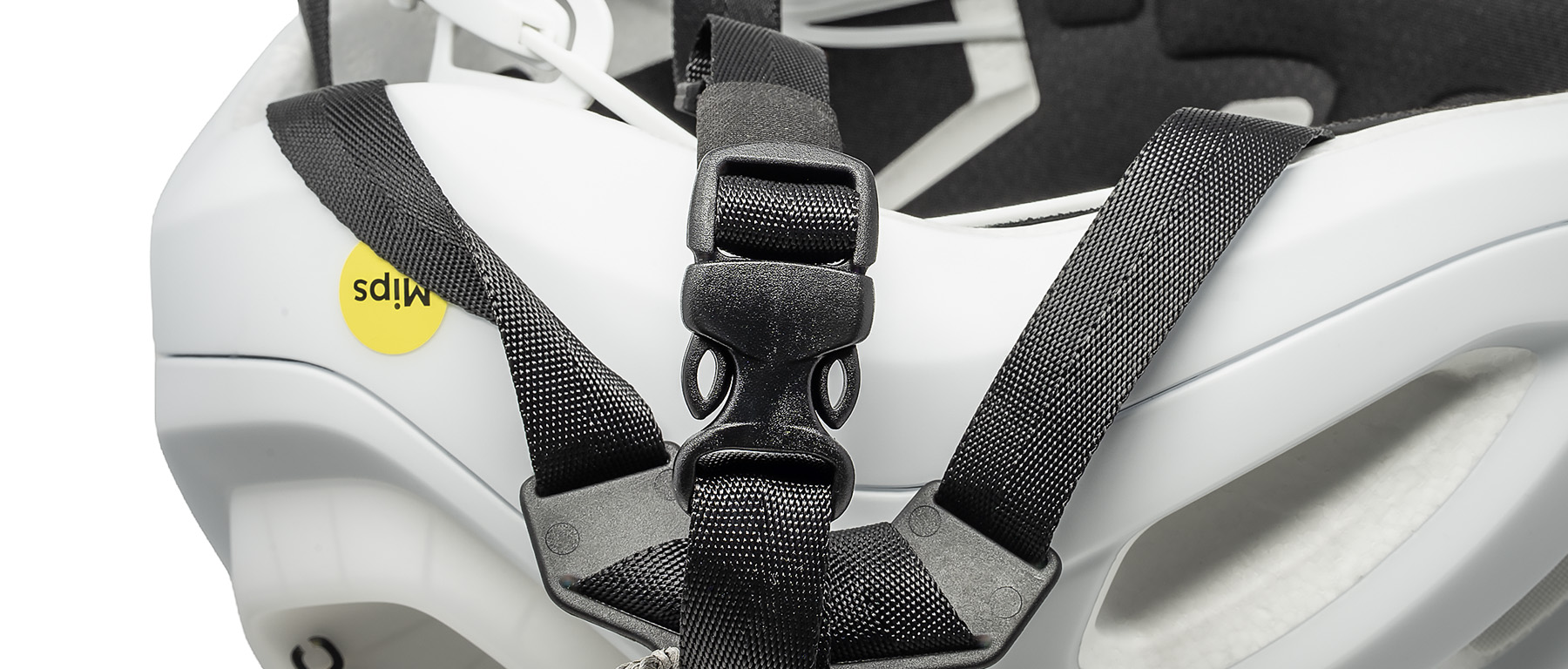
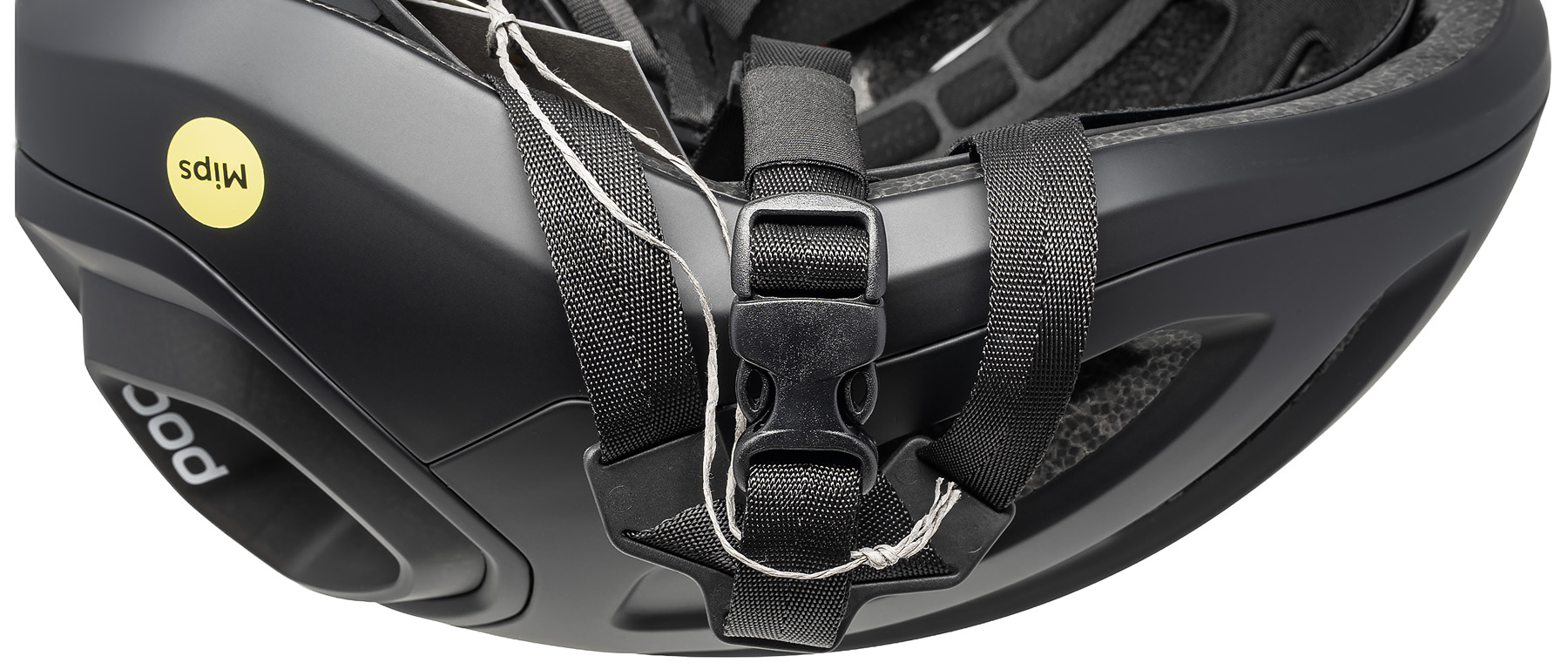
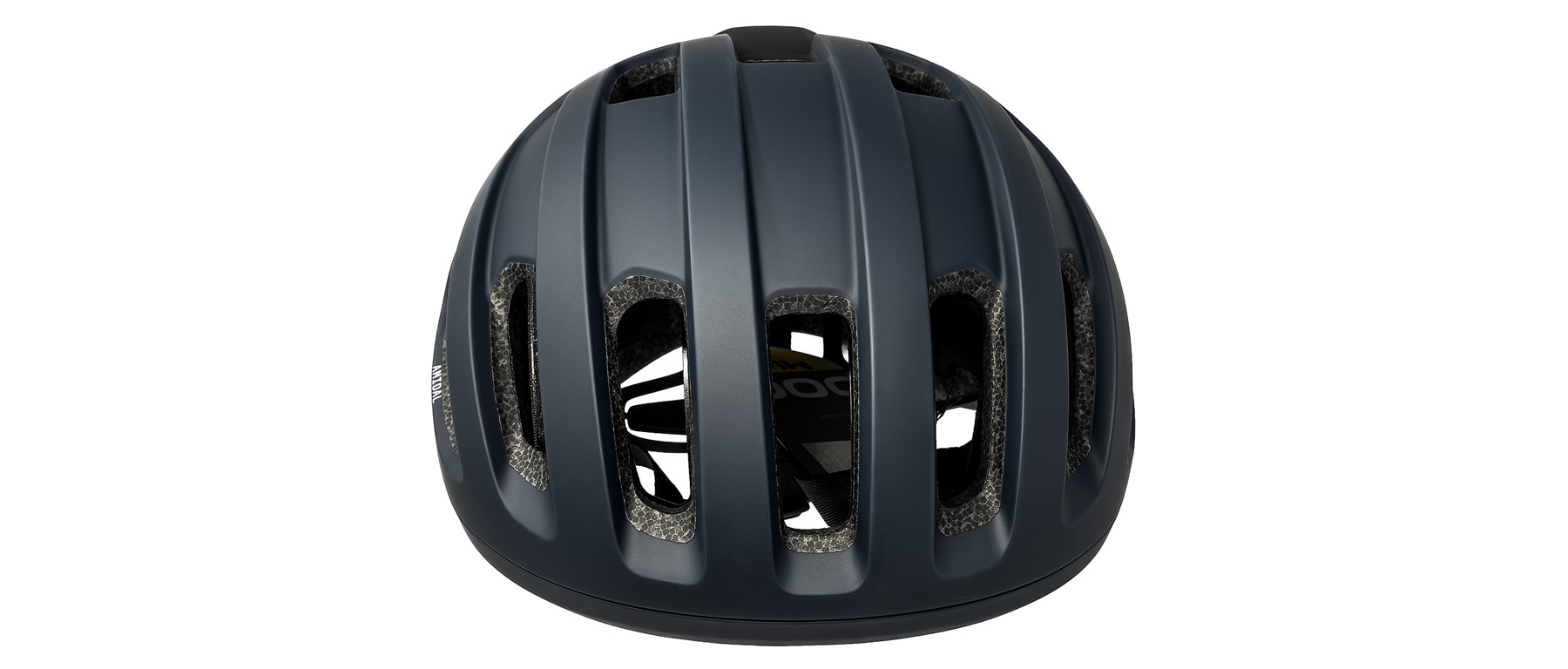
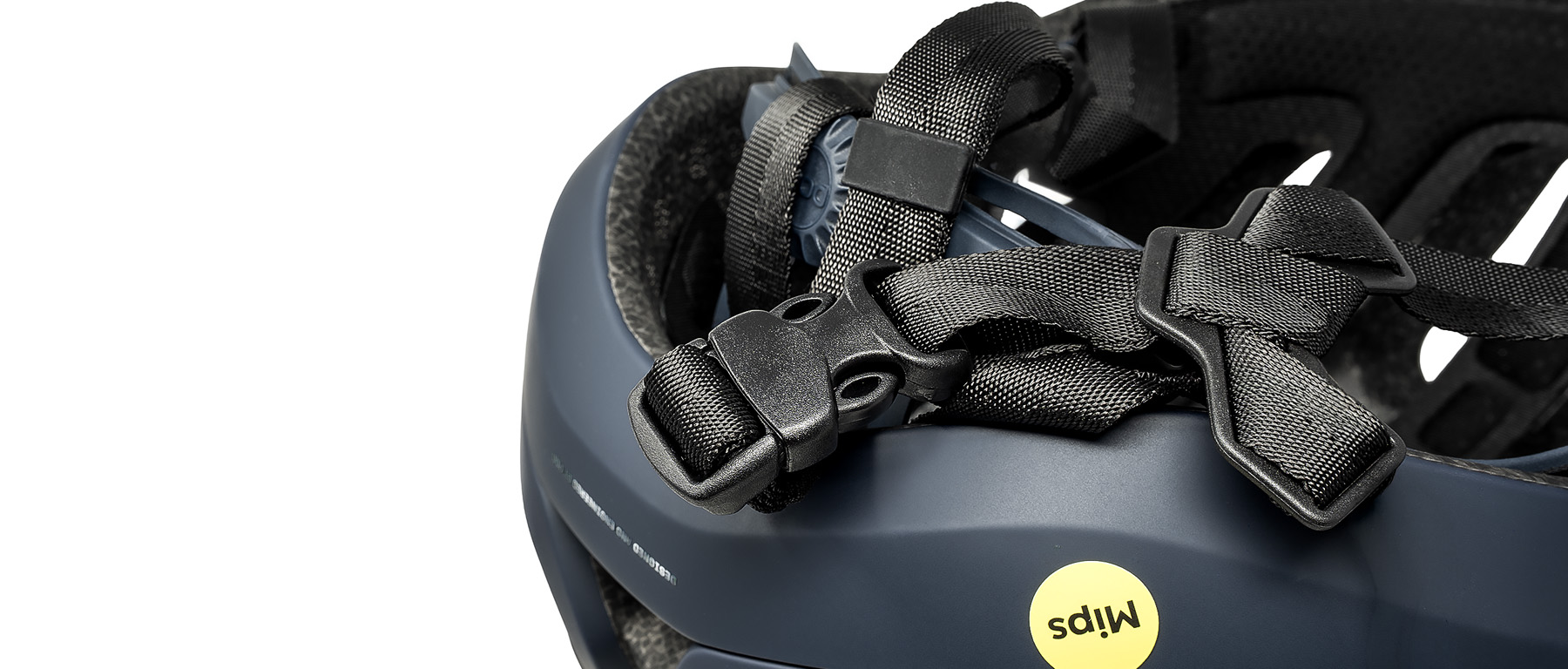
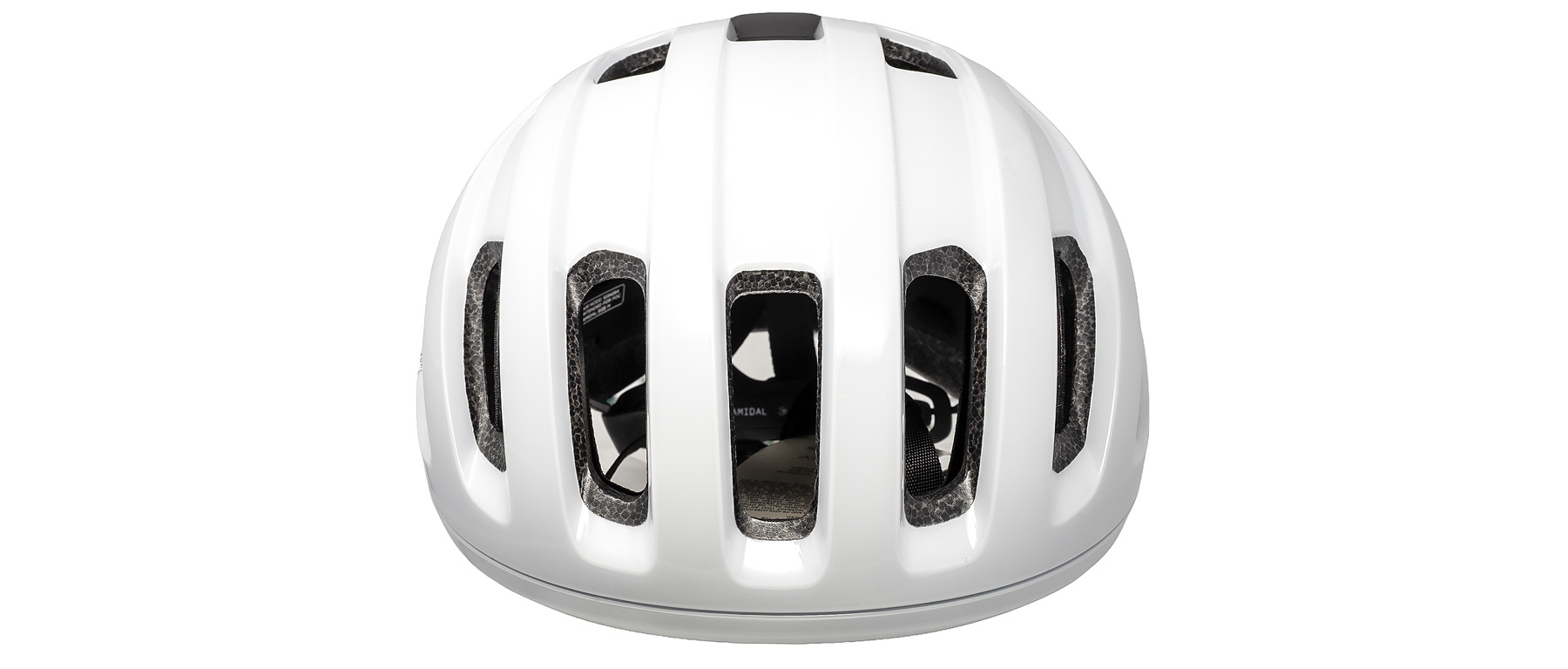
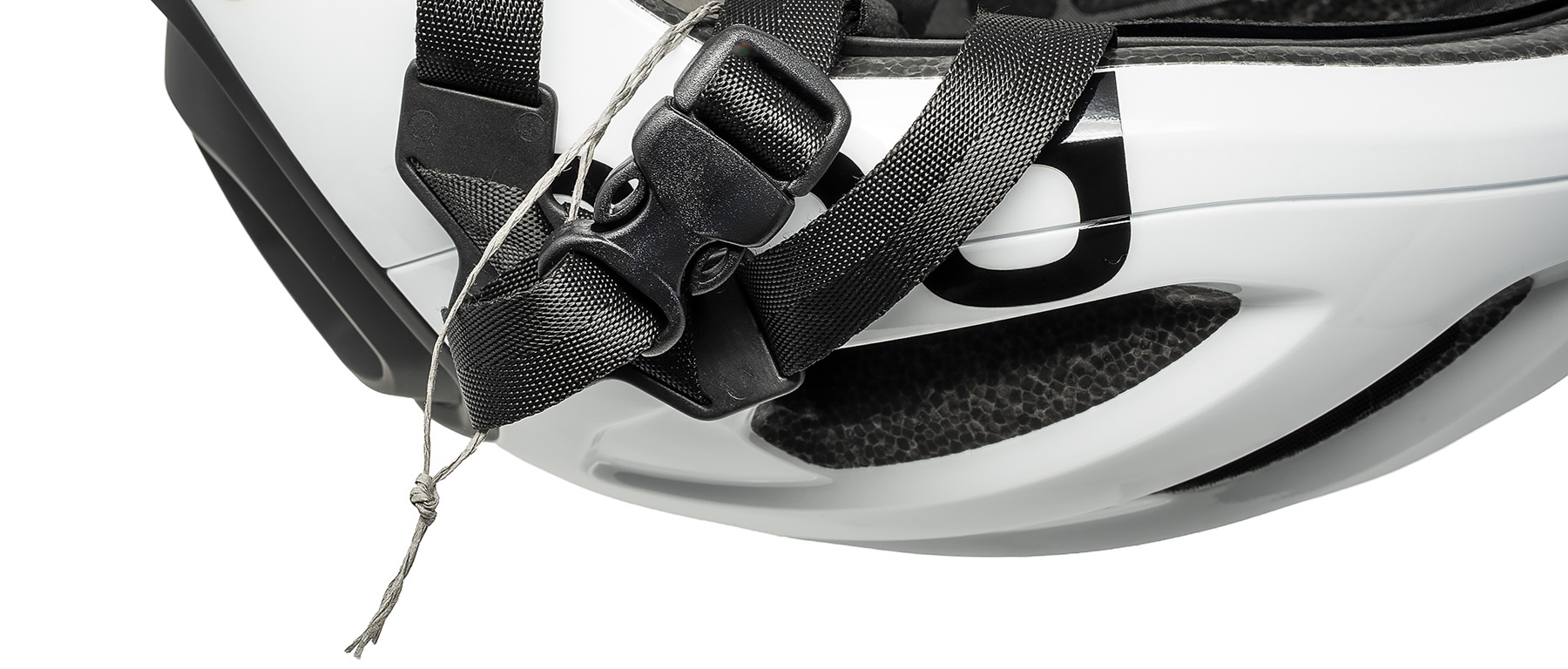
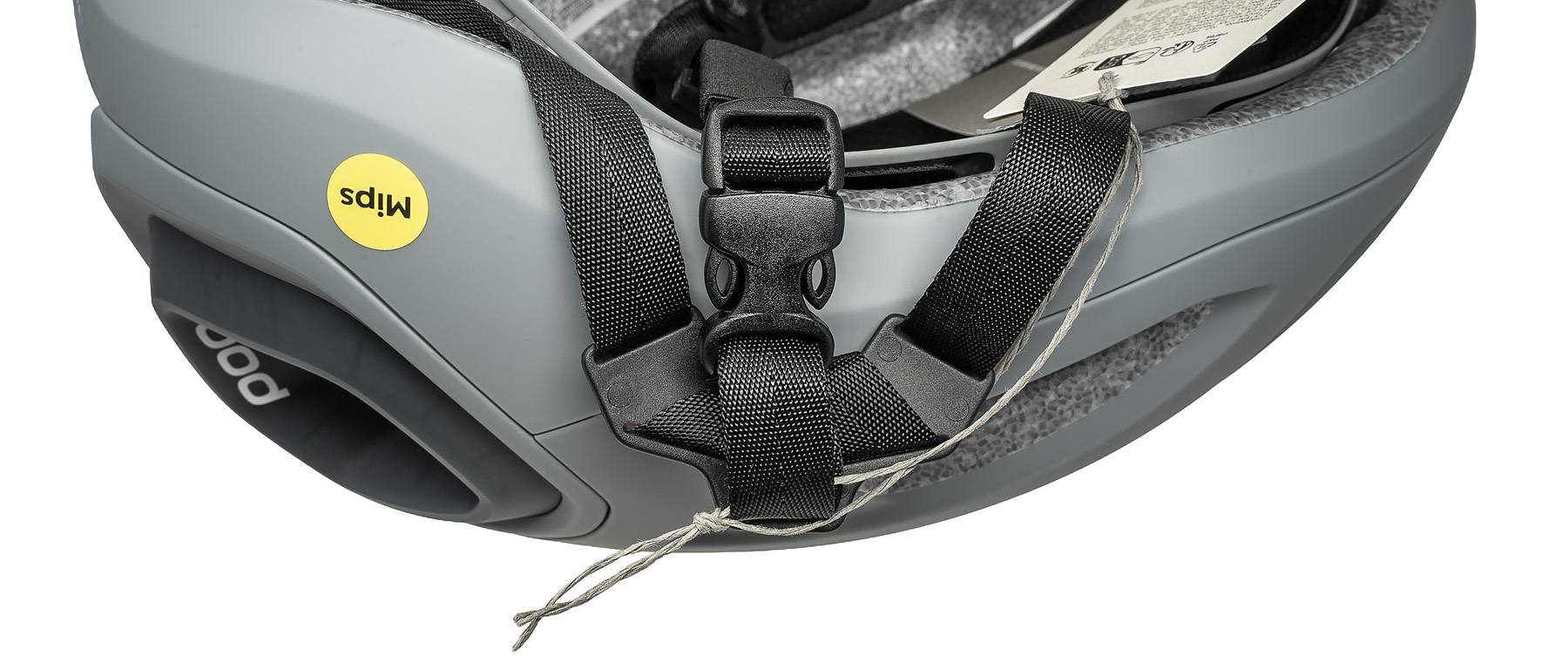
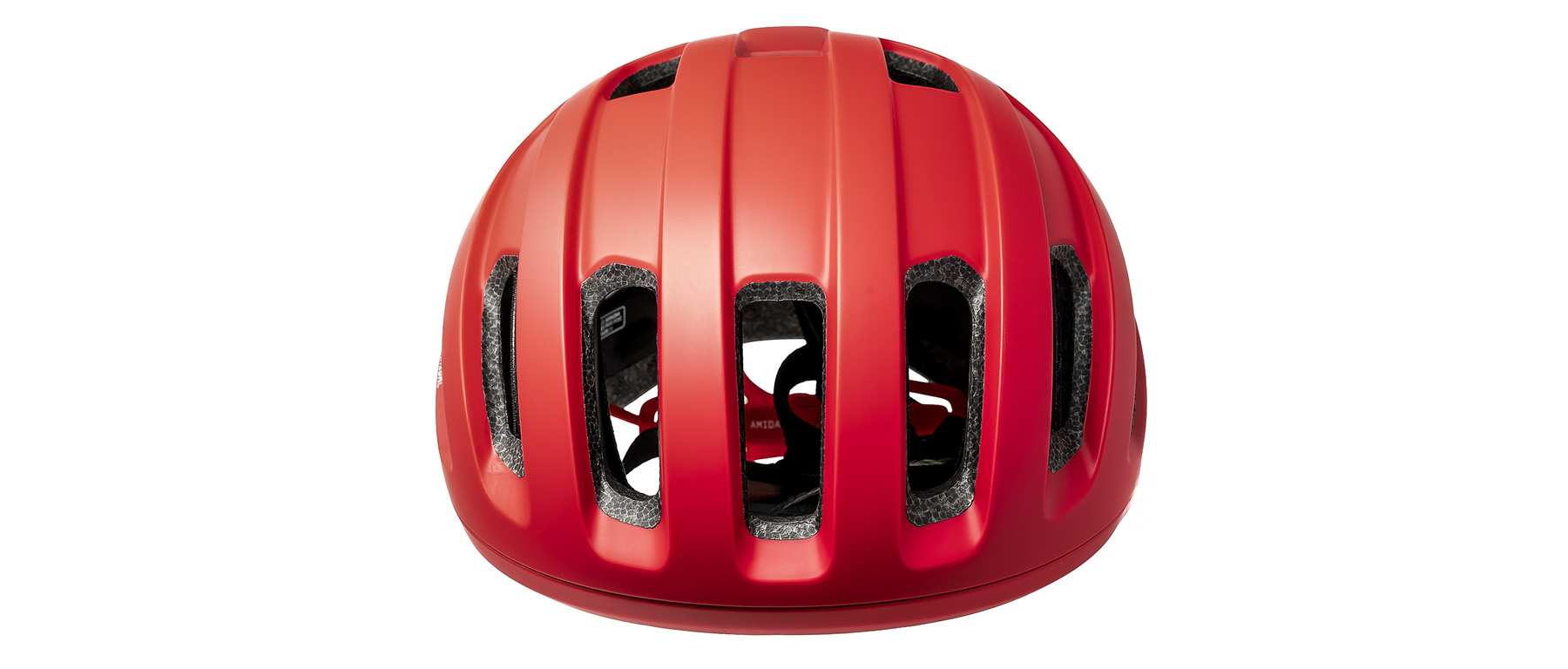
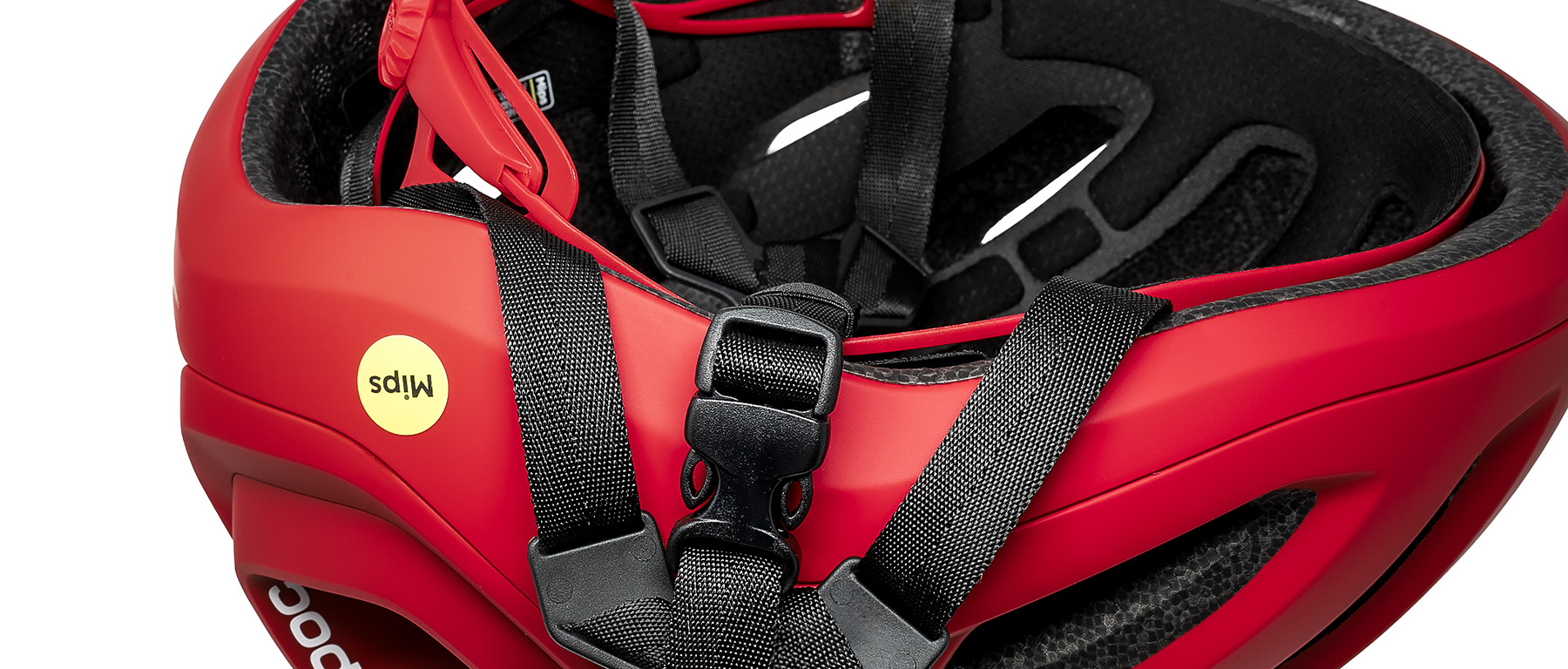
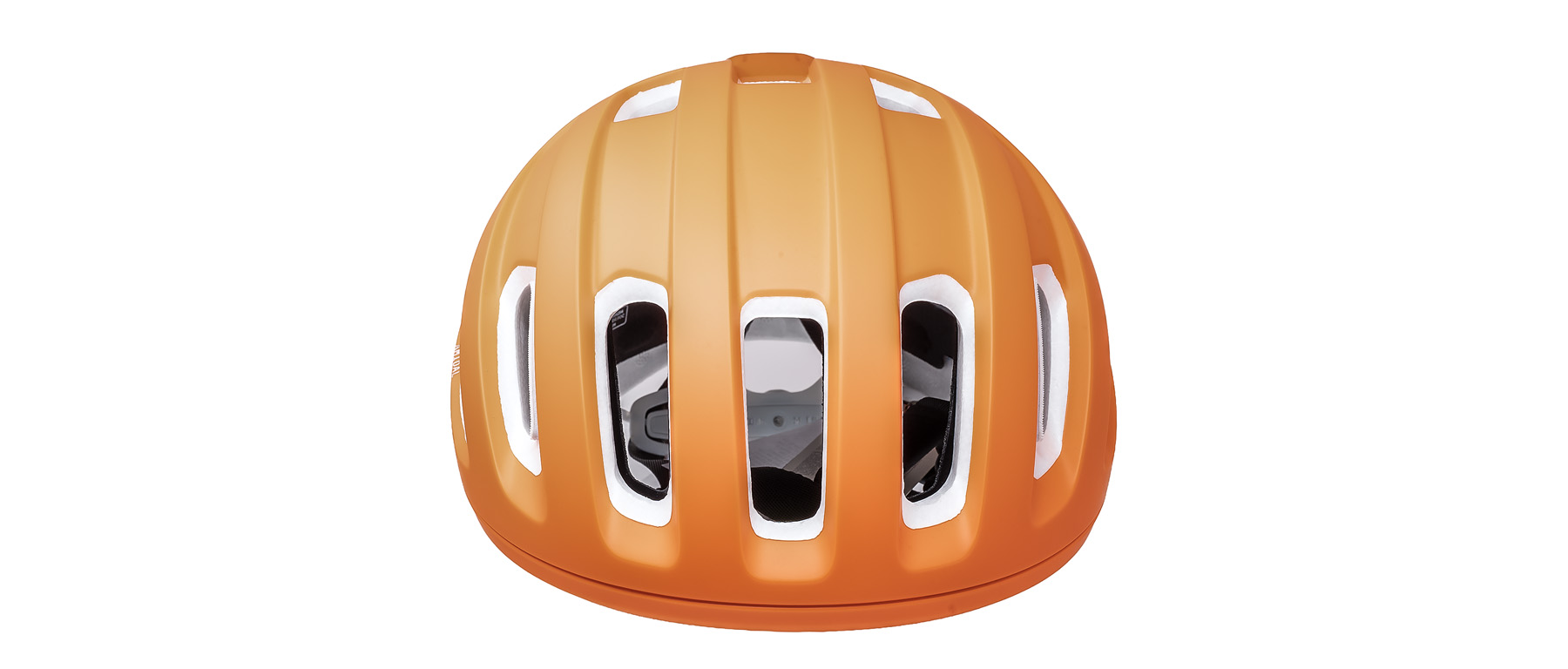
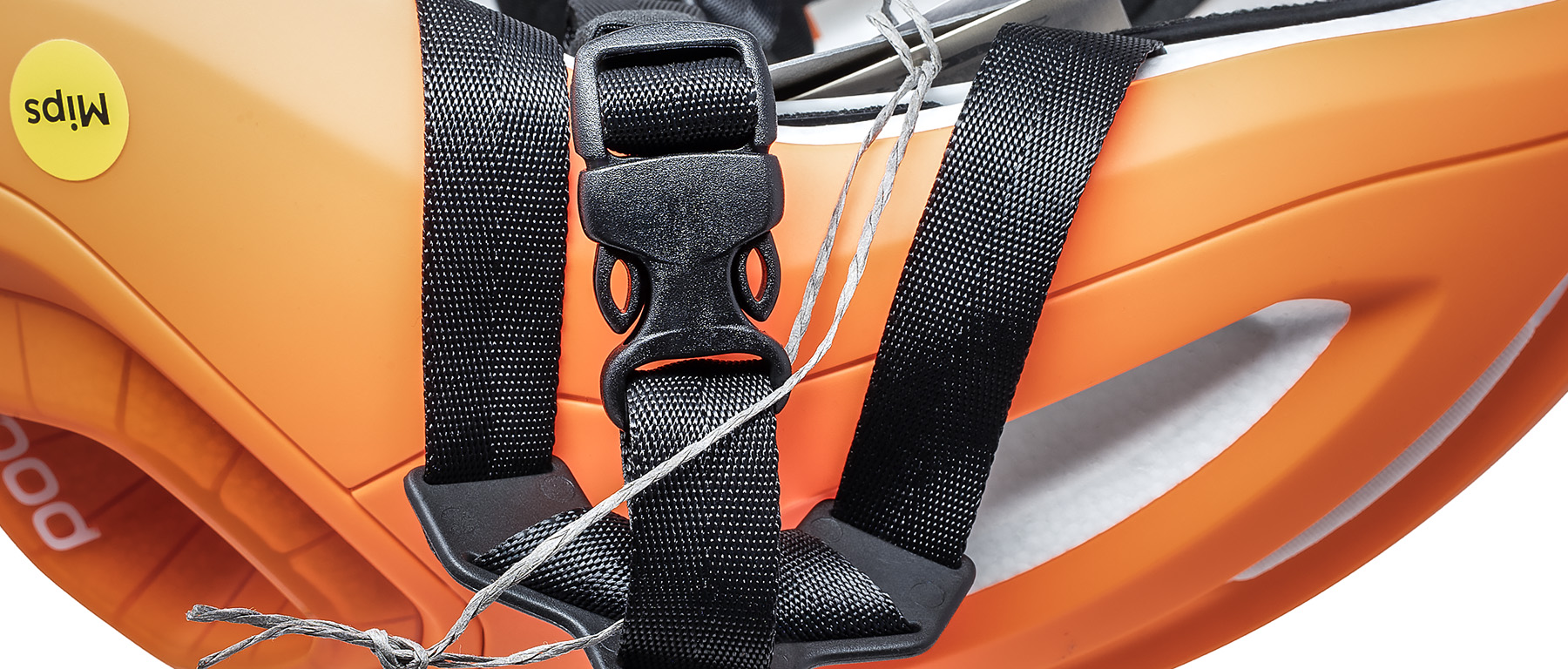
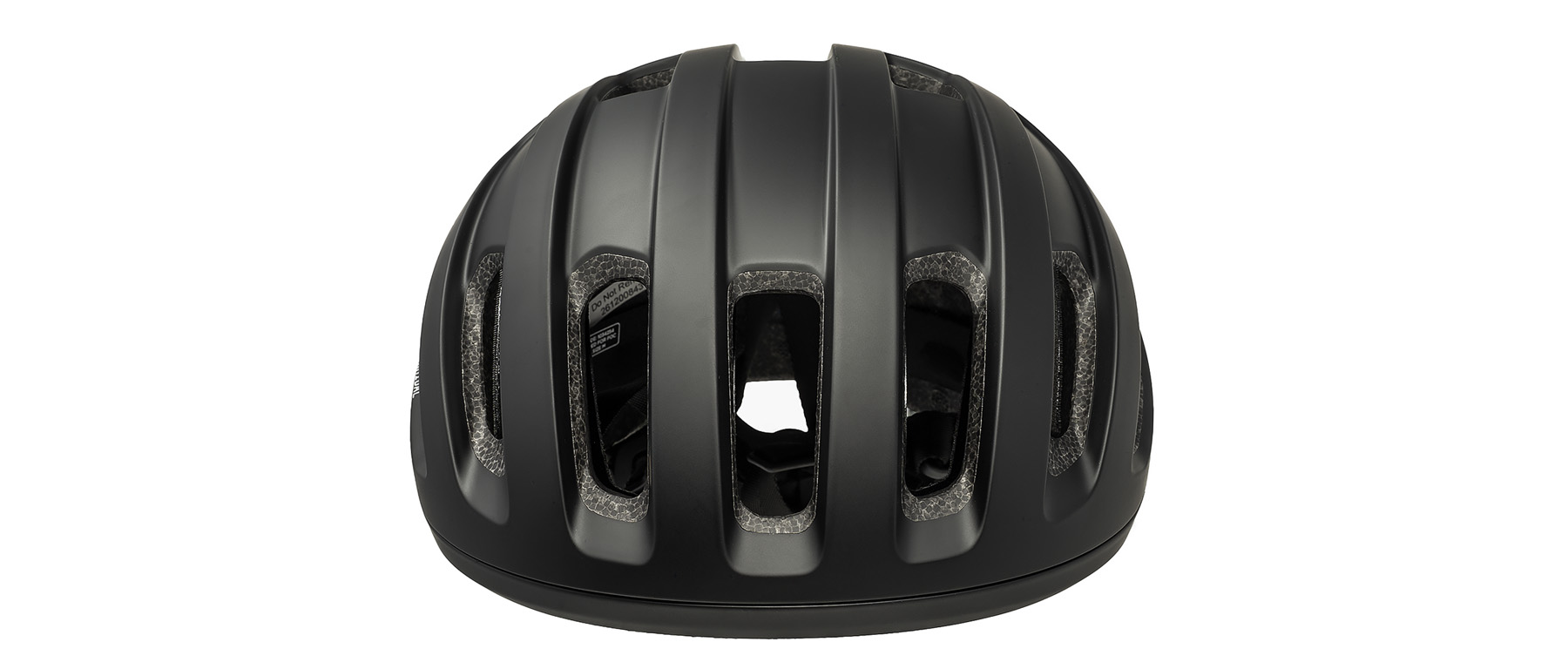
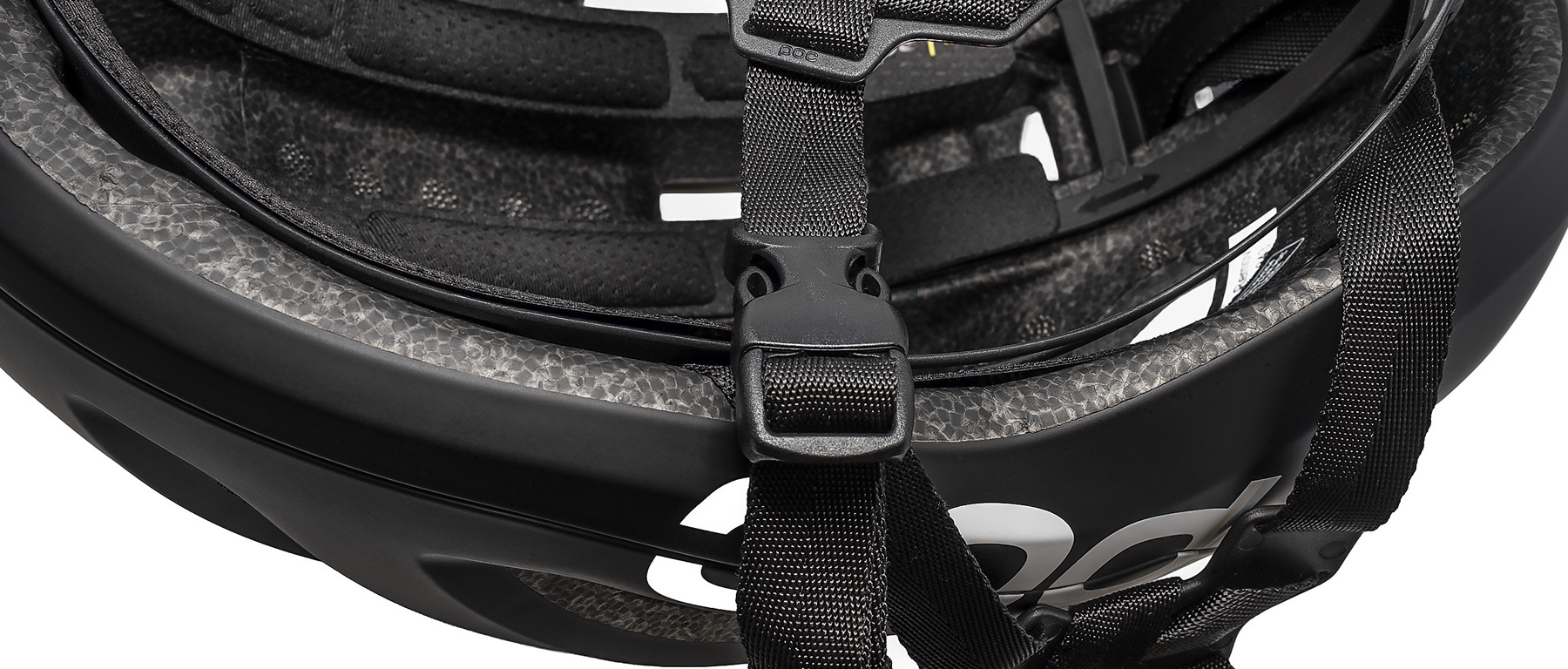
Ventilation uses forward-facing ports that channel air across the scalp and out the rear exhaust vents. The vent pattern maintains airflow even at climbing speeds when forward velocity drops but thermal load increases. A 360-degree adjustable retention system dials fit precisely, and fixed strap splitters eliminate sliding adjusters that can loosen over time — fewer moving parts, fewer failure points. An integrated Knog rear light mount is built into the helmet structure, positioning the lamp cleanly without aftermarket bracket clutter.