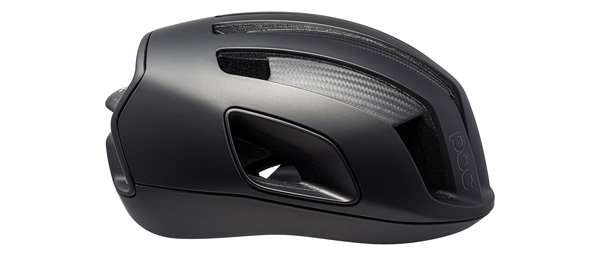
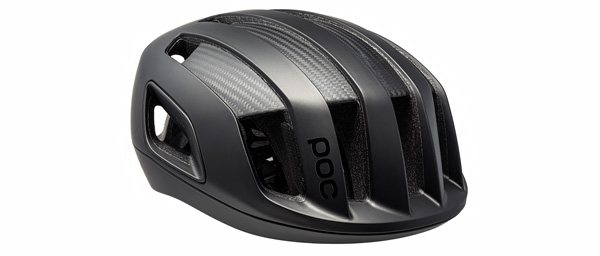
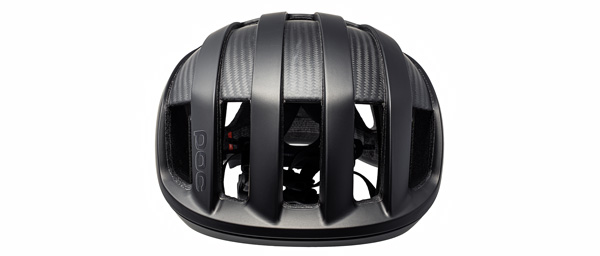
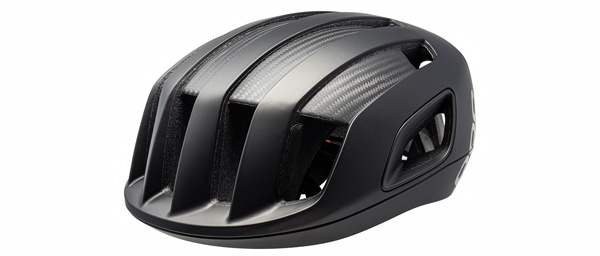
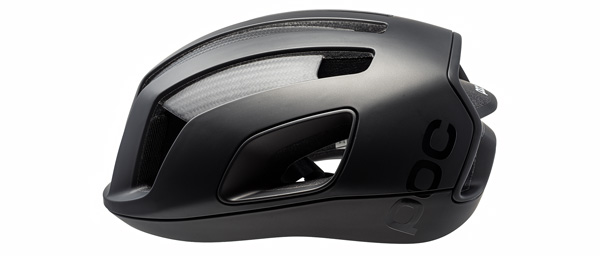
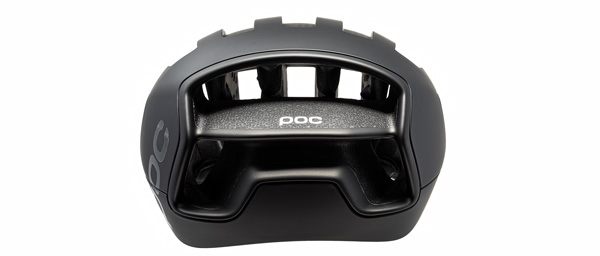
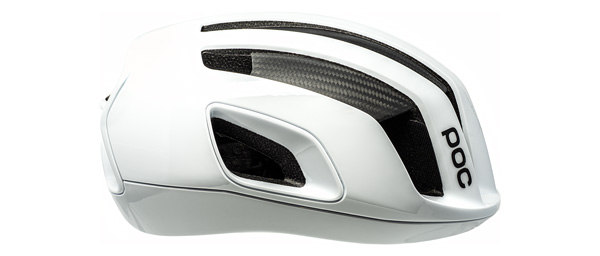
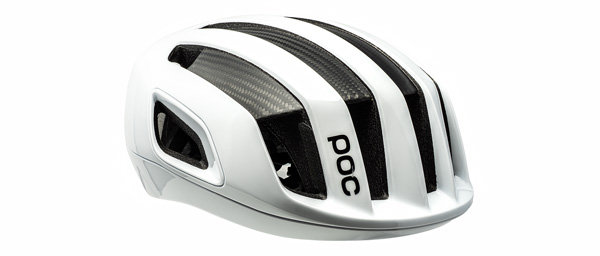
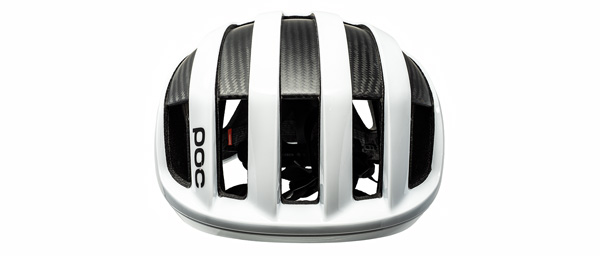
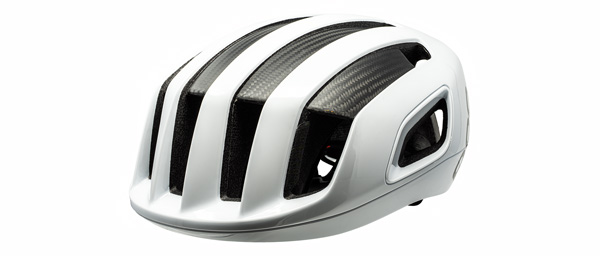
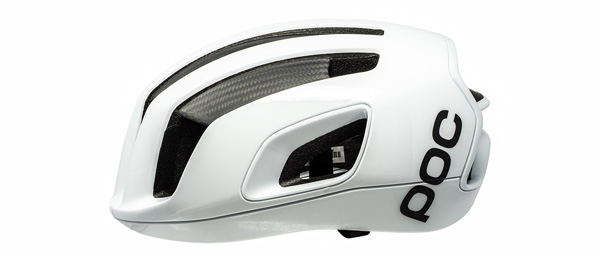
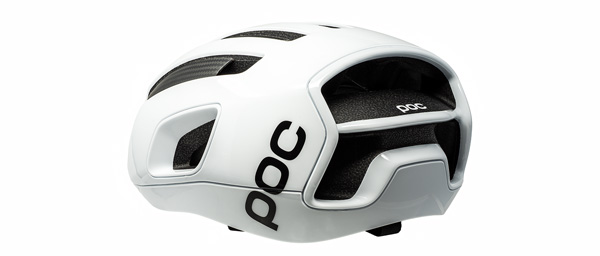
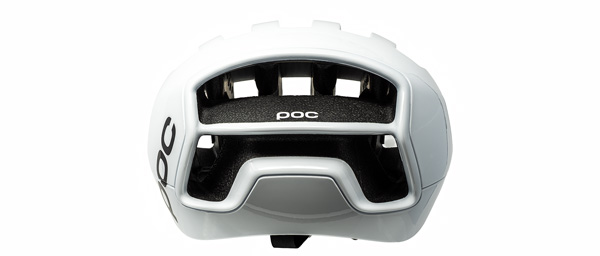
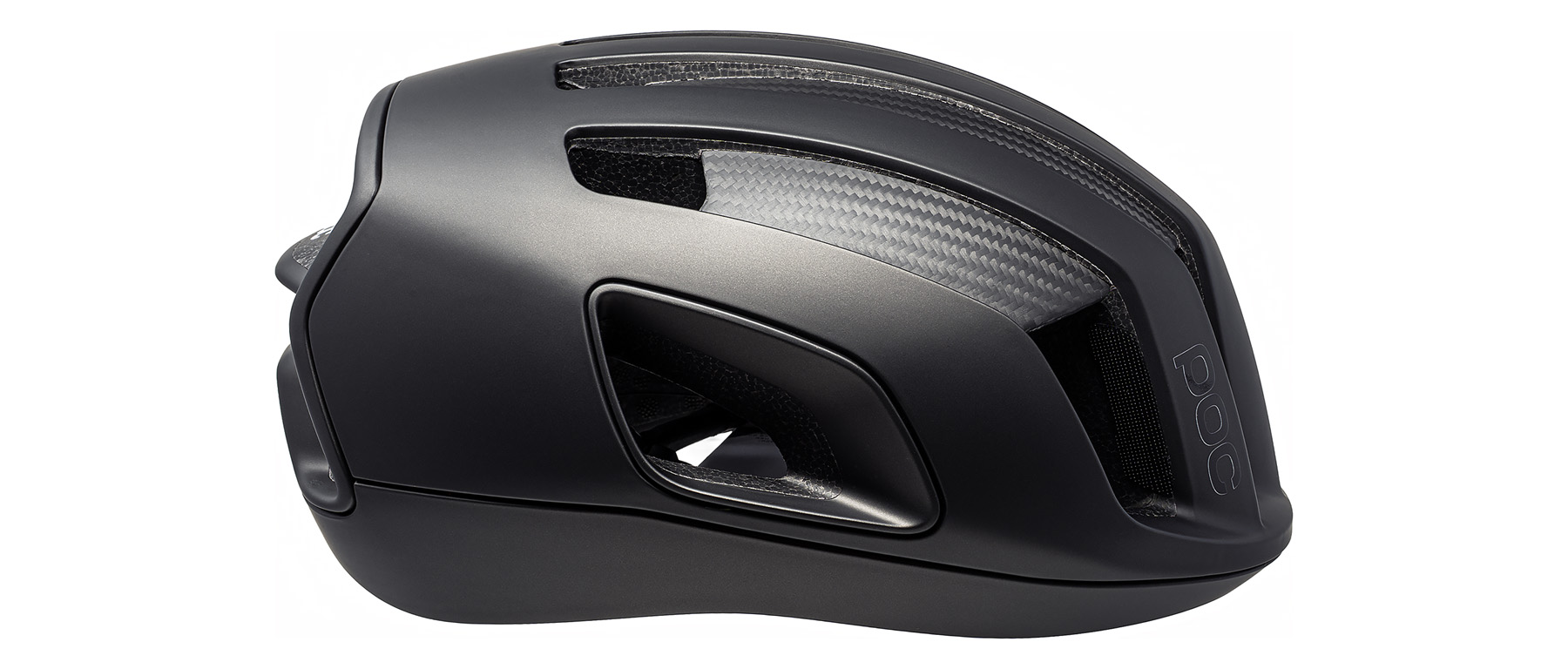
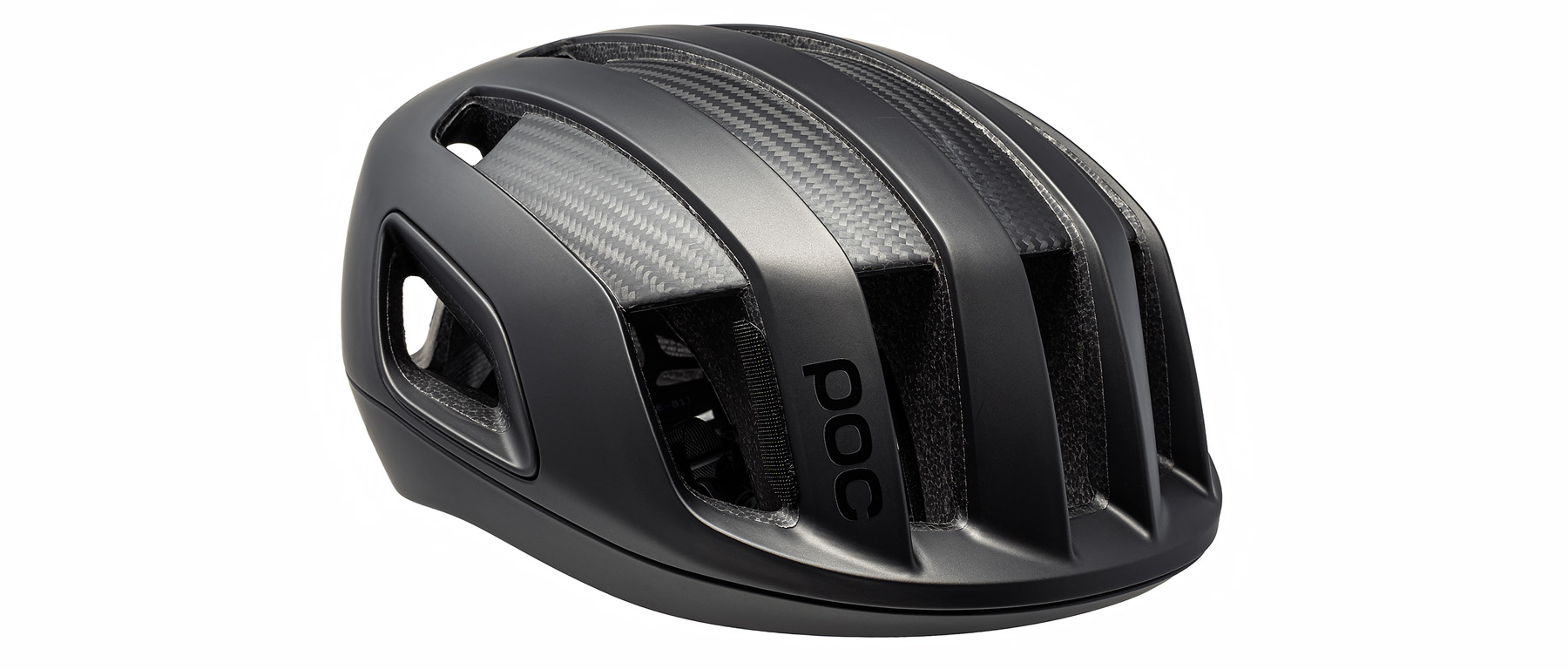
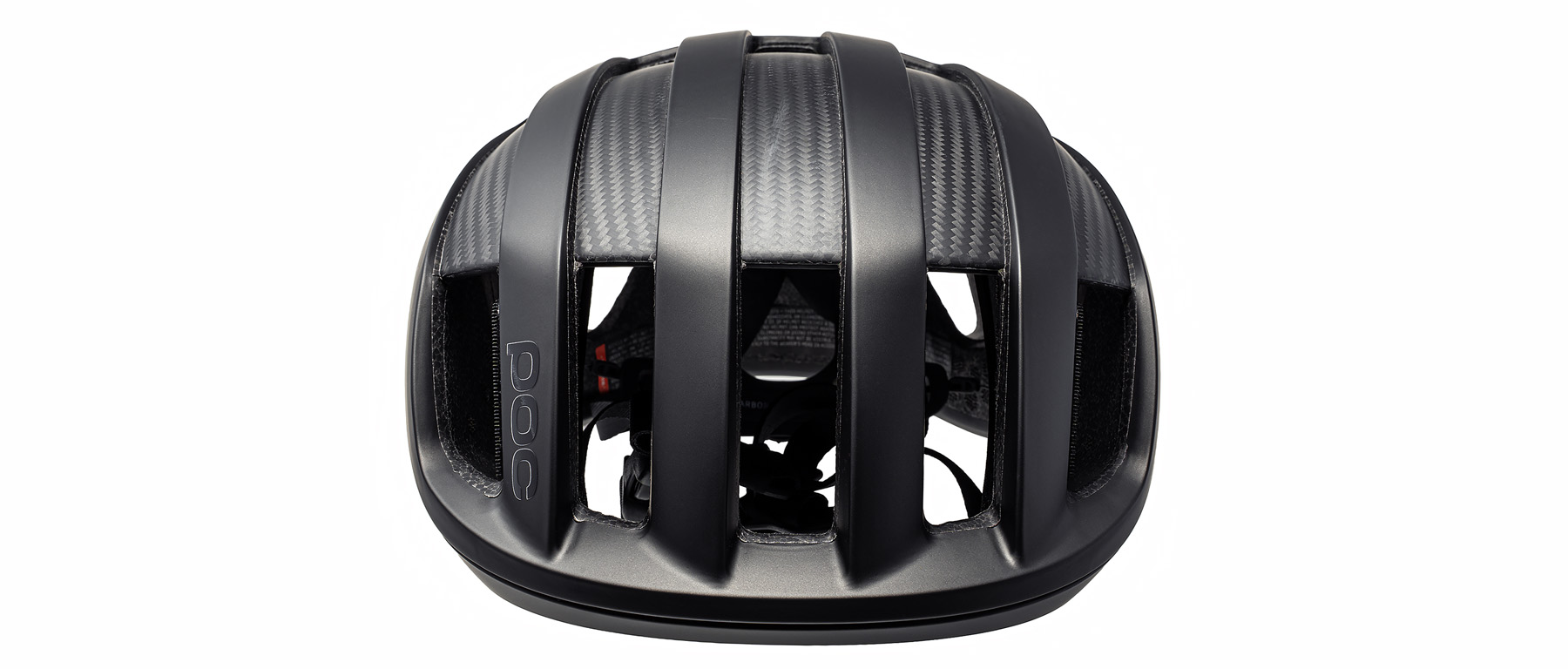
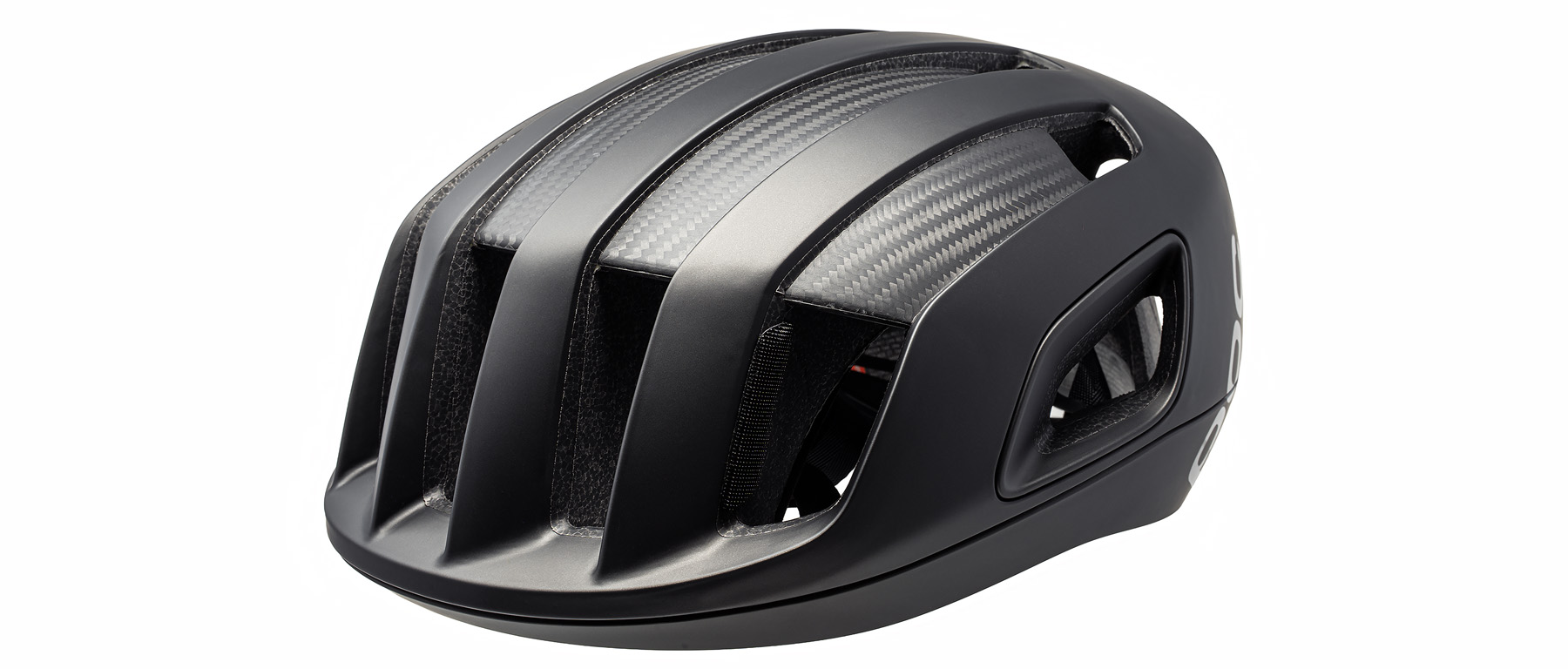
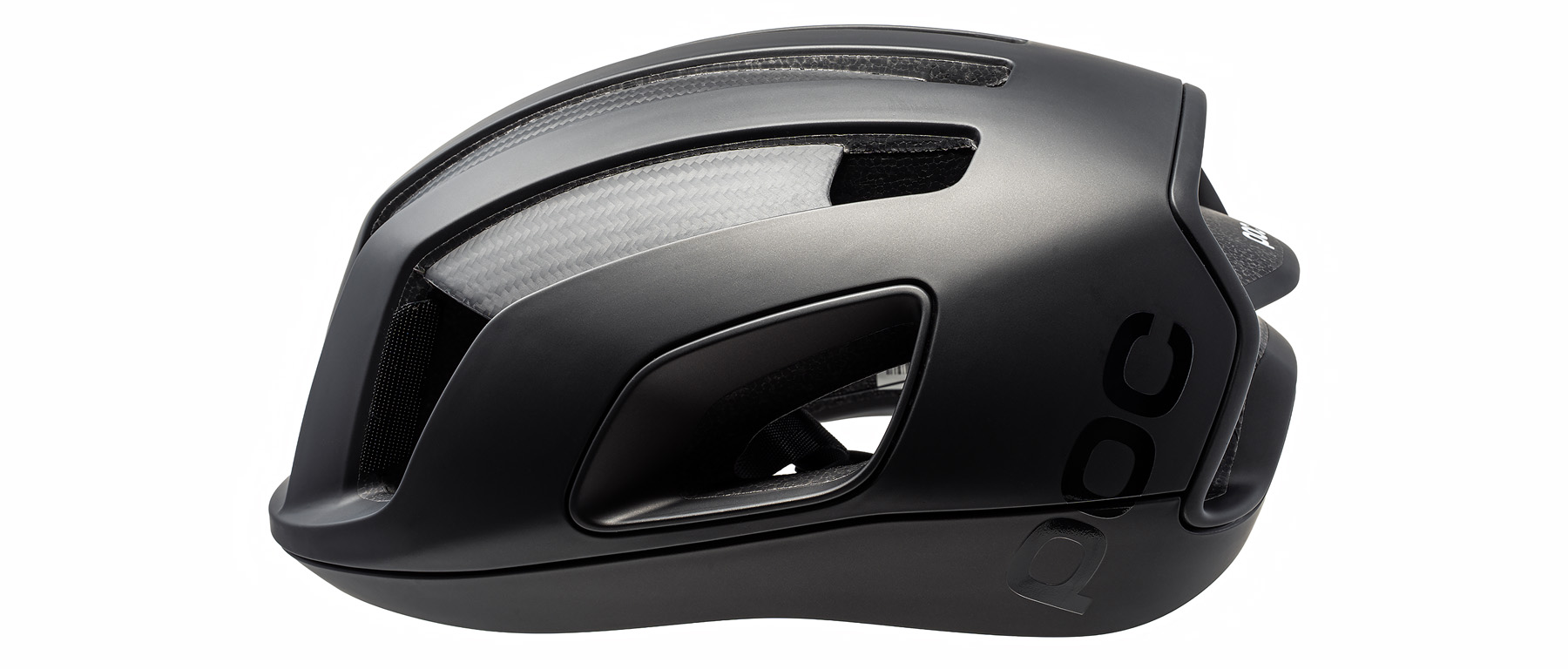
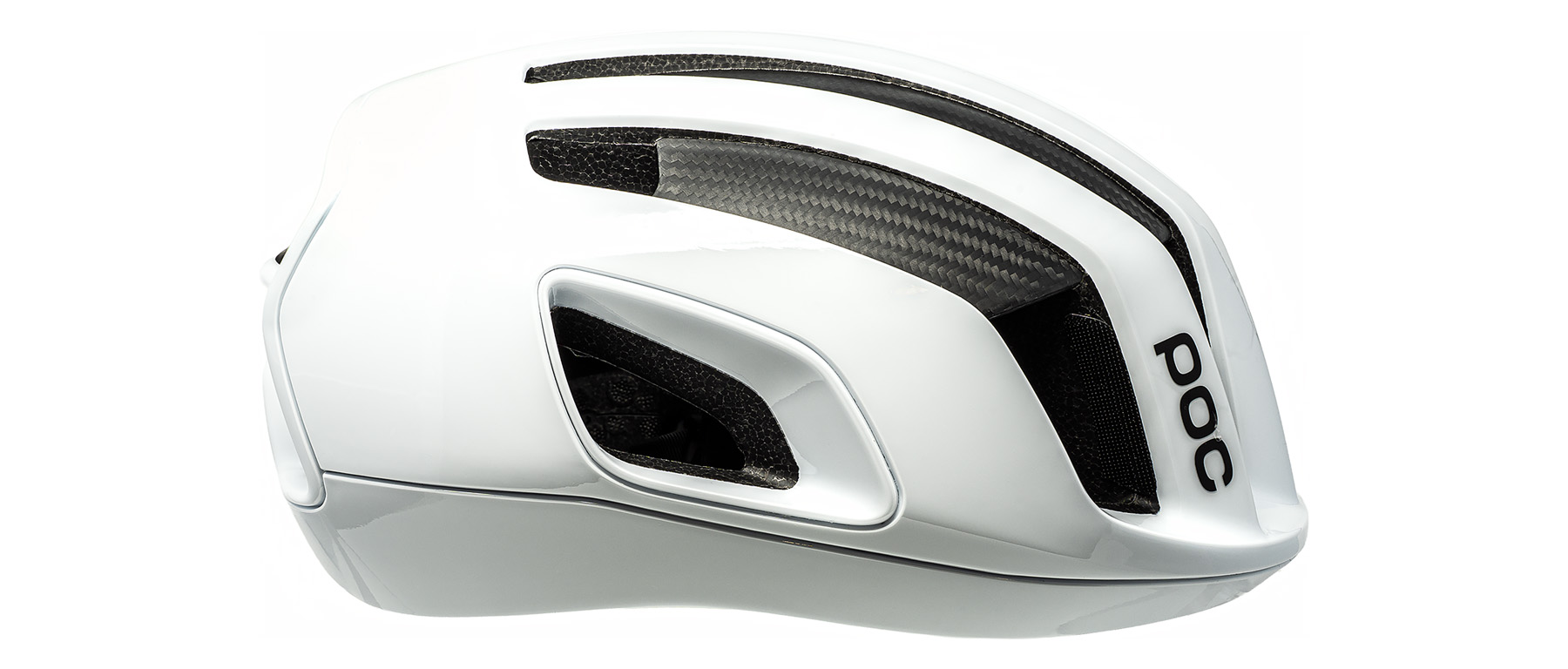
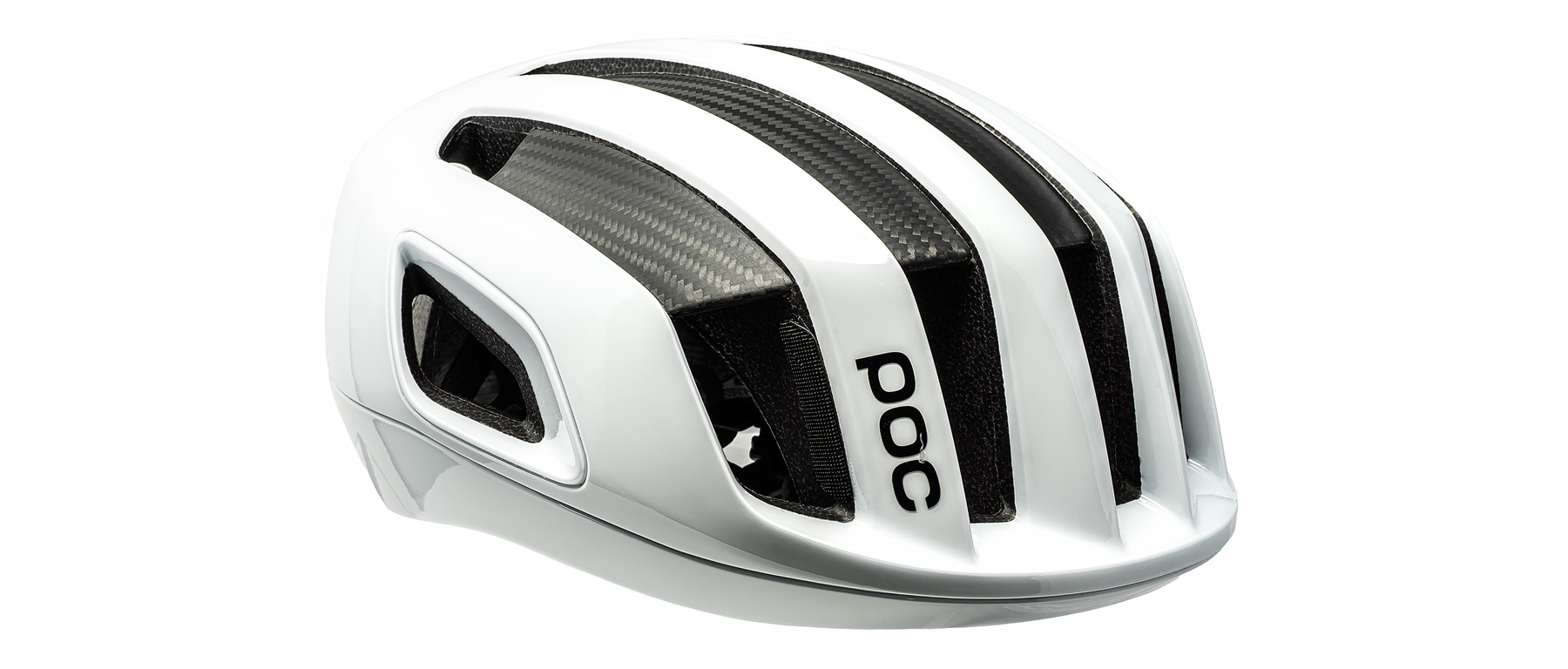
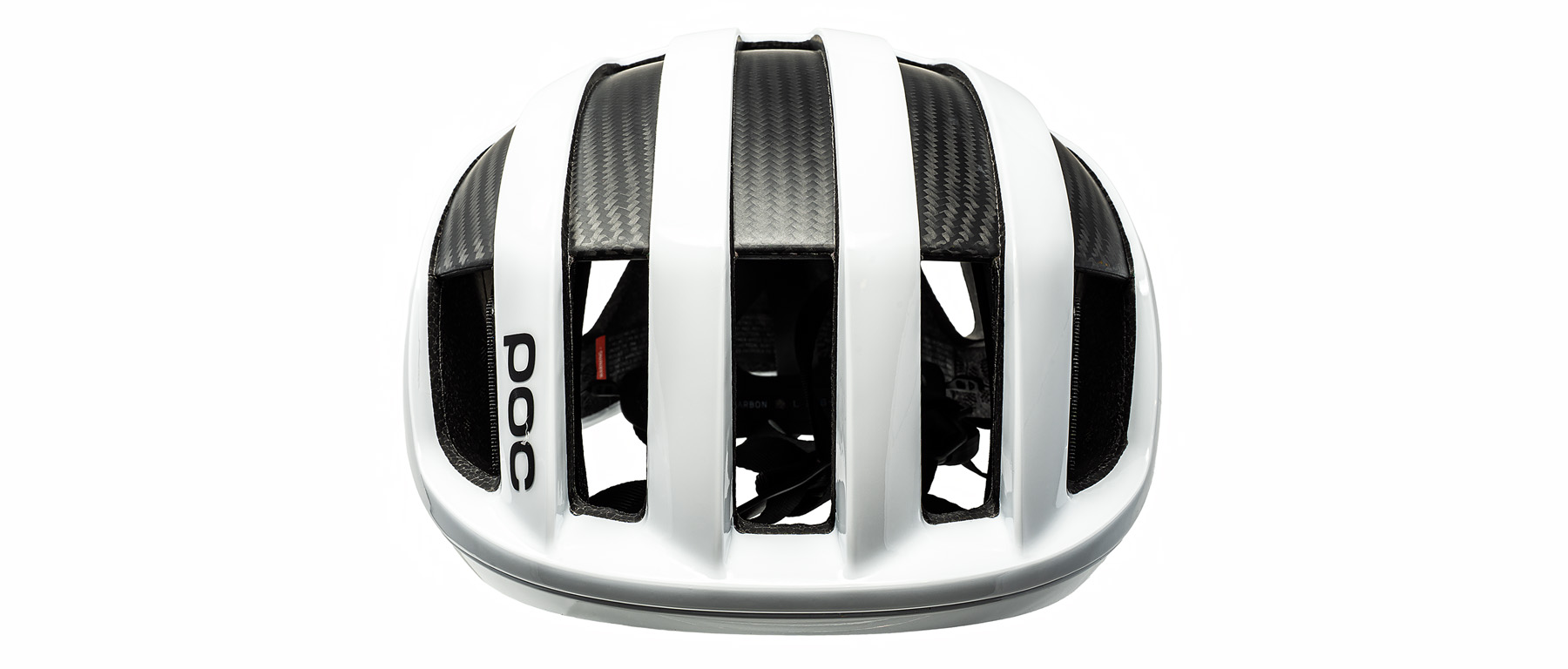
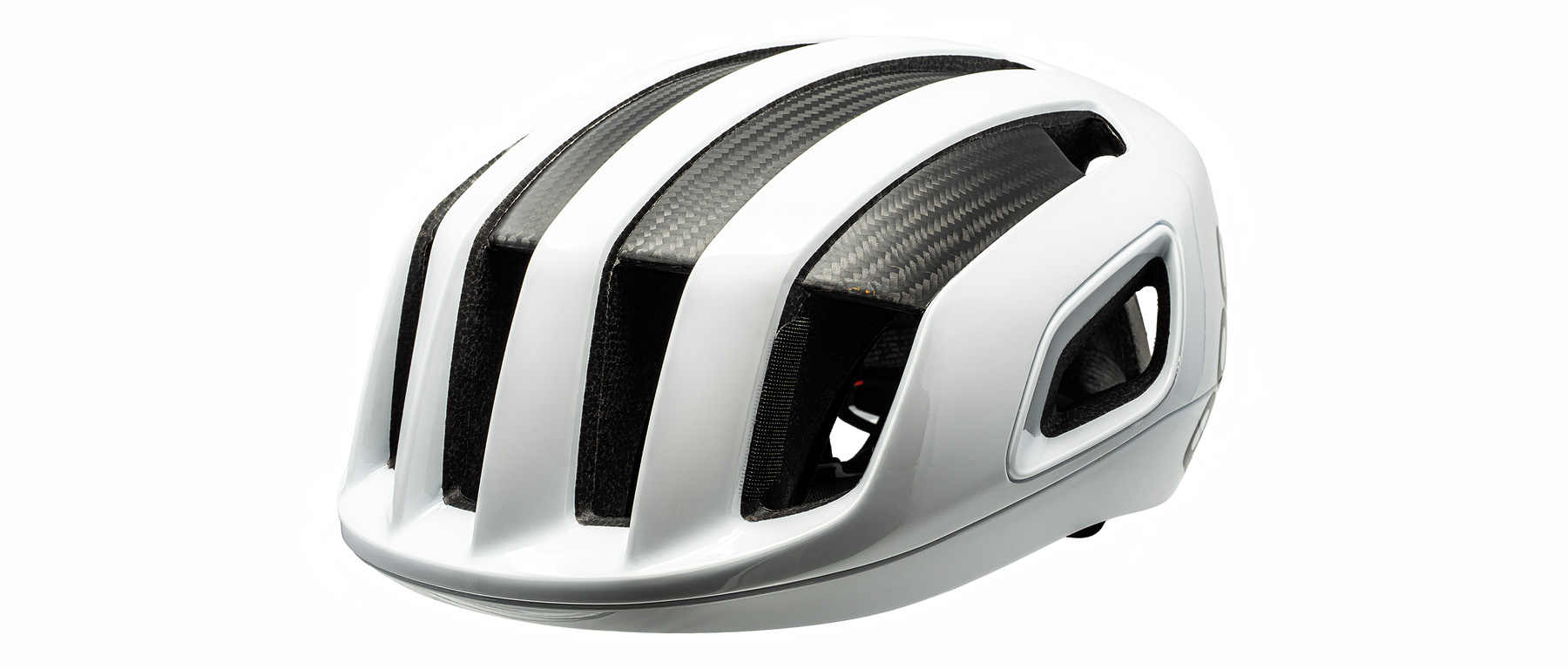
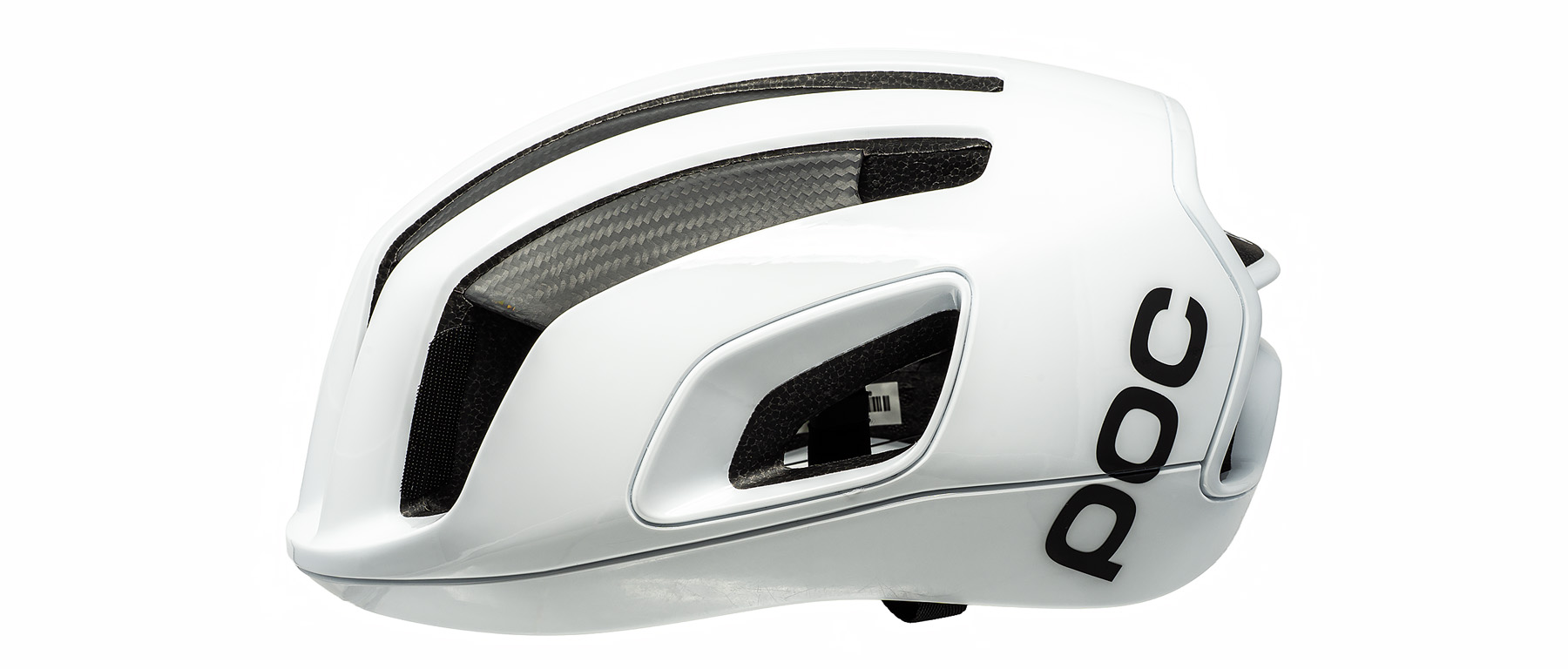
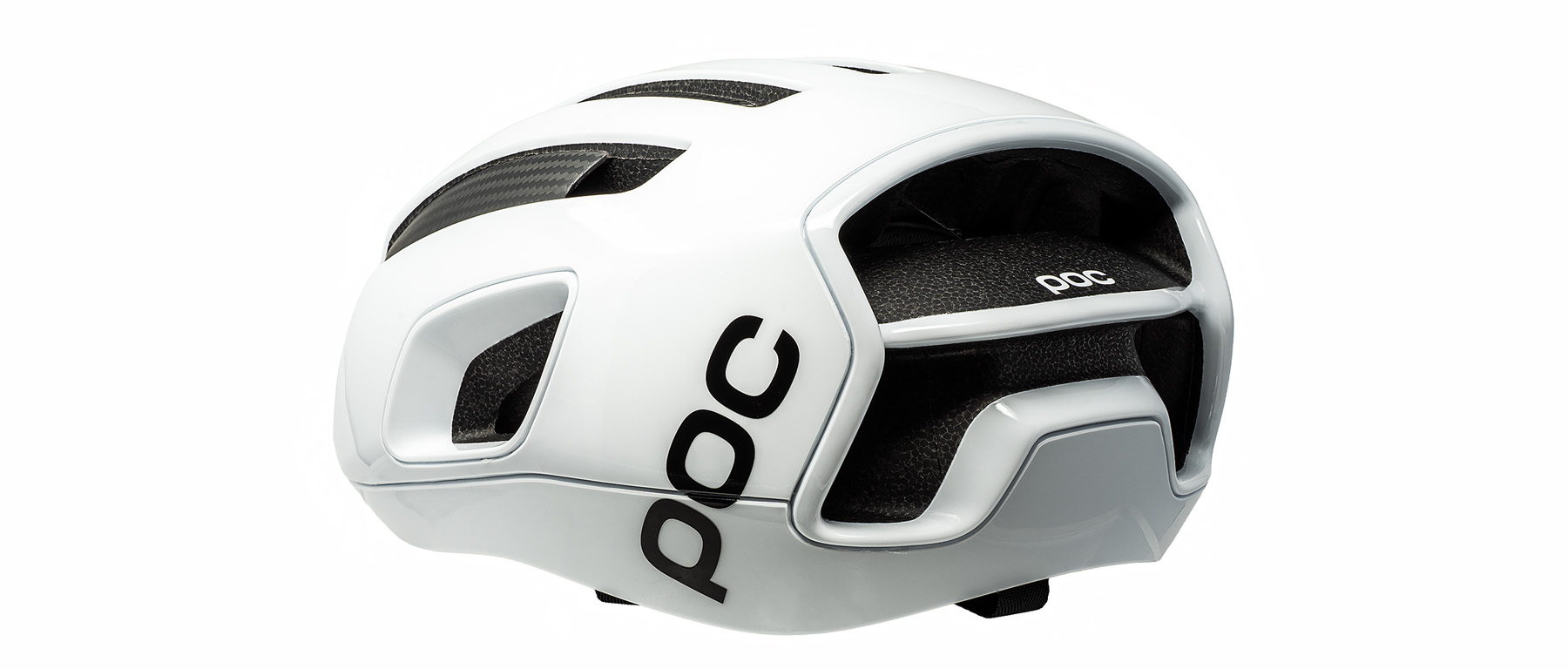
Aero helmets typically force a compromise: seal up the vents for speed, or open them up and accept the drag penalty. POC rejected that trade-off with the Cytal Carbon by integrating a handmade carbon wing that spans the helmet's crown, creating structural rigidity that allows for substantially larger frontal air intakes without sacrificing aerodynamic performance. The wing isn't decorative—it's a load-bearing element that distributes impact forces across a wider area while simultaneously channeling airflow using the Venturi effect, accelerating air velocity through the helmet rather than forcing it around the shell.
The carbon construction borrows manufacturing techniques from the supercar industry, where similar composite structures balance strength against weight in applications where grams genuinely matter. Each wing is hand-formed in Italy with a Koridion core sandwiched between the carbon sheets, giving the structure enough flex to absorb energy during impacts while maintaining the precise shape that makes the ventilation system work. POC subjected the design to extensive CFD modeling and wind tunnel testing before handing prototypes to EF Pro Cycling riders for real-world validation on some of the hardest stages in professional racing.
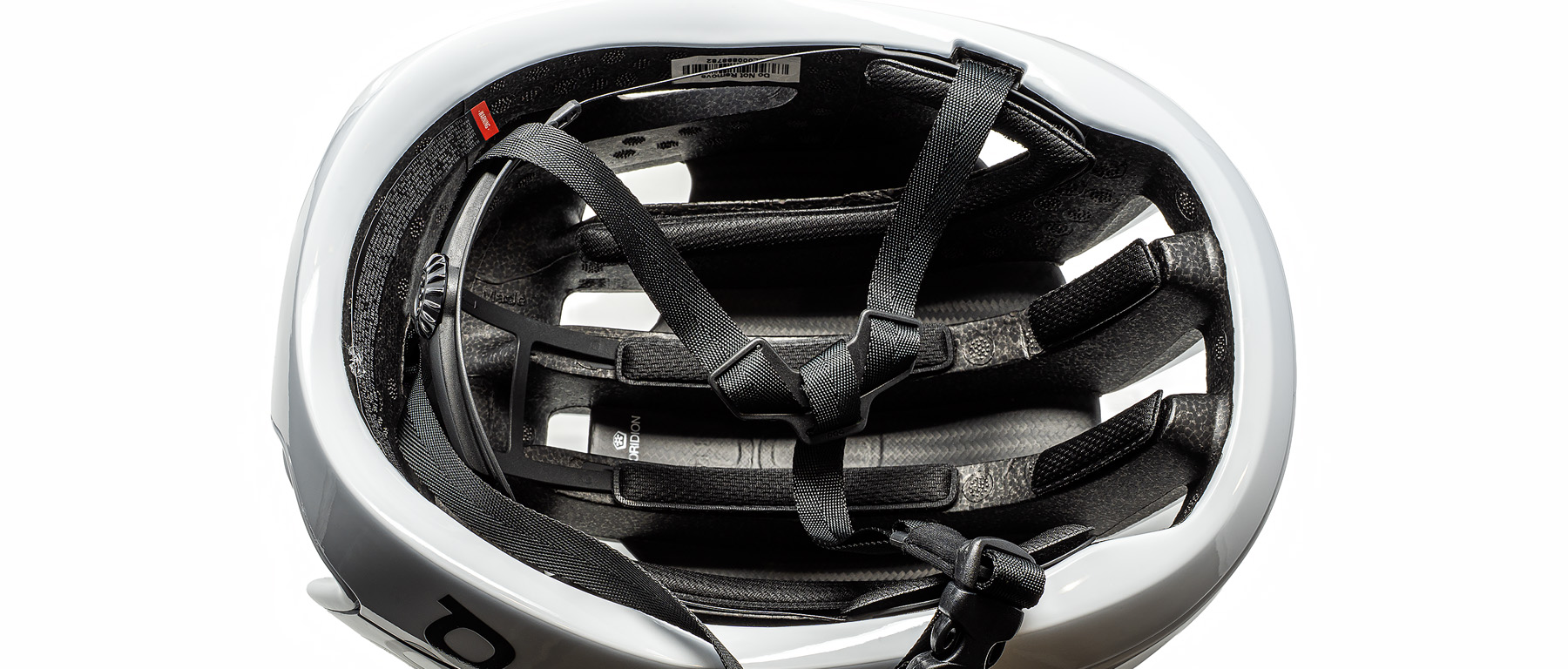
Virginia Tech's independent helmet testing program awarded the Cytal Carbon a five-star safety rating, confirming that the ventilation-first design philosophy doesn't compromise protection. The EPS liner uses variable density construction informed by POC's internal crash research, with denser foam concentrated in zones where their heat-mapping data shows impacts most frequently occur. Rather than adding a MIPS liner that would introduce weight and potentially restrict airflow, POC engineered the safety performance directly into the foam density and carbon wing structure.... Read More
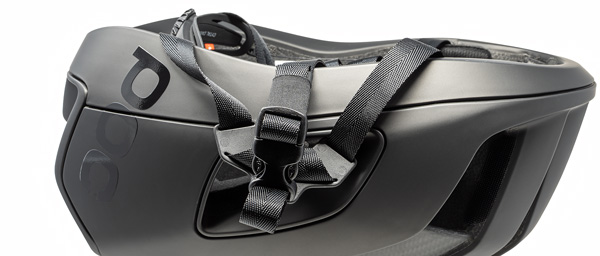
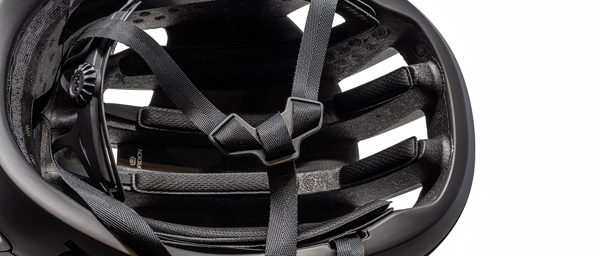
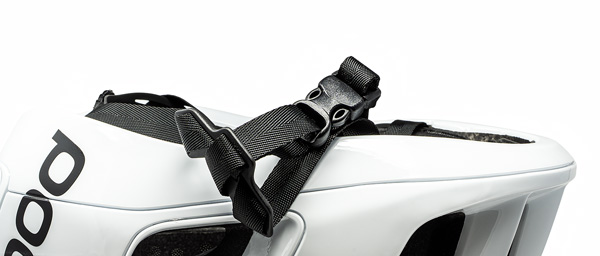
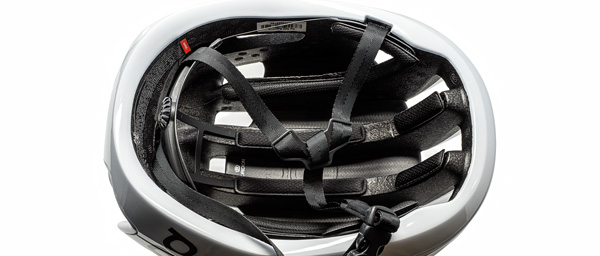
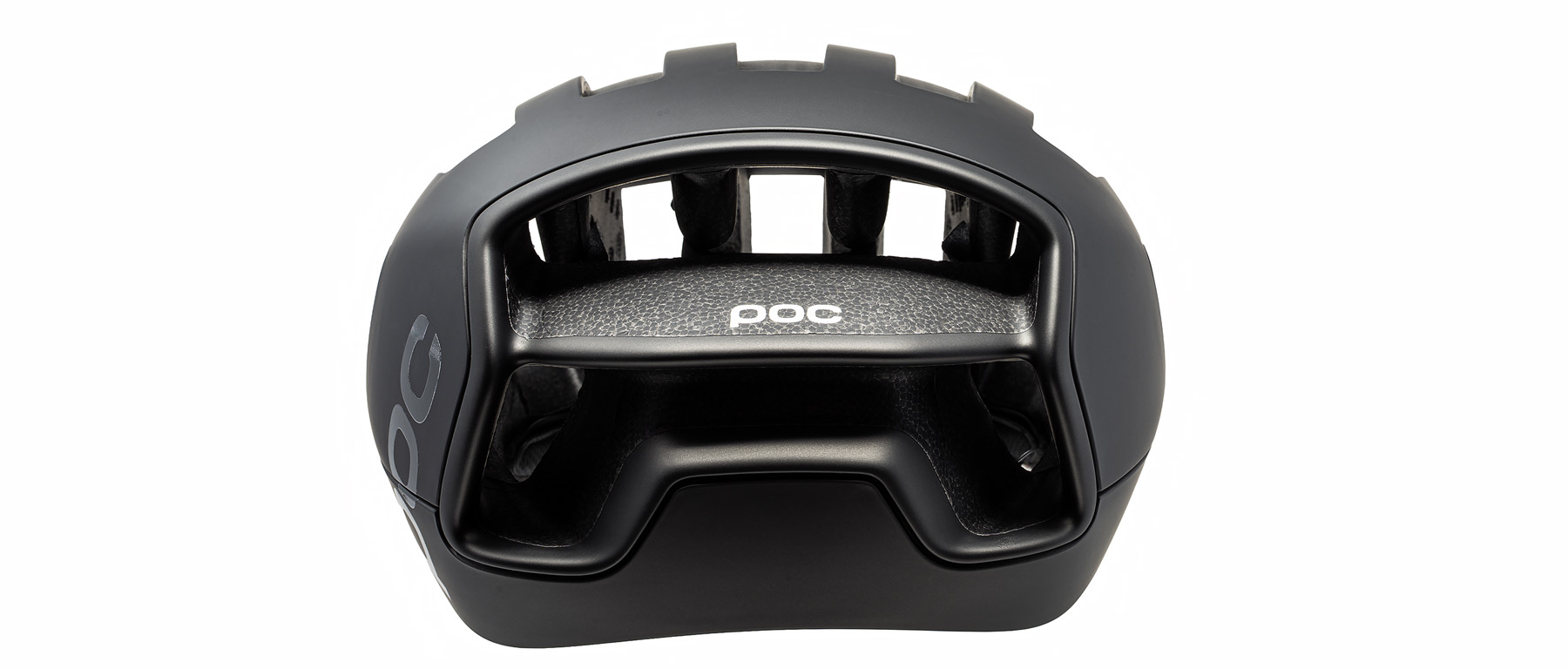
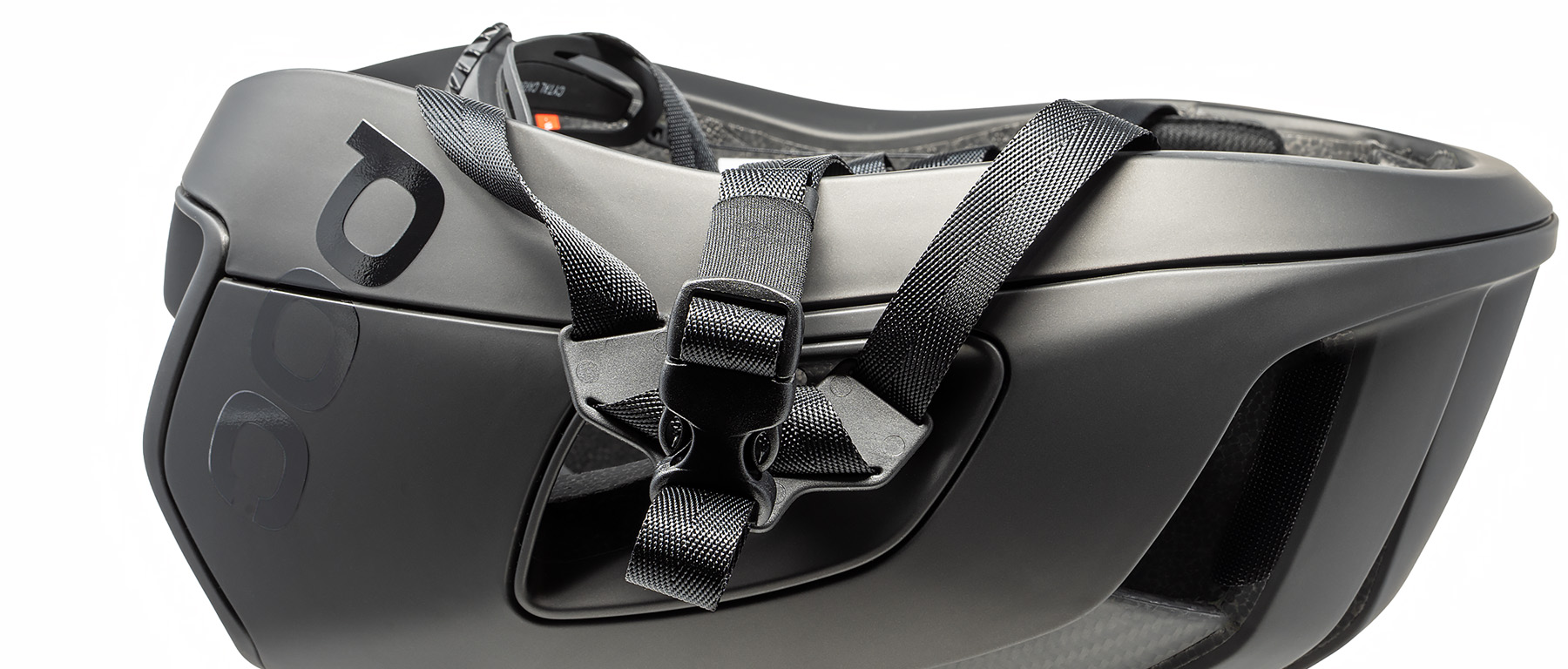
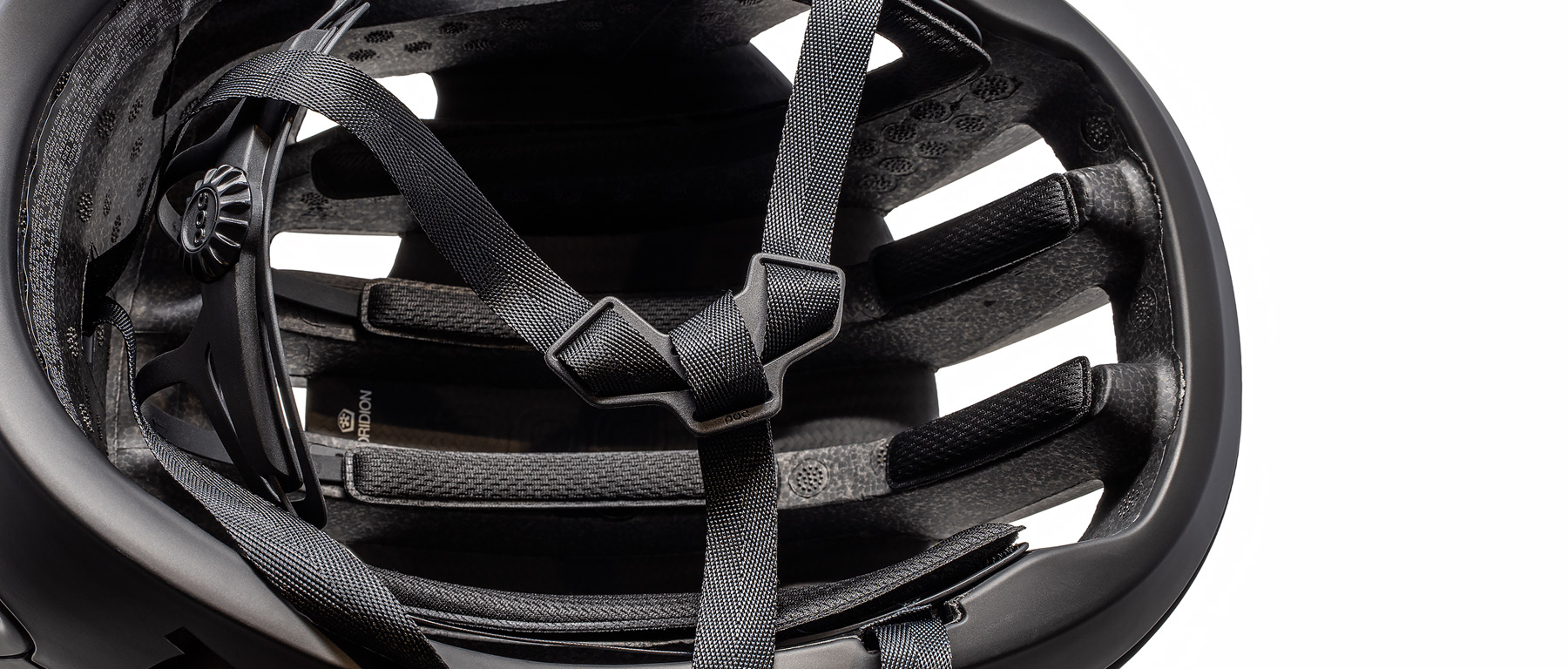
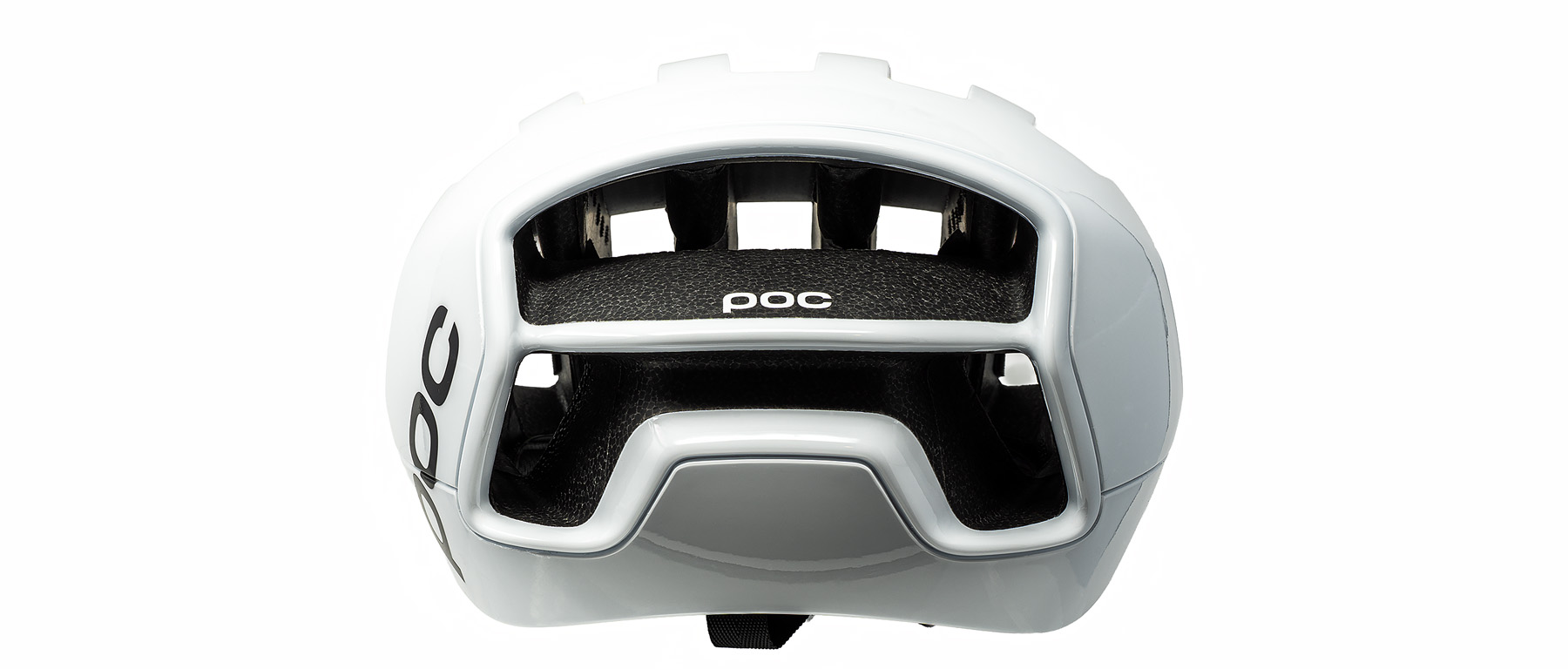
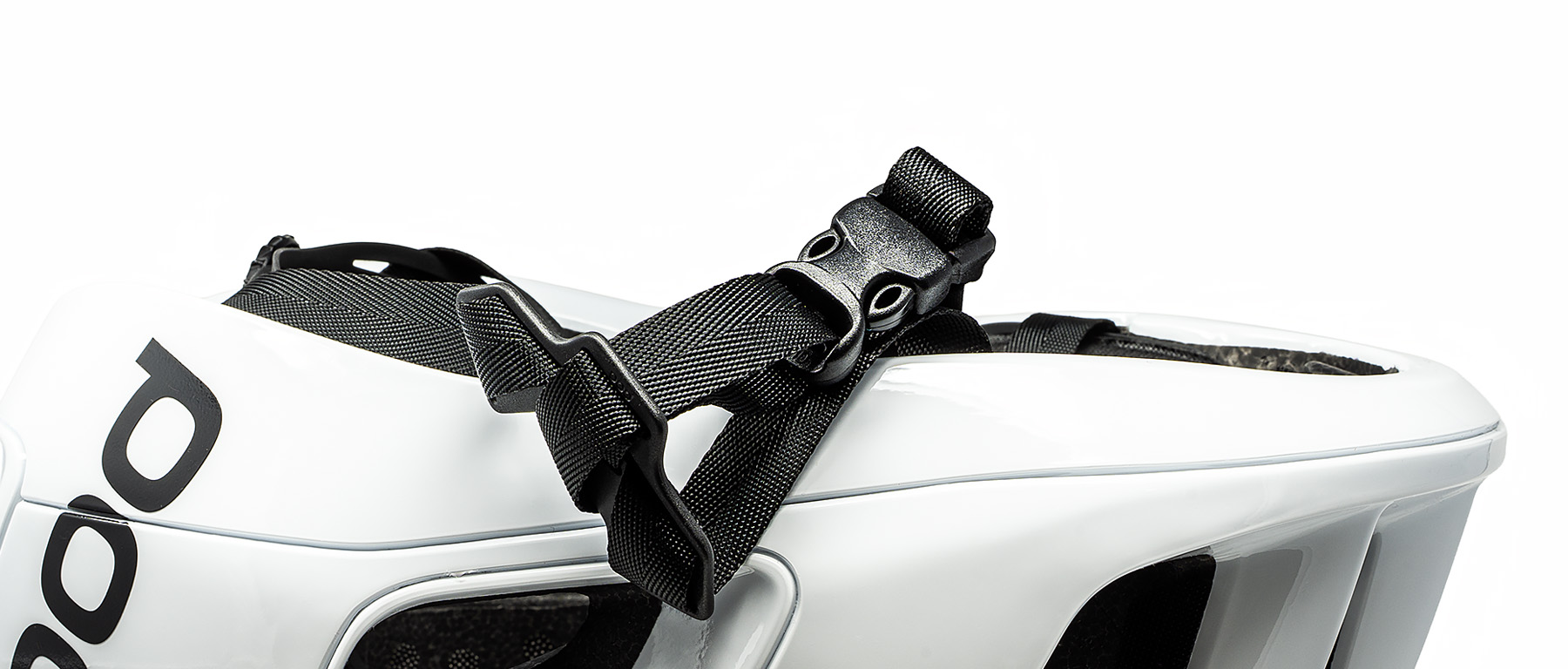
Fit happens through a retention system that spans temple to temple around the back of the head, deliberately keeping hardware away from the forehead to preserve that critical frontal ventilation zone. The cradle adjusts vertically and the temples fine-tune laterally, while a rear dial handles micro-adjustments on the fly. An eye garage integrated into the front vents holds sunglasses securely when you need them off your face during climbs or in changing light. The minimal interior padding reduces contact points, which might seem counterintuitive for comfort but actually improves cooling by allowing more air to circulate directly across your scalp. Additional padding options ship in the box for riders who prefer more cushion.