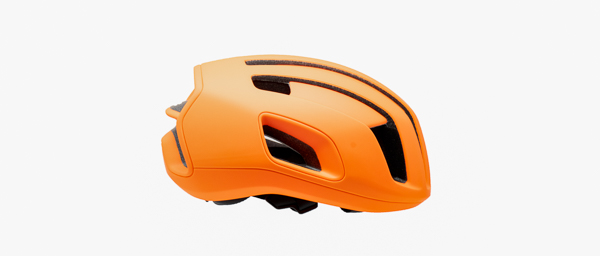
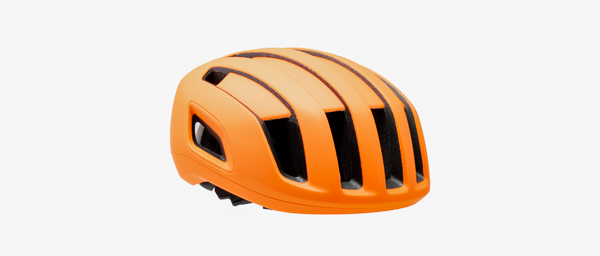
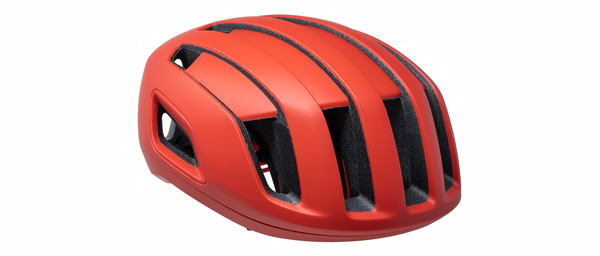
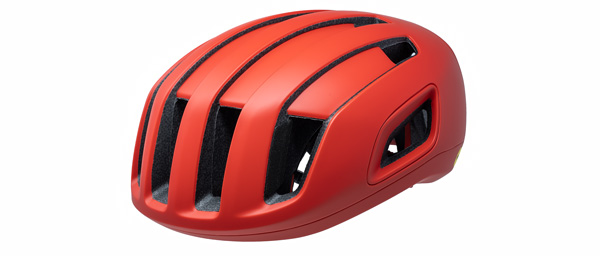
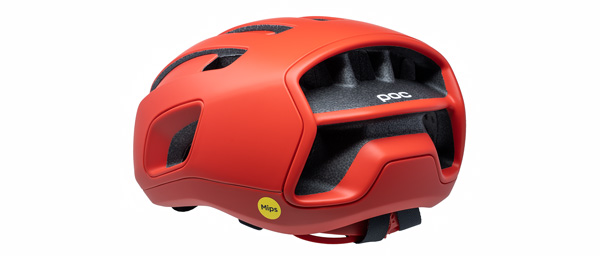
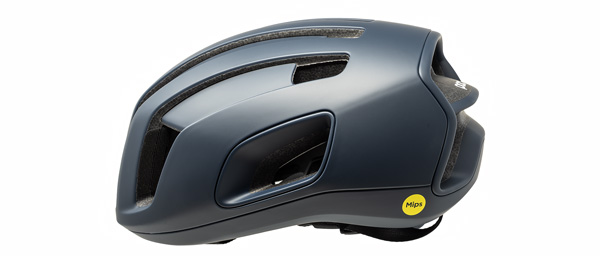
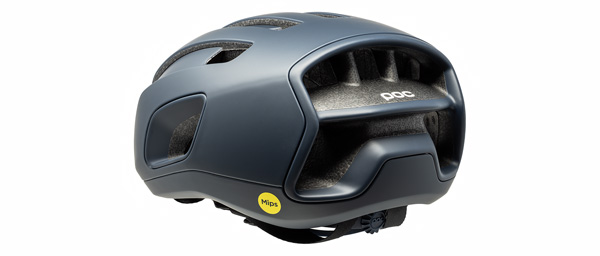
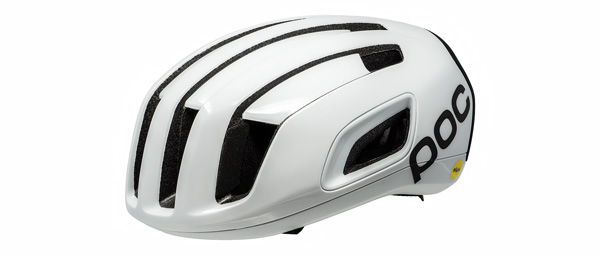
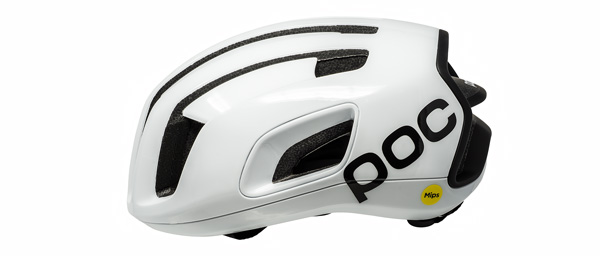
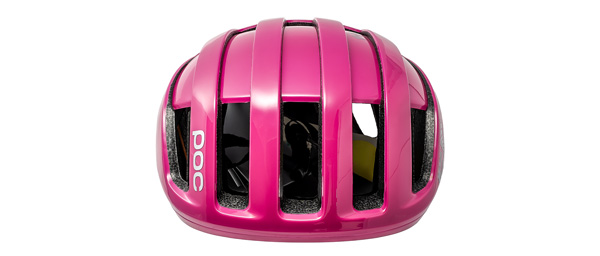
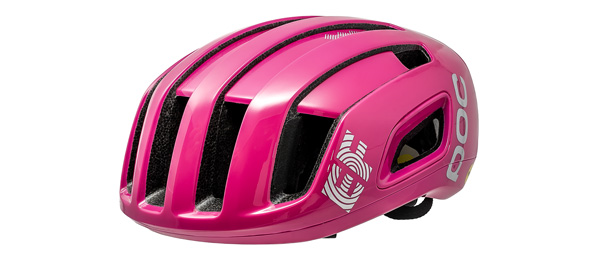
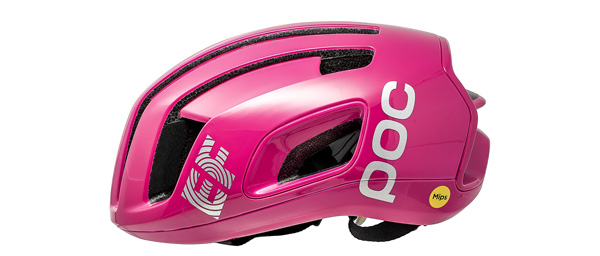
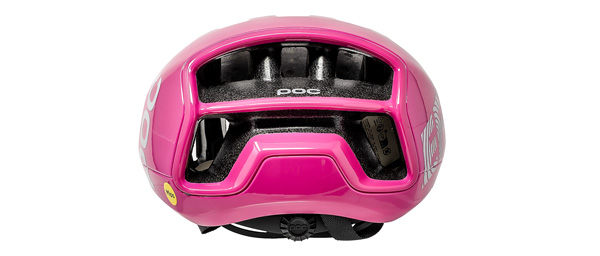
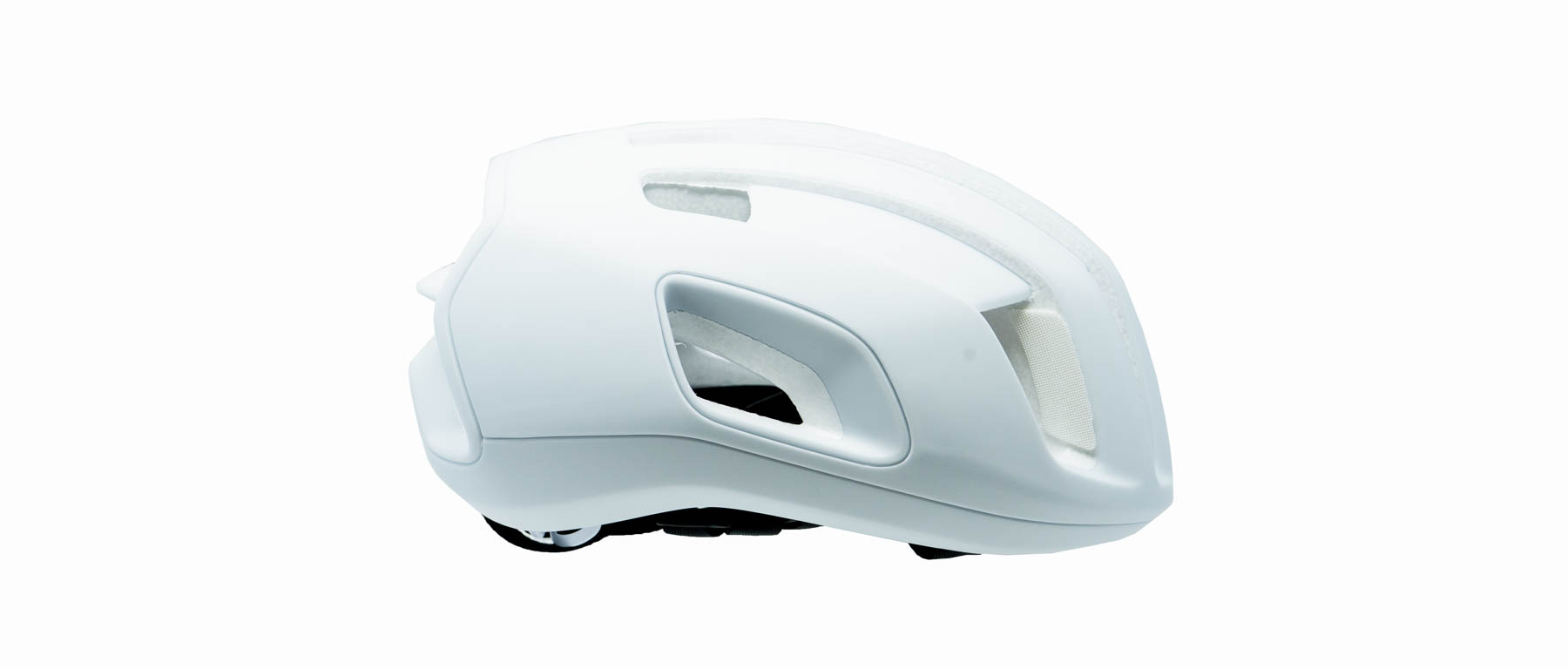
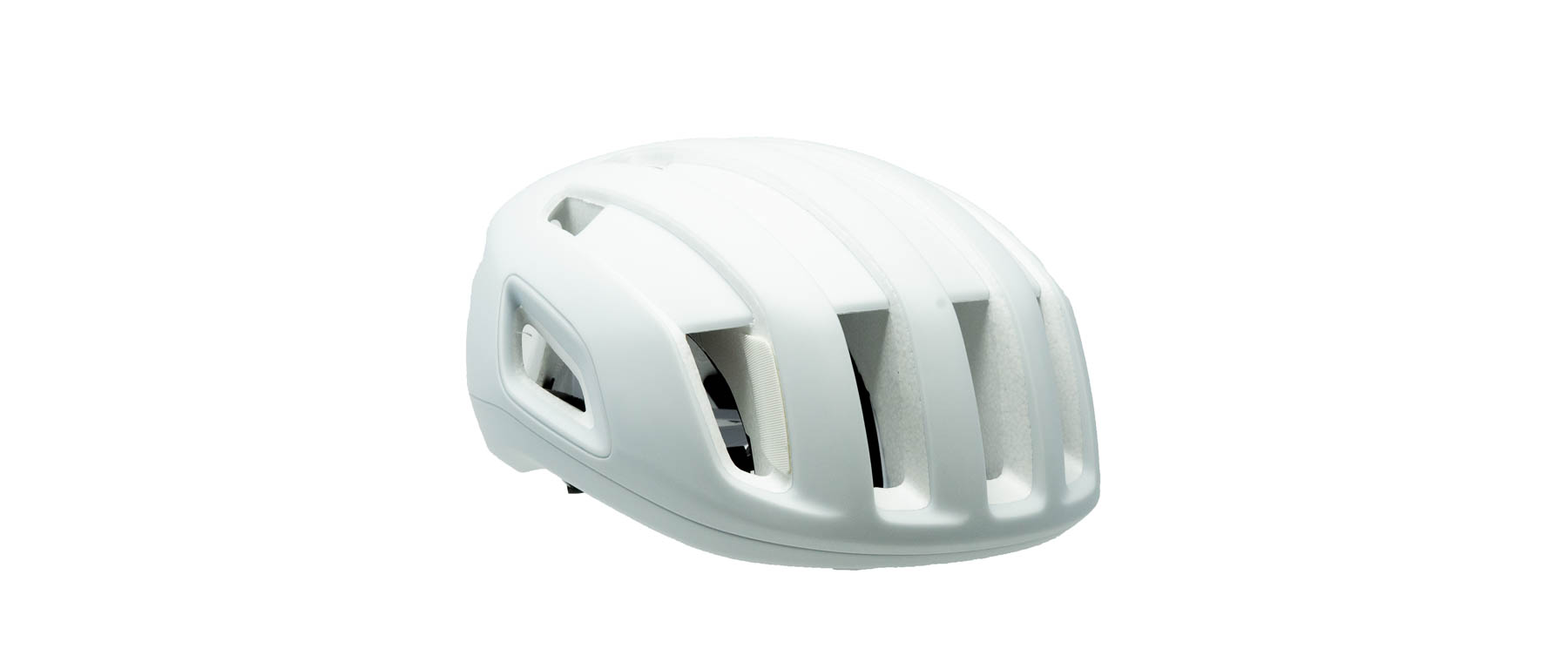
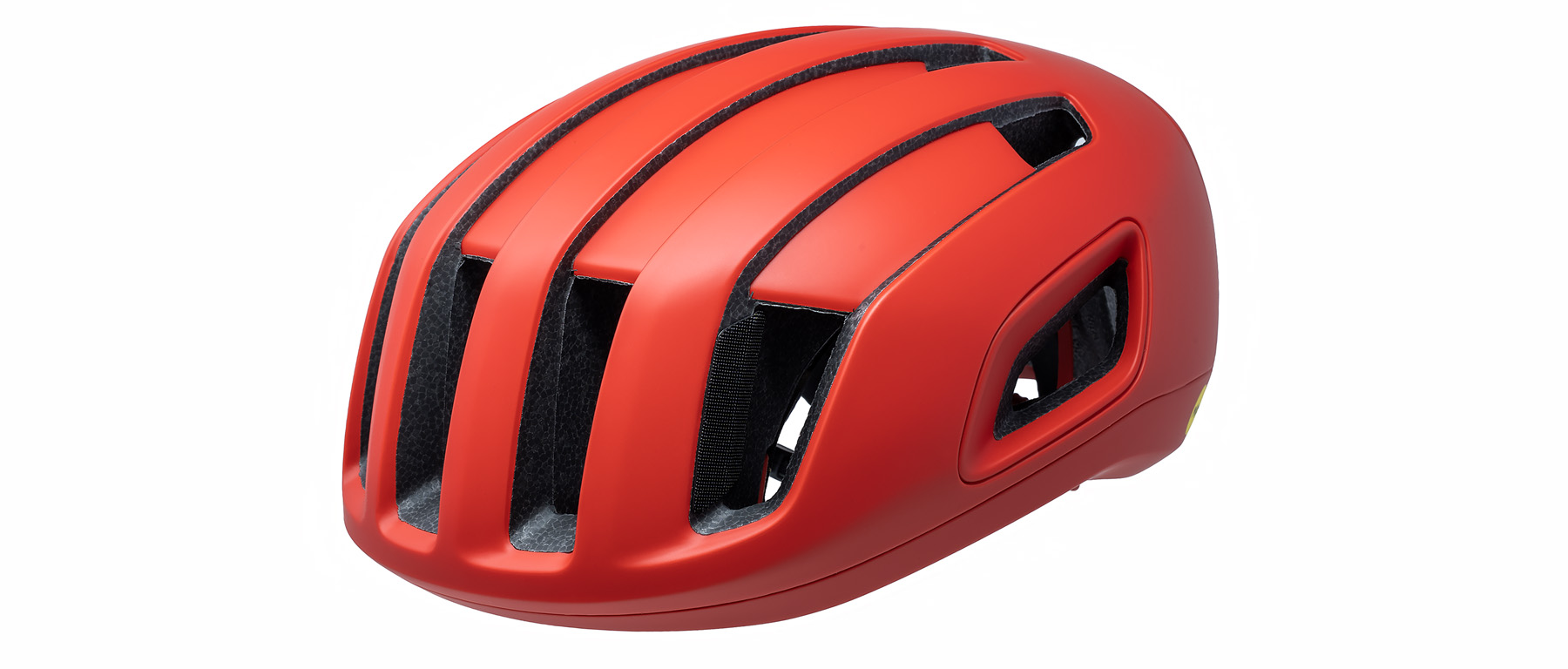
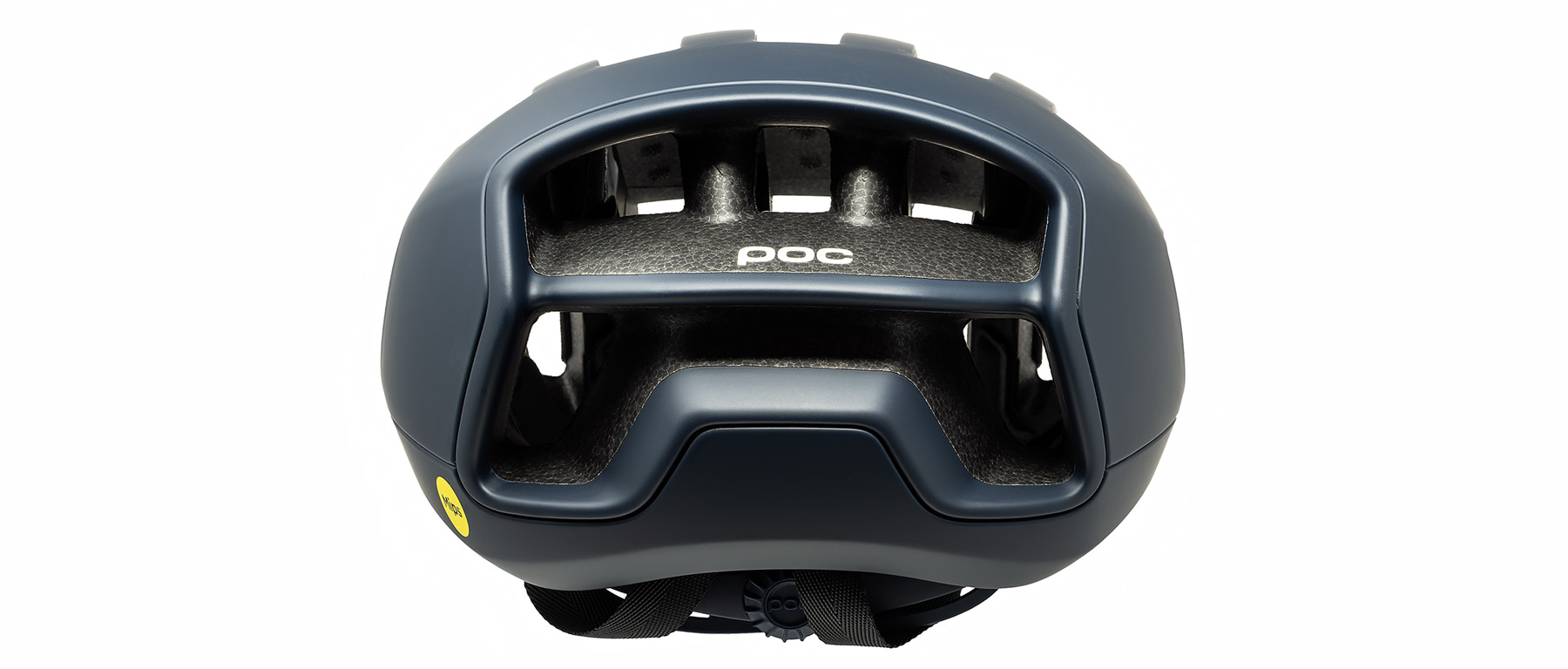
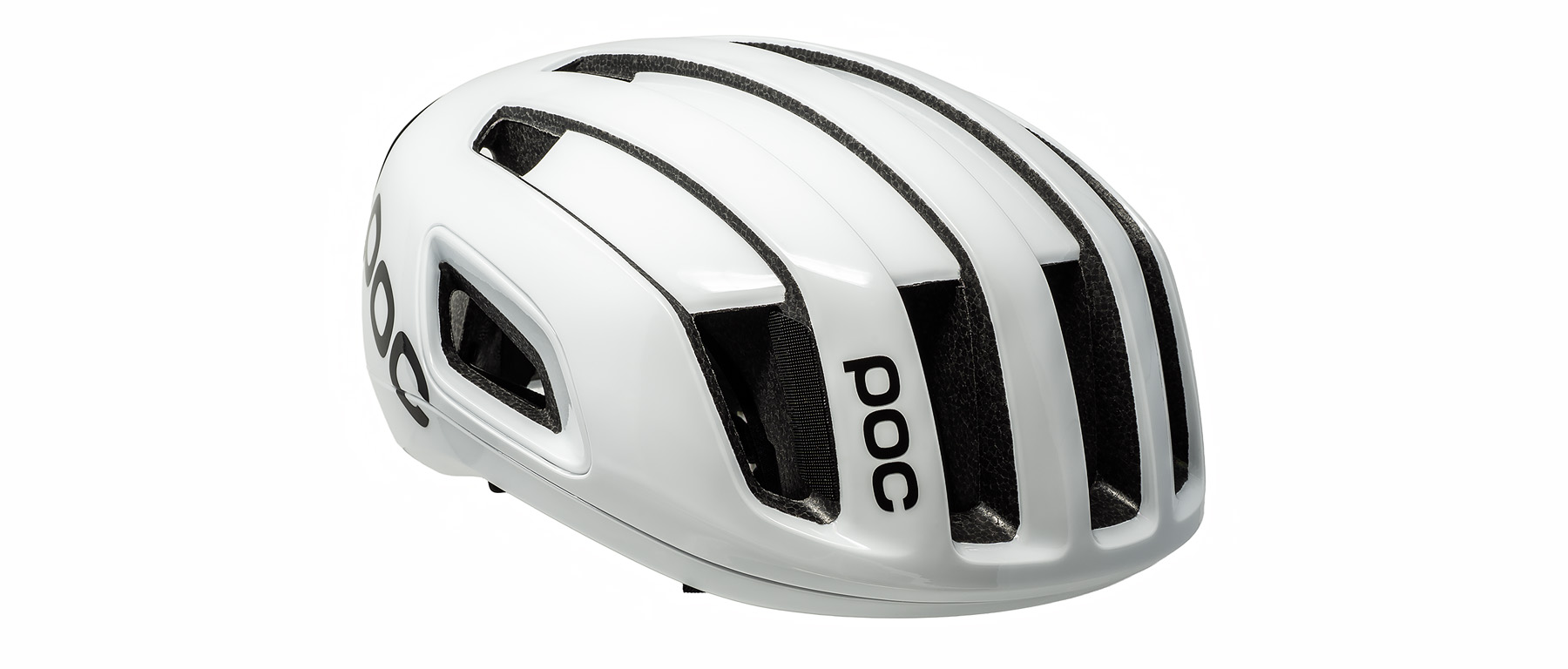
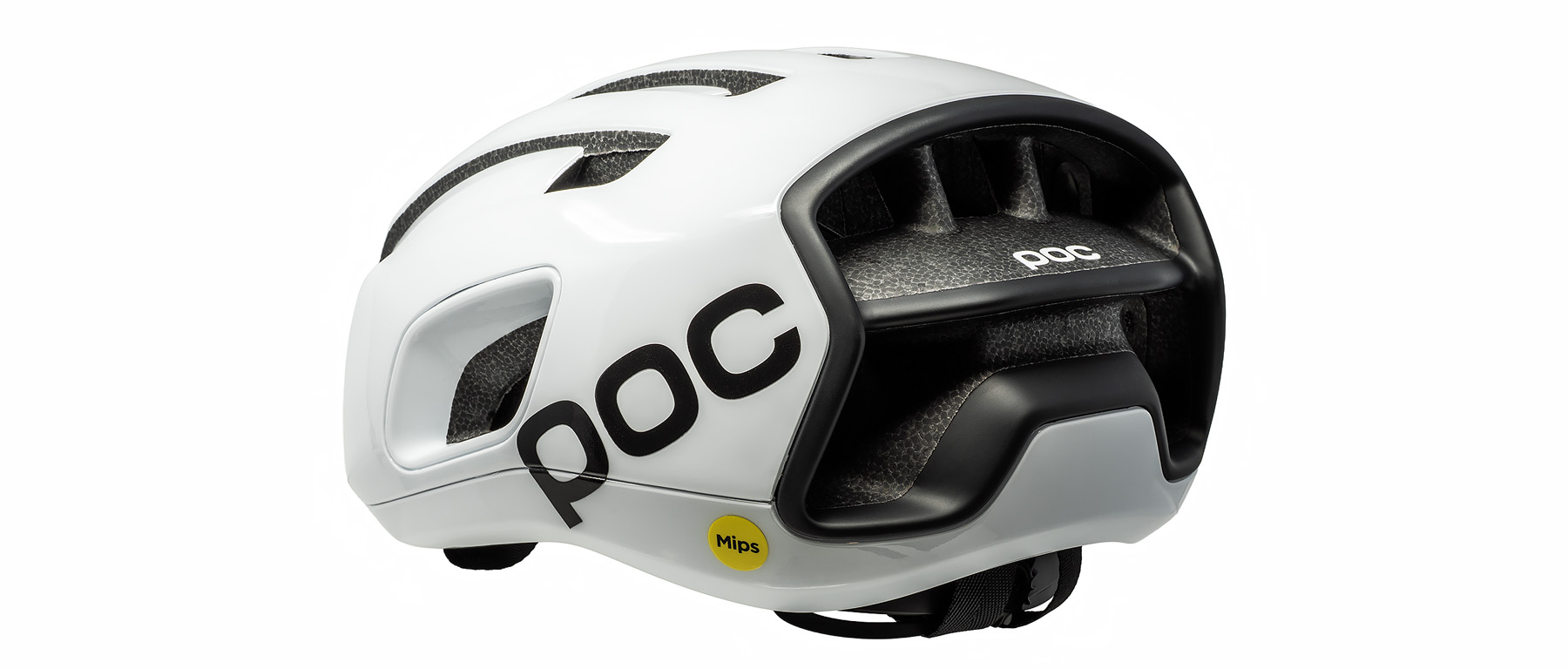
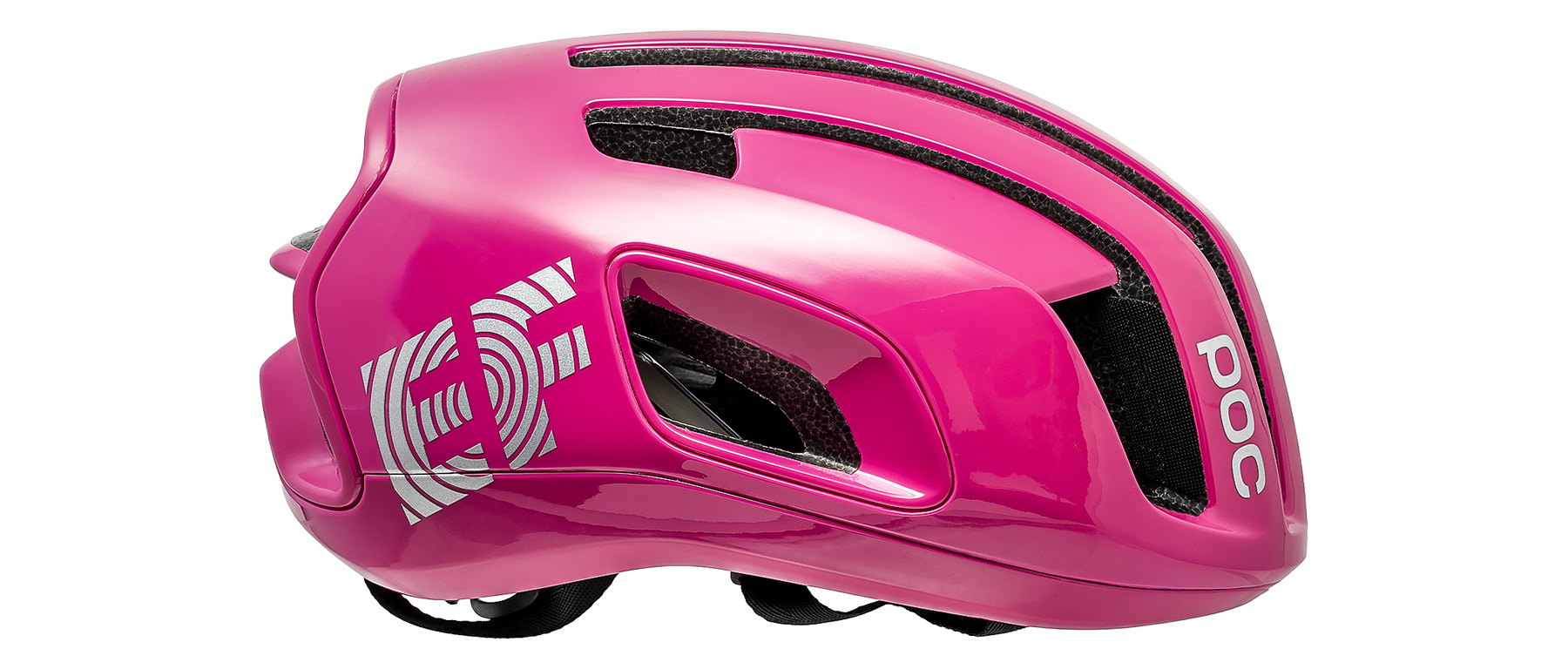
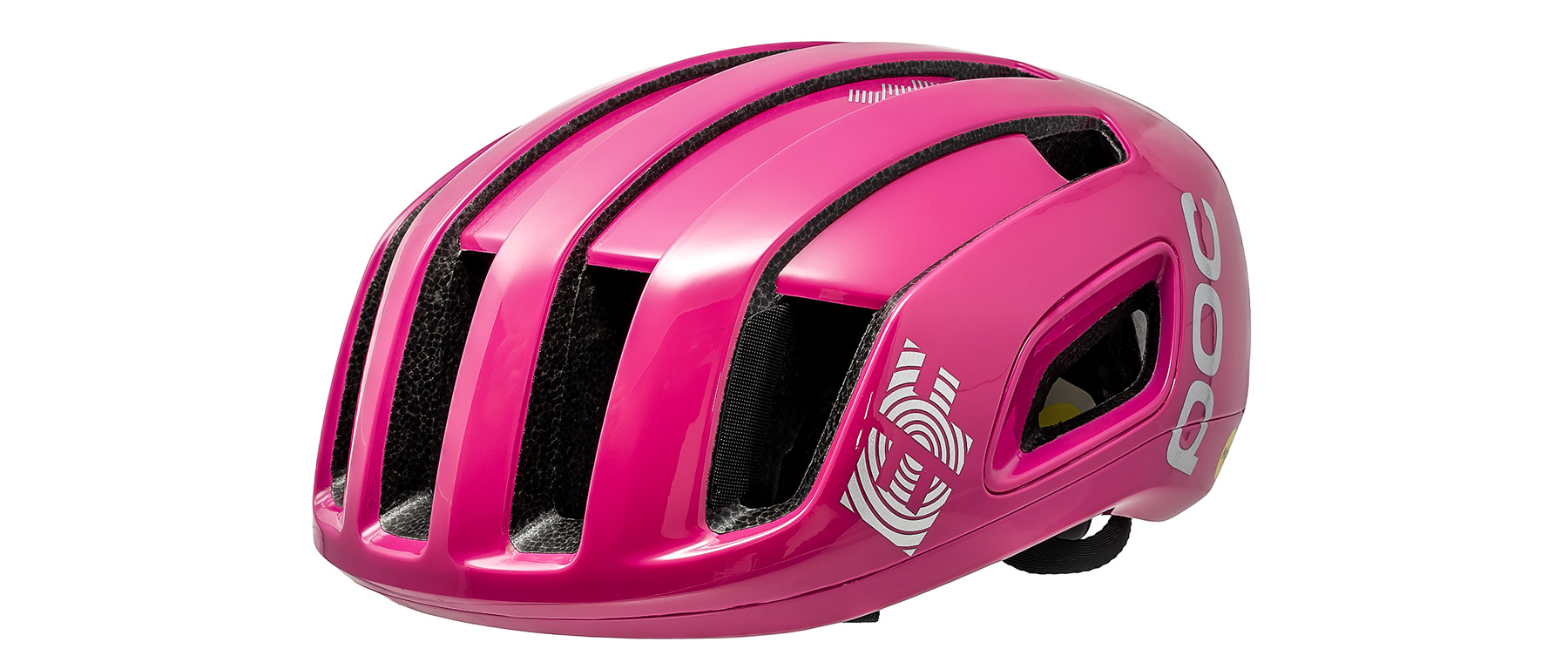
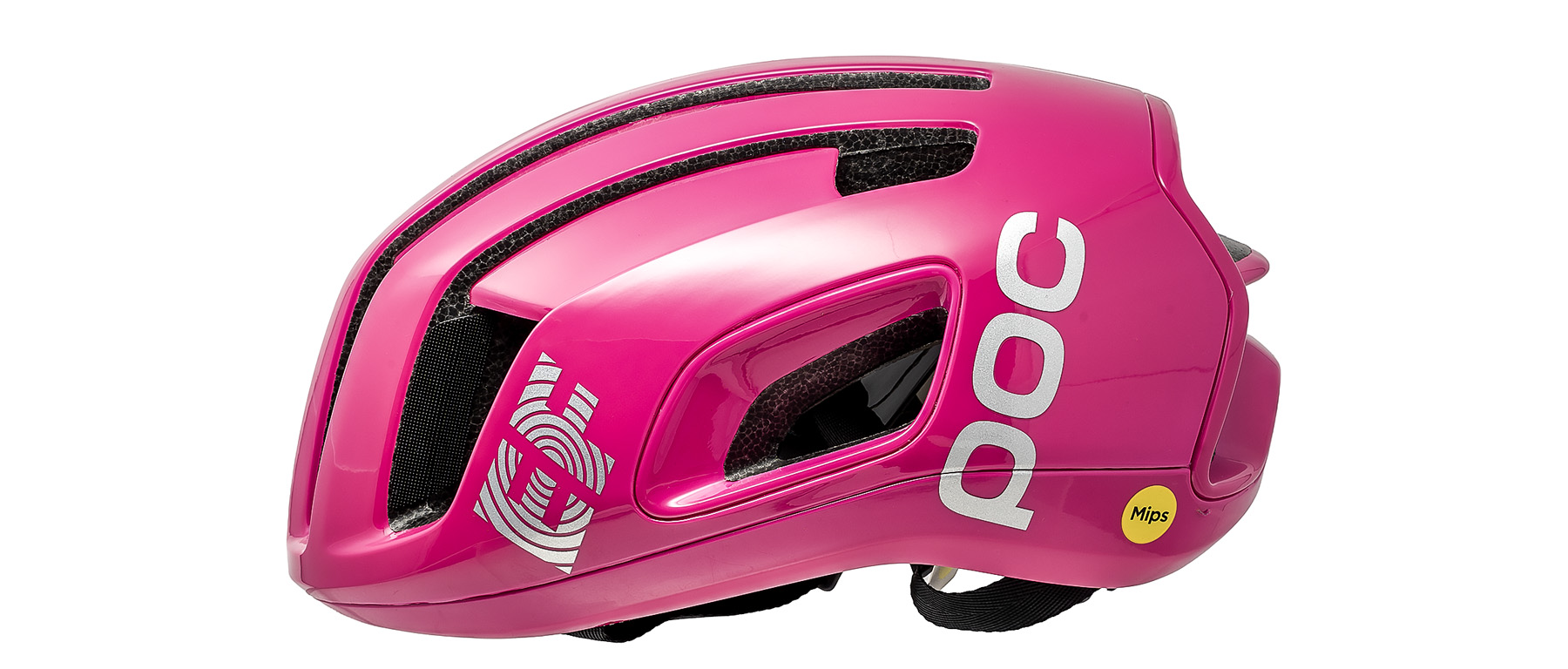
Helmet safety engineering has evolved well beyond simply passing minimum certification thresholds. POC built the Cytal's protection around a heat-map database containing nearly a million real-world crash data points, engineering variable-density EPS foam that places denser material in zones where their research shows impacts actually occur. This data-driven approach treats helmet design as a precise engineering problem rather than a matter of meeting baseline standards and calling it done.
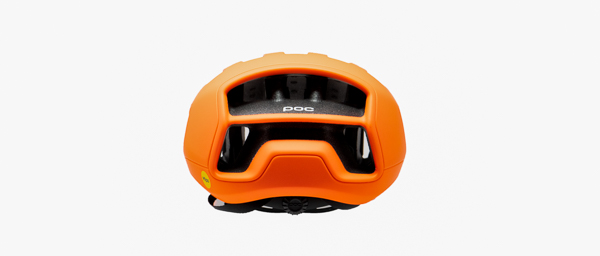
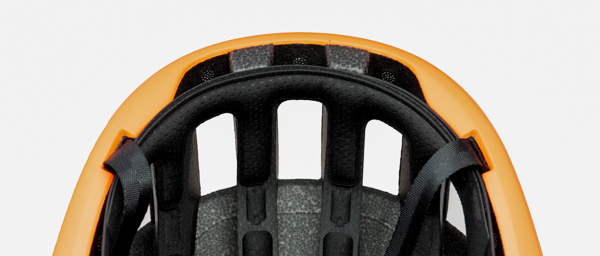
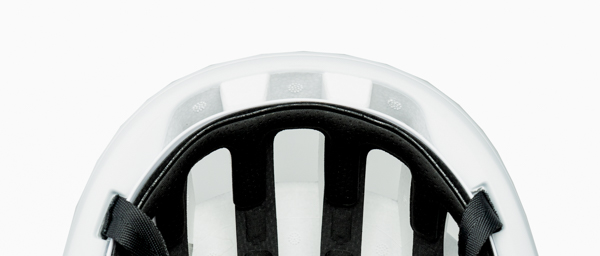
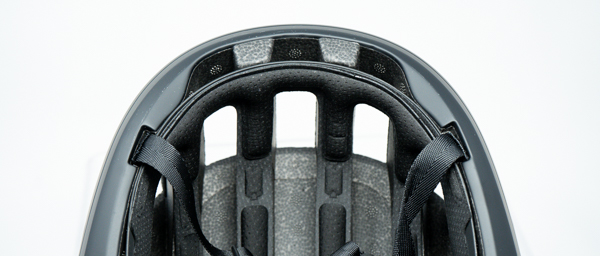
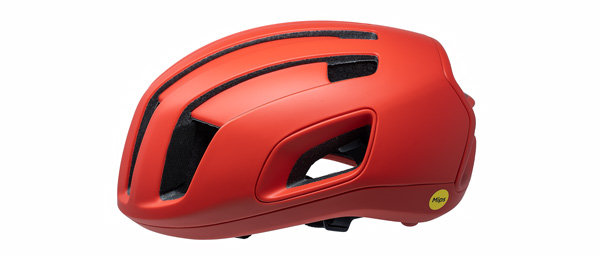
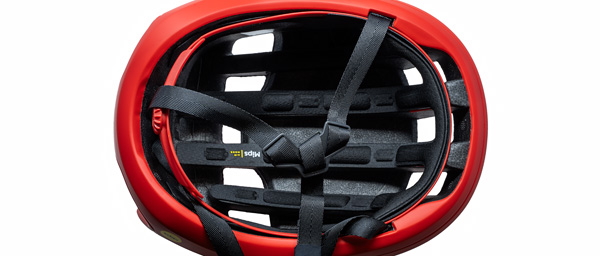
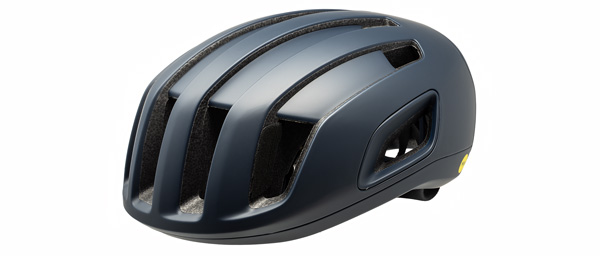
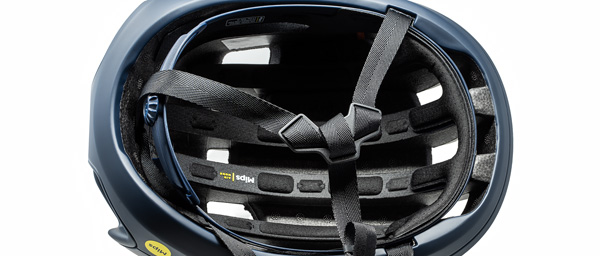
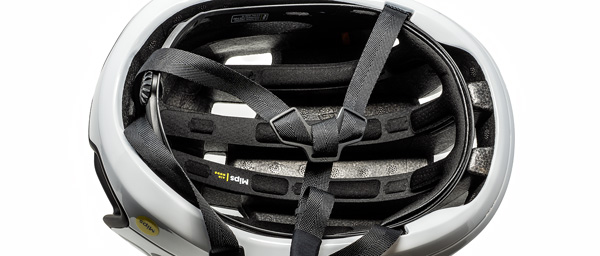
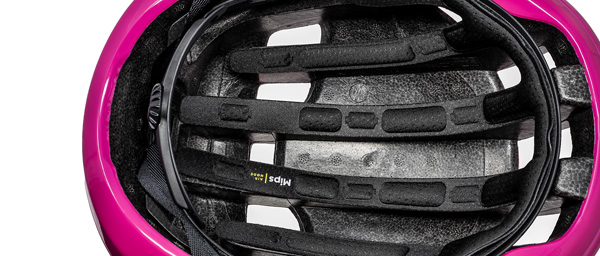
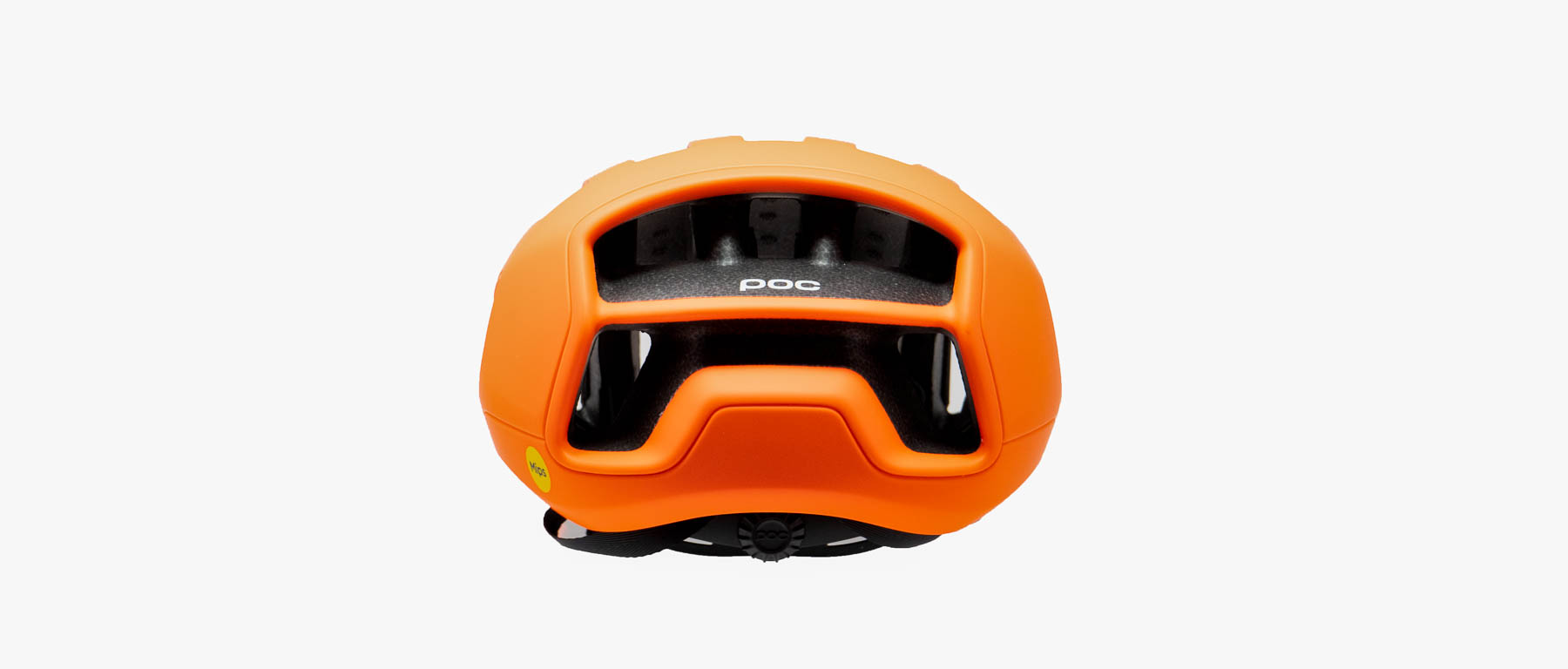
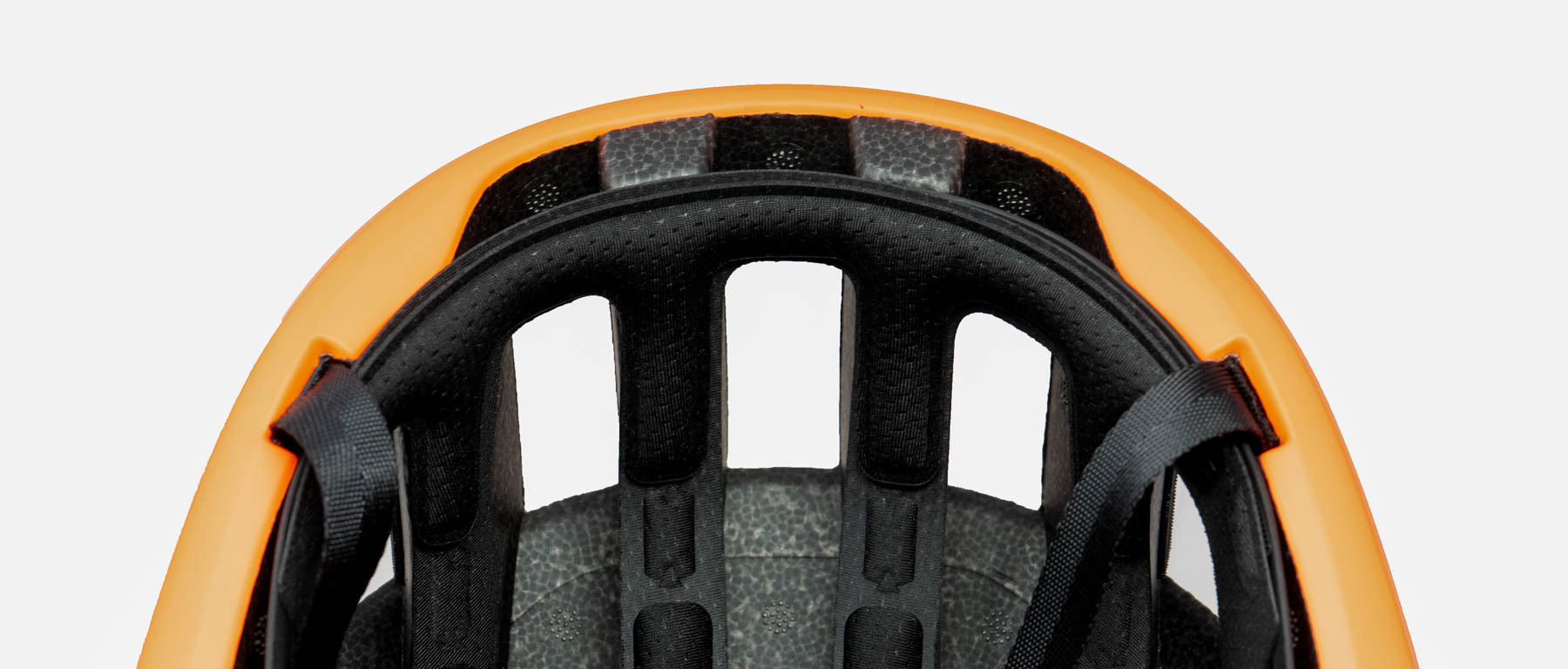
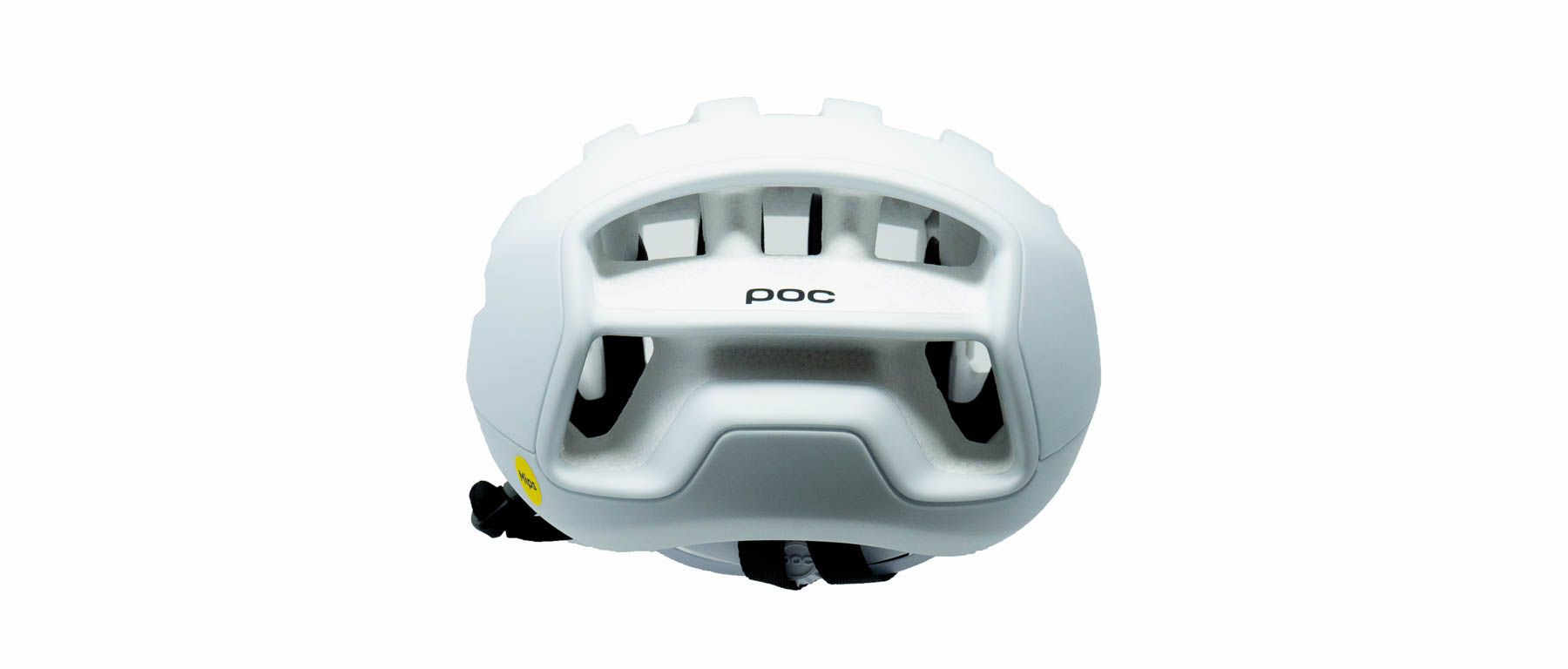
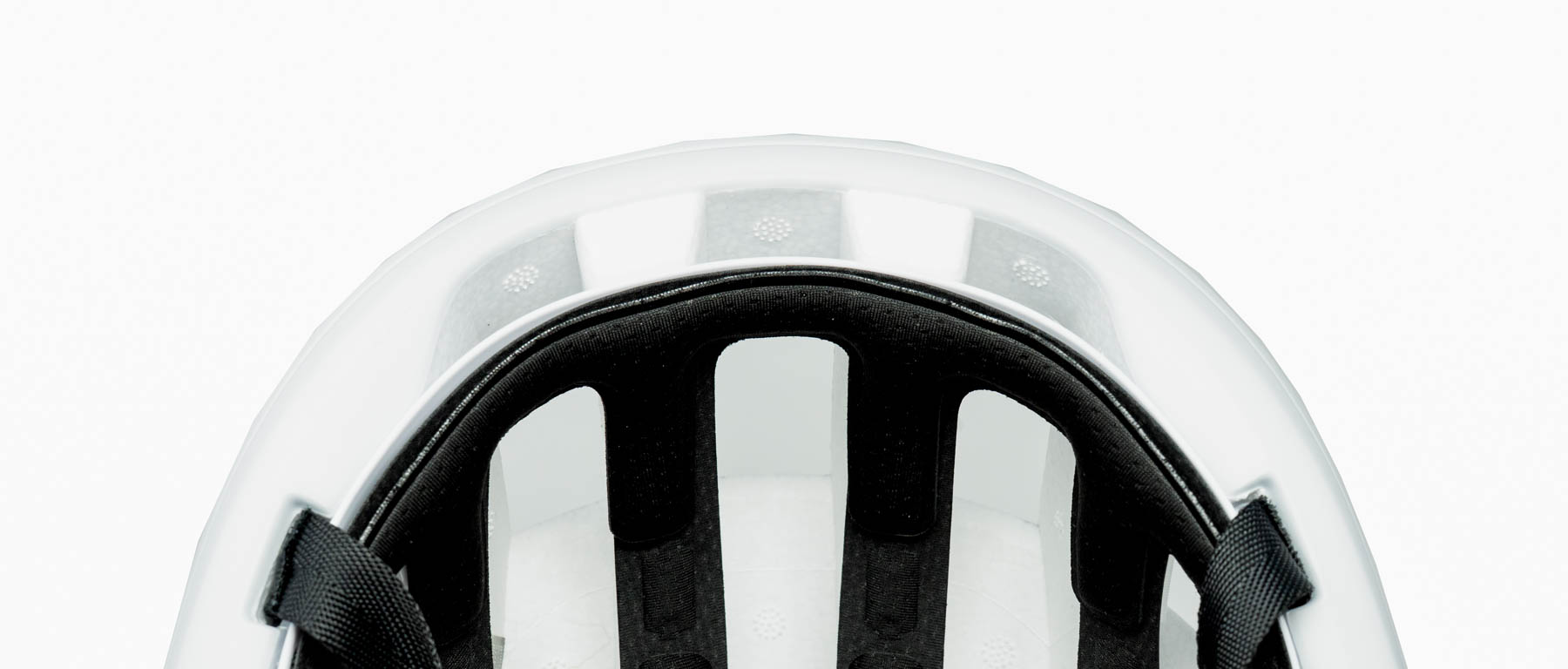
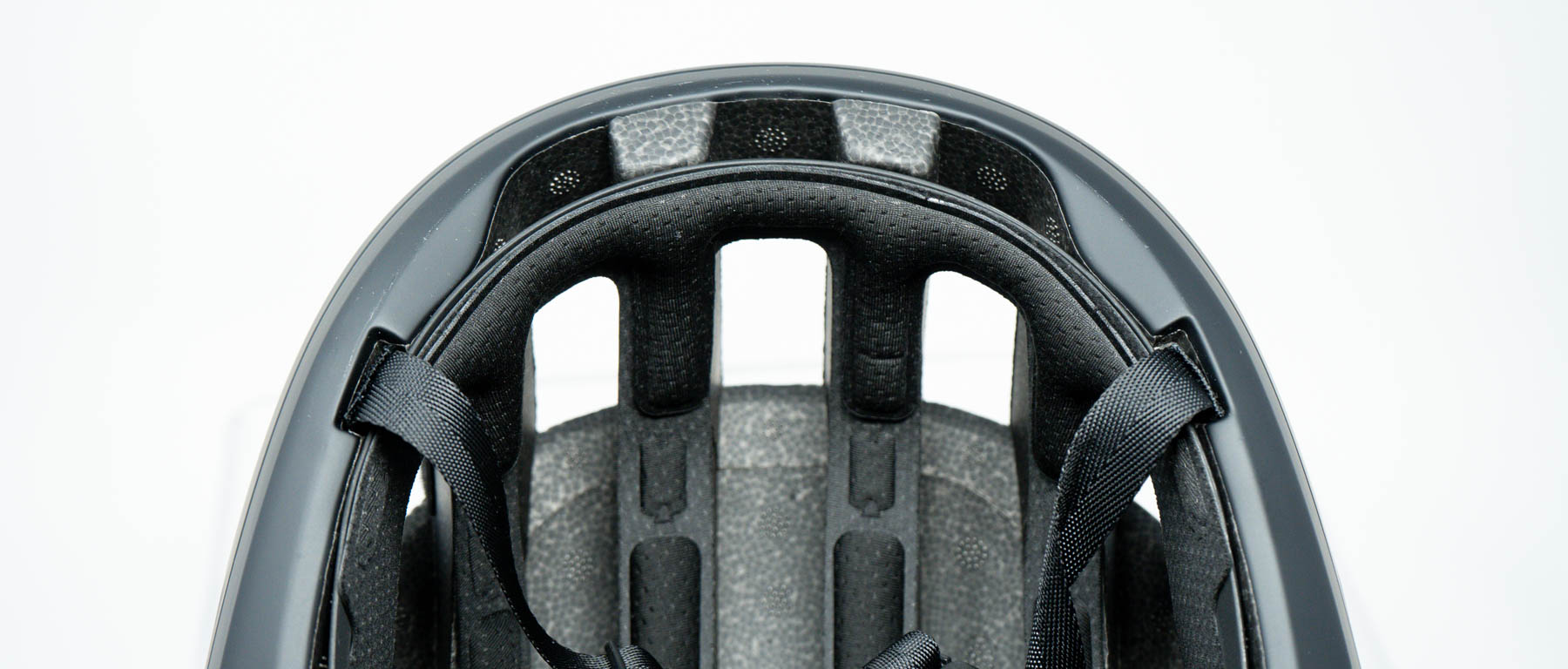
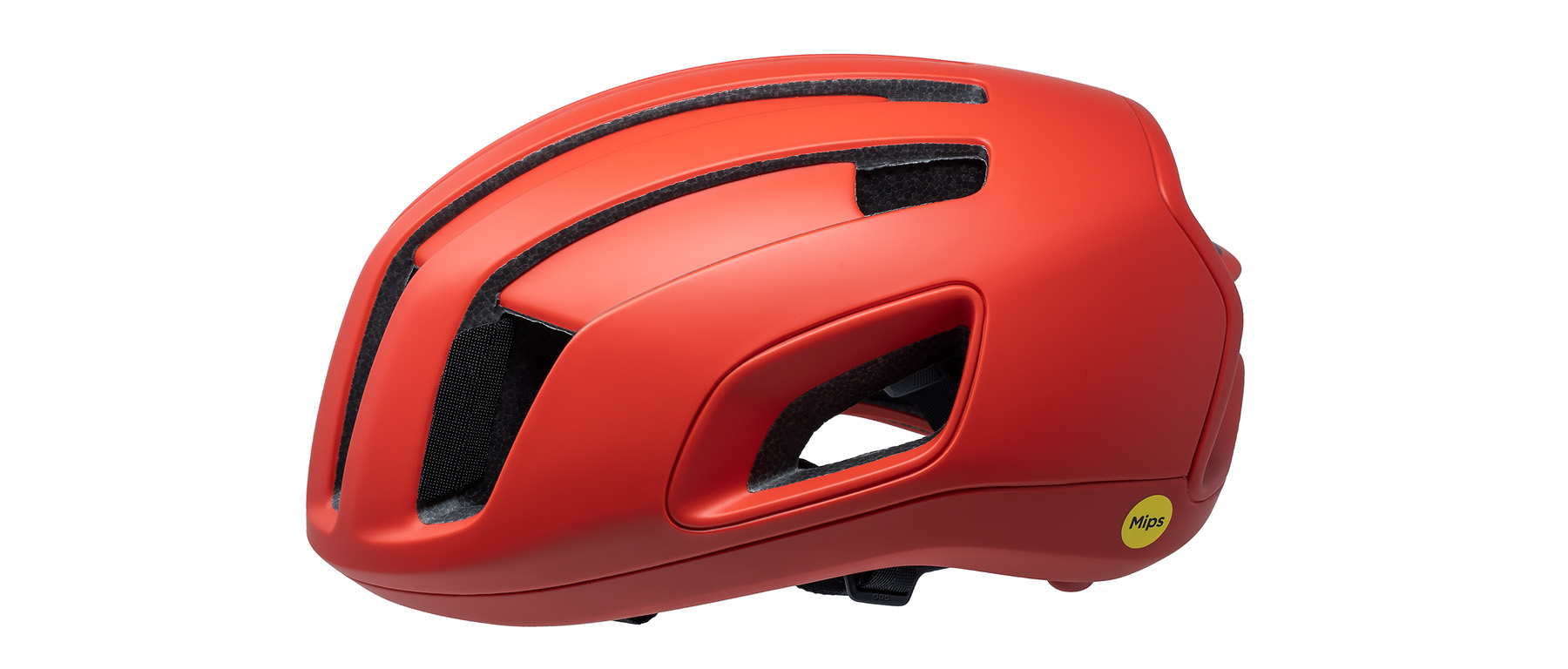
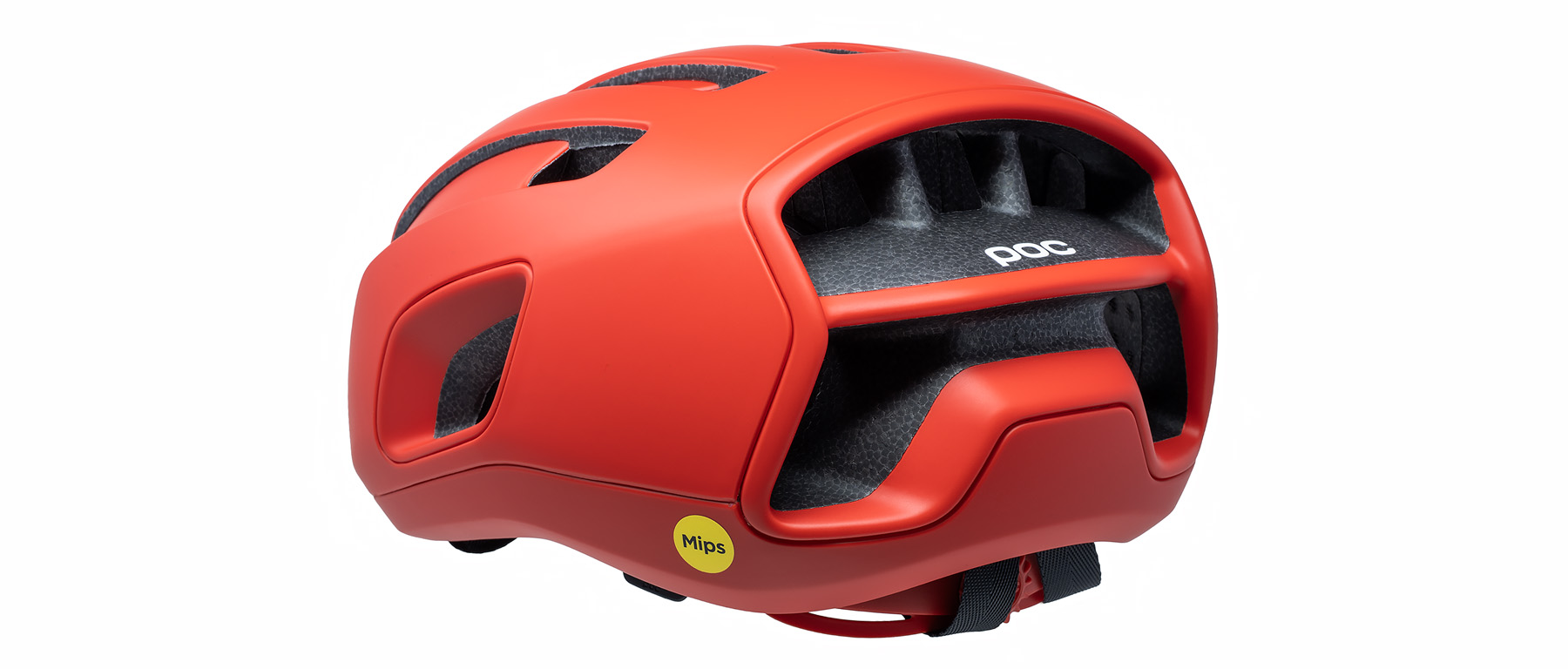
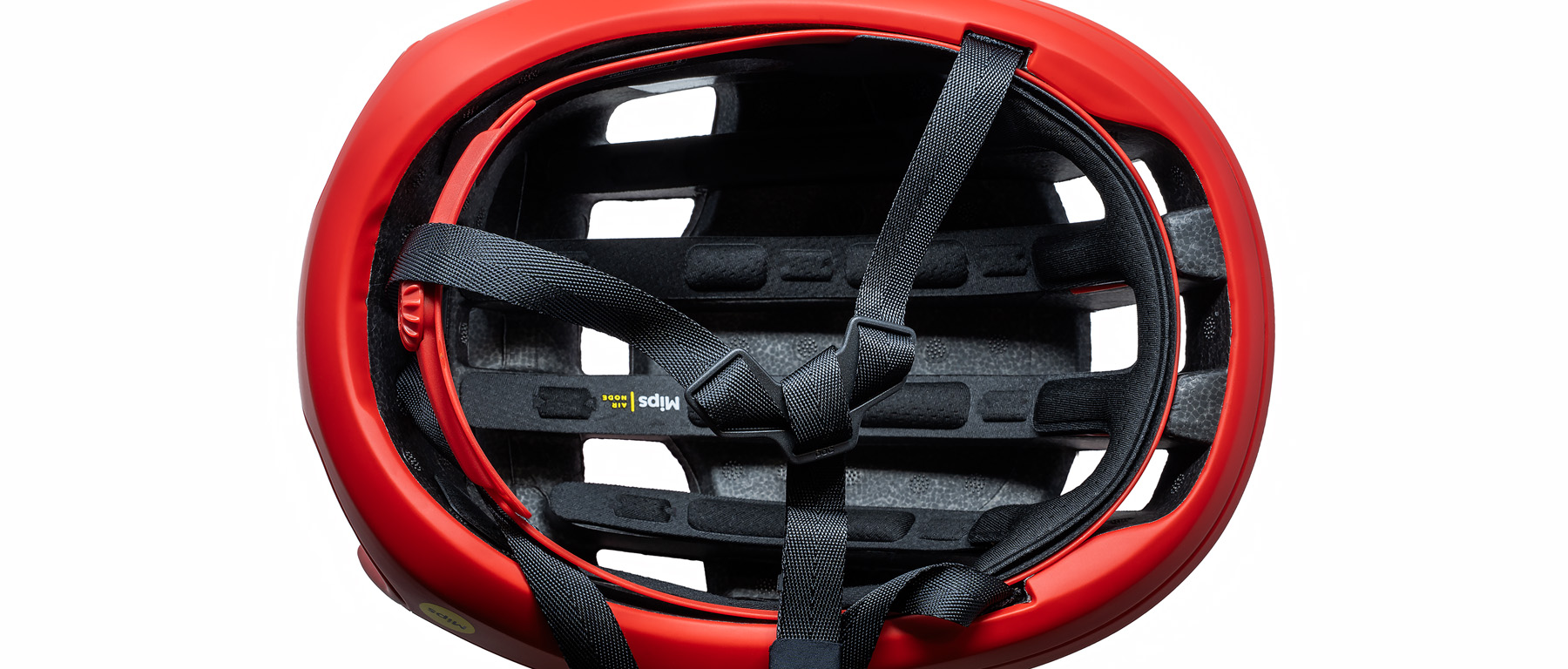
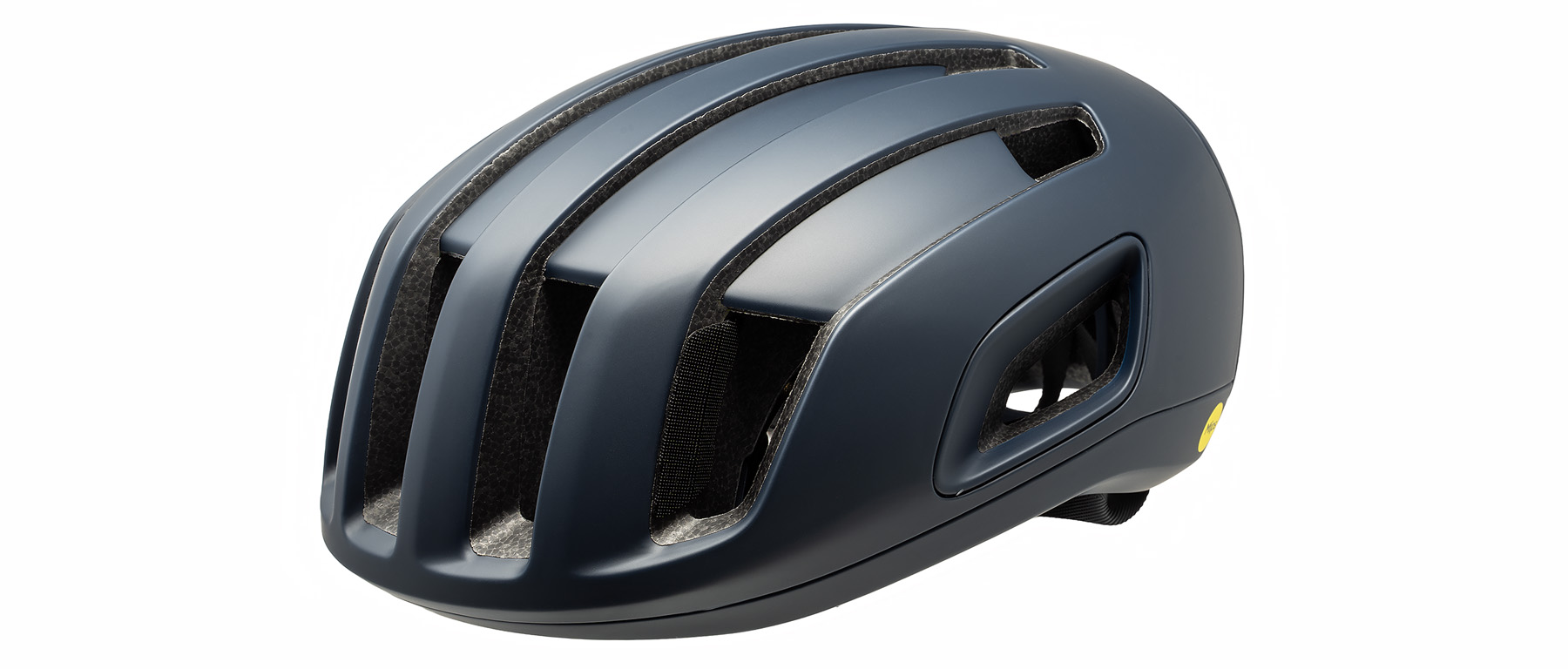
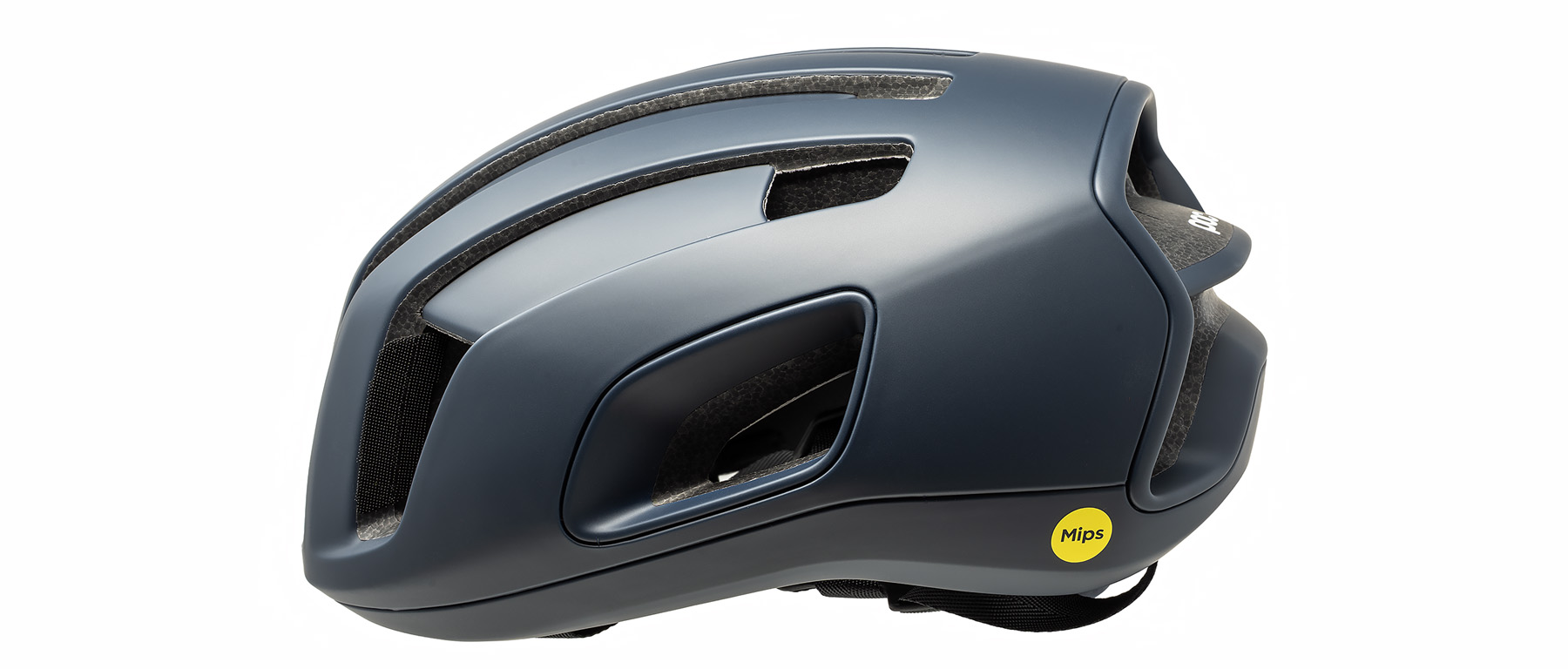
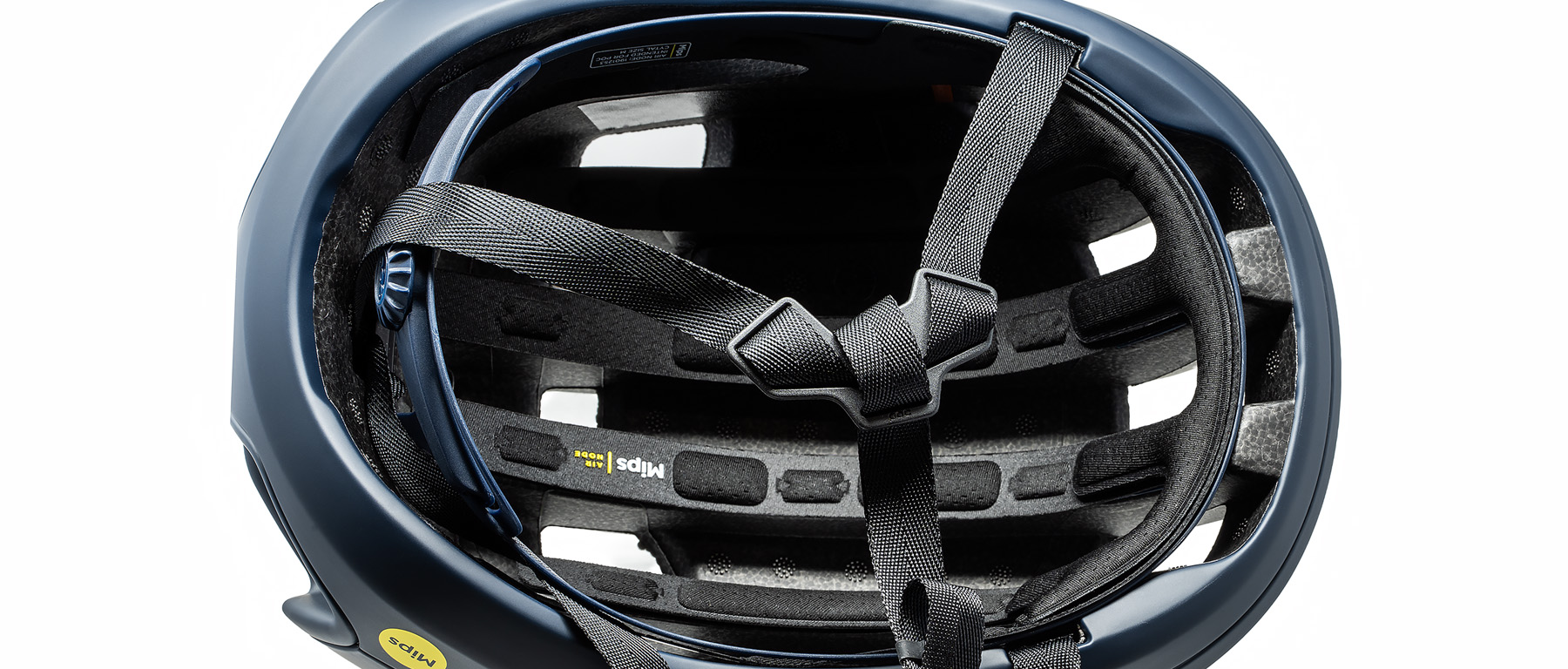
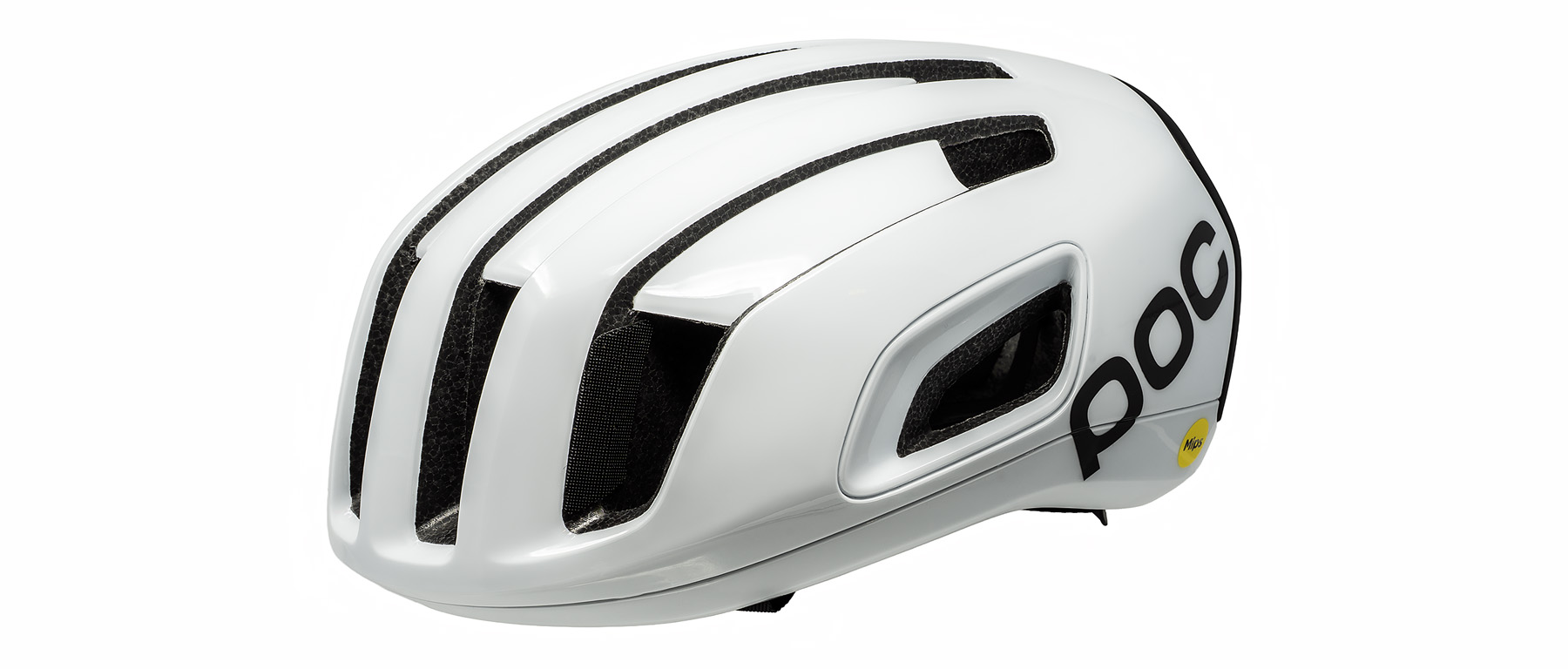
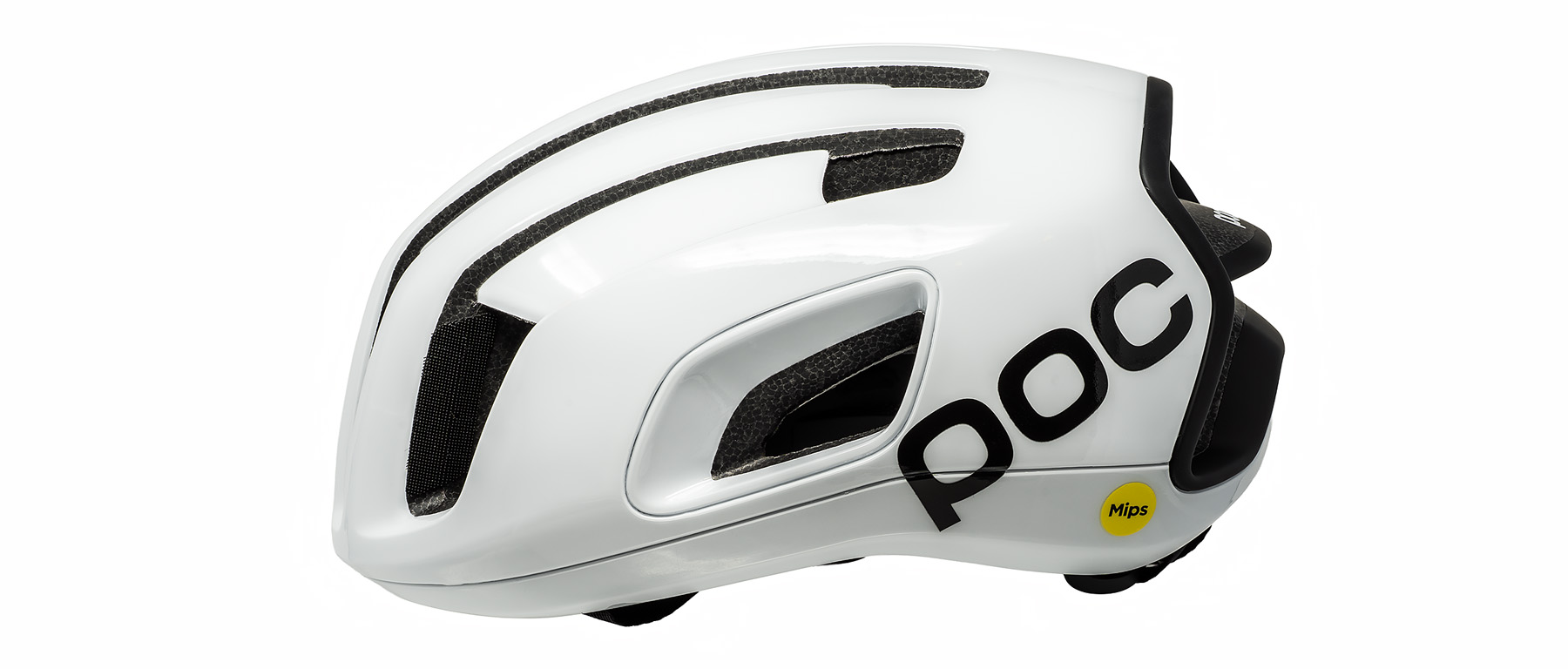
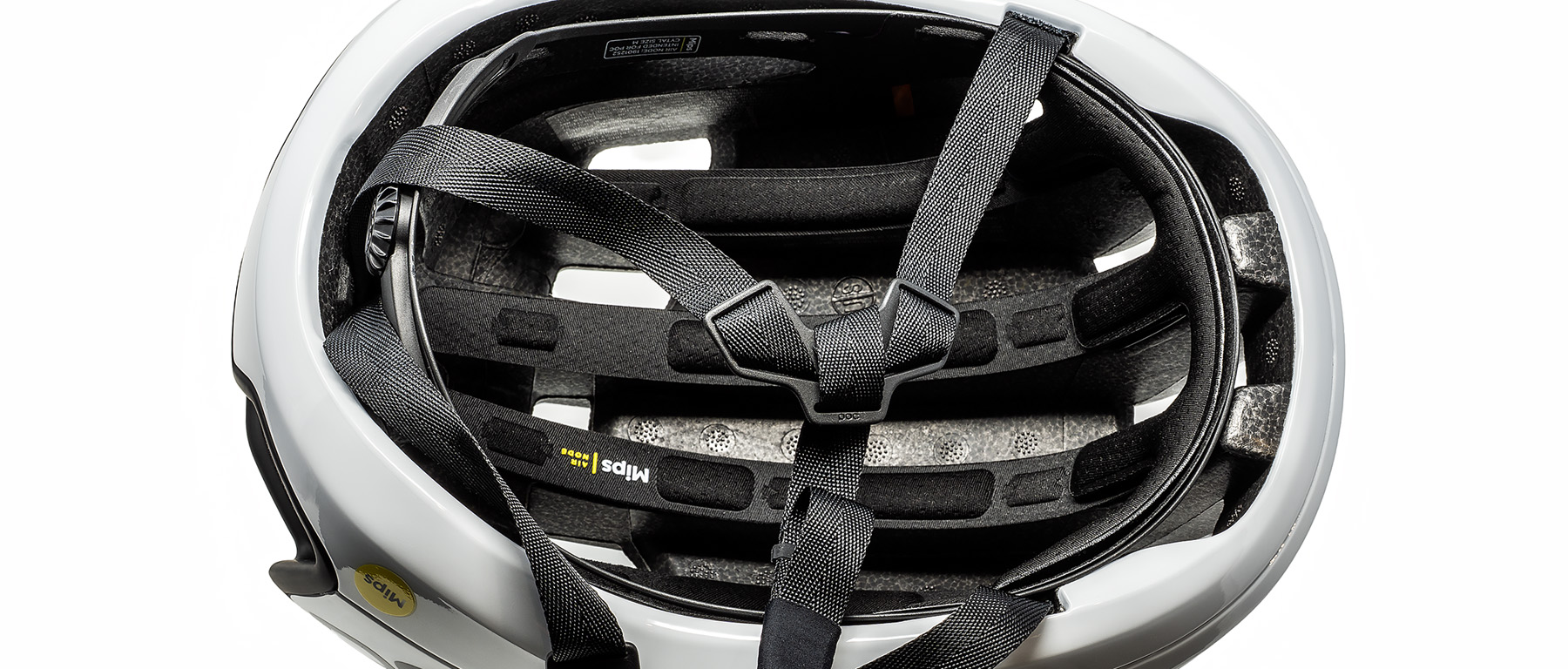
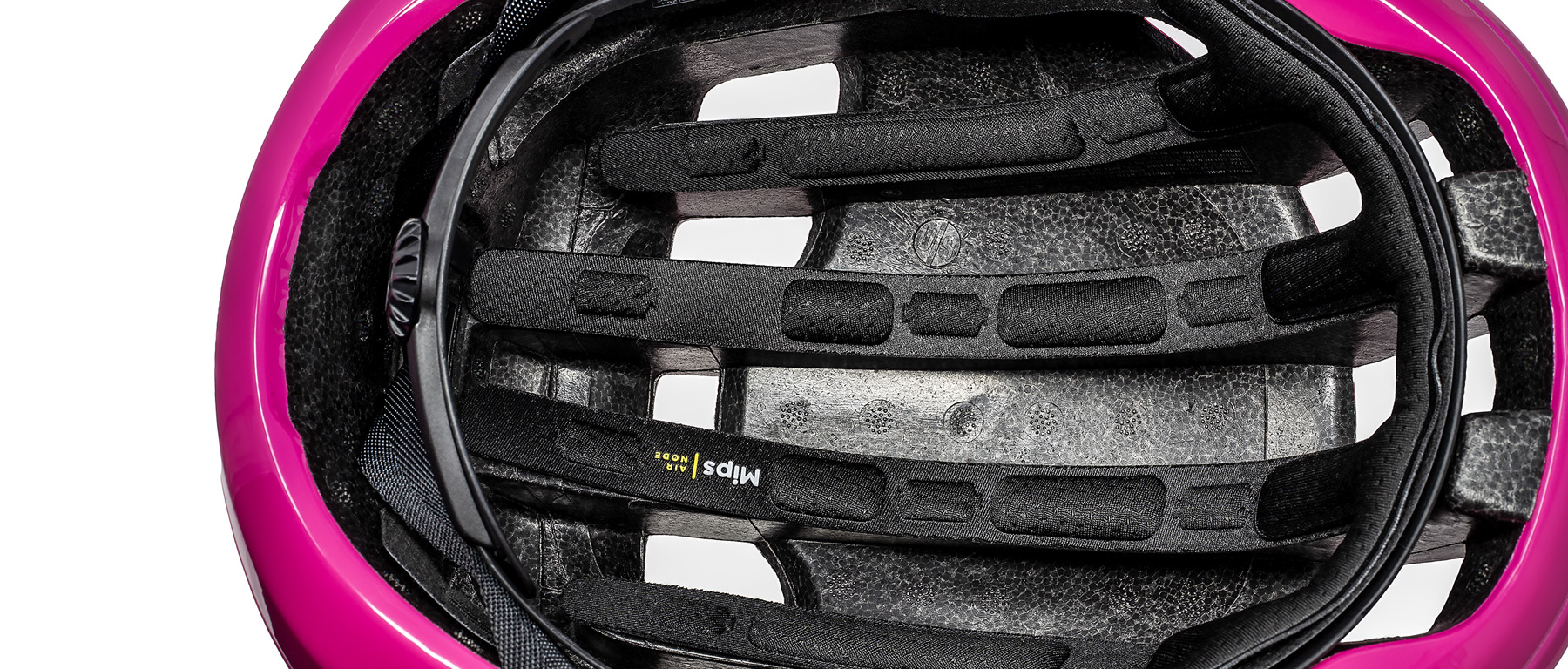
The foam construction uses two distinct densities working together. The upper portion runs denser to manage the direct forces that occur during typical crash scenarios, while the lower sections use lighter-density material to keep overall weight down without compromising the protection where you need it most. This dual-density approach lets the helmet perform like a heavier, more protective lid in an impact while wearing like something much lighter during the hundred miles leading up to that hypothetical crash. MIPS Air Node adds rotational impact protection through low-friction pads laminated directly to the comfort liner, eliminating the separate plastic slip-plane that older MIPS systems required. The result is a rotational protection system that adds virtually no perceptible weight or bulk while allowing the shell to move independently from your head during angled impacts.
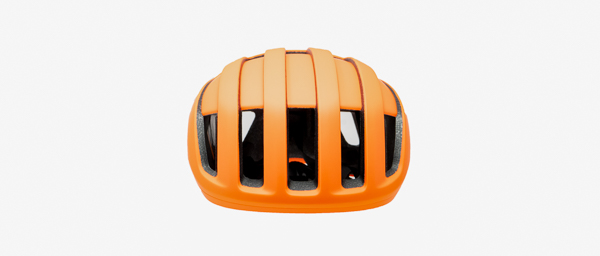
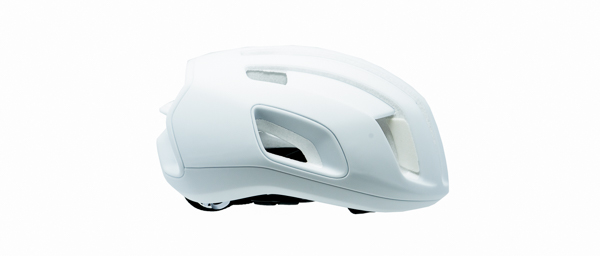
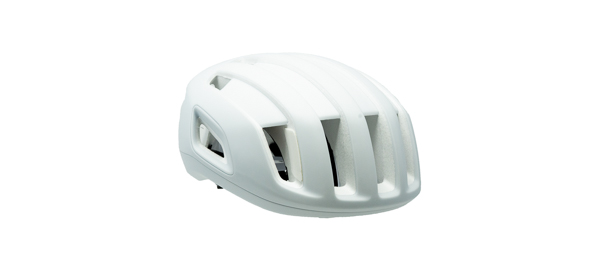
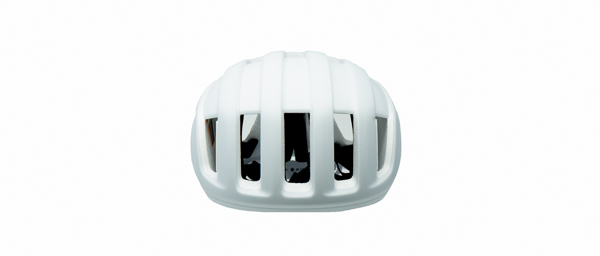
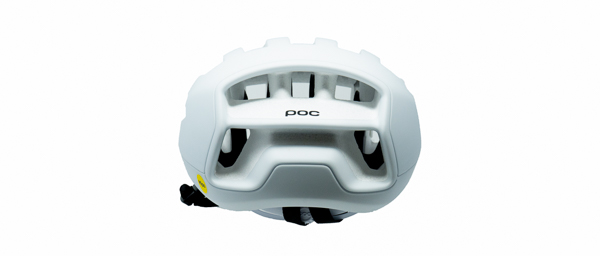
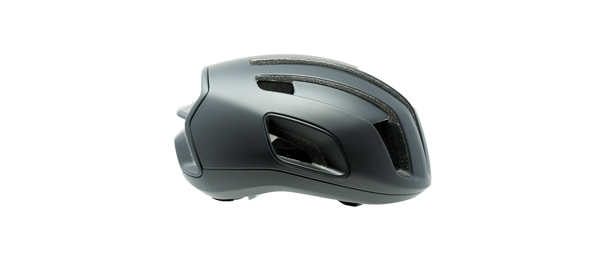
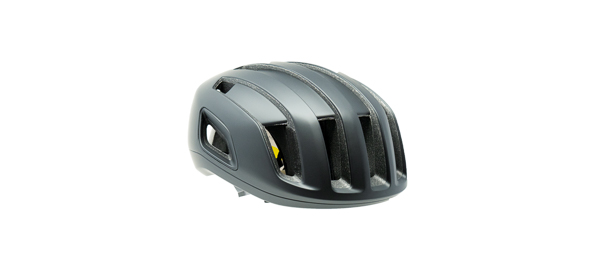
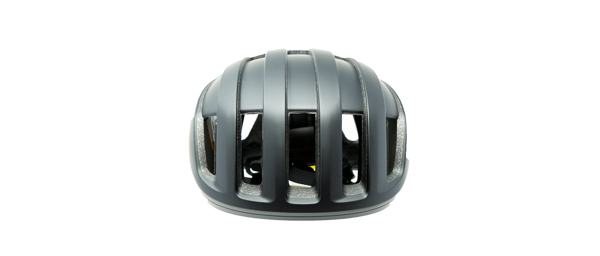
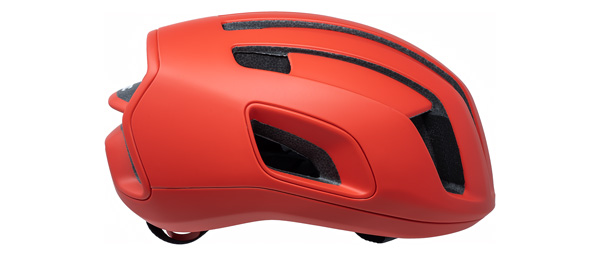
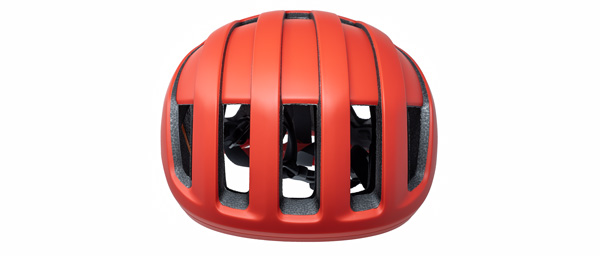
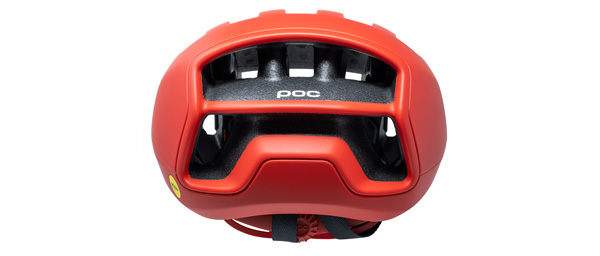
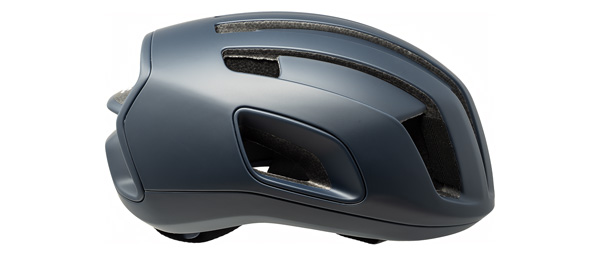
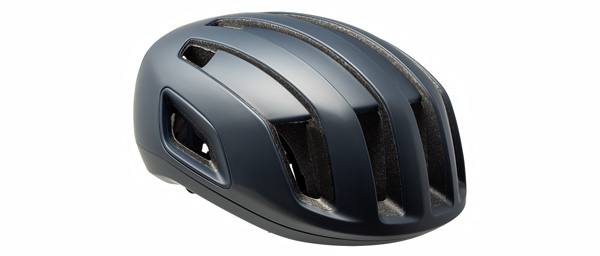
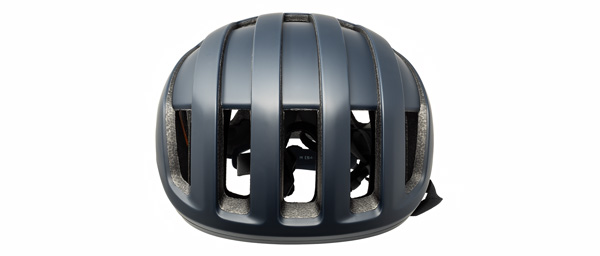
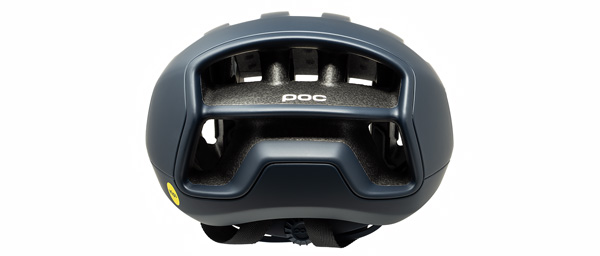
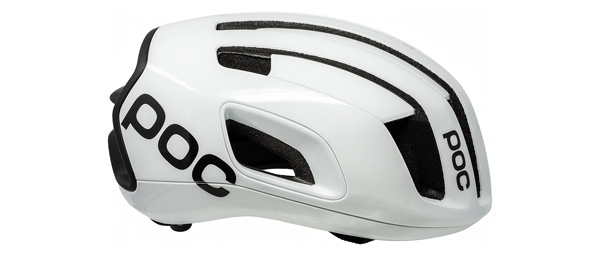
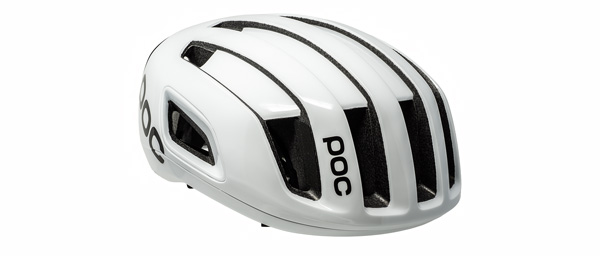
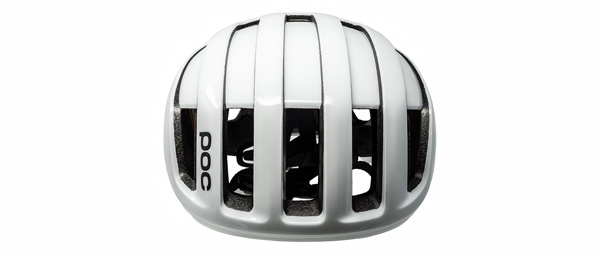
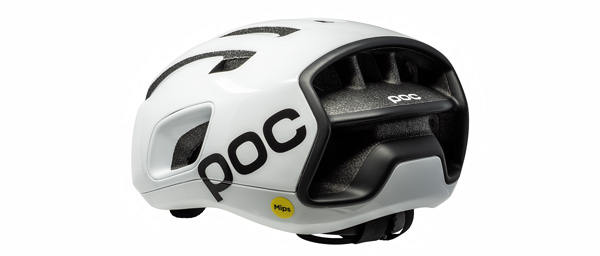
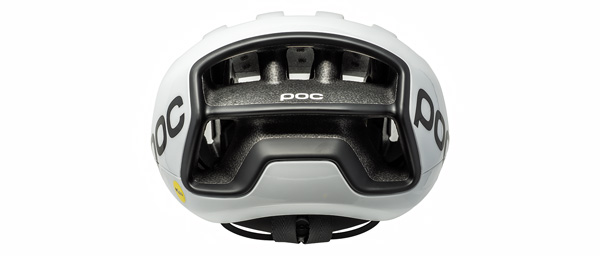
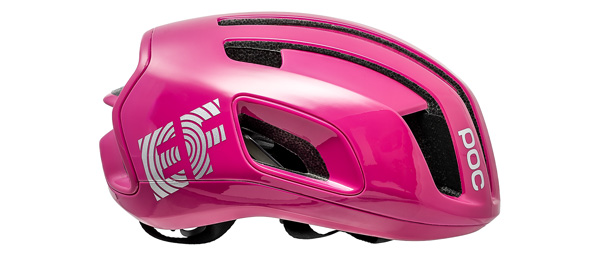
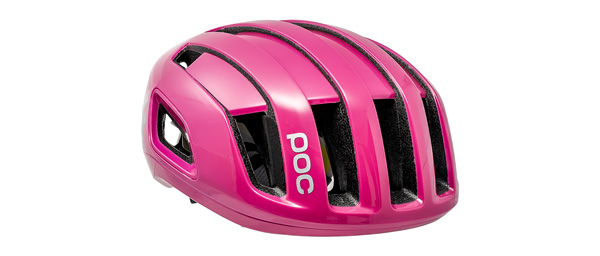
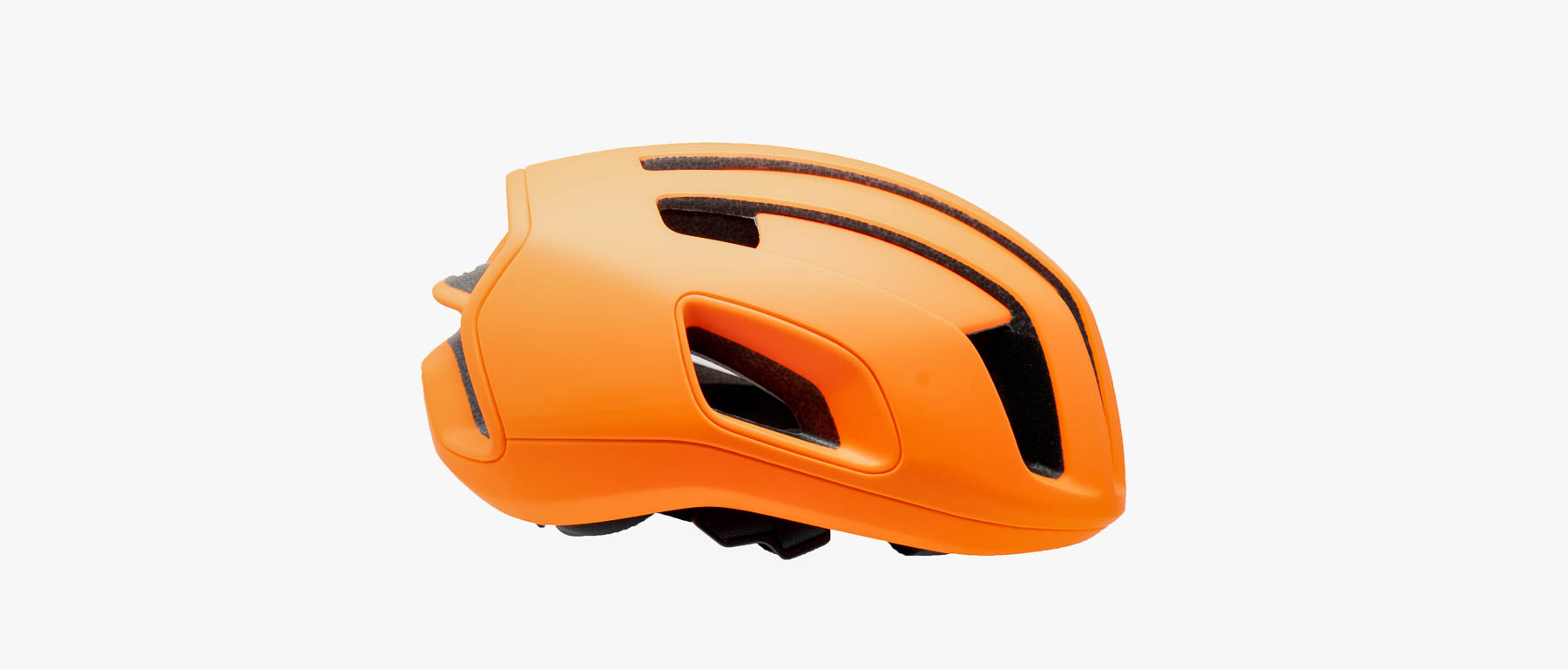
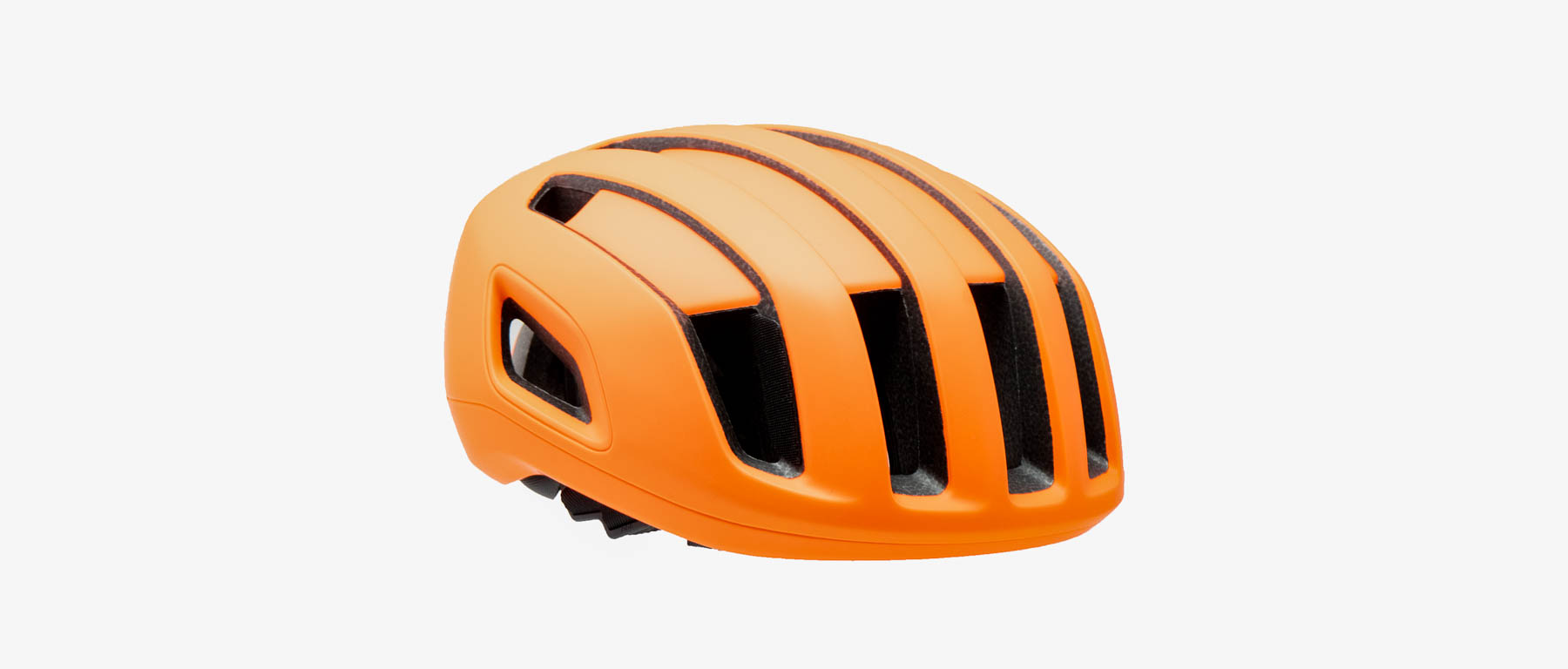
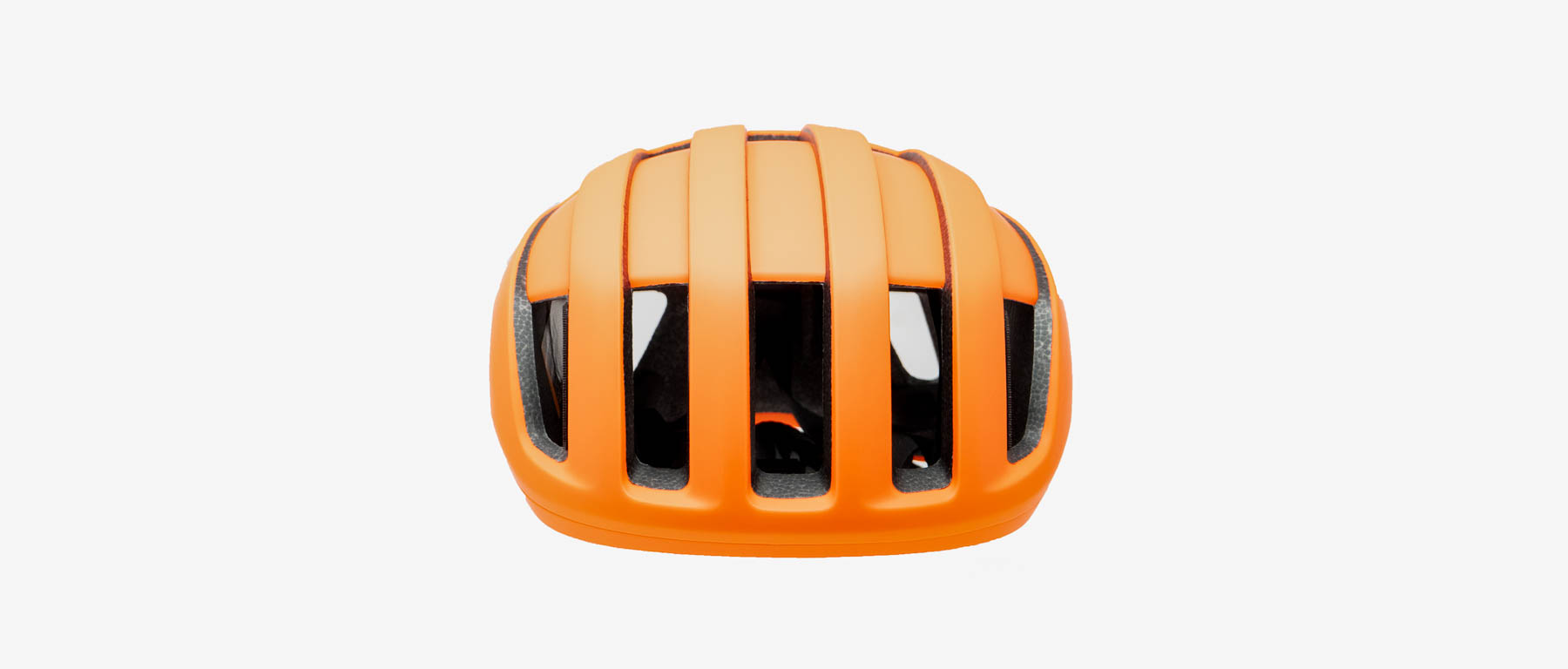
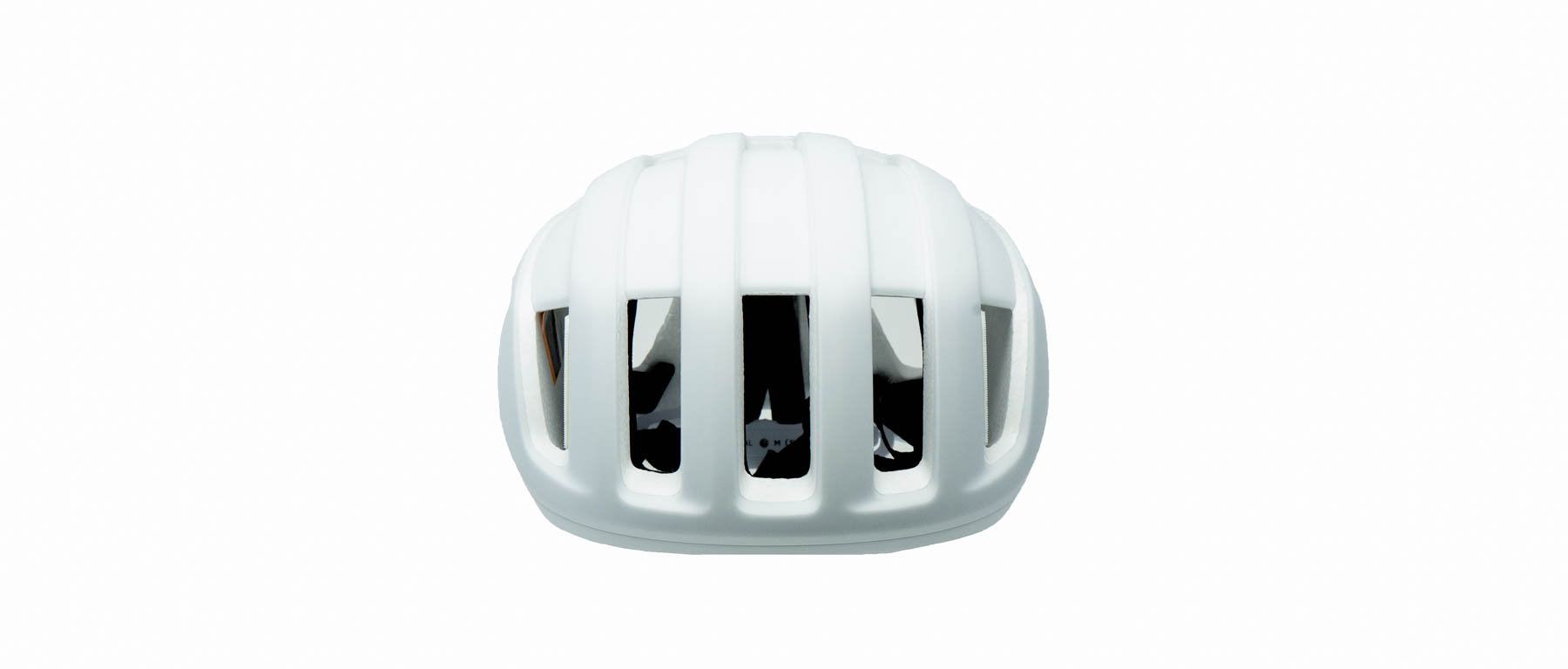
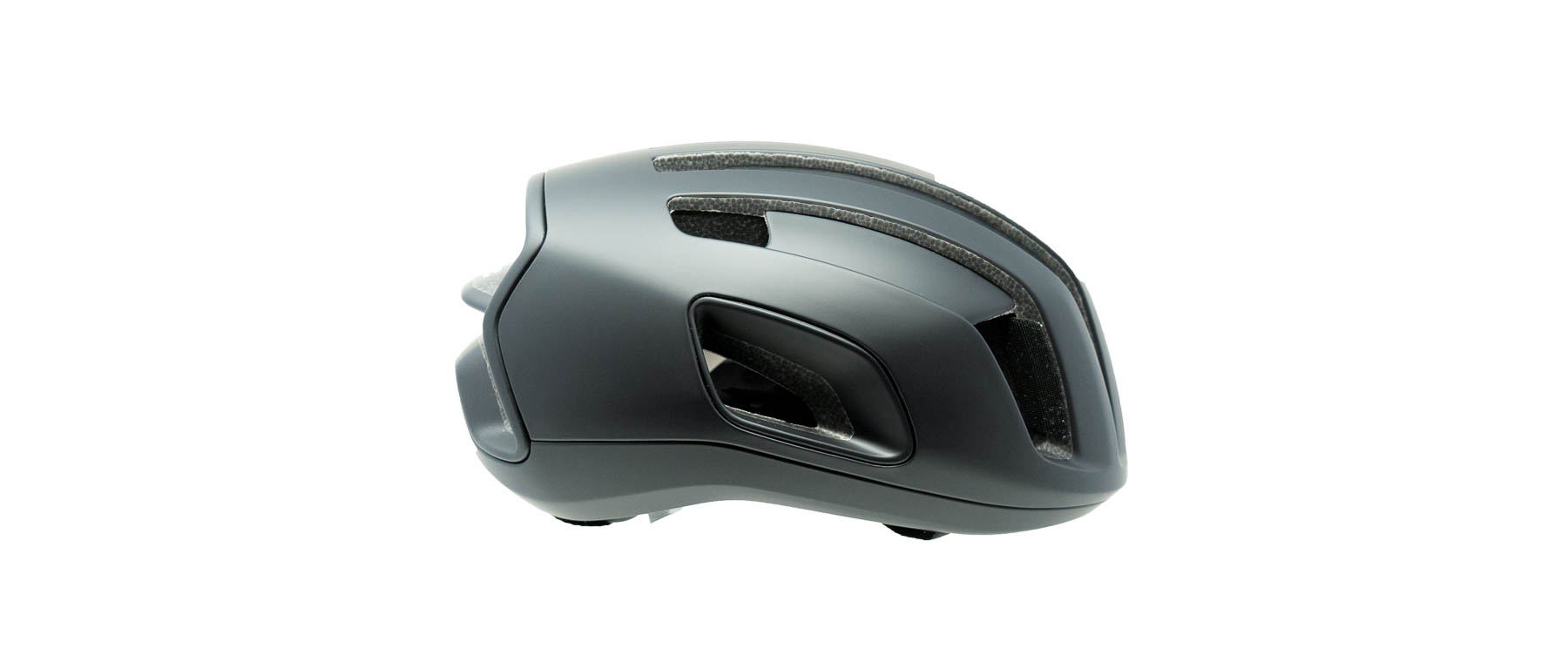
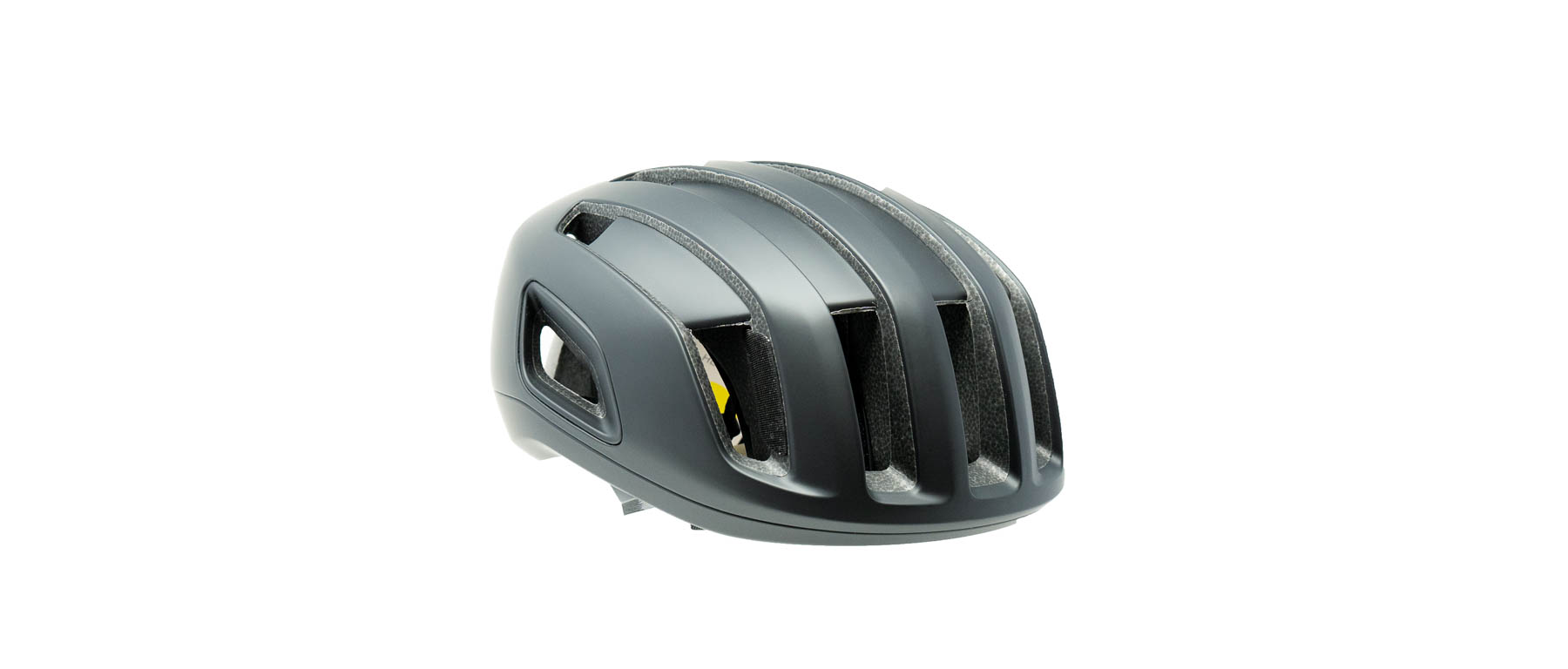
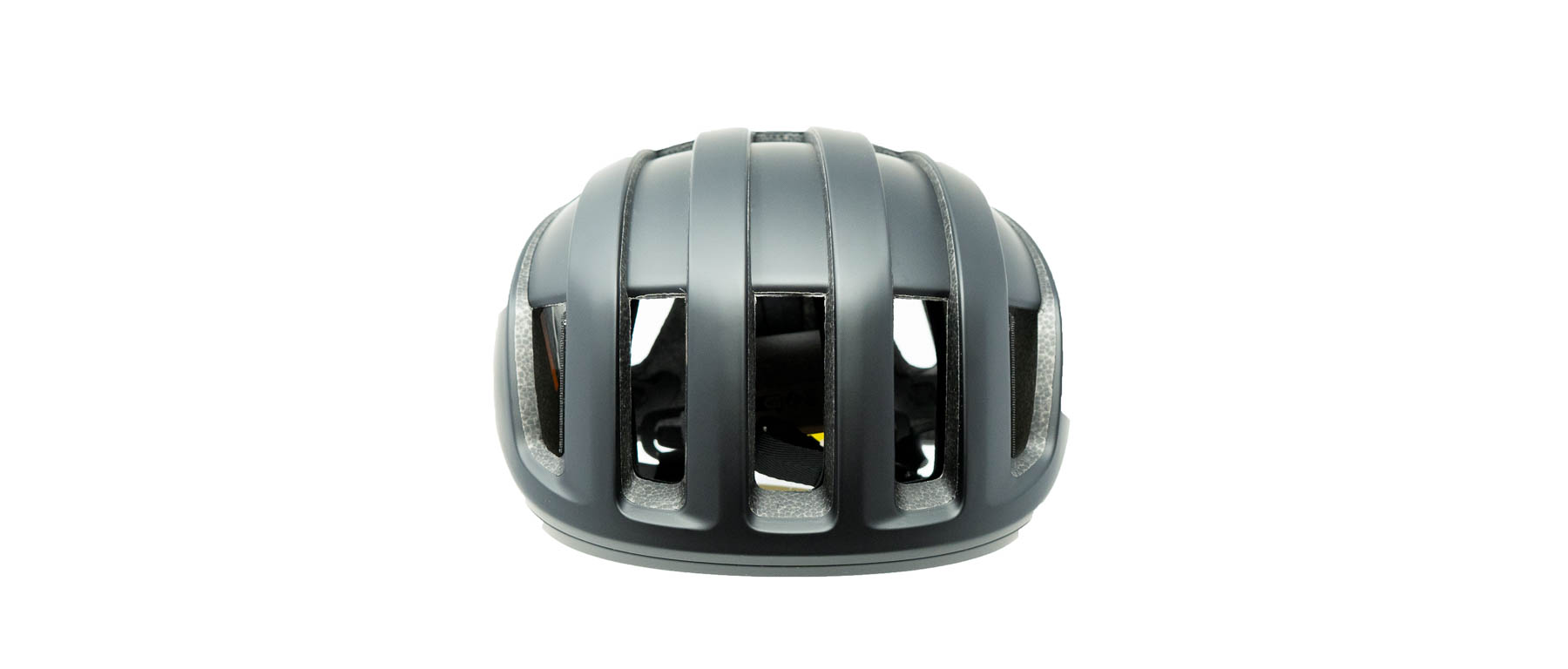
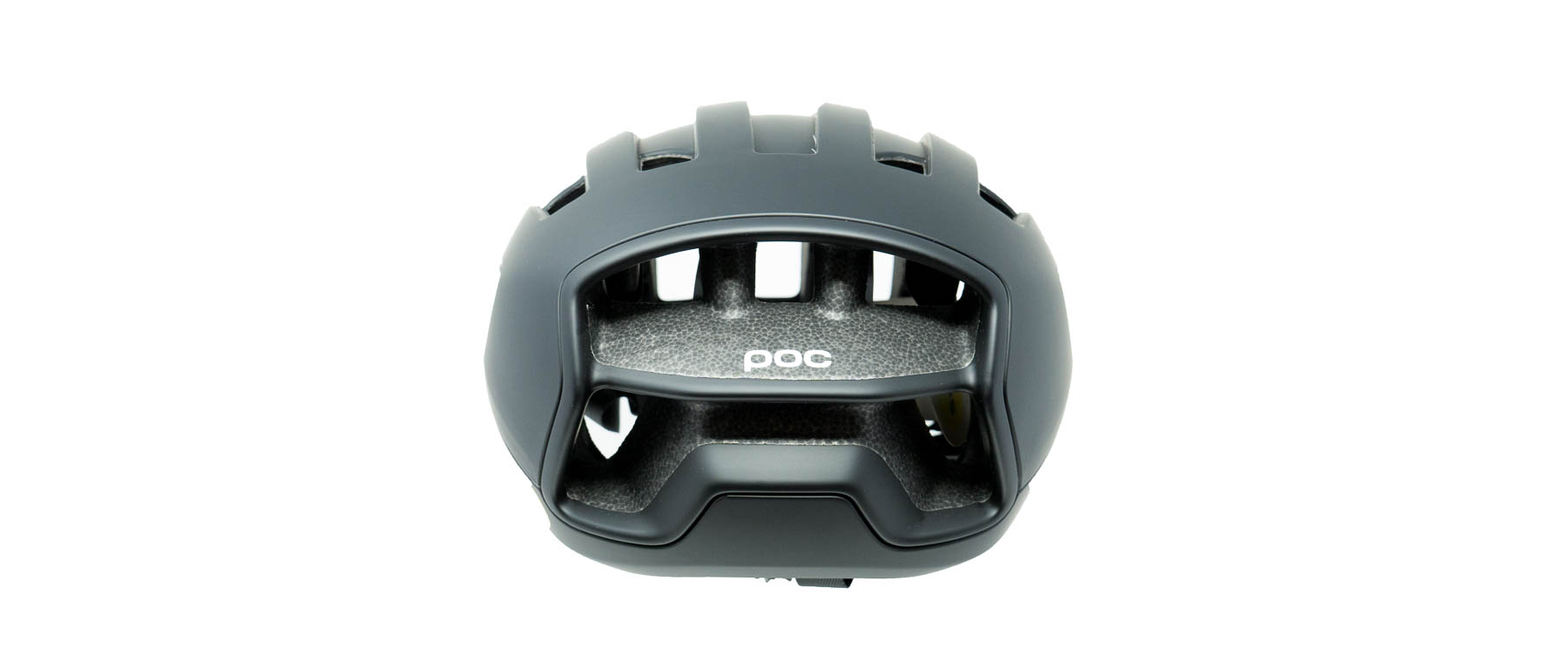
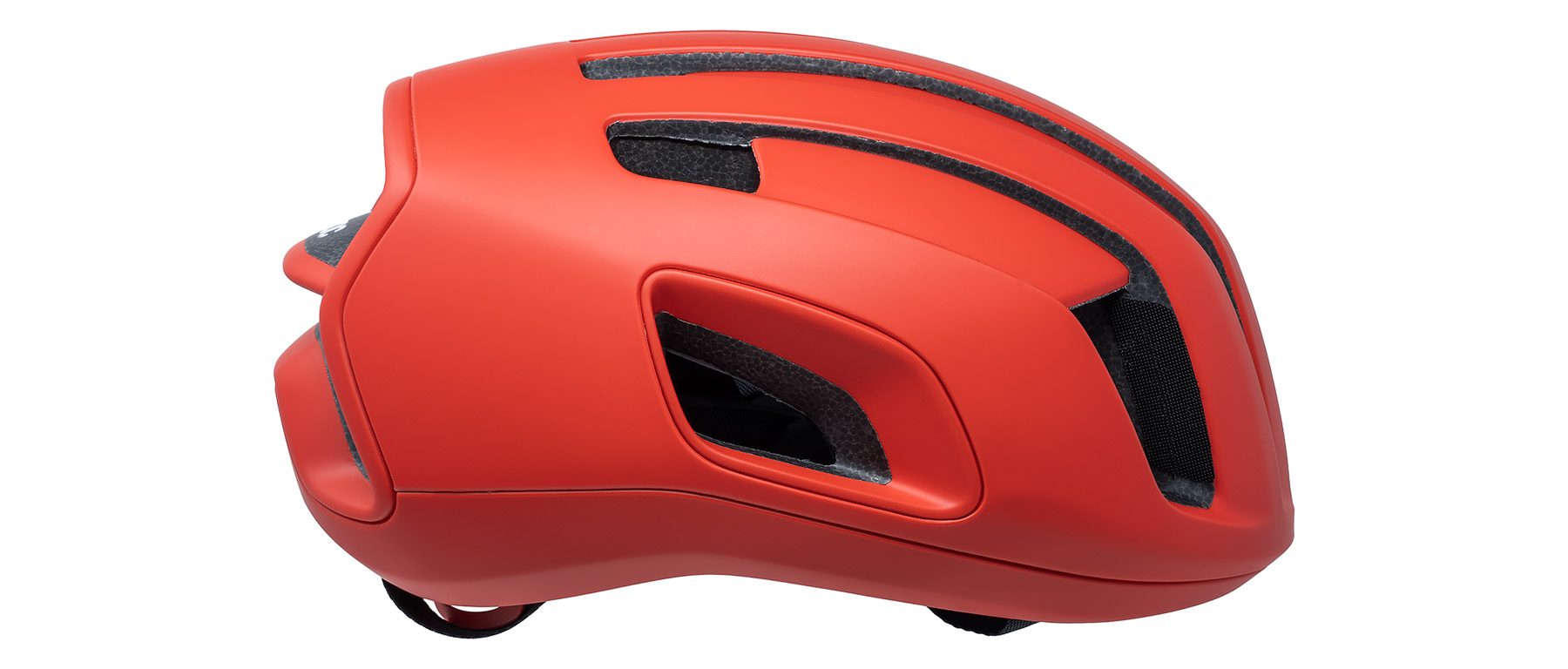
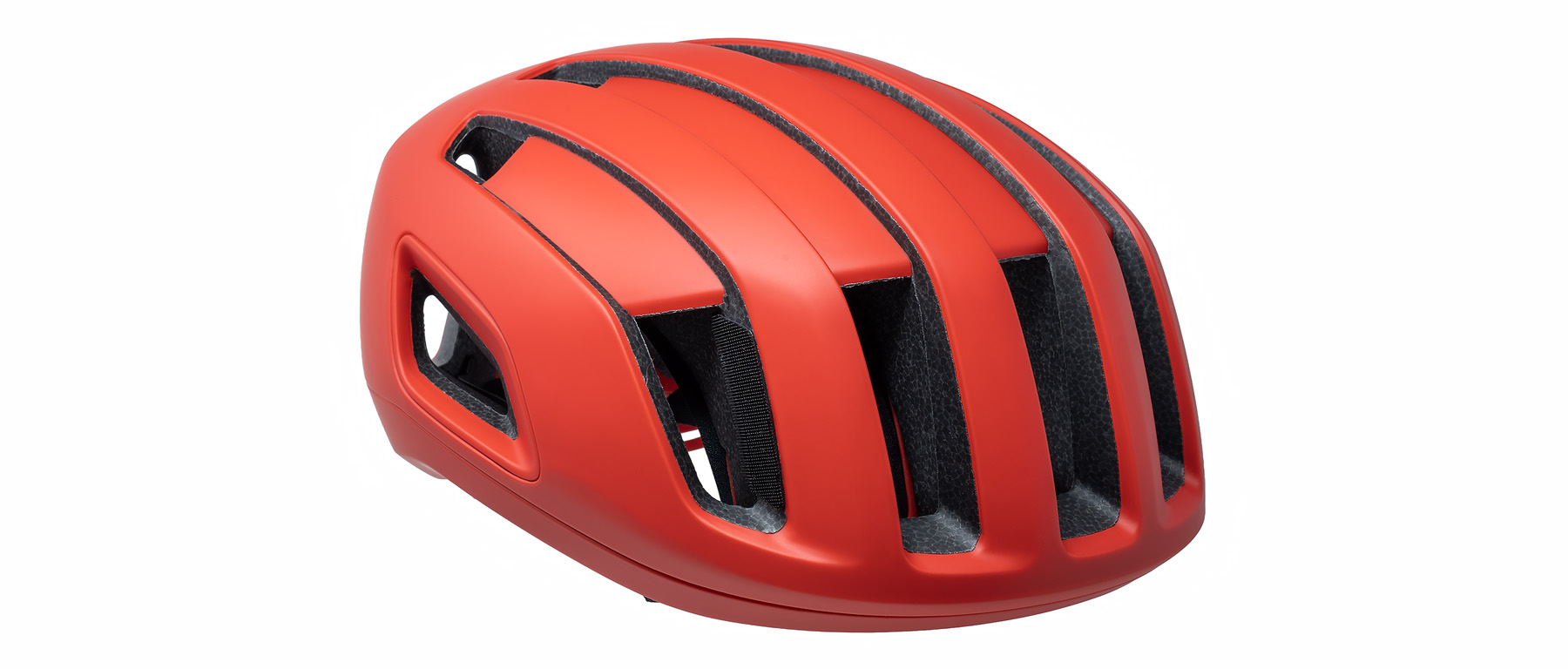
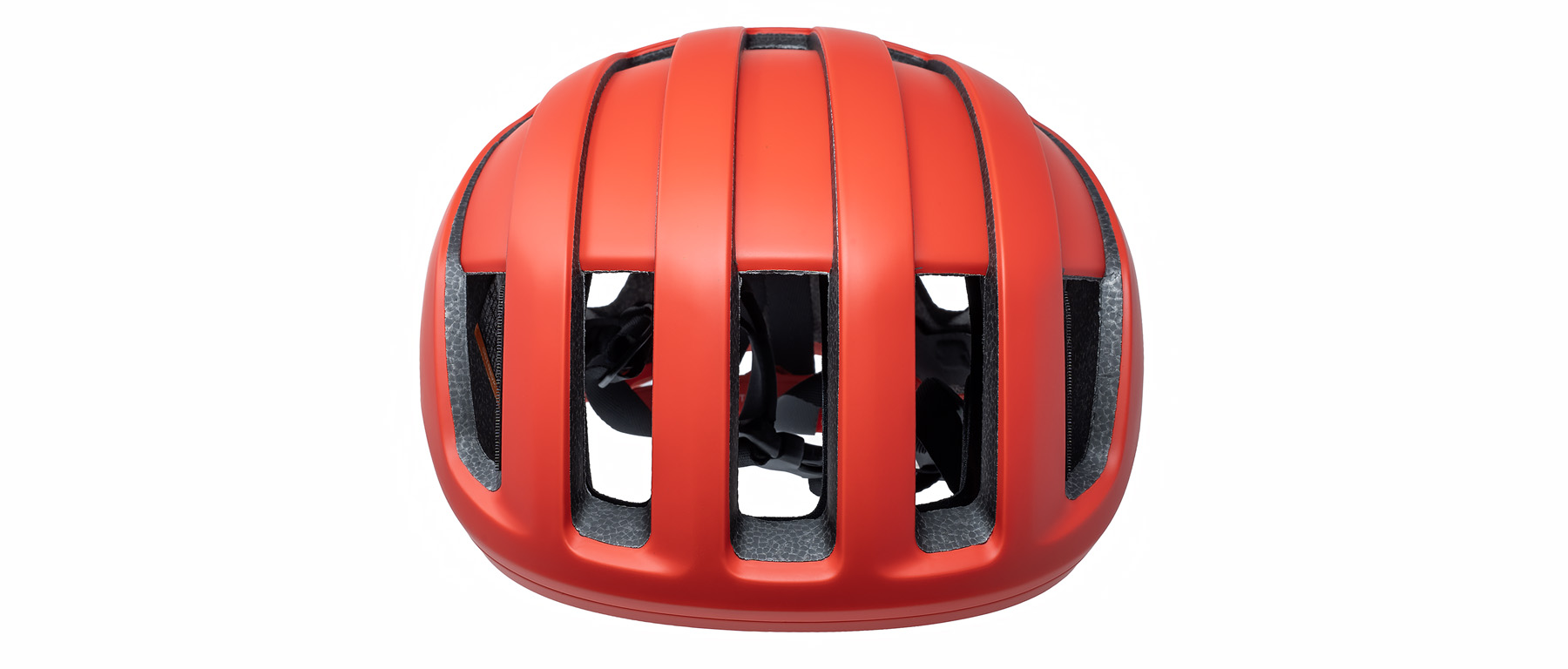
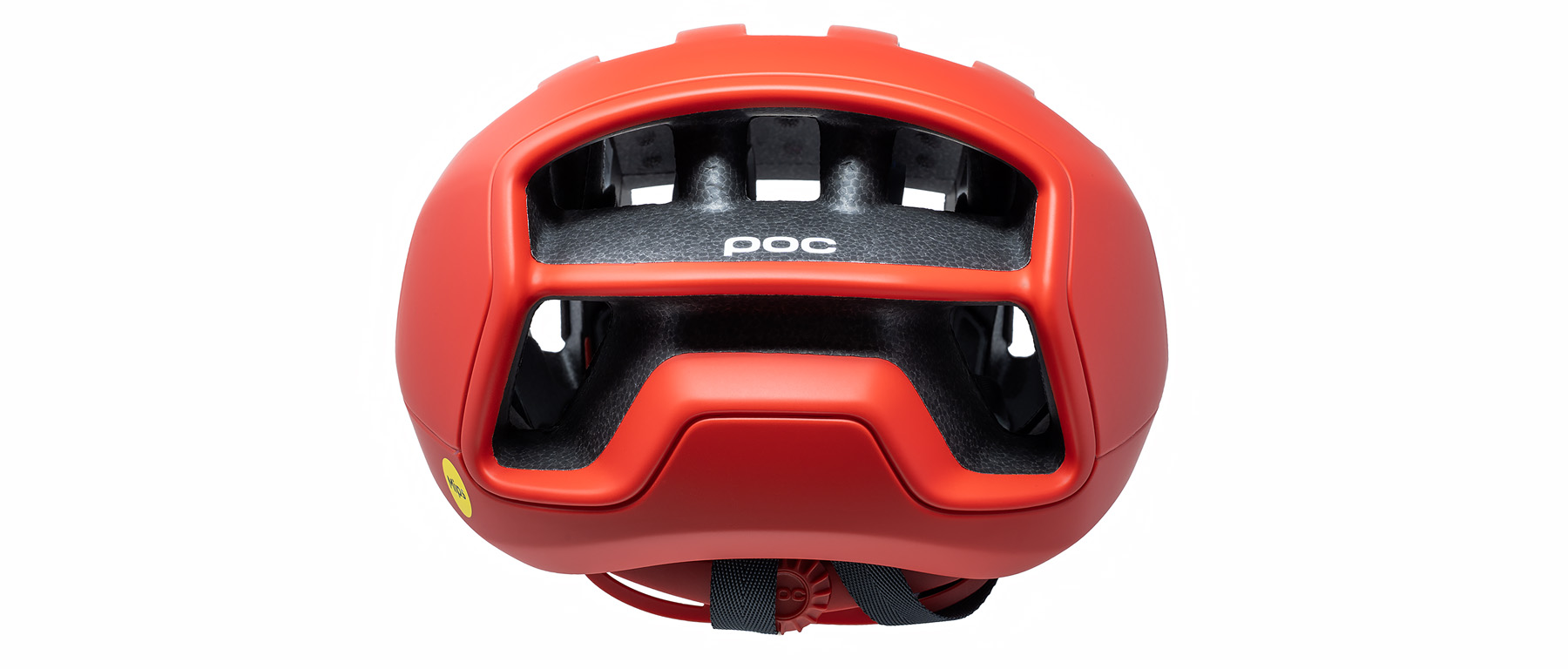
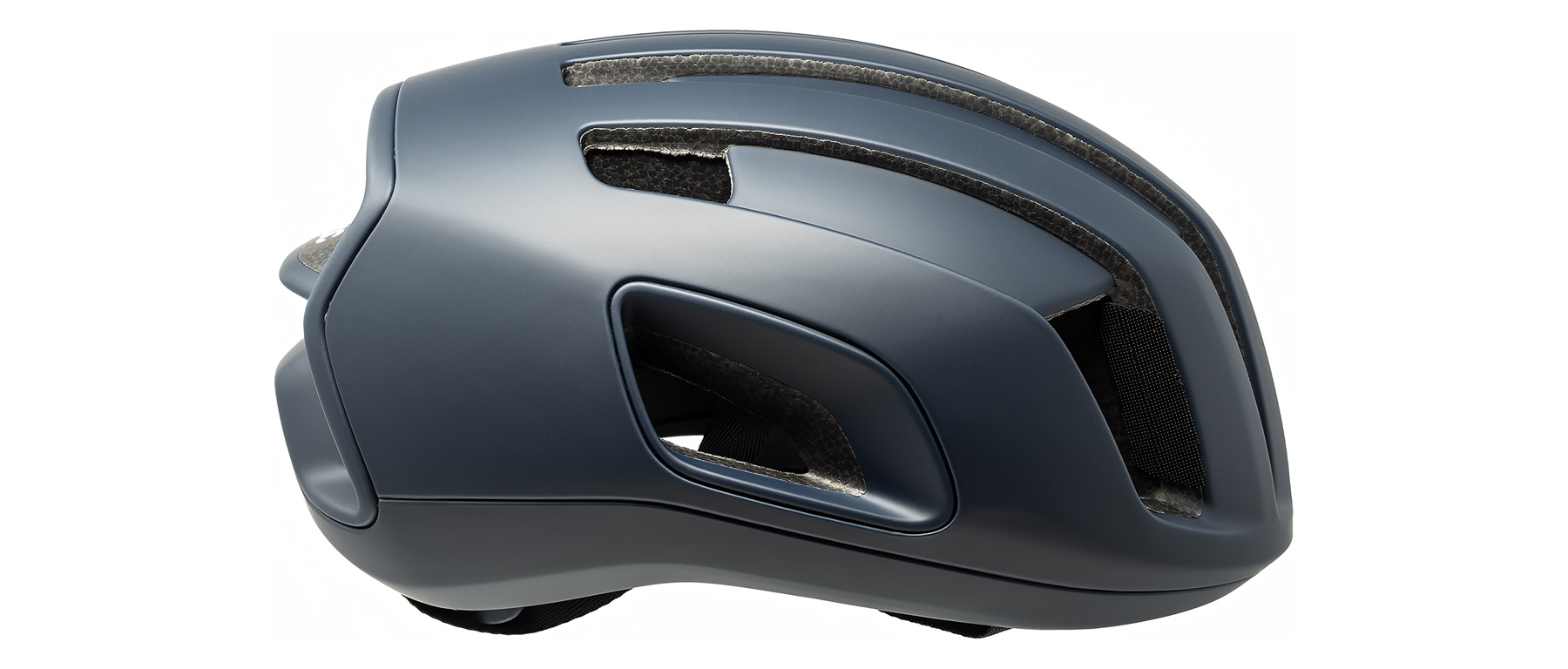
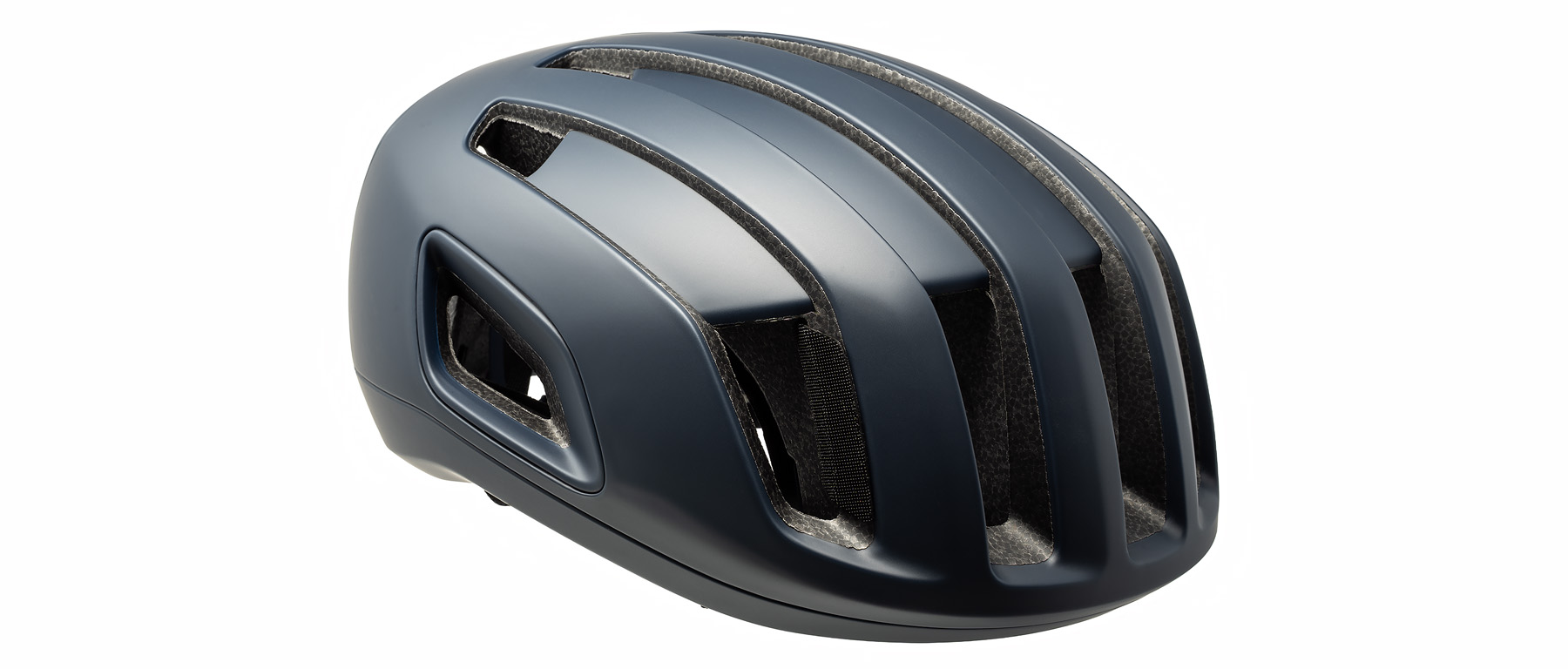
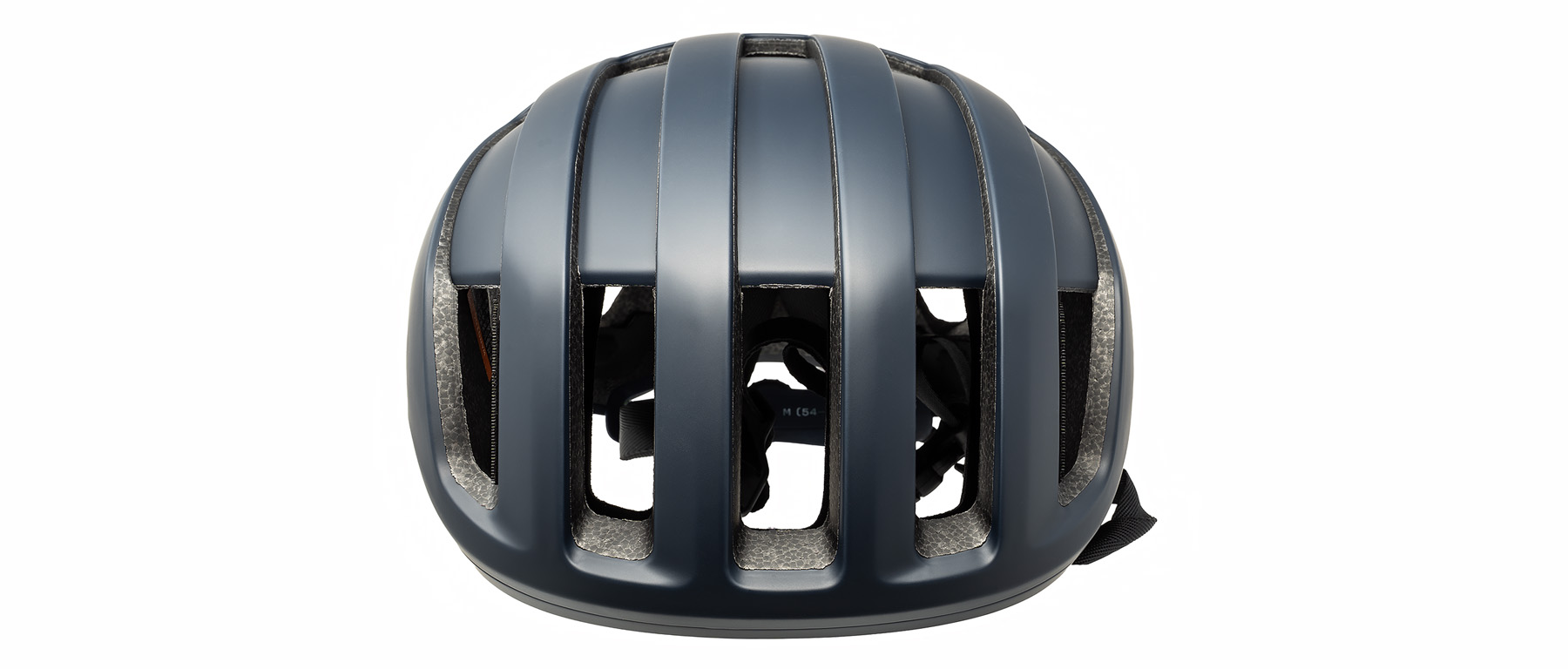
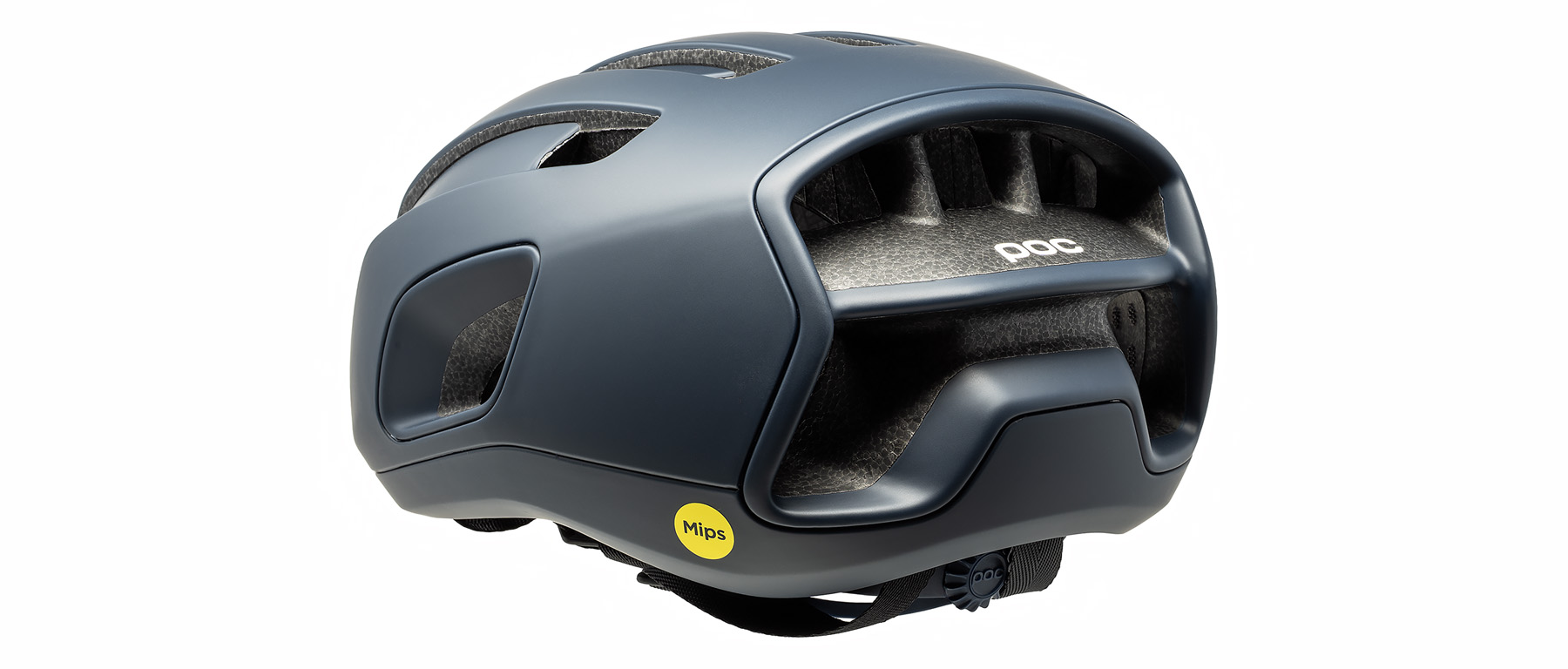
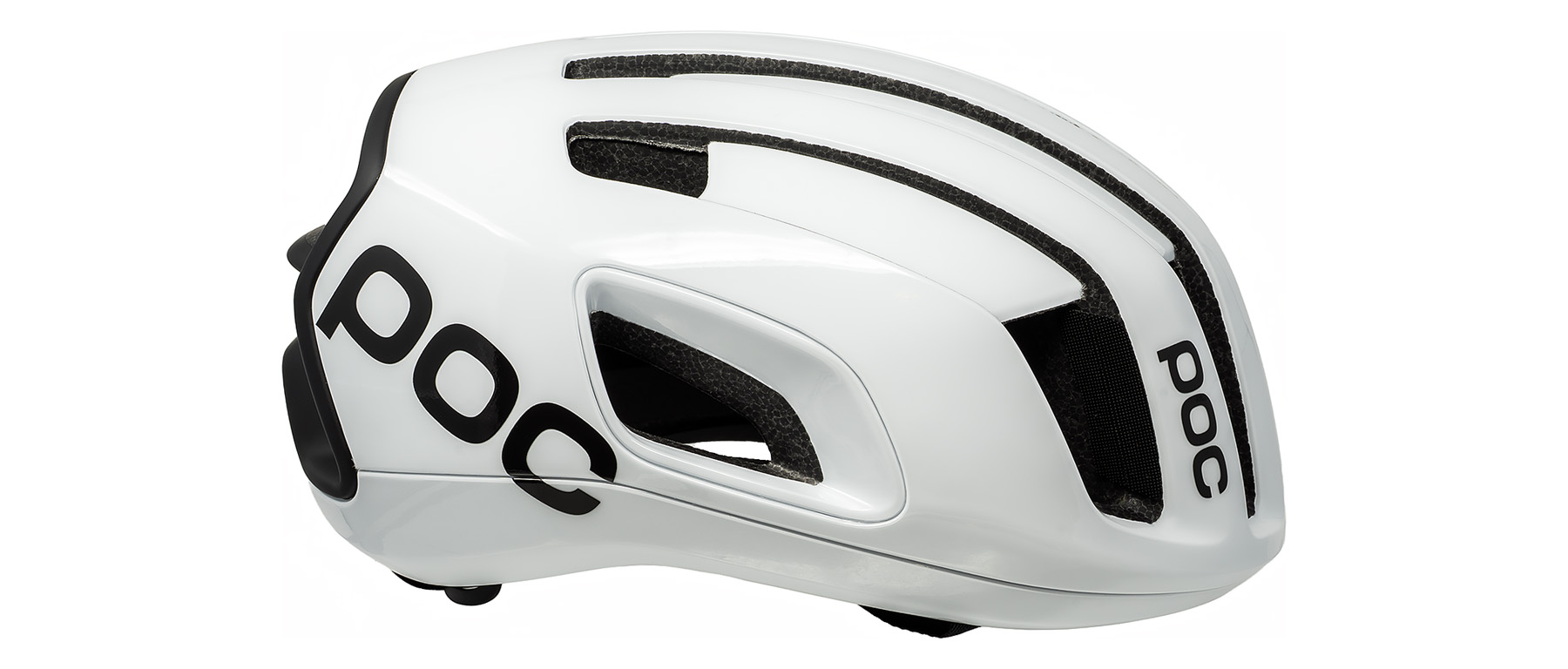
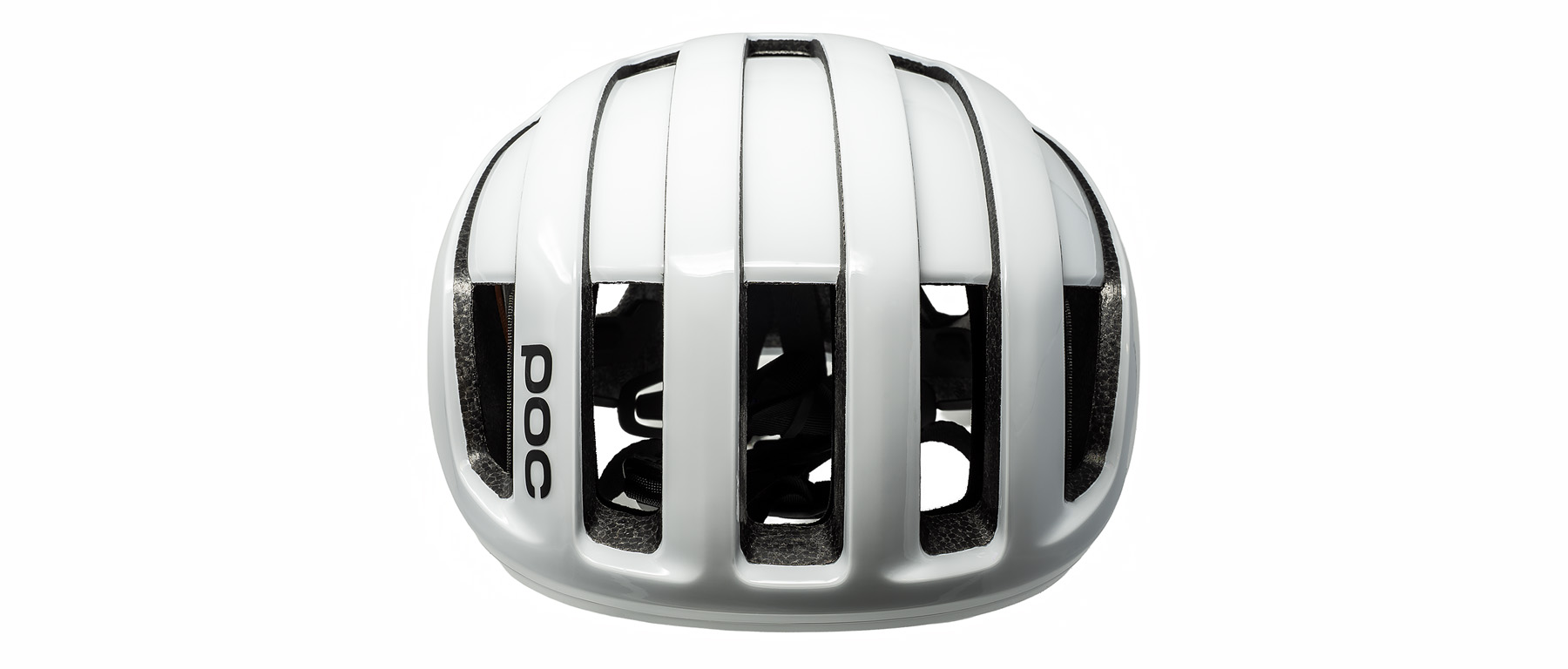
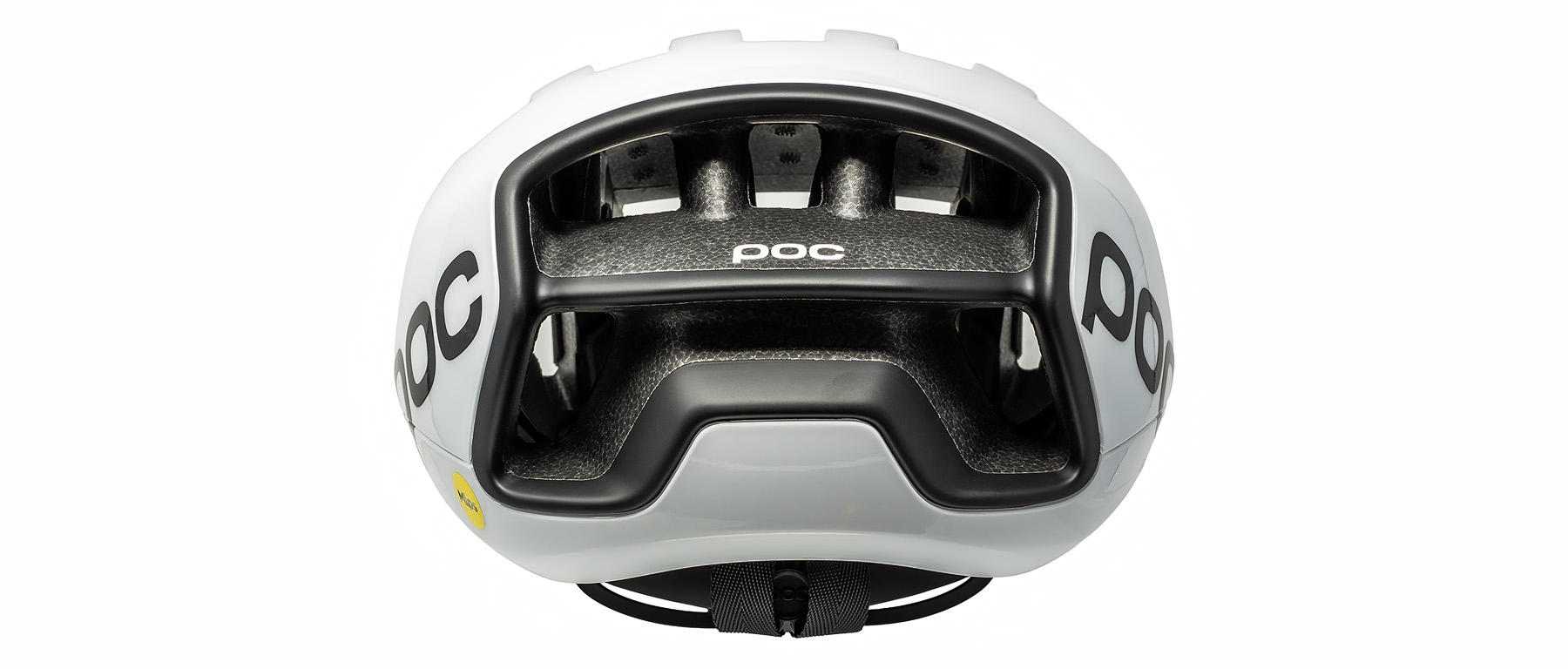
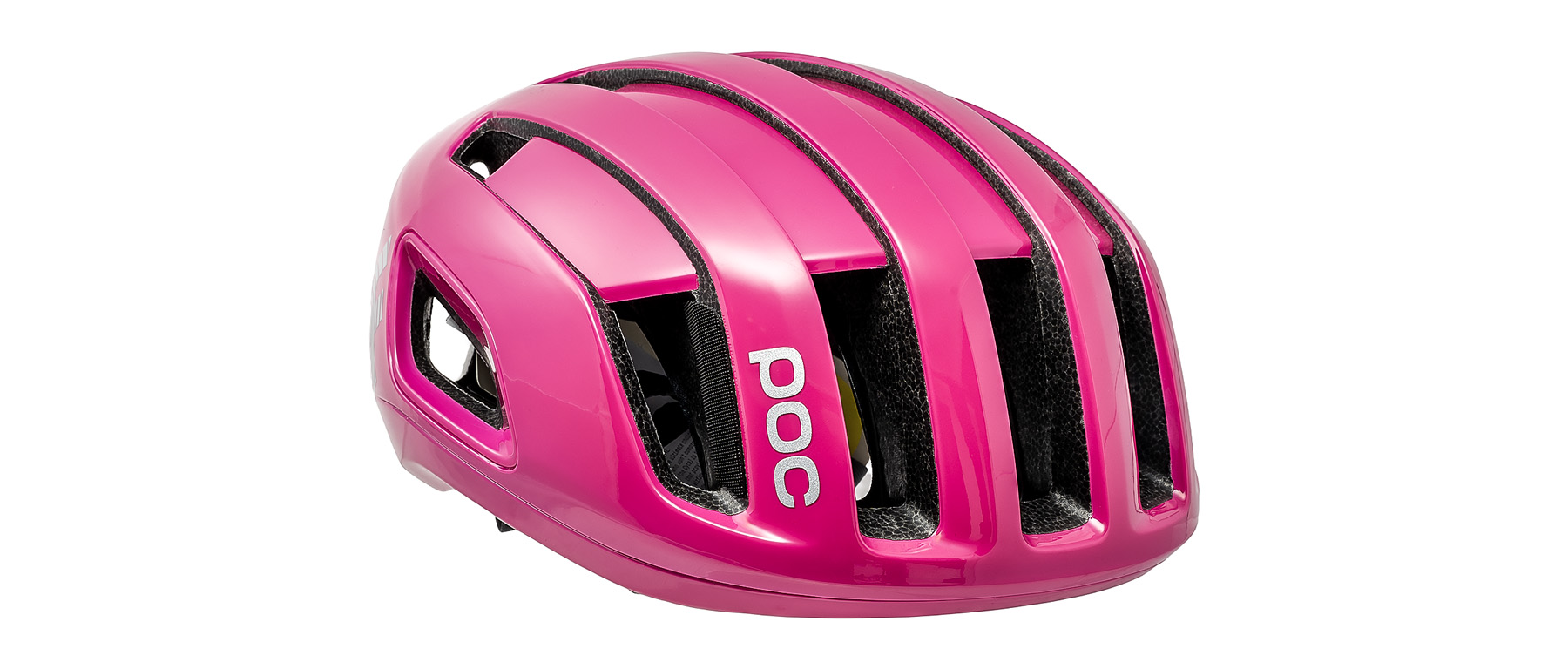
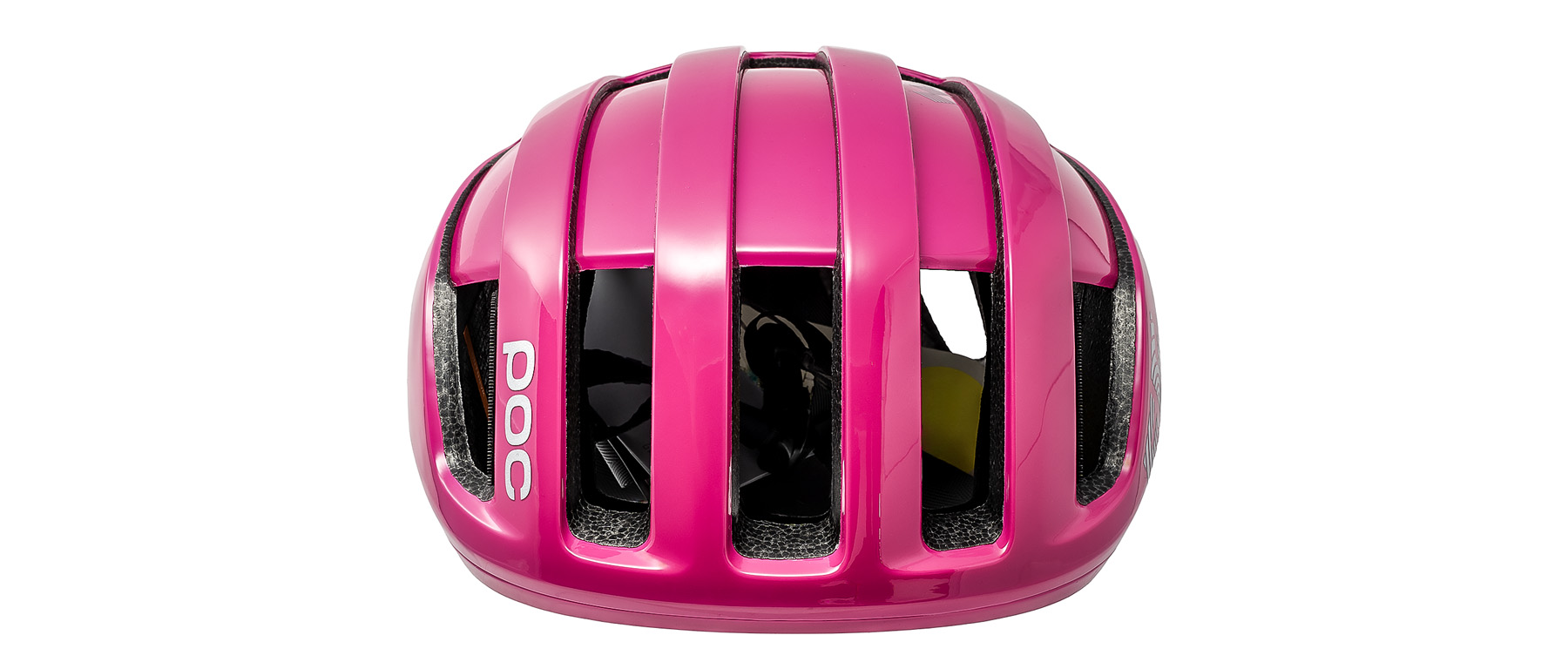
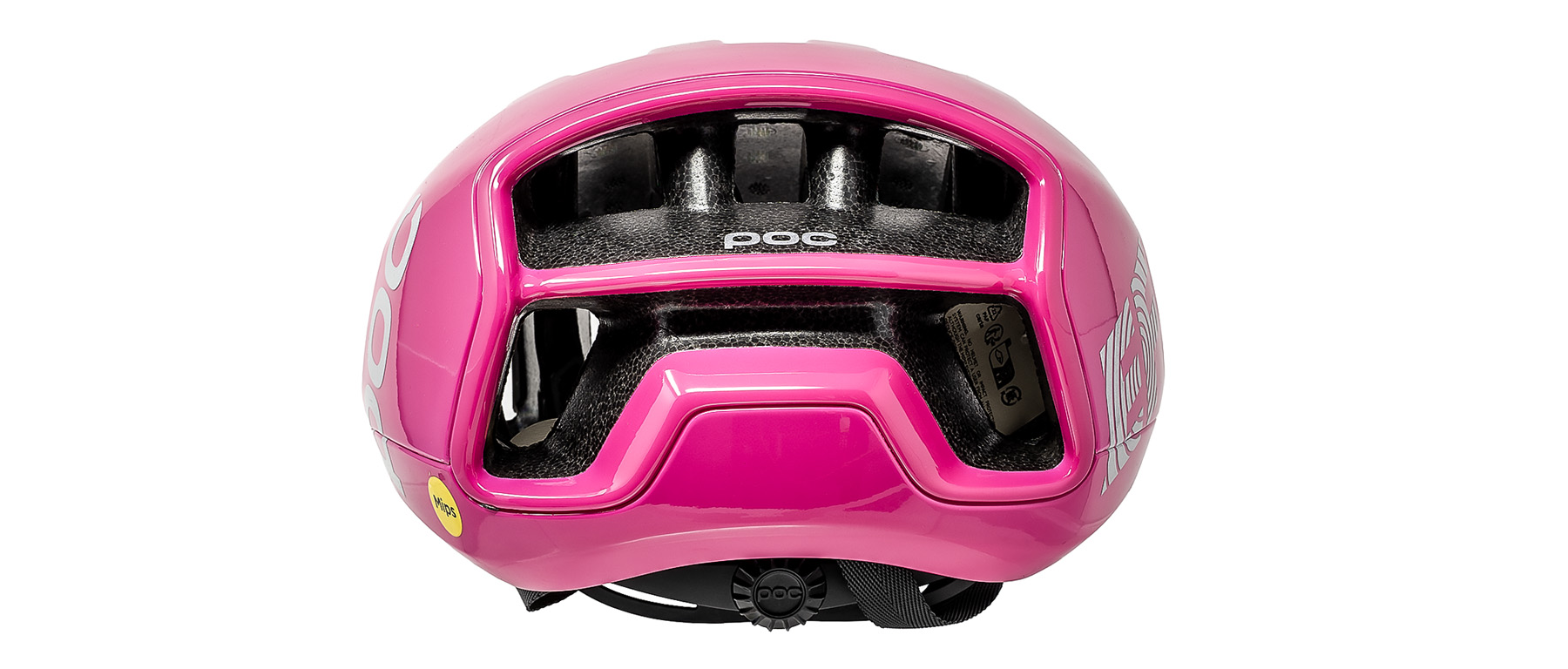
An integrated wing spans the helmet's crown, channeling airflow using the Venturi effect to accelerate air velocity through the interior rather than forcing it around the shell. Five substantial vertical intake vents at the front feed into deep internal channels that guide cooling air across your scalp before exhausting through rear ports. The system maintains airflow even at climbing speeds when other helmets start cooking, making the Cytal equally comfortable whether you're soft-pedaling a recovery ride or burying yourself in a breakaway. POC refined the aerodynamic profile through CFD modeling and wind tunnel testing, optimizing vent placement and the wing's shape to minimize drag while preserving the cooling performance.... Read More
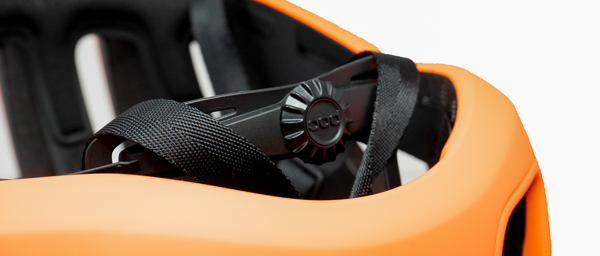
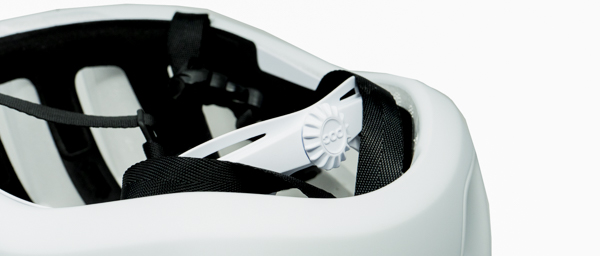
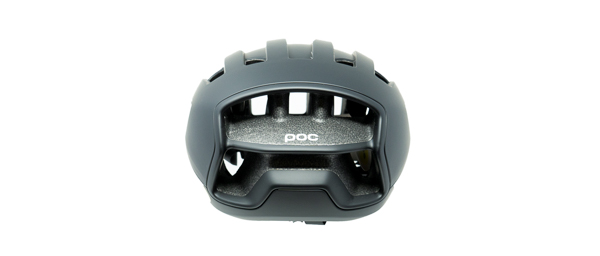
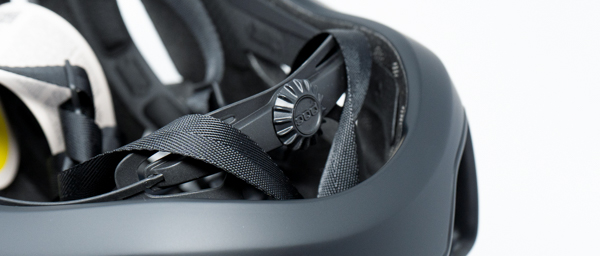
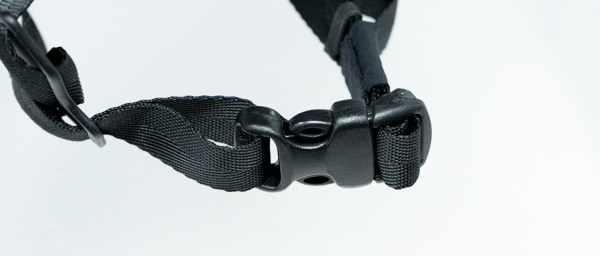
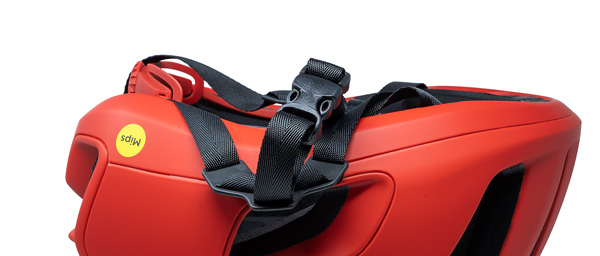
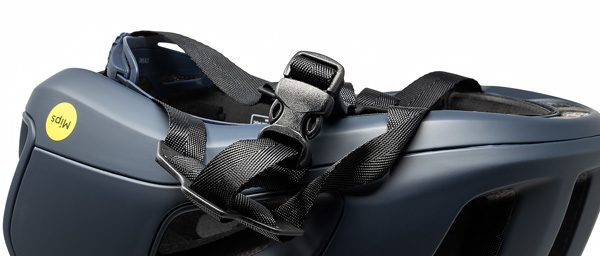
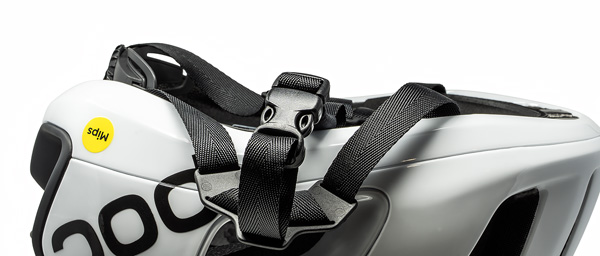
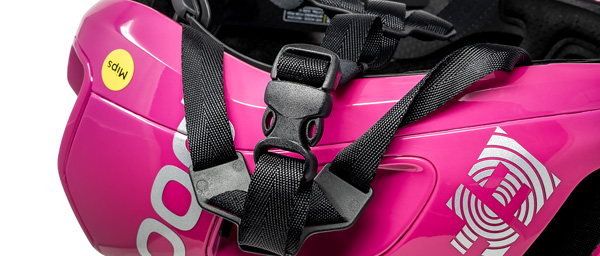
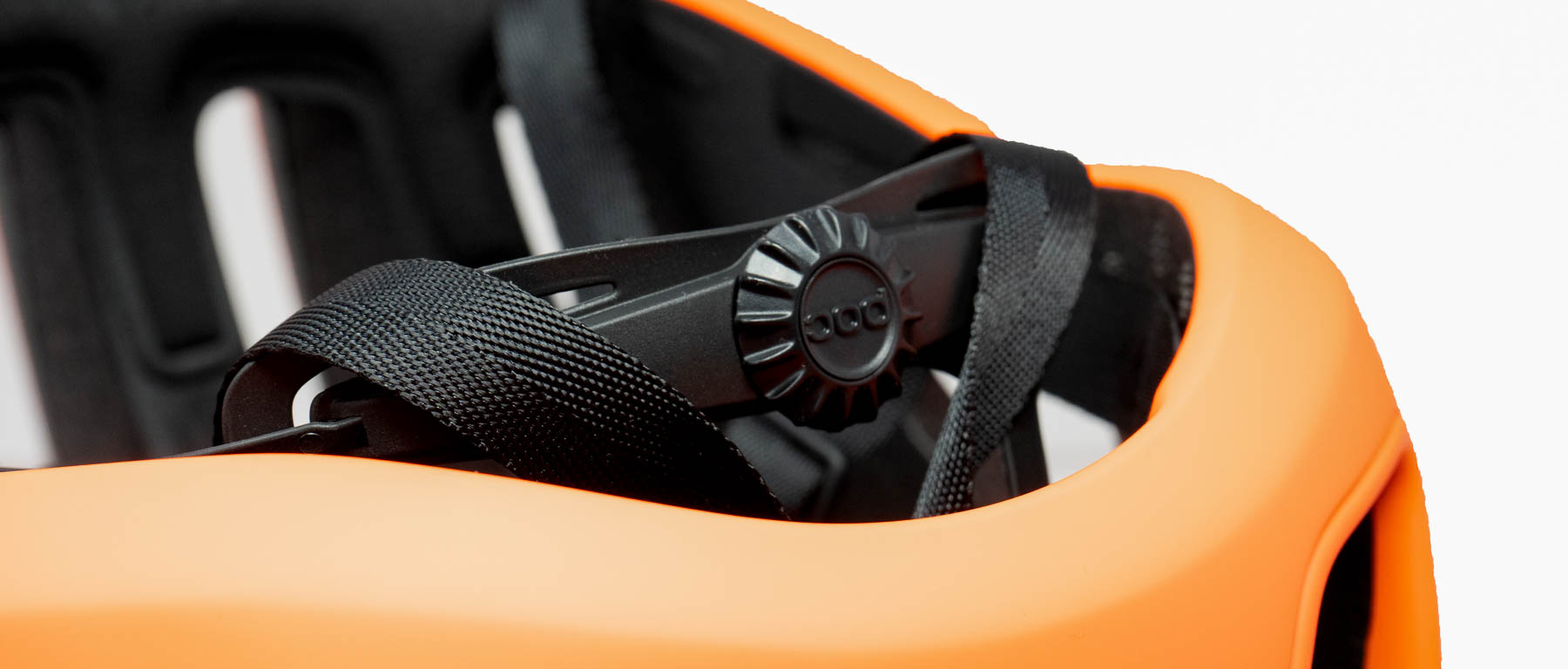
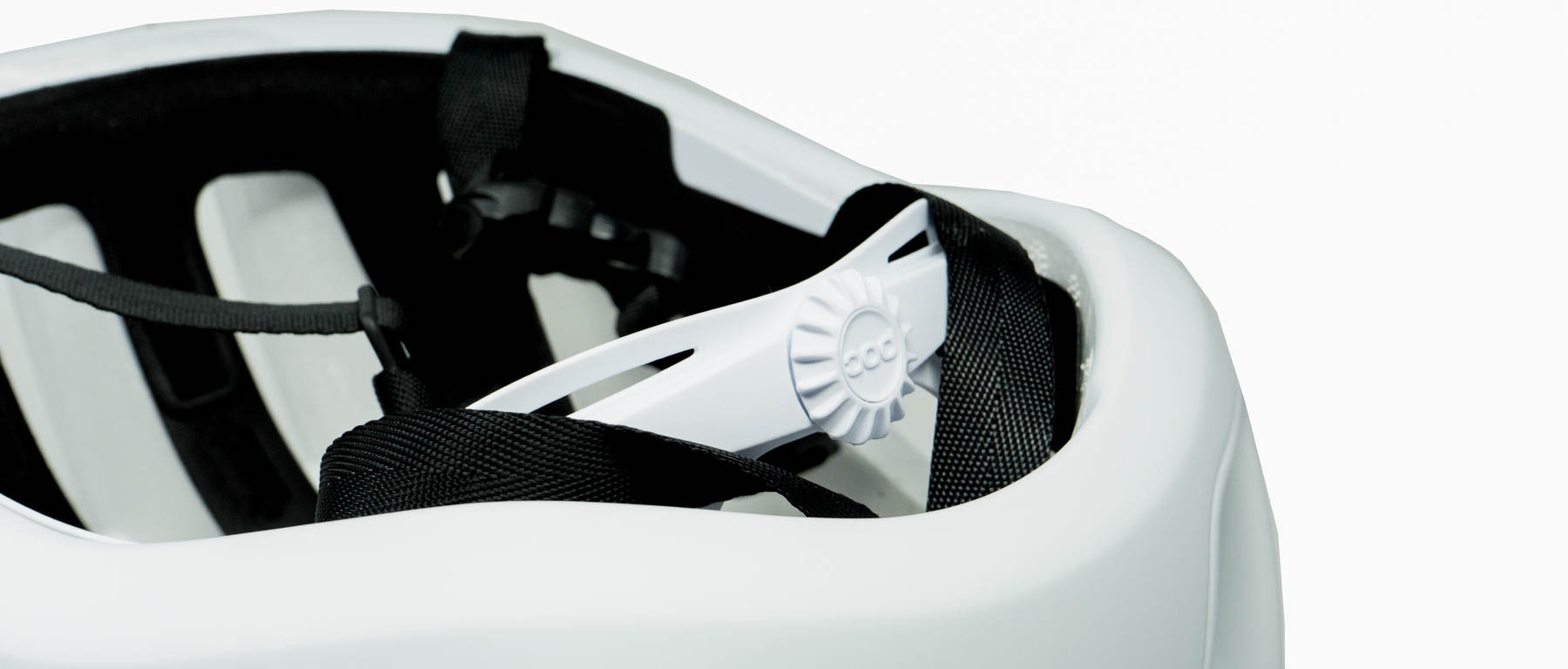
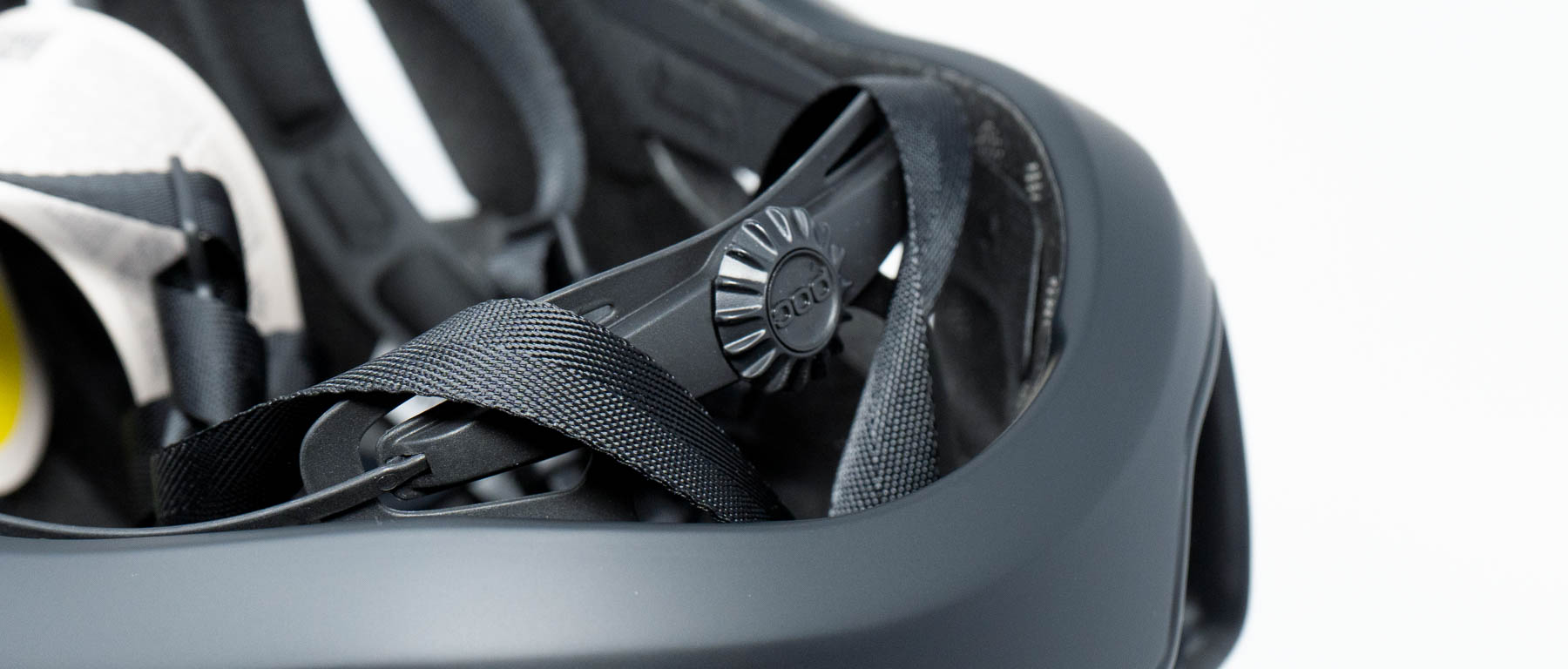
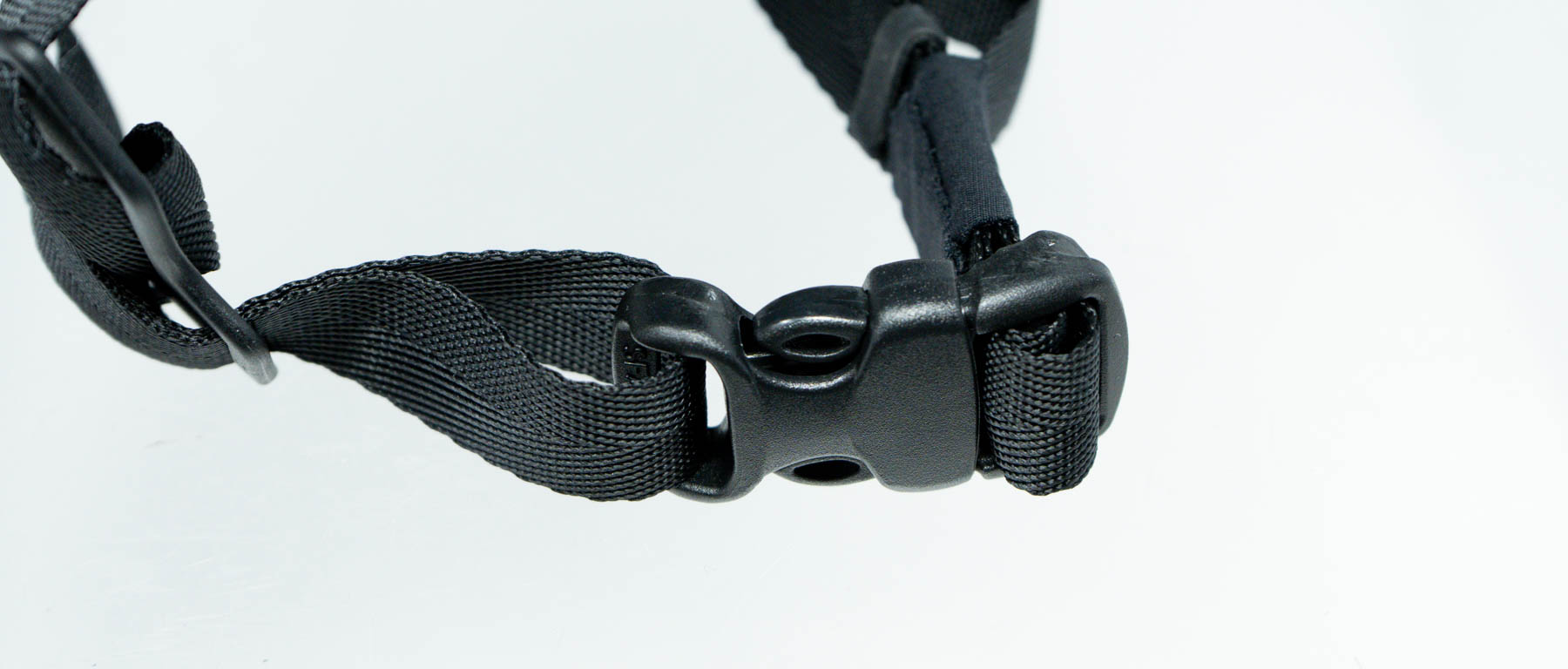
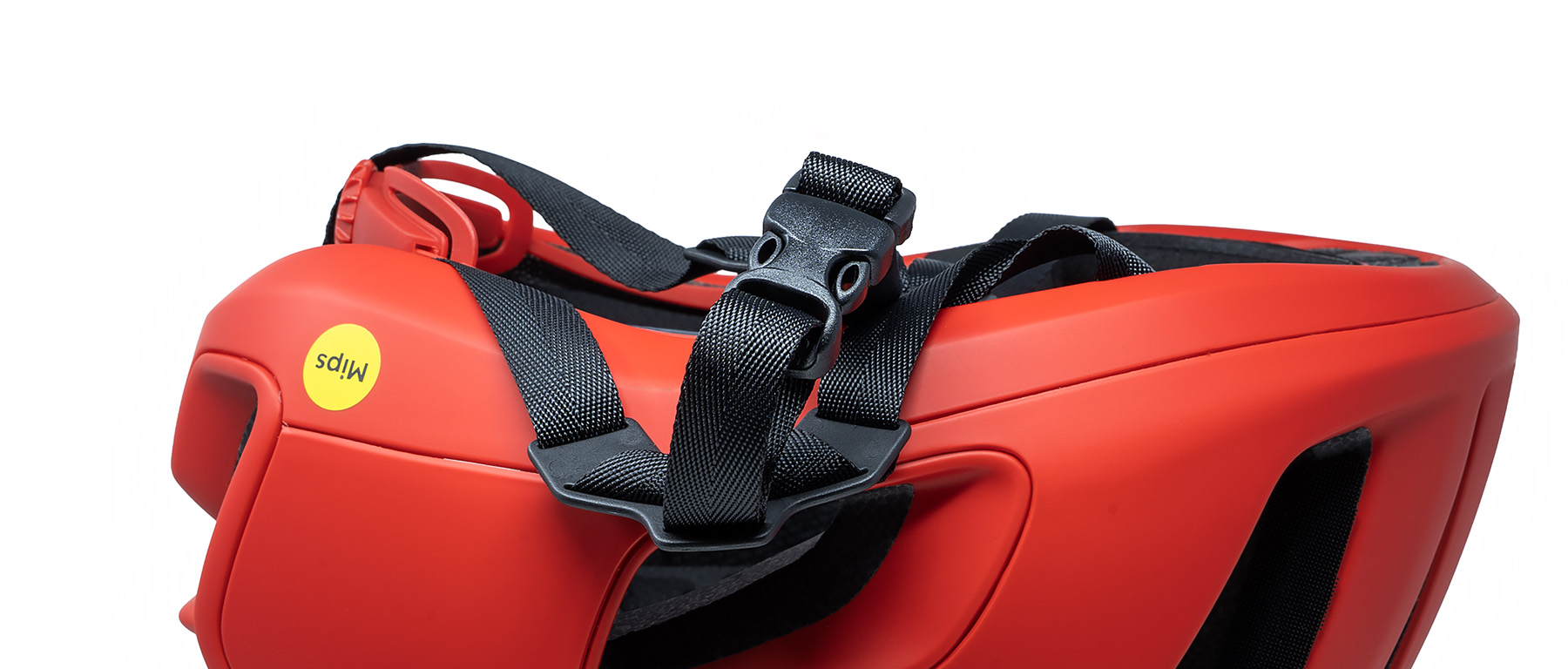
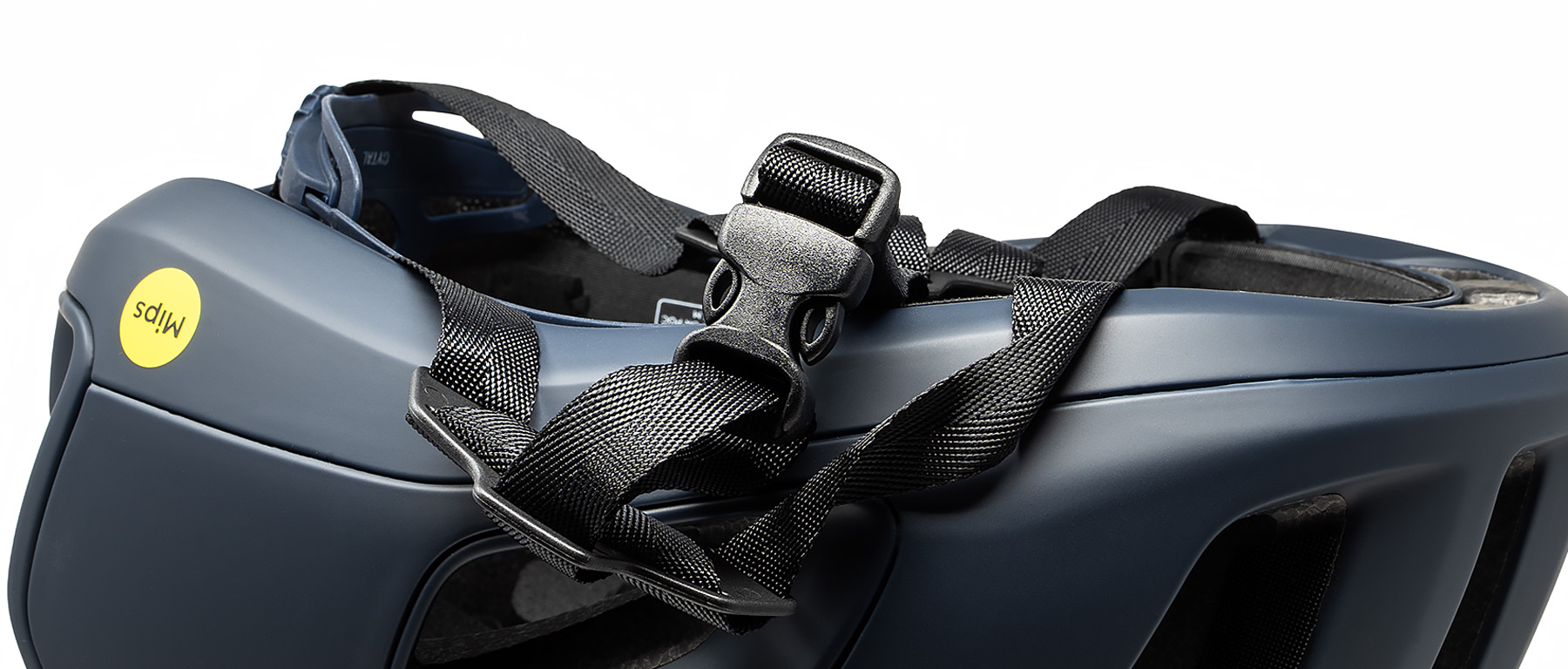
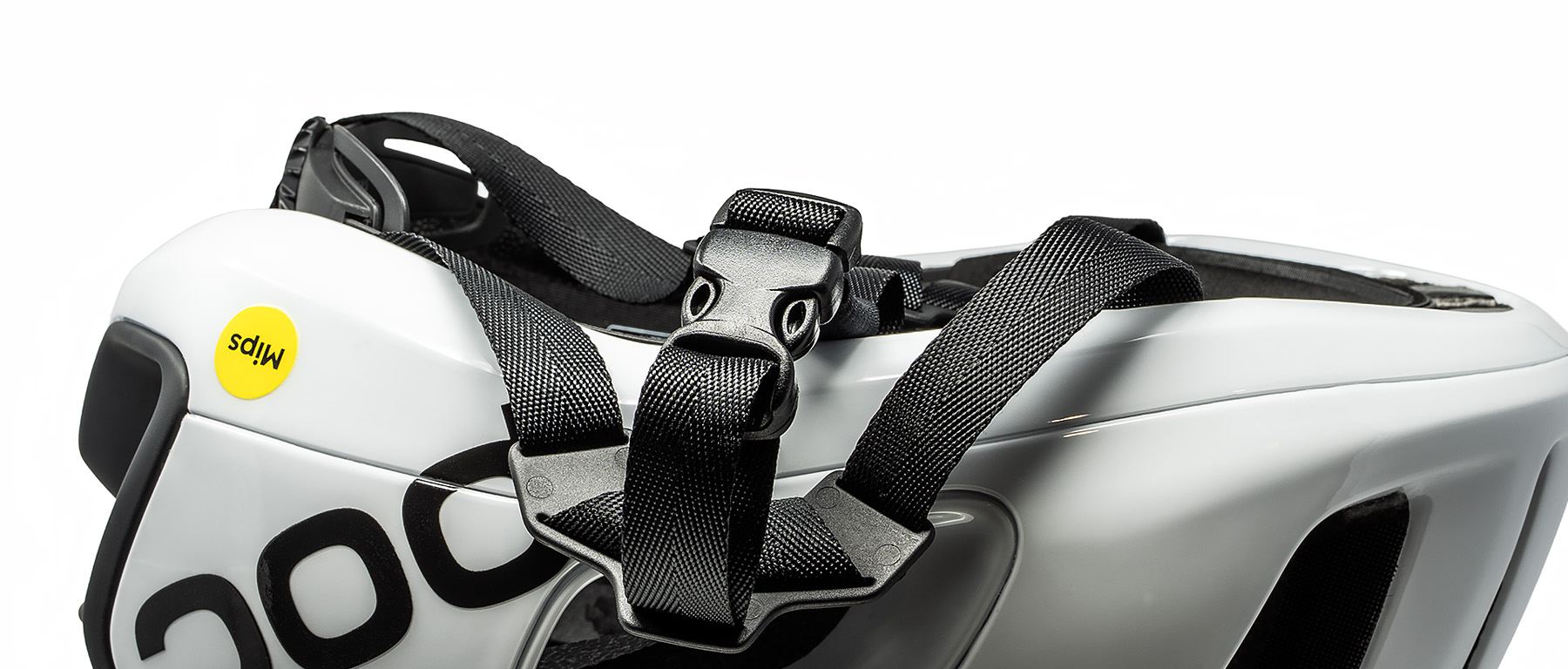
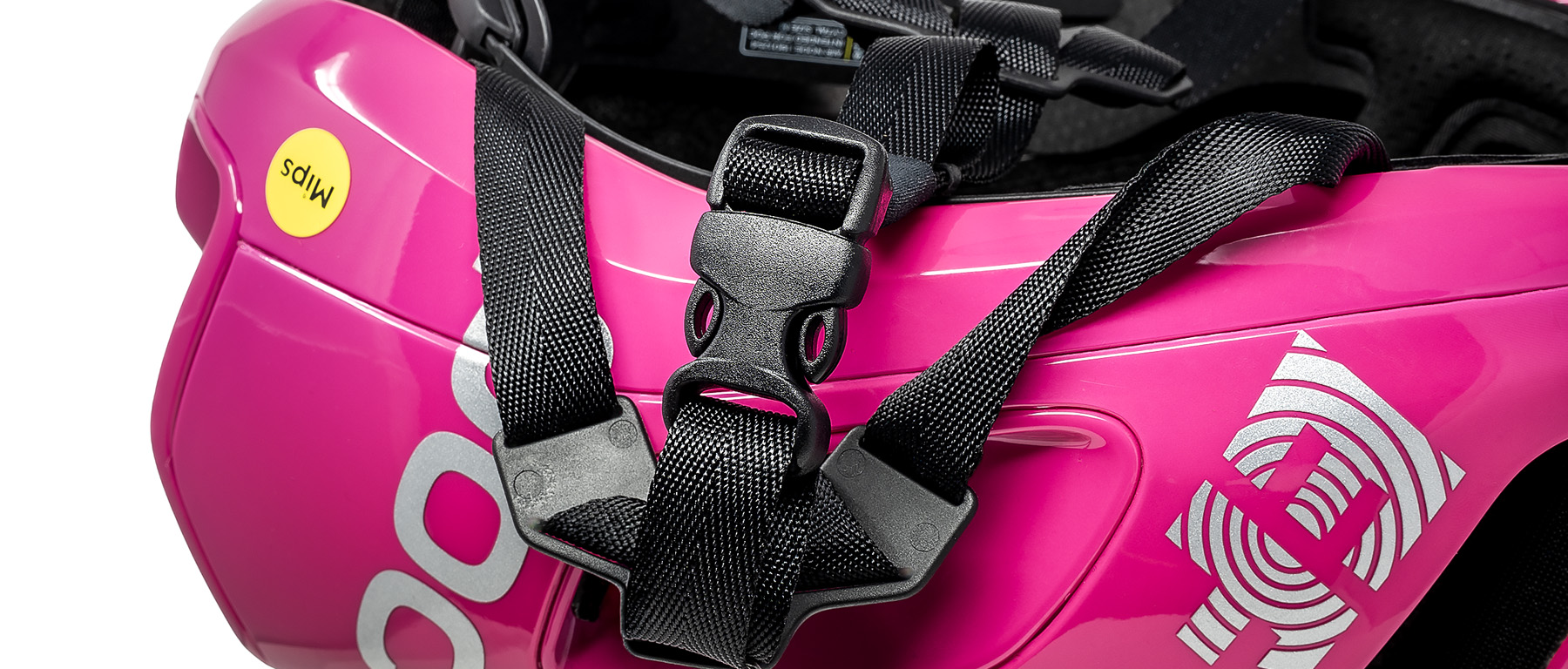
Fit adjustments happen through a lightweight 360-degree retention system that wraps from temple to temple around the back of your head, keeping hardware away from the front to preserve ventilation in the critical forehead zone. The polycarbonate shell bonds directly to the EPS liner for structural stability, creating a unitary construction that distributes forces more evenly than designs where the shell and foam exist as separate components. High-friction pads integrated into the front vents create an eye garage that holds sunglasses securely during climbs or when light conditions change.