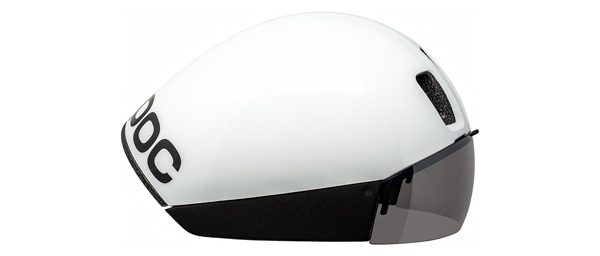
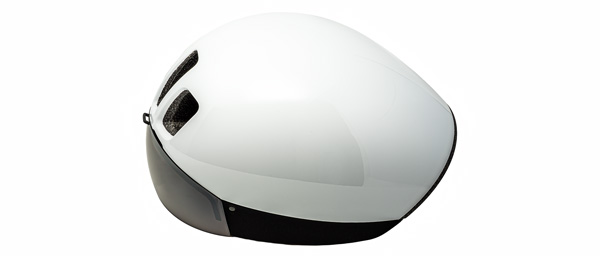
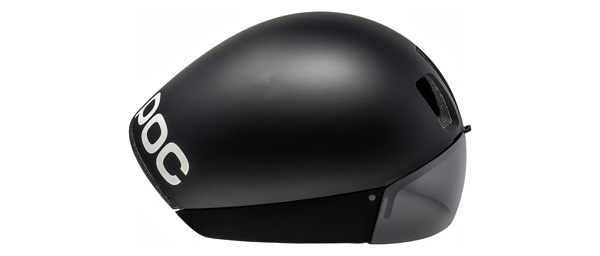
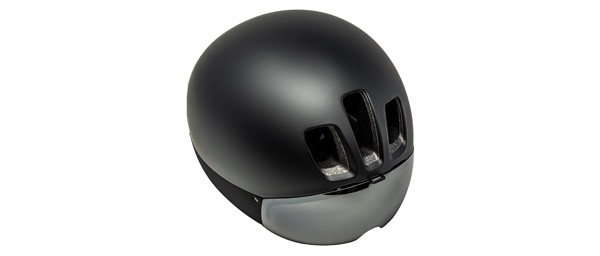
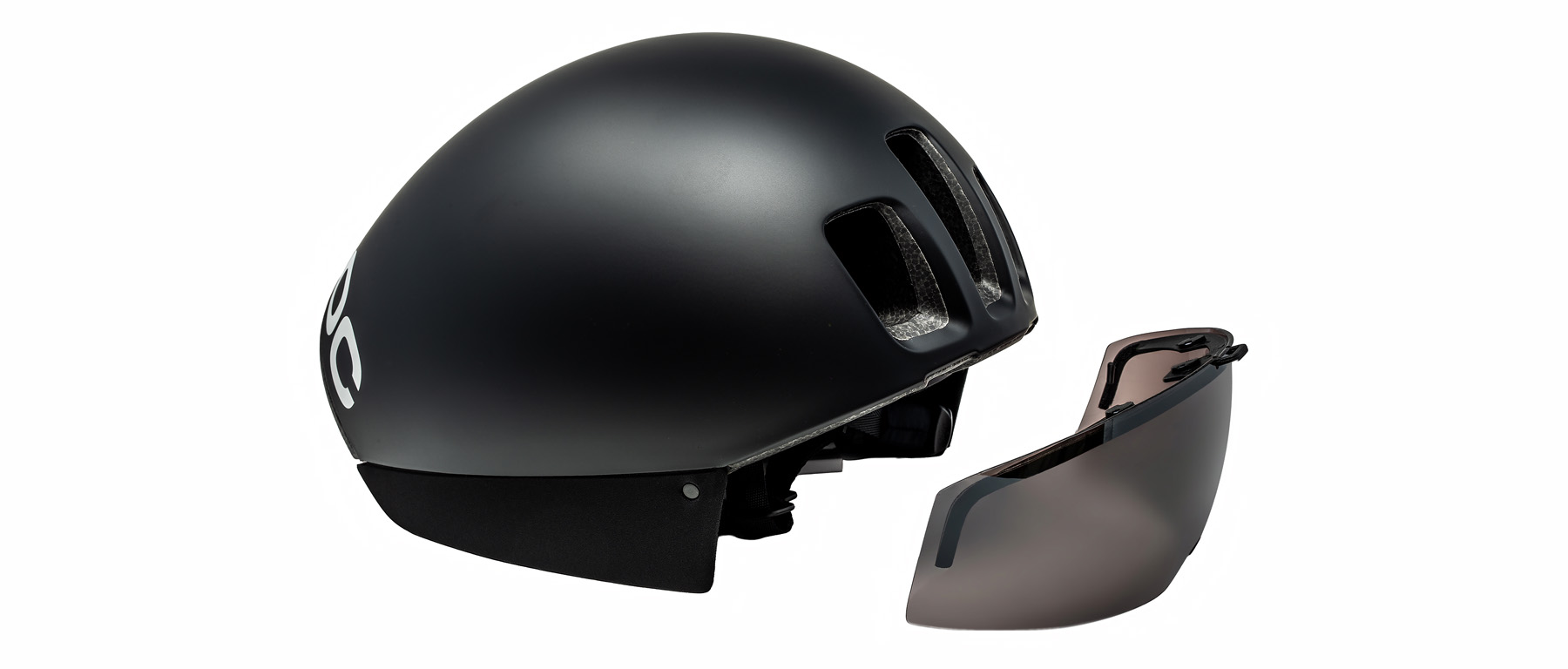
Wind noise tells you a lot about how efficiently you're moving through air. Drop into an aggressive position on most road helmets and the roar increases—turbulence around your ears, pressure differentials creating that familiar rushing sound that makes conversation impossible. The POC Procen Air approaches the problem differently, borrowing the aerodynamic philosophy of time trial helmets but dialing back just enough to remain practical for mass-start racing and hard group rides. When you find the right position, things get noticeably quieter, and that acoustic feedback confirms you're slipping through the air rather than fighting it.
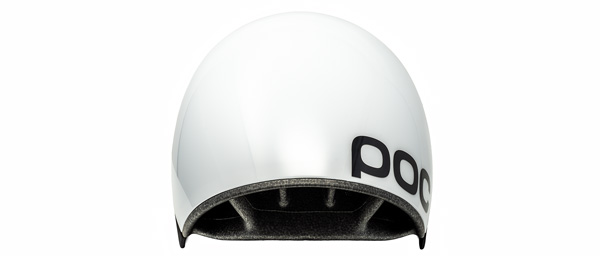
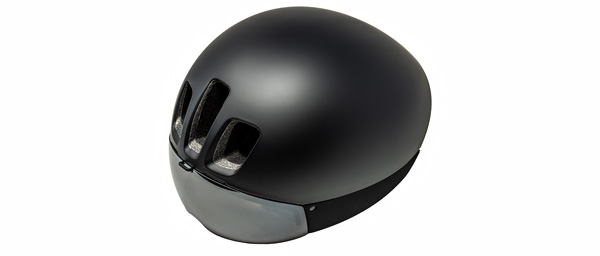
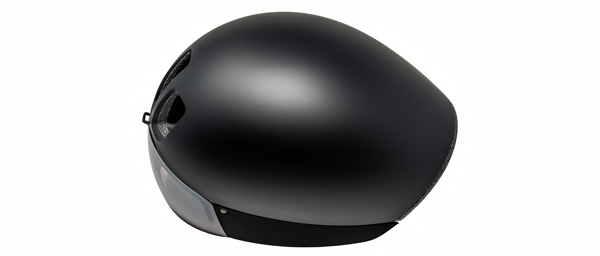
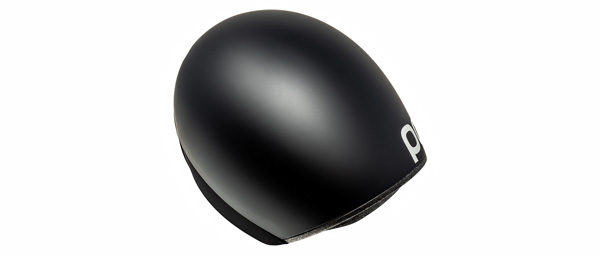
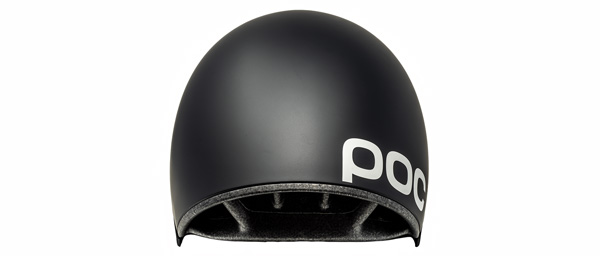
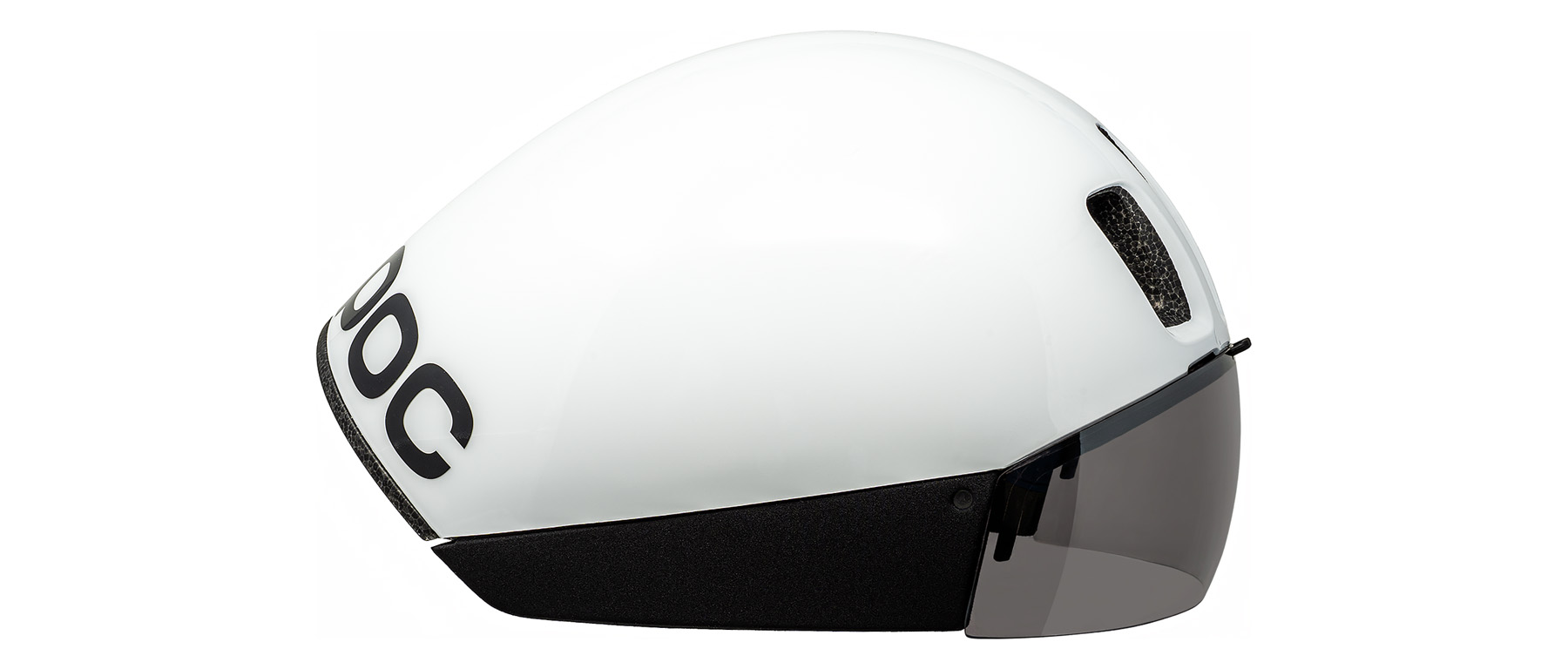
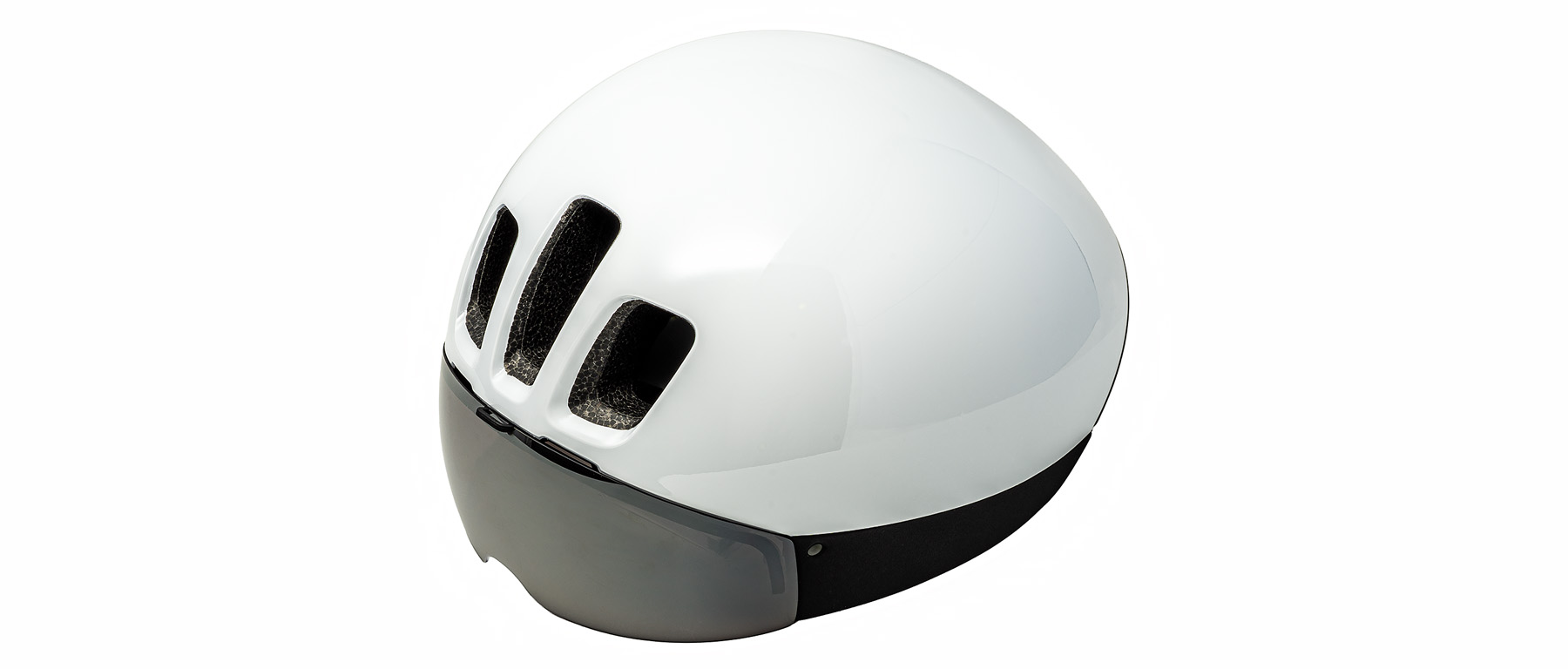
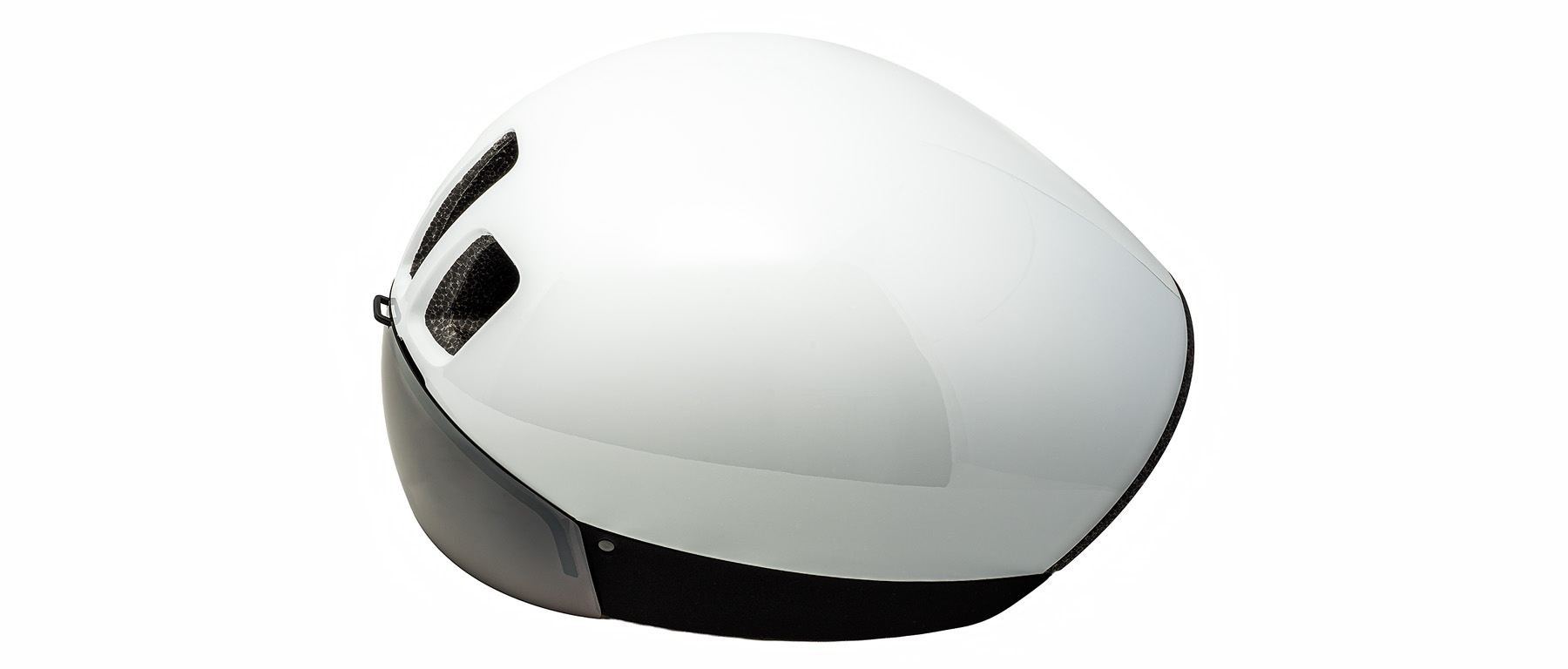
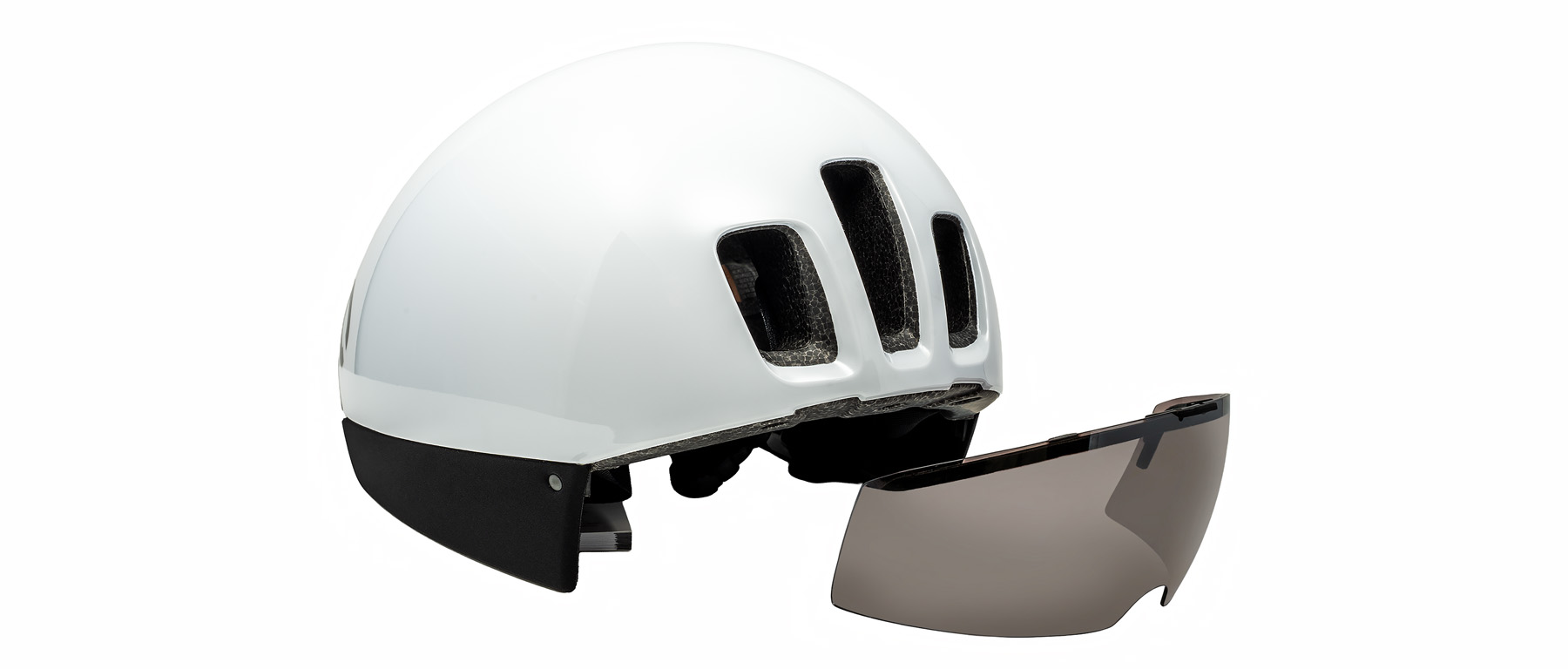
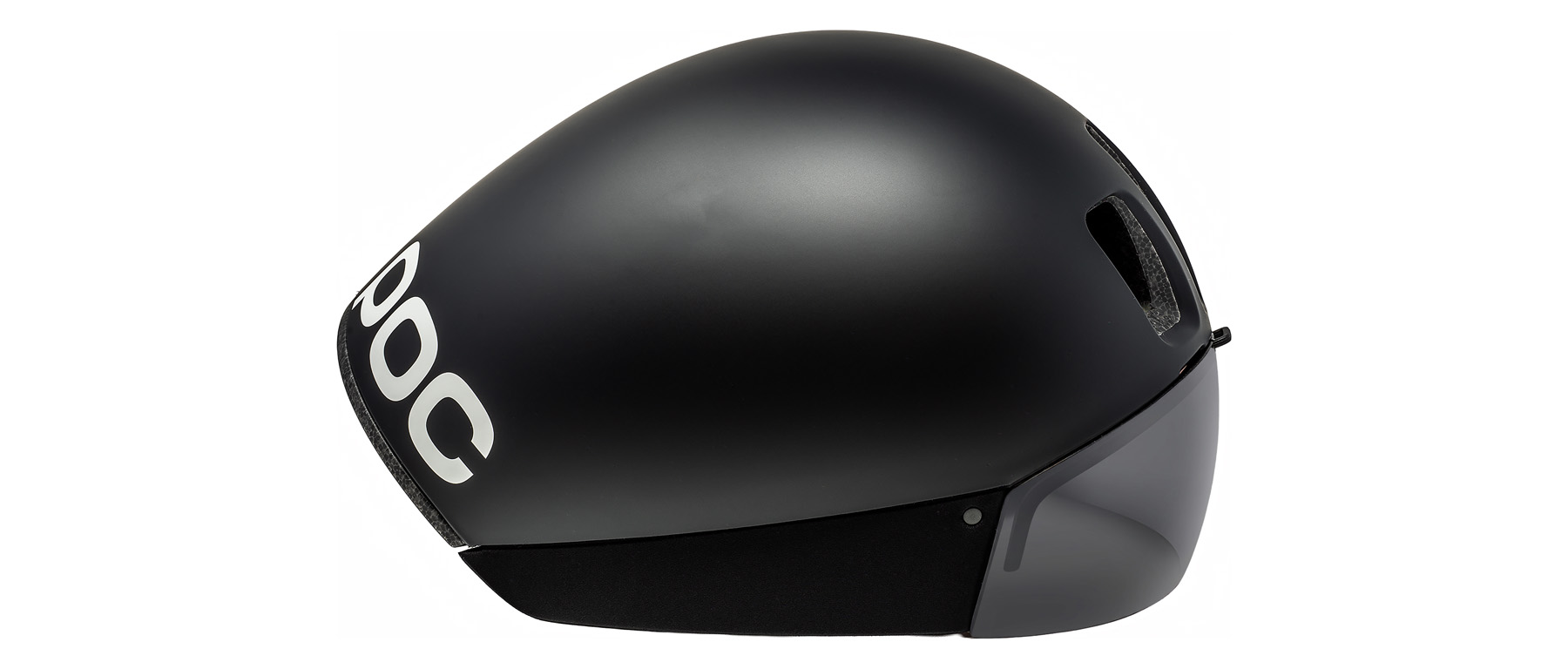
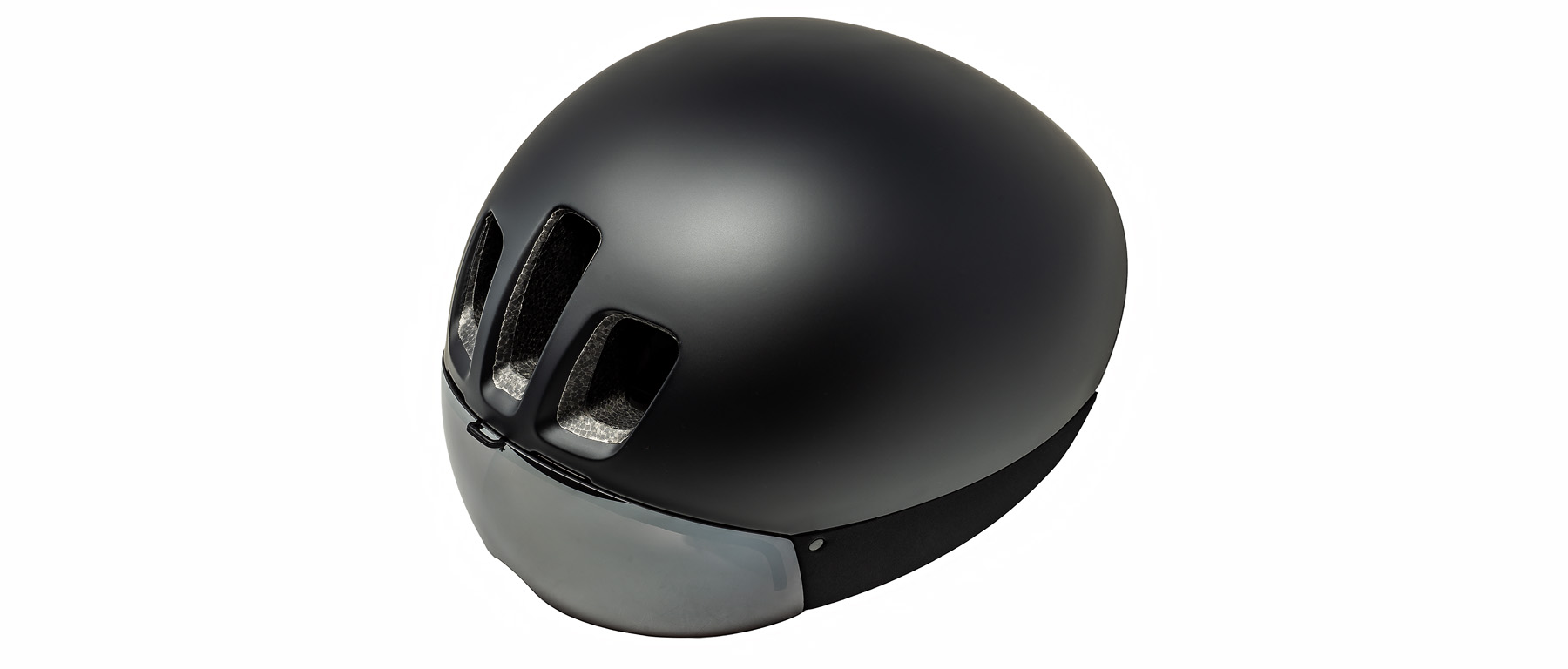
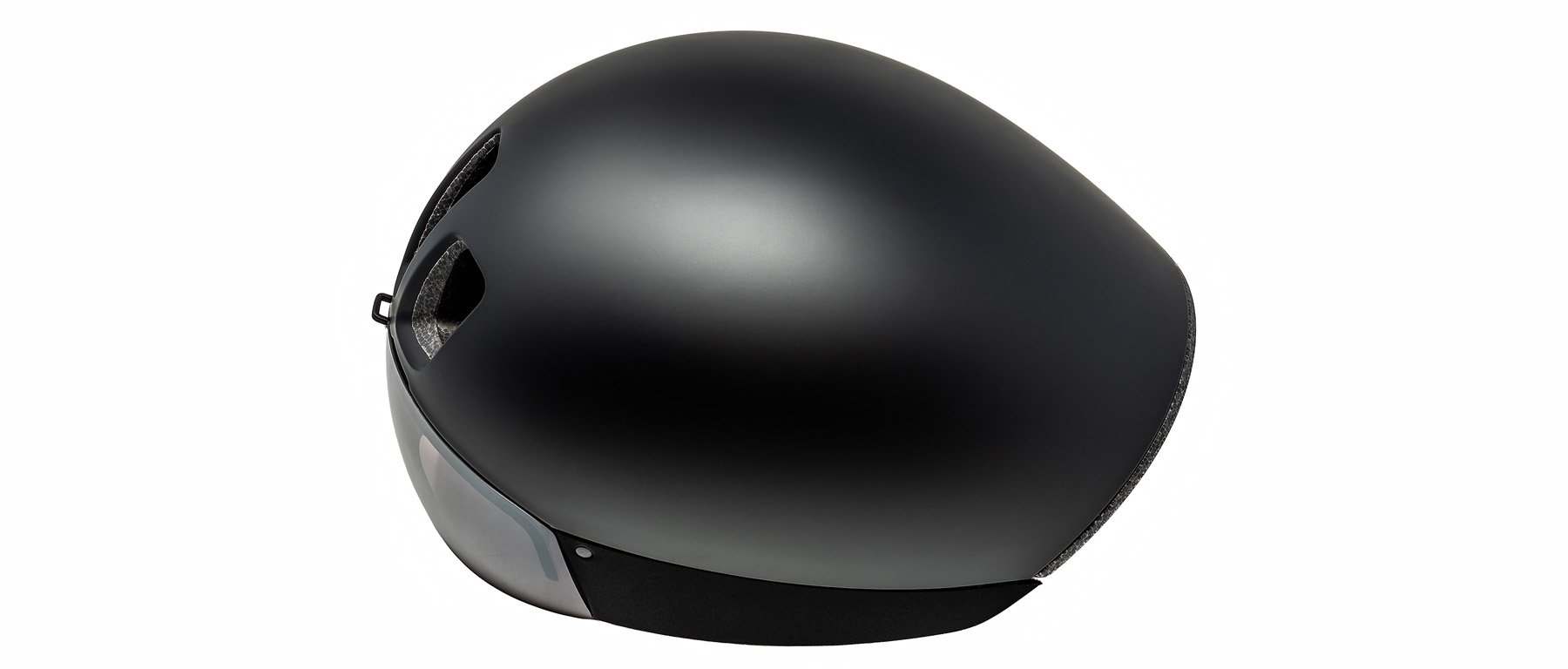
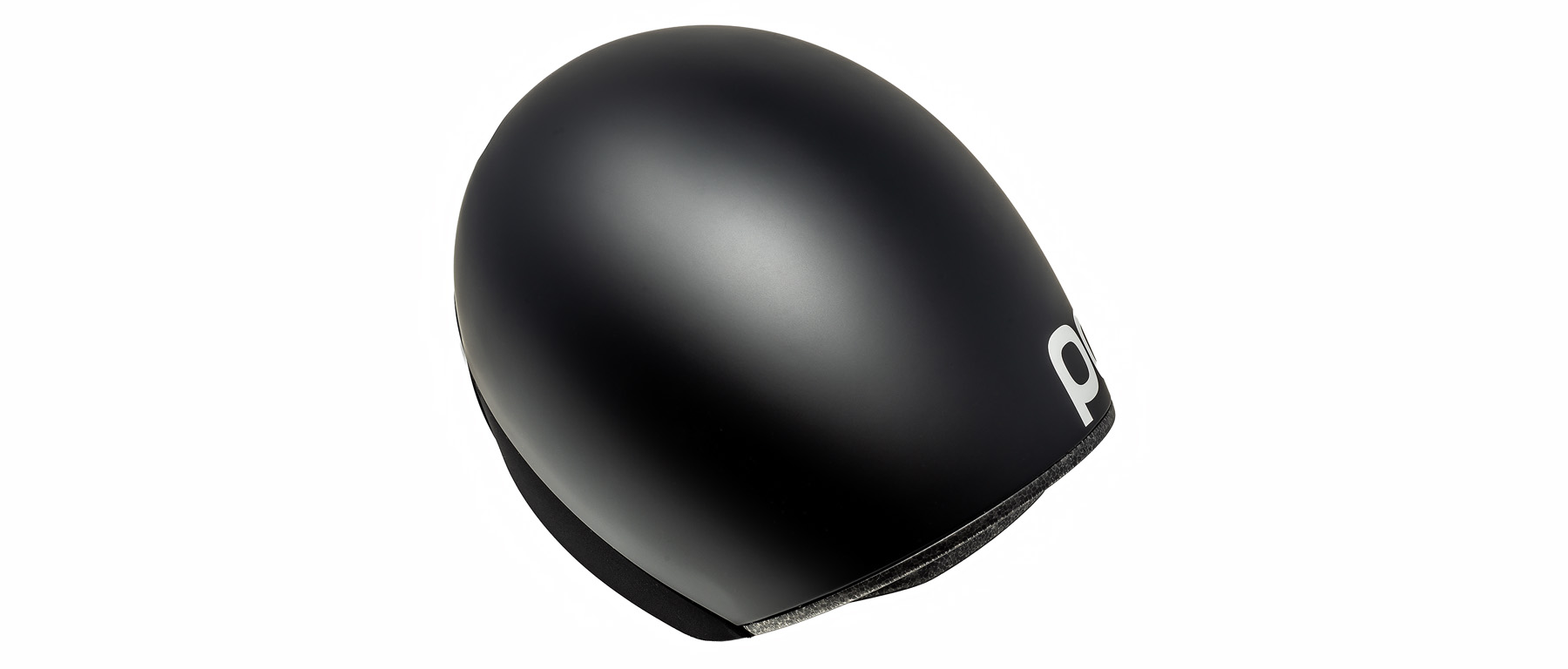
POC derived the Procen Air directly from their Procen TT helmet, keeping the rounded teardrop profile and smooth surfaces that minimize drag while truncating the tail more aggressively to improve real-world versatility. The partial ear covers use soft EVA foam with a fuzzy inner face and aerodynamic fabric outer, positioned to reduce wind noise without blocking your ability to hear traffic, shouts from the peloton, or the freehub buzz of someone about to attack. These covers snap on with velcro, so you can remove them for cleaning or if regulations require it. POC claims the Procen Air saves 5 to 18 watts compared to their Ventral helmet at speeds ranging from 30 to 60 kilometers per hour—numbers developed through extensive CFD modeling and wind tunnel testing.
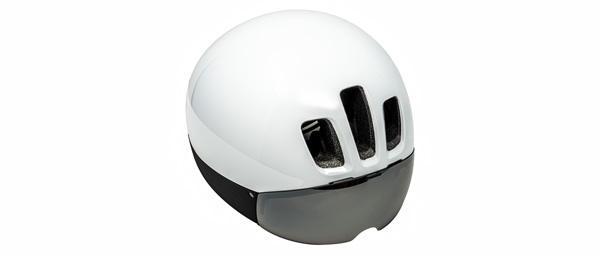
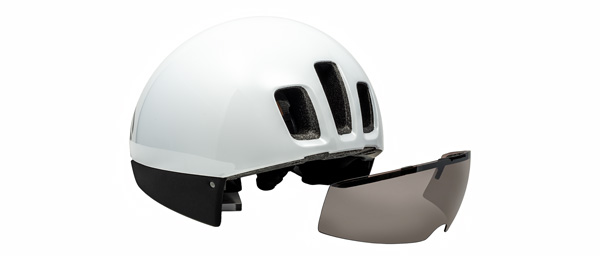
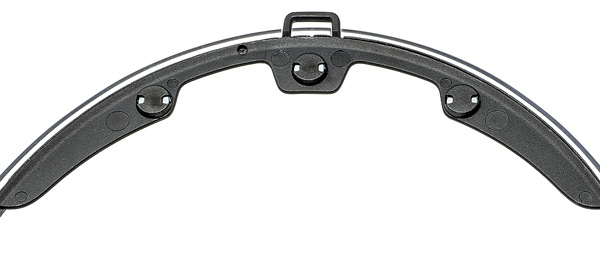
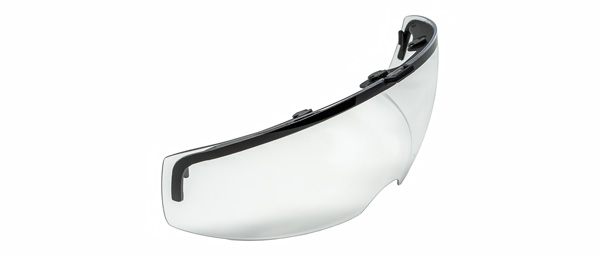
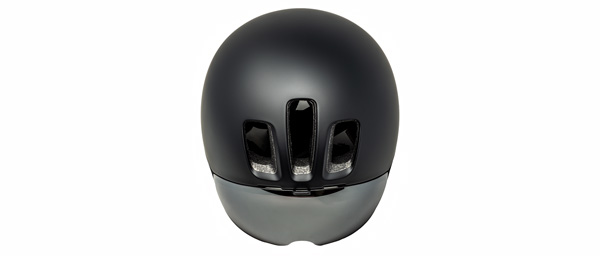
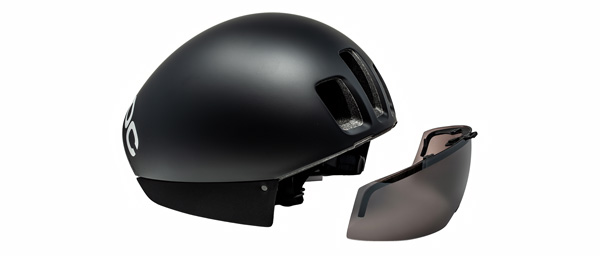
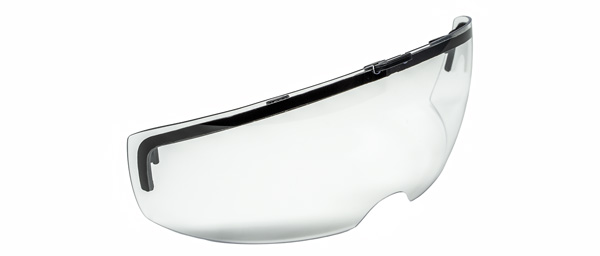
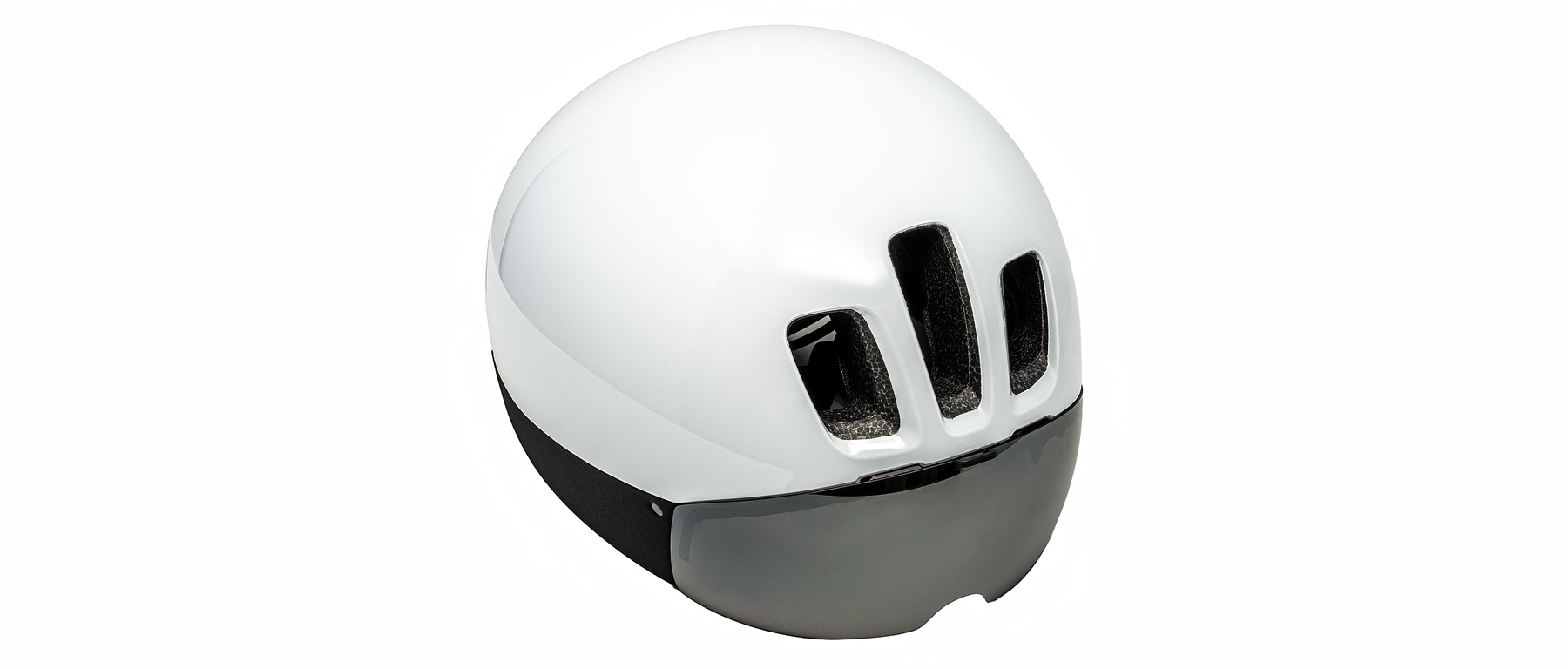
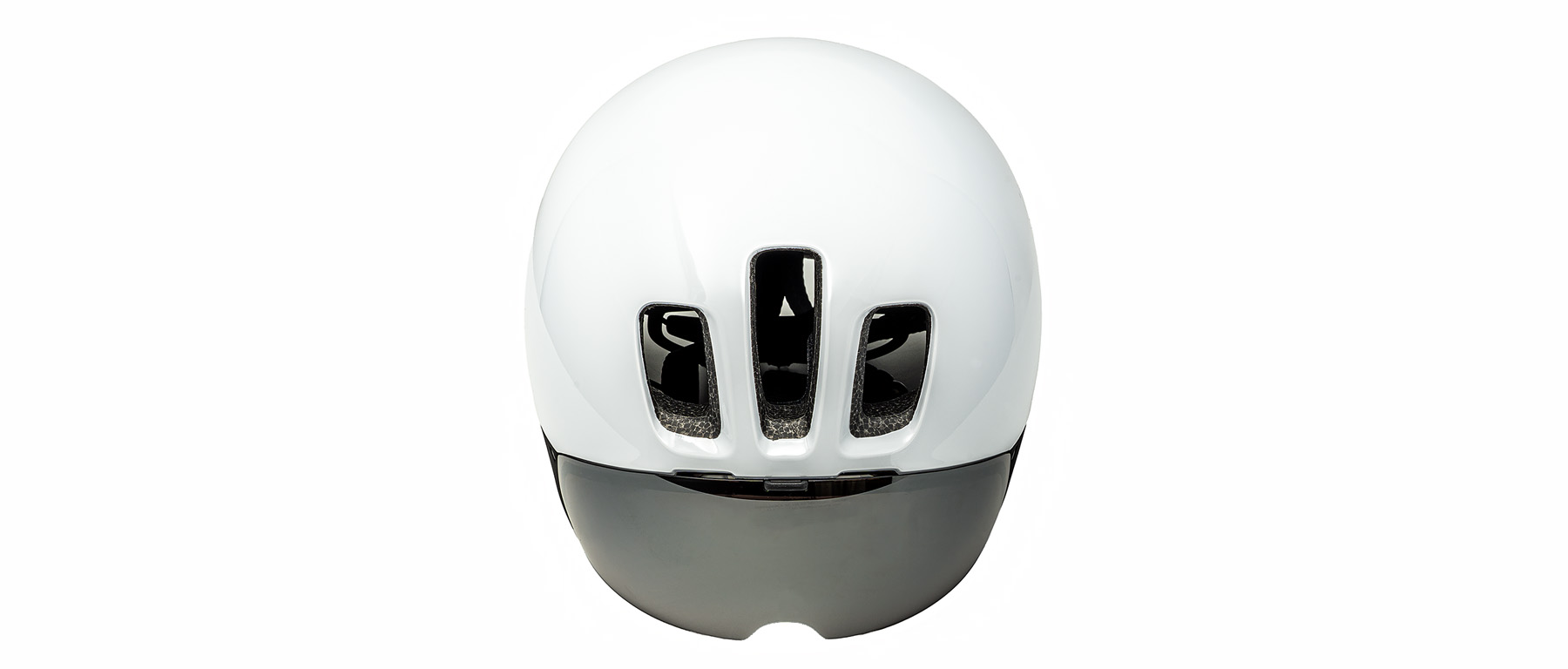
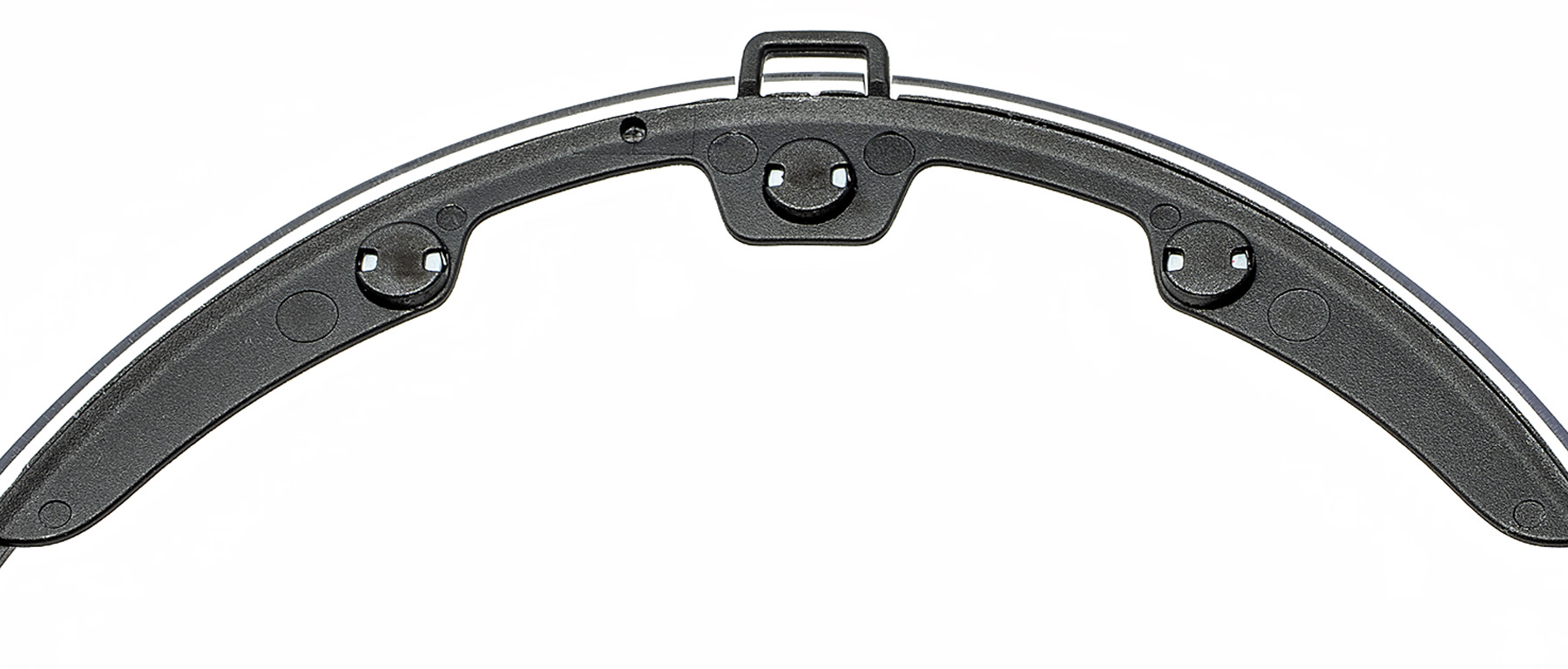
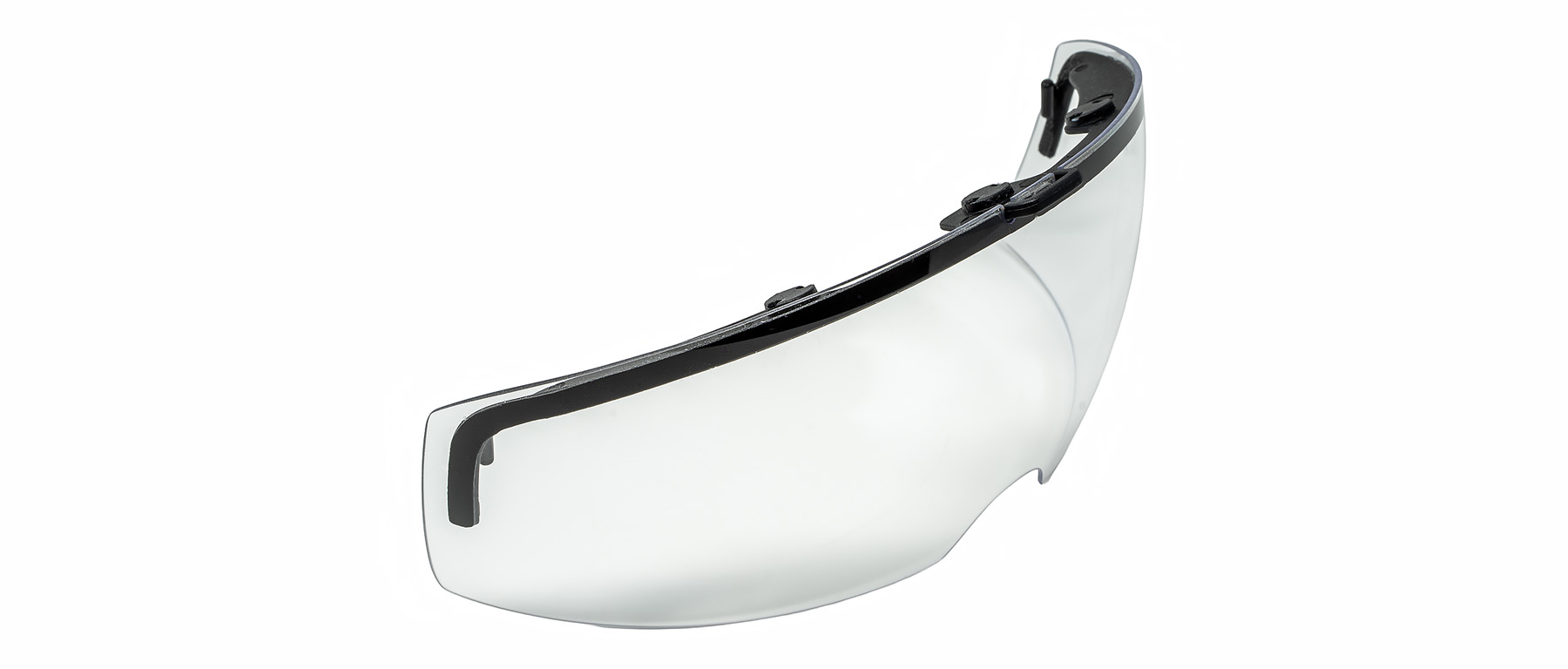
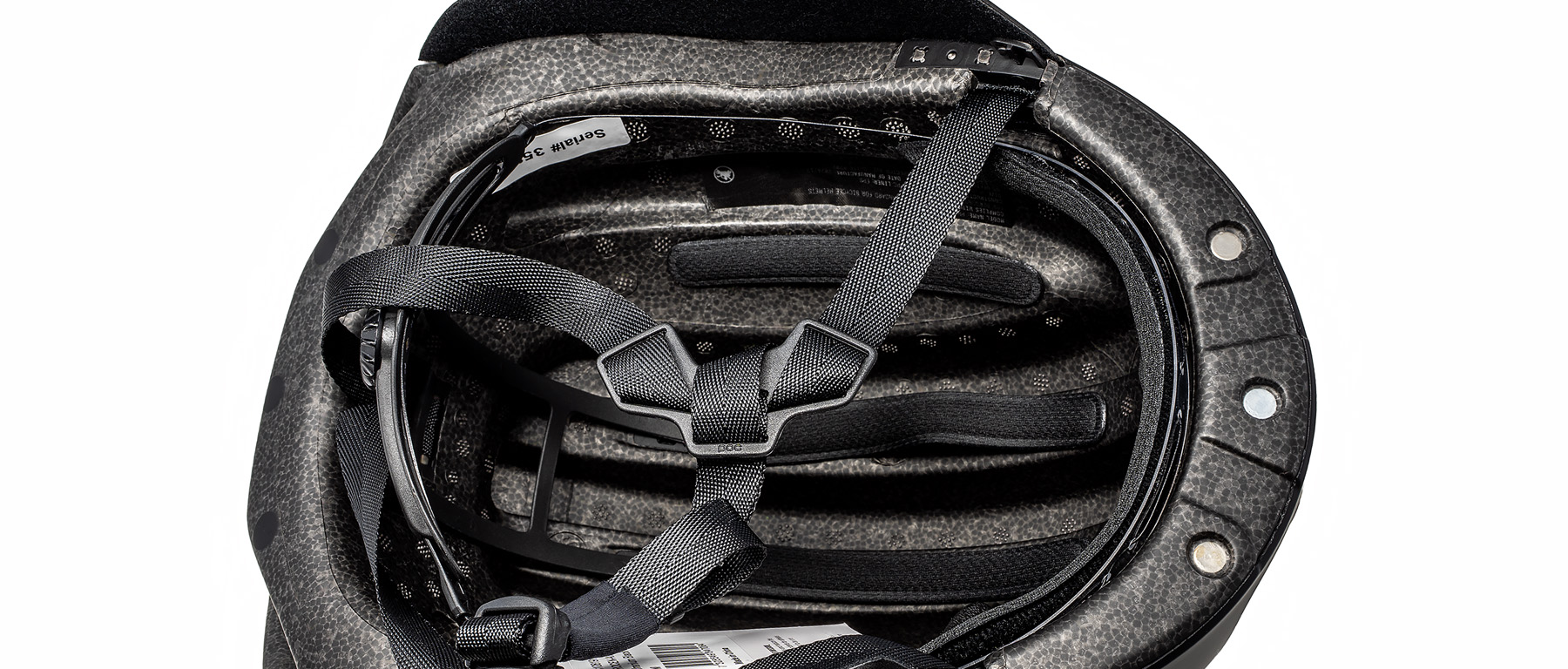
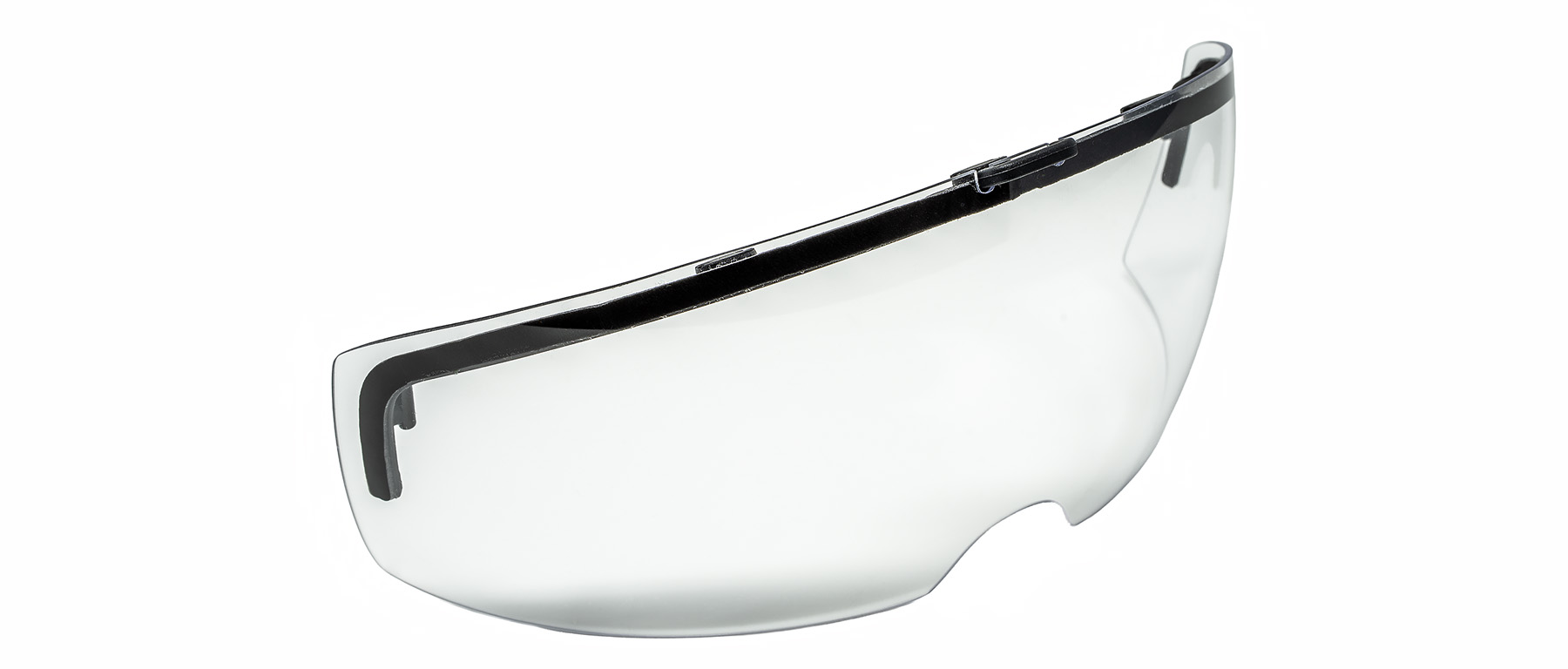
The integrated visor replaces traditional sunglasses with a magnetic shield that snaps onto three embedded magnets at the front of the helmet. POC's Clarity Road lens technology heightens contrast and manages color spectrum for improved road visibility, and both a Category 2 mirrored lens and a Category 0 clear lens ship in the box for different light conditions. When you need the visor off—maybe you're grinding up a climb and want maximum airflow to your face—three additional magnets molded into the rear of the helmet let you stow it out of the airstream without affecting aerodynamic performance. This storage solution means you're never choosing between leaving your eye protection at home or dealing with sunglasses stuffed awkwardly into vents.... Read More
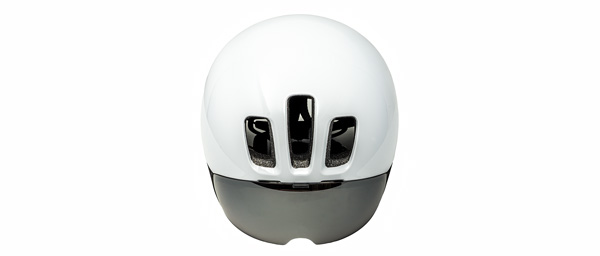
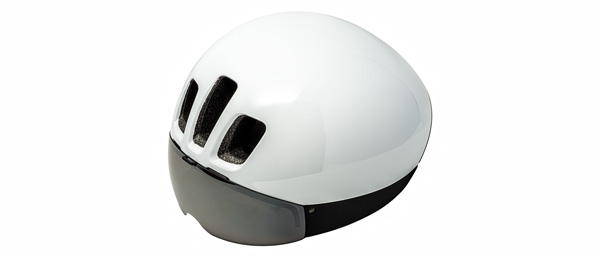
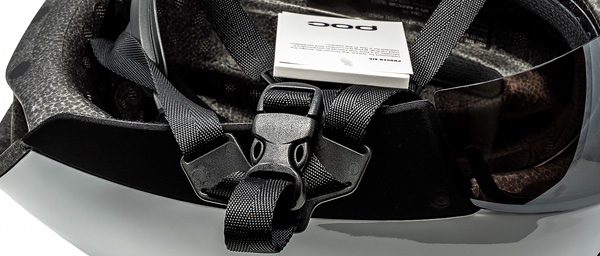
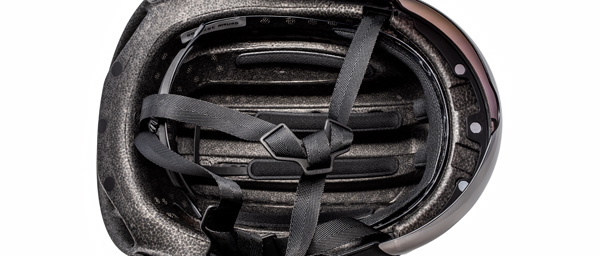
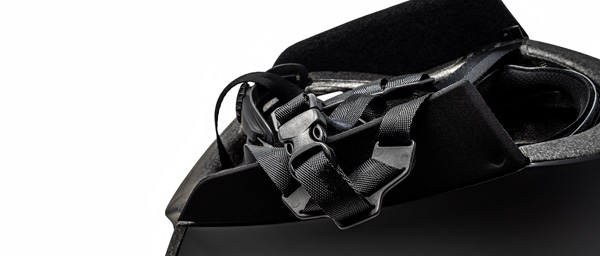
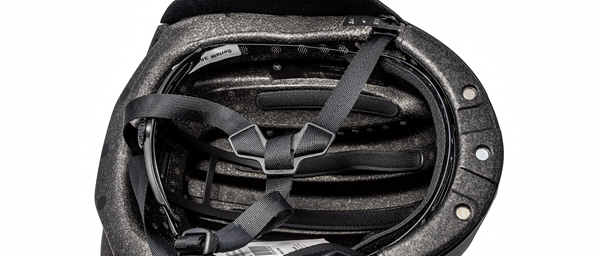
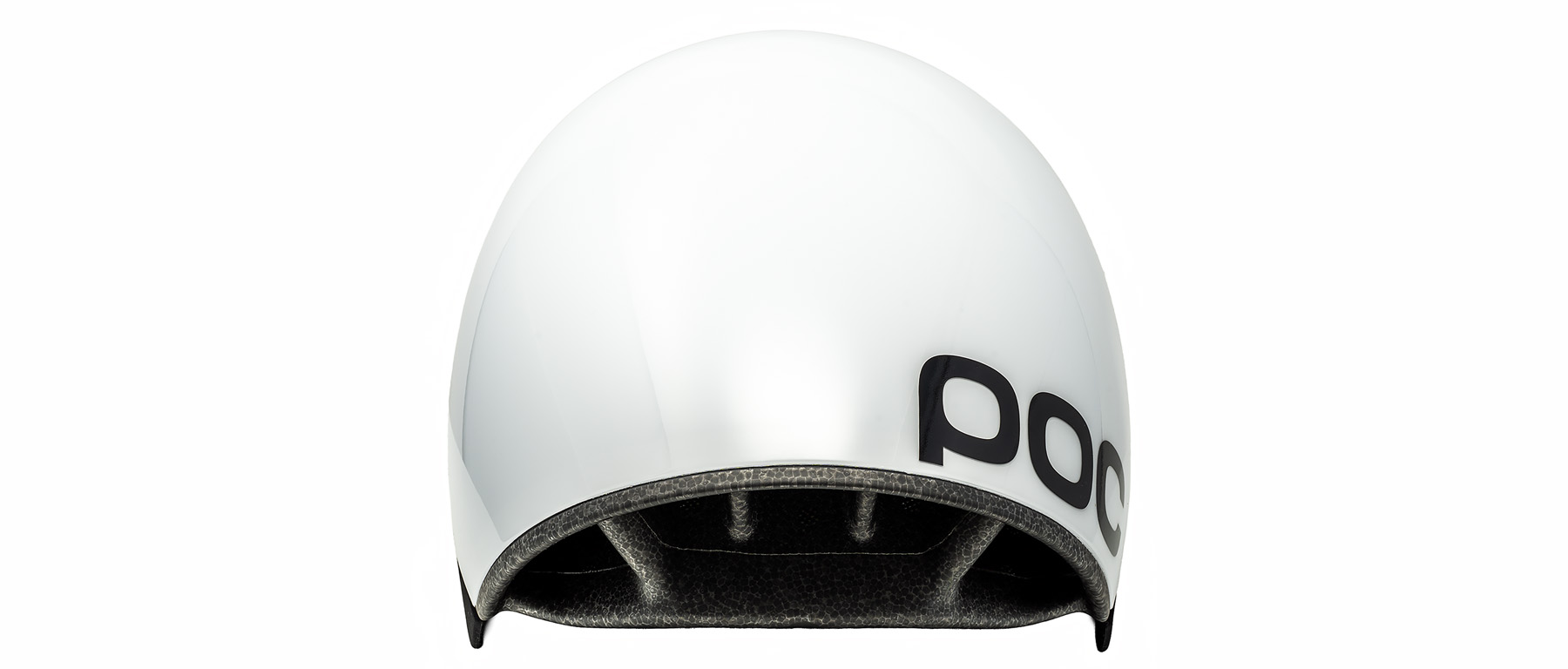
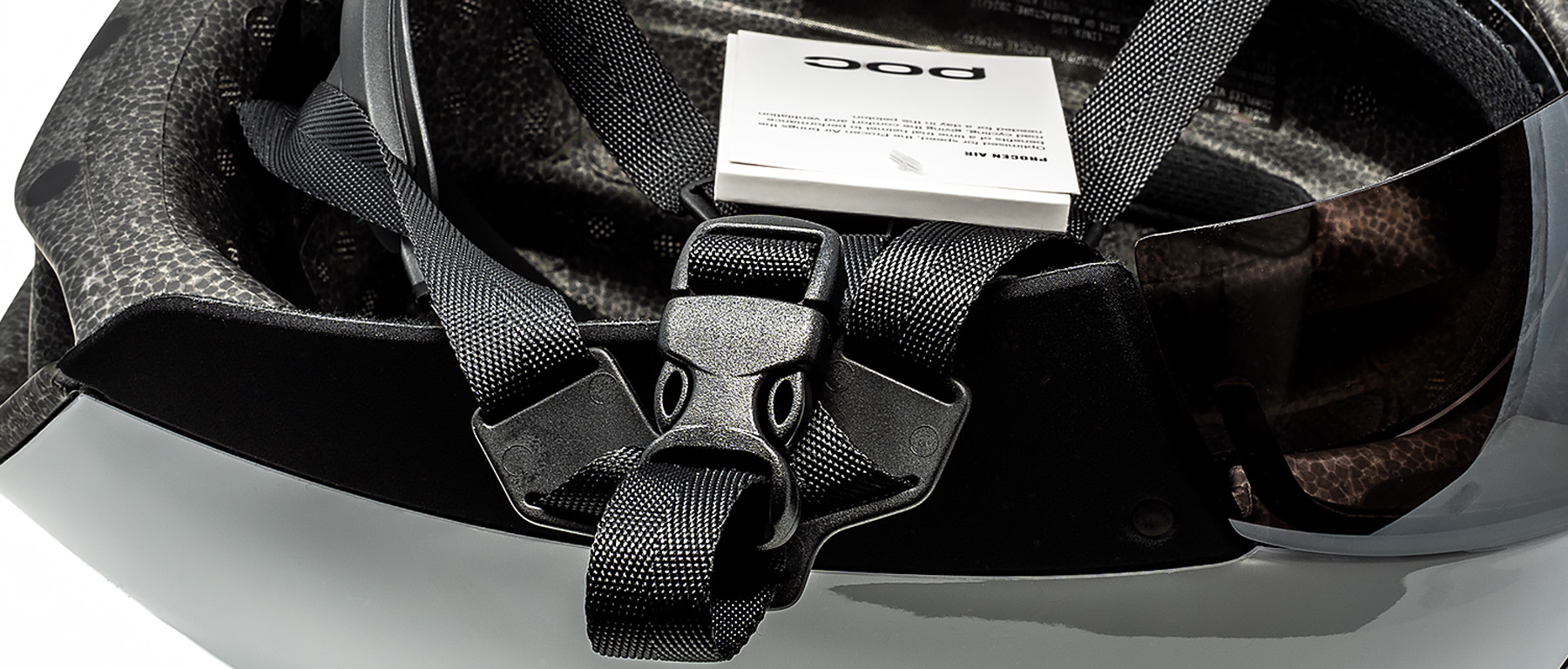
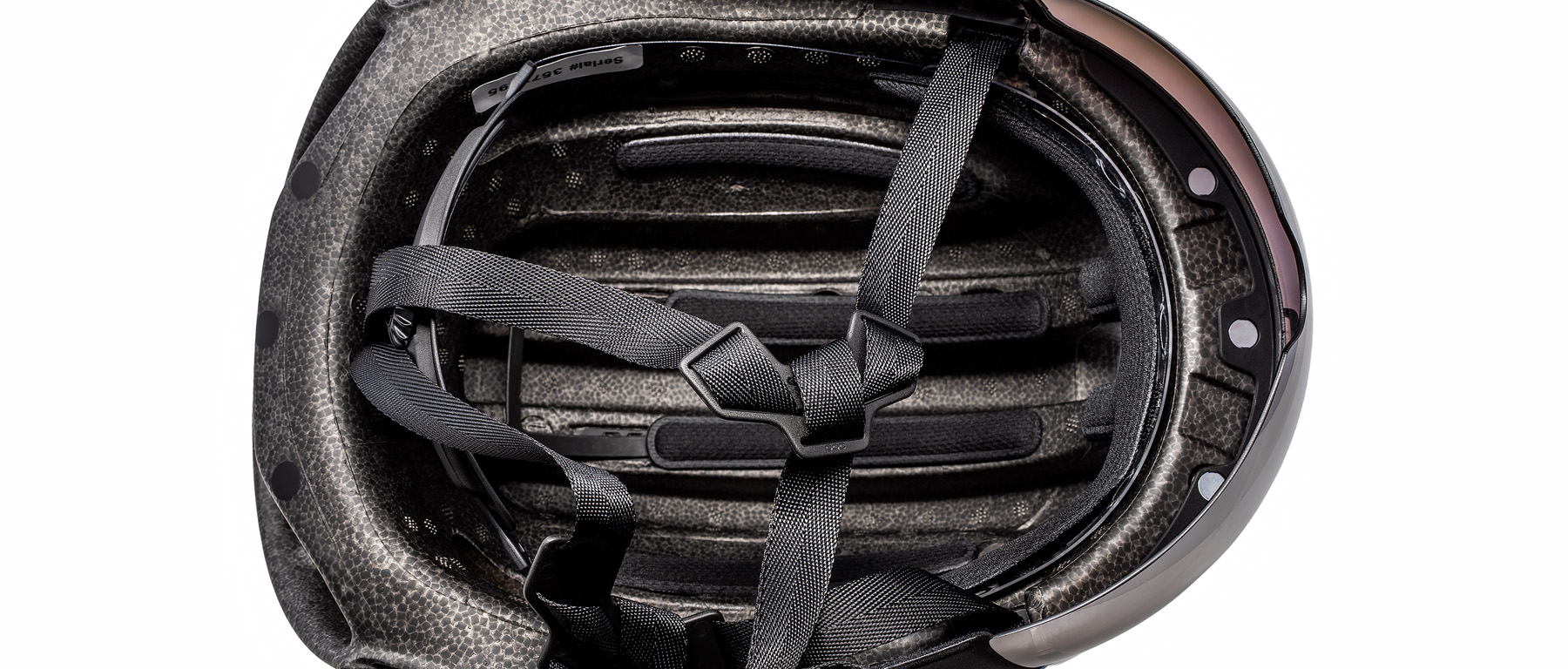
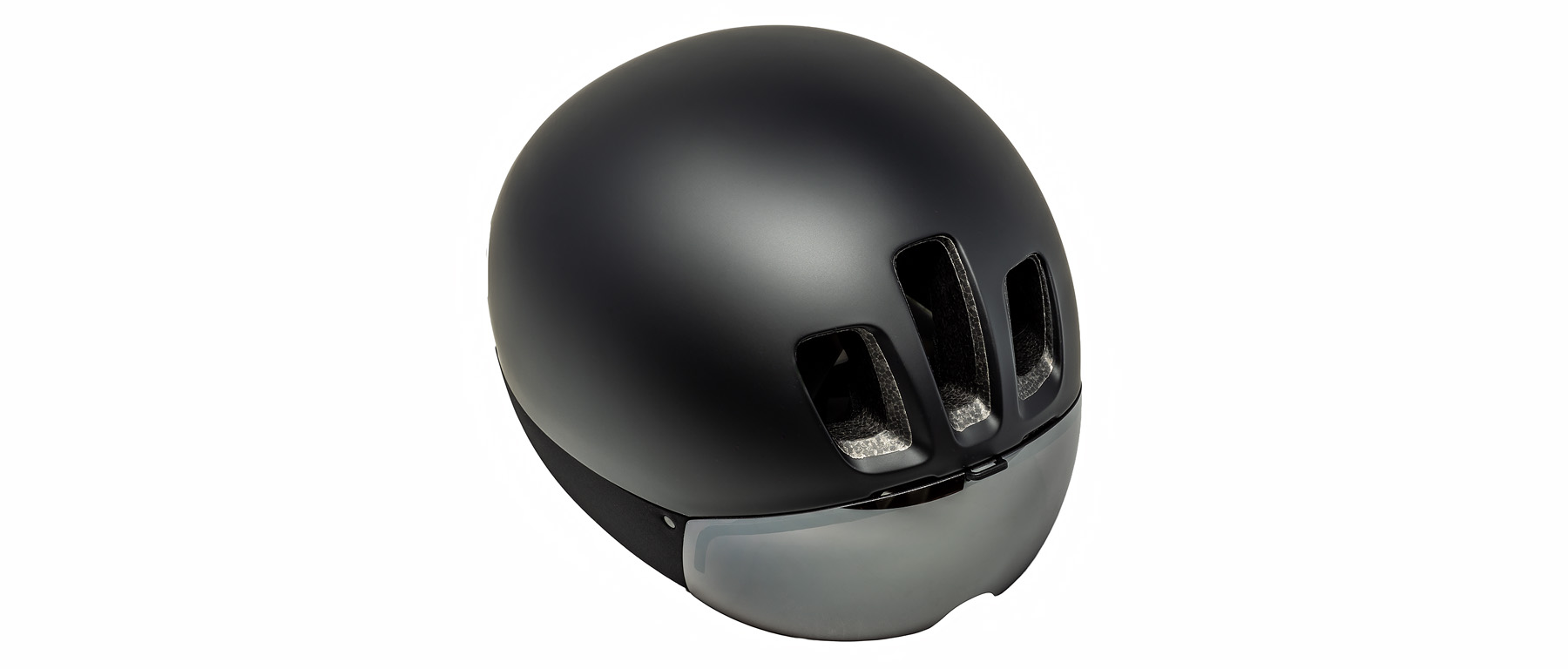
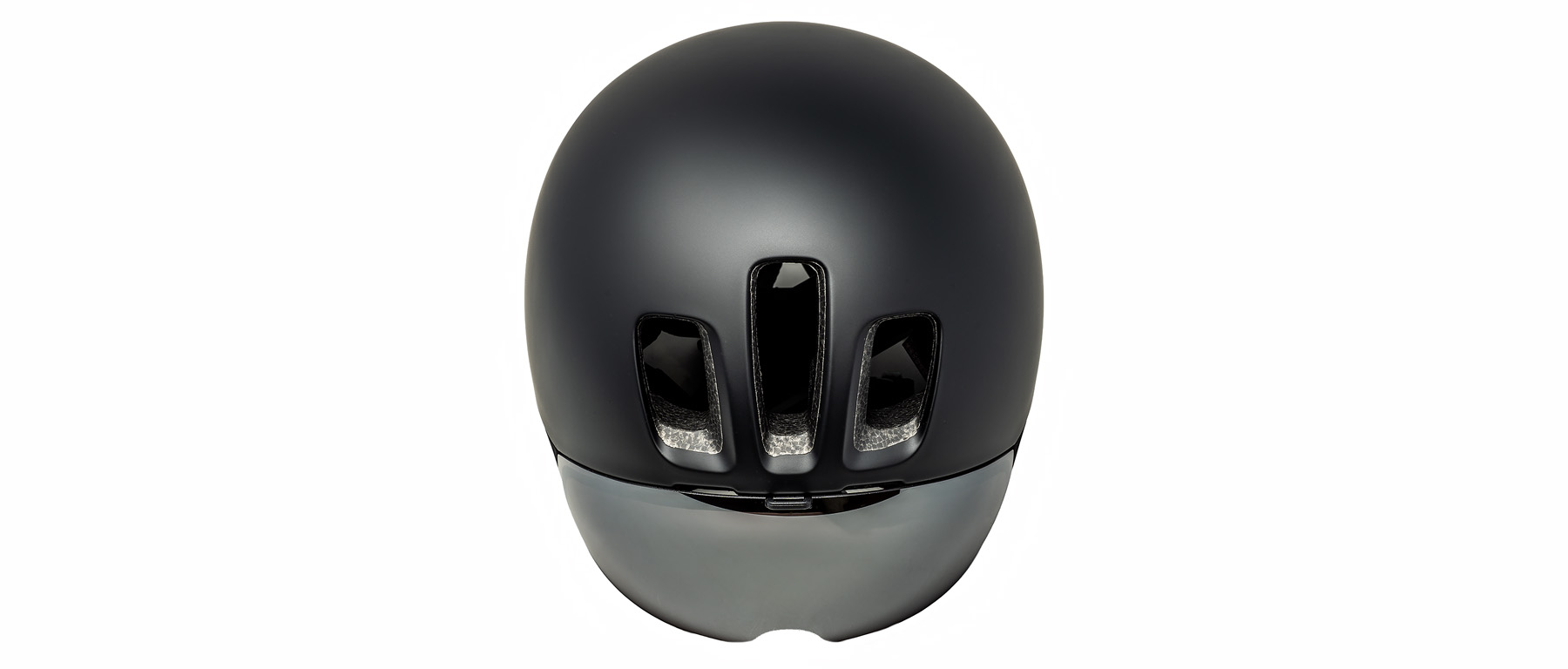
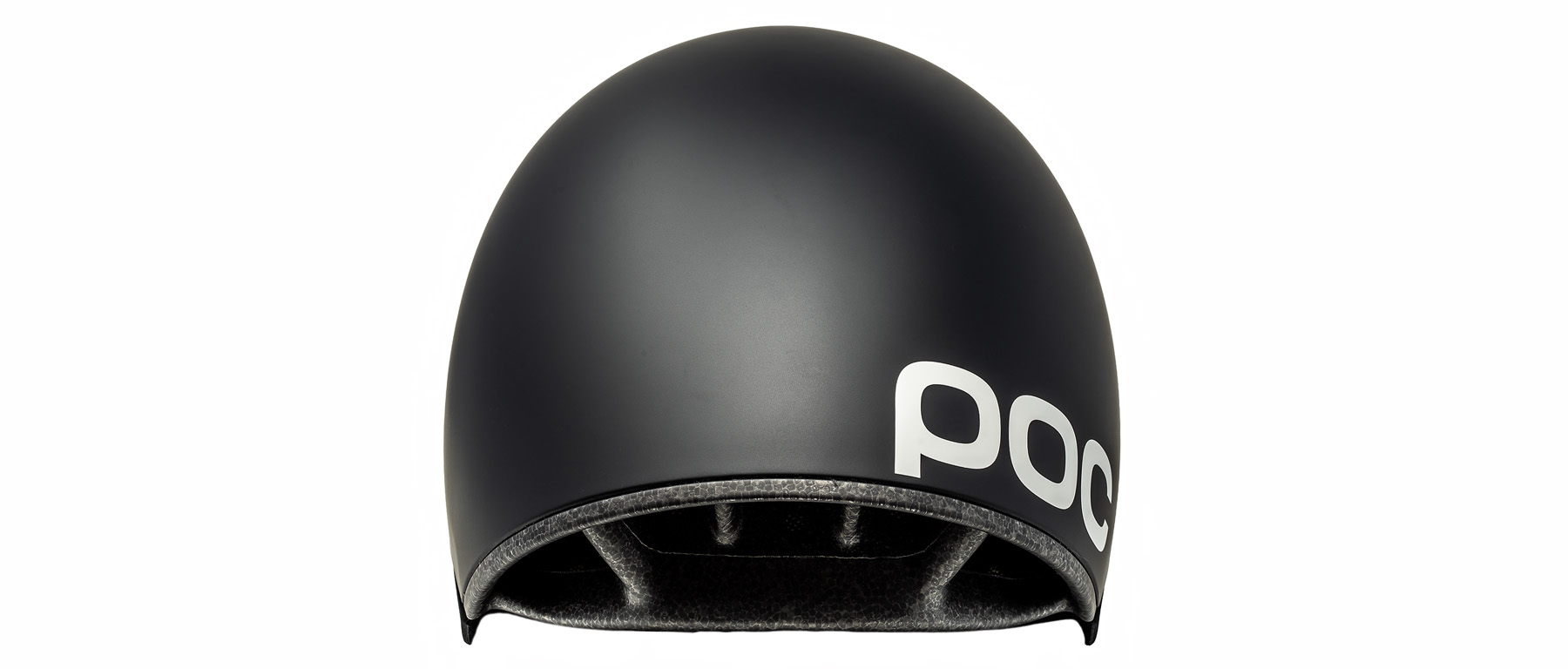
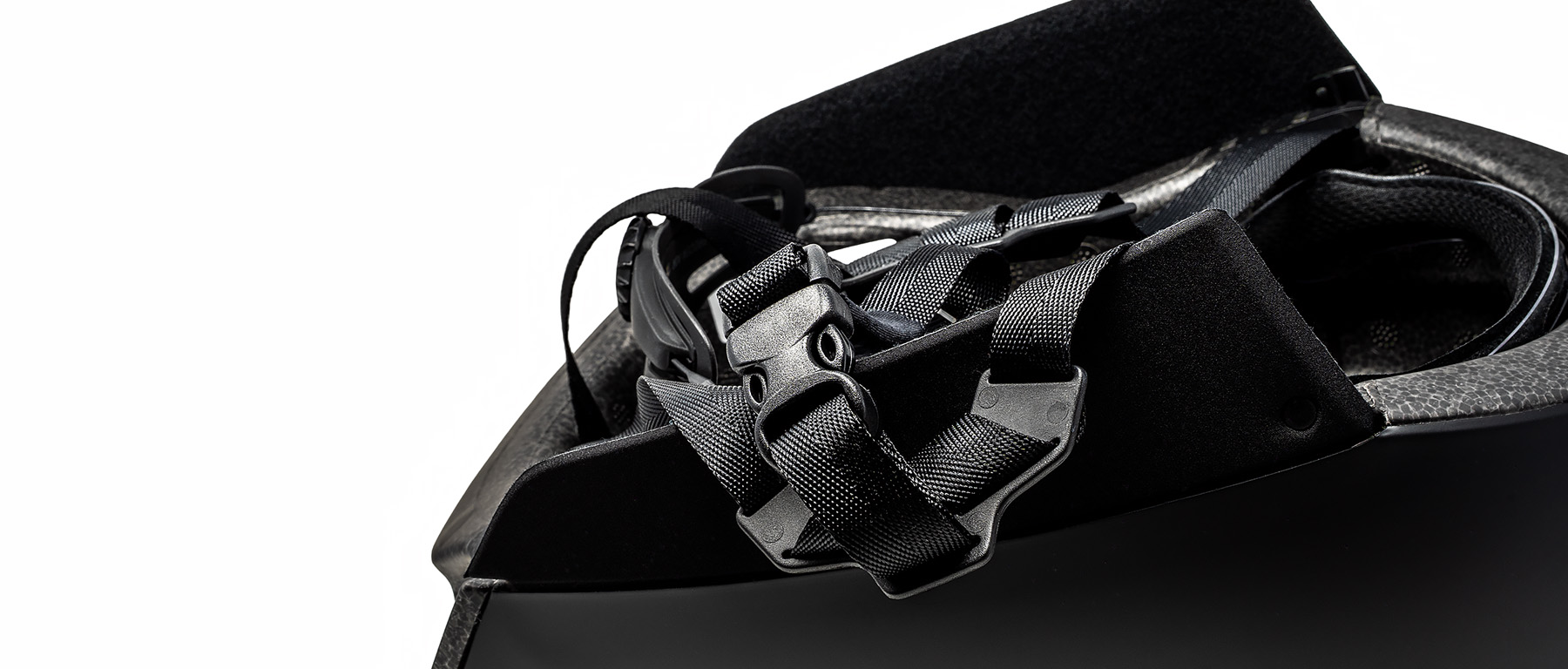
Ventilation uses the Venturi effect, with three large front intakes connecting to deep internal channels that accelerate airflow and exit through five rear exhaust ports. The system works best above 30 kilometers per hour, where the speed-driven pressure differential pulls heat away from your head efficiently. At slower climbing speeds, the sealed profile retains more warmth than a traditional vented helmet—a trade-off inherent to the design philosophy. The 360-degree adjustment system spans temple to temple around the back of your head, and a molded EVA zone at the lower rear improves comfort against your neck during extended efforts in an aerodynamic tuck.