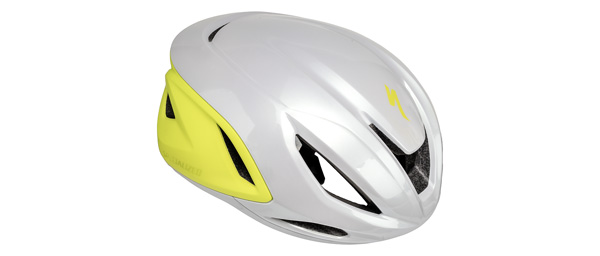
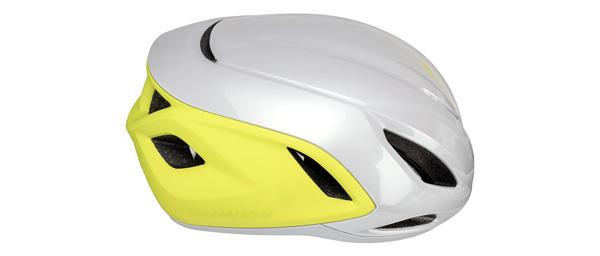
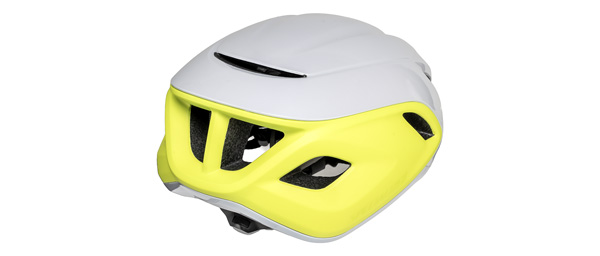
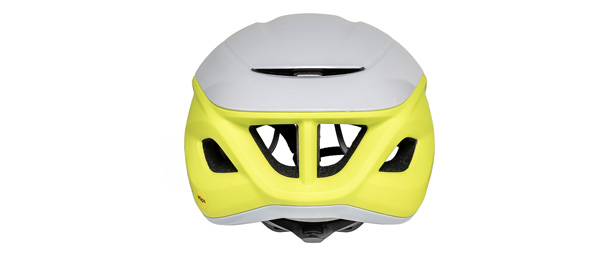
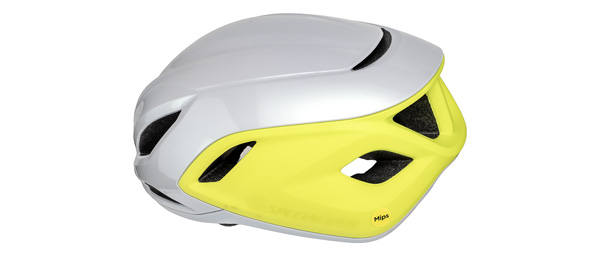
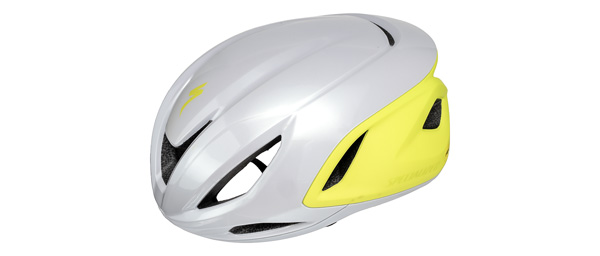
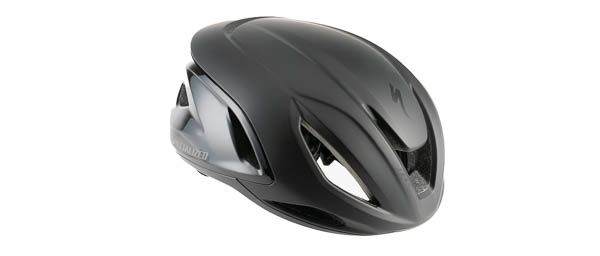
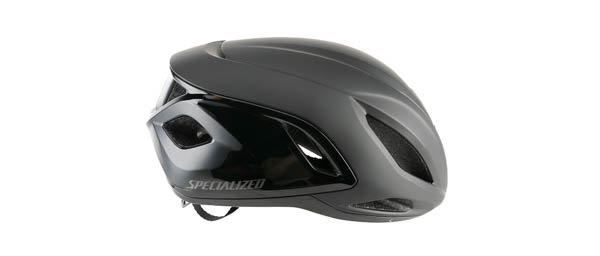
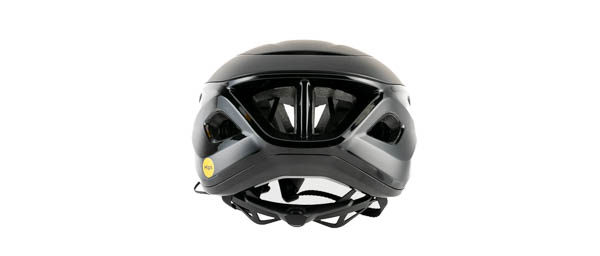
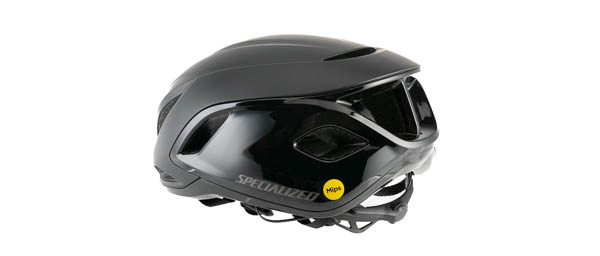
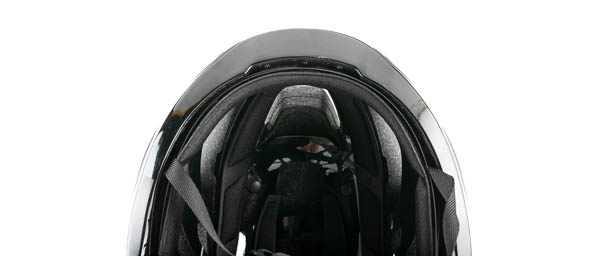
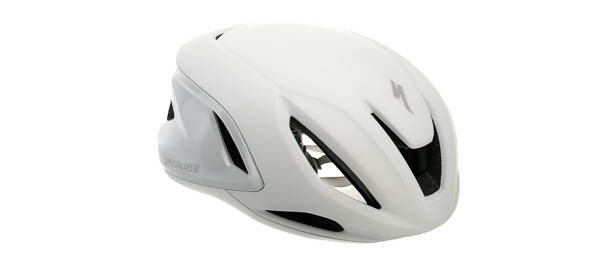
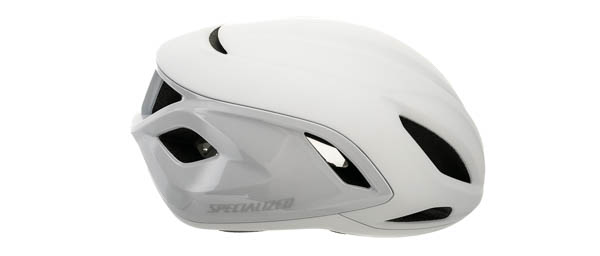
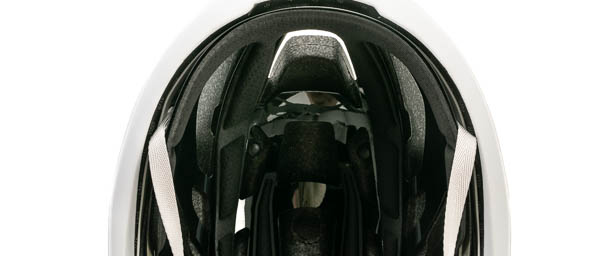
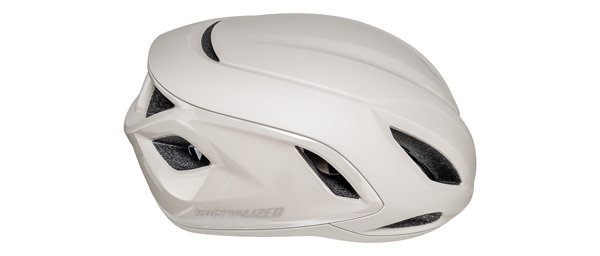
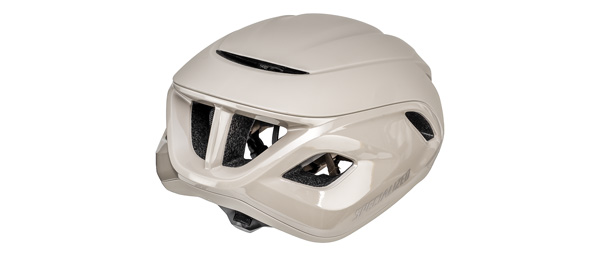
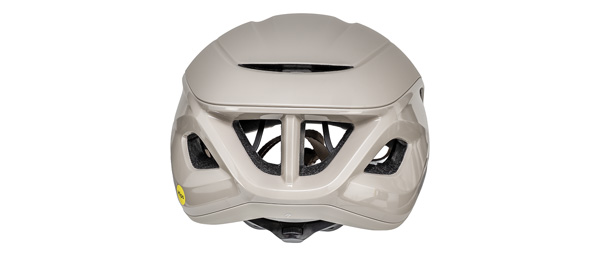
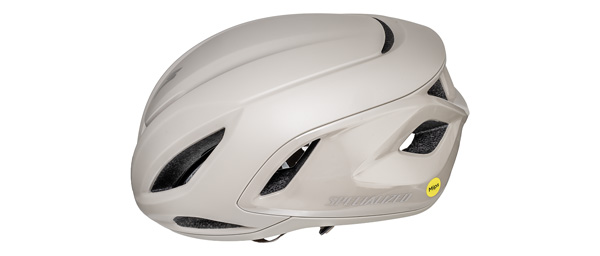
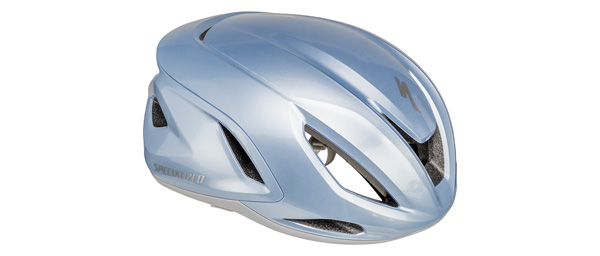
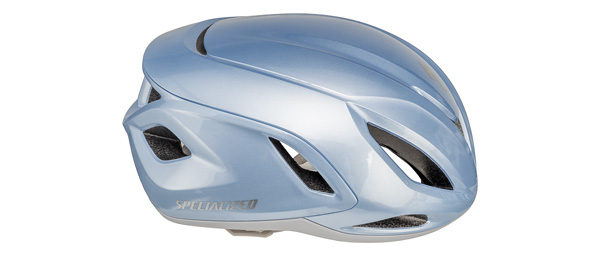
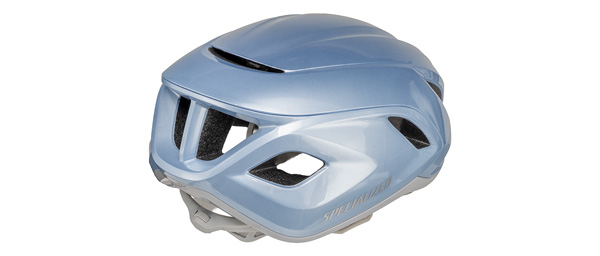
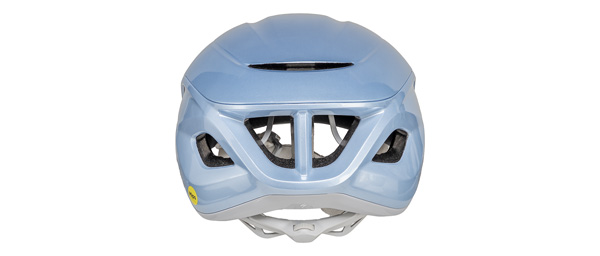
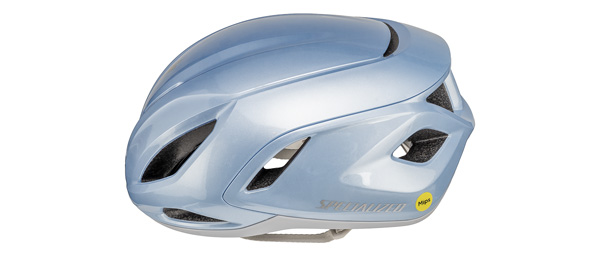
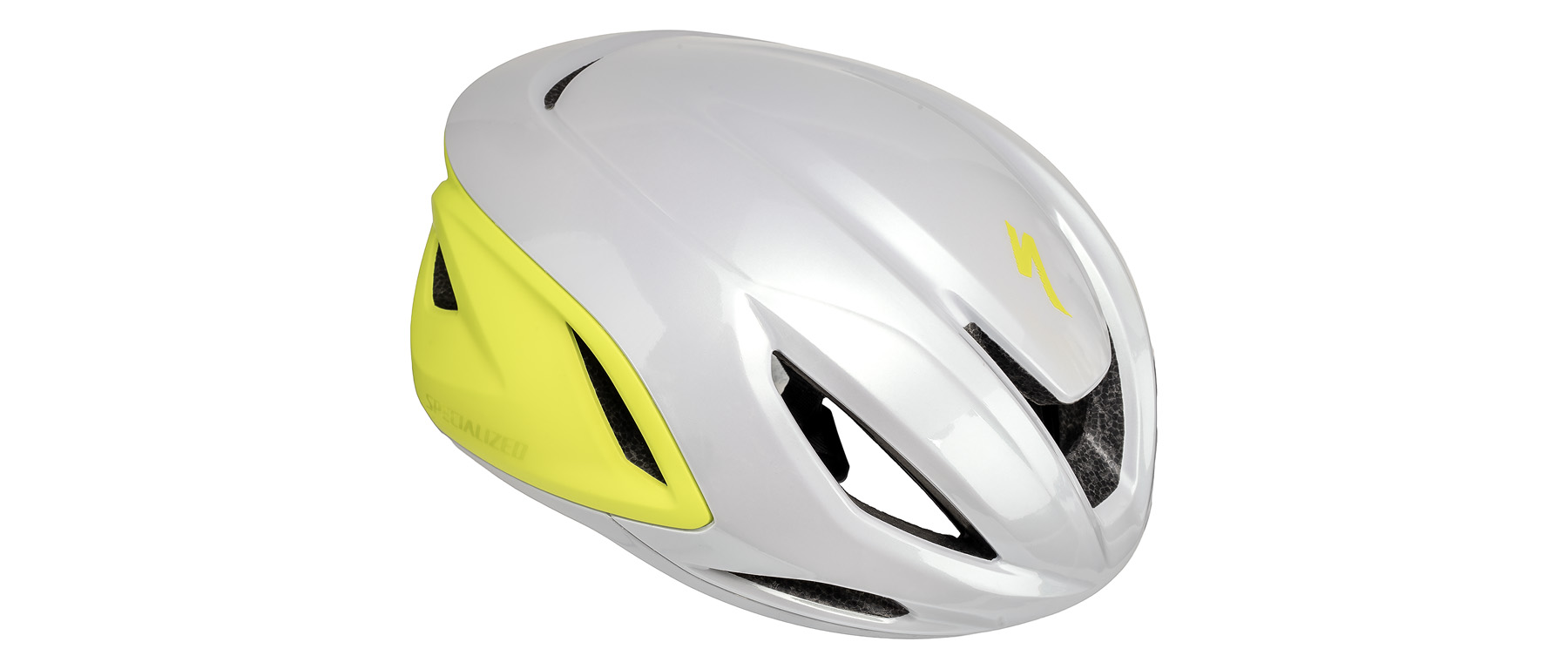
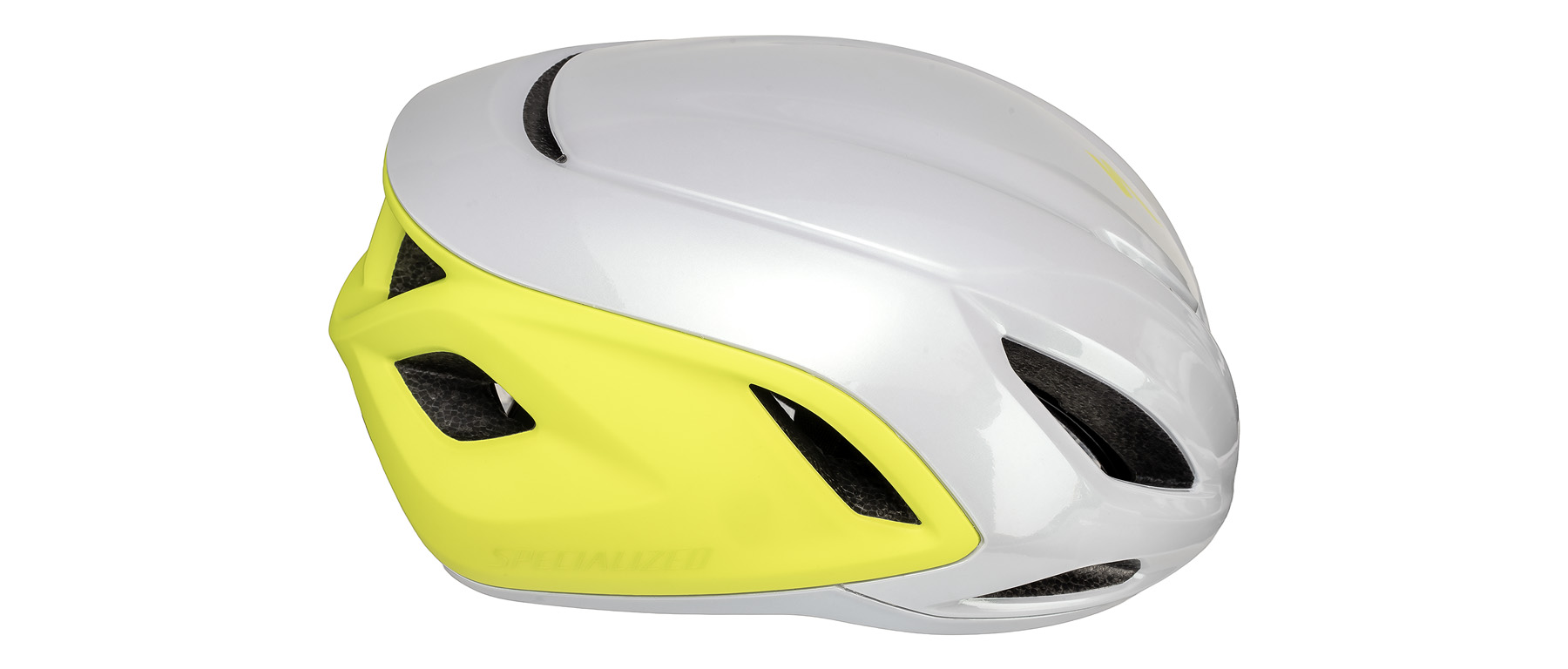
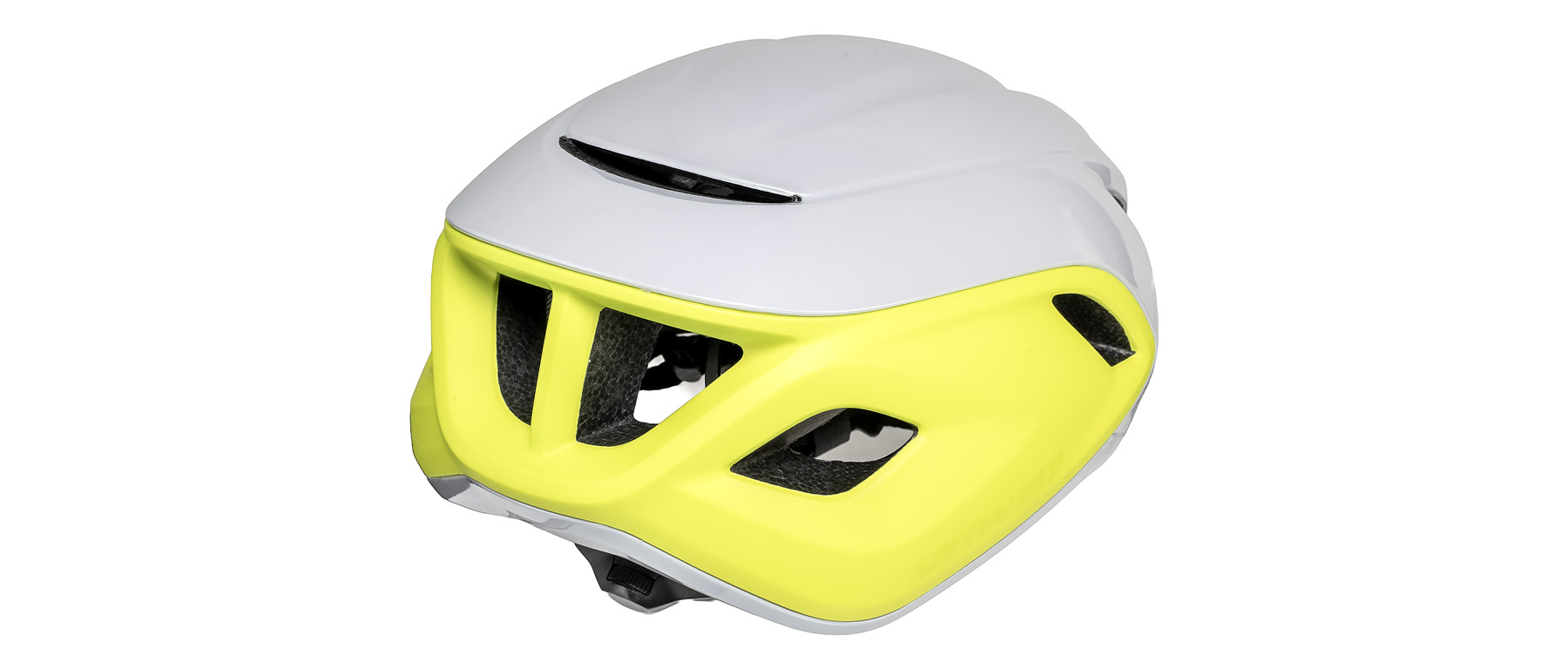
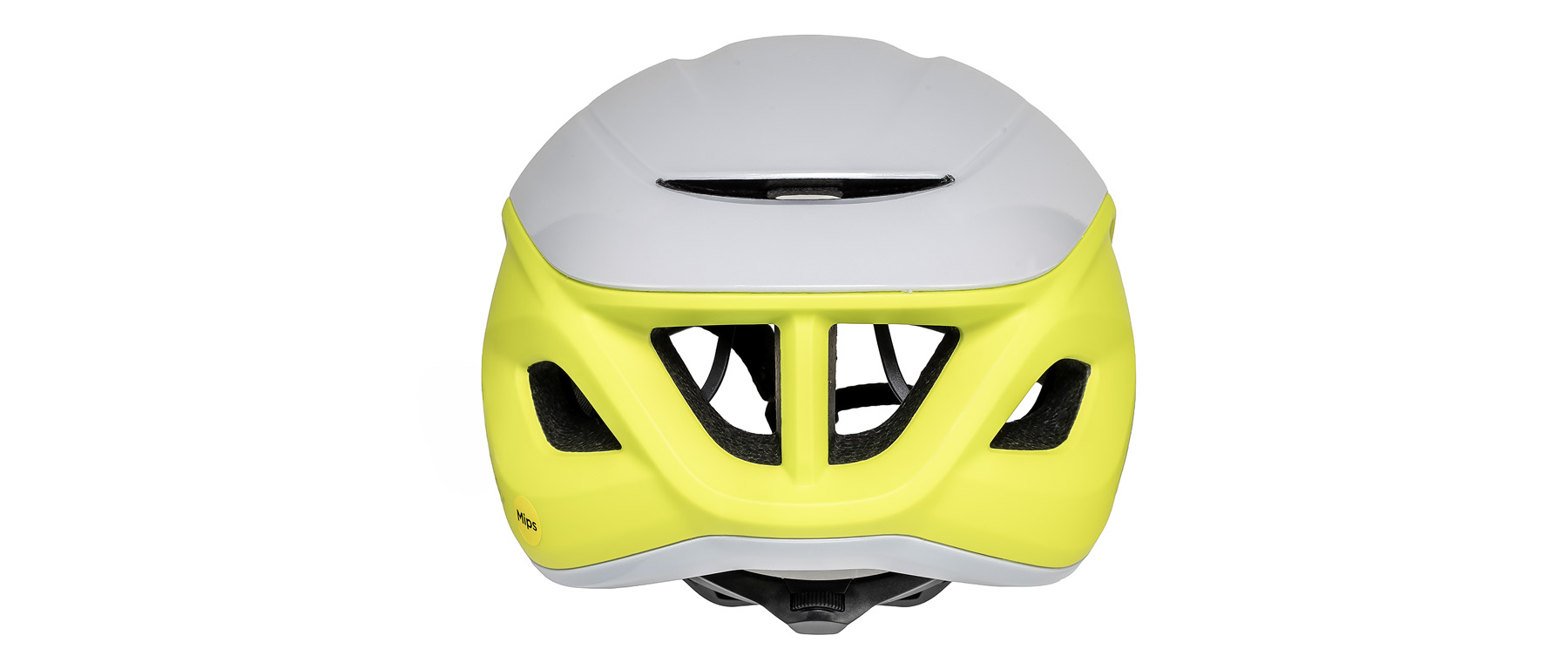
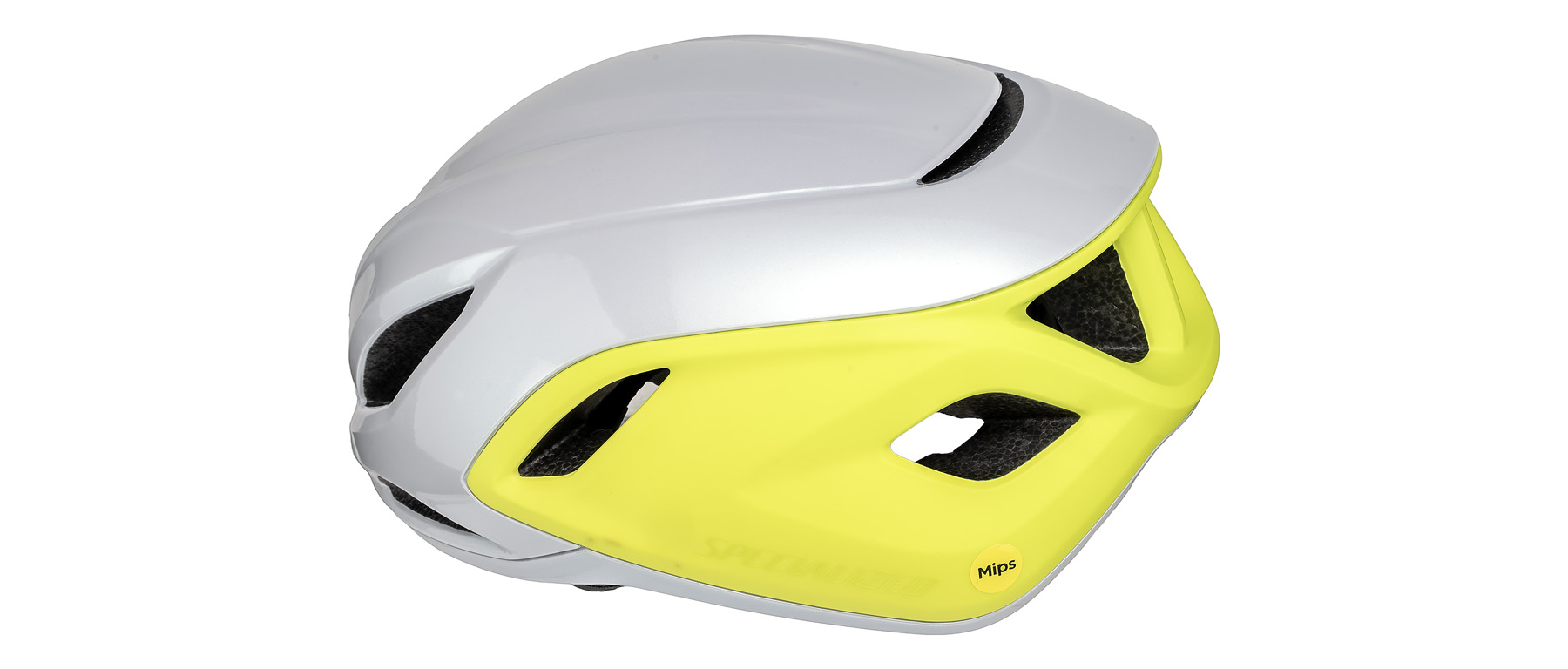
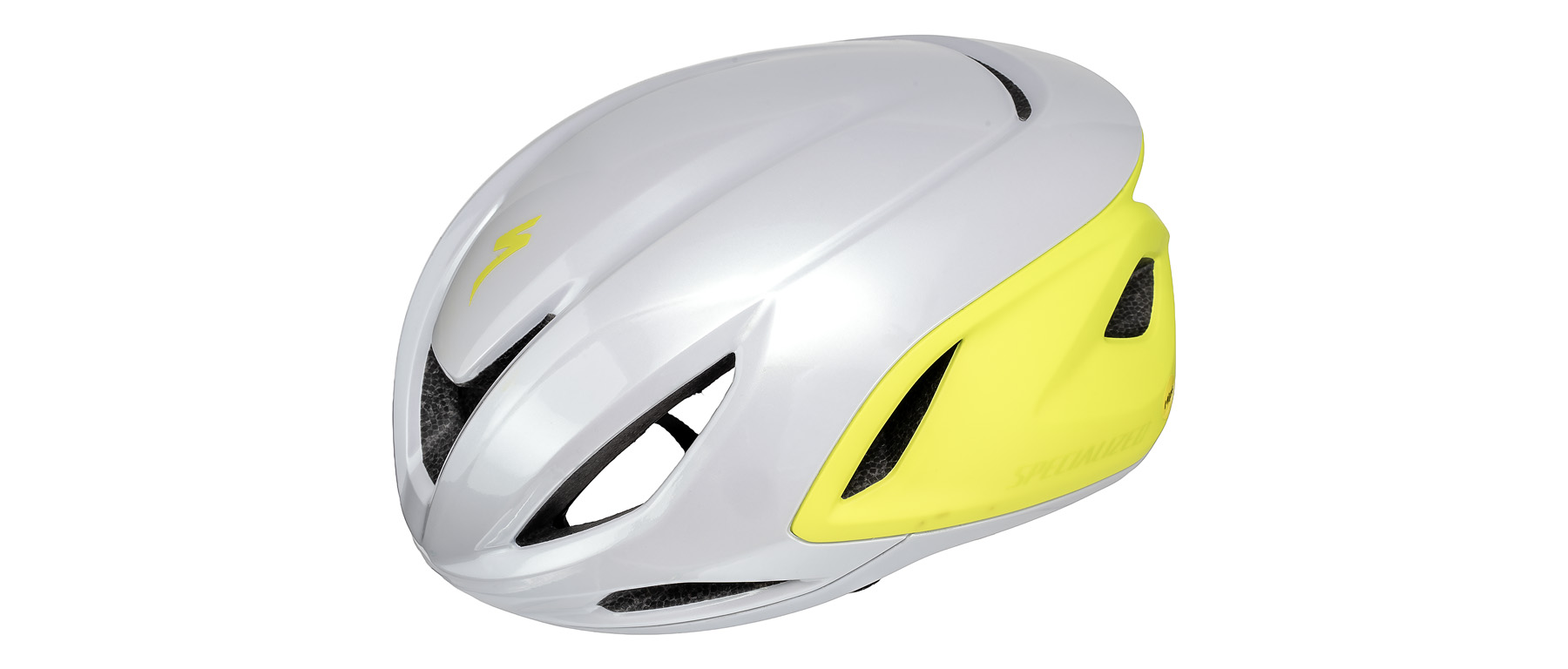
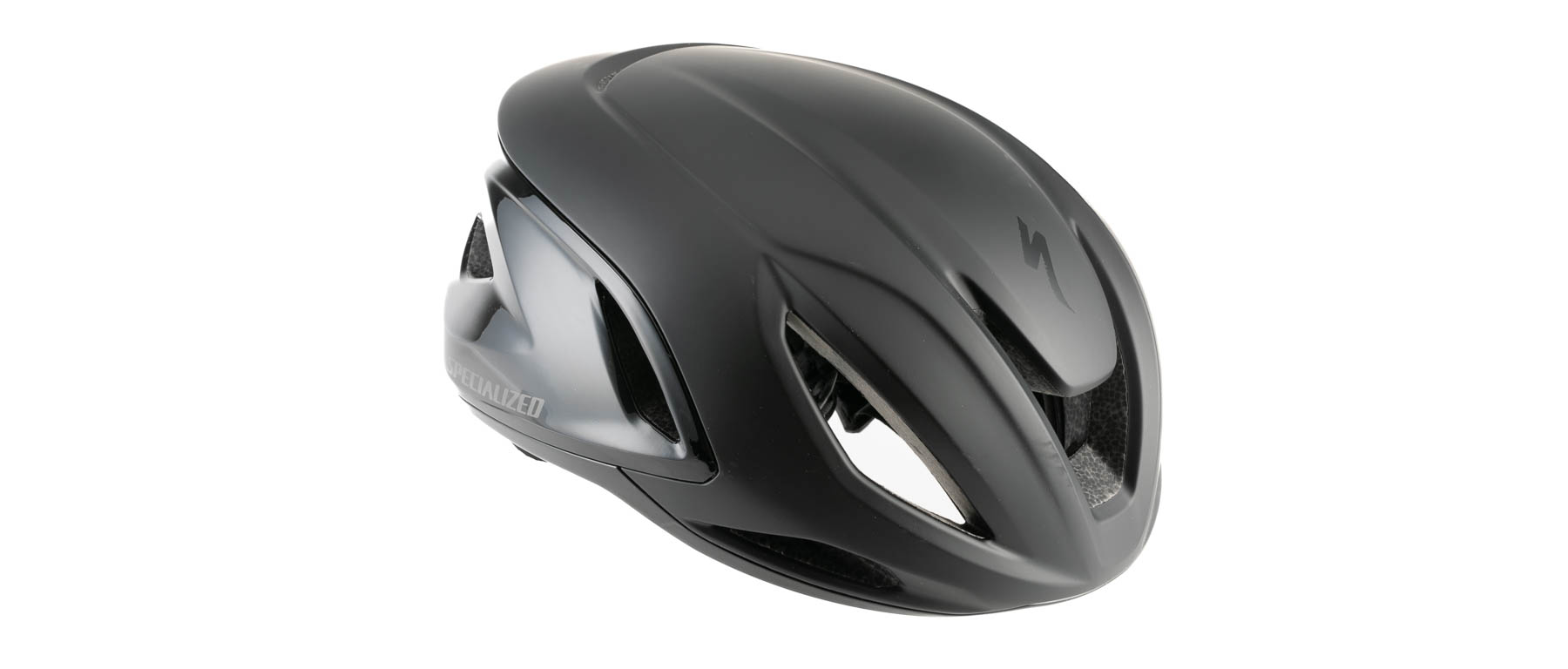
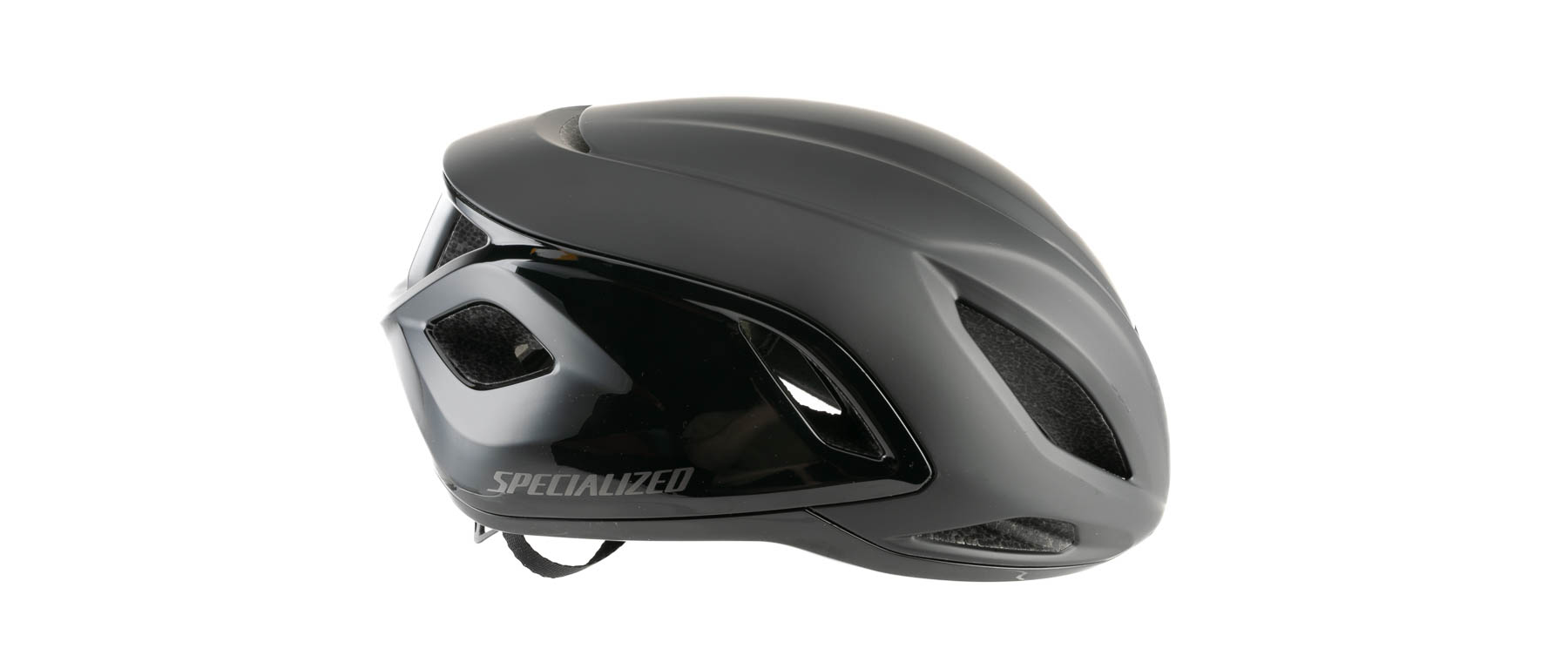
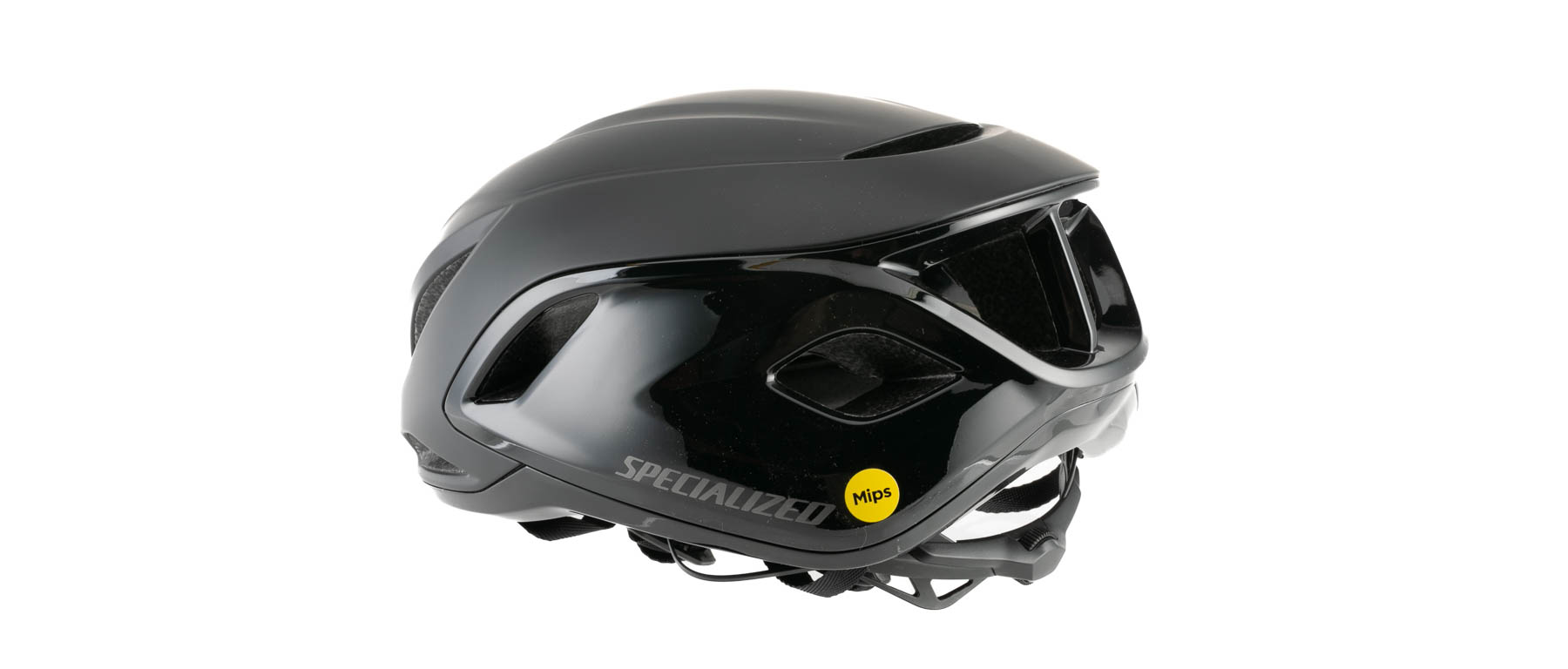
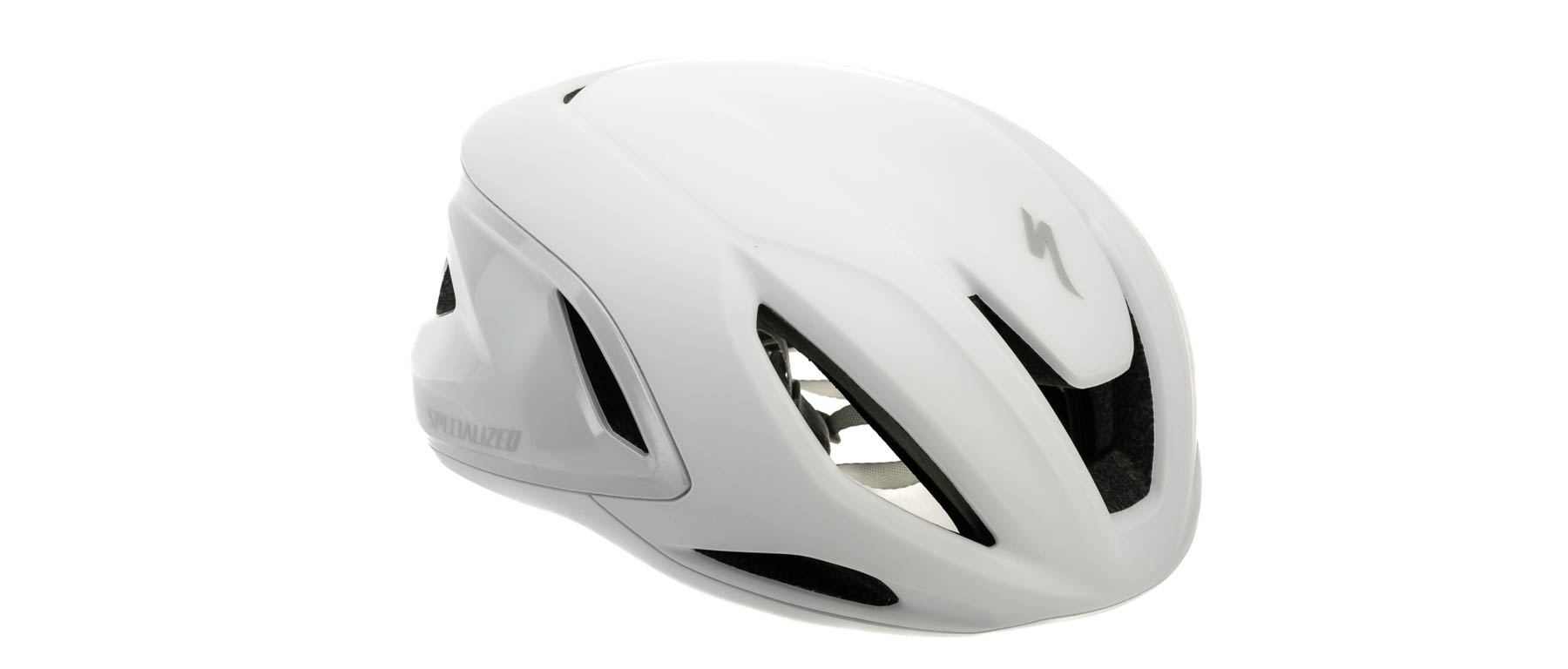
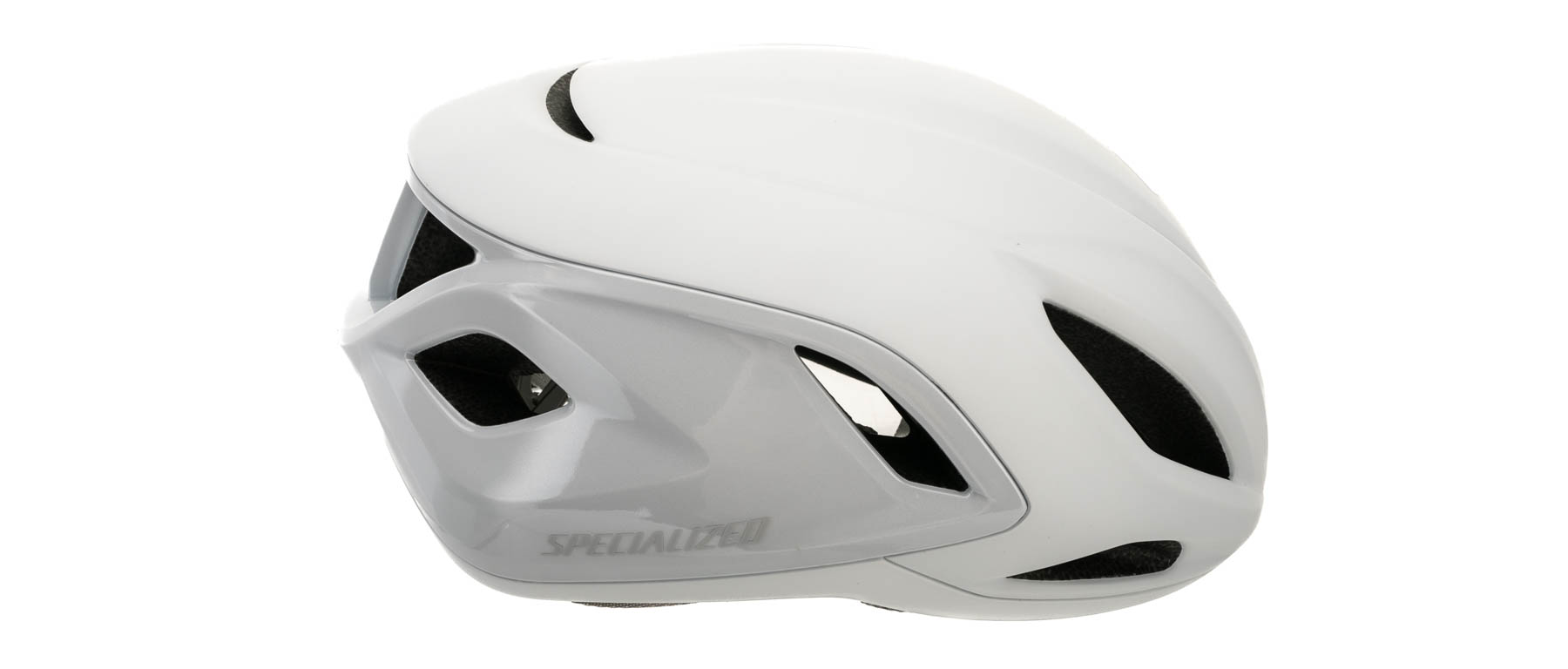
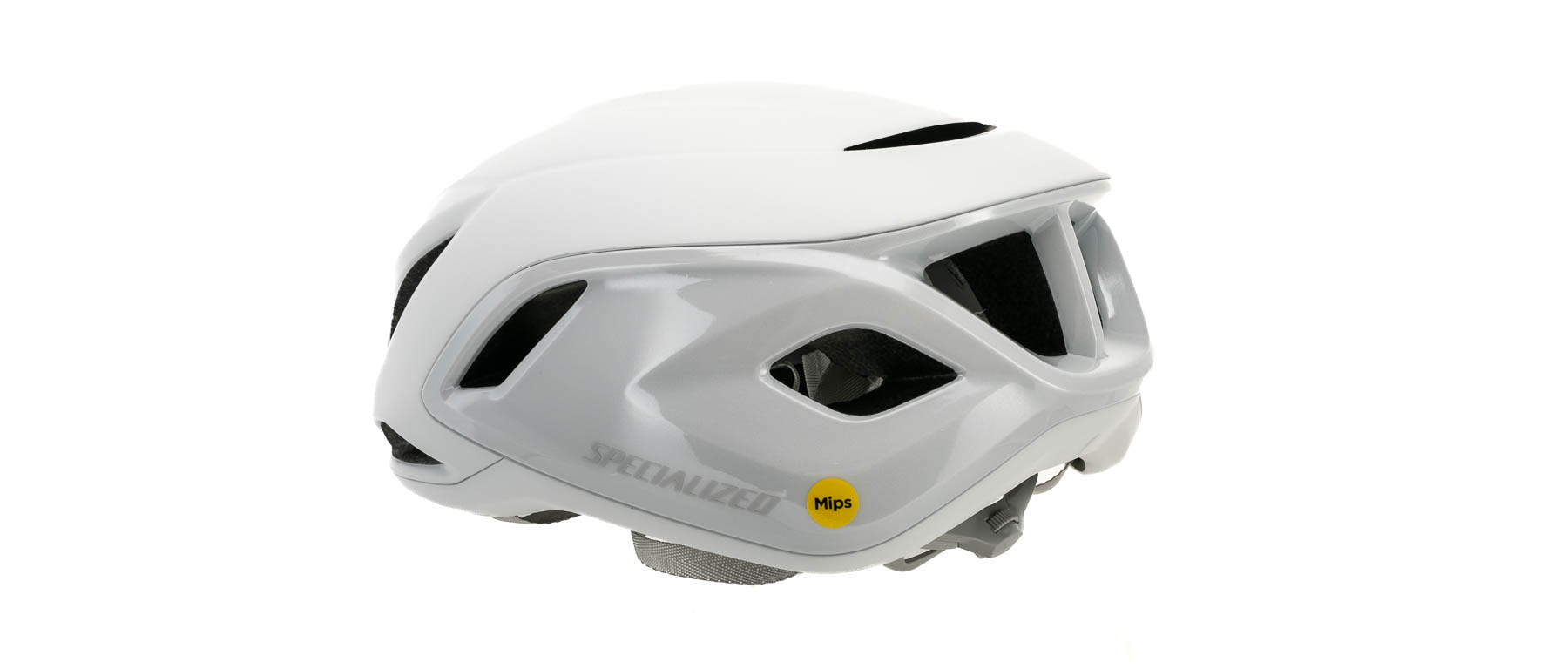
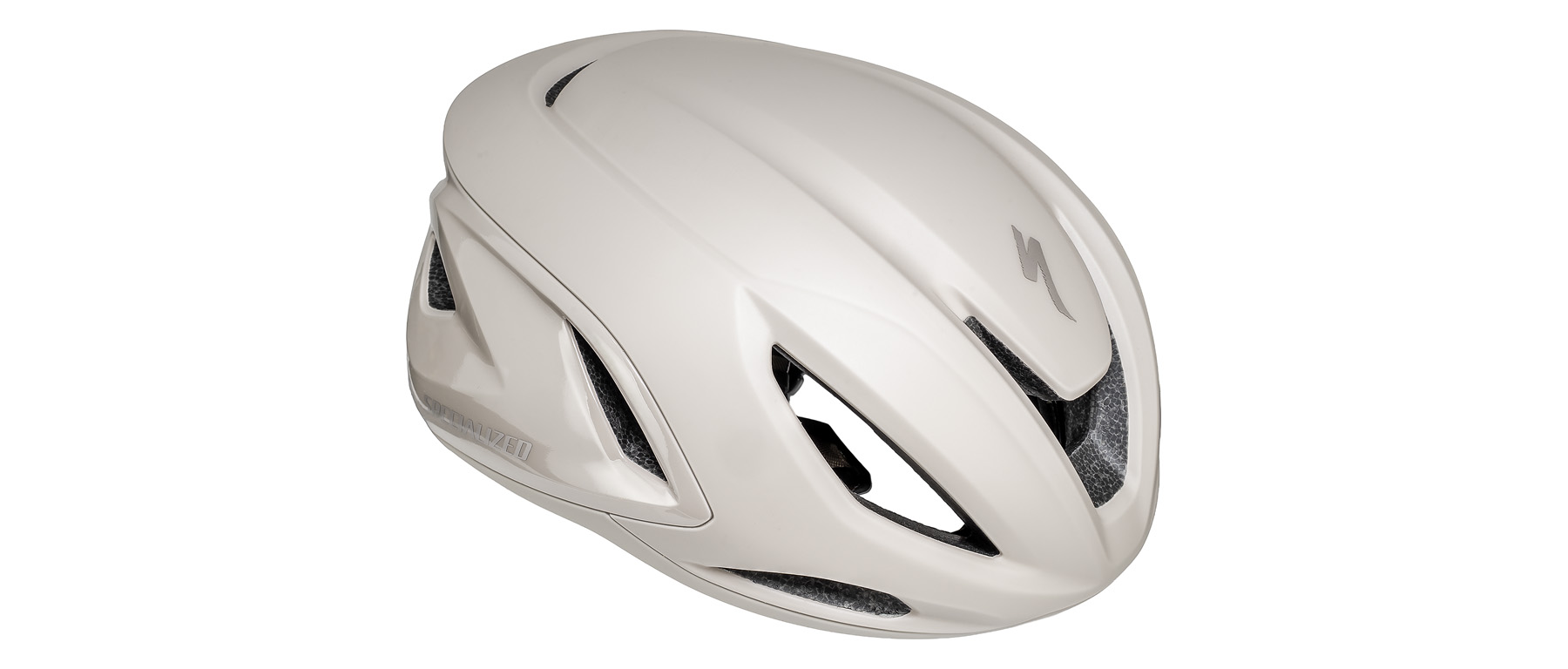
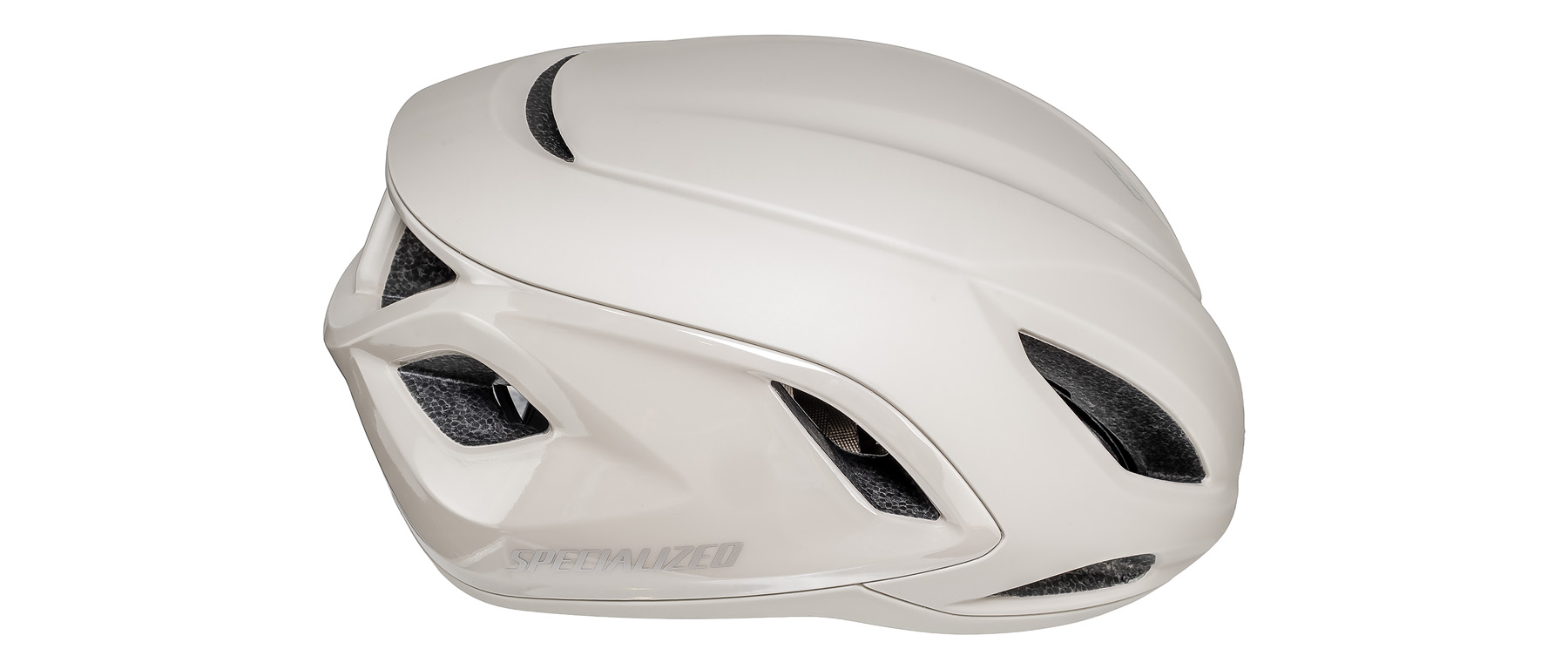
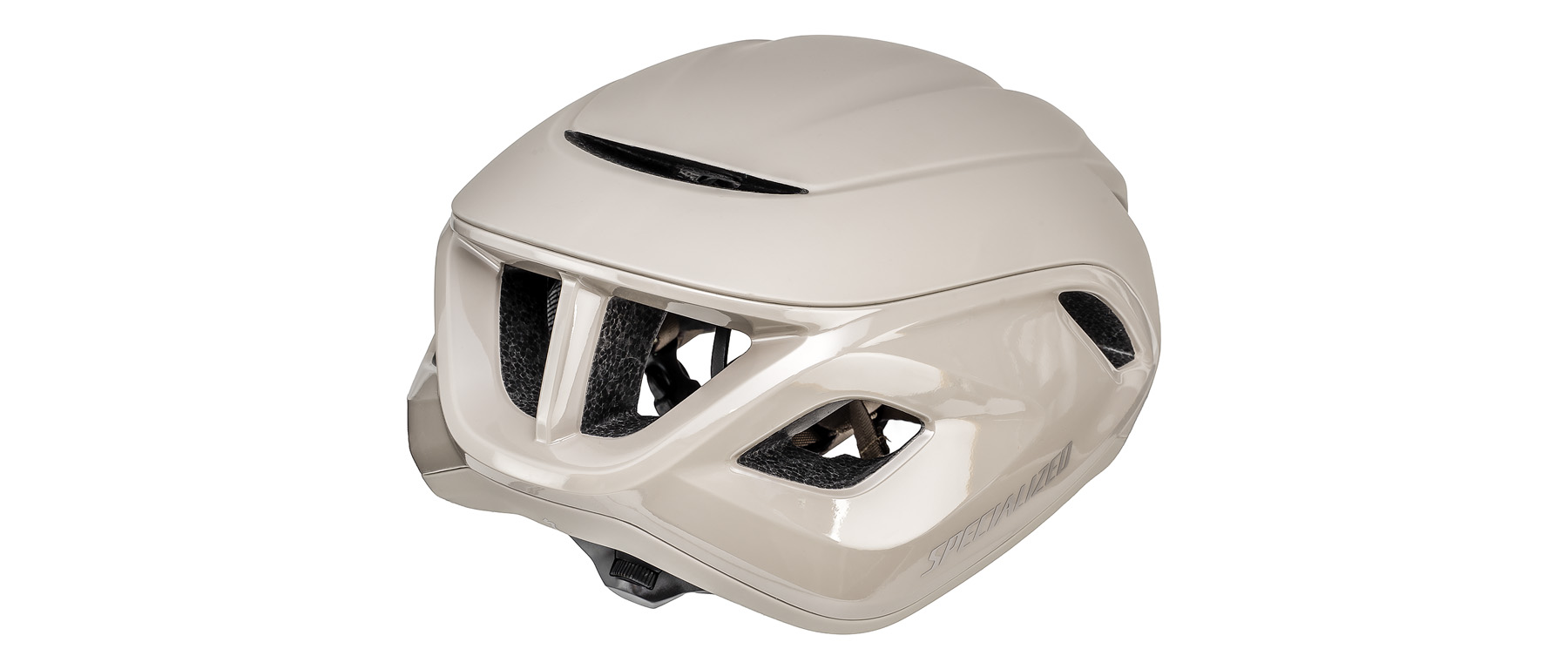
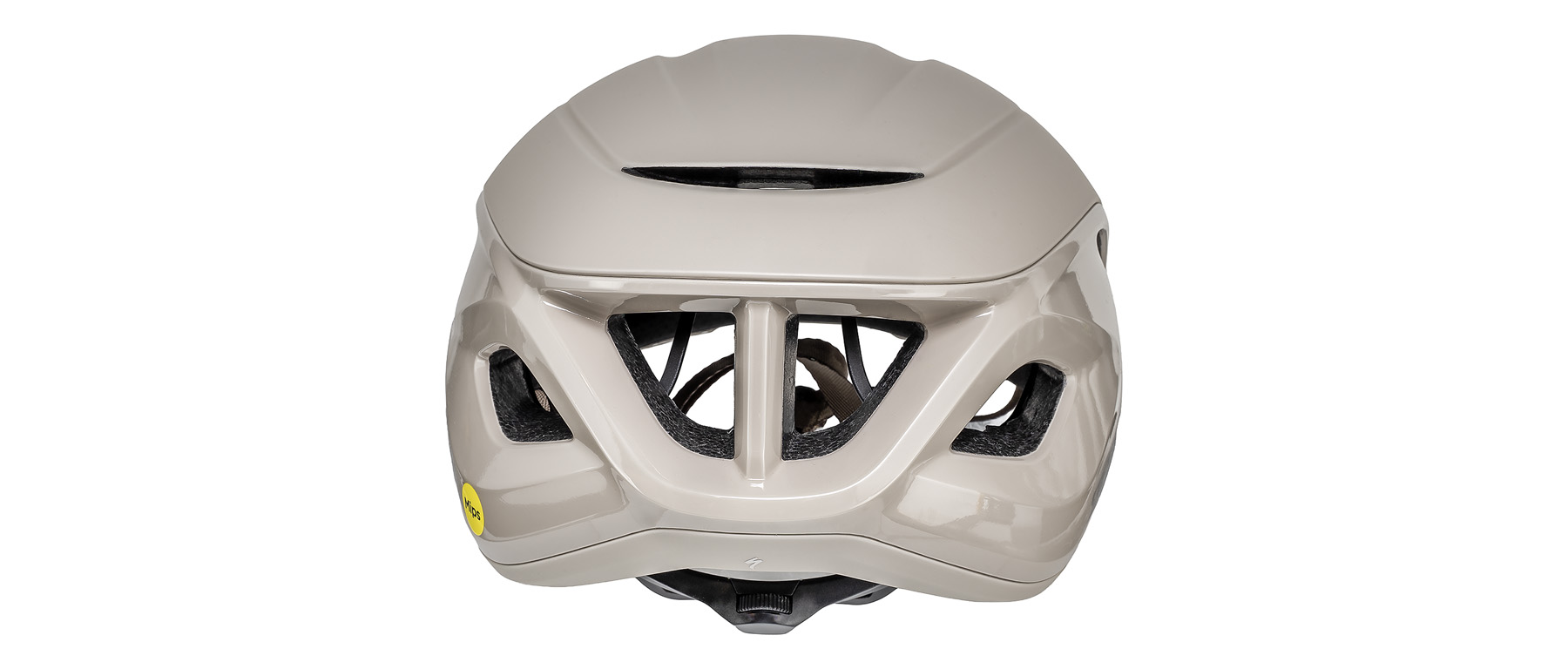
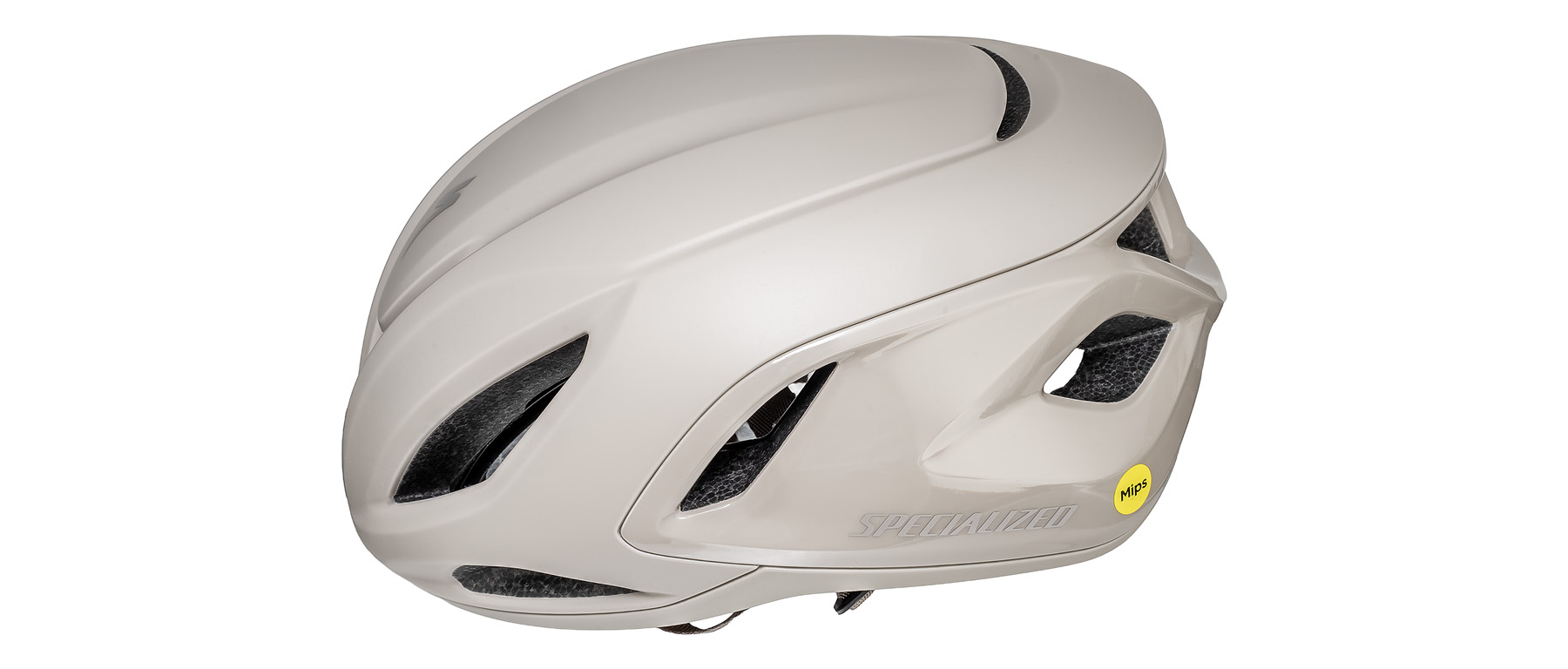
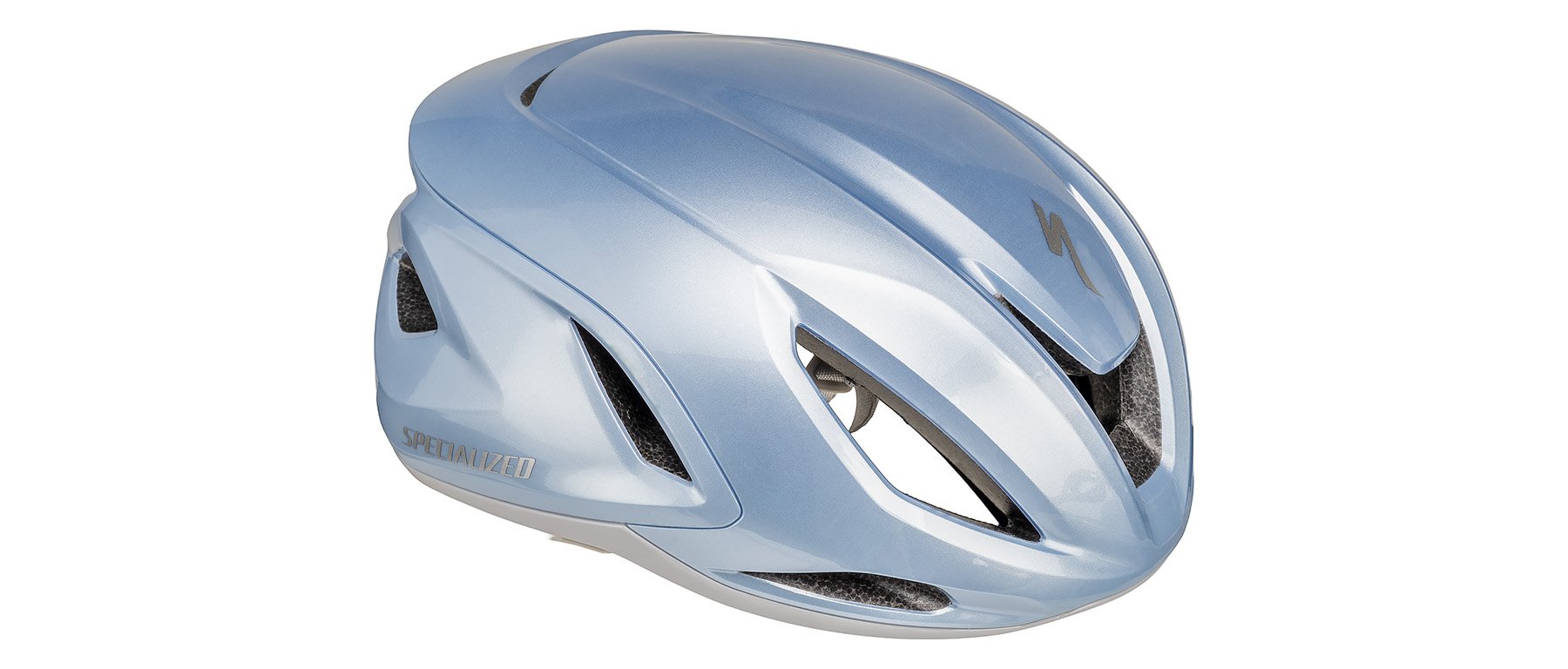
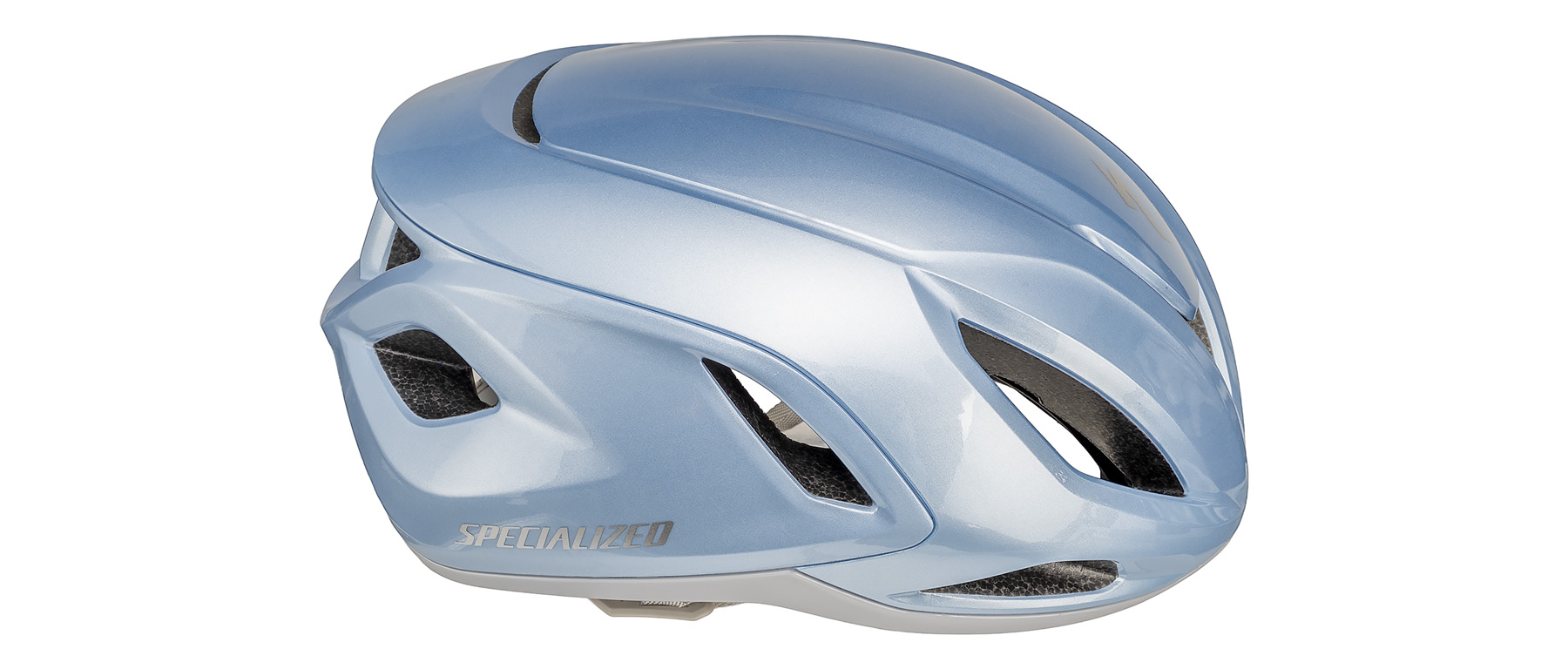
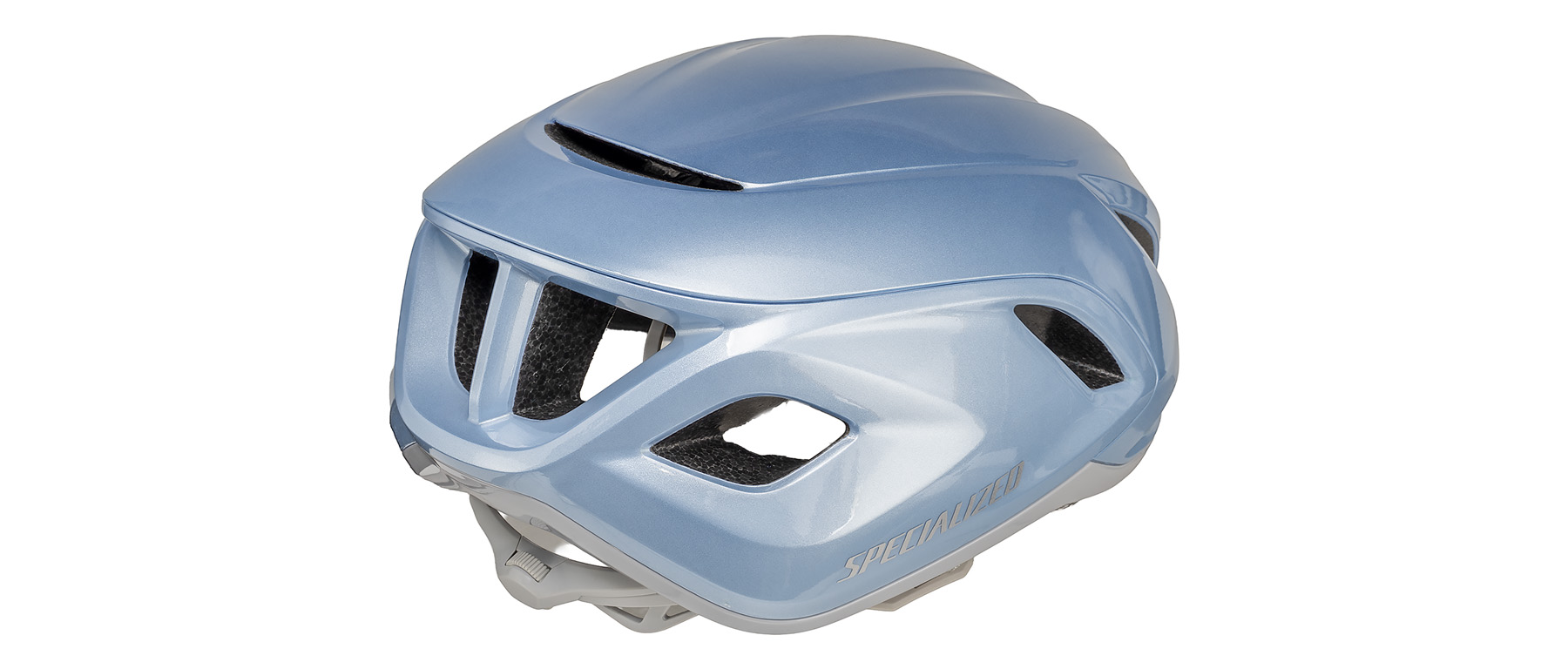
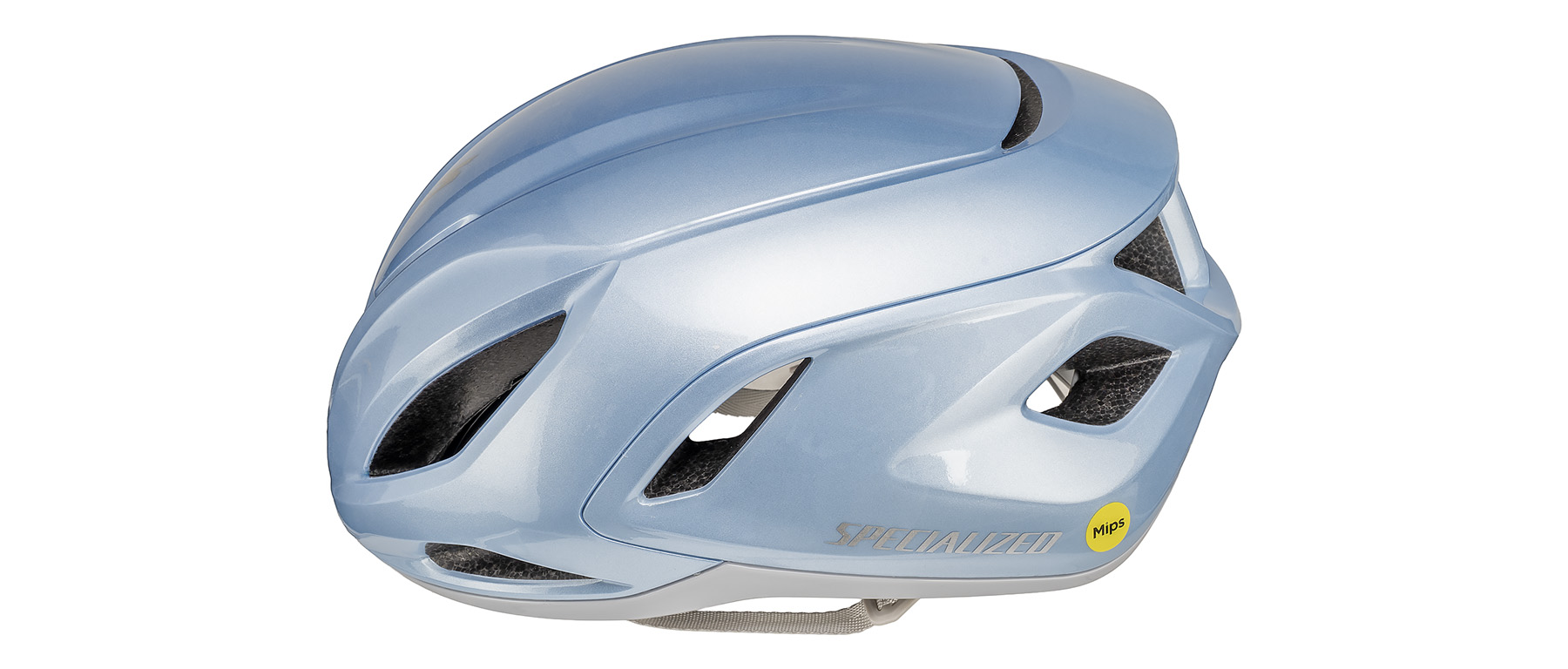
Melding two very different helmets into one is a neat trick, and Specialized pulled it off with the Propero 4. This one takes the aero leading edge from the S-Works Evade 3 and the ventilation platform from the S-Works Prevail 3, then folds both into a package that sits well below S-Works money. Specialized says the shape is worth four watts, or 15 seconds over 40km at 45kph, faster than the S-Works Prevail 3, which is the kind of gap you notice when you're chasing a group rather than staring at a power meter.
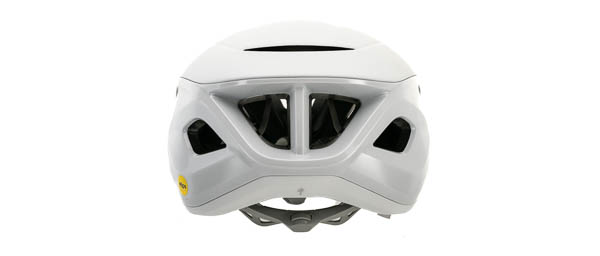
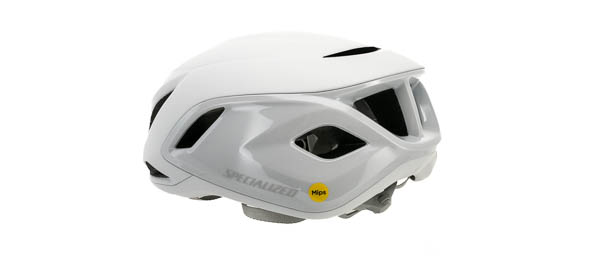
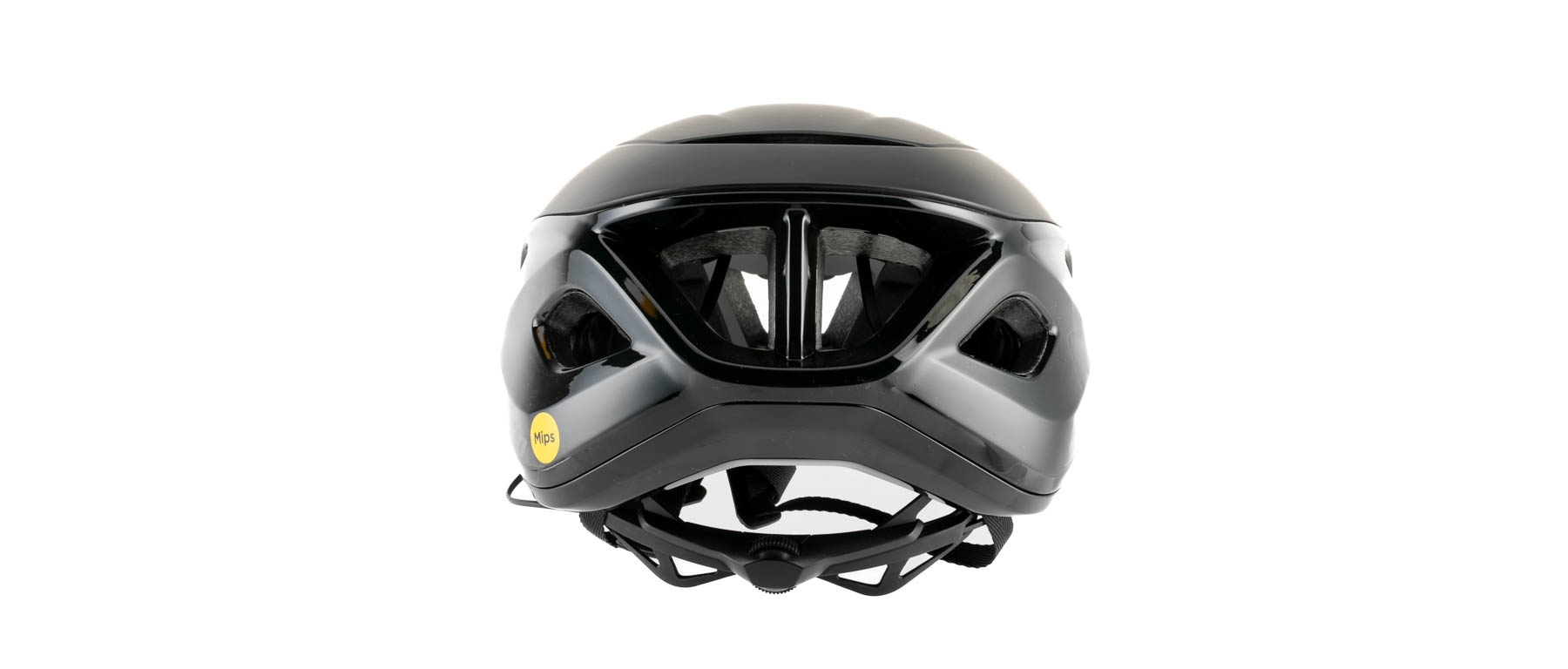
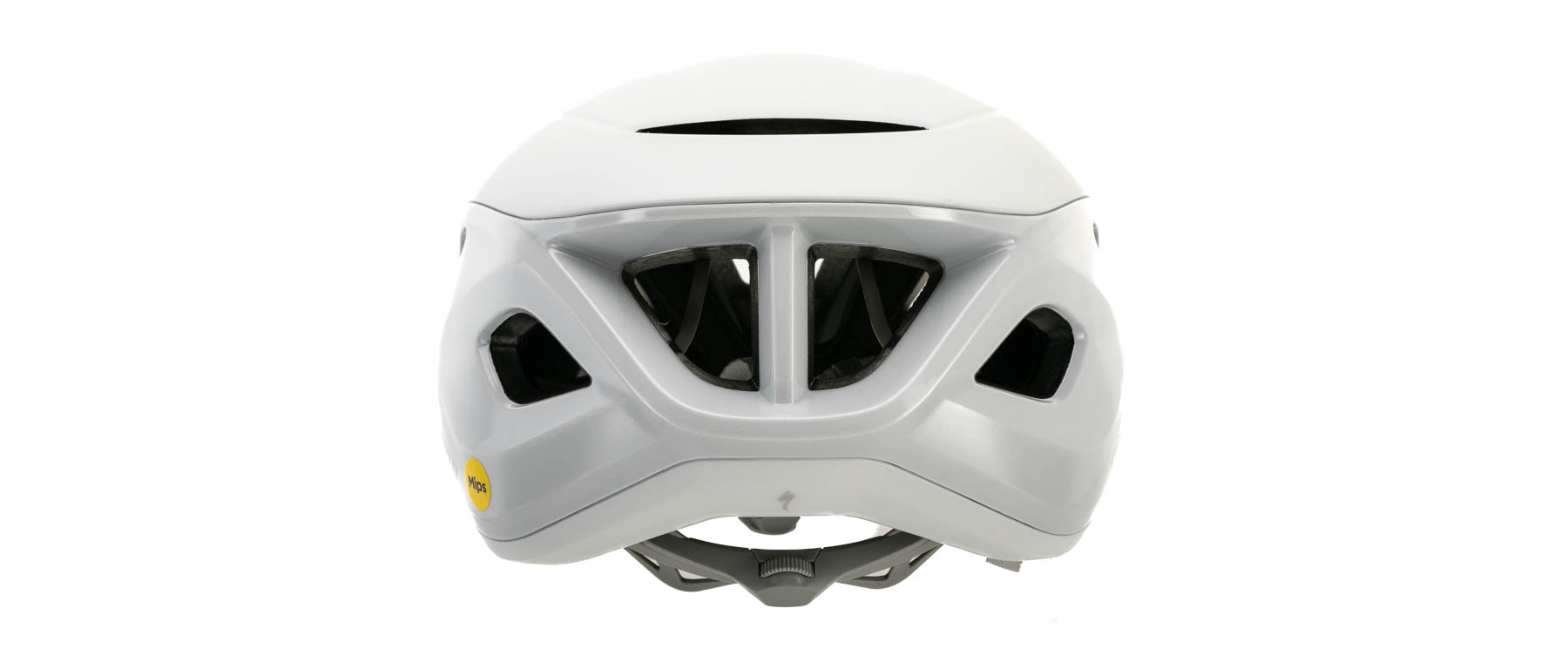
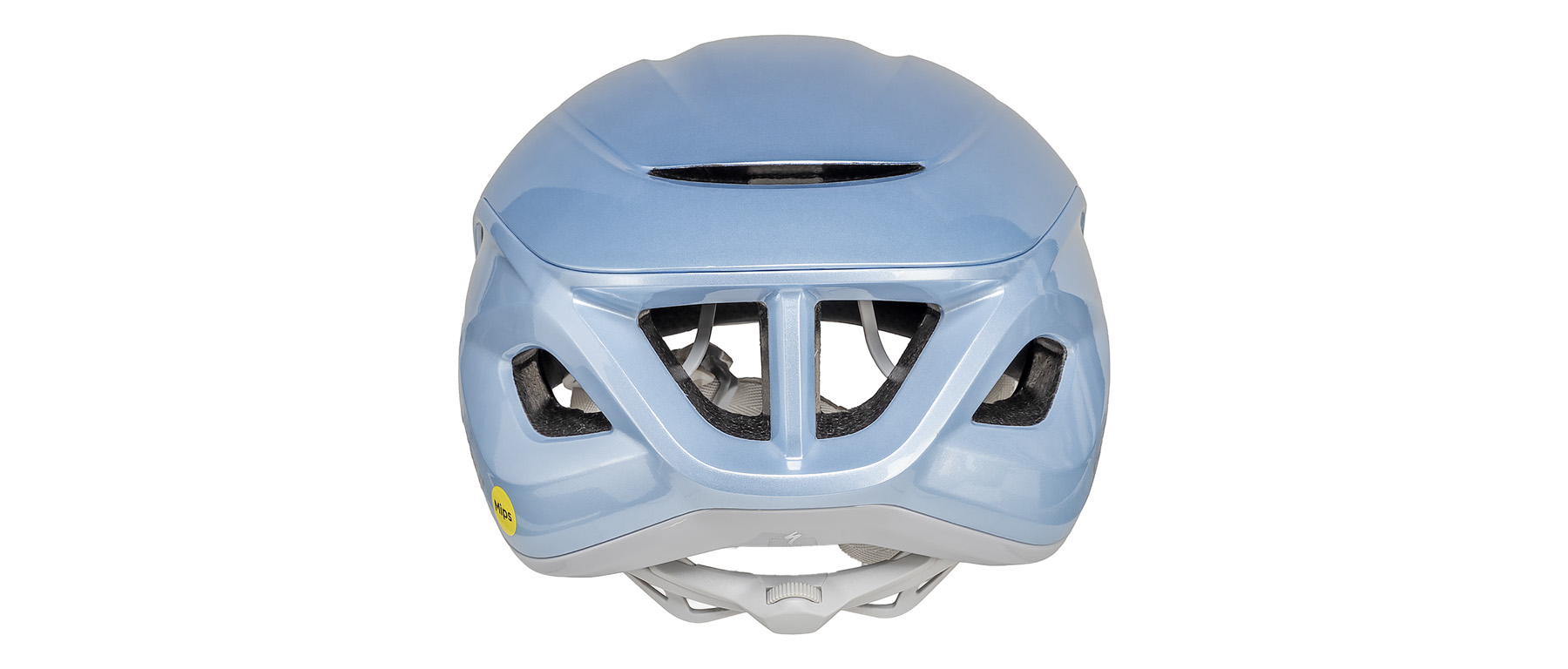
What sells it for me is the price. The Evade 3 and Prevail 3 are both flagship-tier, and here you get much of the same thinking for roughly two-thirds the cost. The front end carries the aero language of the Evade, while the rear opens up with larger exhaust vents borrowed from the Prevail. Specialized also introduced 2mm offset micro-channels inside the shell that create turbulence in the airflow to keep a continuous, refreshing flow moving through the helmet. Reviewers riding it in real conditions noted that incoming air kept getting replenished before it had a chance to heat up, and you can feel it coming through the back onto your neck.
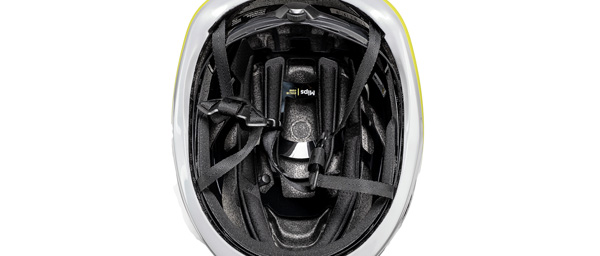
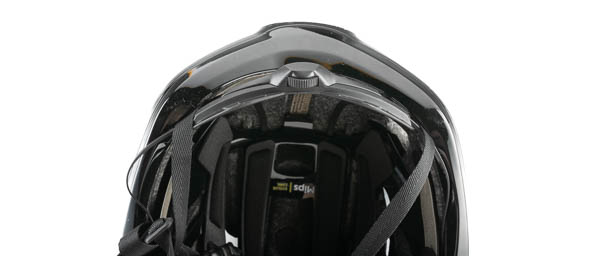
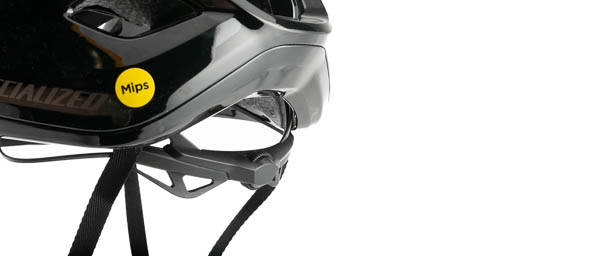
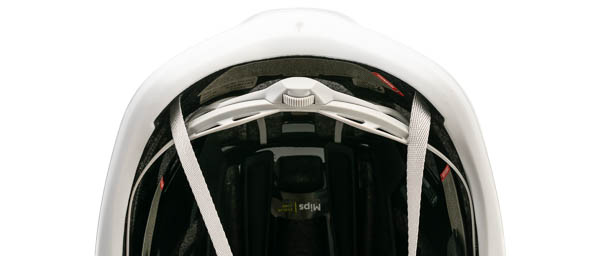
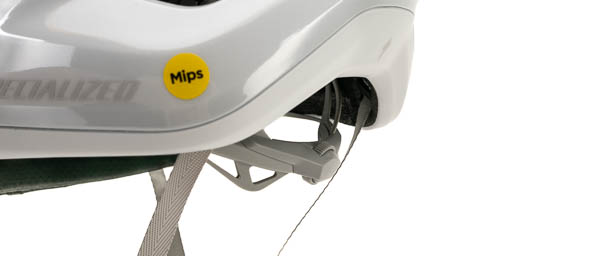
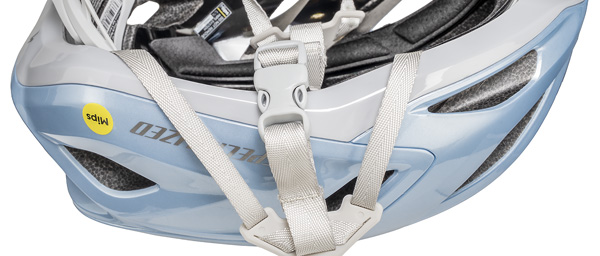
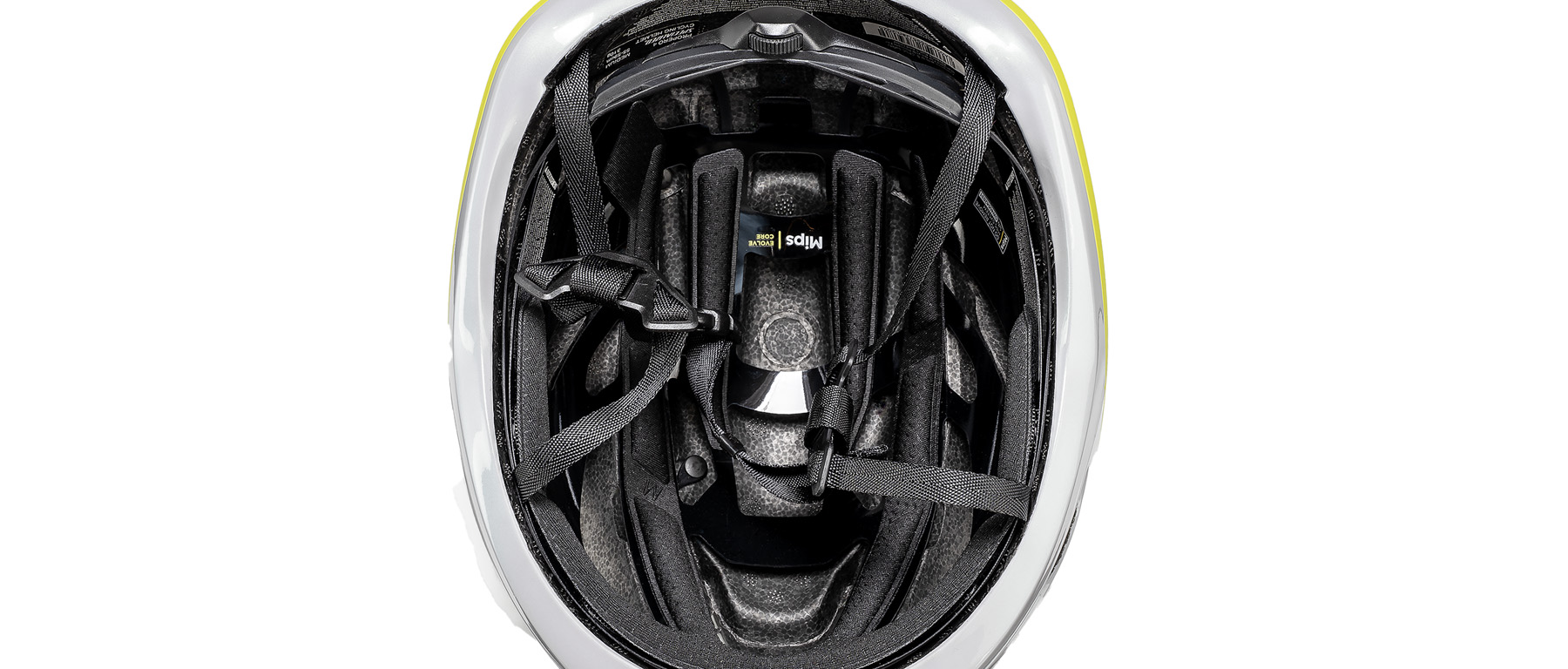
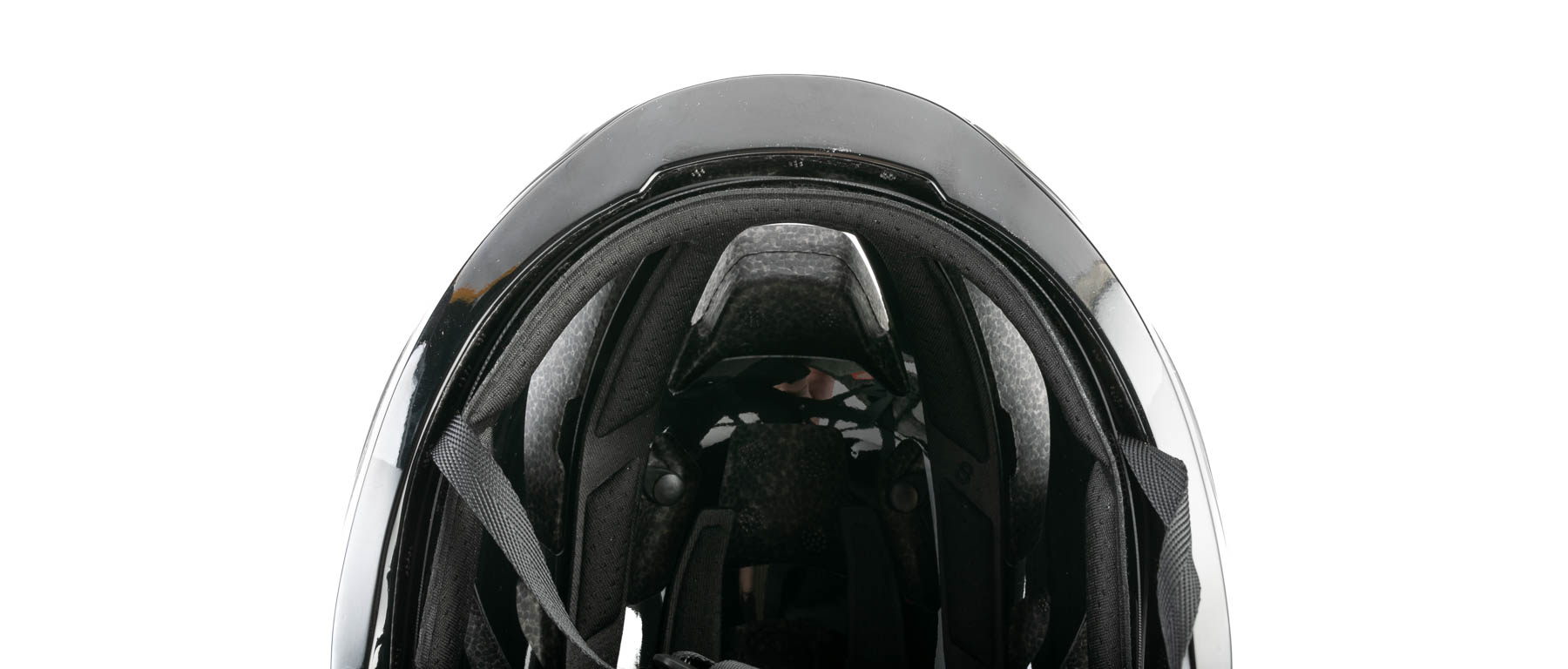
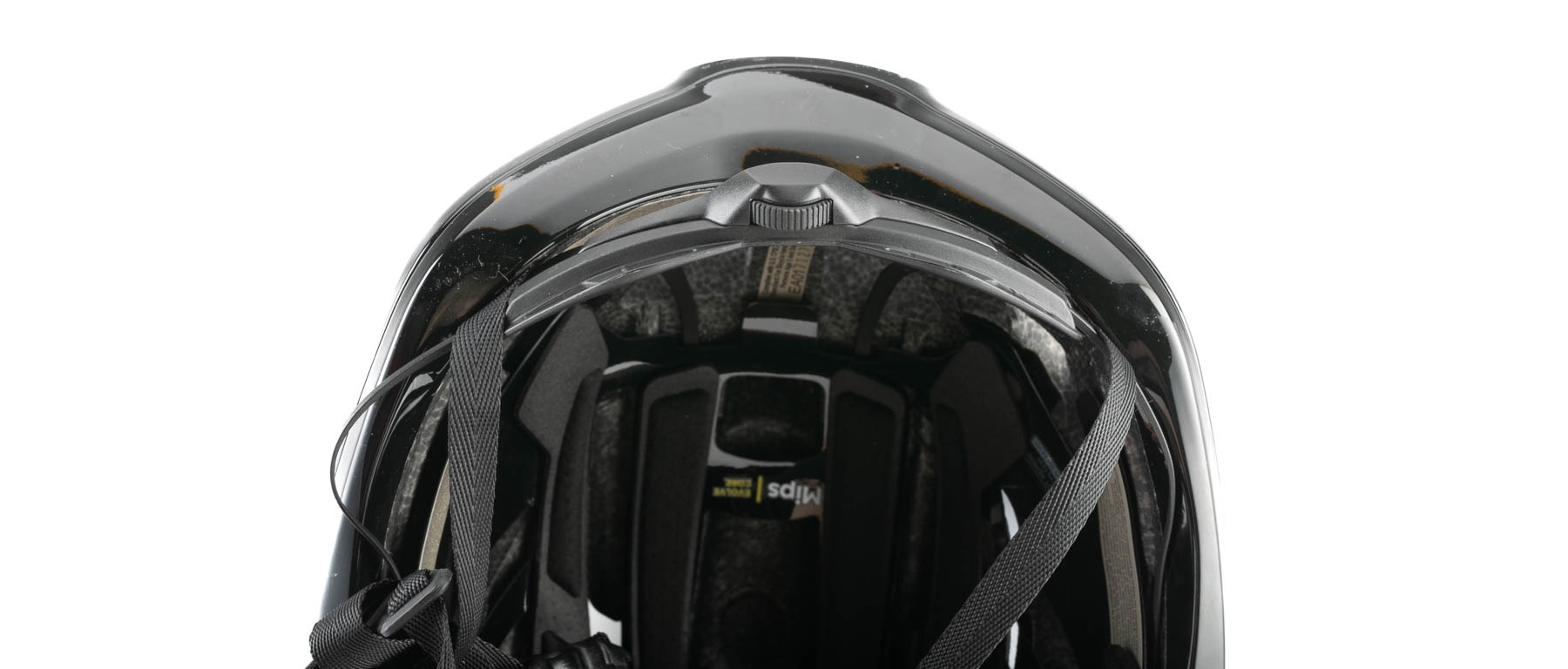
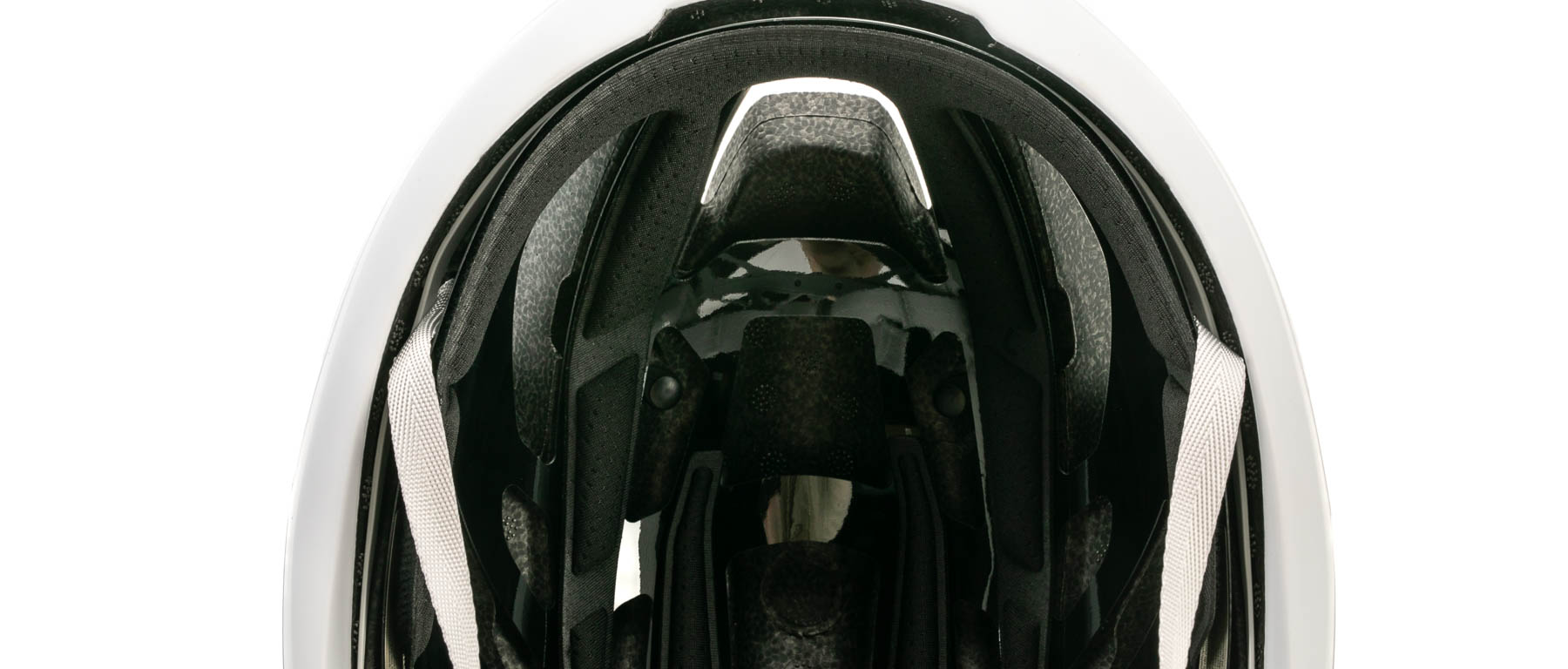
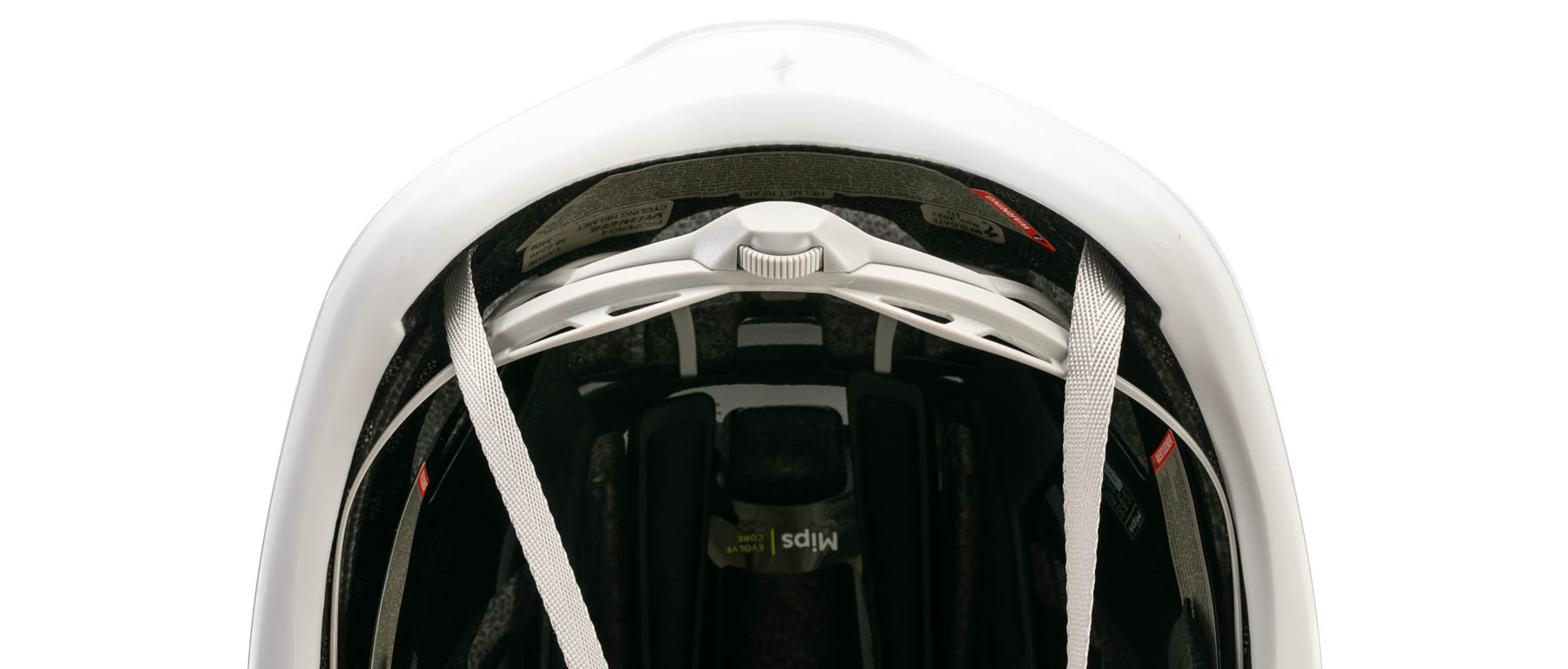
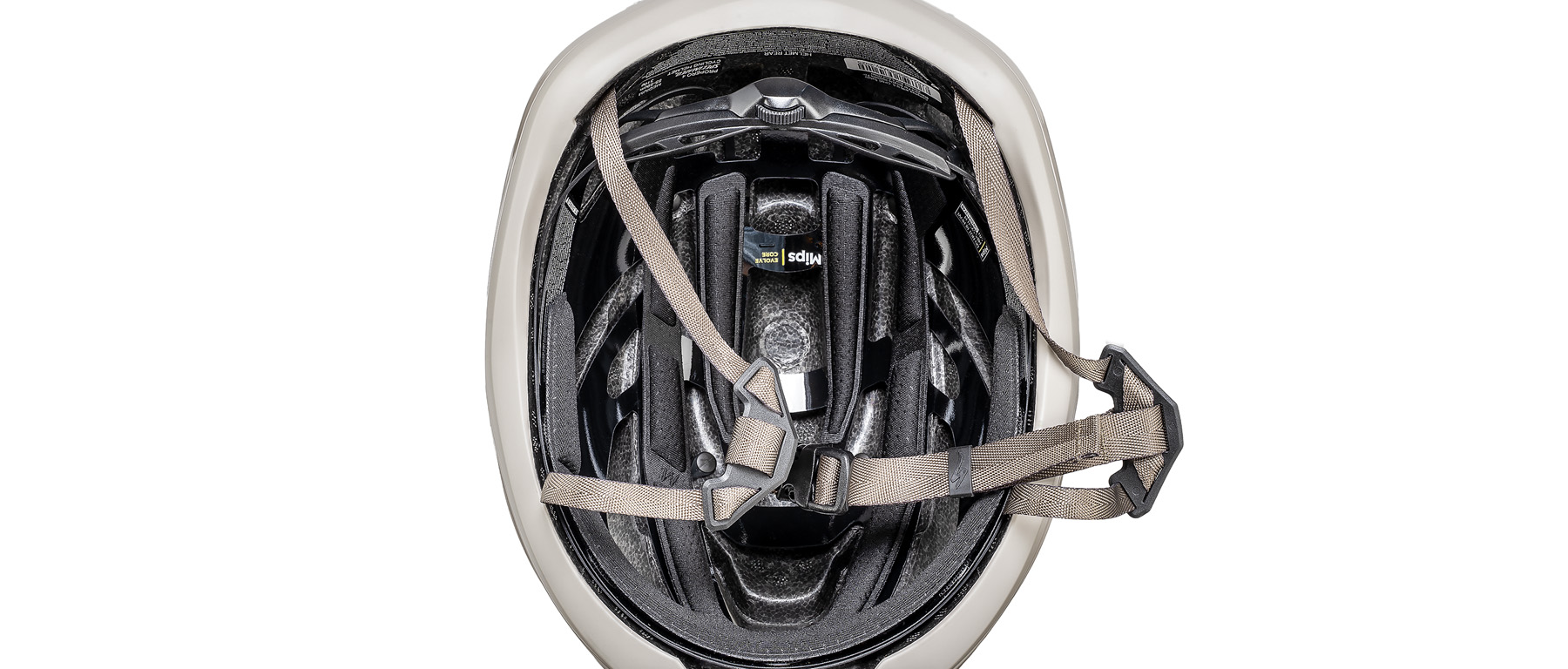
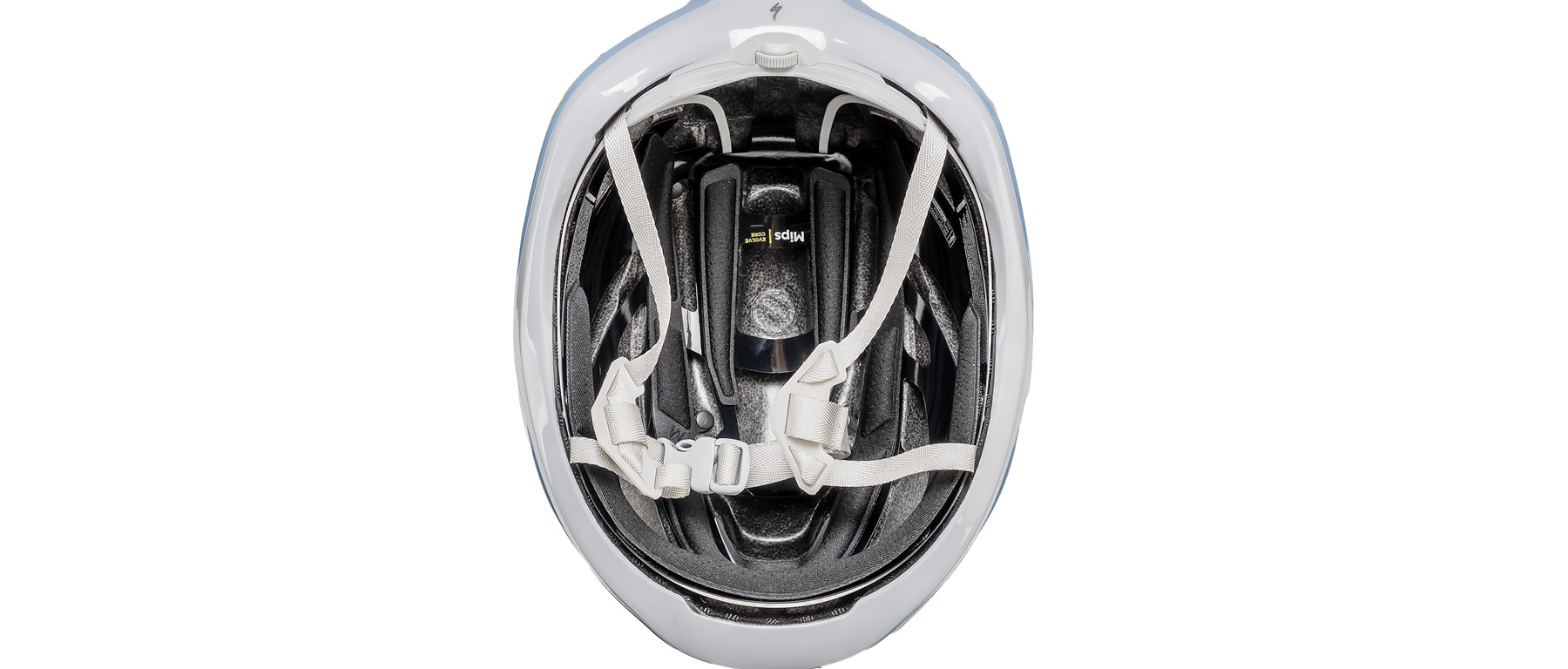
Safety is where this helmet punches above its price. The Propero 4 earns the highest 5-Star Virginia Tech helmet rating, the de facto standard for independent helmet testing. Rotational protection comes from MIPS Evolve, a low-friction layer that allows 10 to 15mm of sliding motion in all directions to reduce some of the rotational forces transmitted to the brain during angled impacts. It's worth knowing before you buy that this is a step down from the MIPS Air Node found in the S-Works models, and it adds a touch of weight and takes up a little more room, but the independent rating speaks for itself.... Read More
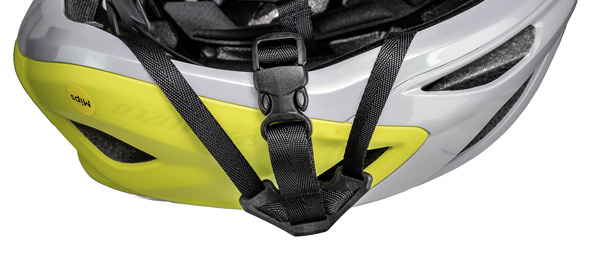
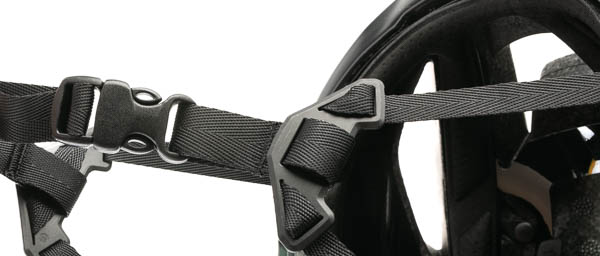
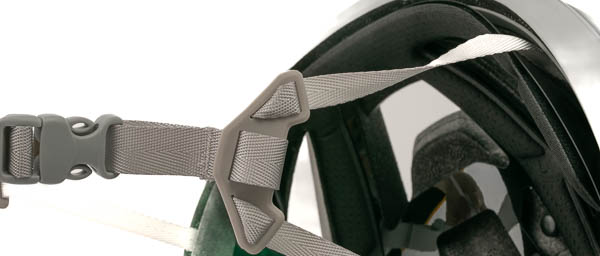
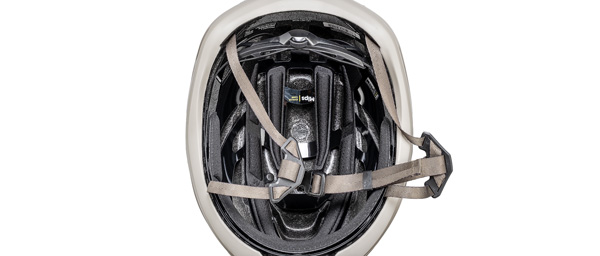
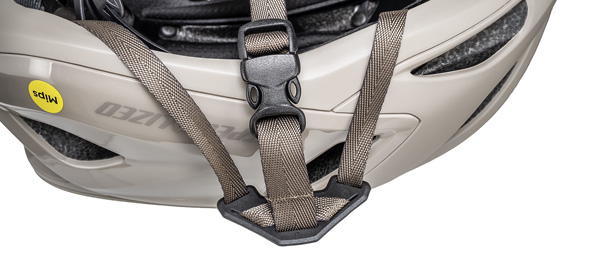
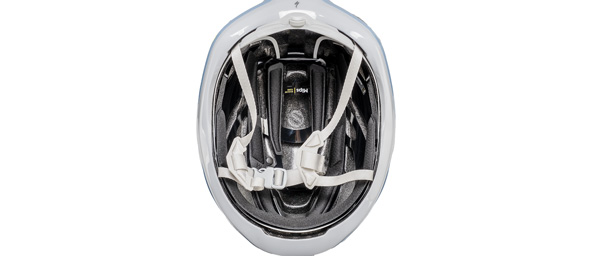
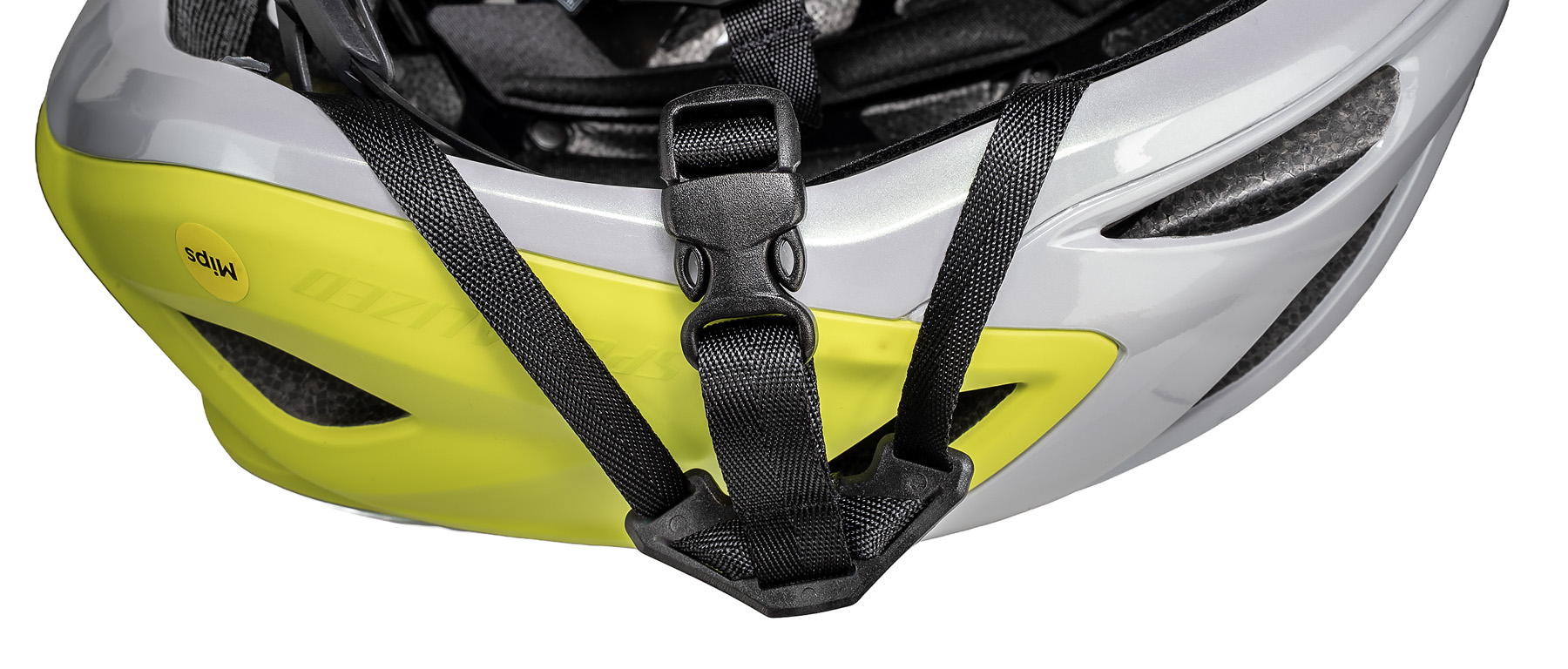
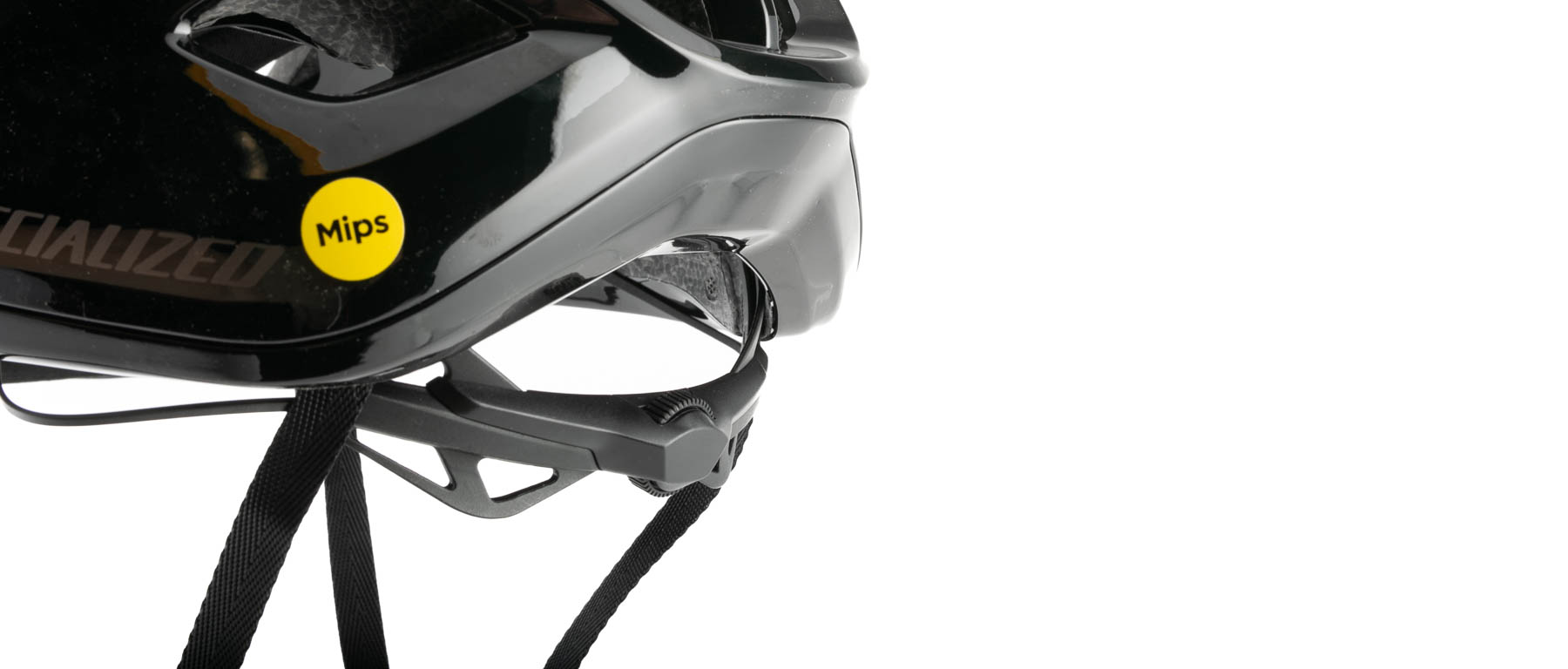
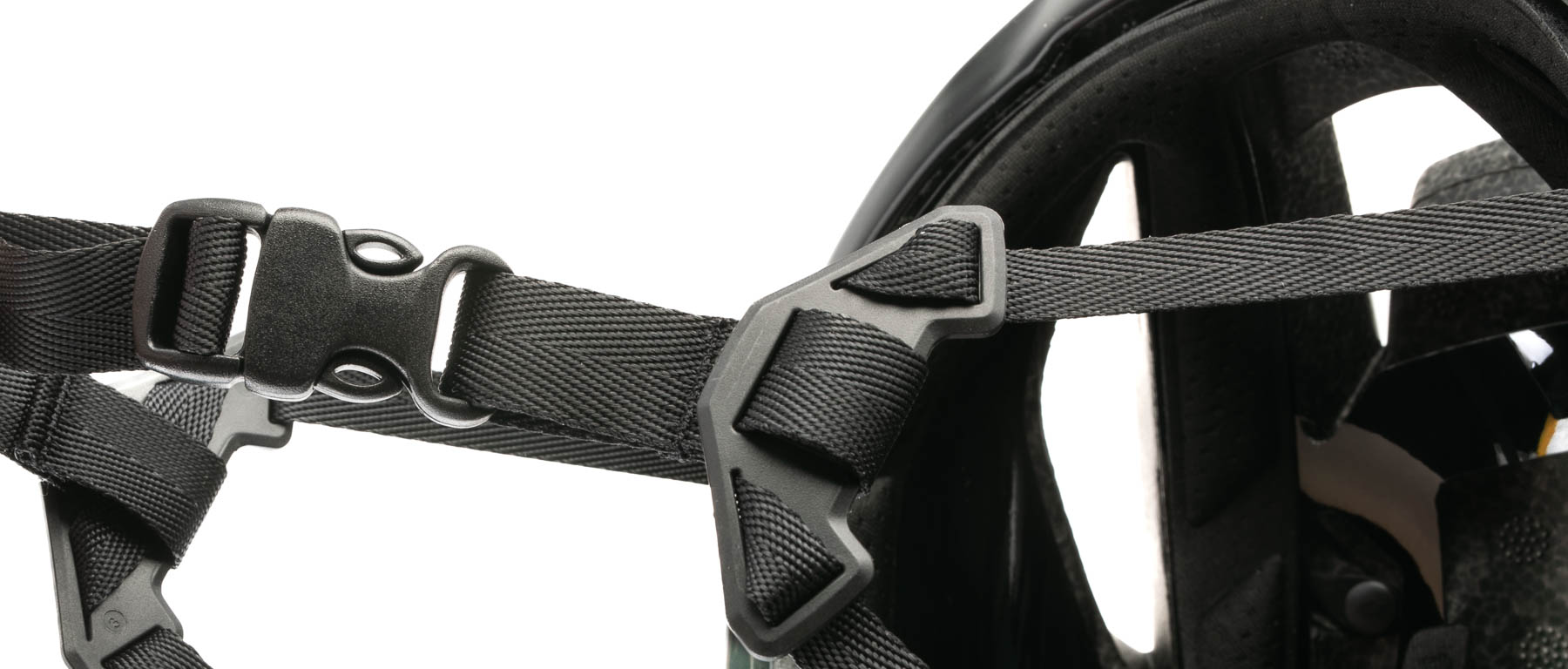
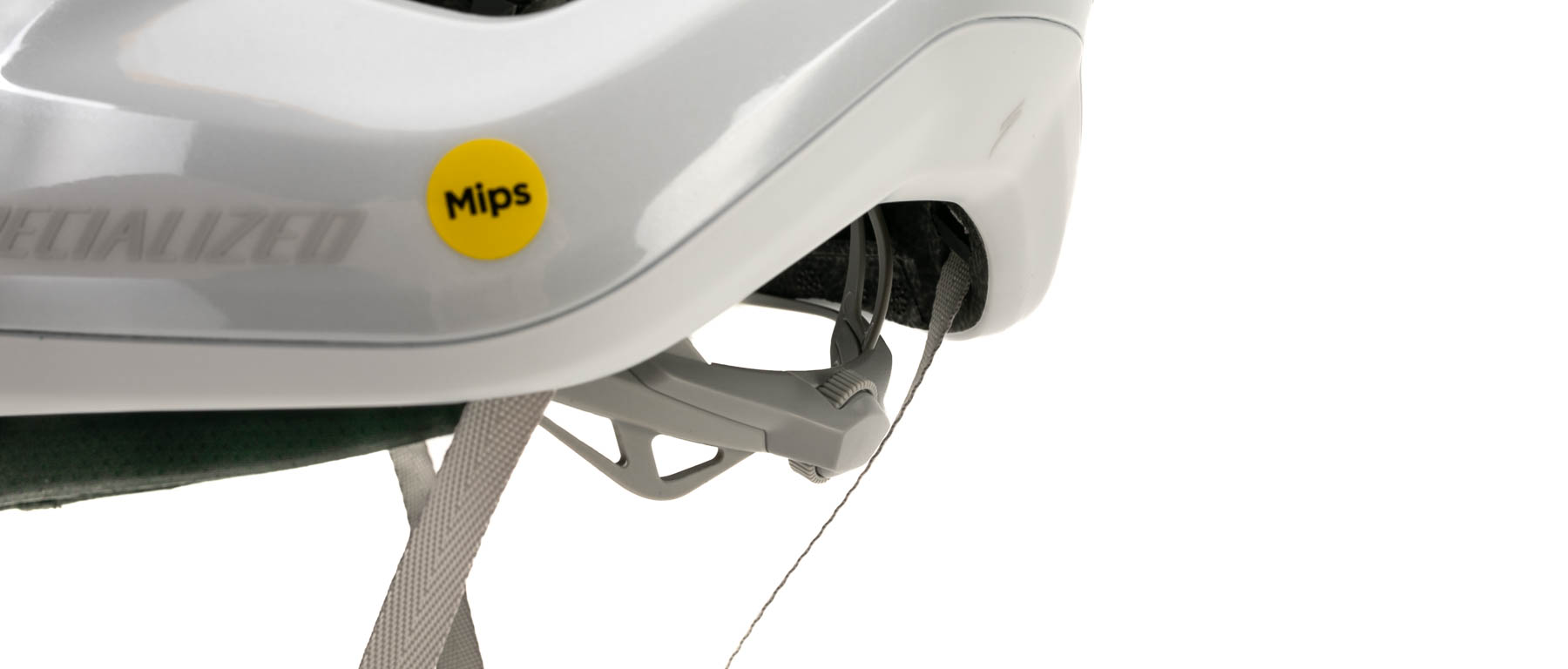
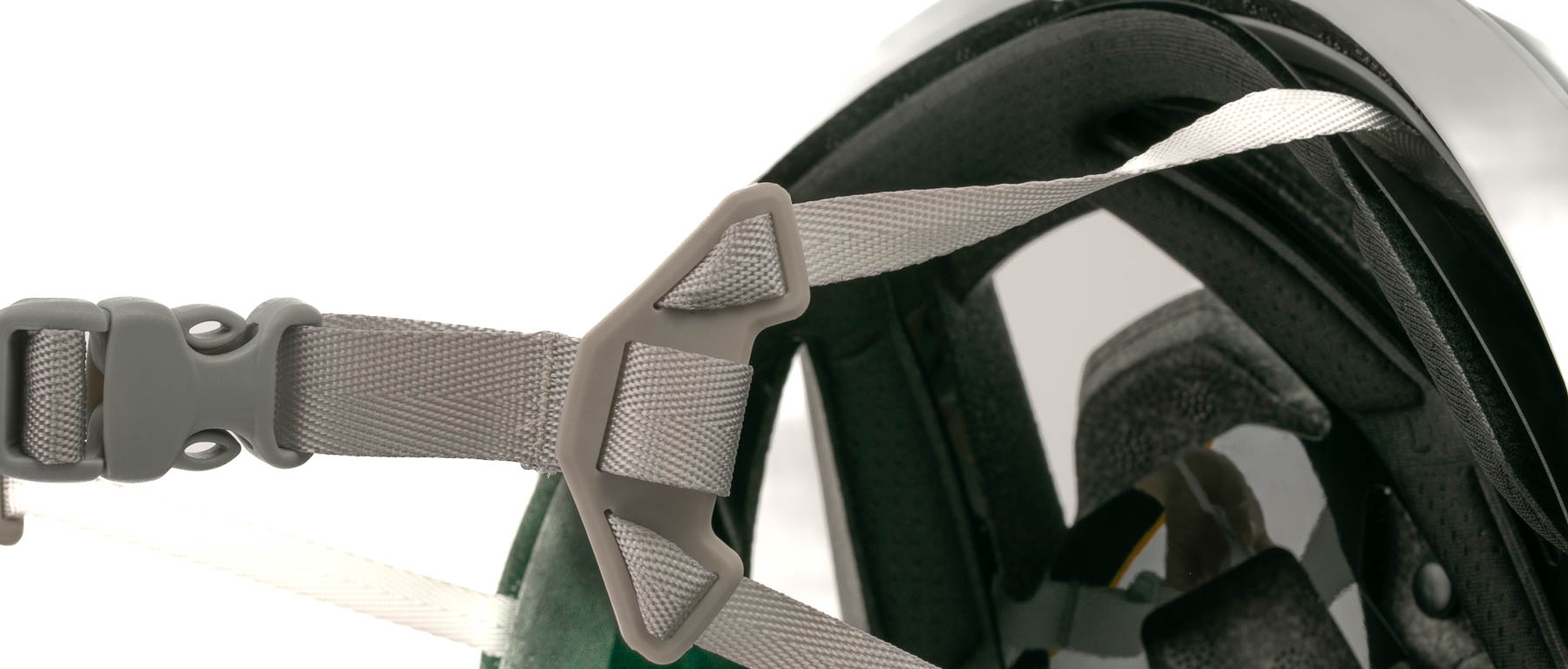
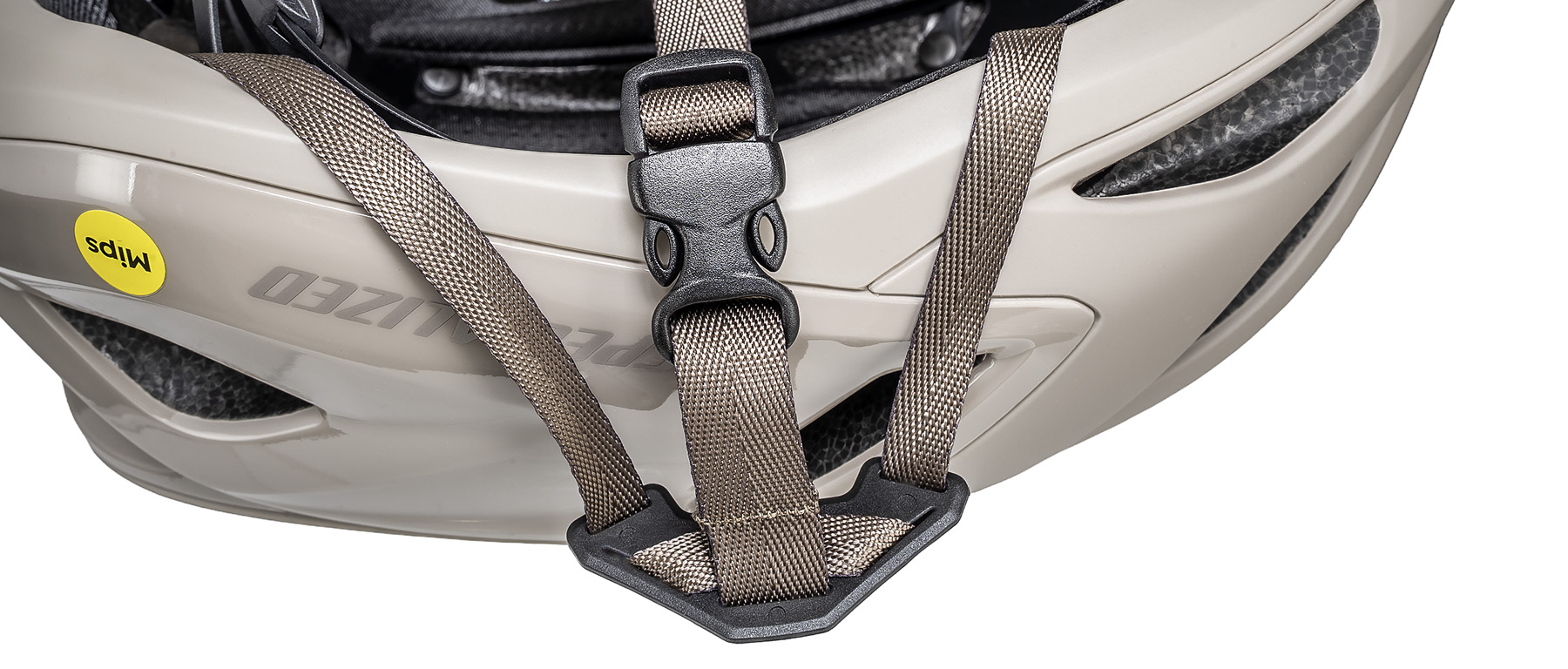
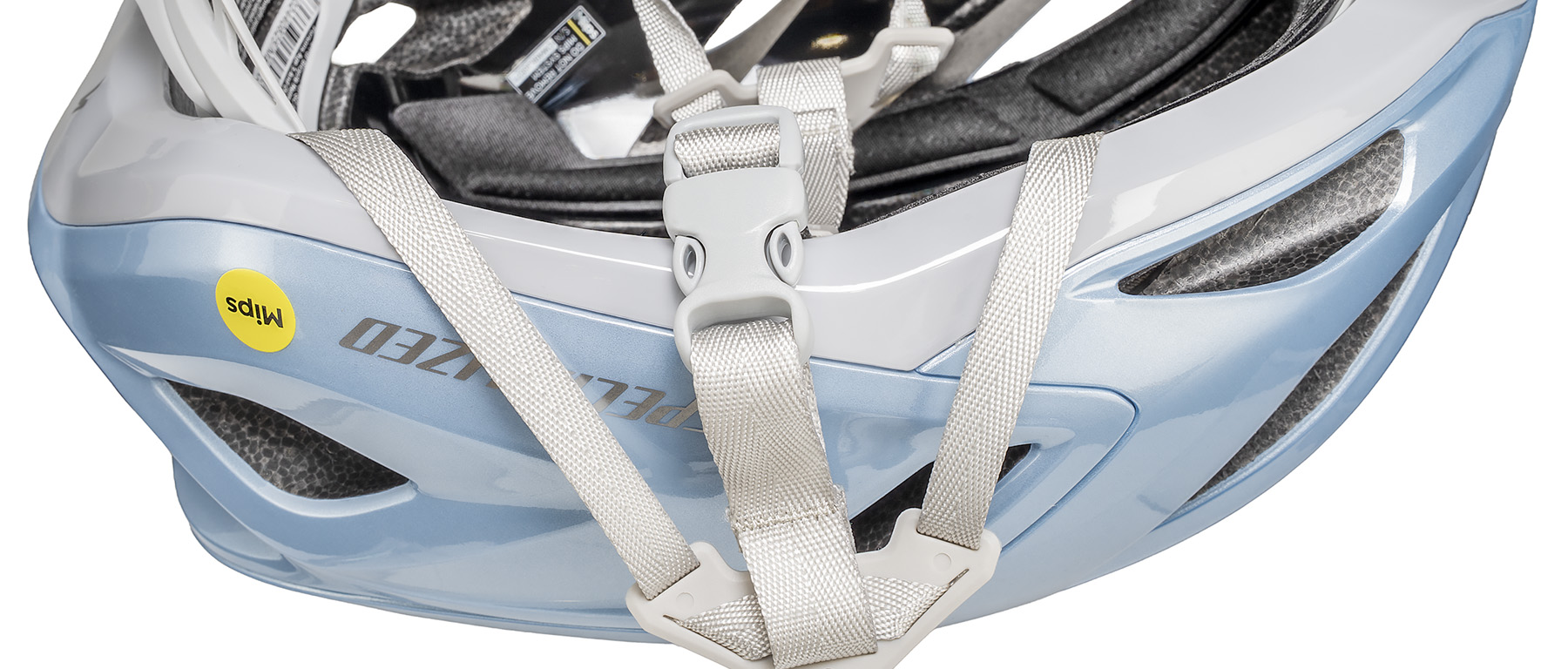
Fit runs through Specialized's own hardware rather than a generic ratchet. The FS3 Fit System and Occipital Base Adjustment let you tune helmet tilt and a wrap-around cradle to your head shape. That tilt adjustment earns its keep if you wear glasses, since you can angle the helmet to clear your frames, and reviewers consistently flag good compatibility with most sunglasses. On the strap side, a Specialized Tri-Fix web splitter handles the thin 10mm webbing, which keeps things comfortable behind the ears without constant fiddling.
Construction is straightforward: a full polycarbonate shell wrapping the EPS foam to guard against knocks. One honest note on weight. The CE version carries a claimed 290 grams in size medium, while the CPSC version sold in the US runs heavier at a claimed 310 grams, and a size large has been verified around 340 grams. This is not a featherweight climbing lid, and that's the trade-off for the aero shaping. If you're chasing the lowest possible number on the scale, look elsewhere, but for a helmet doing double duty on aero and cooling, that weight sits in a sensible spot.