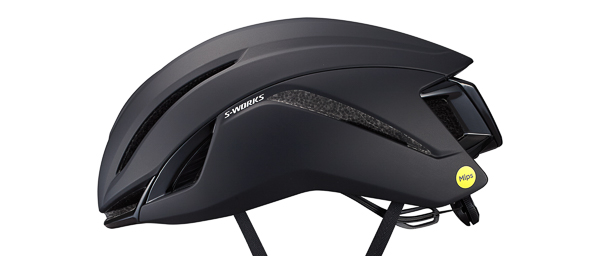
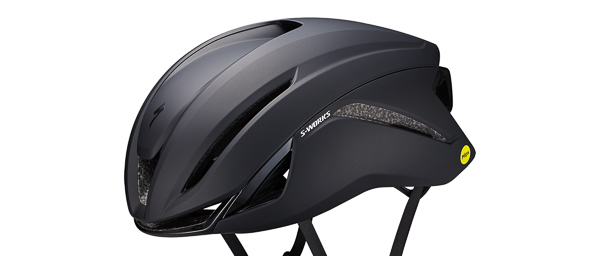
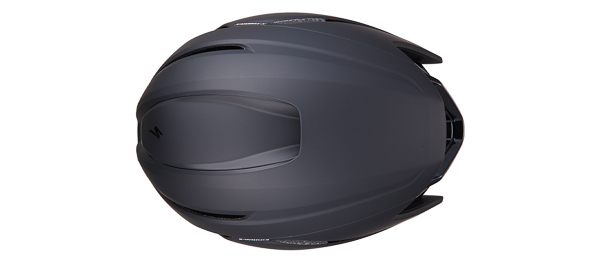
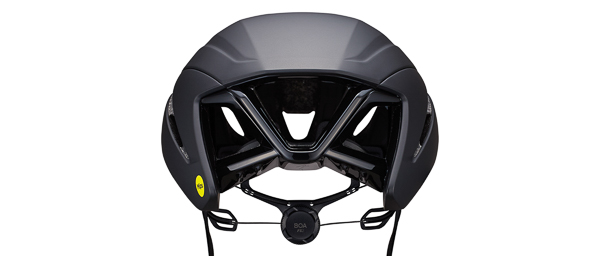
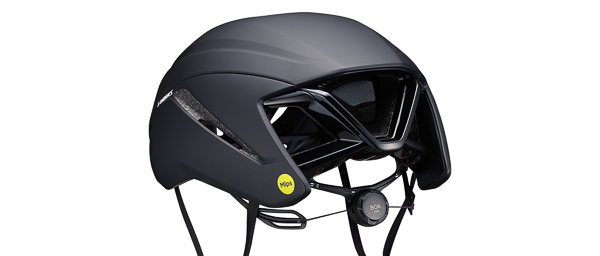
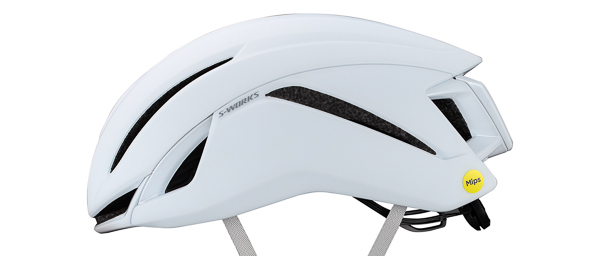
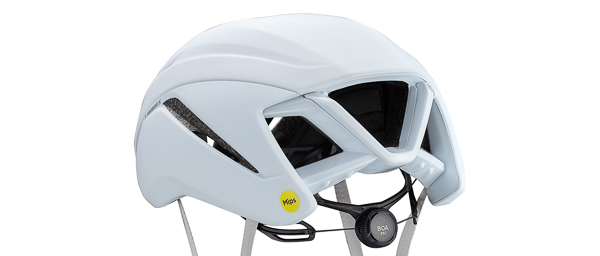
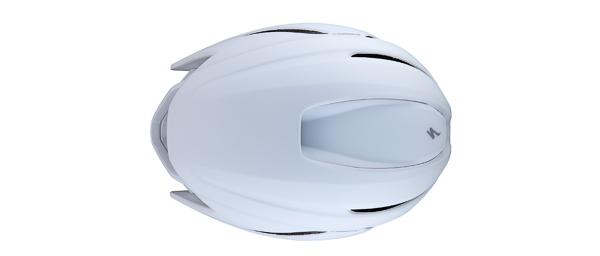
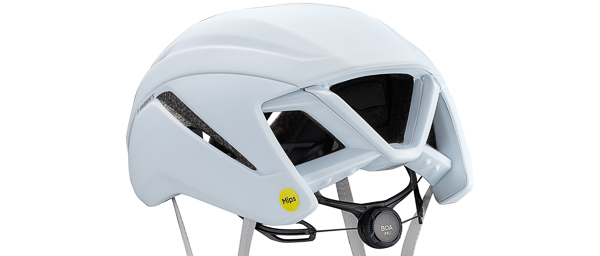
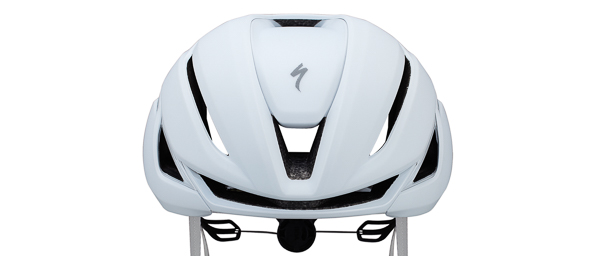
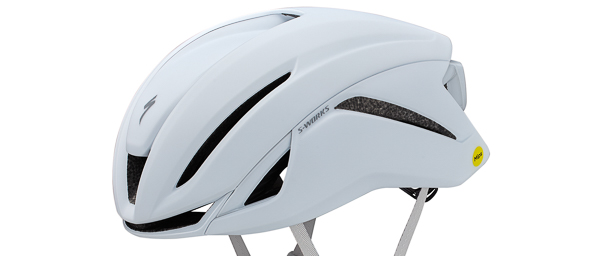
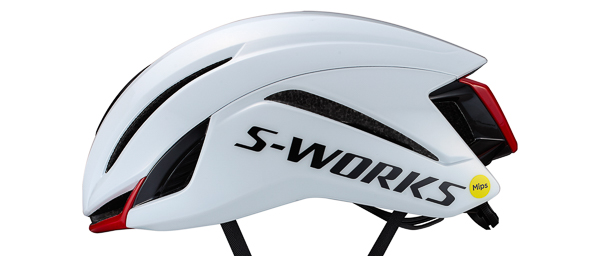
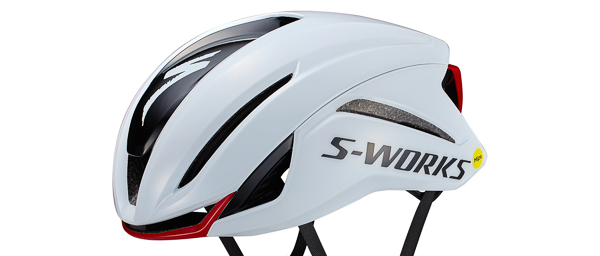
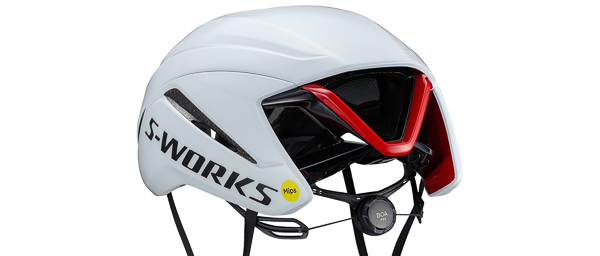
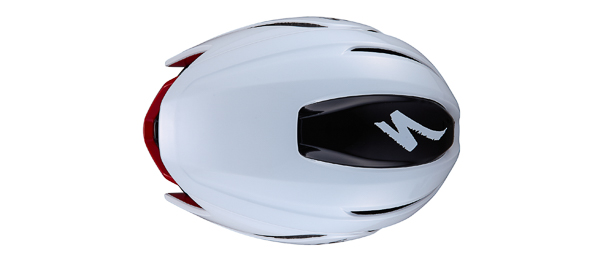
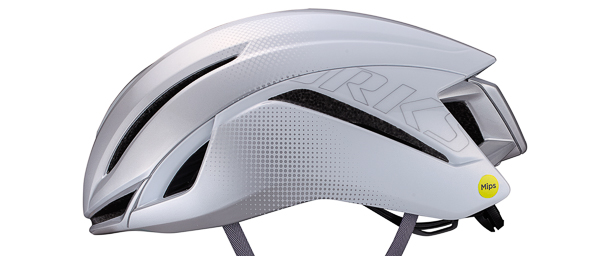
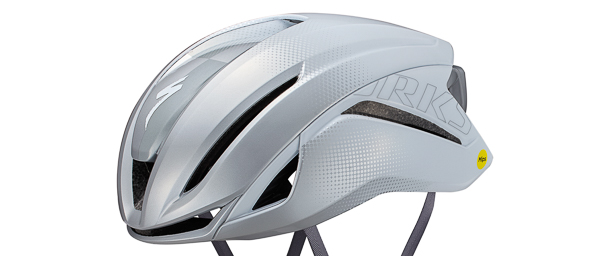
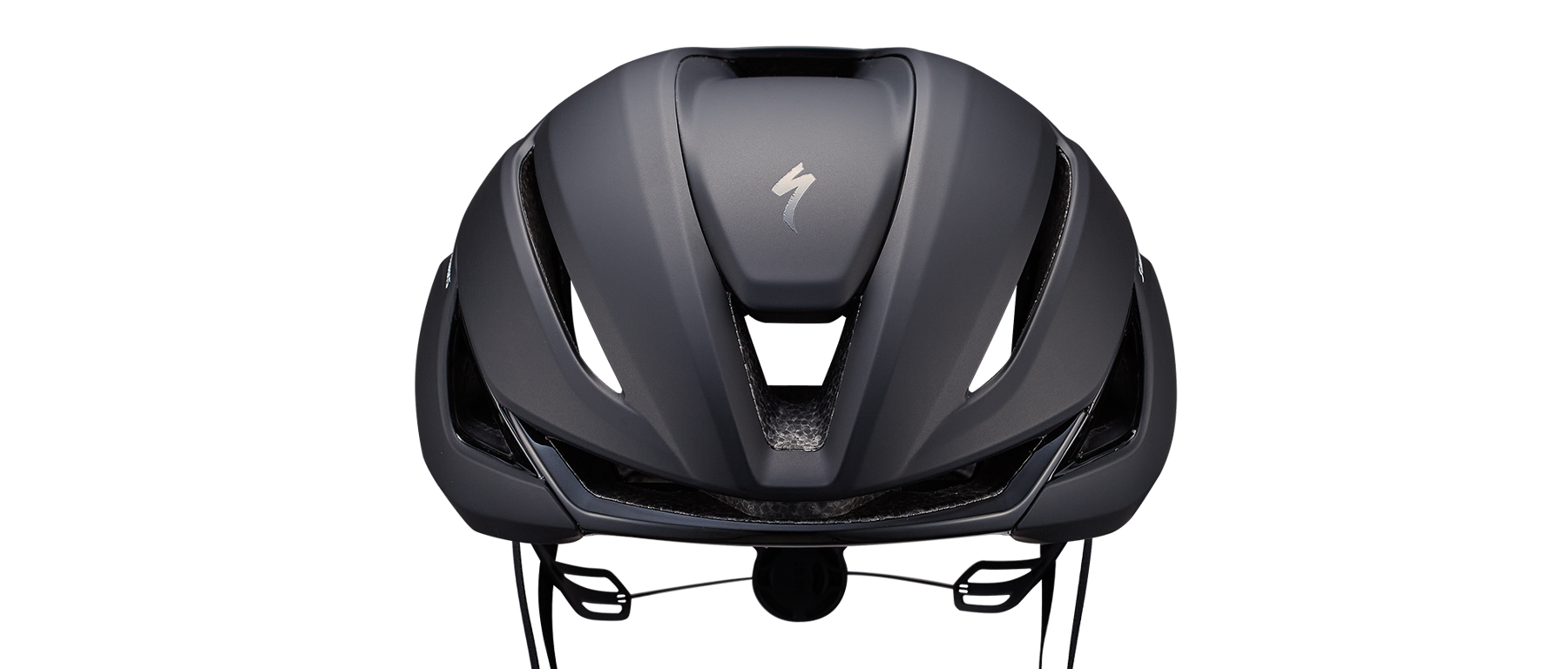
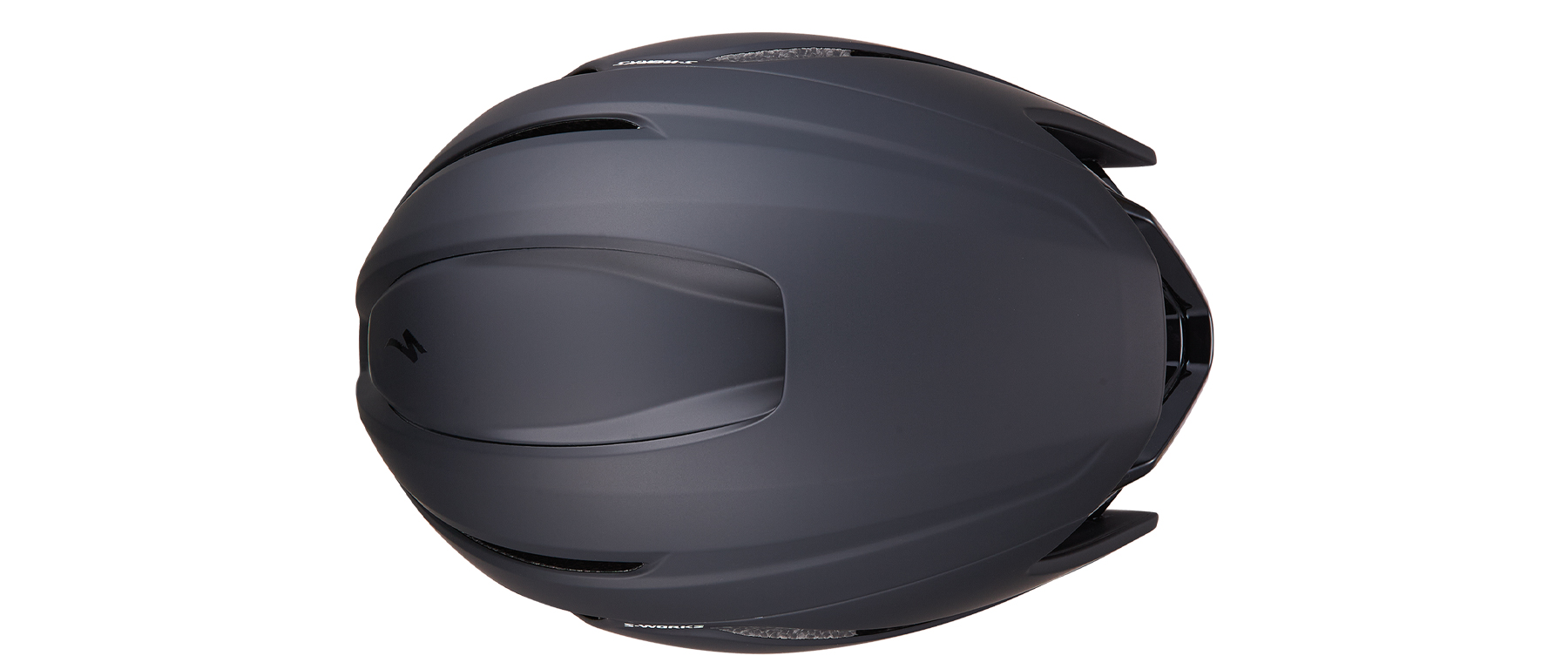
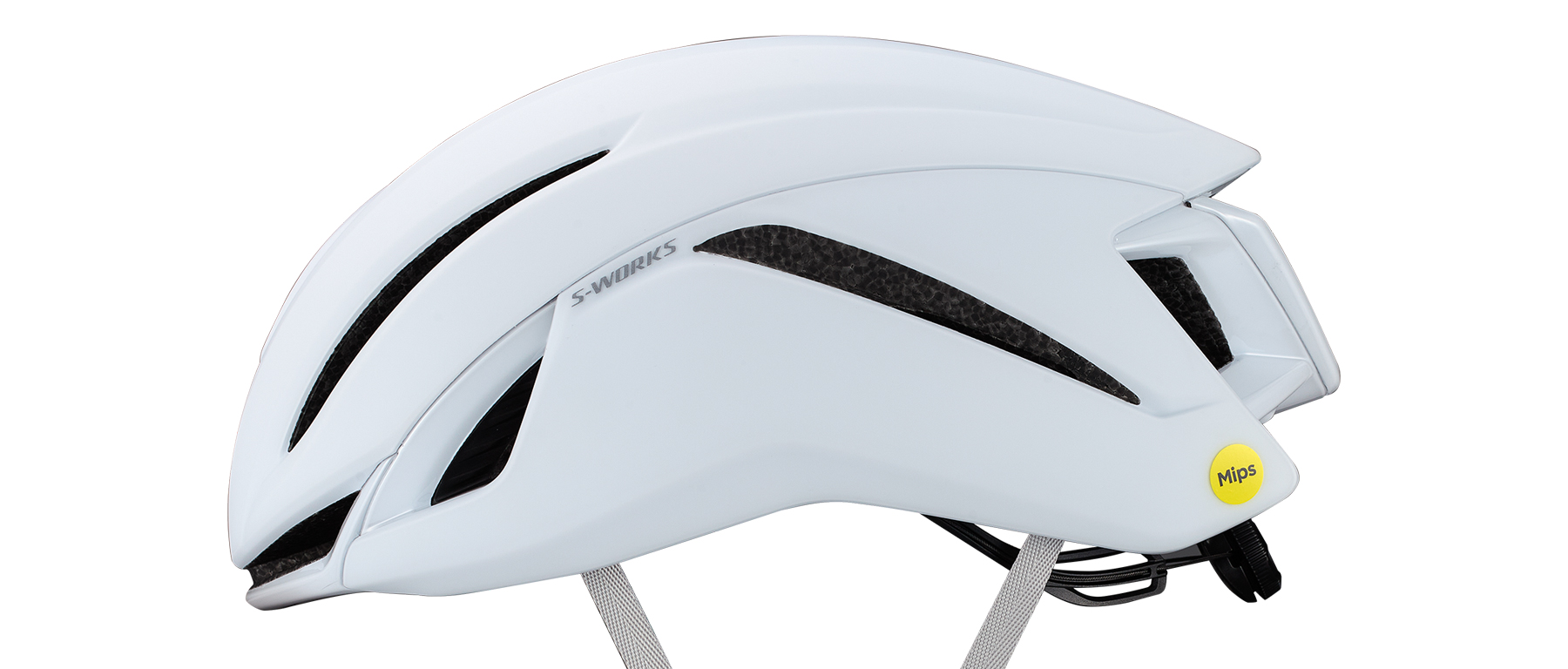
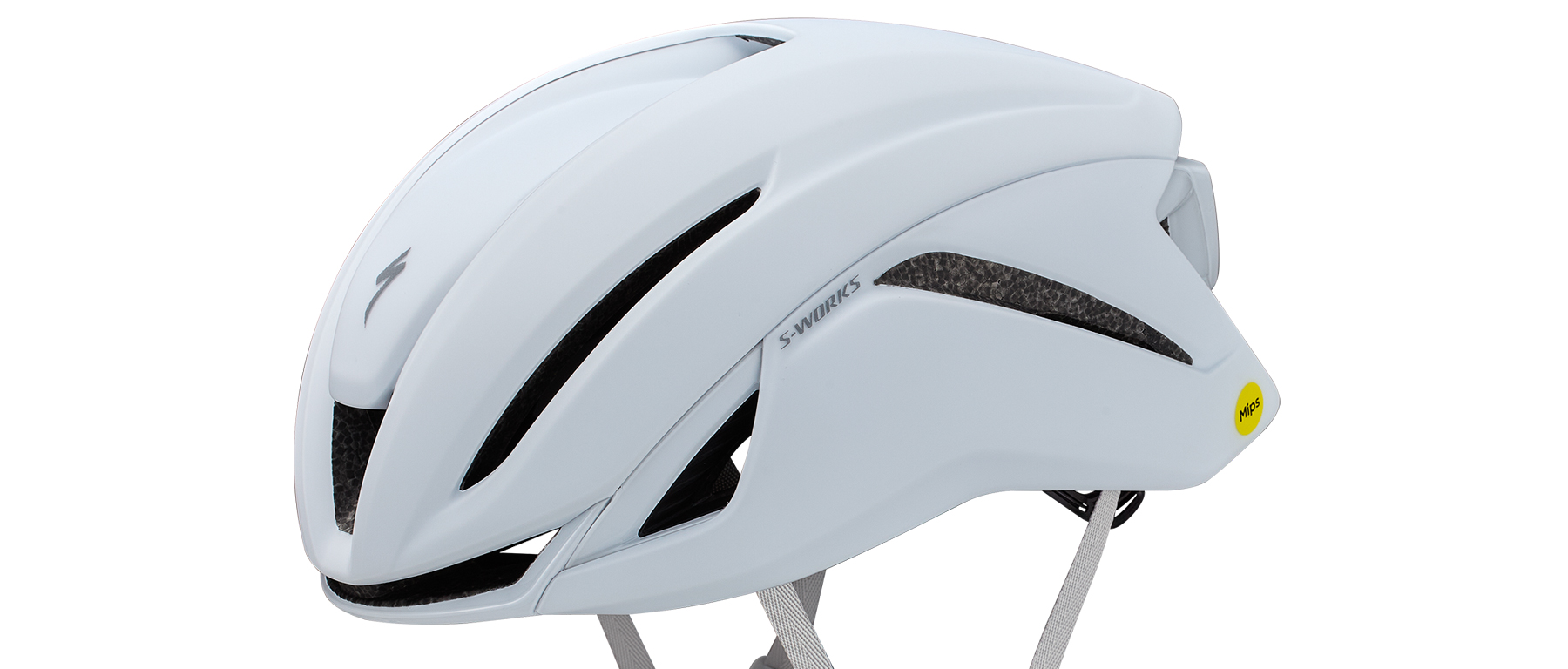
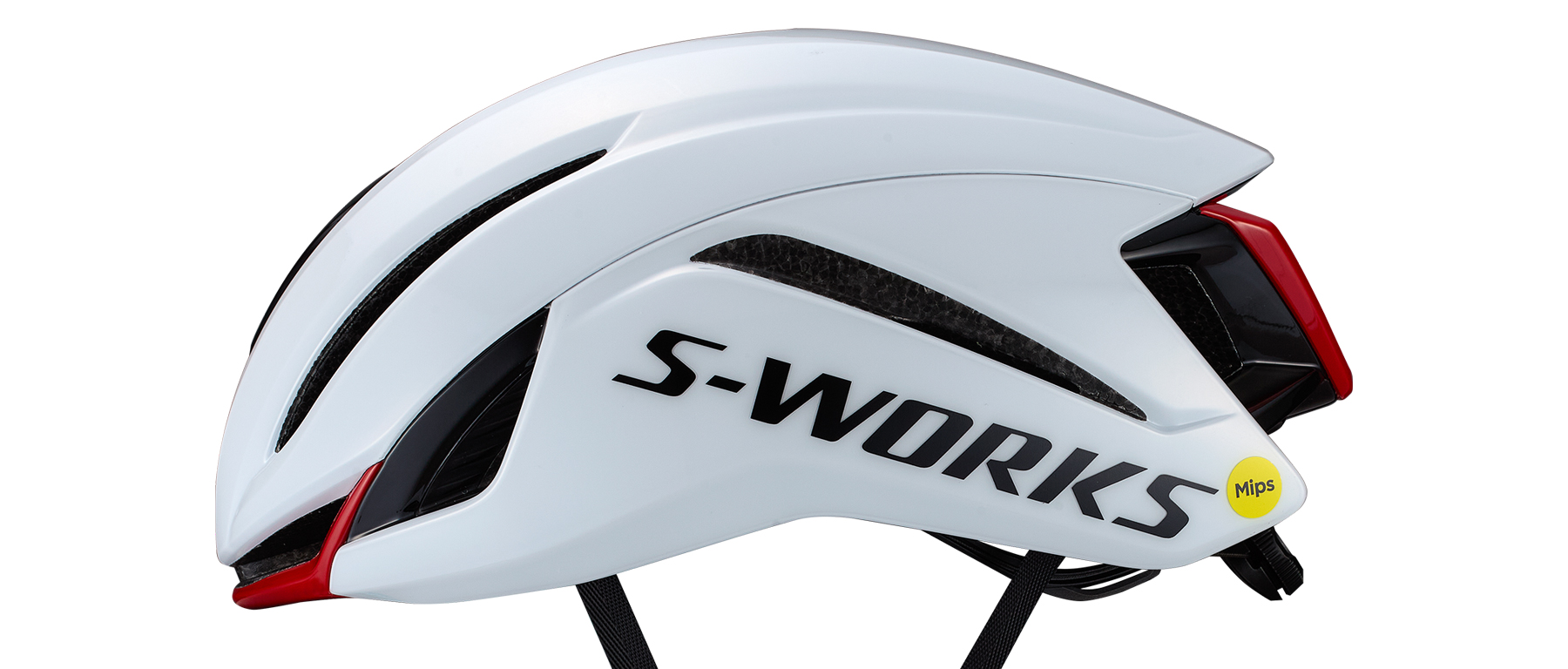
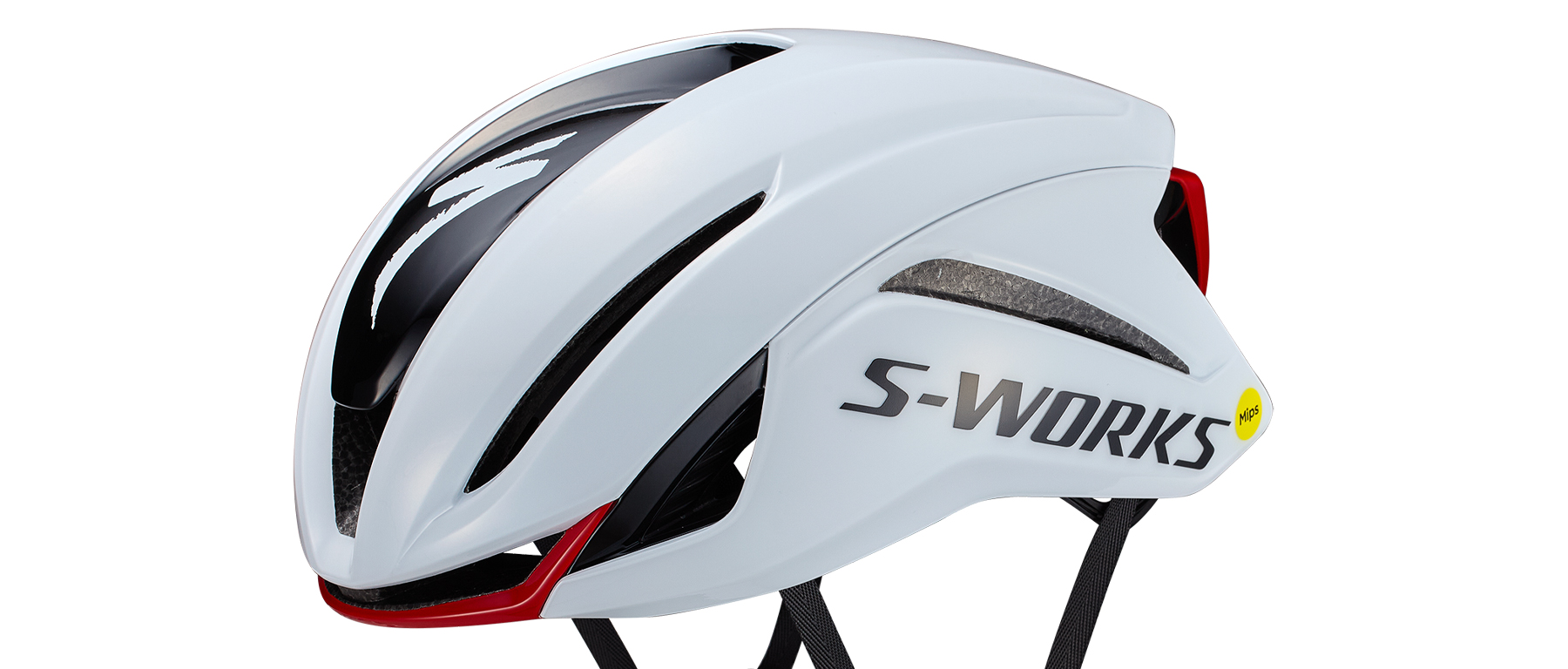
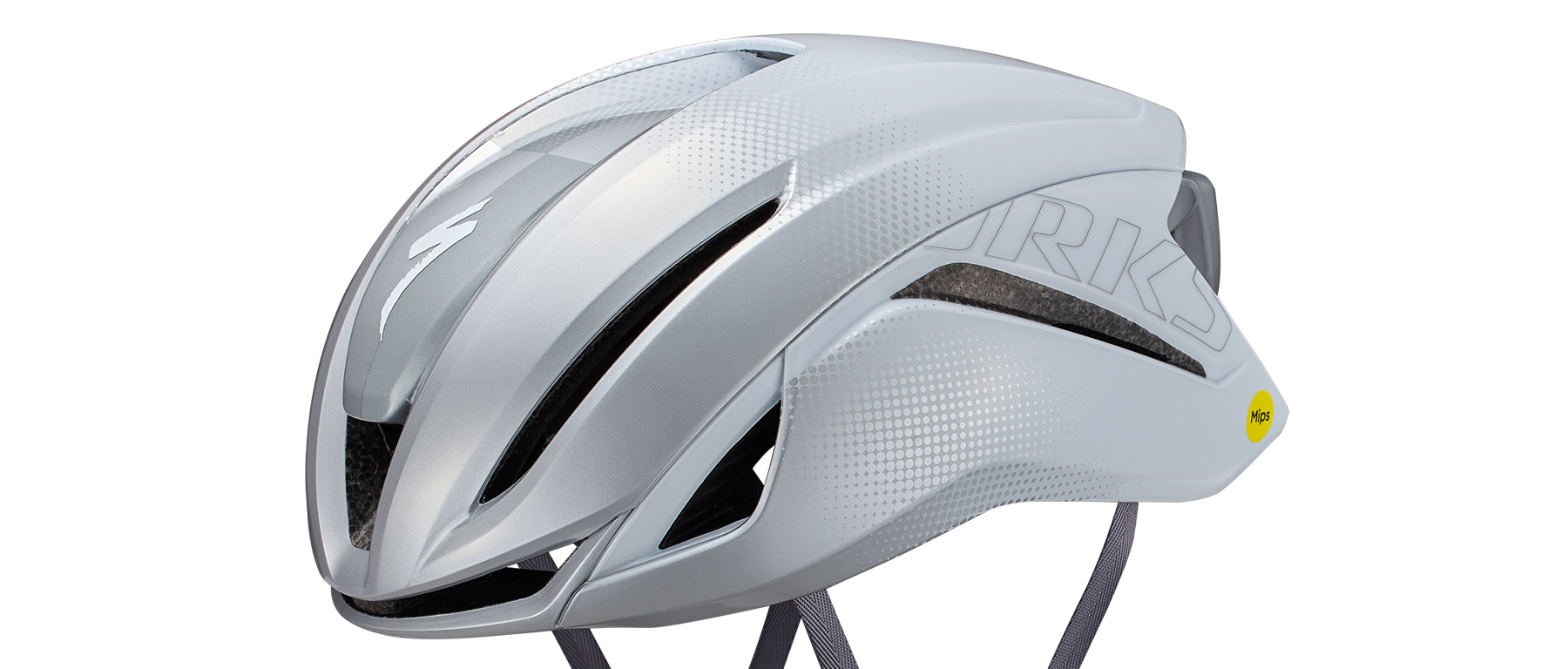
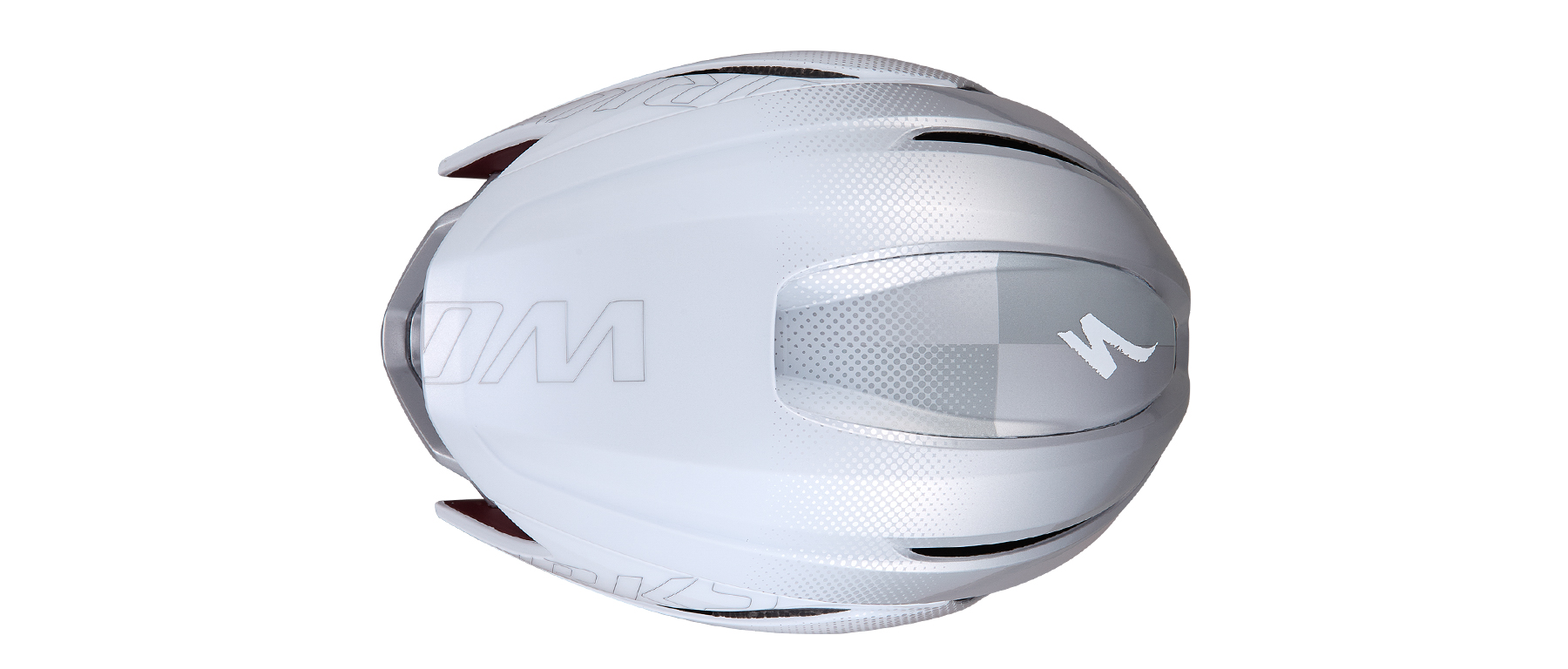
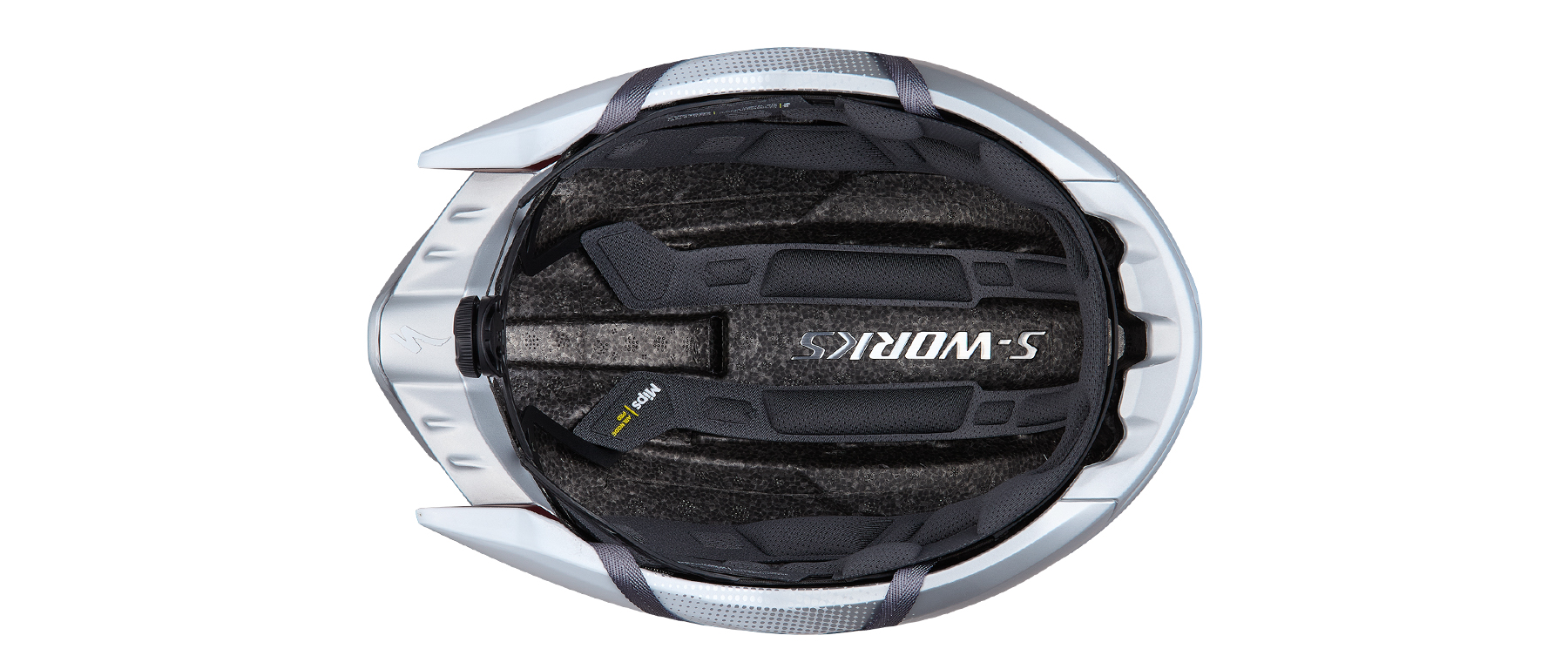
Aero helmets have long asked riders to pick a lane: speed or cooling, race-day weapon or all-day lid. Specialized keeps chipping away at that tradeoff, and the S-Works Evade 4 lands on a combination that runs cooler than the Evade 3 without giving back the aero that made the line a fixture of the professional peloton. The pitch is straightforward — the same wind-cheating silhouette pros have raced under for four generations, now built around a new headform, the BOA Fit System, and thermal engineering that Specialized validated across more than 100 hours of aerodynamic and thermal testing in the WinTunnel.
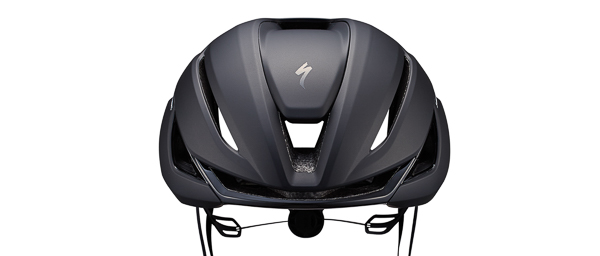
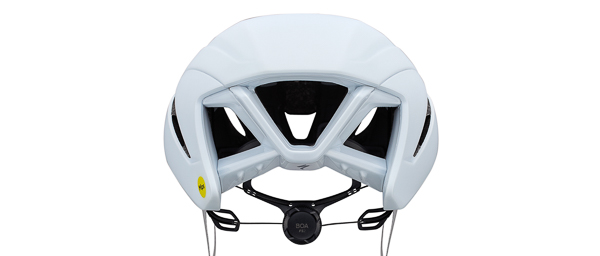
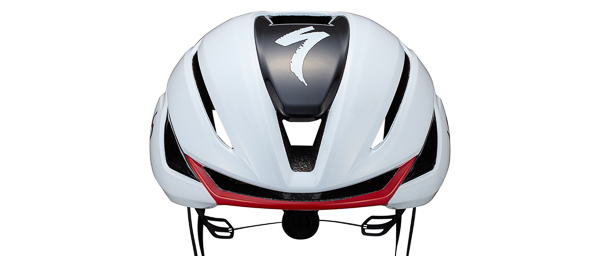
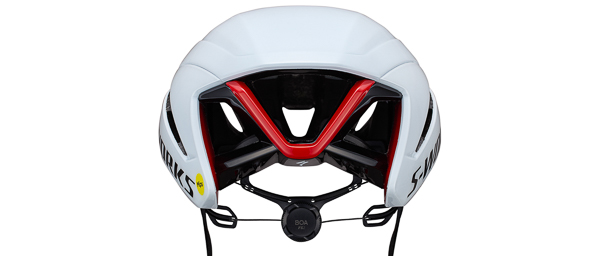
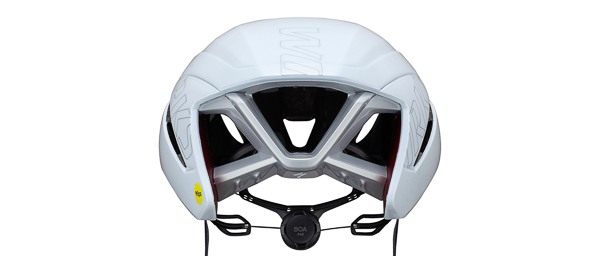
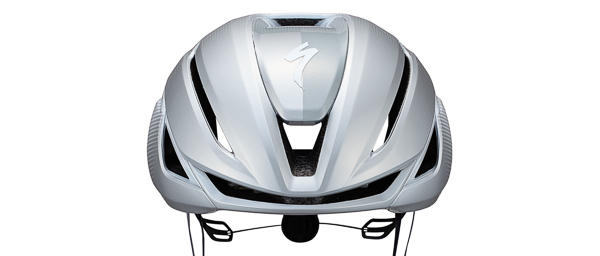
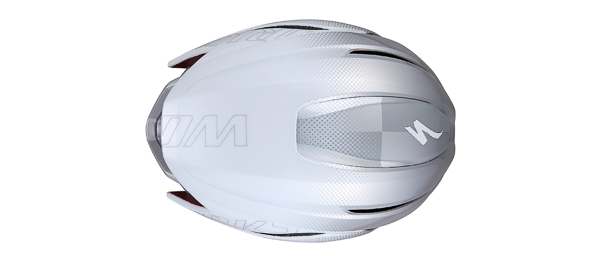
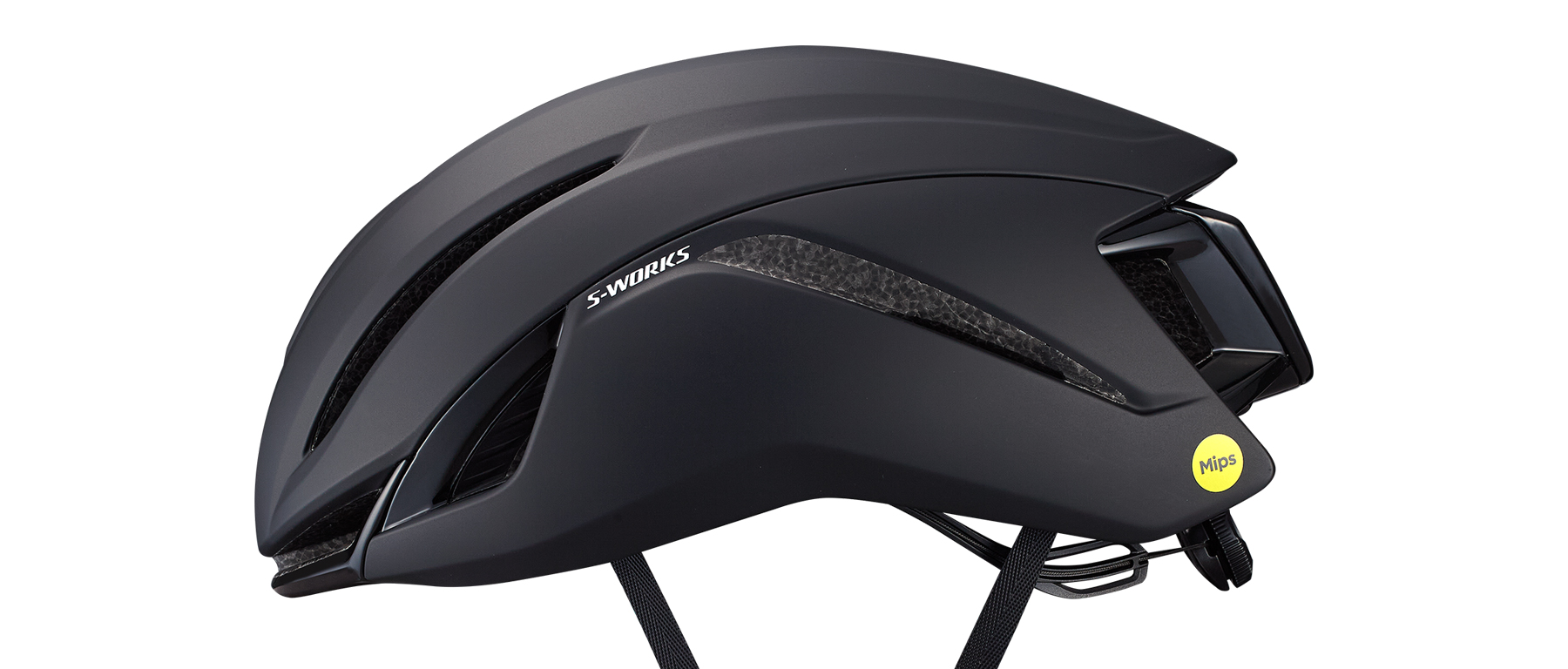
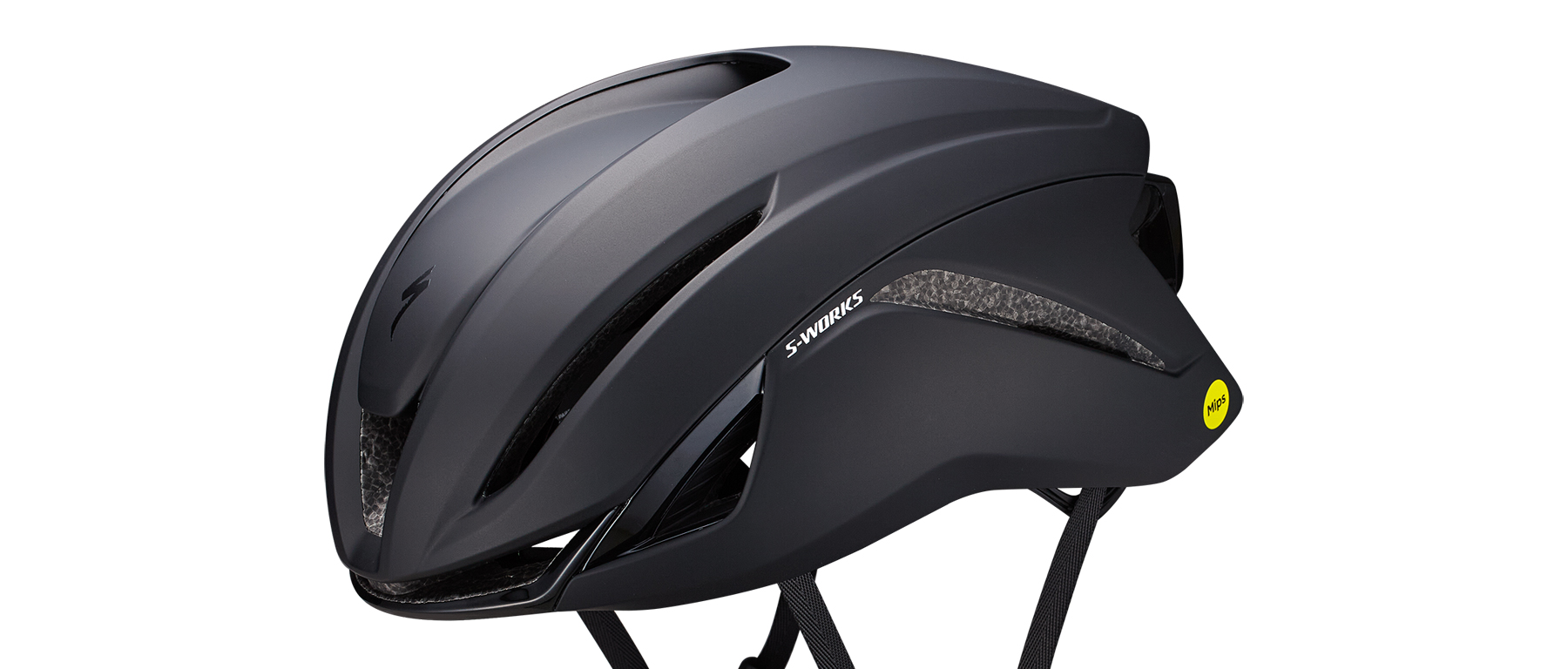
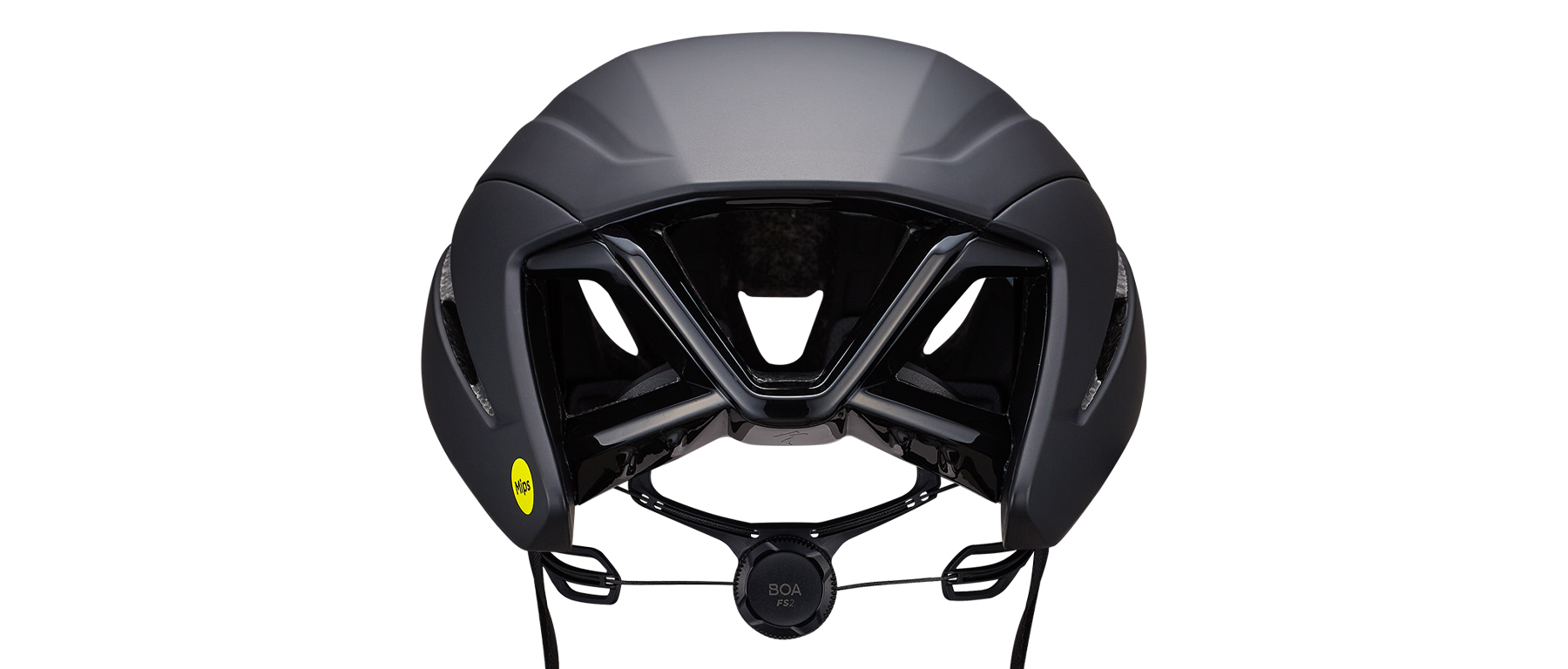
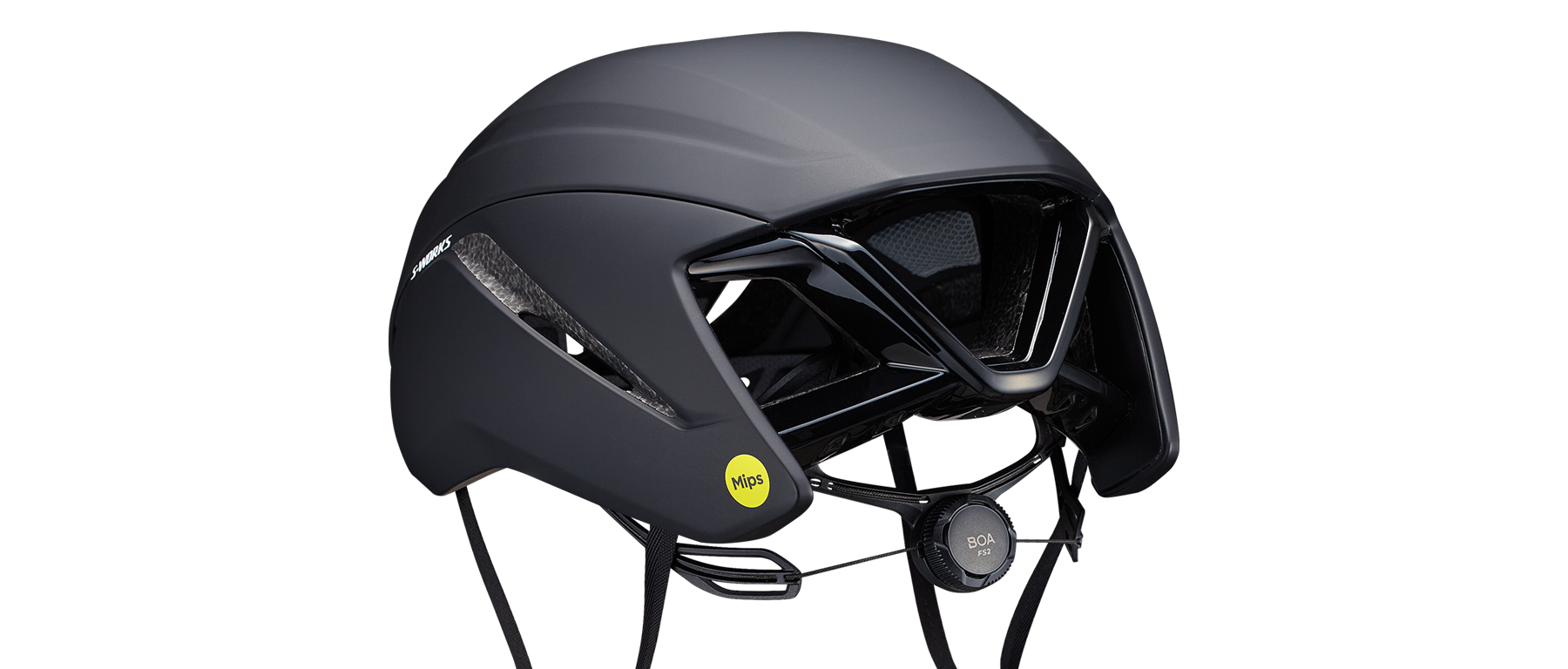
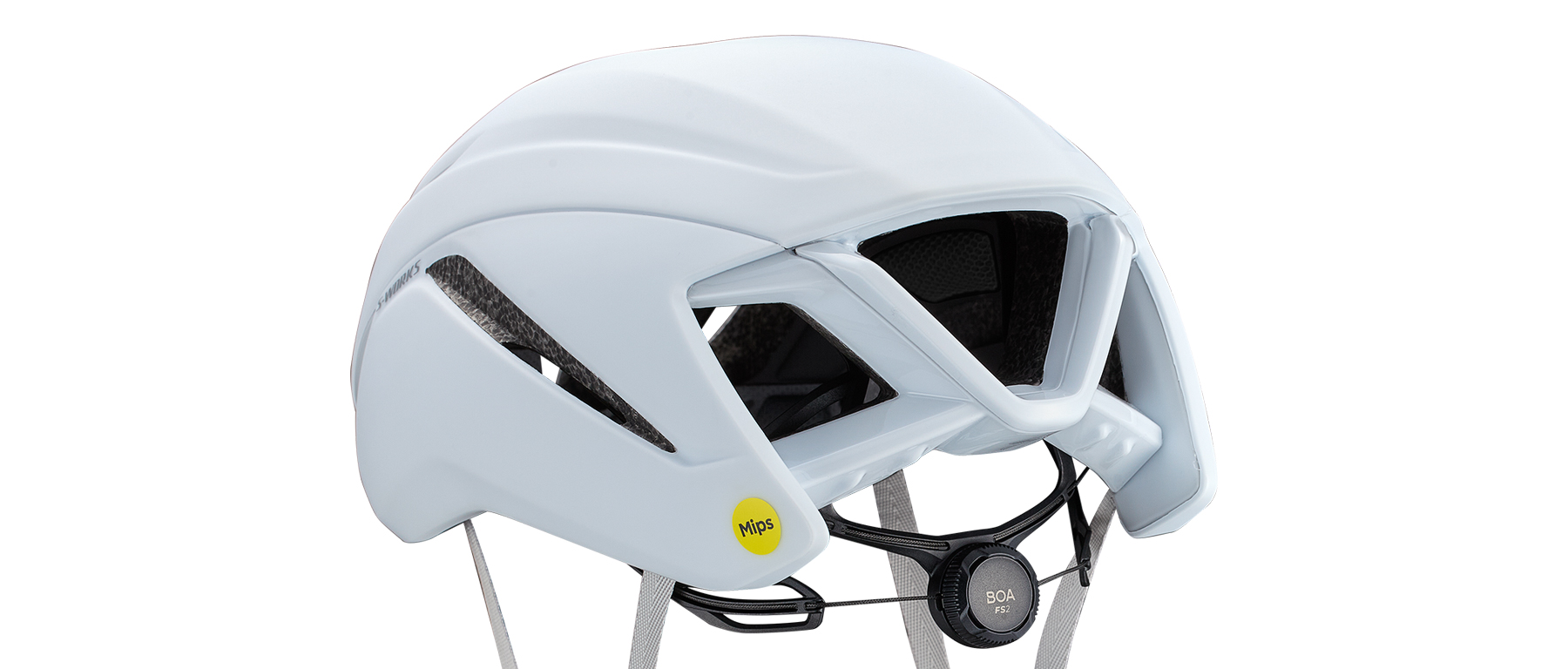
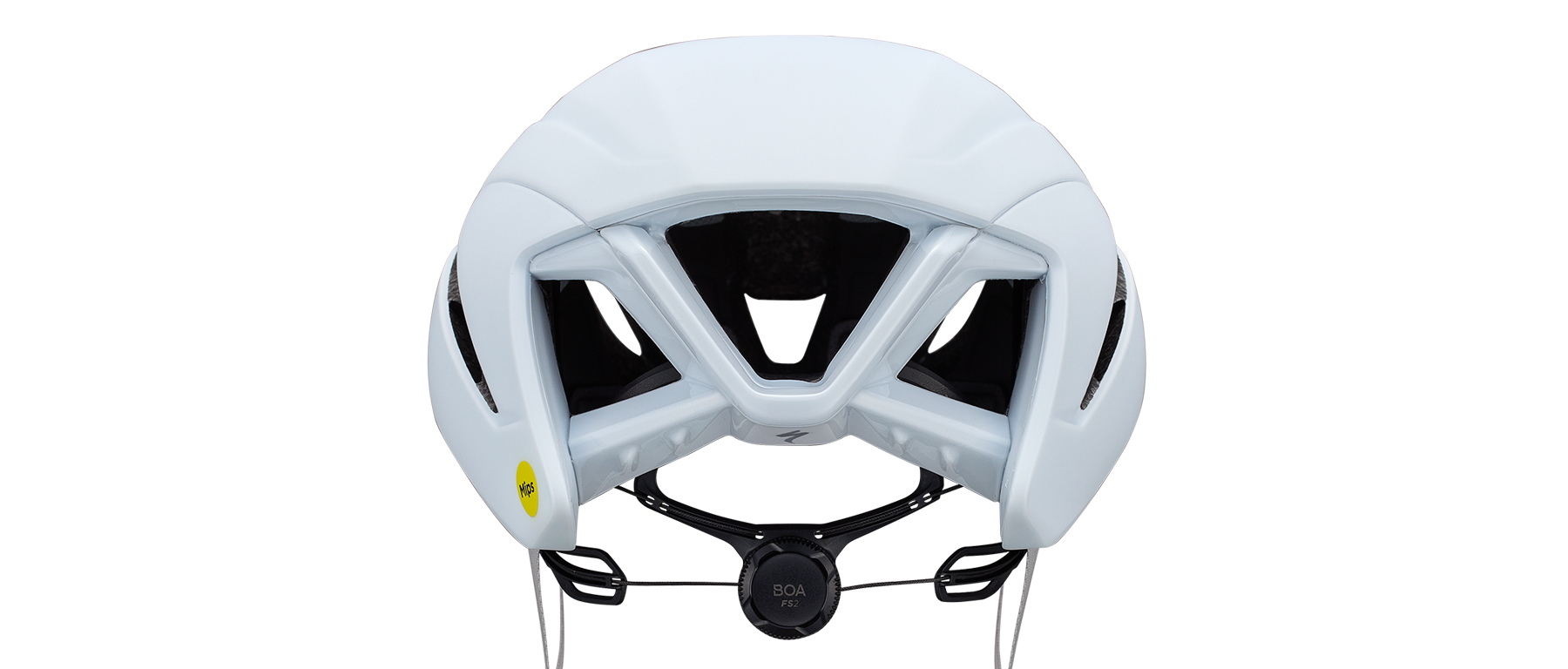
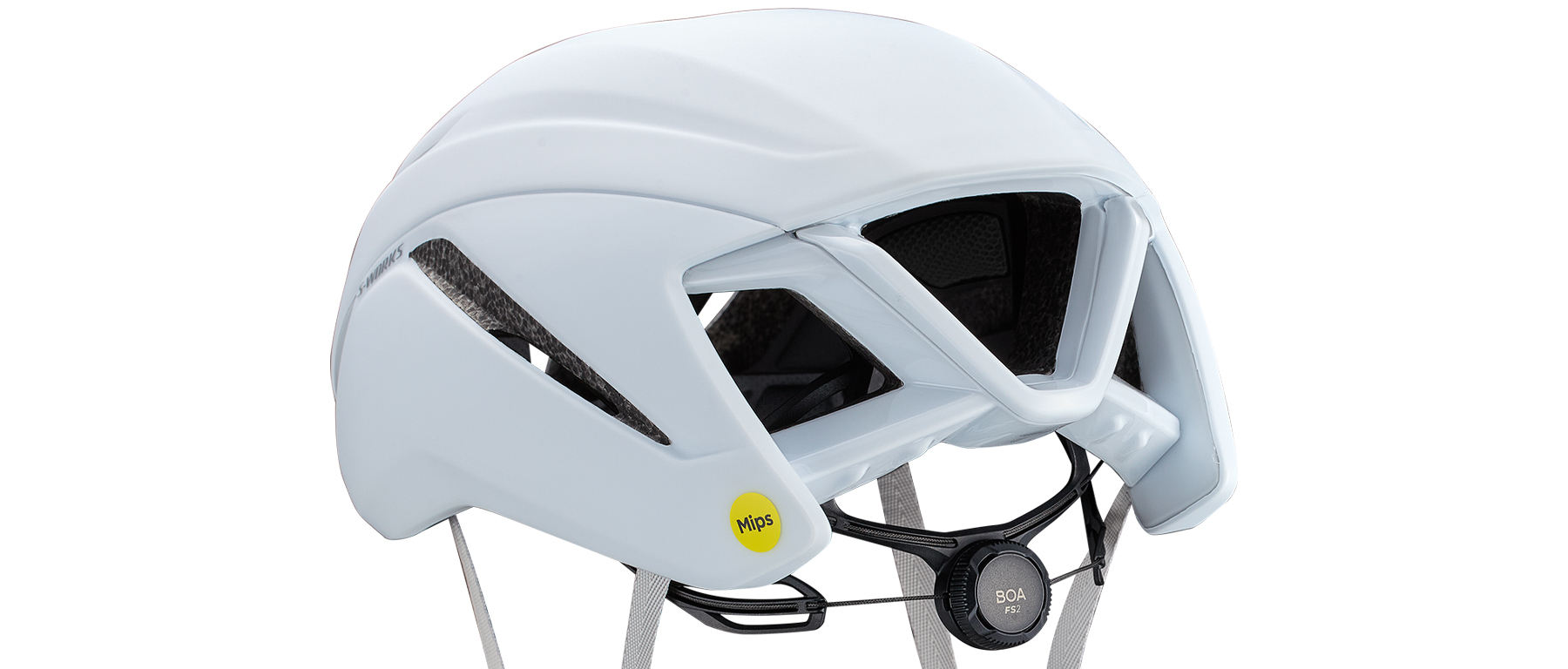
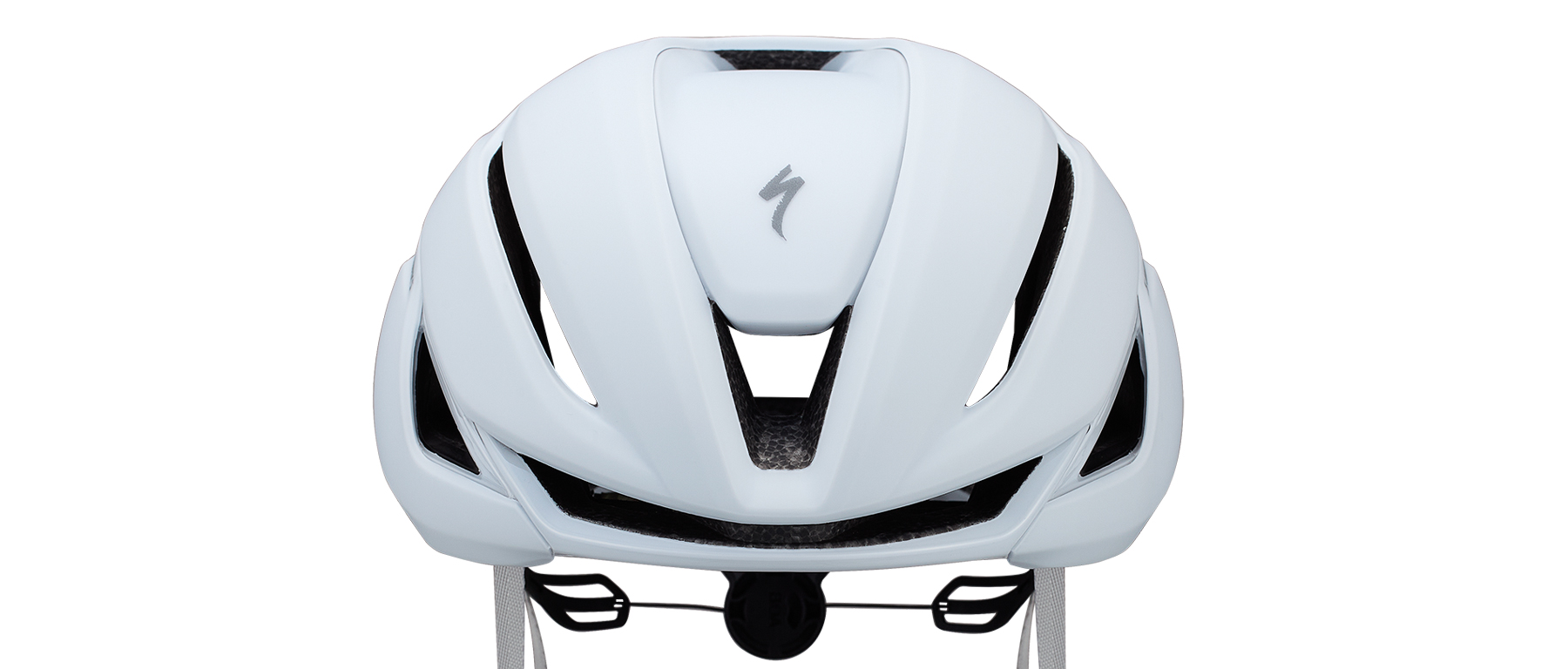
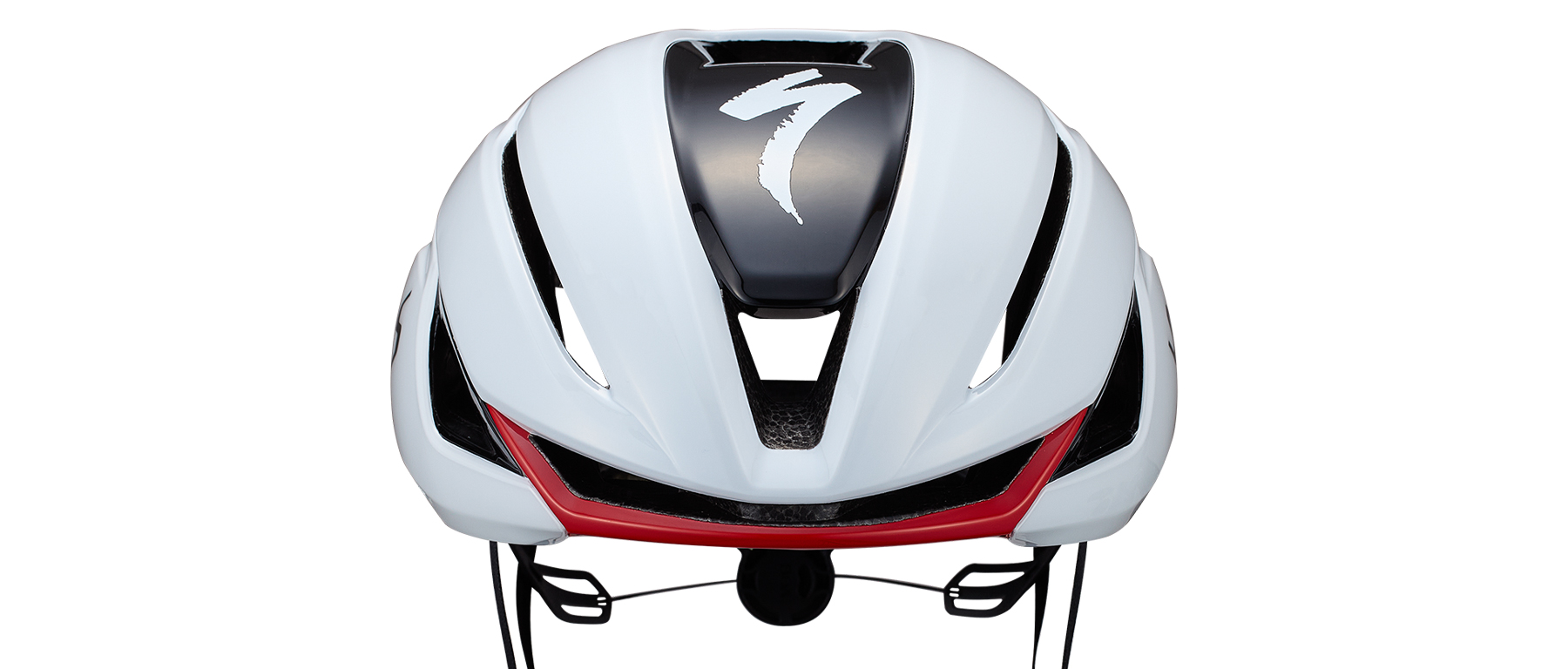
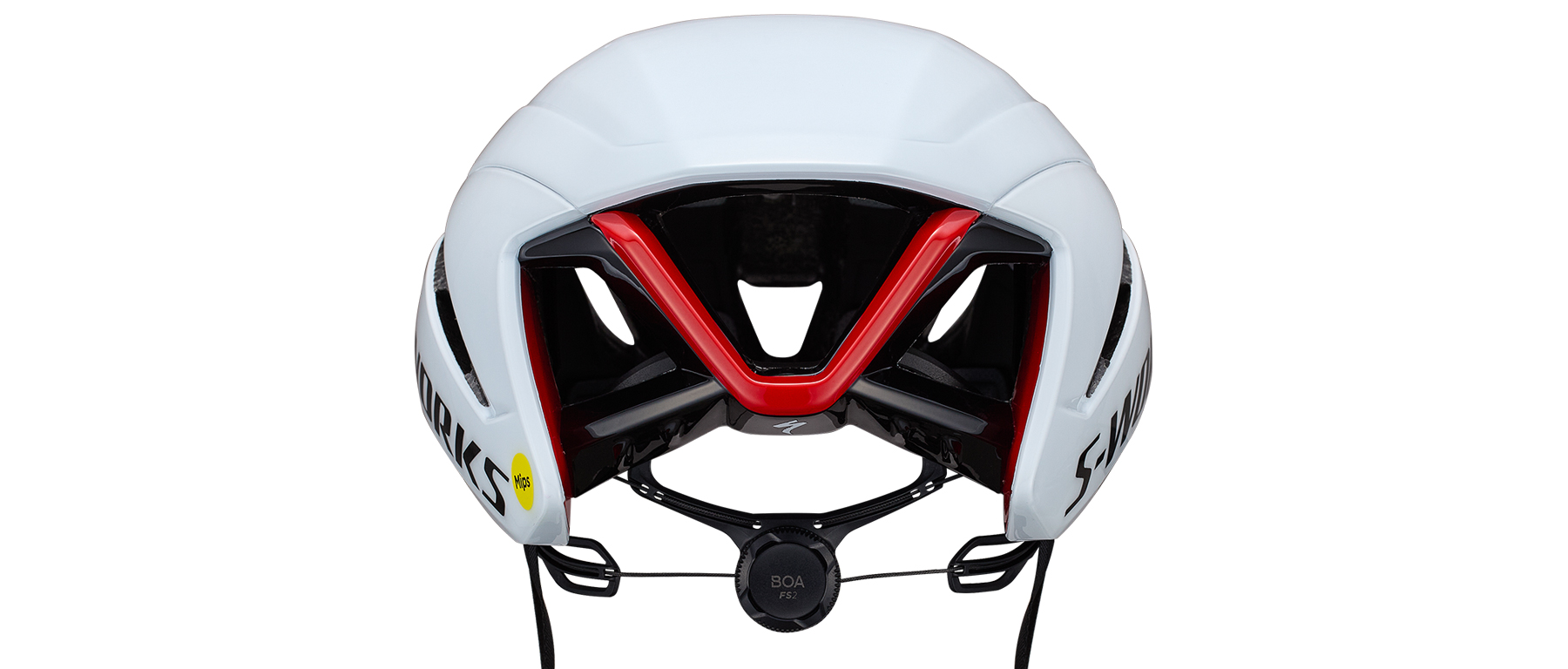
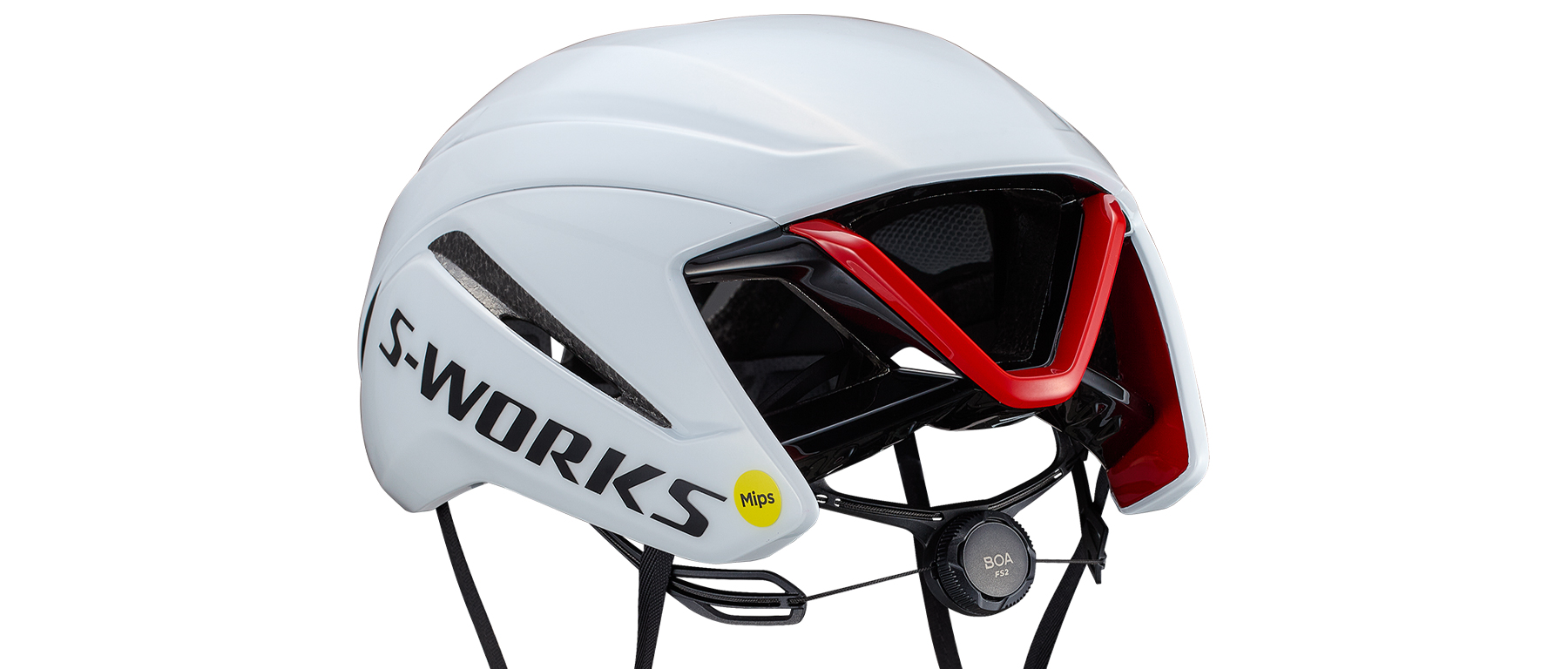
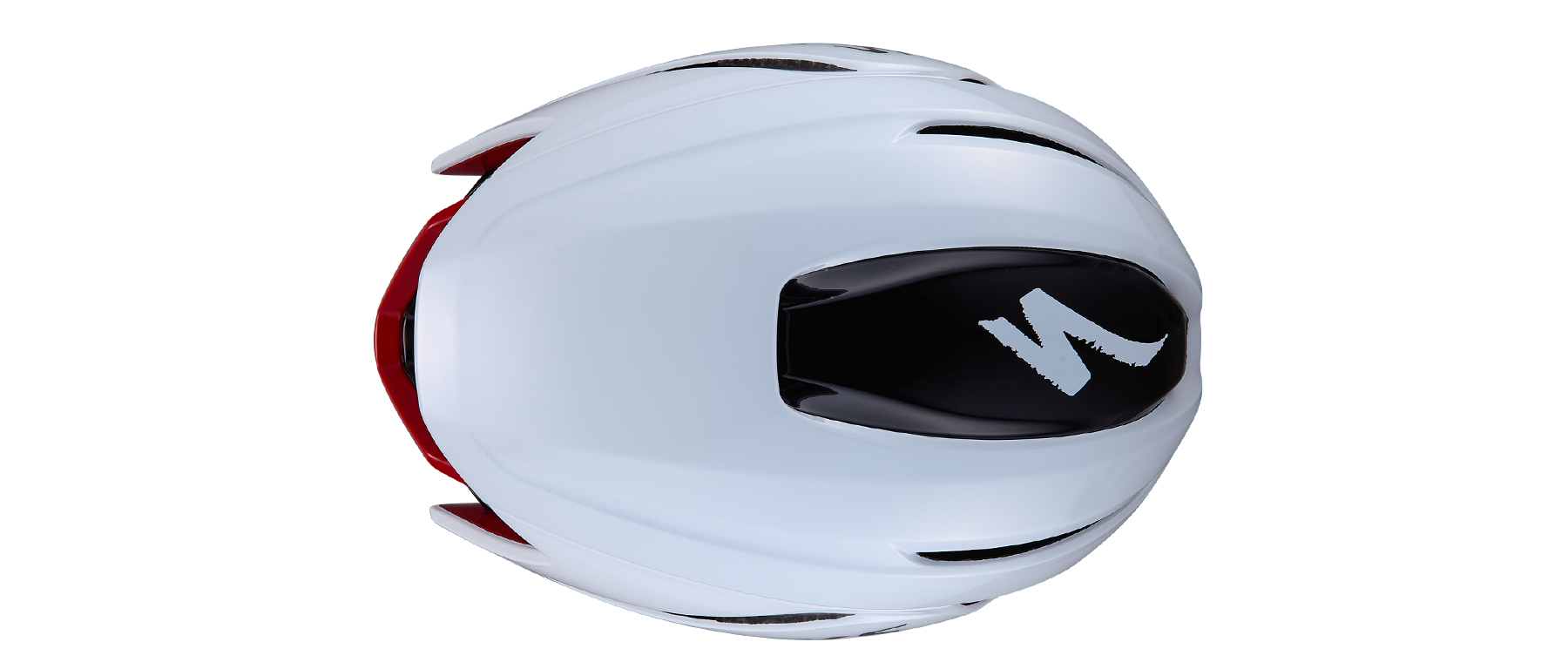
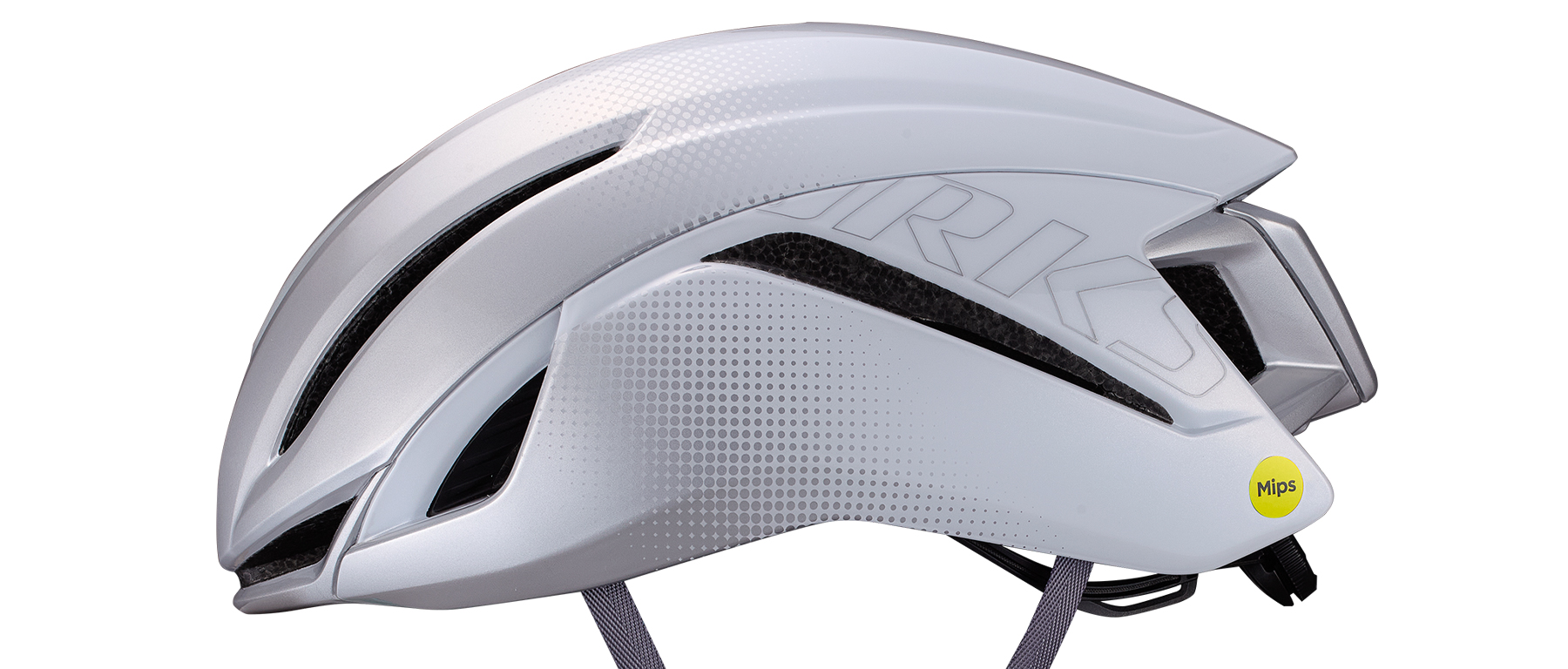
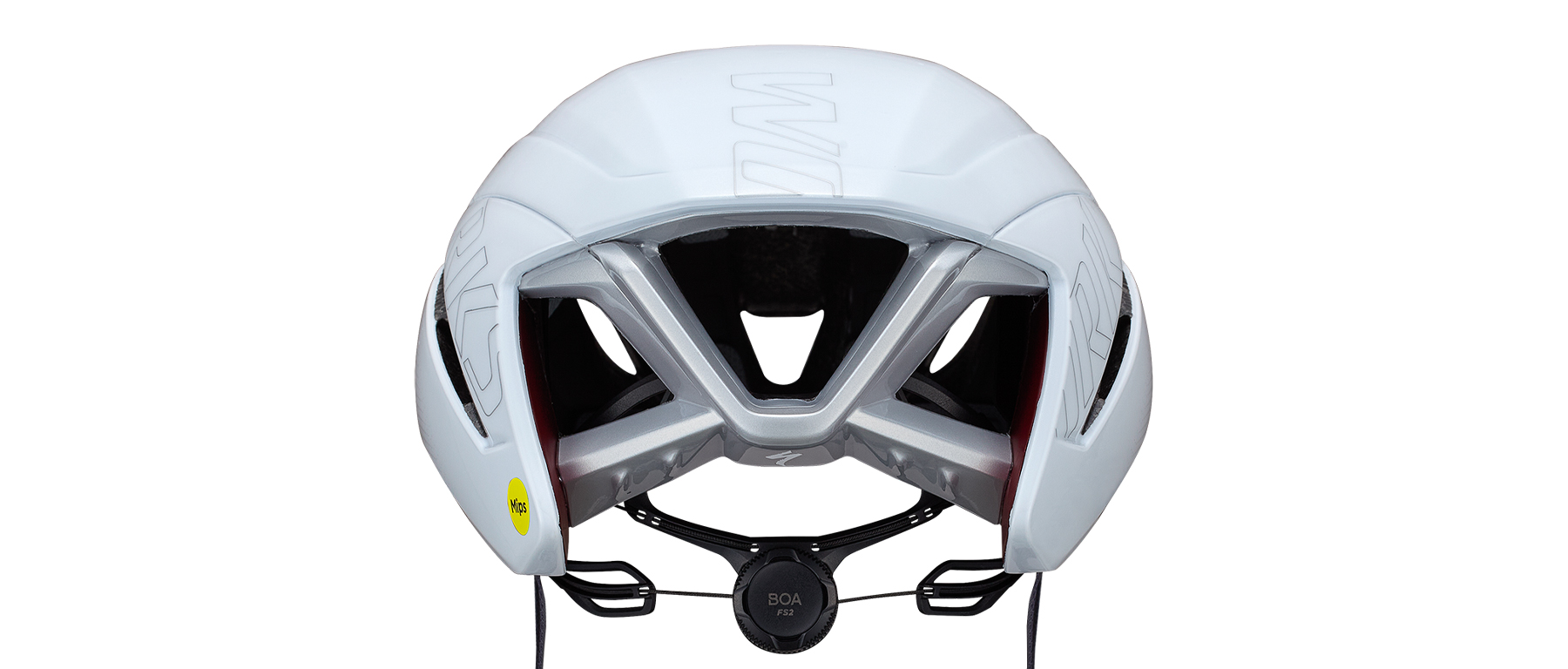
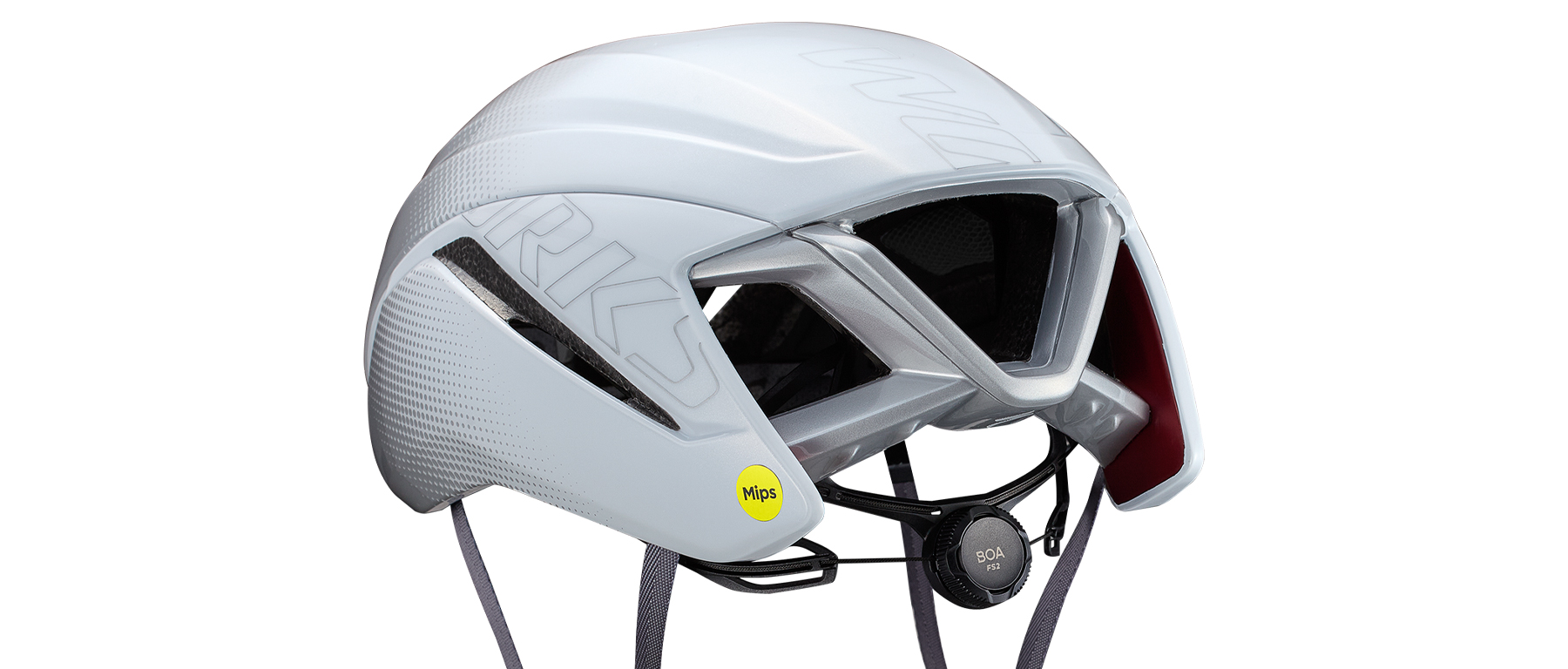
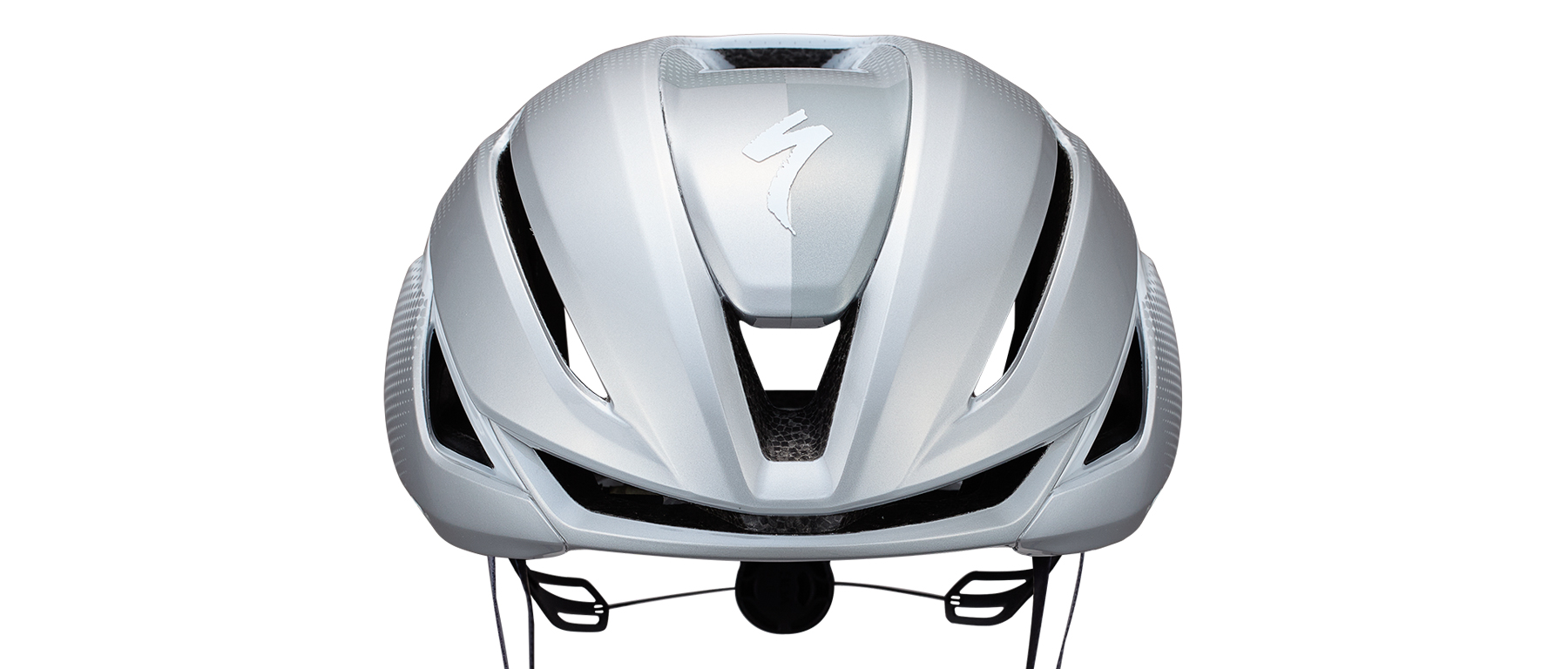
Cooling is where this generation puts in the work. The Evade 4 is 2.4% cooler than the Evade 3, and Specialized credits redesigned vents, the return of a forehead MouthPort, and larger internal channels for the gain. Reviewers who spent time in the helmet in summer conditions reported that the air actually moves — you feel a stream across the scalp even at moderate speed rather than heat pooling under the shell. The MouthPort scoops fresh air at the brow, the 4D Cooling channels pull that air deeper across the crown instead of skimming the surface, and a widened, squared-off rear exhaust — a detail borrowed from the TT5 time trial helmet — releases it cleanly off the back.
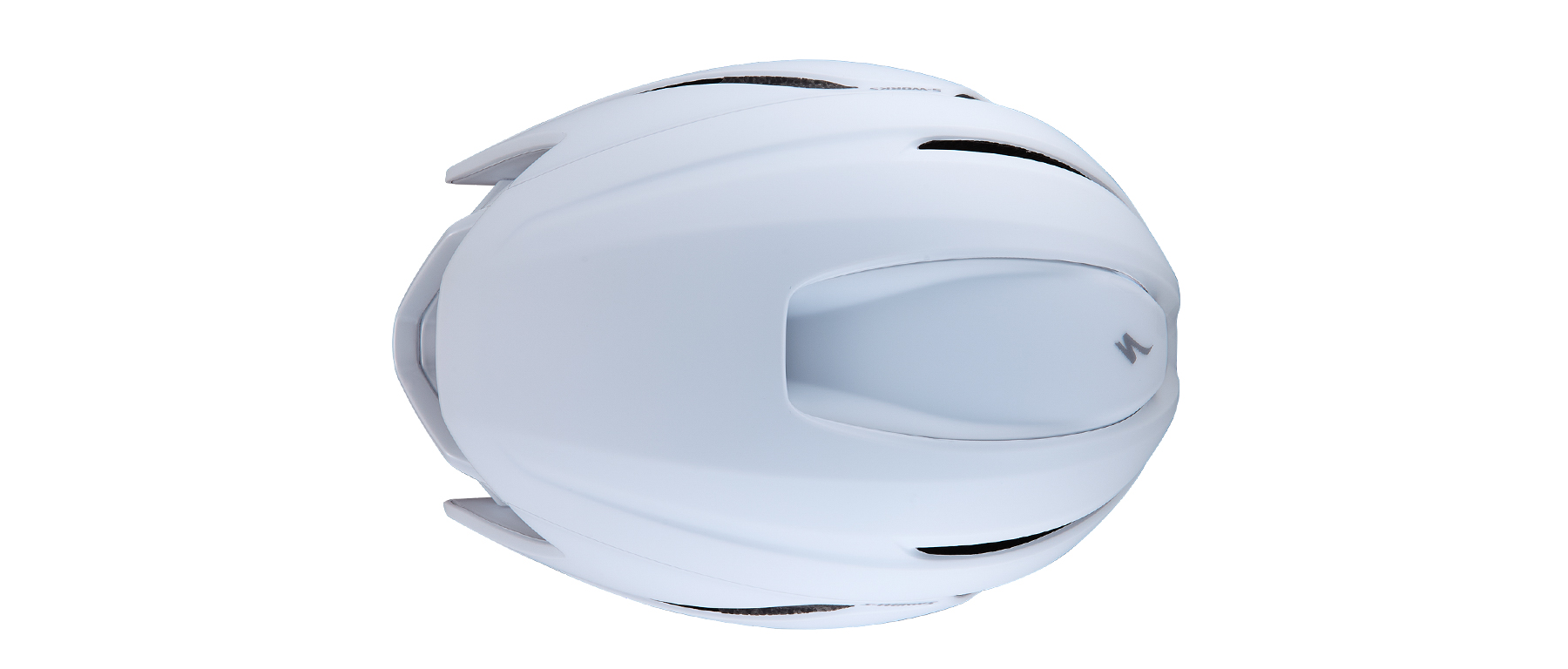
On the aero side, Specialized isn't claiming this generation is faster — the goal was to hold the Evade 3's performance while opening up ventilation, and the wind tunnel team pegs any drag change at well under half a watt. The TT5-inspired shaping does double duty: it manages rear airflow while a truncated tail keeps the helmet from penalizing a heads-down sprint position, so the shape stays flexible across riders and positions. If you've been on the Evade 3 and wondered whether another generation was worth it, the cooling story is the headline and the aero was simply protected rather than chased.... Read More
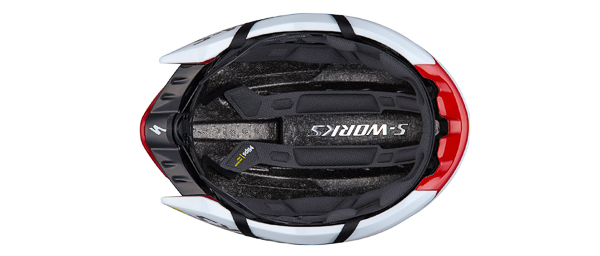
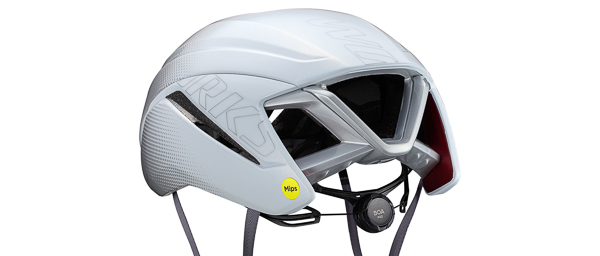
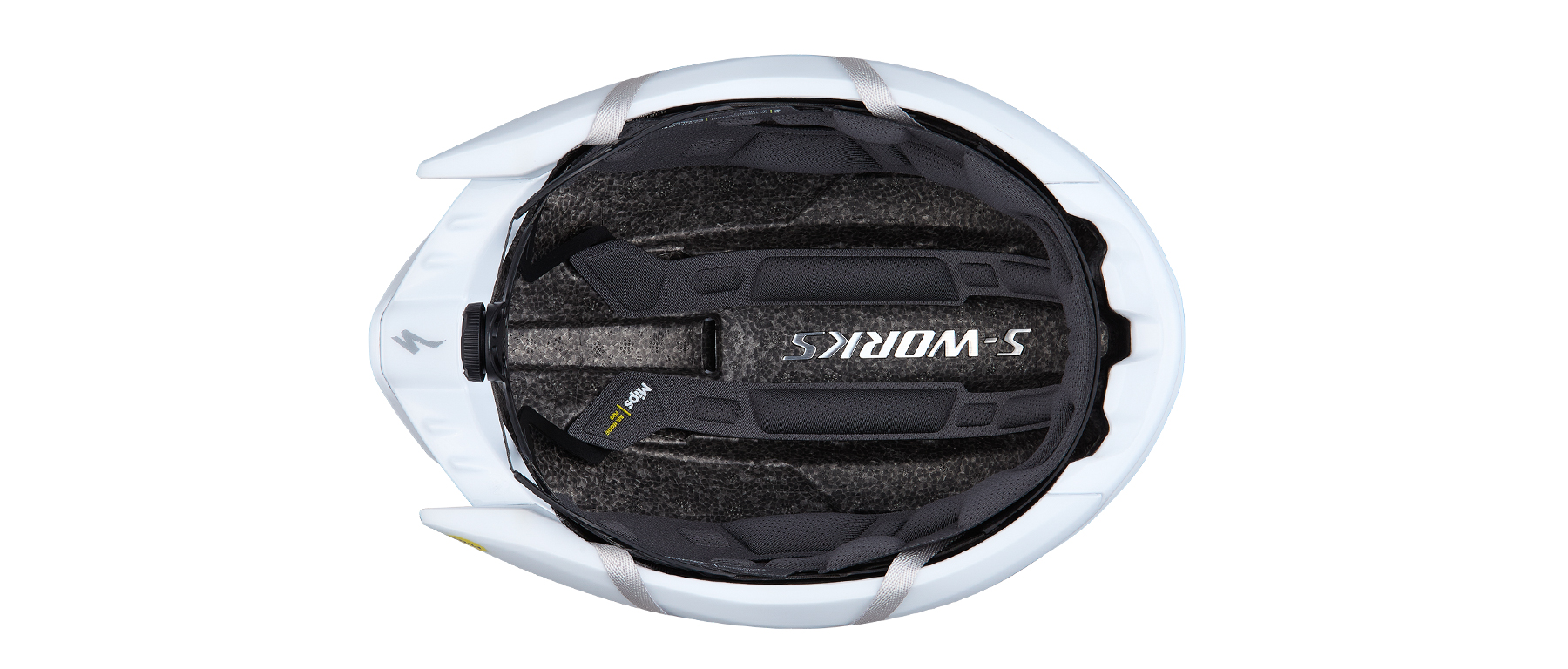
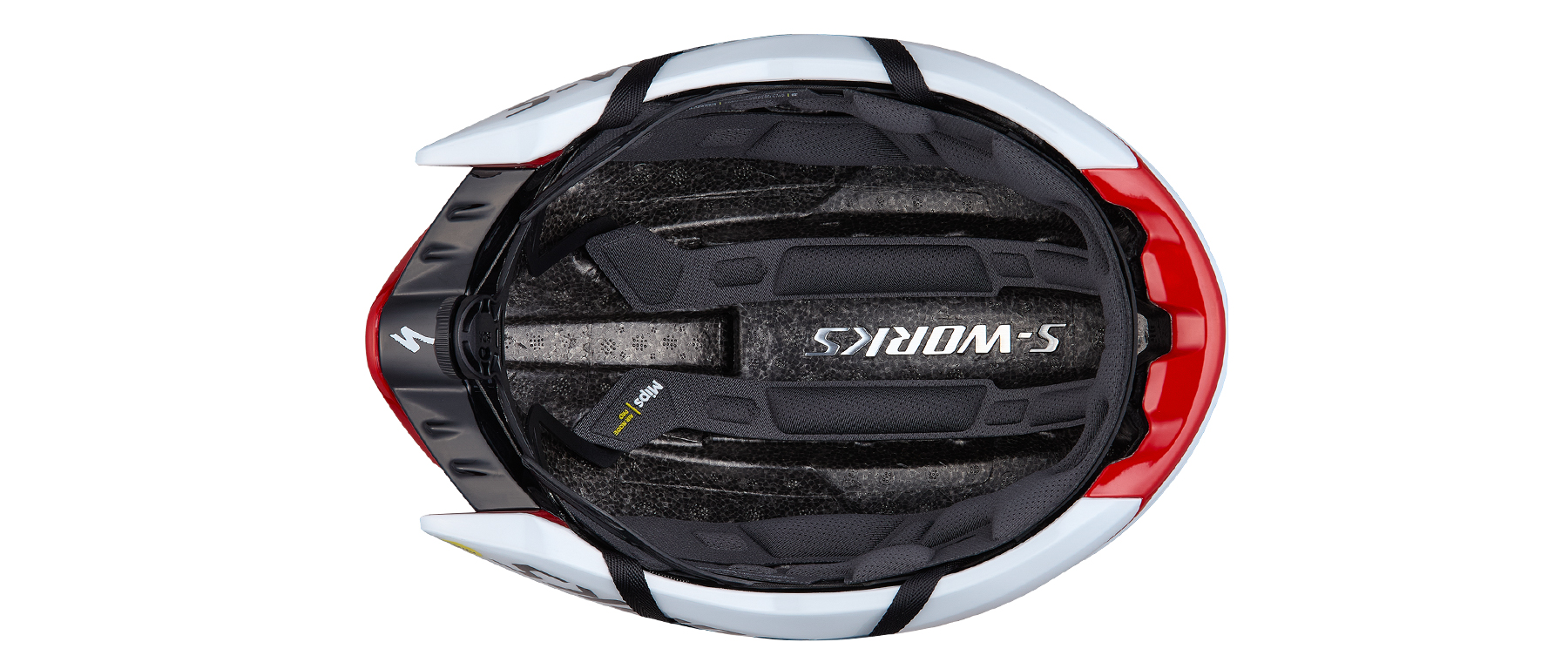
Fit is the other swing. The new headform is rounder and less ovalized than the Evade 3, blending in learnings from the Propero to widen the temple profile and drop pressure points, which helps if you never quite found your head shape in past Evades. The BOA Fit System featuring FS2 wraps the head with a micro-adjustable 360° hold — dial it down once it's on, back it off when you stop, no hot spots building over a long ride. Tri-Fix 5 splitters clean up the strap lay where the webbing meets your ears, and ridged storage slots hold your sunglasses without rattle so your shades aren't floating in a jersey pocket on the climb.
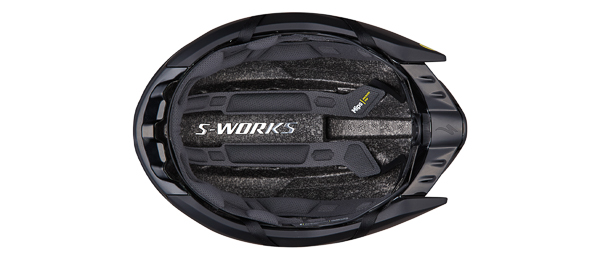
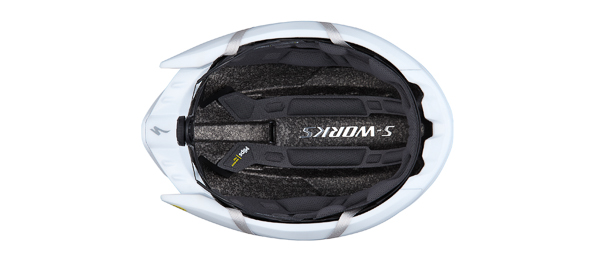
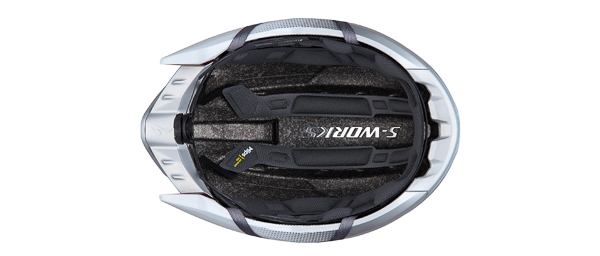
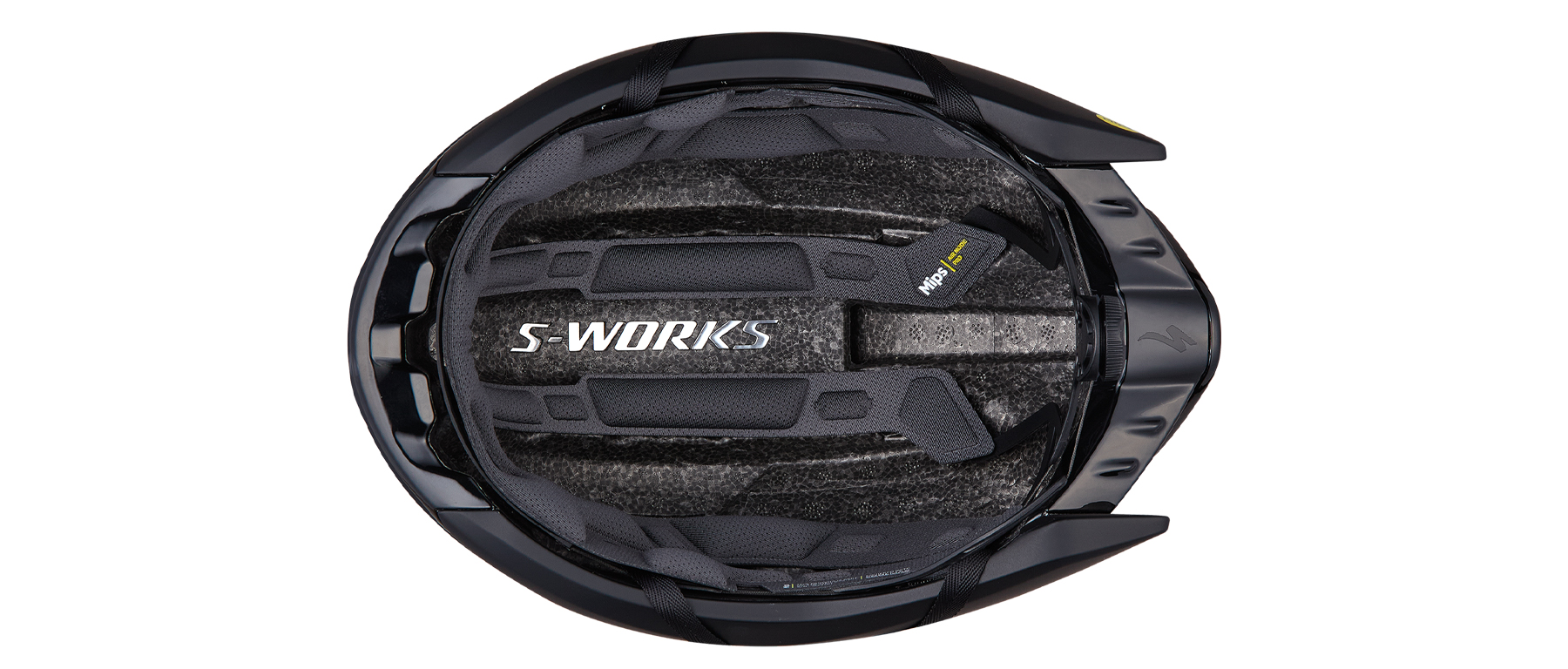
Safety sits behind the comfort story. Mips Air Node Pro is integrated directly into the minimalist padding, using subtle hook-and-loop connections to allow the twisting movement that manages rotational forces in an oblique impact — no bulky yellow liner adding heat-trapping layers. The helmet ships in CE-certified and CPSC-certified versions depending on region, with claimed weights around 290g for CE and 330g for CPSC in size medium; independent scales have landed close, with one CE sample at 287g. U.S. buyers get the CPSC build by default at Excel. Either way you're in the light end of the aero-helmet class, which counts for more than the spec sheet suggests when you're craning your neck up a climb three hours into a ride.